Aim: To assess whether treatment with sitagliptin, starting before surgery and continued during the hospital stay, can prevent and reduce the severity of perioperative hyperglycaemia in patients with type 2 diabetes undergoing coronary artery bypass graft (CABG) surgery. Materials and Methods: We conducted a double-blinded, placebo-controlled trial in adults with type 2 diabetes randomly assigned to receive sitagliptin or matching placebo starting 1 day prior to surgery and continued during the hospital stay. The primary outcome was difference in the proportion of patients with postoperative hyperglycaemia (blood glucose [BG] > 10 mmol/L [>180 mg/dL]) in the intensive care unit (ICU). Secondary endpoints included differences in mean daily BG in the ICU and after transition to regular wards, hypoglycaemia, hospital complications, length of stay and need of insulin therapy. Results: We included 182 participants randomized to receive sitagliptin or placebo (91 per group, age 64 +/- 9 years, HbA1c 7.6% +/- 1.5% and diabetes duration 10 +/- 9 years). There were no differences in the number of patients with postoperative BG greater than 10 mmol/L, mean daily BG in the ICU or after transition to regular wards, hypoglycaemia, hospital complications or length of stay. There were no differences in insulin requirements in the ICU; however, sitagliptin therapy was associated with lower mean daily insulin requirements (21.1 +/- 18.4 vs. 32.5 +/- 26.3 units, P = .007) after transition to a regular ward compared with placebo. Conclusion: The administration of sitagliptin prior to surgery and during the hospital stay did not prevent perioperative hyperglycaemia or complications after CABG. Sitagliptin therapy was associated with lower mean daily insulin requirements after transition to regular wards.
The Emory Diabetes Management Program (DMP) is a four-core chronic care management model including 1) specialized ambulatory program led by educators and advanced practitioners, 2) inpatient care protocols, 3) education of healthcare professionals through webinars, live sessions and “train-the-trainer” program, and 4) surveillance and data sharing/monitoring. The DMP goal is to reduce the percentage of patients within the Emory Healthcare System with A1c >9% to <15%. We report our results from 02/01/18 to 01/31/2019. Among 27,061 patients, the overall % of patients with A1c >9% reduced from 20.5% to 17.2%, with improvement observed in all clinic operating units-- primary care (19.4 to 16.2%), family medicine (24.2% to 21.9%) and endocrinology (23.3 to 18.8%). Among 922 patients referred to the specialized ambulatory program (core 1), 644 participated (DMP) and 278 declined participation (No-DMP). DMP participants had greater improvement in A1c from baseline (-1.3%±2.5 vs. -0.5%±2.1, p<0.01), and a reduction in % of patients with A1c >9% by 26% (from 64% to 38%) vs. 12% (from 61% to 49%) compared to No-DMP group, p<0.01. The Emory-DMP, is an effective population management program for improving diabetes care, with significant reduction in the number of patients with poor control diabetes. Disclosure R.J. Galindo: Advisory Panel; Self; Lilly Diabetes. Consultant; Self; Valeritas, Inc. Research Support; Self; Novo Nordisk Inc. Other Relationship; Self; UpToDate. L. Peng: None. Z.T. Smith: None. S. Jacobs: None. M.K. Khosravanipour: None. F.E. Turton: None. C.M. Masi: None. G.J. Esper: None. B. Wylde: None. P.A. Castellano: Advisory Panel; Self; American Association of Medical Colleges. Board Member; Self; Vizient Inc. G.E. Umpierrez: None.
Fragmented care with limited access to specialized diabetes care and self-management education programs and a suboptimal referral system account for the high prevalence of poorly controlled diabetes in academic health systems. In the Emory Healthcare System, the largest health system in Georgia with over 65,000 patients with DM, ∼15-20% of patients have HbA1c >9%. We implemented the Emory Diabetes Management Program (DMP), a chronic care management model that proactively invited patients with HbA1c >9% scheduled to attend an ambulatory clinic to be seen by a Diabetes Educator/Nurse Practitioner team supervised by an endocrinologist. Among 898 patients scheduled from 01/01/18 to 11/30/2018, 630 (70.2%) patients attended the program (age 56.2 years, females 62%, African-Americans 73%) with a baseline HbA1c of 10.4±2.0%. The intervention resulted in significant reduction in HbA1c levels and higher number of patients achieving HbA1c <9% compared to patients who did not attend the intervention. In addition, more patients in the intervention achieved an LDL < 100 mg/dl and a blood pressure goal <130/80 mm HG (Table 1). The Emory-DMP, a proactive chronic care model of focused diabetes education and management, is an effective approach for improving care of patients with diabetes, resulting in significant improvement in HbA1c, blood pressure and lipid control. Disclosure A. Ayanambakkam Nambi: None. Z.T. Smith: None. M.S. Presswood: None. S. Jacobs: None. A.F. McAleer: None. P.A. Castellano: Advisory Panel; Self; Vizient. M. Khosravanipour: None. R.J. Galindo: Advisory Panel; Self; Abbott, Novo Nordisk Inc., Sanofi US. Research Support; Self; Novo Nordisk Inc. F.E. Turton: None. J. Dee: None. C.M. Masi: None. G.J. Esper: None. G.E. Umpierrez: Advisory Panel; Self; Boehringer Ingelheim Pharmaceuticals, Inc., Janssen Pharmaceuticals, Inc. Research Support; Self; AstraZeneca, Merck & Co., Inc., Novo Nordisk Inc., Sanofi US.
Perioperative hyperglycemia (BG >180 mg/dl) is reported in more than 80% of patients with T2D after cardiac surgery and is associated with high morbidity and mortality. Continuous insulin infusion (CII), the recommended for treatment of perioperative hyperglycemia is labor intensive and is associated with hypoglycemia risk. Because, treatment with DPP-4is has been shown to improve glucose control without hypoglycemia in general surgery patients, we conducted a double-blinded randomized trial to test the hypothesis that sitagliptin could prevent and treat hyperglycemia after CABG. A total of 202 patients with T2D were randomized to sitagliptin (n=101) or placebo (n=101) once daily, starting the day prior to surgery and continued in the ICU and after transition to regular wards. We observed no differences in BG prior to or during surgery, ICU stay or after transition to floor between groups. There were no differences in the number of patients requiring insulin therapy in the ICU or in regular floors, frequency of hypoglycemia or in hospital complications. Sitagliptin was associated with lower SQ insulin requirements without increased risk of hyper- or hypoglycemia compared to placebo after transition to regular floor. Conclusion: Sitagliptin cannot be recommended for the prevention or treatment of perioperative hyperglycemia in patients with T2D undergoing cardiac surgery. Disclosure S. Cardona: None. K.G. Tsegka: None. S. Jacobs: None. B.S. Albury: None. R.J. Galindo: Advisory Panel; Self; Abbott, Novo Nordisk Inc., Sanofi US. Research Support; Self; Novo Nordisk Inc. A. Migdal: None. M.E. Halkos: Board Member; Self; Medtronic. W.B. Keeling: None. J.S. Miller: None. S.K. Macheers: None. R.A. Guyton: None. P. Vellanki: Consultant; Self; Boehringer Ingelheim Pharmaceuticals, Inc., Merck & Co., Inc. Research Support; Self; National Institutes of Health. G. Davis: None. M. Fayfman: None. L. Peng: None. F.J. Pasquel: Consultant; Self; Boehringer Ingelheim Pharmaceuticals, Inc., Merck & Co., Inc. G.E. Umpierrez: Advisory Panel; Self; Boehringer Ingelheim Pharmaceuticals, Inc., Janssen Pharmaceuticals, Inc. Research Support; Self; AstraZeneca, Merck & Co., Inc., Novo Nordisk Inc., Sanofi US. Funding Merck & Co., Inc.
Aims To determine if treatment with sitagliptin, a dipeptidyl peptidase-4 inhibitor, can prevent stress hyperglycemia in patients without diabetes undergoing coronary artery bypass graft (CABG) surgery.Methods We conducted a pilot, double-blinded, placebo-controlled randomized trial in adults (18–80 years) without history of diabetes. Participants received sitagliptin or placebo once daily, starting the day prior to surgery and continued for up to 10 days. Primary outcome was differences in the frequency of stress hyperglycemia (blood glucose (BG) >180 mg/dL) after surgery among groups.Results We randomized 32 participants to receive sitagliptin and 28 to placebo (mean age 64±10 years and HbA1c: 5.6%±0.5%). Treatment with sitagliptin resulted in lower BG levels prior to surgery (101±mg/dL vs 107±13 mg/dL, p=0.01); however, there were no differences in the mean BG concentration, proportion of patients who developed stress hyperglycemia (21% vs 22%, p>0.99), length of hospital stay, rate of perioperative complications and need for insulin therapy in the intensive care unit or during the hospital stay.Conclusion The use of sitagliptin during the perioperative period did not prevent the development of stress hyperglycemia or need for insulin therapy in patients without diabetes undergoing CABG surgery.
Aims: To determine the frequency of increasing levels of stress hyperglycemia and its associated complications in surgery patients without a history of diabetes. Methods: We reviewed hospital outcomes in 1971 general surgery patients with documented preoperative normoglycemia [blood glucose (BG) < 140 mg/dL] who developed stress hyperglycemia (BG > 140 mg/dL or > 180 mg/dL) within 48 h after surgery between 1/1/2010 and 10/31/2015. Results: A total of 415 patients (21%) had episode of BG between 140 and 180 mg/dL and 206 patients (10.5%) had BG > 180 mg/dL The median length of hospital stay (LOS) was 9 days [interquartile range (IQR) 5,15] for BG between 140 and 180 mg/dL and 12 days (IQR 6,18) for BG > 180 mg/dL compared to normoglycemia at 6 days (IQR 4,11), both p < 0.001. Patients with BG 140-180 mg/dL had higher rates of complications with an odds ratio (OR) of 1.68 [95% confidence interval (95% CI) 1.15-2.44], and those with BG > 180 mg/dL had more complications [OR 3.46 (95% CI 2.24-5.36)] and higher mortality [OR 6.56 (95% CI 2.12-20.27)] compared to normoglycemia. Conclusion: Increasing levels of stress hyperglycemia are associated with higher rates of perioperative complications and hospital mortality in surgical patients without diabetes. (C) 2017 Elsevier Inc. All rights reserved.
Background: The financial impact of intensive (blood glucose [BG] 100-140 mg/di [5.5-7.8 mM] vs. conservative (141-180 mg/dl (7.9-10.0 mM) glucose control in the ICU in patients, with and without diabetes, undergoing coronary artery bypass graft (CABG) surgery is not known.Methods: This post-hoc cost analysis determined differences in hospitalization costs, resource utilization and perioperative complications in 288 CABG patients with diabetes (n = 143) and without diabetes (n = 145), randomized to intensive (n = 143) and conservative (n = 145) glucose control.Results: Intensive glucose control resulted in lower BG (131.4 +/- 14 mg/dl-(7.2 +/- 0.8 mM) vs. 151.6 +/- 17 mg/dl (8.4 +/- 0.8 mM, p < 0.001), a nonsignificant reduction in the median length of stay (LOS, 7.9 vs. 8.5 days, p = 0.17) and in a composite of perioperative complications including wound infection, bacteremia, acute renal and respiratory failure, major cardiovascular events (42% vs 52%, p = 0.10) compared to conservative control. Median hospitalization costs were lower in the intensive group ($39,366 vs. $42,141, p = 0.040), with a total cost savings of $3654 (95% CI: $1780-$3723), than conservative control. Resource utilization for radiology (p = 0.008), laboratory (p = 0.014), consultation service (p = 0.013), and ICU utilization (p = 0.007) were also lower in the intensive group. Compared to patients without perioperative complications, those with complications had longer hospital length of stay (10.7 days vs. 6.7 days, p < 0.001), higher total hospitalization cost ($48,299 vs. $32,675, p < 0.001), and higher resource utilization units (2745 vs. 1710, p < 0.001).Conclusion: Intensive glycemic control [SG 100-140 mg/dl (5.5-7.8 mM)] in patients undergoing CABG resulted in significant reductions in hospitalization costs and resource utilization compared to patients treated with conservative [BG 141-180 mg/dl (7.9-10.0 mM)] glucose control. (C) 2017 Elsevier Inc. All rights reserved.
ObjectiveWe aimed to determine (a) longitudinal changes of inflammatory and oxidative stress markers and (b) the association between markers of inflammation and perioperative complications in coronary artery bypass surgery (CABG) patients treated with intensive vs conservative blood glucose (BG) control.MethodsPatients with diabetes (n = 152) and without diabetes with hyperglycemia (n = 150) were randomized to intensive (n = 151; BG: 100-140 mg/dL) or to conservative (n = 151; BG: 141-180 mg/dL) glycemic targets. Plasma cortisol, high-sensitivity C-reactive protein (hsCRP), tumor necrosis factor-α, interleukin-6 (IL-6), thiobarbituric acid-reactive substances, and 2'-7'-dichlorofluorescein were measured prior to and at days 3, 5, and 30 after surgery.ResultsIntensive glycemic control resulted in lower mean BG (132 ± 14 mg/dL vs 154 ± 17 mg/dL, P < 0.001) in the intensive care unit. Plasma cortisol and inflammatory markers increased significantly from baseline after the third and fifth day of surgery (P < 0.001), and returned to baseline levels at 1 month of follow-up. Patients with perioperative complications had higher levels of cortisol, hsCRP, IL-6, and oxidative stress markers compared with those without complications. There were no significant differences in inflammatory and oxidative stress markers between patients, with or without diabetes or complications, treated with intensive or conventional glucose targets.ConclusionWe report no significant differences in circulating markers of acute inflammatory and oxidative stress response in cardiac surgery patients, with or without diabetes, treated with intensive (100-140 mg/dL) or conservative (141-180 mg/dL) insulin regimens.
OBJECTIVE The optimal level of glycemic control needed to improve outcomes in cardiac surgery patients remains controversial. RESEARCH DESIGN AND METHODS We randomized patients with diabetes (n = 152) and without diabetes (n = 150) with hyperglycemia to an intensive glucose target of 100–140 mg/dL (n = 151) or to a conservative target of 141–180 mg/dL (n = 151) after coronary artery bypass surgery (CABG) surgery. After the intensive care unit (ICU), patients received a single treatment regimen in the hospital and 90 days postdischarge. Primary outcome was differences in a composite of complications, including mortality, wound infection, pneumonia, bacteremia, respiratory failure, acute kidney injury, and major cardiovascular events. RESULTS Mean glucose in the ICU was 132 ± 14 mg/dL (interquartile range [IQR] 124–139) in the intensive and 154 ± 17 mg/dL (IQR 142–164) in the conservative group (P < 0.001). There were no significant differences in the composite of complications between intensive and conservative groups (42 vs. 52%, P = 0.08). We observed heterogeneity in treatment effect according to diabetes status, with no differences in complications among patients with diabetes treated with intensive or conservative regimens (49 vs. 48%, P = 0.87), but a significant lower rate of complications in patients without diabetes treated with intensive compared with conservative treatment regimen (34 vs. 55%, P = 0.008). CONCLUSIONS Intensive insulin therapy to target glucose of 100 and 140 mg/dL in the ICU did not significantly reduce perioperative complications compared with target glucose of 141 and 180 mg/dL after CABG surgery. Subgroup analysis showed a lower number of complications in patients without diabetes, but not in patients with diabetes treated with the intensive regimen. Large prospective randomized studies are needed to confirm these findings.
OBJECTIVE Effective treatment algorithms are needed to guide diabetes care at hospital discharge in general medicine and surgery patients with type 2 diabetes. RESEARCH DESIGN AND METHODS This was a prospective, multicenter open-label study aimed to determine the safety and efficacy of a hospital discharge algorithm based on admission HbA1c. Patients with HbA1c <7% (53.0 mmol/mol) were discharged on their preadmission diabetes therapy, HbA1c between 7 and 9% (53.0–74.9 mmol/mol) were discharged on a preadmission regimen plus glargine at 50% of hospital daily dose, and HbA1c >9% were discharged on oral antidiabetes agents (OADs) plus glargine or basal bolus regimen at 80% of inpatient dose. The primary outcome was HbA1c concentration at 12 weeks after hospital discharge. RESULTS A total of 224 patients were discharged on OAD (36%), combination of OAD and glargine (27%), basal bolus (24%), glargine alone (9%), and diet (4%). The admission HbA1c was 8.7 ± 2.5% (71.6 mmol/mol) and decreased to 7.3 ± 1.5% (56 mmol/mol) at 12 weeks of follow-up (P < 0.001). The change of HbA1c from baseline at 12 weeks after discharge was −0.1 ± 0.6, −0.8 ± 1.0, and −3.2 ± 2.4 in patients with HbA1c <7%, 7–9%, and >9%, respectively (P < 0.001). Hypoglycemia (<70 mg/dL) was reported in 22% of patients discharged on OAD only, 30% on OAD plus glargine, 44% on basal bolus, and 25% on glargine alone and was similar in patients with admission HbA1c ≤7% (26%) compared with those with HbA1c >7% (31%, P = 0.54). CONCLUSIONS Measurement of HbA1c on admission is beneficial in tailoring treatment regimens at discharge in general medicine and surgery patients with type 2 diabetes.
OBJECTIVE This study investigated the safety and efficacy of sitagliptin (Januvia) for the inpatient management of type 2 diabetes (T2D) in general medicine and surgery patients. RESEARCH DESIGN AND METHODS In this pilot, multicenter, open-label, randomized study, patients (n = 90) with a known history of T2D treated with diet, oral antidiabetic agents, or low total daily dose of insulin (≤0.4 units/kg/day) were randomized to receive sitagliptin alone or in combination with glargine insulin (glargine) or to a basal bolus insulin regimen (glargine and lispro) plus supplemental (correction) doses of lispro. Major study outcomes included differences in daily blood glucose (BG), frequency of treatment failures (defined as three or more consecutive BG >240 mg/dL or a mean daily BG >240 mg/dL), and hypoglycemia between groups. RESULTS Glycemic control improved similarly in all treatment groups. There were no differences in the mean daily BG after the 1st day of treatment (P = 0.23), number of readings within a BG target of 70 and 140 mg/dL (P = 0.53), number of BG readings >200 mg/dL (P = 0.23), and number of treatment failures (P > 0.99). The total daily insulin dose and number of insulin injections were significantly less in the sitagliptin groups compared with the basal bolus group (both P < 0.001). There were no differences in length of hospital stay (P = 0.78) or in the number of hypoglycemic events between groups (P = 0.86). CONCLUSIONS Results of this pilot indicate that treatment with sitagliptin alone or in combination with basal insulin is safe and effective for the management of hyperglycemia in general medicine and surgery patients with T2D.
OBJECTIVE Effective and easily implemented insulin regimens are needed to facilitate hospital glycemic control in general medical and surgical patients with type 2 diabetes (T2D). RESEARCH DESIGN AND METHODS This multicenter trial randomized 375 patients with T2D treated with diet, oral antidiabetic agents, or low-dose insulin (≤0.4 units/kg/day) to receive a basal-bolus regimen with glargine once daily and glulisine before meals, a basal plus regimen with glargine once daily and supplemental doses of glulisine, and sliding scale regular insulin (SSI). RESULTS Improvement in mean daily blood glucose (BG) after the first day of therapy was similar between basal-bolus and basal plus groups (P = 0.16), and both regimens resulted in a lower mean daily BG than did SSI (P = 0.04). In addition, treatment with basal-bolus and basal plus regimens resulted in less treatment failure (defined as >2 consecutive BG >240 mg/dL or a mean daily BG >240 mg/dL) than did treatment with SSI (0 vs. 2 vs. 19%, respectively; P < 0.001). A BG <70 mg/dL occurred in 16% of patients in the basal-bolus group, 13% in the basal plus group, and 3% in the SSI group (P = 0.02). There was no difference among the groups in the frequency of severe hypoglycemia (<40 mg/dL; P = 0.76). CONCLUSIONS The use of a basal plus regimen with glargine once daily plus corrective doses with glulisine insulin before meals resulted in glycemic control similar to a standard basal-bolus regimen. The basal plus approach is an effective alternative to the use of a basal-bolus regimen in general medical and surgical patients with T2D.
OBJECTIVE:To determine differences in inpatient glycemic control and response to two different glargine-based insulin regimens in general medicine and surgery patients with type 2 diabetes (T2D).METHODS:This is a post-hoc analysis of a prospective, multicenter, randomized trial of 298 non-ICU medicine and surgery patients with T2D treated with Basal Bolus regimen with glargine once daily and glulisine before meals and with Basal Plus regimen with glargine once daily and supplemental doses of glulisine before meals for blood glucose (BG)>140mg/dl. Major study outcomes included differences in mean daily BG, frequency of treatment failures (defined as >2 consecutive BG>240mg/dl or a mean daily BG>240mg/dl), and hypoglycemia between the medicine and surgery cohorts.RESULTS:Patients treated with Basal Bolus or with Basal Plus experienced similar improvement in mean daily BG after 1st day of therapy (p=0.16), number of treatment failures (p=0.11) and hypoglycemic events (p=0.50). Compared to surgery patients (n=130), medicine patients (n=168) had higher admission BG (p=0.01) and HbA1c levels (p<0.01); however, they had similar response to either treatment regimen without differences in mean daily BG after 1st day of therapy (p=0.18), number of treatment failures (p=0.58), daily insulin requirements (p=0.36), or in the frequency of hypoglycemia (p=0.79).CONCLUSION:The Basal Plus regimen with glargine once daily and correction doses with glulisine before meals resulted in similar glycemic control to basal bolus regimen. We observed no differences in response to either basal insulin regimen between medicine and surgery patients with type 2 diabetes.
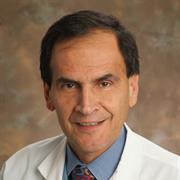 Guillermo Umpierrez合作论文数Department of Medicine, Division of Endocrinology and Metabolism, School of Medicine, Emory University29
 Limin Peng合作论文数24Dawn Smiley合作论文数18Christopher Newton合作论文数16
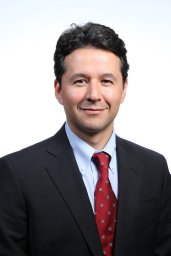 Pasquel Francisco J合作论文数Department ofMedicine, Emory University School ofMedicine15Halkos Michael E合作论文数9
 Priyathama Vellanki合作论文数Department of Medicine, School of Medicine, Emory University9Cardona Saumeth合作论文数9
 Robert Guyton合作论文数Division of Cardiothoracic Surgery, Department of Surgery, Emory University School of Medicine9Maya Fayfman合作论文数8David Reyes合作论文数7Farnoosh Farrokhi合作论文数7Georgia M Davis合作论文数6
 Rodolfo Galindo合作论文数6
 Vinod H. Thourani合作论文数Piedmont Healthcare6
 Darin E Olson合作论文数Atlanta Veterans Affairs Medical Center6Amna Khan合作论文数5
 Vivian A. Fonseca合作论文数School of Medicine, Tulane University5Hermayer Kathie L合作论文数5Fereira Maria Eugenia合作论文数5
 Monica Rizzo合作论文数Winship Cancer Institute, Emory University School of Medicine5Katerina Tsegka合作论文数4
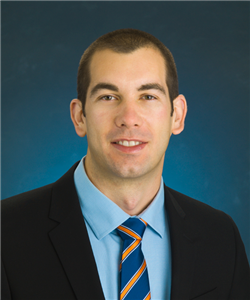 Paul C. Davidson合作论文数Division of Nutritional Sciences, College of Agricultural, Consumer and Environmental Sciences, University of Illinois at Urbana-Champaign4R. Dennis Steed合作论文数South Eastern Endocrinology and Diabetes4Patrick J. Mulligan合作论文数4Steven Macheers合作论文数3Bonnie Albury合作论文数3Alexandra L Migdal合作论文数3Ingrid Pinzon合作论文数3Michael Unigwe合作论文数3David Reyes-Umpierrez合作论文数3Ashwini Gore合作论文数3Prakash Chandra合作论文数3J Sonya Haw合作论文数3
 Abbas E Kitabchi合作论文数3John D. Puskas合作论文数3Frankie B. Stentz合作论文数3Frederick E. Turton合作论文数2Christopher M. Masi合作论文数2Penny A. Castellano合作论文数2Maria A. Urrutia合作论文数2Gregory J. Esper合作论文数2L. Peng合作论文数2
 Roma Gianchandani合作论文数Cedars-Sinai2Klindukhova Olena合作论文数2Bruce W. Bode合作论文数2W. Brent Keeling合作论文数2Natasha B. Khazai合作论文数1Dawn Smiley-Byrd合作论文数1




