Phytoplankton-derived dissolved organic matter (DOM) sustains complex marine microbial communities, yet the role of marine fungi-particularly yeasts-remains understudied regarding their substrate preferences, enzymatic strategies, and ecological relevance. We developed a novel protocol to investigate substrate-specific growth of marine fungal isolates under defined conditions and high temporal resolution. Using the β-1,3-glucan laminarin-a major marine storage polysaccharide of phytoplankton-and its oligomeric and monomeric breakdown products, we characterized growth and substrate utilization profiles of eleven marine yeast isolates from the epipelagic zone at Helgoland Roads, North Sea. Statistical analyses of growth kinetics distinguished four ecotypes with distinct substrate utilization patterns, quantified via phenol-sulfuric acid assays. Fluorophore-assisted carbohydrate electrophoresis (FACE) revealed the lack of endo-laminarinase activity, suggesting laminarin degradation depends on exo-acting enzymes. FACE also revealed a high diversity of short-chained laminarin-based intermediates accumulating over time, demonstrating that yeasts enhance chemical complexity during laminarin degradation and may fuel other microbes within the microbial loop. Representatives of each yeast ecotype were found to match abundant operational taxonomic units (OTU) in sequence similarity analyses of epipelagic mycoplankton datasets. This supports their ecological success and diverse substrate strategies. Rather than acting solely as opportunists, these yeasts may actively shape DOM turnover and carbon cycling within the microbial loop. Our study highlights a robust experimental approach for resolving functional diversity among marine yeasts and underpins their potential role in maintaining chemical diversity and substrate cross-feeding in the microbial loop.
Ocean alkalinity enhancement (OAE) is an emerging negative emission technology that increases seawater carbon sequestration capacity while potentially mitigating ocean acidification. However, environmental impacts of OAE on marine invertebrates remain poorly understood, hindering comprehensive risk assessments for environmentally acceptable implementation.,This study provides the first chronic evaluation of two different OAE approaches on the cellular/tissue level of juvenile Ostrea edulis, a key species for marine ecosystem restoration. Oysters were exposed for 63 days in mesocosms to dissolved alkalinity enhancement (NaOH addition mimicking pure total alkalinity increase) versus olivine-based coastal enhanced silicate weathering (CESW), both targeting total alkalinity levels of +250 and +500 µmol kg⁻¹. Trace metal accumulation was assessed via ICP-OES and untargeted metabolomic profiling of 27 polar metabolites was performed in gill and mantle tissues using ¹H-NMR spectroscopy.,Nickel accumulated dose dependent across all tissues in oysters exposed to olivine treatments (3–10 µg g⁻¹ dry weight), while cobalt and chromium remained below quantification limits. All alkalized treatments induced coordinated shifts in amino acid, osmolyte, and energy metabolism. Dissolved alkalinity primarily increased energy demand for acid–base homeostasis, with decreased valine and choline concentrations and elevated N-acetylcysteine at high ΔTA. Olivine treatments elicited additional Ni-driven responses, including elevated glutamate levels suggesting metal-related oxidative stress.,Both OAE approaches impose sublethal metabolic costs on O. edulis, with CESW adding Ni-driven detoxification burdens. These findings highlight the need to integrate organism-level endpoints into OAE environmental risk assessments and to investigate effects of alkalinity and metal exposures on other marine species and ecosystems.
The present study held in the frame of the JPI-Oceans FACTS examines the occurrence and long-range transport of microplastics (MP) in the North Atlantic Ocean. During a research cruise in 2021 seven transects along the Norwegian coast up to the Bear Island were actively sampled and the performance of two different sampling devices was evaluated. MP analysis and mass quantification was conducted using Py-GC/MS method. With careful reference to available field and laboratory blank values, MP was detected even in remote Artic areas with concentrations up to 37.5 ng MP m-3 and a clear predominance of the PET cluster. In addition, car tire tread, and clusters of PS, PP, and PUR were detected more often. Using the Lagrangian particle dispersion model FLEXPART, an attempt to reconstruct the origin of the air masses was made and to gain information about the origin of the measured MP by quantify different source contributions (sea-spray, mineral dust, road dust, agriculture). In this context, the resuspension of MP from the ocean into the overlying air layers appears to be a relevant source. Likewise, the long-range transport of PET particles appears to be substantial. The range of polymers detected, but also the risk of contamination, was closely linked to the particular sampling method used.
Anthropogenic climate change caused by CO2 emissions forces humanity to reduce the usage of fossil fuels. Along with the task of emission reduction, societies face the task of removing excess CO2 from the atmosphere by using negative emission technologies (NETs). Ocean alkalinity enhancement (OAE) is a proposed NET, aiming at increasing oceanic CO2 uptake through the addition of alkaline substances. This is an anthropogenically accelerated version of rock weathering, a natural global process for atmospheric CO2 regulation. The environmental impacts of OAE remain poorly understood. This study was part of a comprehensive OAE-mesocosm experiment in the North Sea (RETAKE), and focused on the effects of OAE on the pelagic bacterial community during the experiment. We assessed changes in bacterial community structure with 16S rRNA amplicon sequencing and abundance with flow cytometry, to evaluate responses to alkalinity addition. Beta diversity analysis showed that sampling time was the primary driver for community variation, with only marginal structural differences linked to alkalinity treatments. PERMANOVA tests conducted on predictions of functional metabolic pathways of the community revealed significant differences between treatments and baseline controls. A deeper analysis of the identified metabolic pathways revealed little evidence for alkalinity-induced changes. In contrast, total bacterial cell counts were influenced by alkalinity additions, showing delayed abundance peaks at higher concentrations and a non-linear response threshold between 500–750 µmol/L. These dynamics were linked to shifts in chlorophyll concentrations, suggesting an indirect effect of OAE on bacteria mediated by phytoplankton derived resources. This study is one of the first to assess ecological impacts of OAE on bacteria. Our findings highlight a structural resilience of bacterial communities to OAE but also show a quantitative response. By discussing our findings, this study aims to provide focus points, such as a threshold for save levels of alkalinity addition, to direct future research.
This study investigated the influence of oceanographic dynamics on marine microplastic (MP) distribution and identified wastewater and greywater emissions as relevant sources. In June 2021, sub-surface water samples were continuously collected during steaming at a depth of 4 meters along five transects, spanning 1600 nautical miles from the Norwegian coast to Bear Island in the Arctic Ocean. MPs (>10 mu m) were analyzed using Fourier-transform infrared imaging micro-spectroscopy, revealing concentrations ranging from 7 to 491 items m(-)(3). Elevated MP levels near the Norwegian coast (max 399 items m(-)(3)) were linked to discharges from wastewater discharges, including greywater from ships, with polyester dominating, followed by polypropylene and acrylates/polyurethanes/varnish. The highest concentrations were observed near the remote Bear Island, likely driven by oceanographic features such as the Polar Front and mesoscale eddies, which can trap and accumulate MPs. Our results were compared to a parallel study analyzing stationary samples from the same cruise, revealeing systematically higher MP concentrations in underway samples and highlighting the importance of sampling strategies for inter-study comparisons. Overall, this study underlines the complexity of MP distribution and the combined roles of wastewater and greywater emissions, ocean current patterns, and frontal zones in understanding MP pollution in marine environments.
Ocean Alkalinity Enhancement (OAE) is a proposed marine carbon dioxide removal strategy that increases seawater buffering capacity and CO2 uptake through the addition of alkaline substances. While OAE shows promise as a climate mitigation tool, its ecological implications remain poorly understood, particularly regarding microbial communities. This paper provides a risk assessment of two different OAE strategies: alkalization with olivine and alkalization with addition of dissolved sodium hydroxide (NaOH). With a mesocosm experiment designed to simulate coastal OAE application, European flat oysters (Ostrea edulis) were chronically exposed to alkalinity-enhanced seawater at two concentrations (250 and 500 µmol·L-¹) derived either from olivine weathering or addition with NaOH. The bacterial community composition of both alkalization types was assessed with amplicon sequencing of the 16S rRNA gene and ecotoxicological impacts were compared to a non-alkalized control. The sampling strategy included samples of the treated waters and the gill microbiome of Ostrea edulis. Our results show that the alkalization type was the primary driver of microbial shifts in the bacterial community of the water samples. Olivine treatments caused distinct taxonomic changes, including an increase in Gammaproteobacteria and Flavobacteriales and a marked decline in Alphaproteobacteria and SAR11 clade. Olivine-treated waters showed reduced richness and evenness. In contrast, dissolved alkalinity treatments produced minimal changes compared to untreated controls. The analysis of the oyster gill microbiome detected a response that was stronger influenced by alkalinity concentration than by alkalization type. Notably, high-alkalinity olivine treatments favored potentially pathogenic Vibrios. Together, these findings highlight that OAE method selection significantly influences bacterial community composition in both marine and host-associated microbiomes. In our experiment, olivine-based OAE posed a greater environmental risk than dissolved OAE. Our study provides insights on the impact of different OAE scenarios, representing a first step toward future field trials and applications.
Plastics are widely used but improper disposal and release lead to increasing global pollution, threatening environmental and human health. To address this issue, we suggest intersectoral collaboration to achieve zero plastic pollution. The outcomes of the project P-LEACH demonstrated the enormous complexity and range of potential toxic effects of plastic-associated chemicals and micro-/nanoplastics released into water from UV-weathered plastics. We initiated an intersectoral dialogue amongst scientists, manufacturers, regulators and representatives of civil society about how to alleviate the negative impacts of plastic pollution. Circular economy offers a framework for selecting non-toxic chemicals, extending product (re)use, and waste reduction, which act to alleviate pollution when applied to plastics. We suggest three measures to advance a circular economy of plastics: 1.) Increase simplicity of chemicals in virgin plastics combined with transparent information on the contents; 2.) Consider recyclability already in plastic material and product design; 3.) Foster communication through intersectoral dialogue. Major cornerstones are the provision of standardized, easy-to-use tools to characterize plastics and plastic leachates chemically and (eco)toxicologically, the enhancement of citizen awareness enabling them to make informed choices, the creation of economic incentives for manufacturers, and sector-specific regulations to provide products that safeguard environmental and human health.
FTIR spectral identification is today's gold standard analytical procedure for plastic pollution material characterization. High-throughput FTIR techniques have been advanced for small microplastics (10 um - 500 um) but less so for large microplastics (500 um - 5 mm) and macroplastics (> 5 mm). These larger plastics are typically analyzed using ATR, which is highly manual and can sometimes destroy particles of interest. Furthermore, spectral libraries are often inadequate due to the limited variety of reference materials and spectral collection modes. We advance a new high-throughput technique to remedy these problems. FTIR plate readers are high throughput devices for measuring large particles (> 500 um). We created a new reference database of over 6000 spectra for transmission, ATR, and reflection spectral collection modes with over 600 plastic, organic, and mineral reference materials relevant to plastic pollution research. We also streamline analysis in plate readers by creating a new particle holder for transmission measurements using off-the-shelf parts and fabricating a non-plastic 96-well plate for storing particles. We validated the new database using Open Specy and demonstrated that transmission and reflection spectra reference data are needed in spectral libraries.
Microplastics are a globally recognized emerging contaminant, with growing concern over their translocation from the digestive tract and bioaccumulation in vital organs, especially in commercially farmed fish. In this study, established methods were applied to quantify translocation of ingested microplastic (MP) into blood, intestine, gill, liver and fillet of juvenile European seabass, Dicentrarchus labrax. European seabass consumed fluorescent MP (1-5 μm) particles for 16 weeks in a controlled feeding experiment before organs/tissues were collected and analyzed for quantitative MP contamination. This size range was selected due to its demonstrated potential for tissue translocation and accumulation in aquatic organisms, as well as its relevance to environmental and human health. The average abundance of MPs differed significantly between tissues and was highest in blood samples (54.6 ± 46.3 MP/g) though with high variability, followed by the intestinal tract (26.8 ± 18.7 MP/g) and gills (9.8 ± 9.4 MP/g). In contrast, lower average MP amounts were found in liver with 0.6 ± 1.5 MP/g and in fillet samples with 0.4 ± 0.3 MP/g. A clear trend of MP size distribution was observed within the examined tissues. Smaller MPs (1-2 μm) mainly accumulated in the intestine, blood, and gill samples, while larger MPs (4-5 μm) were more prevalent in the fillet samples. The highest relative abundance of 1 μm of MP was found in intestine, 2 μm in blood and gill, 4 and 5 μm in liver and fillet samples, respectively.
Offshore wind farms (OWFs) pose new anthropogenic pressures on the marine environment as the erosion of turbine blades release organic and inorganic substances with potential consequences for marine life. In the present study, possible effects of the released particles and their chemical constituents on the metabolic profile of the blue mussel, Mytilus edulis, were investigated, utilizing 1H NMR spectroscopy. In the lab, mussels were exposed for 7 and 14 days to different concentrations (10 and 40 mg L−1) of microplastic (MP) particles which were derived from cryo-milled rotor blade coatings and core materials (glass fiber polymer, GFP). Raman imaging techniques revealed that 30–40 % of the coating and GFP particles had MP sizes below 5 μm, with the majority (∼98 %) being ≤50 μm. Despite the identified enrichment factors (EF) for metals and metalloids from the rotor blade materials, especially Ba, Cu, Cd, Cr and Ni with EFs between 0.93 and 6.1, untargeted metabolic profiling of the entire soft body tissues of M. edulis showed no significant metabolic disruption, regardless of the particle concentration. Observed trends in elevated concentrations of metabolites may indicate a possible short-term effect on mussels' neuroendocrine system and a possible long-term effect on energy metabolism. Experimental worst-case scenario of massive abrasion and the minimal response observed in M. edulis under the conditions tested suggest that erosion caused by wind turbine blades may pose little to no risk to bivalves at this stage. However, it is important to note that this study is only a preliminary step and further studies are needed to obtain a comprehensive overview of the issue before reaching a definite firm conclusion regarding the potential threat of OWFs abrasion to the marine environment, particularly considering the planned future extension of windpark construction in connection with the ongoing EU-wide energy transition.
Sessile intertidal organisms live in a harsh environment with challenging environmental conditions and increasing anthropogenic pressure such as microplastic (MP) pollution. This study focused on effects of environmentally relevant MP concentrations on the metabolism of intertidal Pacific oyster Crassostrea gigas, and its potential MP-induced vulnerability to warming during midday low tide. Oysters experienced a simulated semidiurnal tidal cycle based on their natural habitat, and were exposed to a mixture of polystyrene microbeads (4, 7.5 and 10 mu m) at two environmentally relevant concentrations (0.025 mu g L- 1 and 25 mu g L- 1) for 16 days, with tissue samplings after 3 and 12 days to address dose-dependent effects over time. On the last day of exposure, the remaining oysters were additionally exposed to low tide warming (3 degrees C h- 1) to investigate possible MP-induced susceptibility to aerial warming. Metabolites of digestive gland and gill tissues were analysed by using untargeted 1H nuclear magnetic resonance (NMR) based metabolomics. For the digestive gland metabolite profiles were comparable to each other independent of MP concentration, exposure time, or warming. In contrast, gill metabolites were significantly affected by high MP exposure and warming irrespective of MP, initiating the same cellular stress response to counteract induced oxidative stress. The activated cascade of antioxidant defence mechanisms required energy on top of the general energy turnover to keep up homeostasis, which in turn may lead to subtle, and likely sub-lethal, effects within intertidal oyster populations. Present results underline the importance of examining the effects of environmentally relevant MP concentrations not only alone but in combination with other environmental stressors.
Fungi play important roles in biofilms, are very versatile in their ecological role, and are considered as plastic degraders. Here we aim to increase the resolution of the fungal members of the Plastisphere, to understand fungal substrate specificities and related potential ecological impacts. Fifteen-month-old fungal Plastisphere communities were investigated on 9 different plastic types and glass in seawater from the North Sea. By integrating scanning electron microscopy (SEM) imaging, ITS-based fingerprinting, and re-evaluated 18S rRNA gene sequence data through a fungal-specific phylogeny-based pipeline, we observed fungal Plastispheres and identified specific characteristics based on morphotypes, phylogeny, and biodiversity across different substrate types. Plastic types selected for specific fungal communities with polyolefine communities indicating significantly higher diversity compared to all other plastic types. Furthermore, specific plastic types may select for specific fungal taxa and their potential hosts, highlighting the complexity of marine biofilm food webs, and related ecological implications. ### Competing Interest Statement The authors have declared no competing interest.
Microplastic (MP) pollution has reached the remotest areas of the globe, including the polar regions. In the Arctic Ocean, MPs have been detected in ice, snow, water, sediment, and biota, but their temporal dynamics remain poorly understood. To better understand the transport pathways and drivers of MP pollution in this fragile environment, this study aims to assess MPs (≥ 11 μm) in sediment trap samples collected at the HAUSGARTEN observatory (Fram Strait) from September 2019 to July 2021. MP fluxes determined by μ-Fourier transform infrared (FTIR) imaging ranged from 0 to 2.9 MP m-2 d-1, peaking in April 2020 and April 2021, with all detected MPs being <300 μm in size. There was no strong correlation between MPs and any of the recorded biogeochemical and physical variables, as each MP flux event was associated with different variables such as biogenic matter, sea ice concentration, or origin. By providing time series data over 21 months, this study provides a baseline for future MP flux assessments in Fram Strait, Arctic.
Recent studies have highlighted the prevalence of microplastic (MP) pollution in the global marine environment and these pollutants have been found to contaminate even remote regions, including the Southern Ocean south of the polar front. Previous studies in this region have mostly focused on MPs larger than 300 mu m, potentially underestimating the extent of MP pollution. This study is the first to investigate MPs in marine surface waters south of the polar front, with a focus on small MPs 500-11 mu m in size. Seventeen surface water samples were collected in the southern Weddell Sea using an in-house-designed sampling system. The analysis of the entire sample using micro-Fourier transform infrared spectroscopy (mu FTIR) with focal plane array (FPA) detection revealed the presence of MPs in all samples, with the vast majority of the MPs detected being smaller than 300 mu m (98.3 %). The mean concentration reached 43.5 (+/- 83.8) MPs m- 3, with a wide range from 0.5 to 267.2 MPs m- 3. The samples with the highest concentrations differed from the other samples in that they were collected north of the continental slope and the Antarctic Slope Current. Sea ice conditions possibly also influenced these varying concentrations. This study reports high concentrations of MPs compared to other studies in the region. It emphasizes the need to analyze small MPs, down to a size of 11 mu m or even smaller, in the Antarctic Treaty Area to gain a more comprehensive understanding of MP pollution and its potential ecological impacts.
In the oceans, the diversity of phytoplankton primary products supports a wide range of microbial heterotrophs, including bacteria and fungi. The organic substrate dynamics within pelagic microbial communities are strongly controlled by microorganismal interactions, resulting in a dense interactome. While the role of bacteria in the microbial loop is well documented, the degradation capacity and substrate specificity of marine fungi, as well as their role and function in metabolic guilds with bacteria, is comparatively less understood. We chose the polysaccharide laminarin, a major product of marine primary production, as well as oligomeric laminarin subunits and monomeric glucose, to study the degradation capacity of eleven marine yeast isolates from the pelagic microbial community of Helgoland Roads. Our aim was to measure yeast growth and correlate degradation yields and putative intermediate degradation products with the size of laminarin-based organic precursor substrates. We developed a reproducible, temporally resolved, high-throughput growth protocol to measure resource-specific yeast growth. Measurement of temporally fine-scaled growth kinetic models of isolates were accompanied with qualitative and quantitative chemical analyses of substrates and degradation intermediates. Our data showed that yeast growth was negatively correlated with oligomer length. Fluorophore-assisted carbohydrate electrophoresis suggested the lack of enzymatic endo-activity for laminarin in yeasts under investigation, suggesting they may occupy a niche in the microbial loop, benefitting from extracellular hydrolysis of carbohydrates by other microorganisms. In terrestrial environments, namely forest soil ecosystems, yeasts have been assigned a similar niche, supporting a prominent role of yeasts in microbial interactomes. ![Figure 1:][1] Figure 1: Graphical abstract: Niche position of marine yeasts in the microbial loop: This graphical abstract depicts the proposed role of marine yeasts within the marine microbial loop, highlighting their interactions with bacteria and phytoplankton. The box indicates the flow of organic matter and energy, with marine yeasts contributing to nutrient cycling and energy transfer by largely degrading oligosaccharides, thereby facilitating nutrient availability. Created in BioRender. Niggemeier, S. (2024) BioRender.com/o73b845. [[56][2]]. ### Competing Interest Statement The authors have declared no competing interest. [1]: pending:yes [2]: #ref-56
The stomach content of 60 krill specimens from the Southern Ocean were analyzed for the presence of microplastic (MP), by testing different sample volumes, extraction approaches, and applying hyperspectral imaging Fourier-transform infrared spectroscopy (μFTIR). Strict quality control was applied on the generated results. A high load of residual materials in pooled samples hampered the analysis and avoided a reliable determination of putative MP particles. Individual krill stomachs displayed reliable results, however, only after re-treating the samples with hydrogen peroxide. Before this treatment, lipid rich residues of krill resulted in false assignments of polymer categories and hence, false high MP particle numbers. Finally, MP was identified in 4 stomachs out of 60, with only one MP particle per stomach. Our study highlights the importance of strict quality control to verify results before coming to a final decision on MP contamination in the environment to aid the establishment of suitable internationally standardized protocols for sampling and analysis of MP in organisms including their habitats in Southern Ocean and worldwide.
Predicting anthropogenic impacts on benthic marine ecosystems is of great importance for conservation. Climate change models have indicated that increasing seawater temperatures will drive shifts in the distribution of benthic organisms due to species-specific thermal tolerances. When combined with other stressors such as pollutants, interactive effects may lead to even greater impacts. Microplastics (MP), as a marine pollutant, have been shown to elicit responses in organisms but often at concentrations far greater than experienced in the environment and with short-term exposure times. Assessing long-term interactive effects of MP pollution and ocean warming on benthic marine organisms has not been previously addressed. A unique mesocosm facility was constructed on the island of Helgoland, in the southern North Sea, to explore the combined impacts of these two factors. The multi-factorial experimental system is composed of 16 independent benthic mesocosms, utilizing novel features and methods for the continuous generation of climate change and MP exposure scenarios, while retaining natural conditions for other environmental parameters. We provide a description of the system design and methods, followed by an operational performance assessment during a 10-month exposure experiment with European flat oysters (Ostrea edulis), evaluated on the accuracy of exposure scenario control and the degree of realism achieved. We demonstrate the novel application of kinetic modeling for generating environmentally relevant MP exposure conditions (+ 25 MP L-1), and highlight the mesocosm systems suitability for studying chronic effects of MP pollution and ocean warming on benthic marine ecosystems through its real-world application.
High concentrations of microplastic (MP) particles have been reported in the Arctic Ocean. However, studies on the high-resolution lateral and vertical transport of MPs from the European waters to the Arctic are still scarce. Here, we provide information about the concentrations and compositions of MPs in surface, subsurface, and deeper waters (< 1 m, ~ 4 m, and 17–1679 m) collected at 18 stations on six transects along the Norwegian Coastal Current (NCC) using an improved Neuston Catamaran, the COntinuos MicroPlastic Automatic Sampling System (COMPASS), and in situ pumps, respectively. FTIR microscopy and spectroscopy were applied to measure MP concentration, polymer composition, and size distribution. Results indicate that the concentrations of small microplastics (SMPs, <300 μm) varied considerably (0–1240 MP m−3) within the water column, with significantly higher concentrations in the surface (189 MP m−3) and subsurface (38 MP m−3) waters compared to deeper waters (16 MP m−3). Furthermore, the average concentration of SMPs in surface water samples was four orders of magnitude higher than the abundance of large microplastics (LMPs, >300 μm), and overall, SMPs <50 μm account for >80 % of all detected MPs. However, no statistically significant geographical patterns were observed in SMP concentrations in surface/subsurface seawaters between the six sampling transects, suggesting a relatively homogeneous horizontal distribution of SMPs in the upper ocean within the NCC/Norwegian Atlantic Current (NwAC) interface. The Lagrangian particle dispersal simulation model further enabled us to assess the large-scale transport of MPs from the Northern European waters to the Arctic.
AbstractFungi play important roles in biofilms, are very versatile in their ecological role, and are considered as plastic degraders. Here we aim to increase the resolution of the fungal members of the Plastisphere, to understand fungal substrate specificities and related potential ecological impacts. Fifteen-month-old fungal Plastisphere communities were investigated on 9 different plastic types and glass in seawater from the North Sea. By integrating scanning electron microscopy (SEM) imaging, ITS-based fingerprinting, and re-evaluated 18S rRNA gene sequence data through a fungal-specific phylogeny-based pipeline, we observed fungal Plastispheres and identified specific characteristics based on morphotypes, phylogeny, and biodiversity across different substrate types. Plastic types selected for specific fungal communities with polyolefine communities indicating significantly higher diversity compared to all other plastic types. Furthermore, specific plastic types may select for specific fungal taxa and their potential hosts, highlighting the complexity of marine biofilm food webs, and related ecological implications.
FTIR spectral identification is today’s gold standard analytical procedure for plastic pollution material characterization. High-throughput FTIR techniques have been advanced for small microplastics (10–500 µm) but less so for large microplastics (500–5 mm) and macroplastics (> 5 mm). These larger plastics are typically analyzed using ATR, which is highly manual and can sometimes destroy particles of interest. Furthermore, spectral libraries are often inadequate due to the limited variety of reference materials and spectral collection modes, resulting from expensive spectral data collection. We advance a new high-throughput technique to remedy these problems using FTIR microplate readers for measuring large particles (> 500 µm). We created a new reference database of over 6000 spectra for transmission, ATR, and reflection spectral collection modes with over 600 plastic, organic, and mineral reference materials relevant to plastic pollution research. We also streamline future analysis in microplate readers by creating a new particle holder for transmission measurements using off-the-shelf parts and fabricating a nonplastic 96-well microplate for storing particles. We determined that particles should be presented to microplate readers as thin as possible due to thick particles causing poor-quality spectra and identifications. We validated the new database using Open Specy and demonstrated that additional transmission and reflection spectra reference data were needed in spectral libraries. Graphical abstract
 Antje Wichels合作论文数Alfred-Wegener-Institut für Polar- und Meeresforschung Biologische Anstalt Helgoland139
 Sebastian Primpke合作论文数Department of Shelf Seas Systems Ecology, Alfred Wegener Institute Helmholtz Centre for Polar and Marine Research74
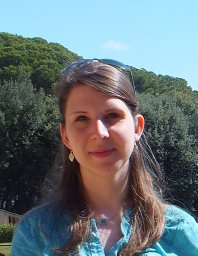 Claudia Lorenz合作论文数Department of the Built Environment, Aalborg University32
 Karen Wiltshire合作论文数Alfred Wegener Institute for Polar and Marine Research Biologische Anstalt Helgoland31
 Bernd Luckas合作论文数Institute of General Botany and Plant Physiology, Friedrich Schiller University Jena20
 Sonja Oberbeckmann合作论文数18
 Melanie Bergmann合作论文数Alfred Wegener Institute for Polar and Marine Research17
 Martin Löder合作论文数Collaborative Research Centre 1357 Microplastics, Faculty of Biology, Chemistry & Earth Sciences, University of Bayreuth16
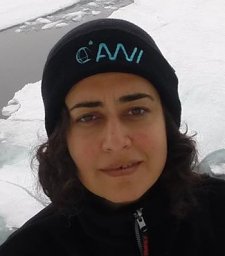 Mine B Tekman合作论文数Helmholtz Zentrum Polar & Meeresforsch, Alfred Wegener Inst15Krause Evamaria合作论文数15
 Rudolf Amann合作论文数Department of Molecular Ecology, Max Planck Institute for Marine Microbiology;University of Bremen15
 Frank Oliver Glöckner合作论文数Center for Marine Environmental Sciences, Universität Bremen;Computing and Data Centre, Alfred-Wegener-Institut Helmholtz-Zentrum Fur Polar- Und Meeresforschung;Max Planck Institute for Marine Microbiology;Ribocon GmbH14Lisa Roscher合作论文数13
 Maarten Boersma合作论文数Alfred-Wegener-Institut Helmholtz-Zentrum fur Polar- und Meeresforschung;Biology Department, Universitat Bremen13
 Marlis Reich合作论文数Physiologische Ökologie der Pflanzen, Universität Tübingen11Barbara M. Scholz-Böttcher合作论文数11
 Bernhard Fuchs合作论文数Department of Molecular Ecology, Max Planck Institute for Marine Microbiology11
 Rene Erler合作论文数10
 Ilka Peeken合作论文数Leibniz-Institut für Meereswissenschaften10
 Melanie Sapp合作论文数Centre for Environment, Fisheries and Aquaculture Science9
 Christian Hummert合作论文数9Hanno Teeling合作论文数9
 Inga V Kirstein合作论文数Biologische Anstalt Helgoland, Alfred Wegener Institute for Polar and Marine Research8
 Christian Laforsch合作论文数Collaborative Research Centre 1357 Microplastics, Faculty of Biology, Chemistry & Earth Sciences, University of Bayreuth8Christian Schütt合作论文数7
 Svenja Mintenig合作论文数Copernicus Institute of Sustainable Development, Utrecht University7Judith Lucas合作论文数7
 Fangzhu Wu合作论文数7Störmer Rebecca合作论文数7
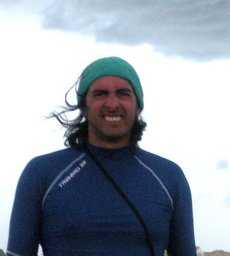 Luis Gimenez合作论文数Sección Oceanología, Facultad de Ciencias, Iguá 4225, 11400 Montevideo, Uruguay7Bernd Christian合作论文数7C Schütt合作论文数6petra brandt合作论文数6
 Serena martina Abel合作论文数Helmholtz Centre for Polar and Marine Research, Alfred Wegener Institute6Bartelt E合作论文数6
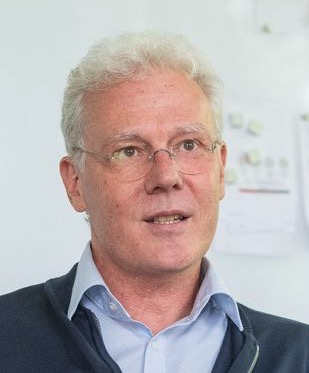 Thorsten Dittmar合作论文数Institute for Chemistry and Biology of the Marine Environment, University of Oldenburg6Jutta Niggemann合作论文数6Jost Waldmann合作论文数6
 Gisela Lannig合作论文数Alfred-Wegener-Institut Helmholtz-Zentrum für Polar- und Meeresforschung6
 Patricia Burkhardt Holm (Patricia Holm)合作论文数Department of Environmental Sciences, University of Basel6Hilke Döpke合作论文数5Anna Klindworth合作论文数5
 Clara Leistenschneider合作论文数Department of Environmental Sciences, University of Basel5
 Claudia Wekerle合作论文数Alfred Wegener Inst, Helmholtz Ctr Polar & Marine Res5
 Christian Bock合作论文数Helmholtz Ctr Polar & Marine, Alfred Wegener Inst5
 Irene Wagner Döbler合作论文数Department of Cell Biology, Institute of Microbiology, Faculty of Life Sciences, Technical University of Braunschweig;Helmholtz Centre For Infection Research, Technical University of Braunschweig5
 Jürgen Tomasch合作论文数Centre Algatech, Institute of Microbiology, The Czech Academy of Sciences5
 Heribert Cypionka合作论文数University of Oldenburg5Eckhard Strauch合作论文数Robert Koch-Institut, Freie Universität Berlin5




