Radical prostatectomy (RP) following previous transurethral resection of the prostate (TURP) is technically challenging due to an altered anatomy and fibrosis, often resulting in impaired functional outcomes. Open and anterior robotic approaches (aRARP) were evaluated in this setting, while data on Retzius-sparing robotic radical prostatectomy (rsRARP) is lacking. We aim to compare urinary continence, complications, and oncologic control between rsRARP and aRARP in patients with prior TURP. A total of 65 patients with localized prostate cancer undergoing rsRARP or aRARP between 2010 and 2022 following prior TURP were analyzed. The primary endpoint was urinary continence recovery (max. one safety pad per day), immediately after catheter removal and at 12 and 24 months. Secondary endpoints included peri- and postoperative complications and biochemical recurrence (BCR)-free survival. Of the included patients, 30 patients (46
Introduction: Tumor cells use adhesion molecules like CD15 or sialylCD15 (sCD15) for metastatic spreading. We analyzed the expression of CD15 and sCD15 in clear cell renal cell carcinoma (ccRCC) regarding prognosis. Methods: A tissue microarray containing tissue specimens of 763 patients with ccRCC was immunohistochemically stained for CD15 and sCD15, their expression quantified using digital image analysis and the impact on patients' survival analyzed. The cell lines 769p and 786o were stimulated with CD15 or control antibody in vitro and the effects on pathways activating AP-1 and tumor cell migration examined. Results: ccRCC showed a broad range of CD15 and sCD15 expression. A high CD15 expression was significantly associated with favorable outcome (p<0.01) and low-grade tumor differentiation (p<0.001), whereas sCD15 had no significant prognostic value. Tumors with synchronous distant metastasis had a significantly lower CD15 expression compared to tumors without any (p<0.001) or with metachronous metastasis (p<0.01). Tumor cell migration was significantly reduced after CD15 stimulation in vitro, but there were no major effects on activating pathways of AP-1. Conclusion: CD15, but not sCD15, qualifies as a biomarker for risk stratification and as an interesting novel target in ccRCC. Moreover, the data indicates a contribution of CD15 to metachronous metastasis. Further research is warranted to decipher the intracellular pathways of CD15 signaling in ccRCC in order to characterize the CD15 effects on ccRCC more precisely.
In der Akutdiagnostik bei Verdacht auf Nephroureterolithiasis sollte die Sonographie die Untersuchungsmodalität der Wahl darstellen. Bei Verdacht auf Urolithiasis, unklarem Flankenschmerz mit Fieber oder bei einer Einzelniere sollte darauffolgend immer eine Nativ-CT (Computertomographie) durchgeführt werden. Bei Schwangeren kann bei nicht eindeutigen Sonographiebefunden auf eine Magnetresonanztomographieuntersuchung zurückgegriffen werden. Wird die Indikation zur Harnableitung gestellt, sollte eine retrograde Darstellung im Rahmen der Harnableitung durchgeführt werden. Diese oder die CT eignen sich auch zur präinterventionellen Bildgebung vor Stoßwellenlithotripsie, perkutaner Nephrolithotomie oder Ureteroskopie. Eine postinterventionelle Bildgebung ist nicht immer notwendig, und oft ist hier die Sonographie ausreichend. Bei einem konservativen Therapieprozedere kann die Abdomenleeraufnahme zur Verlaufskontrolle zu Rate gezogen werden.
Introduction Magnetic resonance imaging-guided transurethral ultrasound ablation (TULSA) of the prostate uses ultrasound to thermally coagulate tissue under real-time MRI guidance. Real-time feedback from closed-loop MRI thermometry automatically controls treatment parameters to match tissue response in the prescribed ablation volume. The pivotal study of TULSA (“TACT”, NCT02766543), which included a low- to intermediate-risk prostate cancer (PCa) population, has reached the end of the 5-year follow-up duration. Here we report the safety and efficacy outcomes at 5 years Methods The TACT study enrolled 115 patients across 13 sites in 5 countries. Eligibility criteria included stage ≤ T2b, PSA ≤ 15 ng/mL, and Grade Group (GG) 1-2 disease. The protocol prescribed a single whole-gland TULSA treatment sparing the prostatic urethra and urinary sphincter, and repeat TULSA was not allowed. The primary endpoints were PSA reduction and adverse events, both assessed at 1 year. Histologic control on 10-core biopsy, and prostate volume reduction on multiparametric MRI (mpMRI) were also assessed at 1 year. Other secondary endpoints, assessed to 5 years, included adverse events, quality of life, PSA, and the rate of salvage treatment. Results Baseline (median [IQR]) age and PSA were 65 (59-69) years and 6.3 (4.6-7.9) ng/mL, with ≥GG2 disease in 72/115 men. At 1y, median prostate volume decreased from 37.3 to 2.8 cc (92%); 94/111 (85%) were free of ≥GG2 disease. By 5y, median (IQR) PSA decreased to 0.6 (0.18-1.9) ng/mL (n=68); 25 (21.7%) received salvage treatment (10 prostatectomy, 11 radiotherapy, 3 ADT, 1 surgery+radiation) without unexpected complications. Early predictors of treatment failure by 5 years included 1y PSA (OR=3; CI[1.7,5.4]) and visible lesion on 1y mpMRI (OR=12; CI[4.4,34]) (both p≤0.001). Failure modes include undertreatment due to patient selection or targeting error, and misalignment caused by intraprocedural swelling/motion. By 5 years, 61/66 (92%) recovered pad-free continence; 80/92 (87%) preserved erections sufficient for penetration. Grade 3 adverse events occurred in 12 men (10%), with no Grade≥4 event or rectal injury. Conclusions Effective disease control is durable to 5 years after a single TULSA procedure, with a favorable safety profile. Favorable preservation of genitourinary quality of life is also durable to 5 years. Treatment failure modes include screening and intraprocedural factors. While the pivotal study represents early experience with TULSA, the risk of failure is mitigated by modern protocols. Such protocols include best practices for screening for intraprostatic calcifications that can lead to undertreatment, refined strategies for device positioning, and thermal dose escalation to address undertreatment that is visible on intraprocedural imaging. Factors from intraprocedural imaging and early clinical follow-up can predict salvage therapy by 5 years.
BACKGROUND:To systematically evaluate the available evidence regarding the effect of salvage irreversible electroporation (IRE) in patients with local recurrent prostate cancer (PCa) after definitive radiotherapy (RT). METHODS:A systematic search was conducted in the electronic databases PubMed-MEDLINE and the Web of Science. The following search terms were used: "irreversible electroporation AND recurrent prostate cancer", ''salvage irreversible electroporation AND prostate cancer AND radiation", "nanoknife AND recurrent prostate cancer", and ''salvage irreversible electroporation AND prostate cancer" by combining PICO (population, intervention, comparison, and outcome) terms. RESULTS:We identified 5 eligible studies. Following IRE, local oncological control was ranging from 67 to 78%. In-field and out-field lesion recurrences after IRE were ranging from 3 to 10% and from 8 to 14%, respectively. Only one study reported an overall metastasis-free survival rate of 91% and a 5-year progression-free survival rate of 60%. The post-IRE continence status ranged 73-100%. Two studies reported a decline in the proportion of patients maintaining erections sufficient for sexual intercourse and two studies reported 50% preservation of erection. The majority of complications were of a low-to-mild nature, classified as Clavien-Dindo grade I-II, with the exception of the development of a rectal fistula in a single case. CONCLUSIONS:IRE represents an alternative salvage treatment option for patients with localised recurrent PCa following RT. The procedure offers a favourable safety profile and effective preservation of urinary function. The oncological results are promising, but further investigation is required.
Zusammenfassung Bei steigender Lebenserwartung gibt es zunehmend ältere (≥ 80 Jahre) PatientInnen mit der Diagnose eines muskelinvasiven Blasenkarzinoms. Therapie der Wahl ist die radikale Zystektomie mit Harnableitung (mit neoadjuvanter Chemotherapie, sofern belastbar). Die Auswahl der richtigen Harnableitung in Abwägung von Morbidität gegenüber Funktionalität und Lebensqualität stellt eine Herausforderung dar. Das kalendarische Alter allein ist nicht entscheidend. Wegweisend ist v. a. eine adäquate präoperative Begutachtung mit Blick auf medizinische Besonderheiten sowie physische und kognitive Einschränkungen. Standardmäßig wird bei älteren PatientInnen das Ileum-Conduit als inkontinente Harnableitung eingesetzt, da der Eingriff eine geringere Komplexität und Operationsdauer als eine kontinente Harnableitung aufweist. Fitte PatientInnen mit adäquater Lebenserwartung und ausreichender Compliance können jedoch auch im hohen Alter Kandidaten für kontinente Harnableitungen sein. Die Ureterokutaneostomie mit Harnleiterschienendauerversorgung ist eine wichtige Alternative für multimorbide PatientInnen mit hohem perioperativem Risiko. Wichtig ist v. a. eine gute präoperative Aufklärung, sodass PatientInnen eine informierte Entscheidung treffen können.
Long-term data on functional outcomes after MRI-guided transurethral ultrasound ablation (TULSA) are limited. We assess the 5-year post-TULSA durability of outcomes for patient-reported genitourinary function, bowel function, and adverse events in 30 patients with primary, localized prostate cancer treated with TULSA across 3 centers. Patients received a conservative treatment plan in a phase 1 study designed to assess safety and feasibility. Follow-up visits took place at 1, 3, 6, 12 months, and biannually up to 5 years. Median (interquartile range) age at baseline was 69 (67-71) years. Erectile dysfunction (International Index of Erectile Function [IIEF] ≤17) was prevalent at baseline, with a mean (95% confidence interval [CI]) score of 16 (12-19), decreasing to 9 (4-14) at 5 years. At the 5-year visit, 71% of men who attempted intercourse in the recall period reported preservation of IIEF Q2 ≥2 erections sufficient for penetration. The mean (95% CI) International Prostate Symptom Score (IPSS) decreased from 9.0 (7.0-11) to 7.1 (5.0-9.1) from baseline to 5 years; IPSS-quality of life, maximum urinary flow rate, and post-void residual urine were stable or improved. Maintenance of bowel function and urinary continence was 100%. There was no new attributable serious or severe adverse event from 1 to 5 years. With a durably favorable safety profile, TULSA has the potential to treat cancer conservatively while simultaneously alleviating lower urinary tract symptoms. Data from larger studies are pending.
Introduction: Tumor cells use adhesion molecules like CD15 or sialylCD15 (sCD15) for metastatic spreading. We analyzed the expression of CD15 and sCD15 in clear cell renal cell carcinoma (ccRCC) regarding prognosis. Methods: A tissue microarray containing tissue specimens of 763 patients with ccRCC was immunohistochemically stained for CD15 and sCD15, their expression quantified using digital image analysis and the impact on patients’ survival analyzed. The cell lines 769p and 786o were stimulated with CD15 or control antibody in vitro and the effects on pathways activating AP-1 and tumor cell migration examined. Results: ccRCC showed a broad range of CD15 and sCD15 expression. A high CD15 expression was significantly associated with favorable outcome (p<0.01) and low-grade tumor differentiation (p<0.001), whereas sCD15 had no significant prognostic value. Tumors with synchronous distant metastasis had a significantly lower CD15 expression compared to tumors without any (p<0.001) or with metachronous metastasis (p<0.01). Tumor cell migration was significantly reduced after CD15 stimulation in vitro, but there were no major effects on activating pathways of AP-1. Conclusion: CD15, but not sCD15, qualifies as a biomarker for risk stratification and as an interesting novel target in ccRCC. Moreover, the data indicates a contribution of CD15 to metachronous metastasis. Further research is warranted to decipher the intracellular pathways of CD15 signaling in ccRCC in order to characterize the CD15 effects on ccRCC more precisely.
You have accessJournal of UrologyCME1 Apr 2023MP73-05 PIVOTAL STUDY OF MRI-GUIDED TRANSURETHRAL ULTRASOUND ABLATION (TULSA) OF LOCALIZED PROSTATE CANCER: 4-YEAR FOLLOW UP Christian Pavlovich, Scott Eggener, Michael Koch, David Penson, James Relle, Steven Raman, Yair Lotan, Jurgen Futterer, Gencay Hatiboglu, Marc Serrallach, Axel Heidenreich, Aytekin Oto, Masoom Haider, J.P. Michiel Sedelaar, Temel Tirkes, Sandeep Arora, Katarzyna Macura, Daniel Costa, Allan Pantuck, Joyce Bomers, David Bonekamp, Thorsten Persigehl, Gina Clarke, Robert Staruch, Joseph Chin, and Laurence Klotz Christian PavlovichChristian Pavlovich More articles by this author , Scott EggenerScott Eggener More articles by this author , Michael KochMichael Koch More articles by this author , David PensonDavid Penson More articles by this author , James RelleJames Relle More articles by this author , Steven RamanSteven Raman More articles by this author , Yair LotanYair Lotan More articles by this author , Jurgen FuttererJurgen Futterer More articles by this author , Gencay HatibogluGencay Hatiboglu More articles by this author , Marc SerrallachMarc Serrallach More articles by this author , Axel HeidenreichAxel Heidenreich More articles by this author , Aytekin OtoAytekin Oto More articles by this author , Masoom HaiderMasoom Haider More articles by this author , J.P. Michiel SedelaarJ.P. Michiel Sedelaar More articles by this author , Temel TirkesTemel Tirkes More articles by this author , Sandeep AroraSandeep Arora More articles by this author , Katarzyna MacuraKatarzyna Macura More articles by this author , Daniel CostaDaniel Costa More articles by this author , Allan PantuckAllan Pantuck More articles by this author , Joyce BomersJoyce Bomers More articles by this author , David BonekampDavid Bonekamp More articles by this author , Thorsten PersigehlThorsten Persigehl More articles by this author , Gina ClarkeGina Clarke More articles by this author , Robert StaruchRobert Staruch More articles by this author , Joseph ChinJoseph Chin More articles by this author , and Laurence KlotzLaurence Klotz More articles by this author View All Author Informationhttps://doi.org/10.1097/JU.0000000000003341.05AboutPDF ToolsAdd to favoritesDownload CitationsTrack CitationsPermissionsReprints ShareFacebookLinked InTwitterEmail Abstract INTRODUCTION AND OBJECTIVE: Magnetic resonance imaging-guided transurethral ultrasound ablation (TULSA) of the prostate is an in-bore procedure that thermally coagulates tissue under real-time closed-loop MRI thermometry control, allowing precise adjustment of treatment parameters to match tissue effects. We report 4-year outcomes from the TACT pivotal trial of TULSA in men with low- to intermediate-risk prostate cancer (PCa) (NCT02766543). METHODS: Across 13 sites in 5 countries, 115 men with organ-confined PCa underwent a single whole-gland TULSA treatment sparing the prostatic urethra and urinary sphincter. Eligibility criteria included stage≤T2b, PSA≤15 ng/mL, and Grade Group (GG)1-2. One-year endpoints included adverse events, quality-of-life (QOL), PSA reduction, histologic control on 10-core biopsy, and prostate volume reduction on mpMRI. Patients are being followed to five years for adverse events, QOL, PSA, and the rate of salvage treatment. RESULTS: Median (IQR) age and PSA at baseline were 65 (59-69) and 6.3 (4.6-7.9) ng/mL, with Grade Group (GG) ≥2 disease in 72/115 men (63%; 60% GG2; 3% GG3 included with protocol deviation). Median (IQR) ablation time was 51 (39-66) min. Median prostate volume decreased from 37.3 to 2.8 cc (92%). At the 1-year biopsy, 94/111 (85%) were free of ≥GG2 disease, 88/111 (79%) were free of GG2 or high-volume GG1 disease, 16/111 (14%) had low-volume GG1. By 4 years 18 men (16%) received salvage treatment (8 radical prostatectomy, 8 radiation therapy, 1 androgen deprivation therapy, 1 surgery plus radiation) without unexpected complications. At 4 years, median (IQR) PSA was 0.9 (0.4-1.6) ng/mL, a reduction of 86% (75%-95%) from baseline and of 96% to the nadir (n=76). Median IPSS decreased from 7 at baseline to 5 at 4 years (n=73). Erections sufficient for penetration (IIEFQ2≥2) were recovered by 69/92 (75%) at 1 year, and 46/57 (81%) at 4 years. Pad-free urinary continence was preserved at 1 and 4 years in 102/111 (92%) and 68/72 (94%), and social continence was preserved in 110/111 (99%) and 71/72 (99%) men. There was no rectal injury or Grade≥4 adverse event. Grade 3 adverse events occurred in 9 men (8%), including GU infection, retention, pain, urinoma, and stricture; all were resolved before 1 year. CONCLUSIONS: Effective disease control is durable to 4 years, with continued recovery of quality of life and a favorable safety profile after whole-gland ablation with TULSA. Source of Funding: Profound Medical © 2023 by American Urological Association Education and Research, Inc.FiguresReferencesRelatedDetails Volume 209Issue Supplement 4April 2023Page: e1036 Advertisement Copyright & Permissions© 2023 by American Urological Association Education and Research, Inc.MetricsAuthor Information Christian Pavlovich More articles by this author Scott Eggener More articles by this author Michael Koch More articles by this author David Penson More articles by this author James Relle More articles by this author Steven Raman More articles by this author Yair Lotan More articles by this author Jurgen Futterer More articles by this author Gencay Hatiboglu More articles by this author Marc Serrallach More articles by this author Axel Heidenreich More articles by this author Aytekin Oto More articles by this author Masoom Haider More articles by this author J.P. Michiel Sedelaar More articles by this author Temel Tirkes More articles by this author Sandeep Arora More articles by this author Katarzyna Macura More articles by this author Daniel Costa More articles by this author Allan Pantuck More articles by this author Joyce Bomers More articles by this author David Bonekamp More articles by this author Thorsten Persigehl More articles by this author Gina Clarke More articles by this author Robert Staruch More articles by this author Joseph Chin More articles by this author Laurence Klotz More articles by this author Expand All Advertisement PDF downloadLoading ...
INTRODUCION:Renal cell carcinoma (RCC) is one of the most prevalent malignant tumors. It extends up into the systemic veins and right atrium. Surgical extraction of such extensions is usually carried out using cardiopulmonary bypass (CPB) with moderate hypothermic (MH) being frequently applied in order to obtain a clear surgical field. However, due to obvious disadvantages of hypothermia, approaches with mild/normothermia (NT) during CPB have also been established. The current study aims to compare the outcomes of patients undergoing RCC tumor and extensions resection using MH versus NT.MATERIAL AND METHODS:This is a retrospective, non-randomized study. All patients who underwent RCC tumor and extensions resection for stage III or IV (Staehler) RCC in a single center between 2006 and 2020 were included. During surgery, MH or NT were applied. CPB was realized using aortic and bicaval cannulation. We compared the procedural times, transfusion requirements and postoperative outcomes, respectively between the MH and NT groups.RESULTS:A total of 24 consecutive patients (n(NT) = 12, n(MH) = 12) were included in the study (median age NT 68.5 and MH 66.5). The study only showed a significant difference in heart-lung machine times (median CPB time NT 45.5 min and MH 110.0 min, p = 0.004). All other results, loss of drainage, administration of blood products, as well as the postoperative course and mortality were comparable in both groups.CONCLUSION:The results showed a high perioperative and long-term mortality. The perioperative course was similar after surgery with NT or MH. Therefore, NT which minimizes potential complications of MH should be preferred.
Als Zugangsweg zur laparoskopischen Nierentumorchirurgie unterscheiden sich transperitoneale von retroperitonealen Eingriffen. Die Vorteile der Laparoskopie liegen in einem deutlich reduzierten, postoperativen Schmerzmittelbedarf, einem kürzeren Krankenhausaufenthalt, einer schnelleren Rekonvaleszenz und einem besseren kosmetischen Ergebnis. Die laparoskopische Nephrektomie stellt heute den Goldstandard für die Behandlung lokal begrenzter Nierentumoren, die nicht nierenerhaltend operiert werden können, dar. Die minimalinvasive Nierenteilresektion dagegen stellt einen Eingriff dar, der erfahrenen Operateuren und darauf spezialisierten Zentren vorbehalten sein sollte. Es besteht kein Unterschied im onkologischen Ergebnis und im karzinomspezifischen Überleben zwischen dem offenen und dem laparoskopischen Vorgehen. Im Gegensatz zur offenen Nierenteilresektion liegen die Vorteile des laparoskopischen Vorgehens in einem geringeren intraoperativen Blutverlust sowie einem kürzeren Krankenhausaufenthalt.
Historisch war die offene radikale Nephrektomie zur chirurgischen Sanierung maligner Nierentumoren seit ihrer Erstbeschreibung jahrzehntelang Goldstandard. Im Laufe der Jahre zeigte sich jedoch, dass das onkologische Outcome der nierenerhaltenden Chirurgie dem der radikalen Nephrektomie nicht unterlegen ist. Die partielle Nephrektomie hat sich in der Folge zunächst bei Einzelnierigkeit, später auch bei schlechter Nierenfunktion der kontralateralen Niere und bilateralen Nierentumoren etabliert. Heute ist die Nierenteilresektion nicht nur bei T1-, sondern auch bei T2-Tumoren als elektiver operativer Eingriff akzeptiert und wird immer dann durchgeführt, wenn diese technisch realisierbar ist. Aktuelle Leitlinien empfehlen ein laparoskopisches/robotisches oder offenes Vorgehen bei lokal begrenzten Tumoren (T1 und T2). Entscheidender bei der Wahl des Zugangs scheint die operative Erfahrung des Operateurs zu sein. Entsprechende Arbeiten konnten hierbei zeigen, dass bezüglich des onkologischen Outcomes kein Unterschied zwischen offenem und minimalinvasivem Vorgehen besteht. Ein Unterschied besteht jedoch in der perioperativen Morbidität und der postoperativen Rekonvaleszenz des Patienten. Fortgeschrittene Tumoren erfordern weiterhin ein offenes Vorgehen. Bezüglich der Nierenteilresektion wird heute ebenfalls ein offenes Vorgehen bevorzugt. Ein minimalinvasives Vorgehen ist aus onkologischer Sicht problemlos möglich, sollte jedoch aufgrund des hohen technischen Anspruchs spezialisierten Zentren und erfahrenen Laparoskopikern resp. in der robotischen Chirurgie versierten Operateuren vorbehalten bleiben.
Seit der ersten laparoskopischen Nephrektomie im Jahr 1991 entwickelte sich über die Jahre eine klare Präferenz für minimalinvasive operative Verfahren in der Nierenchirurgie. Die Vorteile des minimal-invasiven Vorgehen liegen in einem reduzierten, postoperativen Schmerzmittelbedarf, einem kürzeren Krankenhausaufenthalt und einer schnelleren Rekonvaleszenz. Neben der klassischen Laparoskopie wird in diesem Kapitel auch die roboter-assistierte Nierentumorchirurgie abgehandelt. Es werden Indikation, präoperative Vorbereitung, Port-Placement sowie intraoperatives Vorgehen für Laparoskopie und roboter-assistierte Nierentumorchirurgie – sowohl für Nephrektomie wie auch für nierenerhaltende Operationen – dargestellt.
Der am häufigsten gewählte Zugangsweg zur Nephrektomie oder Nierenteilresektion ist der retroperitoneale, laterale Zugang mit subkostaler oder suprakostaler Inzision. Technisch erfolgt bei der Nephrektomie nach der Mobilisation der Niere die Darstellung der Nierenstilgefäße und im Anschluss das Absetzen ebendieser. Schlussendlich erfolgt die Bergung des Organs. Eine Lymphadenektomie ist nur bei klinisch fortgeschrittenen Tumoren sinnvoll. Eine ipsilaterale Adrenalektomie ist nur dann notwendig, wenn die Nebenniere in der präoperativen Bildgebung tumorinfiltriert erscheint. Ein fortgeschrittener Nierentumor mit Beteiligung der Vena cava wird bei 4–10 % der Patienten mit Nierenzellkarzinomen beobachtet. Während Tumoren mit niedrigem Level (I nach Staehler) wie eine Nephrektomie therapiert werden, ist für fortgeschrittene Tumoren (Level III nach Staehler) ein interdisziplinäres Setting, häufig unter Zuhilfenahme eines extrakorporalen Kreislaufs notwendig. Eine nierenerhaltende Tumorchirurgie sollte aktuell immer dann angewandt werden, wenn eine Tumorresektion technisch möglich ist. Als onkologischer Sicherheitsabstand für die Nierentumorresektion konnte gezeigt werden, dass wenige Millimeter ausreichend sind. Präoperativ können verschiedene Klassifikationssysteme herangezogen werden, um das intraoperative Komplikationsrisiko abzuschätzen. Die Nierenteilresektion kann mit oder ohne Ischämie erfolgen. Durch verschiedene Ischämietechniken ist eine suffiziente Nephroprotektion und die nierenerhaltende Resektion komplexer Tumoren möglich. Die Resektionstechnik beinhaltet die Enukleation, Keilresektion und Heminephrektomie bzw. Polresektion sowie bei komplexen Tumoren die extrakorporale Workbench mit renaler Autotransplantation.
Salvage radical prostatectomy (sRP) has evolved from open to minimally invasive approaches. sRP can be offered to patients with local recurrence to improve biochemical recurrence (BCR)-free and overall survival. We evaluate oncological outcome and continence after retropubic (RRP), conventional (cRARP), and Retzius-sparing robotic (rsRARP) surgery. Materials/methods: A total of 53 patients undergoing sRP between 2010 and 2020 were included. Follow-up included oncological outcome and continence. Results: sRP was done as RRP (n = 25), cRARP (n = 7), or rsRARP (n = 21). Median blood loss was 900 mL, 500 mL, and 300 mL for RRP, cRARP, and rsRARP, respectively. At 12 months, 5 (20%), 0, and 4 (19%) patients were continent, 9 (36%), 3 (43%), and 7 (33%) had grade 1 incontinence, 5 (20%), 2 (29%), and 3 (14%) had grade 2 incontinence, and 3 (12%), 2 (29%), and 4 (19%) had grade 3 incontinence for RRP, cRARP, or rsRARP, respectively. During a mean follow-up of 52.6 months, 16 (64%), 4 (57%), and 3 (14%) developed BCR in the RRP-, cRARP-, and rsRARP-group, respectively. Conclusions: Over the years, sRP has shifted from open to laparoscopic/robotic surgery. RARP shows good oncological and functional outcome. rsRARP ensures direct vision on the rectum during preparation and can therefore increase safety and surgeon’s confidence, especially in the salvage setting.
Due to limited imaging options, the visualization of a local relapse of prostate cancer used to pose a considerable challenge. However, since the integration of 18F-PSMA-1007-PET/CT into the clinic, a relapsed tumor can now easily be detected by hybrid imaging. The present study aimed to evaluate and map the allocate relapse in a large cohort of prostate cancer patients focusing on individual patient management conclusions for radiation therapy. The current study included 135 men with prostate cancer after primary treatment who underwent 18F-PSMA-1007-PET/CT due to biochemical relapse detecting a local relapse. Imaging data were reassessed and analyzed with regard to relapse locations. For the correlation of tumor foci with clinical data, we used binary logistic regression models as well as the Kruskal–Wallis test and Mann–Whitney test. In total, 69.6
BackgroundMutations in DNA damage repair genes, in particular genes involved in homology-directed repair, define a subgroup of men with prostate cancer with a more unfavorable prognosis but a therapeutic vulnerability to PARP inhibition. In current practice, mutational testing of prostate cancer patients is commonly done late i.e., when the tumor is castration resistant. In addition, most sequencing panels do not include TP53, one of the most crucial tumor suppressor genes in human cancer. In this proof-of-concept study, we sought to extend the clinical use of these molecular markers by exploring the early prognostic impact of mutations in TP53 and DNA damage repair genes in men with primary, nonmetastatic prostate cancer undergoing radical prostatectomy (RPX).MethodsTumor specimens from a cohort of 68 RPX patients with intermediate (n = 11, 16.2%) or high-risk (n = 57, 83.8%) disease were analyzed by targeted next generation sequencing using a 37 DNA damage repair and checkpoint gene panel including TP53. Sequencing results were correlated to clinicopathologic variables as well as PSA persistence or time to PSA failure. In addition, the distribution of TP53 and DNA damage repair gene mutations was analyzed in three large publicly available datasets (TCGA, MSKCC and SU2C).ResultsOf 68 primary prostate cancers analyzed, 23 (33.8%) were found to harbor a mutation in either TP53 (n = 12, 17.6%) or a DNA damage repair gene (n = 11, 16.2%). The vast majority of these mutations (22 of 23, 95.7%) were detected in primary tumors from patients with high-risk features. These mutations were mutually exclusive in our cohort and additional data mining suggests an enrichment of DNA damage repair gene mutations in TP53 wild-type tumors. Mutations in either TP53 or a DNA damage repair gene were associated with a significantly worse prognosis after RPX. Importantly, the presence of TP53/DNA damage repair gene mutations was an independent risk factor for PSA failure or PSA persistence in multivariate Cox regression models.ConclusionTP53 or DNA damage repair gene mutations are frequently detected in primary prostate cancer with high-risk features and define a subgroup of patients with an increased risk for PSA failure or persistence after RPX. The significant adverse impact of these alterations on patient prognosis may be exploited to identify men with prostate cancer who may benefit from a more intensified treatment.
 Markus Hohenfellner合作论文数Department of Urology, Heidelberg University Hospital68
 Boris Hadaschik合作论文数Department of Urology, University Hospital Essen, University of Duisburg-Essen41
 Sascha Pahernik合作论文数29
 Bonekamp David合作论文数Dept Radiol, German Canc Res Ctr27
 Radtke Jan P合作论文数Department of Urology, University Hospital Heidelberg22
 Dogu Teber合作论文数Urologische Klinik, Städtisches Klinikum Karlsruhe gGmbH22
 Johannes Huber合作论文数Urologische Universitätsklinik Heidelberg20James Relle合作论文数20
 Joseph L. Chin合作论文数Division of Surgical Oncology, University of Western Ontario19
 Joanne Nyarangi-Dix合作论文数Universitätsklinikum Heidelberg17Wilfried Roth合作论文数17
 Ionel Valentin Popeneciu合作论文数15
 Rob Staruch合作论文数Physical Sciences Platform, Sunnybrook Research Institute15Heinz-Peter Schlemmer合作论文数15Mathieu Burtnyk合作论文数15Duensing Stefan合作论文数13D. Teber合作论文数11Axel Haferkamp合作论文数10H-P Schlemmer合作论文数10J. N. Nyarangi-Dix合作论文数10
 Jason Hafron合作论文数Department of Urology, Beaumont Health System;Oakland University William Beaumont School of Medicine10Macher-Goeppinger Stephan合作论文数9Albrecht Stenzinger合作论文数Institute of Pathology, University Hospital9
 Svenja Dieffenbacher合作论文数8Viktoria Schütz合作论文数8
 Laurence Klotz合作论文数Department of Surgery, University of Toronto;Division of Urology, University of Toronto;Division of Urology, Sunnybrook Health Sciences Center8
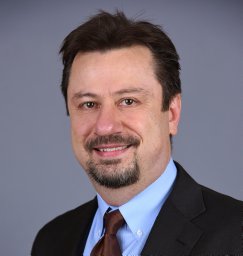 Temel Tirkes合作论文数Department of Radiology and Clinical Sciences, University of Indiana School of Medicine8
 Macura Katarzyna J合作论文数8
 Matthias Rothke合作论文数Dept Radiol, German Canc Res Ctr8
 David Penson合作论文数Division of Urologic Oncology, Department of Urology, Vanderbilt University Medical Center8
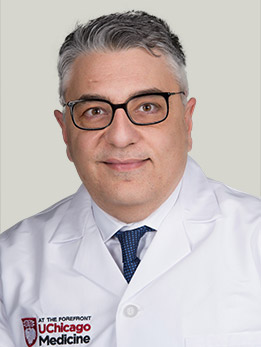 Aytekin Oto合作论文数Department of Radiology, The University of Chicago8
 Yair Lotan合作论文数Department of Urology, The University of Texas Southwestern Medical Center8
 Jürgen Debus合作论文数Universitätsklinikum Heidelberg;Nationales Centrum für Tumorerkrankungen;Heidelberger- Ionenstrahl- Therapiezentrum;Deutschen Krebsforschungszentrum;Radiologischen Klinik und Poliklinik, Universität Heidelberg8
 Holger Sultmann合作论文数Division of Molecular Genome Analysis, German Cancer Research Center (DKFZ), Heidelberg, Germany8Maya B. Mueller-Wolf合作论文数7Sandeep S. Arora合作论文数7Claudia Gasch合作论文数7
 Steven Raman合作论文数Santa Monica Medical Center, University of California, Los Angeles7
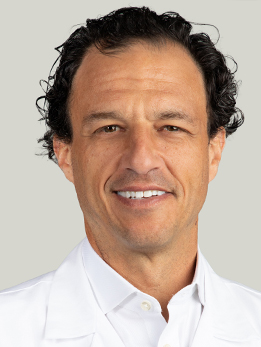 Scott E. Eggener合作论文数Division of the Biological Sciences, The University of Chicago7
 Georgi Tosev合作论文数7
 Martin T. Freitag合作论文数Section Quantitative Imaging Based Disease Characterization, Department of Radiology, German Cancer Research Center (DKFZ), Heidelberg, Germany.7
 Zahra Kassam合作论文数Department of Diagnostic Radiology, St. Joseph's Health Care London7
 Michael Koch合作论文数Department of Pathology, Sanford School of Medicine, University of South Dakota7Esther Herpel合作论文数7
 Axel Heidenreich合作论文数Department of Urology, University of Cologne7
 Christian Pavlovich合作论文数Department of Urology, James Buchanan Brady Urological Institute, Johns Hopkins University School of Medicine;Johns Hopkins Bayview Medical Center, Johns Hopkins University School of Medicine7Jurgen J. Fütterer合作论文数7Marc Serrallach合作论文数6




