TPS415 Background: Of the estimated 31,000 high risk localized prostate cancer (PC) cases in 2025, up to 46% have a risk of biochemical recurrence after definitive treatment (Falgario U, JAMA Netw Open 2023). A pooled analysis showed 3-year biochemical recurrence-free survival (bRFS) was robustly correlated to pathologic complete response (pCR) plus minimal residual disease (MRD) in patients treated neoadjuvantly (NAJ) with androgen deprivation therapy (ADT) plus an androgen receptor pathway inhibitor (ARPI) (McKay R, J Urol 2021). A separate study of localized high-risk PC revealed increased glucocorticoid receptor (GR) expression in residual tumors of PC patients (pts) treated with NAJ ARPI plus ADT (Efstathiou E, Eur Urol 2019). Resistance to the ARPI enzalutamide (Enz) is mitigated by targeting GR (Isikbay M, Horm Cancer 2014). We previously demonstrated the safety of the combination of the selective GR antagonist (SGRA) relacorilant (Rel) plus Enz (Desai, CCR , 2024). We have thus initiated a trial to evaluate the NAJ efficacy of this combination. Methods: This phase 2 placebo-controlled 2:1 randomized trial of NAJ LHRH agonist/antagonist and Enz (160 mg daily) plus Rel (150 mg daily)/placebo has a primary objective of response, measured by pCR and MRD at radical prostatectomy (RP). Eligible pts include those with high risk or very high-risk localized prostatic adenocarcinoma per NCCN guidelines, allowing lymph nodes below the iliac bifurcation. After randomization pts will be treated with 6 mo of LHRH agonist/antagonist plus Enz plus Rel/placebo and undergo RP 1 month later. The total sample size is 90 patients with an interim analysis for futility conducted after 45 pts undergo RP. As of October 2025, 30 pts have enrolled, with 23 in follow up and 7 on treatment. A chi-square test will be used to compare the proportion of pts achieving pCR/MRD. Assuming a true CR/MRD rate of 15% in the control group, 90 pts total would yield a power of 80% with a hypothesized CR/MRD of 32% in the Rel group, based on a one-sided test at the alpha=0.15 significance level. Secondary endpoints include evaluating radiographic response within the prostate with multiparametric MRI (mpMRI) and the 3-year bRFS and metastasis-free survival (MFS) rates in both arms. For correlatives, we will demonstrate decreased nuclear hormone receptor-driven proliferative gene expression in viable PC due to NAJ ARPI combined with GR antagonism versus ARPI alone, as well as correlation between pathologic response and enhanced mpMRI imaging. The study is open and seeking additional sites (currently 3 open). ClinicalTrials.gov Identifier: NCT05726292. Clinical trial information: NCT05726292 .
BACKGROUND:Prostate-specific antigen (PSA) testing to screen for prostate cancer is controversial. An alternative approach, Stockholm3, combines PSA, plasma protein biomarkers, polygenic risk, and clinical factors into a multivariable risk score. OBJECTIVE:To compare detection of clinically significant prostate cancer (csPC) using PSA and Stockholm3 in a population-based screening with short-term follow-up. DESIGN:Secondary analysis of the baseline round of the prospective STHLM3-MRI (Prostate Cancer Screening Using a Combination of Risk-Prediction, MRI, and Targeted Prostate Biopsies) randomized screening trial in men aged 50 to 74 years who had PSA and Stockholm3 screening. Men with abnormal screening tests (PSA ≥3 ng/mL or Stockholm3 ≥11) were randomly assigned (2:3) to systematic biopsy or magnetic resonance imaging with systematic and targeted biopsies for lesions with a Prostate Imaging Reporting and Data System score of 3 or greater. Cancer diagnosed within 2 years was identified through linkage to the Swedish National Cancer Register; cancer after a negative baseline test was classified as false negative. (ClinicalTrials.gov: NCT03377881). SETTING:Stockholm region, Sweden, 2018 to 2020. PARTICIPANTS:Men aged 50 to 74 years who had PSA and Stockholm3 screening. INTERVENTION:Prostate-specific antigen and Stockholm3 tests at baseline. MEASUREMENTS:Clinically significant prostate cancer (grade group ≥2) within 2 years of baseline. RESULTS:Among 12 670 men, 443 (3.5%) were diagnosed with csPC. Decision curve analysis showed higher net benefit for Stockholm3 versus PSA across a range of decision thresholds for biopsy, indicating fewer unnecessary biopsies and fewer missed csPC cases. Stockholm3 (≥11) had a false-negative rate of 10% (43 of 443) and a false-positive rate of 11% (1289 of 12 227), whereas PSA (≥3 ng/mL) had a false-negative rate of 26% (116 of 443) and a false-positive rate of 10% (1203 of 12 227). Correspondingly, sensitivity was 90% (95% CI, 87% to 93%) for Stockholm3 and 74% (CI, 69% to 78%) for PSA, with similar specificity (89% vs. 90%). LIMITATIONS:Participation was approximately 25% of invited men; follow-up was limited to 2 years; and the cohort was predominantly Swedish or European, which may limit generalizability. CONCLUSION:In this screening cohort with short-term follow-up, Stockholm3 provided greater clinical net benefit than PSA for detecting csPC, driven by fewer false-negative results, although follow-up was limited to 2 years. PRIMARY FUNDING SOURCE:Swedish Research Council, Swedish Prostate Cancer Society, Stockholm Region, and the Swedish Cancer Society.
LBA5003 Background: Circulating miR371 has been reported in retrospective studies as a biomarker with high accuracy for predicting aGCM. However, large prospective data of miR371 in identifying early stage disease are missing. S1823/GCC.1 (NCT04435756) is an international prospective cohort study designed to define the operating characteristics of plasma miR371 in detecting tumor relapse in pts with early stage aGCM managed with active surveillance (AS). Methods: Serial plasma samples for miR371 assessment were obtained within 56 days from new diagnosis of GCM (baseline) and every 6-12 months (according to risk of relapse) during AS, for maximum 3 years or until relapse. Samples most proximate to relapse were analyzed. Control pts were histology-matched 2:1 to cases. miR371 was measured by RT-PCR and expression was analyzed both qualitatively and quantitatively. Sensitivity, specificity, positive and negative predictive value (PPV and NPV) were evaluated to define miR371 operating characteristics. Results: 948 eligible pts were enrolled from June 2020 to May 2024 (median f/u= 32.7 months). The CSI and IIA pts managed with AS (n=630) formed the cohort of interest. At the time of data cutoff, 103 pts (16.3% overall; 14.7% of seminoma; 19.3% of nonseminoma) had relapsed. Results are from the 224 pts selected for the pre-specified interim analysis. PPV/NPV for the whole cohort was 0.66 (95% CI: 0.51, 0.80)/0.90 (95% CI: 0.88, 0.92), for seminoma 0.58 (95% CI: 0.36, 0.80)/ 0.92 (95% CI: 0.90, 0.94), for nonseminoma 0.75 (95%CI: 0.58, 0.92)/0.86 (95% CI: 0.83, 0.89). Sensitivity increased with stage at relapse (IIA,IIB, IIC/III) (p = 0.07) (Table). Conclusions: S1823 achieved the primary objective of defining the operating characteristics of plasma miR371 during AS. In aggregate, S1823 results showed high specificity and NPV suggesting potential clinical utilities of miR371 in managing pts with germ cell tumors. Future miR371-informed interventional trials to integrate miR371 in clinical practice are either underway or planned. Clinical trial information: NCT04435756 . Operating characteristics of miR371. Group N (Cases; Controls) Sensitivity (95% CI) Specificity (95% CI) Median time to relapse (mo) 1 Median miR371 at relapse (log RQ) 2 Overall 224 (69; 155) 0.54 (0.42, 0.65) 0.94 (0.90, 0.97) 5.8 17.17 Seminoma 108 (33; 75) 0.52 (0.35, 0.69) 0.93 (0.88, 0.99) 7.4 16.89 Nonseminoma 116 (36; 80) 0.56 (0.39, 0.72) 0.94 (0.88, 0.99) 5.3 17.50 Low-risk 184 (48; 136) 0.52 (0.38, 0.66) 0.93 (0.89, 0.98) 6.6 17.15 Moderate-risk 40 (21, 19) 0.57 (0.36, 0.78) 0.95 (0.85, 1.00) 4.1 17.27 Stage at Relapse 3 IIA 23 0.39 (0.19, 0.59) — 6.8 16.89 IIB 28 0.57 (0.39, 0.76) — 5.7 17.32 IIC/III 16 0.69 (0.46, 0.92) — 5.3 17.37 1 From orchiectomy; 2 Amongst miR371+ cases; RQ: relative expression; 3 Stage at relapse unavailable for 2 pts whose relapse was identified by STM only.
We conducted a multi-ancestry genome-wide association study of prostate-specific antigen (PSA) levels in 296,754 men (211,342 European ancestry; 58,236 African ancestry; 23,546 Hispanic/Latino; 3,630 Asian ancestry; 96.5% of participants were from the Million Veteran Program). We identified 318 independent genome-wide significant (p≤5e-8) variants, 184 of which were novel. Most demonstrated evidence of replication in an independent cohort (n=95,768). Meta-analyzing discovery and replication (n=392,522) identified 447 variants, of which a further 111 were novel. Out-of-sample variance in PSA explained by our new polygenic risk score reached 16.9% (95% CI=16.1%-17.8%) in European ancestry, 9.5% (95% CI=7.0%-12.2%) in African ancestry, 18.6% (95% CI=15.8%-21.4%) in Hispanic/Latino, and 15.3% (95% CI=12.7%-18.1%) in Asian ancestry, and lower for higher age. Our study highlights how including proportionally more participants from underrepresented populations improves genetic prediction of PSA levels, with potential to personalize prostate cancer screening.
BACKGROUND:Implications of relabeling Grade Group 1 prostate cancer as noncancer will depend on the recommended active surveillance strategy. Whether relabeling should prompt deintensifying, prostate-specific antigen (PSA)-based active monitoring approaches is unclear. We investigated outcomes of biopsy-based active surveillance strategies vs PSA-based active monitoring for Grade Group 1 diagnoses under different patient adherence rates. METHODS:We analyzed longitudinal PSA levels and time to Grade Group 2 or higher reclassification among 850 patients with a diagnosis of Grade Group 1 disease from the Canary Prostate Active Surveillance Study (2008-2013). We then simulated 20 000 patients over 12 years, comparing Grade Group 2 or higher detection under biennial biopsy against 3 PSA-based strategies: (1) PSA (biopsy for PSA change ≥20% per year), (2) PSA plus magnetic resonance imaging (magnetic resonance imaging for PSA change ≥20% per year and biopsy for Prostate Imaging Reporting & Data System ≥3), and (3) predicted risk (biopsy for predicted upgrading risk ≥10%). RESULTS:Under biennial biopsies and 20% dropout to active treatment, 17% of patients had a 2-year or longer delay in Grade Group 2 or higher detection. The PSA strategy reduced the number of biopsies by 39% but delayed detection in 32% of patients. The PSA plus magnetic resonance imaging strategy reduced the number of biopsies by 52%, with a 34% delay. The predicted risk strategy reduced the number of biopsies by 31%, with only an 8% delay. These findings are robust to biopsy sensitivity and confirmatory biopsy. CONCLUSIONS:Prostate-specific antigen-based active monitoring could substantially reduce biopsy frequency; however, a precision strategy based on an individual upgrading risk is most likely to minimize delays in detection of disease progression. This strategy may be preferred if active surveillance is deintensified under relabeling, provided patient adherence remains unaffected.
Prostate cancer is the most prevalent cancer among men worldwide, and there have been many advances in its diagnosis and treatment. However, critical obstacles remain, including overdiagnosis, high rates of negative biopsies, management of side effects, and the timely detection of relapse. Despite these improvements, surgery and radiotherapy are still associated with a significant risk of short- or long-term side effects. MXenes are a novel class of two-dimensional nanomaterials manufactured through electrochemical procedures that accept a wide-termination of hydrophilic molecules as surface modifications. The importance of MXene has increased owing to many aspects, such as its high-gain synthesis potential, chemical flexibility, and high biocompatibility. Hence, MXene is a convenient nanomaterial that can be modified and synthesized in different models, suggesting its ability to improve screening, diagnosis, and theranostic applications, such as thermal therapy. These features have been used to detect potential urothelial tumor markers as well as the direction and accumulation of cancer medications in the target tissue.
Recent clinical trials on primary RPLND for testicular seminoma highlight inaccuracies in conventional imaging for lymph node staging. Limited data exist on the accuracy of positron emission tomography (PET) in patients with chemotherapy-naïve testicular seminoma. We evaluated the accuracy of 18F-FDG PET for detection of metastatic disease within the SEMS trial (Surgery in Early Metastatic Seminoma). The SEMS trial is a phase II prospective study evaluating efficacy of primary RPLND in patients with testicular seminoma with limited retroperitoneal lymphadenopathy. 18F-FDG PET scanning was performed as a radiographic correlate in addition to standard axial imaging prior to surgery. PET findings were based upon local interpretation and results were compared to surgical pathology. Of the 55 patients enrolled in the trial, 26 (47%) underwent PET. Twenty (77%) scans were reported as positive with lymph nodes in the retroperitoneum, pelvis, or inguinal region. Of the positive PET scans, eighteen had pathologically positive lymph nodes (PPV 90%) at time of RPLND. Six PET scans were negative with five of these patients having surgically confirmed pN0 disease (NPV 83%). Sensitivity of PET for detecting lymph node metastatic seminoma was 95% and specificity was 71%. The average SUV of the PET positive lymph nodes and pathologically positive lymph node were 7.0 (range 2.6-18.8) and 6.8 (range 1.53-18.8), respectively. No PET positive lesions outside of the retroperitoneum or pelvis were found to represent metastatic seminoma on clinical follow-up. In patients with testicular seminoma, 18F-FDG PET findings correlated with both pathologically positive and negative retroperitoneal lymph nodes in the majority of cases. Further research is needed to determine if PET can improve upon the already good predictive performance of conventional imaging and clinical expertise.
Prostate cancer (PC) is a major cause of cancer-related deaths worldwide, with far more diagnoses than deaths annually. Recent discussions have challenged whether Grade Group 1 (GG1) PC should be labeled "cancer" due to its indolent nature. To address this question, an international symposium convened stakeholders from various fields. We summarize key discussion points: autopsy studies reveal GG1 is so common in aging males as to be perhaps a normal aspect of aging. Pure GG1 has no capacity to metastasize. Modern diagnostic pathways focus on detecting higher-grade disease, explicitly omitting biopsy if GG 2 or higher is not suspected, so GG1 has effectively become an "incidentaloma." Recent spatial transcriptomics of prostate sections identifies a continuum of genomic changes-including alterations characteristic of malignancy in histologically normal regions, so the designation of cancer based entirely on conventional pathology findings increasingly seems arbitrary at least to an extent. Pathologists discussed heterogeneity and diagnostic challenges, suggesting "acinar neoplasm" as one possible alternative label. GG1 should not be considered "normal," and absolutely requires ongoing active surveillance; whether patients would adhere to surveillance absent a cancer diagnosis is unknown. Patient perspectives highlighted the adverse effects of overtreatment and the burden of a cancer diagnosis. The anticipated impact on screening and treatment varies across health-care systems, but many believe public health would on balance greatly improve if GG1-along with lesions in other organs with no capacity to cause symptoms or threaten life-were labeled something other than "cancer." Ultimately, our goal is to reduce PC mortality while minimizing harms associated with both overdiagnosis and overtreatment.
Purpose Metastasis-directed therapy for oligometastatic renal cell carcinoma (RCC) with stereotactic body radiation therapy (SBRT) has been shown to improve progression-free survival (PFS) and delay time to systemic therapy. Here, we present long-term follow-up of a prospective trial. Methods and Materials Patients with oligometastatic or recurrent RCC (1-5 lesions, with no therapies in prior month) were enrolled on a pilot study (NCT02542202). SBRT was delivered to all sites (preferred regimen of 50 Gy in 5 fractions). The primary endpoint was the rate of grade 4+ adverse events, and secondary endpoints included local failure, distant progression, and PFS. Exploratory endpoints included time to subsequent systemic therapy and time to subsequent metastasis-directed therapy. Results Fifteen patients (all with resected primary tumors, 40% prior systemic therapy, 47% International Metastatic RCC (Renal Cell Carcinoma) Database Consortium intermediate risk) received SBRT to 23 lesions (median, 1; range, 1-4; median BED10 (Biologically Effective Dose, α/β=10) of 100 Gy; 43% lung, 35% abdomen, 17% bone, 4% head and neck). The trial was closed early due to slow accrual. At a median follow-up of 4.8 years, there were no grade 3+ adverse events (AEs) and no late grade 2+ AEs. Five (33%) patients experienced 7 acute grade 2 AEs. Two-year PFS was 46% (90% CI, 24%-65%). At 5 years, cumulative incidence of local failure was 6.7% (90% CI, 0.8%-22%), distant progression was 85% (90% CI, 60%-95%), subsequent systemic therapy was 54% (90% CI, 31%-73%), and subsequent metastasis-directed therapy was 52% (90% CI, 22%-76%). The median time to subsequent systemic therapy was 2.6 years. Conclusions Multisite SBRT in oligometastatic RCC offers excellent local control with a low risk of severe late toxicity. This study supports an approach to treat limited metastatic disease with SBRT to delay additional systemic therapy. A subset of patients may benefit from additional, repeated ablative local interventions.
PURPOSE:To evaluate evidence on germline and somatic genomic testing for patients with metastatic prostate cancer and provide recommendations. METHODS:A systematic review by a multidisciplinary panel with patient representation was conducted. The PubMed database was searched from January 2018 to May 2024. Articles were selected for inclusion if they reported on patients with metastatic prostate cancer who received a germline or somatic genomic test and/or made comparisons between those tests, reported detection rates, prognostic information, or treatment implications. RESULTS:A total of 1,713 papers were identified in the literature search. After applying the eligibility criteria, 14 remained: eight systematic reviews and six clinical trials. RECOMMENDATIONS:Patients with metastatic prostate cancer should undergo both germline and somatic DNA sequencing using panel-based assays. These tests can guide the use of poly(ADP-ribose) polymerase inhibitors, which have a survival benefit in metastatic castration-resistant prostate cancer. In addition, germline testing may have screening implications for additional cancers for patients and cascade testing implications for family members. The data supporting when to perform repeat testing and optimal tissue type to use (eg, primary tumor v metastatic biopsy versus circulating tumor DNA [ctDNA] testing) are more limited, but this panel recommends considering retesting in patients whose results were previously negative or uninformative, and to consider either a metastatic biopsy or ctDNA when a significant change in clinical status occurs. Next-generation genomic sequencing findings that are associated with prognostic only (and not predictive) value should not be used to guide treatment outside of a clinical trial.Additional information is available at www.asco.org/genitourinary-cancer-guidelines.
PURPOSE:The purpose of this study was to compare performance of Stockholm3 in an external validation with commonly used prostate cancer biomarkers and risk calculators. MATERIALS AND METHODS:SEPTA was a multicenter trial validating Stockholm3 in a racially/ethnically diverse population of men meeting local care guidelines for prostate biopsy (2019-2023). In total, 2115 (98%) men with complete data for risk calculators and biomarkers were included. The primary outcome was detection of Grade Group ≥ 2 (GG ≥ 2) cancer. Predictors included Stockholm3, free/total PSA ratio, PSA density, European Randomized Study of Screening for Prostate Cancer-4, Prostate Biopsy Collaborative Group, and Prostate Cancer Prevention Trial version 2 risk calculators. Performance characteristics were computed at clinically used thresholds for each risk score. ROC analysis, graphical calibration assessment, and decision curve analysis were performed. RESULTS:Among 2115 men, median age was 63 years (IQR: 58-68), median PSA was 6.1 ng/mL (IQR: 4.5-9.0), 415 (20%) had a prior negative prostate biopsy, and 356 (17%) had an MRI performed before biopsy. There were 1200 (56.7%) benign biopsies performed, 307 (14.5%) GG1 cancers detected, and 608 (28.8%) GG ≥ 2 cancers detected. The Stockholm3 test had superior discrimination (all P < .001) compared with all evaluated biomarkers and risk calculators with an AUC of 0.82 vs 0.72 for free/total PSA, 0.76 for PSA density, 0.77 for European Randomized Study of Screening for Prostate Cancer-4, 0.74 for Prostate Biopsy Collaborative Group, and 0.78 for Prostate Cancer Prevention Trial version 2. Decision curve analysis demonstrated superior performance of Stockholm3, showing the highest positive net benefit. Compared with free/total PSA, Stockholm3 could reduce unnecessary biopsies by 44% while maintaining a 0.95 sensitivity. CONCLUSIONS:Stockholm3 outperforms other commonly used biomarkers and risk calculators for detecting GG ≥ 2 cancer in a diverse population.
Background and Objective The preferred management of clinical stage I (CS1) germ cell tumor (GCT) is surveillance. Standard surveillance imaging protocols expose young patients to potential radiation-related consequences and have financial implications. We evaluated the safety of omitting routine pelvic imaging. Methods Patients with CS1 GCT electing surveillance at 3 major referral centers were included. “Pelvis only” recurrence was defined as those detectable solely on pelvic imaging below the bifurcation of common iliac vessels. Any inguinal recurrence detected on pelvic imaging was considered an “inguinal recurrence.” Standard surveillance imaging protocols were used to estimate radiation dose reduction and cost saving per patient. Results A total of 285 patients were included. Forty-three patients (15%) had pelvic/inguinal nodal recurrence and 16/43 (37%) were detectable by imaging alone. However, in 11/16 (69%), pelvic/inguinal nodal disease was either visible on CT abdomen cuts (3) or there was simultaneous retroperitoneal recurrence (8). Only 5/285 (1.7%) patients had pelvis/inguinal recurrence only detectable on CT pelvis. Only 3/220 (1.3%) patients with no prior cryptorchidism or inguinal/scrotal surgery had pelvis only recurrence. The estimated reduction in radiation dose ranged between 2.31 and 3.46 mSv over 5 years with cost savings of 700 to 800 USD per patient. A limitation of the study includes variability in imaging protocols amongst the centers. Conclusion Isolated pelvic/inguinal recurrence in CS1 GCT is rare and routine pelvic imaging appears to have limited value. Omitting CT pelvis could also reduce radiation exposure and offers cost-saving.
Purpose We evaluate prognostic factors and patterns of recurrence in patients who received RT +/- androgen deprivation therapy (ADT) for pathologic node-positive (pN1) prostate cancer (PCa) in a multi-institutional cohort. Methods and Materials Data from patients with pN1 PCa and received RT with short-term (ST, <= 6 mo) or long-term (LT, >6 mo) ADT were obtained from 4 academic institutions. Biochemical progression-free survival (bPFS) and distant metastasis-free survival (DMFS) were evaluated. Results Two hundred seventy patients were included, with a median follow-up of 48 months. Two hundred fifty-six (95%) patients had extracapsular extension, 70% had seminal vesicle invasion, 59% had positive surgical margins, 49% had grade group 5, and 64% had a detectable (>0.1 ng/mL) postoperative prostate-specific antigen (PSA). ADT was ST (20%) or LT (68%, median 24 months), whereas 26 (10%) received no ADT. Biochemical failure (bF) was observed in 29%, with 5% having pelvic nodal failure and 11% having distant metastases. The 4-year bPFS was 72% overall, and was 83% for a pre-RT PSA of <0.1 ng/mL, 76% for PSA 0.1 to <0.5 ng/mL, 60% for PSA 0.5 to 2 ng/mL, and 35% for PSA > 2 ng/mL (P < .0001). On multivariable analysis, pre-RT PSA > 0.5 (0.5-2.0 vs <0.1 hazard ratio (HR), 2.97; >2.0 vs <0.1 HR, 7.63), use of LT ADT versus no ADT (HR, 0.43) and use of LT ADT compared to ST ADT (HR, 0.34), Grade group 4 versus 2 (HR, 4.11), and positive surgical margins (HR, 1.773) were significantly associated with bPFS. Conclusions Postprostatectomy RT at PSA < 0.5 ng/mL is associated with favorable bPFS in pN1 PCa. (c) 2024 American Society for Radiation Oncology. Published by Elsevier Inc. All rights are reserved, including those for text and data mining, AI training, and similar technologies.
OBJECTIVE:To analyse the management and outcomes of individuals diagnosed with prostate cancer either before or after organ transplantation, as the impact of organ transplantation and associated immunosuppression on the incidence, progression, and mortality of prostate cancer remains an area of substantial clinical interest and uncertainty. PATIENTS AND METHODS:We conducted a retrospective analysis of patients from two tertiary care centres who had solid organ transplantation and were diagnosed with prostate cancer before or after organ transplantation. Data collected included demographics and clinical information. RESULTS:The cohort consisted of 110 patients with a median (interquartile range [IQR]) age at prostate cancer diagnosis of 62 (56.6-67.2) years and a median (IQR) age at transplantation of 58.6 (52.7-65.3) years. Renal transplantation was the most common (54%). The median (IQR) prostate-specific antigen concentration at prostate cancer diagnosis was 6.2 (4.5-10) ng/mL, and the distribution of American Urological Association risk groups was: low risk, 36%; intermediate risk, 50%; and high risk, 14%. In all, 45 (41%) patients were diagnosed with prostate cancer prior to transplantation. Management included radical prostatectomy (RP; 62%), prostate radiotherapy (RT; 13%), and active surveillance (AS; 18%). During a median (IQR) follow-up of 5.8 (2.5-10) years from prostate cancer diagnosis, one (2%) patient developed metastatic disease. In all, 65 (59%) patients were diagnosed with prostate cancer subsequent to organ transplantation. Management included AS (29%), RT (45%), and RP (15%). During a median (IQR) follow-up of 5.3 (1-8.4) years, three patients (5%) developed metastatic disease. There were no deaths from prostate cancer. CONCLUSION:A diagnosis of localised prostate cancer should not preclude solid organ transplantation, and the presence of a transplant does not appear to substantially impact risk of prostate cancer progression.
 Aytekin Oto合作论文数Department of Radiology, The University of Chicago49
 Arieh L. Shalhav合作论文数The University of Chicago Medicine48
 Gladell P. Paner合作论文数Medical Center, Loyola University29
 Matthew R. Cooperberg合作论文数Department of Urology, University of California San Francisco27
 Sergey Shikanov合作论文数26
 Peter T. Scardino合作论文数Department of Surgery, Memorial Sloan Kettering Cancer Center25
 Andrew Vickers合作论文数Department of Healthcare Policy and Research, Weill Cornell Medical College, Cornell University;Department of Epidemiology and Biostatistics, Memorial Sloan Kettering Cancer Center;Department of Medicine, Memorial Sloan Kettering Cancer Center24
 Pearce Shane M合作论文数Department of Surgery, University of Chicago Medicine and Biological Sciences23Tatjana Antic合作论文数23Aria Razmaria合作论文数23
 Ofer Yossepowitch合作论文数School of Continuing Medical Education, Tel Aviv University;Department of Surgery, Sackler Faculty of Medicine, Tel Aviv State University;Urology Department, Medical Oncology Service Center, Rabin Center, Beilinson Hospital22Jay D. Raman合作论文数22
 Gregory Zagaja合作论文数Department of Surgery, The University of Chicago Medicine22
 Stanley Liauw合作论文数Department of Radiation Oncology, The University of Chicago22
 James A. Eastham合作论文数Memorial Sloan Kettering Cancer Center21
 Siamak Daneshmand合作论文数Catherine and Joseph Aresty Department of Urology, Keck School of Medicine, University of Southern California20
 Sandip Prasad合作论文数17
 Stephen A. Boorjian合作论文数Department of Urology, Mayo Clinic17
 Paul Russo合作论文数Weill Cornell Medical College;Memorial Sloan Kettering Cancer Center17
 Phillip Pierorazio合作论文数Perelman School of Medicine, University of Pennsylvania;Hospital of the University of Pennsylvania;Division of Urology, Penn Presbyterian Medical Center, University of Pennsylvania16
 Weiner Adam B合作论文数16
 Laurence Klotz合作论文数Department of Surgery, University of Toronto;Division of Urology, University of Toronto;Division of Urology, Sunnybrook Health Sciences Center15Bagrodia Aditya合作论文数15
 Shay Golan合作论文数15
 Yair Lotan合作论文数Department of Urology, The University of Texas Southwestern Medical Center15Ragheed Saoud合作论文数14
 William J Catalona合作论文数Department of Urology, Feinberg School of Medicine, Northwestern University;Robert H. Lurie Comprehensive Cancer Center, Feinberg School of Medicine, Northwestern University;Urological Research Foundation14
 Peter A. Pinto合作论文数Center for Cancer Research, National Cancer Institute, National Institutes of Health14
 Norm Smith合作论文数Caris Life Sciences14
 Gregory Karczmar合作论文数Department of Radiology, University of Chicago14Jurgen J. Fütterer合作论文数14Yousuf Ambereen合作论文数13Angel M. Serio合作论文数13
 Eric A. Klein合作论文数Stanford Distinguished Careers Institute, Stanford University;Glickman Urological and Kidney Institute, Cleveland Clinic13
 Kyle Richards合作论文数11
 Hikmat A. Al-Ahmadie合作论文数Memorial Sloan Kettering Cancer Center11
 Samir Taneja合作论文数Northwell Health;Department of Urology, Donald & Barbara Zucker School of Medicine11
 Stacy Loeb合作论文数Department of Population Health, NYU Grossman School of Medicine;Department of Urology, NYU Grossman School of Medicine11
 Russell Szmulewitz合作论文数Department of Medicine, University of Chicago;Division of the Biological Sciences, University of Chicago11
 Vignesh Packiam合作论文数11
 Hans Lilja合作论文数Lund University;MSKCC11
 Samson W. Fine合作论文数Memorial Sloan Kettering Cancer Center11
 Axel Heidenreich合作论文数Department of Urology, University of Cologne11
 Peter R. Carroll合作论文数Department of Urology, University of California, San Francisco11KA Roehl合作论文数10
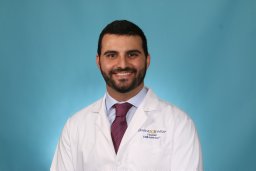 Nimrod Barashi合作论文数Comer Children’s Hospital, University of Chicago Medicine10
 Thomas James Polascik合作论文数Department of Surgery, School of Medicine, Duke University10
 Clint Cary合作论文数Department of Urology, Indiana University School of Medicine10
 Han Misop合作论文数Department of Epidemiology, Johns Hopkins Bloomberg School of Public Health;Department of Urology and the James Buchanan Brady Urological Institute, Johns Hopkins University School of Medicine10




