INTRODUCTION:Hijra in Bangladesh and other South Asian countries face considerable barriers to healthcare given their potential exposure to repeated, multi-level stigmatization and marginalization. However, these needs remain unaddressed in the healthcare system, thus warranting exploration of their healthcare access barriers. This article examines healthcare access barriers among hijra in Bangladesh. METHODS:A cross-sectional survey was conducted from June to November 2021 among 544 hijra across 16 districts out of 64 districts (25%) across all eight divisions in Bangladesh using multi-stage stratified cluster sampling, thus spanning a wide geographical coverage. Among all the participants, those who reported health problems in the last six months and sought treatment as a hijra (N = 215) were further used for analysis. Structural equation modeling (SEM) was utilized to assess and quantify the pathways how harassment, financial difficulties, discrimination, fear of discrimination, and lack of infrastructural facilities significantly creates barriers in accessing healthcare facilities among hijra. The results were expressed using factor loadings (FL) where FL closer to 1 indicated strong relationship. RESULTS:The average age of hijra participants was 32 years old (±10.3 SD). The participants reported an average monthly income of US$107.2. Findings revealed that 53.5% of hijra respondents encountered four types of healthcare access barriers: harassment, discrimination, financial difficulties, and lack of infrastructural facilities in some form. Among these healthcare access barriers, our model illustrated that three were significant. These were discrimination by healthcare providers (Factor Loading = 1.14), which was the most significant barrier, followed by harassment by healthcare providers (Factor Loading = 0.93) and lack of infrastructural facilities (Factor loading = 0.41), and all these three barriers lead to an ultimate barrier to access to healthcare for the hijra community. CONCLUSION:This study highlights the critical barriers faced by hijra in accessing healthcare in Bangladesh. Findings suggest that interventions aimed at improving healthcare access should simultaneously address multiple factors to ensure gender-responsive healthcare systems that do not conform to a rigid gender binary.
INTRODUCTION:Evidence-based clinical practice guidelines focused on sexual (dys)function for the LGBTQIA+ (ie, lesbian, gay, bisexual, transgender, queer/questioning, intersex, and asexual) community, including before and after gender-affirming surgery, are still scarce. OBJECTIVES:To provide an overview and recommendations for sexual (dys)function among individuals with diverse sexual orientations, transgender and gender-diverse individuals, and intersex individuals/individuals with differences of sexual development (DSD). METHODS:A committee of experts conducted a comprehensive review of the literature, focusing on scientific publications since the last consultation, for the fifth International Consultation on Sexual Medicine. RESULTS:Researches that considered populations with diverse sexual orientations were reviewed and largely focused on sexual satisfaction/pleasure, sexual functioning, and sexual difficulties. Additional topics included relationship and psychological dimensions, sexual functioning during receptive anal sex, chemsex, minority stress, asexuality, and sexuality in older adulthood. The main challenges are related to small sample sizes and mostly cross-sectional study designs that limit the generalization of findings. Research focused on sexual (dys)function among transgender and gender-diverse individuals tends to focus on a medical perspective of sexual function and is often based on cisgender models or methodology. Research has also focused attention on the relationship between medical interventions for gender-affirming care (eg, hormone therapy, surgery) and has often included cross-sectional designs or short-term follow-up. Current research also highlights the unique facets of sexual (dys)function that appear important to gender-diverse individuals, such as relational and body image factors. Fewer articles focused on individuals with intersex traits/DSD, and these included a diverse approach to the samples studied and methodology used. Much of this research focused on the impact of medical interventions (eg, hormone therapy, surgery) on sexual satisfaction and function. Across populations, there were limited validated measures of sexual (dys)function. CONCLUSION:Overall, the main challenges in the field are related to methodological gaps, as acknowledged in this review, and a summary of the literature is provided. Diversity, equity, and inclusion, as well as ethical considerations, are addressed, and clinical recommendations for supporting the sexual well-being of individuals with diverse sexual orientations, transgender and gender-diverse individuals, and intersex individuals/individuals with DSD are presented.
Background:There is limited research about the prevalence of receptive anal intercourse (RAI), erogeneity and sexual pleasure within the zones of the rectum. Aim:We describe the experience of RAI within a large and diverse population in an online convenience survey, to map zones of erogenous sensation within the rectum, and to assess orgasm function among individuals who practice RAI. Methods:Adult subjects were recruited from an online survey platform and were queried about their history of RAI. Those who endorsed RAI were shown illustrations of the rectum divided into four non-overlapping anatomic regions. Subjects designated regions where they experienced pleasure when touched during RAI. Subjects were also asked about their ability to achieve orgasm from RAI alone or if they required co-stimulation of additional regions. Demographics were collected, and differences were analyzed based on gender, age, and sexual orientation identity. Outcomes:Outcomes include mapped erogeneity of the rectum among men and women and self-reported experiences with RAI, including orgasm function related to RAI among cisgender adults. Results:A total of 466 cisgender men (mean age ± SD, 46.3 ± 17.5 years) and 498 cisgender women (48.1 ± 16.0 years) completed the questionnaire. Women were significantly more likely to endorse prior RAI, as compared to men (34% vs 24%, P < .01). Men were significantly more likely to endorse achieving orgasm from RAI alone, as compared to women (39% vs 19%, P < .05). Gay men and women were more likely to have participated in RAI. The superficial anterior rectum was the most frequently selected region by both men and women as a site of pleasure when touched during RAI. Clinical Implications:The results of this study will highlight preferred zones of erogeneity in the rectum, which could be impacted by surgeries or pathology in these areas. Strengths and Limitations:This study captured a comprehensive assessment of erogenous sensation within the rectum among a large sample. Limitations include the use of a online subjects for data collection, which can result in both response and selection bias. Conclusion:Our findings show that RAI is practiced by many adults across ages, gender, and sexual orientation identities. Both men and women report pleasure from various areas within the rectum, primarily the superficial regions of the rectum. These findings may prove helpful in elucidating practices of RAI. Additionally, understanding erogeneity in the rectum may allow providers to better predict changes due to pathology and treatments of or surrounding these areas.
Transgender and gender diverse (TGD) health is a rapidly evolving, underserviced, and underresearched healthcare field. This chapter will provide a brief review of the research in TGD health and medical education and offer further areas of research and curriculum design.
INTRODUCTION:There has been much debate recently on the participation of transgender and gender-diverse (TGD) athletes in sport, particularly in relation to fairness, safety and inclusion. The 2021 IOC Framework on Fairness, Inclusion and Non-discrimination acknowledges the central role that eligibility criteria play in ensuring fairness, particularly in the female category, and states that athletes should not be excluded solely on the basis of their TGD identity. AIMS:To identify policies that address TGD athlete participation in the 15 major United Kingdom (UK) sporting organisations and to summarise the evidence for each of these policies. METHODS:A scoping review of TGD policies from the 15 major UK sporting organisations. RESULTS:Eleven of the governing bodies had publicly available TGD policies. Most of the sporting associations drew guidance from the official 2015 IOC Consensus Meeting on Sex Reassignment and Hyperandrogenism, particularly with regard to physiological testosterone levels. Many organisations referenced their policies as a guide for decision making but stated that they ultimately made case-by-case decisions on an athlete's eligibility. Relevant considerations not addressed in most policies included pre- versus post-pubertal athletes, justification for testosterone thresholds, the length of time out of competitive action (if any) for transitioning athletes, the irreversible advantage from male puberty (if any), the responsibility for and frequency of follow up for hormonal testing and the consequences for athletes outside set testosterone limits. CONCLUSIONS:There is a lack of consensus among the top 15 UK sporting organizations relating to elite sport participation for TGD athletes. It would be useful for sport organizations to work together to develop greater standardization/consensus for TGD athlete policies, taking into consideration fairness, safety and inclusion in each sport.
Terminology describing transgender and gender diverse identities has evolved over the past 80 years, becoming progressively less pathologizing and less stigmatizing.While transgender health care no longer uses terms such as gender identity disorder or classifies gender dysphoria as a mental health condition, the term gender incongruence continues to be a source of oppression.An all-encompassing term, if one can be found, might be experienced by some as either empowering or abusive.This article draws on historical perspectives to suggest how clinicians might use diagnostic and intervention language that is harmful to patients.
Background: Transgender healthcare is a rapidly evolving interdisciplinary field. In the last decade, there has been an unprecedented increase in the number and visibility of transgender and gender diverse (TGD) people seeking support and gender-affirming medical treatment in parallel with a significant rise in the scientific literature in this area. The World Professional Association for Transgender Health (WPATH) is an international, multidisciplinary, professional association whose mission is to promote evidence-based care, education, research, public policy, and respect in transgender health. One of the main functions of WPATH is to promote the highest standards of health care for TGD people through the Standards of Care (SOC). The SOC was initially developed in 1979 and the last version (SOC-7) was published in 2012. In view of the increasing scientific evidence, WPATH commissioned a new version of the Standards of Care, the SOC-8. Aim: The overall goal of SOC-8 is to provide health care professionals (HCPs) with clinical guidance to assist TGD people in accessing safe and effective pathways to achieving lasting personal comfort with their gendered selves with the aim of optimizing their overall physical health, psychological well-being, and self-fulfillment. Methods: The SOC-8 is based on the best available science and expert professional consensus in transgender health. International professionals and stakeholders were selected to serve on the SOC-8 committee. Recommendation statements were developed based on data derived from independent systematic literature reviews, where available, background reviews and expert opinions. Grading of recommendations was based on the available evidence supporting interventions, a discussion of risks and harms, as well as the feasibility and acceptability within different contexts and country settings. Results: A total of 18 chapters were developed as part of the SOC-8. They contain recommendations for health care professionals who provide care and treatment for TGD people. Each of the recommendations is followed by explanatory text with relevant references. General areas related to transgender health are covered in the chapters Terminology, Global Applicability, Population Estimates, and Education. The chapters developed for the diverse population of TGD people include Assessment of Adults, Adolescents, Children, Nonbinary, Eunuchs, and Intersex Individuals, and people living in Institutional Environments. Finally, the chapters related to gender-affirming treatment are Hormone Therapy, Surgery and Postoperative Care, Voice and Communication, Primary Care, Reproductive Health, Sexual Health, and Mental Health. Conclusions: The SOC-8 guidelines are intended to be flexible to meet the diverse health care needs of TGD people globally. While adaptable, they offer standards for promoting optimal health care and guidance for the treatment of people experiencing gender incongruence. As in all previous versions of the SOC, the criteria set forth in this document for gender-affirming medical interventions are clinical guidelines; individual health care professionals and programs may modify these in consultation with the TGD person.
> Change your leaves, keep intact your roots > > –Victor Hugo Throughout history and across cultures, nearly all human societies have constructed systems of privilege and power that oppress, exploit and disadvantage some, while empowering others.1 Across sectors, the powerful have engineered these systems to achieve step-change economic gains at the expense of the oppressed. In addition to wealth, systems of oppression also generate non-material benefits for those on the weighty side of the power imbalance. Consciously or not, as micro-aggressions and macro-aggressions from the advantaged are dealt down the power gradient to the disadvantaged, social advancement opportunities and recognition disproportionately benefit the dominant group.1 The key here is that people actively thought this through . These intentionally designed systems divide society into a dystopian hierarchy based on race/ethnicity, gender, perceived ability, wealth, age and more, despite the fundamental human rights all people are equally due. As clinicians and academics, we have the opportunity to consciously and deliberately expose and dismantle societal biases in our field of Sport and Exercise Medicine (SEM). While …
Background: Gender-affirming hormone therapy and surgery are important medically necessary approaches to transgender care. However, few related data exist in China. Aim: To understand the desire and access of transgender cares in the Chinese transgender men and women population. Methods: A cross-sectional self-selecting survey targeting the Chinese transgender population was conducted in 2017 using a snowball sampling method. Participants completed an online questionnaire anonymously. Gender identity was verified by specifically designed questions. Data analysis of this study was performed in 2019. Outcomes: The main outcome was the status of receiving transgender medical care, including the desire vs actual state of receiving gender-affirming hormone treatment and gender-affirmation surgery, methods of accessing hormonal therapy and surgery, and risky behaviors associated with obtaining treatments. Results: Of the total 2060 valid questionnaires, there were 1,304 transgender individuals (626 transgender men and 678 transgender women), with a median age of 22 (interquartile range, 19-26) years. Among them, 1,036 (79.4%) expressed desires for hormonal therapy, but of 1,036, 741 (71.5%) considered it difficult to obtain medications from doctors. Of 1,036 individuals, 275 (26.5%) and 172 (16.6%) had thoughts or behaviors of self-injury, respectively, when lacking access to hormone therapy. Of 1,036 individuals, 602 (58.1%) had used hormones. Of those 602 hormone users, 407 (67.6%) had ever obtained medications from informal drug dealers, and 372 (61.8%) of them did not perform regular monitoring. 868 of 1,303 (66.6%) participants had received or wanted to undergo gender-affirming surgeries, but 710 of 868 (81.8%) considered the surgery resources not adequate or very scarce. Clinical Implications: The transgender medical resources in China are scarce, and many transgender individuals have engaged in high-risk activities to access care. Strengths & Limitations: This is the first study to focus on the current status of gender-affirming hormone therapy and surgery in the Chinese transgender population, providing valuable and real-world data for under-standing the need for transgender health care in China. But, the online questionnaire could not provide the prevalence and other epidemiologic information about transgender individuals in China, and the survey did not address specific medication regimens, dosages, sex hormone levels, and specific hormone therapy-related or surgery-related adverse events. Conclusion: Significant improvement in access to gender-affirming medical and surgery care is needed in China. Copyright (C) 2020, International Society for Sexual Medicine. Published by Elsevier Inc. All rights reserved.
Methamphetamine use has increased among gender and sexually diverse people in several countries, including Bangladesh. This study aimed to explore the effects of methamphetamine on the sexual lives of these people in Dhaka, Bangladesh. An exploratory qualitative study was conducted, comprising 30 in-depth interviews with gender and sexually diverse people including males having sex with males, male sex workers, and transgender women (hijra) under HIV intervention coverage. Ten key informant interviews were also conducted with individuals who have expertise in relevant disciplines such as drug use, harm reduction, and HIV and AIDS. Digitally recorded data were manually analyzed under the thematic analysis framework. Findings indicated that many participants reported that methamphetamine brought changes in their sexual lives such as increased sexual drive, engagement in group sex, the increased ability to perform serial sex, transactional sex, impulsive and coercive sex, initiation and switching of male-to-male sexual practices, and limited condom use. Key informants noted that there is a dearth of methamphetamine-related services in Bangladesh. Methamphetamine use was found to lead to diverse effects on the sexual lives of gender and sexually diverse people, thus making it a driving force for shaping sexual practices and, hence, sexual risks. Therefore, it is essential for policy-level stakeholders and program managers to consider the risks of methamphetamine use due to their negative ramifications on sexual health, including HIV risks.
 Lin Fraser合作论文数10
 Griet De Cuypere合作论文数7
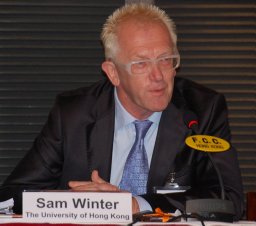 Sam Winter Phd合作论文数The University of Hong Kong6
 Loren S. Schechter合作论文数6
 Walter O. Bockting合作论文数Department of Family Medicine and Community Health, University of Minnesota Medical School Program in Human Sexuality6
 Jens Berli合作论文数Department of Surgery, Johns Hopkins Hospital5
 Lori Brotto合作论文数Department of Obstetrics and Gynaecology, Faculty of Medicine, University of British Columbia5
 Vin Tangpricha合作论文数5Jamie Lynn Feldman合作论文数5Randi Ettner合作论文数4
 Walter P Bouman合作论文数Department of Health Care of the Elderly, University Hospital4
 Kevan Wylie合作论文数Department of Neuroscience, The University of Sheffield4Stanislas Monstrey合作论文数3
 Stefan Baral合作论文数Epidemiology, Bloomberg School of Public Health, Johns Hopkins University3
 Scott Leibowitz合作论文数3
 Safer Joshua D合作论文数Department of Medicine, Boston University School of Medicine3
 Asa Radix合作论文数Department of Internal Medicine, New Britain General Hospital3
 Eli Coleman合作论文数Department of Family Medicine and Community Health, University of Minnesota3Brown George R合作论文数3Jon Arcelus合作论文数Oaklands Centre, Selly Oak, Birmingham, UK3R. Ettner合作论文数2D. H. Karasic合作论文数2B. P. Hall合作论文数2
 Perry Tsai合作论文数2Frederic M. Ettner合作论文数2
 Katherine Rachlin合作论文数2
 Jamison Green合作论文数2Stephanie Curran合作论文数2Madeline B Deutsch合作论文数2E. Coleman合作论文数2
 Leena Nahata合作论文数Department of Pediatrics, The Ohio State University College of Medicine2
 Baudewijntje P C Kreukels合作论文数2
 Adrienne Hancock合作论文数Department of Speech and Hearing Sciences, George Washington University2
 Sari L. Reisner合作论文数Department of Epidemiology, School of Public Health, University of Michigan2
 Jane S Thornton合作论文数Policlinique Medicale Universitaire, Centre Hospitalier Universitaire Vaudois2Motmans Joz合作论文数Policy Research Centre on Equality Politics, University of Antwerp2
 Luke Allen合作论文数Venom Supplies2
 Michael L. Goodman合作论文数Dept Epidemiol, Emory Univ2Johnson Thomas W合作论文数2Joshua Goldberg合作论文数2
 Aaron H. Devor合作论文数2Jess Inskip合作论文数2
 Trevor Cohen合作论文数Department of Biomedical Informatics and Medical Education, School of Medicine, University of Washington;The University of Texas Health Science Center at Houston2
 Annelou L C de Vries合作论文数www.bsl.nl2Darlynne Gehring合作论文数2Stan Monstrey合作论文数2Sharful Islam Khan合作论文数2H. F. L. Meyer-Bahlburg合作论文数2
 Carey Bayer合作论文数2




