Background: Patients with metastatic breast cancer (MBC) experience significant quality-of-life decrements, but there are few supportive care interventions specifically designed for this group that significantly improve quality of life. Ecological momentary assessment (EMA) and related ecological momentary interventions (EMIs) may be particularly beneficial for patients with MBC. However, no studies have previously examined the use of EMIs in the context of metastatic cancer. Objective: The purpose of this study was to qualitatively assess experiences with EMA and preferences for intervention content and mode among patients living with MBC, with an emphasis on EMIs. Methods: Women with MBC (n=29) were recruited from a longitudinal, observational study of quality of life using an EMA design. In-depth qualitative interviews assessed participants' perspectives on the EMA design, including its feasibility, acceptability, and relevance to participants' MBC experiences. Guided by participants' EMA data, the interviews also examined the impact of self-monitoring and possible interventions when patients reported high symptom burden and/or low quality of life. Interviews were audio-recorded, transcribed verbatim, and analyzed using open coding, axial coding, and selective coding. The codebook was developed by reviewing a randomly selected subset of transcripts (n=5) and creating inductive, data-driven codes using the raw data, which were deductively organized into overarching themes. Results: Participants were mainly White (17/29, 59%), heterosexual (23/29, 79%), currently working (17/29, 59%), and held at least a bachelor's degree (17/29, 59%). Participants had been living with MBC for a median of 2.5 years (range 0.2-16.6 years). Most were diagnosed with hormone receptor-positive (23/29, 79%) and HER2-negative (21/29, 72%) breast cancer. Qualitative analysis identified 5 major themes. The participants reflected on their reasons for enrolling in the study, including interest in study activities and giving back to the MBC community (theme 1: participant engagement). Most participants found the EMA format easy to complete, and they provided recommendations for improving the design of future studies, including altering the timing and frequency of questionnaires (theme 2: feedback on study design). While less common, some participants discussed how engaging with the EMA protocol altered their experiences or behaviors (theme 3: impact of self-monitoring). Participants also discussed their reactions to seeing their EMA data, including their mixed thoughts on real-time data sharing (theme 4: responses to data). Finally, participants suggested programs and resources to improve their overall quality of life, reflecting on their interest in real-time interventions and peer-to-peer support (theme 5: recommendations for future interventions). Conclusions: Patients with MBC are willing to use EMA methodologies for data collection on quality of life and are open to EMIs with varying content and formats. Given variations in daily functioning between and within patients, a just-in-time adaptive intervention framework may be well suited for this population.
PURPOSE:To address observed cancer health inequities resulting from historically-embedded structural bias in quality, equity, and access to health care delivery, we organized and coordinated Diversity, Equity, Inclusion, and Justice (DEIJ) Task Forces across three cancer centers in the Mid-Atlantic region. METHODS:We recruited multi-disciplinary, diverse faculty and staff for each task force to optimize capacity to implement sustainable, effective strategies for institutional change. We developed an educational curriculum aligned with enhanced National Culturally and Linguistically Appropriate Services (CLAS) Standards and the DC Hospital Health Equity Framework. Over 18 months, task force members were invited to 14 sessions designed to help teams assess and prioritize critical areas for improvement through organizational assessments and then create and implement action plans. RESULTS:Task force goals focused on reducing cancer disparities by improving patient information accessibility, expanding the reach of implicit bias training for providers, and improving accurate socio-demographic data collection. The task forces made meaningful progress on two of these three goals. Challenges included competing time demands, incomplete and limited data generated by institutions, limited insight into operational protocols and inadequate resources and time to complete work. CONCLUSION:Clear, accessible patient-reported demographic data, protected staff time, leadership commitment, and significant institutional resource supports are critical to effectively advance DEIJ work.
Background:Depression and anxiety are prevalent among patients with metastatic breast cancer (MBC), but there are few evidence-based psychological interventions specifically designed for this population. Objective:This study aimed to assess the feasibility, acceptability, and clinical impact of a multicomponent positive psychological intervention, enhanced with an ecological momentary intervention for symptom management, for patients with MBC. Methods:We recruited patients with MBC from a National Cancer Institute-designated comprehensive cancer center. Participants completed 5 weekly virtual individual sessions with a study counselor focused on positive emotion regulation skills. Participants also reported physical and psychological symptoms daily between sessions via SMS text messaging. Clinically elevated symptoms triggered a personalized coaching SMS text message tailored to the symptoms reported and the skills learned that week. Primary outcomes were intervention feasibility and acceptability. We also examined pre- to postintervention changes in depression, anxiety, positive affect, and positive emotion regulation skill use. Finally, a subset of participants completed qualitative exit interviews focusing on their experience in the study; interview data were analyzed using rapid qualitative analysis. Results:We approached 20 patients with MBC, established contact with 15 (75%), received consent from 10 (67%), and retained 9 (90%) patients through the end of the study. Participants were 55 (SD 14.4, range 35-75) years old on average and identified as non-Hispanic White (5/10, 50%), non-Hispanic Black (4/10, 40%), or Latina (1/10, 10%). Participants attended 92% (46/50) of intervention sessions (mean 50, SD 9, range 36-71 min). On average, they completed 85% (SD 18%, range 46%-100%) of daily symptom assessments and received 23 (SD 5, range 13-31) coaching messages. Participants reported high perceived intervention feasibility (mean 4.81/5, SD 0.44), acceptability (mean 4.78/5, SD 0.33), and appropriateness for patients with MBC (mean 4.83/5, SD 0.35), above our a priori cutoff of ≥4. All 9 participants (n=9, 100%) recommended the intervention for other patients with MBC. We observed pre- to postintervention decreases in depression (d=-0.32) and anxiety (d=-0.27) and increases in positive affect (d=0.30) and positive emotion regulation skill use (d=0.99). Rapid qualitative analysis results demonstrate participants' positive experiences with the intervention, as well as suggestions for improvement. Conclusions:This pilot study supports the feasibility of enrolling and retaining racially and ethnically diverse patients with MBC to this trial, the acceptability of the positive psychological intervention enhanced with ecological momentary intervention, and preliminary intervention impacts on depression, anxiety, positive affect, and positive emotion regulation skill use. A large-scale randomized controlled trial is needed to assess intervention efficacy for outcomes of interest.
Objective: To assess the frequency of advance care planning (ACP) and associated demographic and clinical factors among women with metastatic breast cancer (MBC). Methods: We analyzed secondary data from a longitudinal study of quality of life among women with MBC. Participants (N = 118) were recruited from breast oncology clinics at an NCI-designated comprehensive cancer center. Participants completed surveys assessing demographic and clinical characteristics. Data on ACP completion (yes/no) were abstracted from the electronic medical record. Chi-square or t-tests assessed bivariate relationships between demographic and clinical characteristics and ACP completion. Characteristics that were significantly related (p < 0.01) were entered into a multivariable logistic regression. Results: Only 38% (45/118) of participants had completed ACP. In multivariable analyses, older age and greater education were positively associated with ACP completion (ORage = 1.04 [1.01-1.08]; OReducation = 2.32 [1.04-5.20]). Conclusions: ACP interventions should target women with MBC who are younger and with lower levels of educational attainment.
Introduction:Limited research has longitudinally assessed quality of life (QoL) among patients with metastatic breast cancer (MBC) outside of therapeutic clinical trials. This study used ecological momentary assessment (EMA) to examine QoL in daily life. Methods:Patients with MBC completed 12 EMA surveys over 4 weeks. Surveys utilized a visual analog scale (0-100) to assess global QoL, symptom severity (depression, anxiety, pain, fatigue, slowed cognitive functioning, appetite loss, nausea, gastrointestinal distress, decreased libido), and positive affect (social connection, peace, joy). Multilevel mixed-effects models analyzed the relationships between QoL and symptom severity and positive affect, when ratings differed across persons (between-person differences) and among the same person (within-person differences). We also explored longitudinal changes in QoL. Results:Participants (N=118; M=57.6 years old) were a mean of 4.3 years post-diagnosis. In mixed models adjusting for sociodemographic and health variables, between-subjects effects indicated QoL was worse among individuals who reported more depression (p=.009), more nausea (p=.005), and less joy (p<.001). Within-person effects indicated individuals' QoL was lower when they reported worse depression (p<.001), anxiety (p=.012), and fatigue (p=.004), lower appetite (p=.019), lower libido (p=.018), and less social connectedness (p=.001), joy (p=.040), and peace (p<.001) than their average ratings. Mixed models estimated QoL was worse near diagnosis (p=.028), especially for patients who were older (p=.005) and non-partnered (p=.001). Conclusions:Both within-person and between-person variations in symptom severity and positive affect are associated with QoL. The relative influence of within-person variation suggests the need for adaptive, targeted intervention strategies to optimize patients' quality of life.
Background: Black individuals with cancer have a higher prevalence of comorbidities and a worse cancer prognosis than other racial groups in the US. As part of a quality improvement project, we aimed to demonstrate feasibility of self-monitoring and community health worker (CHW) support among managing comorbidities for Black individuals with breast or prostate cancer. Methods: In a single arm, pre-post study, we enrolled patients with diabetes and/or hypertension who identified as Black and were diagnosed with 1) stage 0-IV breast cancer, or 2) prostate cancer and on long-term androgendeprivation therapy. Participants received a home-monitoring device linked to a mobile app and worked with a CHW over six months to track their blood pressure (BP) and/or blood glucose (BG). PROMIS surveys assessed support and self-efficacy. Results: Between May 2021-December 2022, 61 patients with breast or prostate cancer comorbid with hypertension (79 %) or hypertension and diabetes (21 %) enrolled. Once weekly self-recording of BP and BG was achieved in 92 % of individuals (with hypertension) and 77 % of individuals (with diabetes and hypertension). Participants (n = 47) who reported >= 4 readings in Months 1 and 6 demonstrated improved BP control (mean reduction = 4.07 mmHg); too few BG readings were collected to assess change. We observed a slight decrease in PROMIS scores for informational (mean 3.2, sd 8.0) and instrumental support (mean 3.6, sd 8.3). Conclusions: A self-monitoring and CHW intervention is a feasible approach to monitor hypertension among Black cancer patients. Modifications are needed to improve BG monitoring and patient reported outcomes.
ObjectivesThis project aimed to understand the experiences and preferences for social risk factor screening among racially, ethnically, and linguistically diverse cancer survivors in the Washington, DC, region.MethodsSemi-structured interviews were conducted with English, Spanish, and Amharic-speaking breast and prostate cancer survivors. Data were inductively coded to identify themes, and differences by race and preferred language were evaluated.FindingsTwenty-two interviews in English (n = 14), Spanish (n = 7), and Amharic (n = 1) among participants who identified as Black (n = 8), White (n = 5), Asian (n = 1), Other (n = 6), and multiracial (n = 2) were completed. Participants reported unresolved needs during treatment including transportation, healthful food, mental health care, financial help, and employment assistance. COVID-19 exacerbated many needs. Most participants did not recall discussing needs with oncology teams, but all participants were open to having these conversations.Conclusion(s)This research reveals that cancer survivors might benefit from culturally appropriate strategies that address social needs.
Background: Patients with cancer frequently encounter complex treatment pathways, often characterized by challenges with coordinating and scheduling appointments at various specialty services and locations. Identifying patients who might benefit from scheduling and social support from community health workers or patient navigators is largely determined on a case-by-case basis and is resource intensive. Objective: This study aims to propose a novel algorithm to use scheduling data to identify complex scheduling patterns among patients with transportation and housing needs. Methods: We present a novel algorithm to calculate scheduling complexity from patient scheduling data. We define patient scheduling complexity as an aggregation of sequence, resolution, and facility components. Schedule sequence complexity is the degree to which appointments are scheduled and arrived to in a nonchronological order. Resolution complexity is the degree of no shows or canceled appointments. Location complexity reflects the proportion of appointment dates at 2 or more different locations. Schedule complexity captures deviations from chronological order, unresolved appointments, and coordination across multiple locations. We apply the scheduling complexity algorithm to scheduling data from 38 patients with breast cancer enrolled in a 6-month comorbidity management intervention at an urban hospital in the Washington, DC area that serves low-income patients. We compare the scheduling complexity metric with count-based metrics: arrived ratio, rescheduled ratio, canceled ratio, and no-show ratio. We defined an aggregate count-based adjustment metric as the harmonic mean of rescheduled ratio, canceled ratio, and no-show ratio. A low count-based adjustment metric would indicate that a patient has fewer disruptions or changes in their appointment scheduling. Results: The patients had a median of 88 unique appointments (IQR 60.3), 62 arrived appointments (IQR 47.8), 13 rescheduled appointments (IQR 13.5), 9 canceled appointments (IQR 10), and 1.5 missed appointments (IQR 5). There was no statistically significant difference in count-based adjustments and scheduling complexity bins (chi 24=6.296, P=.18). In total, 5 patients exhibited high scheduling complexity with low count-based adjustments. A total of 2 patients exhibited high count-based adjustments with low scheduling complexity. Out of the 15 patients that indicated transportation or housing insecurity issues in conversations with community health workers, 86.7% (13/15) patients were identified as medium or high scheduling complexity while 60% (9/15) were identified as medium or high count-based adjustments. Conclusions: Scheduling complexity identifies patients with complex but nonchronological scheduling behaviors who would be missed by traditional count-based metrics. This study shows a potential link between transportation and housing needs with schedule complexity. Scheduling complexity can complement count-based metrics when identifying patients who might need additional care coordination support especially as it relates to transportation and housing needs.
AbstractUnderrepresented populations’ participation in clinical trials remains limited, and the potential impact of genomic variants on drug metabolism remains elusive. This study aimed to assess the pharmacokinetics (PK) and pharmacogenomics (PGx) of ribociclib in self-identified Black women with hormone receptor-positive (HR+)/human epidermal growth factor receptor 2-negative (HER2) advanced breast cancer. LEANORA (NCT04657679) was a prospective, observational, multicenter cohort study involving 14 Black women. PK and PGx were evaluated using tandem mass spectrometry and PharmacoScan™ microarray (including CYP3A5*3, *6, and *7). CYP3A5 phenotypes varied among participants: 7 poor metabolizers (PM), 6 intermediate metabolizers (IM), and one normal metabolizer (NM). The area under the curve did not significantly differ between PMs (39,230 h*ng/mL) and IM/NMs (43,546 h*ng/mL; p = 0.38). The incidence of adverse events (AEs) was also similar. We found no association between CYP3A5 genotype and ribociclib exposure. Continued efforts are needed to include diverse populations in clinical trials to ensure equitable treatment outcomes.
Navigating cancer care is complex and is exacerbated by pre-existing comorbidities managed by multiple providers. In this quality improvement study, we evaluated changes in perceived care coordination, navigation, and chronic illness care with community health worker (CHW) and mHealth support among Black breast cancer and prostate cancer patients with hypertension and/or diabetes. We collected patient and provider surveys on chronic illness care coordination at baseline and six months and found improvements in multiple domains. These findings support engaging CHWs to improve care coordination among cancer patients with comorbidities and demonstrate a use case of importance with emerging navigation reimbursement policies.
Introduction: Health-related social needs (HRSNs) stem from structural inequities and may also lead to worse health outcomes. Previous studies show worse cancer outcomes for Black cancer patients than other racial groups in the US. We aimed to describe differences between HRSNs identified via a standardized screening tool and weekly conversations with a community health worker (CHW) among Black cancer patients.Methods: CHWs administered an 8-item HRSN screening tool at baseline. Over six-months, CHWs called participants weekly and recorded HRSN in a call log. We compared baseline screening answers with call logs to identify differences in types and timing of identified needs.Results: We collected HRSN from n = 57 participants. The screening tool identified 16 participants (28%) with 1+ HRSN, while in weekly calls 49 participants (86%) discussed 1+ HRSN. Top needs were financial strain, food insecurity, and transportation in both approaches. However, the screening tool failed to capture many needs that emerged in discussion and some HRSN were only shared after >3 weekly calls, suggesting a need to build trust and rescreen patients.Conclusion: We found that a single time or modality for screening may miss HRSN. Future studies should consider the impact of assessing and addressing HRSN on cancer disparities.Trial registration: ClinicalTrials.gov identifier: NCT04836221.
Chemotherapy and immune checkpoint inhibitors have a role in the post-neoadjuvant setting in patients with triple-negative breast cancer (TNBC). However, the effects of nivolumab, a checkpoint inhibitor, capecitabine, or the combination in changing peripheral immunoscore (PIS) remains unclear. This open-label randomized phase II OXEL study (NCT03487666) aimed to assess the immunologic effects of nivolumab, capecitabine, or the combination in terms of the change in PIS (primary endpoint). Secondary endpoints include the presence of ctDNA, toxicity, clinical outcomes at 2-years and association of ctDNA and PIS with clinical outcomes. Forty-five women with TNBC and residual invasive disease after standard neoadjuvant chemotherapy were randomized to nivolumab, capecitabine, or the combination. Here we show that a combination of nivolumab plus capecitabine leads to a greater increase in PIS from baseline to week 6 (91%) compared with nivolumab (47%) or capecitabine (53%) alone (log-rank p = 0.08), meeting the pre-specified primary endpoint. In addition, the presence of circulating tumor DNA (ctDNA) was associated with disease recurrence, with no new safety signals in the combination arm. Our results provide efficacy and safety data on this combination in TNBC and support further development of PIS and ctDNA analyses to identify patients at high risk of recurrence.
1082 Background: Clonal hematopoiesis (CH) has been associated with reduced overall survival and is shown to be increased in patients with solid tumors after receiving chemotherapy and radiotherapy. However, the clinical implications of these observations have not been prospectively evaluated among different racial groups. This study was initiated in an urban cancer center to study CH rates before and after cancer therapy in a racially diverse population. Methods: Women aged ≥18 with newly diagnosed non-metastatic breast cancer provided written informed consent for this IRB approved study. Error-corrected DNA-sequencing was performed on 50ng gDNA isolated from blood prior to (pre-Tx), and following (post-Tx), chemotherapy(C), radiotherapy(R), and/or endocrine (E) therapy. Pathogenic or likely pathogenic variants were determined in regions recurrently mutated in CH. Results: 56 patients, median age 59.5y (29-82), provided both pre-Tx and post-Tx blood samples. Median BMI was 31.2 (range: 21.1-52.7) with 48 (85%) overweight (BMI≥25) and 33 (59%) obese (BMI≥30). 21 (38%) were active smokers. CH variants with an allele frequency (VAF) ≥2% were identified in 8 (14%) patients pre-Tx, most commonly DNMT3A (5 patients). For those with CH, median age was 64y (49-80) and 5 were active smokers. BMI was not statistically associated with pre-Tx CH in this cohort. 48 (86%) of the patients self-identified as African American and 7 (15%) had CH pre-Tx. Post-Tx, 10 patients had CH (18%), persistent from pre-Tx in 7. Of those with different CH classifications pre- and post-Tx, 1 had DNMT3A CH pre-Tx no longer detectable post-Tx (CRE), 2 had DNMT3A CH detectable at VAF ≥2% post-Tx (1 with CH undetected prior to RE Tx, 1 with the same DNMT3A variant at 1.2% VAF prior to CRE), and a 3rd had a ATRX variant increase from 1.5% to 2.1% VAF post-Tx (CRE). To investigate potential clinical implications of CH post-Tx, we utilized the clonal hematopoiesis risk score (CHRS) calculator which aims to predict risk of developing MDS and AML (Weeks et al, NEJM). Pre-Tx, 6 of the CH patients were classified as low risk, and 2 as intermediate risk. Patients developing CH post-Tx were all classified as low risk. Risk scores remained otherwise unchanged. At a median follow up of 2y, none of the patients in this study have been reported to develop MDS or AML. Conclusions: In this cohort of patients with newly diagnosed non-metastatic breast cancer, we did not find evidence to justify clinical screening/monitoring for CH before and after therapy.
1581 Background: Ribo is metabolized by CYP3A and used for the treatment of patients with hormone receptor-positive (HR+)/HER2- mBC. FDA recommends dose reduction if used with CYP3A inhibitors due to a 3.2x increase ribo area-under-the-curve (AUC). It is unknown if modifications are needed in patients who lack enzyme activity (e.g., genetic CYP3A5 poor metabolizers (PM)). CYP3A5varies by genetic ancestry, is known to affect dosing for other drugs (e.g., tacrolimus). CYP3A5, ~85% of people of European ancestry are PM, ~85% of African ancestry are normal or intermediate metabolizers (NM, IM), which may impact ribo exposure and response. 2 percent (41/2066) enrolled in MONALEESA 2, 3, and 7 were Black. Methods: This prospective, multicenter cohort study (NCT04657679) assessed the PK and PGx of ribo (600 mg daily + letrozole/fulvestrant) in self-identified Black women with HR+/HER2- mBC. PK (0.5, 1, 2, 4, and 6 hours after ribo) and PGx studies were performed during cycle 1 via liquid chromatography with tandem mass spectrometry and PharmacoScan (ThermoFisher) microarray, which tests 1,191 genes. Including variants in CYP3A5*3, *6,and *7. Phenotypes assigned: PM (2 variant alleles), intermediate metabolism (IM; 1 variant allele), NM (0 variant alleles). The area under the curve (AUCtau) was compared with the exact Wilcoxon rank-sum test; Fisher’s exact test assessed the AEs and grade 3+ AEs to day 28. Results: 14 completed the trial. CYP3A5 phenotypes were PM (7), IM (6), and NM (1). The primary endpoint, AUCtau, was similar between CYP3A5 PM (39,230 hr*ng/mL; interquartile range [IQR]: 18,745 to 57,566 hr*ng/mL) vs. IM/NM (43,546 hr*ng/mL; IQR: 35,298 to 46,647 hr*ng/mL; p = 0.38). Other PK properties were similar between groups (table). There was a non-statistically significant higher number of AEs and grade 3+ AEs in PMs, when compared to NM/IMs. Study was not powered to assess differences in AEs. Conclusions: This cohort study detected no association between CYP3A5 genotype and ribo exposure. However, PMs may have more AEs relative to IMs/NMs. Future steps include exploring the impact of rare variants, including ~70 variants in CYP3A 4 and 5, on ribo exposure in this population. We will explore the role of clinical and genetic factors on the interindividual variability of ribo. Diverse patient representation in clinical trials is critical to ensure research findings are applicable to all patients. Clinical trial information: NCT04657679 .[Table: see text]
PARP inhibitors (PARPis) are revolutionizing the treatment of ovarian cancer. Yet for many patients these improvements come at the cost of physical and financial toxicity and responses are typically temporary due to emerging drug resistance. A growing body of pre-clinical and clinical work suggests that when cure is unlikely, it is possible to delay progression and reduce drug use through patient-specific drug scheduling. So-called 'adaptive therapy' dynamically adjusts treatment to preserve drug-sensitive cells which interfere with resistant cells through competition. In a prior study, we developed a mathematical model to describe the treatment response of ovarian cancer cells to the PARPi olaparib in vitro, and we proposed a candidate adaptive PARPi algorithm. Here, we extend our model to capture the dynamics in patients and use it to study the feasibility and potential benefit of adaptive PARPi administration in practice. Our prior model posited that treatment induces cell cycle arrest that moves cells from the proliferating subset of the population to an arrested compartment. The model predicted that while there is scope for treatment reductions, these need to be carefully timed and prolonged treatment breaks should be avoided. Based on these results we proposed an adaptive treatment algorithm in which the olaparib dose is switched between high and low doses, depending on the tumor’s growth rate. To test the translational potential of this strategy, we retrospectively collected data from 53 ovarian cancer patients who received olaparib at the H Lee Moffitt Cancer Center between 2014 and 2021. Using serum CA-125 as a proxy for tumor burden, we first examined whether our mathematical model could capture the patients’ longitudinal dynamics. While the response of some patients was consistent with what we had observed in vitro, in others there was evidence of the emergence of a distinct drug-resistant population, and we extended our mathematical model to account for this. After calibrating and validating the model with the patient data, we tested whether these patients would have benefited from adaptive PARPi treatment. Our simulations suggest that our proposed algorithm is feasible and provides a means for reducing treatment in a patient-specific manner. In addition, in a subset of patients we predict that adaptive therapy could delay progression. Overall, this work corroborates the potential for adaptive PARPi therapy and helps to identify outstanding challenges on the way to clinical translation. Citation Format: Maximilian A. Strobl, Alexandra L. Martin, Christopher Gallagher, Mehdi Damaghi, Mark Robertson-Tessi, Robert Gatenby, Robert M. Wenham, Philip K. Maini, Alexander R. Anderson. Adaptive treatment scheduling of PARP inhibitors in ovarian cancer: Using mathematical modeling to assess clinical feasibility and estimate potential benefits. [abstract]. In: Proceedings of the American Association for Cancer Research Annual Meeting 2023; Part 1 (Regular and Invited Abstracts); 2023 Apr 14-19; Orlando, FL. Philadelphia (PA): AACR; Cancer Res 2023;83(7_Suppl):Abstract nr 5694.
Stringent enrollment criteria can limit the diversity of patient populations in clinical trials and, consequently, the generalizability of clinical trial data to real-world clinical practice. In this podcast, we discuss how real-world data in heterogeneous patient populations can complement clinical trial data in informing treatment decision making for patients with hormone receptor-positive/human epidermal growth factor receptor 2-negative (HR+/HER2−) metastatic breast cancer. Specifically, our focus is on P-REALITY X, an observational retrospective analysis that was recently published in npj Breast Cancer. P-REALITY X used real-world data from the Flatiron database to compare the effectiveness of palbociclib plus an aromatase inhibitor versus an aromatase inhibitor alone as first-line treatment for patients with HR+/HER2− metastatic breast cancer. After stabilized inverse probability treatment weighting to control for observed confounders, both overall survival and real-world progression-free survival were significantly prolonged with palbociclib plus an aromatase inhibitor versus an aromatase inhibitor alone. Furthermore, overall survival and real-world progression-free survival benefits were observed across most subgroups examined. We discuss the clinical implications of P-REALITY X data, including how these results add to data from prior randomized clinical trials and real-world studies in supporting the use of first-line palbociclib plus an aromatase inhibitor as a standard-of-care treatment for patients with HR+/HER2− metastatic breast cancer. We also provide an example of how to integrate and describe key information about the P-REALITY X study in plain language when discussing palbociclib as a therapeutic option with patients.
165 Background: Racial discrimination is a significant social determinant of health inequities. Ethnic disparities can indirectly result in different access to care, while healthcare provider ethnic bias can influence healthcare outcomes. National statistics show that Black patients have higher death rates when compared to those of other race and ethnicities. Our study aims to evaluate and compare self-reported and perceived discrimination in day-to-day life and healthcare experiences of patients who receive care at our cancer center. Methods: Cancer patients were surveyed in person at the Cancer Center at Medstar Washington Hospital Center between July 2022 and January 2023. The Everyday Discrimination Scale (EDS) by D.R. Williams and Discrimination in Medical Setting (DMS) questionnaire by M.E. Peek were used to collect data. Results: 100 patients following up at the clinic completed the paper survey. 74% were females and 26% males, 75% Black, 17% White and 8% Other Races (including Hispanic and Asian). The responses to the EDS and DMS were collected and coded as continuous variables, summed together, reported as medians, and compared across the various groups of interest. P-values between medians were reported using Kruskal Wallis test/Wilcoxon rank-sum test. Highest median scores on the EDS were found in Other Races, with a higher score representing higher self-perceived discrimination, followed by Black, and White (p<0.001). Lowest median scores on the DMS questionnaire were found in White, lower score representing lower self-perceived discrimination, followed by Other Races and Black (p<0.001). 30% of our total study population reported feeling that their quality of care was affected due to racial discrimination, out of which 83% were Black and 16% were Other Races, not including White (p= 0.006). Comparison of median scores for both the scales was not statistically different across age, gender, and cancer type. Conclusions: The results of our study demonstrate that self-reported and self- perceived racial discrimination extends to health care, and for some includes self-reported effects on the quality of health care received. Worse responses of the Other Races on the EDS and DMS scales could be explained by the low number of participants. Overall, the negative responses may have been affected by a variety of factors like varying stage of diagnosis, care received at other health-care centers, all of which would attribute to self-reported poorer experience regardless of race. There is a growing need to address these disparities to providing culturally sensitive care and addressing the root causes of systemic racism and inequality. This study is the first step in determining the day-to-day and healthcare experiences among patients at our center. We hope to follow with a prospective survey-based analysis of implicit bias among all healthcare workers.
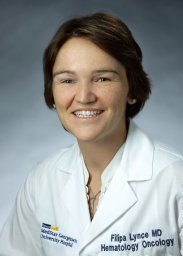 Lynce Filipa合作论文数Medstar Washington Hospital Center, Washington Cancer Institute22
 Claudine Isaacs合作论文数22
 Ami Chitalia合作论文数19Shruti Tiwari合作论文数Lombardi Comprehens Canc Ctr, Washington Canc Inst12
 Paula R. Pohlmann合作论文数Department of Investigational Cancer Therapeutics, Division of Cancer Medicine, University of Texas MD Anderson Cancer Center;Department of Breast Medical Oncology, The University of Texas MD Anderson Cancer Center11Asma Dilawari合作论文数10
 Anna Maria Storniolo合作论文数10Ballinger Tarah J合作论文数10
 Sandra Swain合作论文数Georgetown University Medical Center;School of Medicine, Georgetown University;MedStar Health;Medical Sciences Division, University of Oxford;Uniformed Services University of the Health Sciences10
 Kathy D. Miller合作论文数Hematology/Oncology Division, Department of Medicine, School of Medicine, Indiana University9
 Ilana Schlam合作论文数Department of Hematology and Oncology, Tufts Medical Center8Mohebtash Mahsa合作论文数8
 Bryan P. Schneider合作论文数Divisions of Hematology/Oncology & Clinical Pharmacology, School of Medicine, Indiana University;Department of Medical and Molecular Genetics, School of Medicine, Indiana University;Indiana University Melvin and Bren Simon Cancer Center8Rita Nanda合作论文数Committees on Genetics and Cancer Biology, University of Chicago8Deena Graham合作论文数7
 Ana Barac合作论文数7
 Raquel Nunes合作论文数7Editha A. Krueger合作论文数6Cathleen M. Schaeffer合作论文数6
 Erica Cantor合作论文数6Michael A. Thompson合作论文数6
 Reshma Mahtani合作论文数6Casey L Bales合作论文数6Radhika Walling合作论文数6
 Maureen Cooper合作论文数Foundation Medicine, Inc.6Dean C. Pavlick合作论文数Fdn Med Inc, Cambridge, MA USA6Jennifer Van Horn合作论文数6
 Claire C Conley合作论文数Moffitt Cancer Center6
 Sunil Badve合作论文数Department of Pathology and Laboratory Medicine, Indiana University-Purdue University Indianapolis6
 Hannah Arem合作论文数Department of Chronic Disease Epidemiology, Yale School of Public Health6Albacker Lee A合作论文数Foundation Medicine, Inc.;Foundation Medicine, Inc.6Blaya Marcelo合作论文数6Trosman Julia R合作论文数Philip R. Lee Institute for Health Policy Studies, University of California, San Francisco;Center for Business Models in Healthcare, San Francisco, CA.;Center for Translational and Policy Research in Personalized Medicine and Philip R. Lee Institute for Health Policy Studies, University of California, San Francisco6Paplomata Elisavet合作论文数Texas Health Presbyterian Hospital6Hoskins Kent F合作论文数6Daily Karen合作论文数Division of Hematology and Oncology, University of Florida6
 Weldon Christine B合作论文数From UCSF Center for Translational and Policy Research on Personalized Medicine (TRANSPERS),, University of California, San Francisco;Center for Business Models in Healthcare, Chicago Illinois;Feinberg School of Medicine, Northwestern University;Department of Medicine, UCSF;and Helen Diller Family Comprehensive Cancer Center, University of California, San Francisco;and Helen Diller Family Comprehensive Cancer Center, UCSF;Northwestern University, University of California, San Francisco6
 Al B Benson合作论文数Division of Hematology and Oncology, Department of Medicine, Feinberg School of Medicine, Northwestern University;Robert H. Lurie Comprehensive Cancer Center, Feinberg School of Medicine, Northwestern University6
 Jiang Guanglong合作论文数6Shen Fei合作论文数6
 Robert M. Graham合作论文数Victor Chang Cardiac Research Institute6Shelly S. Lo合作论文数6Bradley A. Hancock合作论文数6
 Lidia Schapira合作论文数From the Department of Medicine, Beth Israel Deaconess Medical Center6Alyssa D. Throckmorton合作论文数Department of Surgery, Mayo Clinic6
 Bruce Rapkin合作论文数6
 Carla Falkson合作论文数University of Rochester Medical Center;Medicine Wilmot Cancer Institute, University of Rochester;Pluta Cancer Center, University of Rochester6
 Christopher R. Chitambar合作论文数Department of Obstetrics & Gynecology, Medical College of Wisconsin6
 Ayesha N. Shajahan-Haq合作论文数6




