To enhance customized terrestrial communications and support diverse independent emergency services, uncrewed aerial vehicle (UAV) network slicing is regarded as a feasible solution. However, UAV network slicing suffers from UAV's limited resources and imperfect channel state information (CSI) due to channel errors. In this paper, we propose a robust resource optimization framework with channel uncertainty for UAV network slicing, by introducing a hybrid quantum neural network (HQNN)-based multi-agent deep reinforcement learning (MADRL) algorithm. Specifically, to cope with limited UAV resources, inspired by Open Radio Access Network (RAN), we decompose users' baseband processing functions and dynamically distribute them across different UAV sub-networks. Then, considering channel uncertainty, we formulate a quantile-based delay minimization problem under an outage probability constraint. This problem jointly optimizes function splitting (FS), user association, and UAV power allocation. To obtain robust resource optimization, we customize a HQNN-based multi-agent dueling double deep Q-network (HQMAD3QN). It perfectly integrates the mature techniques of MADRL for processing multiple elements and the advanced computational capabilities of HQNNs coupling the quantum neural network with the convolutional neural network. Notably, we utilize a Monte Carlo (MC)-based data augmentation module to address the difficult outage probability constraint. Numerical results show that the proposed method outperforms state-of-the-art approaches in terms of service delay, robustness, constraint violation, and computational complexity.
RAN slicing has been widely studied for providing ultra-reliability low-latency communication (URLLC), enhanced mobile broadband (eMBB), and massive machine type communication (mMTC) services in 5G. However, the existing RAN slicing networks have not been explored to support the hybrid services, such as massive URLLC (mULC) and ubiquitous eMBB (uMBB) services. In this paper, we propose a novel rate splitting multi-access (RSMA)-enabled RAN slicing system to facilitate the runtime support of mULC and uMBB services. Firstly, three typical slices, i.e., URLLC, eMBB, and mMTC slices are constructed. Then, a multi-connection scheme is proposed by using RSMA technology, i.e., the users can be connected with two typical slices to obtain mULC and uMBB services. Specifically, the transmitted data of each mULC/uMBB user will be split into the common mMTC data and the private URLLC/eMBB data, which will be encoded into the corresponding traffic flows and served by corresponding slices. Next, a system-wide utility optimization problem is proposed to optimize heterogeneous requirements for mULC and uMBB services by joint user grouping, bandwidth allocation, and power control. Finally, a two independent agent DDPG (2IADDPG) algorithm is customized to solve the formulated problem, wherein two independent agents are responsible for independent decision-making. The reported numerical results show that the RSMA scheme outperforms the benchmarks, and in the meanwhile our proposed 2IADDPG algorithm can achieve faster convergence rate compared with the multi-agent DDPG algorithm and other comparison algorithms.
Future networks will need to make network-wide decisions, including traffic engineering, network slicing, and wireless optimization, under strict latency, energy, and reliability constraints. The computational complexity of these problems increasingly challenges classical optimization methods. This article proposes Q-Backbone (QB), a quantum-enhanced control plane for communication networks in which quantum processing units (QPUs) operate alongside classical computing resources as accelerators for network intelligence. QB is designed as a fourlayer architecture that combines heterogeneous infrastructure, hybrid quantum-classical runtime services, policy-driven task orchestration, and communication-network applications. A central component of QB is the Quantum Invocation Policy (QIP), which dynamically determines when quantum acceleration is beneficial and when classical execution should be preferred. A case study on deadline-aware orchestration of distributed quantum jobs over heterogeneous QPUs shows that QB can improve workload execution under tight deadline constraints, serving up to 25
Fluid antenna is a new reconfigurable antenna technology that can dynamically adjust the positions or ports of radiating elements and therefore provides a new degree of freedom for wireless communications. However, the associated port selection is a challenging large-scale combinatorial optimization problem and difficult to solve. Existing manually designed heuristic algorithms are not only labor-intensive, but cannot achieve satisfactory performance. In this paper, we propose a novel paradigm that leverages large language models (LLMs) for automated design of optimization algorithms for fluid antenna systems without manual hyperheuristic tuning. Specifically, we study the problem of maximizing the minimum signal-to-interference-plus-noise ratio (SINR) in the downlink to ensure fairness among users by optimizing port selection and beamforming. We investigate two LLM-enabled algorithm optimization strategies. The first is to optimize the crossover and mutation operations to enhance the performance of the well-known genetic algorithm and the second is to design AutoPort, a new heuristic from scratch by LLM, to solve the optimization problem. Simulation results verify that the proposed method can achieve near-optimal performance and significant improvement over the conventional genetic algorithm and the deep learning approach.
With the advancement of sixth generation (6G) communication technology and artificial intelligent (AI), Electric Intelligent Vehicles (EIVs) have led to a rapid increase in time-bounded and ultra-reliable tasks. However, the growing number of EIVs imposes a high computational complexity on traditional learning-based offloading schemes. This paper proposes a mean field deep reinforcement learning (MFDRL) framework to optimize task offloading decisions aiming to minimize energy consumption for each EIV. Specifically, we first formulate the energy minimization problem as a Markov game while considering the mobility of EIVs, the limited computation resources of EIVs, and the task delay constraints. To reduce the computational complexity of traditional DRL algorithms in deriving the Nash equilibrium in scenarios with a large number of players, we develop a novel DRL algorithm that incorporates mean field theory (MFT), which approximates the joint action space by mean field action. Unlike existing learning-based task offloading approaches, the proposed framework enables each EIV to respond only to the average behavior of the other EIVs, rather than requiring complete knowledge of their individual offloading policies. In this way, the challenge of dimensionality explosion can be effectively mitigated. Simulation results reveal that: 1) the proposed algorithm converges faster than benchmark algorithms, and can achieve superior performance to two benchmark schemes in terms of delay and energy consumption and 2) the proposed algorithm can achieve better scalability than the multi-agent deep deterministic policy gradient (MADDPG) algorithm as the number of TEIVs increases.
Fluid antenna systems (FAS) enhance multiple-input multiple-output (MIMO) networks by providing additional spatial degrees of freedom for interference suppression and hardware cost reduction. However, the joint design of port selection and beamforming in two-dimensional FAS presents a challenging high-dimensional, mixed-integer optimization problem with strong variable coupling. To address this, we propose a quantum machine learning (QML)-based hybrid quantum-classical Transformer (HyQ-Former) that achieves end-to-end differentiable optimization. In this framework, complex channel state information is decomposed and projected with positional embedding. The backbone employs a quantum bottleneck projection network that integrates instantaneous quantum polynomial embeddings, data re-uploading, strongly entangling, and multi-observable readout to realize quantum multi-head attention and a quantum feed-forward network with higher-order, nonlocal representations. Furthermore, the Gumbel-Softmax technique relaxes discrete port selection into a differentiable operation, facilitating unsupervised training to maximize the sum rate. Numerical results demonstrate that HyQ-Former consistently outperforms classical baselines across various power and spatial correlation scenarios. Notably, due to the efficient low-dimensional quantum representation, the proposed model reduces the number of trainable parameters to only approximately 8.2%similar to 19.8% of the classical Transformer without compromising generalization. This approach offers a lightweight solution for FAS design, balancing system performance with computational complexity.
Fluid antenna systems (FAS) have emerged as a promising enabling technology for sixth-generation (6G) wireless networks. By dynamically switching ports according to channel characteristics, FAS can exploit spatial diversity and significantly enhance wireless performance. However, most existing studies focus on maximizing instantaneous throughput while neglecting the long-term cost associated with frequent port switching. This work aims to jointly optimize long-term throughput and port-switching cost in FAS, considering spatio-temporally correlated channels and minimum-rate requirements for each user. To address this challenge, we formulate the dynamic port selection problem as a Markov decision process (MDP) and employ a dueling DQN framework to obtain a near-optimal policy. A Transformer encoder is incorporated to capture spatial-temporal dependencies among ports, and a candidate pre-selection mechanism is introduced to reduce training complexity. Simulation results show that the proposed method achieves up to 96% of the per-slot exhaustive-search optimum while significantly reducing decision latency, demonstrating high efficiency and scalability for large-scale FAS deployments.
The fluid antenna system (FAS) enables position reconfigurability. A potential drawback of real-time FAS, however, is that it requires complete channel state information (CSI) for each FAS port at every communication time slot, an approach referred to as ideal-FAS. Recognizing the difficulties of achieving ideal-FAS, we propose a FAS scheme based on incomplete CSI, referred to as semi-blind FAS. This paper first introduces the spatial-temporal framework of FAS, upon which the proposed semi-blind FAS is developed. The proposed semi-blind FAS is lightweight and computationally efficient, scalable to an arbitrary number of ports and time slots, and operates without pre-training or deep learning structures. The scheme effectively exploits incomplete historical CSI to estimate the conditional distribution across all FAS ports at the desired time slot, thereby identifying the statistical optimal port for signal reception. Generally, the key idea of semi-blind FAS is to select the optimal port through conditional distribution analysis, from a statistical perspective, with optimality defined according to the scenario of interest. Inspired by information-theoretic entropy, we further develop the residual entropy power ratio to characterize how physical parameters influence the performance gap between semi-blind FAS and ideal-FAS. Our analysis reveals that estimation performance depends not only on the number of sampled ports and time slots, but also on the specific indices of ports with given CSI at each time slot, i.e., the port sampling strategy. This critical factor has been largely overlooked in existing port estimation studies. Numerical results demonstrate that the proposed semi-blind FAS achieves performance comparable to, and in some cases indistinguishable from, that of ideal-FAS, while requiring significantly fewer port CSI measurements and lower port switching speeds.
Service-based architecture (SBA) has long been recognized as a key enabler of the 5G core network in supporting a wide variety of use cases with challenging requirements, both in the Internet of Things (IoT) and across vertical industries. However, the evolution toward 6G reveals inherent limitations of existing SBA-based core networks, which are primarily designed for static service provisioning. As a consequence, artificial intelligence (AI) is often introduced as an external add-on rather than being natively embedded into the core network architecture, fundamentally limiting the ability to support intelligent, adaptive, and service-aware networking. Furthermore, AI is increasingly becoming a native capability, rather than an external “plug-in” function, in nextgeneration networks. In this context, SBA and AI are natively integrated into an open-source core network (OpenCN). First, we present a novel holistic-service-based OpenCN architecture that incorporates native AI as well as a management and orchestration (MANO) plane. The servicebased MANO plane is designed according to two core principles: (i) decoupling monolithic OpenCN components into independent functions and resources, and (ii) reconfiguring the required functions and resources to construct a customized OpenCN instance tailored to users’ specific requirements. In this manner, each user can be provisioned with a personalized service. Second, we evaluate the performance of the proposed OpenCN framework using a smallscale test network. The results demonstrate that OpenCN achieves higher bandwidth utilization, more efficient resource allocation, and lower energy consumption compared with benchmark solutions. Finally, we discuss several promising research directions for next-generation OpenCNs.
Stacked intelligent metasurfaces (SIM) have become a promising technology to improve the wave-domain signal processing and increase the wireless communication capacity. However, optimizing the phase configuration remains a significant challenge due to the discrete and highly combinatorial nature of the multi-layer architecture. To address this, we propose a quantum-inspired coordinated design framework for joint wave-based beamforming and power allocation in SIM-assisted multiuser systems. By leveraging a black-box second-order approximation, the discrete phase optimization is reformulated into a standard quadratic unconstrained binary optimization (QUBO) problem. Quantum-inspired discrete simulated bifurcation (dSB) solver is used to find the candidates effectively, and then a tabu-based local refinement strategy is applied to refine these candidates and reduce the deviation of the approximate solution. Concurrently, an iterative water-filling scheme is integrated to optimize power allocation, facilitating a synergy between global search and fine-grained control. Simulation results confirm that the proposed approach consistently outperforms classical benchmarks in terms of sum rate, convergence speed, and interference suppression. The framework exhibits strong scalability across varying system dimensions and channel realizations, validating its effectiveness in wave-domain communication scenarios.
We address the joint optimization of port selection and precoder design for a Fluid Antenna System (FAS) to minimize power consumption under a minimum signal-to interference-plus-noise ratio (SINR) constraint. This formulation results in a challenging mixed-integer nonconvex problem. To solve it, we introduce a novel large language model (LLM)-based hyper-heuristic. Our approach leverages alternating optimization to decompose the problem into a convex precoder subproblem and a port selection subproblem. For the latter, we employ genetic algorithm (GA) that is automatically enhanced by a dual-LLM architecture. This architecture uses one LLM to generate crossover operators and another to critique and refine them, eliminating manual tuning. Under the simulation conditions 10 dB SINR, 10 users, and antenna sizes between 8x8 cm and 13x13 cm, the proposed LLM-enhanced GA outperforms the conventional GA by an average of 22.09%.
Beamforming optimization is fundamental to maximizing performance in wireless communication systems. However, traditional optimization algorithms are computationally intensive, and conventional deep learning models often struggle with high-dimensional solution spaces. This article introduces a novel large language model (LLM)- based framework for beamforming optimization in multiuser multiple-input single-output (MU-MISO) systems. The proposed approach integrates multi-head attention, low-rank adaptation (LoRA), and structural priors of optimal beamforming to enable efficient and scalable learning. We present three representative use cases. First, the framework is applied to conventional MU-MISO beamforming optimization to maximize the downlink sum rate under transmit power constraints. Second, to address CSI aging, we extend the model to jointly perform channel prediction and beamforming. Finally, we incorporate a fluid antenna system (FAS) and develop a joint port selection and beamforming strategy using a differentiable relaxation technique. In all scenarios, the proposed LLM-based approach consistently outperforms conventional neural network baselines in sum rate performance while reducing computational overhead. These results demonstrate the potential of LLMs as a powerful tool for physical- layer optimization in future wireless networks.
In ultra-dense multi-access edge computing (MEC), efficient task offloading and resource allocation are critical to meeting stringent delay and energy constraints. However, the rapid growth in terminal devices poses a significant challenge to traditional deep reinforcement learning (DRL)-based methods, which struggle to maintain efficient task offloading and resource allocation due to increased computational complexity and decision latency. To address this challenge, in this paper, we propose a mean field theory (MFT)-guided DRL approach which leverages the statistical characteristics of a large population of terminal devices to reduce the computational complexity of decision-making. Firstly, we formulate the joint task offloading and resource allocation problem as a mean field Markov decision process (MFMDP) with the objective of minimizing the overall system energy consumption while satisfying the task delay requirements and resource constraints. Secondly, by leveraging the inherent structure of the MFMDP, which represents the system dynamics using state and action distributions rather than joint action spaces, we achieve significant dimensionality reduction and improved scalability. Thirdly, we prove that the Q-function of MFMDP satisfies the fixed point theory, and considering the continuity of task offloading and resource allocation variables, we develop an MFT-guided deep deterministic policy gradient (MFT-DDPG) algorithm to solve the proposed problem. Experimental results show that MFT-DDPG significantly outperforms conventional DRL baselines in convergence speed and scalability. Specifically, for 50 terminal devices, the training time of proposed MFT-DDPG is reduced by up to 86.1%, 92.1%, and 94.6% compared to those of MADDPG, QMIX, and DDPG, respectively. In comparison with the Edge Server Computing Only (ECO) scheme and Device and Edge Server Collaborative Computing (DECC) scheme, the proposed method consistently yields lower energy consumption and delay across varying numbers of terminal devices, transmission power, and edge server computing resources compared to benchmark solutions, demonstrating its robustness and effectiveness in ultra-dense MEC scenarios.
The fluid antenna system (FAS) enables position reconfigurability, granting the transceiver access to a high-resolution spatial signal. A potential drawback of real-time FAS, however, is that it requires complete channel state information (CSI) for each FAS port at every communication time slot, an approach referred to as ideal-FAS. Recognizing the difficulties of achieving ideal-FAS, we propose a FAS scheme based on incomplete CSI, referred to as partial-FAS. This paper first introduces the spatial-temporal framework of FAS, upon which the proposed partial-FAS is developed. The proposed partial-FAS is lightweight and computationally efficient, scalable to an arbitrary number of ports and time slots, and operates without pre-training or deep learning structures. The scheme effectively exploits incomplete historical CSI to estimate the conditional distribution across all FAS ports at the desired time slot, thereby identifying the statistical optimal port for signal reception. Generally, the key idea of partial-FAS is to select the optimal port through conditional distribution analysis, from a statistical perspective, with optimality defined according to the scenario of interest. Moreover, we derive a closed-form expression for the placement of optimal port, where optimality is defined as the port that minimizes the outage probability, in the special case where only a single port CSI is available. Inspired by information-theoretic entropy, we further develop the residual entropy power ratio to characterize how physical parameters influence the performance gap between partial-FAS and ideal-FAS. Our analysis reveals that estimation performance depends not only on the number of sampled ports and time slots, but also on the specific indices of ports with given CSI at each time slot, i.e., the port sampling strategy. This critical factor has been largely overlooked in existing port estimation studies. In addition, we establish the Markov condition for the proposed partial-FAS, which provides insights into the physical design of time slot duration and the number of historical CSI samples required for partial-FAS to closely approximate ideal-FAS. Numerical results demonstrate that the proposed partial-FAS achieves performance comparable to, and in some cases indistinguishable from, that of ideal-FAS, while requiring significantly fewer port CSI measurements and lower port switching speeds.
As 6G communications advance, the demand for new services and capabilities, as defined by the international telecommunication union (ITU), is increasing. A crucial aspect of 6G advancement lies in the development of signal waveforms that can meet these demands while maintaining compatibility with existing standards. This paper explores sustainable physical layer waveform options, focusing on a balanced approach that integrates non-orthogonality with orthogonality to achieve both backward compatibility and forward innovation. Specifically, we investigate two key signal formats: single-carrier orthogonal frequency division multiplexing (SC-OFDM) (1D,2D) and single-carrier non-orthogonal frequency shaping (SC-NOFS)(1D,2D). Both can use 1D frequency and 2D time-frequency precoding, offering enhanced frequency and time diversity, simplified processing, and resilience to delay-Doppler effects. SC-NOFS(2D) further introduces advantages such as improved spectral efficiency and reduced latency, making it a strong candidate for future 6G applications. The comparative analysis highlights that SC-NOFS(2D) provides a broader range of capabilities, particularly those requiring high data rate, high mobility, low-latency communication, sustainability, and interoperability, positioning it as a versatile solution for next-generation 6G communication.
Satellites provide seamless coverage and are vital for establishing emergency communications during natural disasters. However, its effectiveness is limited by the allocated spectrum and high deployment costs. To address these challenges, we propose a solution based on the fluid antenna system (FAS), which enables dynamic signal adjustment for enhanced performance. Building on this concept, compact ultra massive antenna array (CUMA) is introduced, which activates multiple ports simultaneously, allowing the in-phase components of signals to be constructively combined. This approach mitigates interference while significantly reducing costs, as each fluid antenna requires only a single RF chain yet achieves substantial improvement in the received signal-to-interference-plus-noise ratio (SINR). In this paper, we consider a satellite CUMA network in which all ground users are assigned to the same satellite for uplink transmission, and the satellite leverages CUMA to mitigate inter-user interference. We derive closed-form expressions for the received CUMA signal power, interference power, and their distributions. Based on these expressions, we present the outage probability in a single integrated form, along with an approximated closed-form expression. The ergodic rate is hence provided. Our findings reveal the conditions under which CUMA outperforms maximum ratio combining in satellite communications scenario under various configurations. Notably, our analysis demonstrates that with a sufficient compact fluid antenna setting, the received CUMA signal becomes deterministic rather than a random variable, indicating that the system performance depends solely on the interference distribution. Moreover, for the compact fluid antenna configuration, increasing the number of ports results in a linear improvement in the beamforming gain. Finally, numerical results are provided to compare orthogonal multiple access CUMA (O-CUMA) and non-orthogonal multiple access CUMA (N-CUMA) in satellite communications, showing that with broad bandwidth, N-CUMA outperforms O-CUMA.
To efficiently implement Terahertz (THz) communications in the 6G era, ultra-massive multiple-input multiple-output (UM-MIMO) technique is considered essential. However, effective wideband THz UM-MIMO transmissions necessitate low-cost yet accurate channel estimation (CE) methods. In this article, we investigate the wideband THz UM-MIMO CE problem under hybrid near- and far-field propagation, molecular absorption, and multi-path reflection. The CE problem is reformulated into a compressed sensing (CS)-aided counterpart (CSCE), exploiting the inherent sparsity of THz UM-MIMO channels to reduce pilot overhead. Our key contributions are: 1) after analyzing the inefficiency of conventional Bayesian learning (BL)-based CSCE frameworks in solving this CE task, we propose a deep unfolding (DU)-aided BL (DUBL) CE algorithm, in which the unfolded expectation-maximization (EM) iteration is implemented through a carefully tailored deep neural network (DNN) architecture; 2) we design a staged offline training procedure equipped with a dedicated loss function to ensure efficient DUBL training; and 3) we conduct a detailed complexity analysis that explicitly quantifies the computational cost of each unrolled layer, thereby characterizing the online inference overhead of the proposed DUBL method. Simulation results demonstrate that the DUBL solution offers substantial THz UM-MIMO CE gains over representative baselines, while complexity comparison highlights its enhanced real-time inference.
Accurate channel state information (CSI) is indispensable for beamforming in multi-user, multi-antenna systems, as any estimation error directly degrades the downlink signal quality. However, due to the time-varying nature of wireless channels, even CSI obtained through advanced estimation methods can quickly become outdated. This paper proposes a deep learning-based joint channel prediction and beamforming framework for multi-user multiple-input single-output (MISO) downlink transmission. Specifically, we first develop a Fourier Graph Neural Network (FourierGNN)-based channel predictor to obtain future CSI by jointly capturing the spatial and temporal dynamics of wireless channels, thereby alleviating the outdated CSI problem. Based on the predicted CSI, we then construct a joint learning framework to generate the uplink and downlink power variables required for beamforming design, and recover the beamforming vectors through a hybrid training strategy for sum-rate maximization. Furthermore, to address the impact of channel estimation and prediction errors, we propose a neural-network-based robust beamforming method, which maximizes the target minimum-user-rate quantile under an outage probability constraint. In this way, the proposed framework not only mitigates the performance degradation caused by outdated CSI, but also further extends the design to imperfect-CSI scenarios by accounting for both channel estimation errors and the inevitable prediction errors. Numerical results demonstrate that the proposed method improves channel prediction accuracy, downlink sum-rate performance, and robust minimum-rate guarantees compared with state-of-the-art benchmark schemes.
With fluid multiple-input multiple-output (Fluid-MIMO) emerging as a promising technology for next-generation systems, jointly selecting transmit or receive ports and designing multiuser beamforming becomes a key challenge. Although beamforming with fixed port selection is tractable, their strong coupling results in a high-dimensional, nonconvex combinatorial problem that limits the scalability of conventional methods. To address this, this paper proposes a generic quantum-inspired optimization framework based on quadratic unconstrained binary optimization (QUBO) modeling to jointly optimize port selection and beamforming. Specifically, considering the objective function involves complex sub-problems, we formulate the overall task as a black-box binary optimization problem. To solve this, we propose a Taylor-based approximation technique to locally model the objective as a tractable QUBO form. This allows the leverage of the simulated bifurcation (SB) solver for efficient parallel search. We verify our proposed algorithm for three typical objectives: sum rate maximization, signal-to-interference-plus-noise ratio (SINR) balancing and sensing signal-clutter-noise ratio (SCNR) maximization. Simulation results demonstrate that the proposed algorithm converges rapidly within 10 iterations. In a dense 10-user system, it outperforms the simulated annealing (SA) baseline by 10.1% in sum rate and 53.1% in minimum SINR. Furthermore, it achieves a 27.4% SCNR gain over SA under a 10 dB communication constraint.
With its wide coverage and uninterrupted service, satellite communication is a critical technology for next-generation 6G communications. High throughput satellite (HTS) systems, utilizing multipoint beam and frequency multiplexing techniques, enable satellite communication capacity of up to Tbps to meet the growing traffic demand. Therefore, it is imperative to review the-state-of-the-art of multibeam HTS systems and identify their associated challenges and perspectives. Firstly, we summarize the multibeam HTS hardware foundations, including ground station systems, on-board payloads, and user terminals. Subsequently, we review the flexible on-board radio resource allocation approaches of bandwidth, power, time slot, and joint allocation schemes of HTS systems to optimize resource utilization and cater to non-uniform service demand. Additionally, we survey multibeam precoding methods for the HTS system to achieve full-frequency reuse and interference cancellation, which are classified according to different deployments such as single gateway precoding, multiple gateway precoding, on-board precoding, and hybrid on-board/on-ground precoding. Finally, we discuss the challenges related to Q/V band link outage, time and frequency synchronization of gateways, the accuracy of channel state information (CSI), payload light-weight development, and the application of deep learning (DL). Research on these topics will contribute to enhancing the performance of HTS systems and finally delivering high-speed data to areas underserved by terrestrial networks.
 Kai-Kit Wong (黃繼傑)合作论文数Department of Electronic and Electrical Engineering, University College London73
 Kang An (安康)合作论文数National University of Defense Technology44
 Sangarapillai Lambotharan合作论文数Loughborough University35
 Björn Ottersten合作论文数Interdisciplinary Centre for Security, Reliability and Trust, University of Luxembourg;Department of Signal Processing, School of Electrical Engineering, Royal Institute of Technology34
 Ioannis Krikidis合作论文数Department of Electrical and Computer Engineering, University of Cyprus32
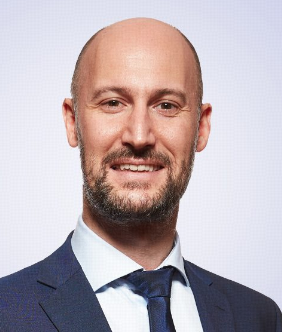 Symeon Chatzinotas合作论文数Interdisciplinary Centre for Security, Reliability and Trust, University of Luxembourg30
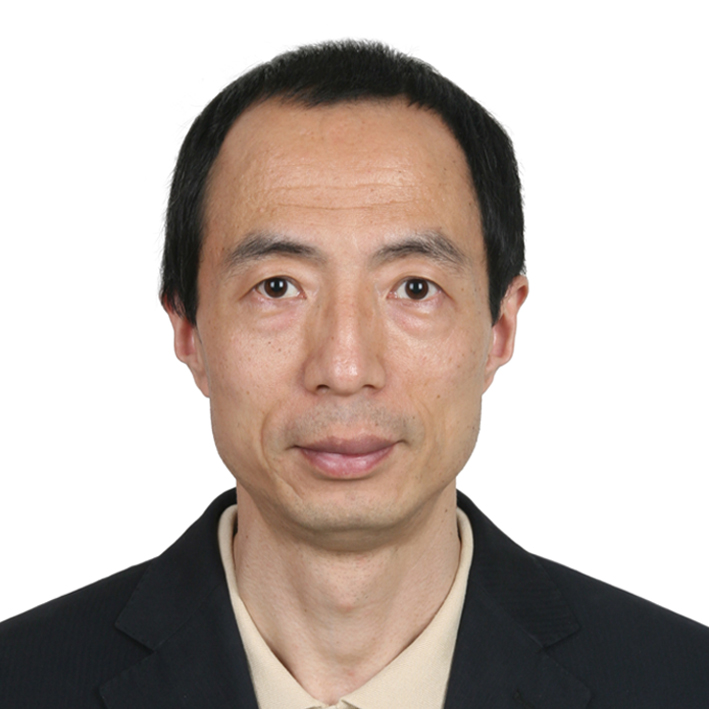 Liqiang Zhao (赵力强)合作论文数College of Communication Engineering, Xidian University;State Key Laboratory of Integrated Service Networks, Xidian University27
 Kai Liang (梁凯)合作论文数School of Telecommunications Engineering, Xidian University26
 Yongxu Zhu (朱咏絮)合作论文数School of Information Science and Engineering, Southeast University20
 Wenchao Xia (夏文超)合作论文数School of Telecommunication and Information Engineering, Nanjing University of Posts and Telecommunications;Bell Honors School, Nanjing University of Posts and Telecommunications16
 Juping Zhang合作论文数Wolfson School of Mechanical, Electrical and Manufacturing Engineering, Loughborough University, Leicestershire, UK12
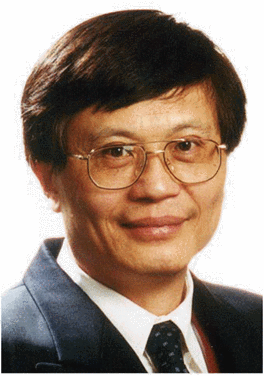 Ng Tung Sang合作论文数Department of Electrical and Electronic Engineering, The University of Hong Kong12
 Minglei You合作论文数Department of Chemical and Environmental Engineering, Faculty of Engineering, The University of Nottingham11
 Xinruo Zhang合作论文数college london11
 Xiaoli Chu合作论文数Department of Electronic and Electrical Engineering, Faculty of Engineering, The University of Sheffield11
 Himal Suraweera合作论文数Department of Electrical & Electronics Engineering, University of Peradeniya11
 Chan-Byoung Chae合作论文数Intelligence Networking Lab. School of Integrated Technology, College of Computing, Yonsei University11
 Guorong Zhou合作论文数10
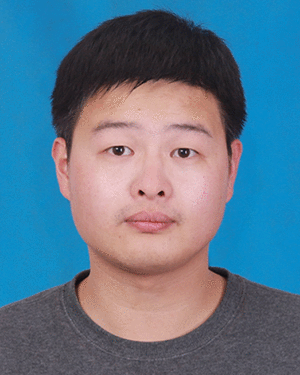 Yinghui Ye合作论文数State Key Laboratory of Integrated Service Networks, Xidian University, Xi’an, China10
 Liqin Shi合作论文数10
 Hongbo Zhu (朱洪波)合作论文数Jiangsu Key Laboratory of Wireless Communications, School of Communications and Information Engineering, Nanjing University of Posts and Telecommunications9
 Christos Masouros合作论文数Institute for Communications and Connected Systems, University College London;Department of Electronic and Electrical Engineering, University College London9
 Xiaojuan YAN (颜晓娟)合作论文数8
 Yunfei Chen合作论文数Department of Engineering, University of Durham8
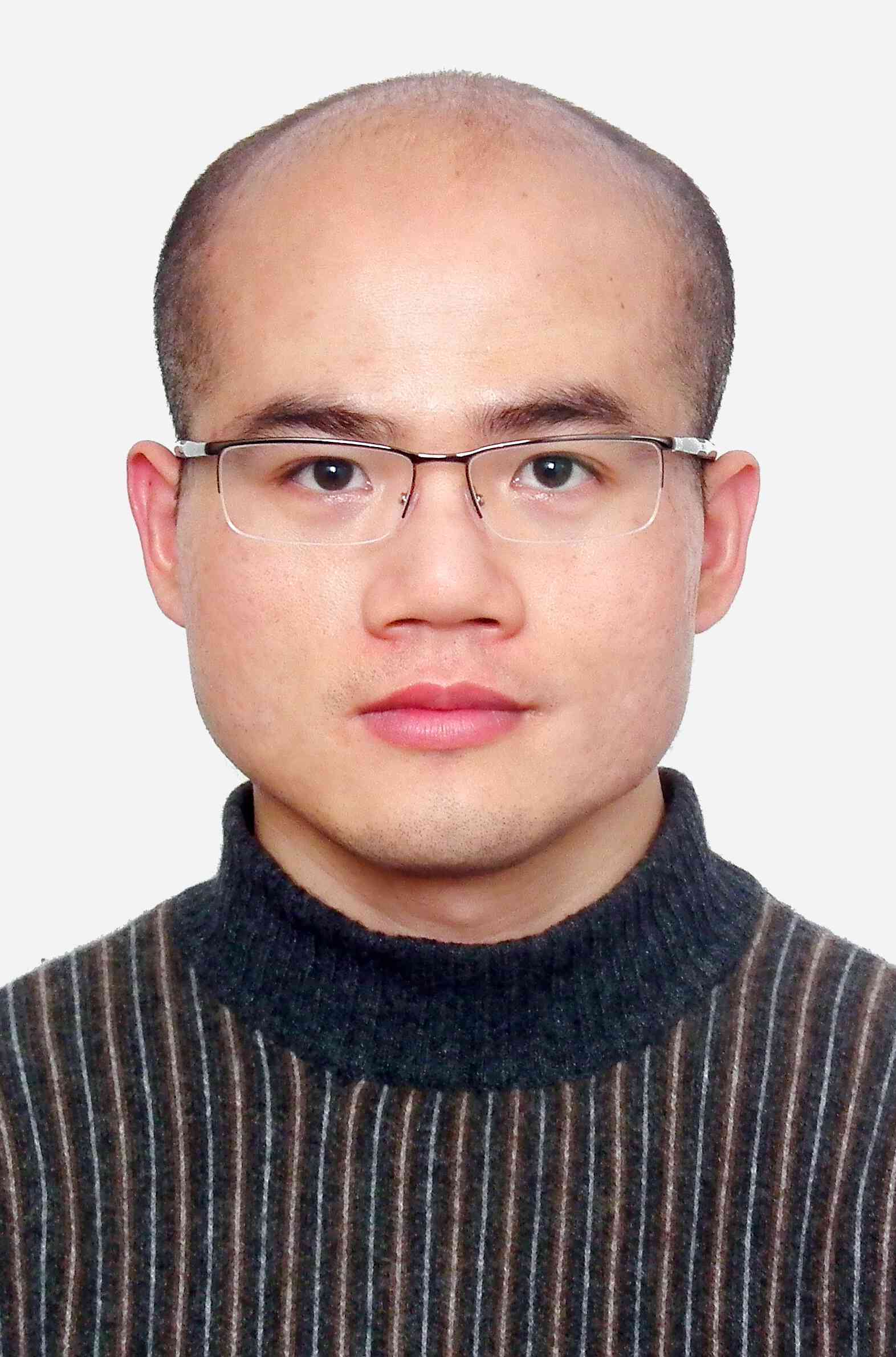 Caijun Zhong (钟财军)合作论文数College of Information Science & Electronic Engineering, Zhejiang University8
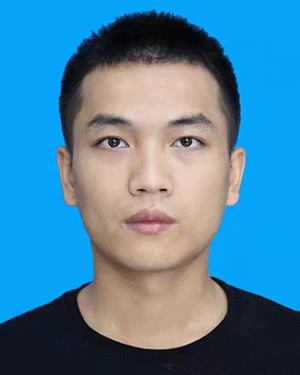 Yifu Sun (孙艺夫)合作论文数国防科学技术大学7
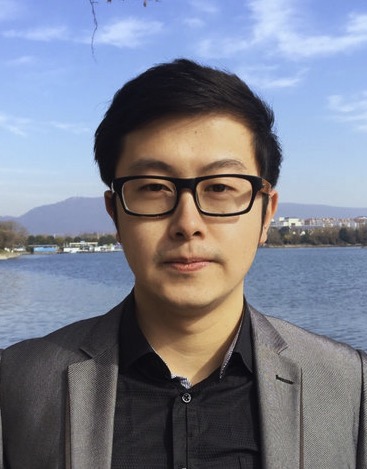 Zhi Lin (林志)合作论文数College of Electronic Engineering, National University of Defense Technology7
 Tianrui Chen合作论文数Signal Processing and Networks Research Group, Wolfson School of Mechanical, Electrical and Manufacturing Engineering, Loughborough University, Loughborough, U.K.7
 Lajos Hanzo合作论文数University of Southampton7
 Stelios Timotheou合作论文数KIOS Research and Innovation Center of Excellence, Department of Electrical and Computer Engineering, University of Cyprus7
 Kwang-Cheng Chen合作论文数Department of Electrical Engineering, College of Engineering, University of South Florida7
 Tao Liang合作论文数6
 Lu Zhang合作论文数Florida State Univ, Dept Chem & Biochem, Tallahassee, FL 32306 USA6
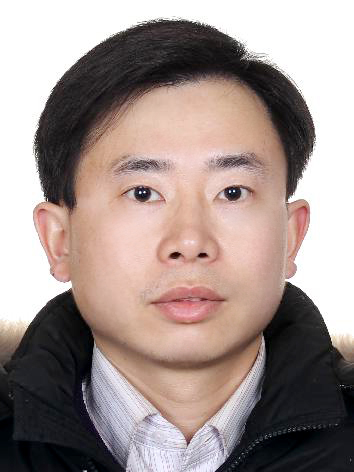 Jun Zhang (张军)合作论文数School of Communications and Information Engineering, Nanjing University of Posts and Telecommunications;College of Internet of Things, Nanjing University of Posts and Telecommunications6
 Wei Peng (彭薇)合作论文数School of Cyber Science and Engineering, Huazhong University of Science and Technology6
 Amjad Saeed Khan合作论文数6
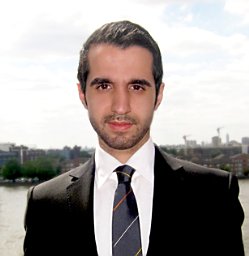 Arman Shojaeifard合作论文数InterDigital, Inc.6
 Yangyang Zhang合作论文数Kuang-Chi Science Ltd.6
 Shi Jin (金石)合作论文数School of Information Science and Engineering, Southeast University6
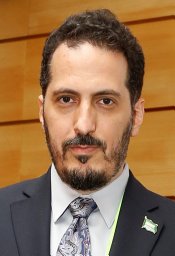 Basil AsSadhan合作论文数Electrical and Computer Engineering Department, Carnegie Mellon University6
 Shenghui Song (宋勝輝)合作论文数Division of Integrative Systems and Design, Department of Electronic and Computer Engineering, School of Engineering, Hong Kong University of Science and Technology;Division of Integrative Systems and Design, Hong Kong University of Science and Technology6
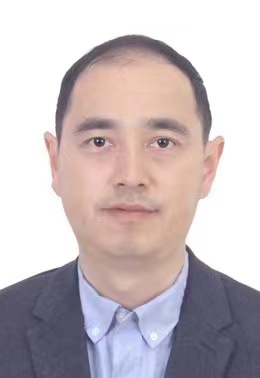 Yongming Huang (黄永明)合作论文数School of Information Science and Engineering, Southeast University;Purple Mountain Laboratories5ZHANG Bang-ning合作论文数5
 Yonggang Zhu合作论文数5
 Yangyishi Zhang合作论文数BT Applied Research5
 Yaoyuan Zhang合作论文数5
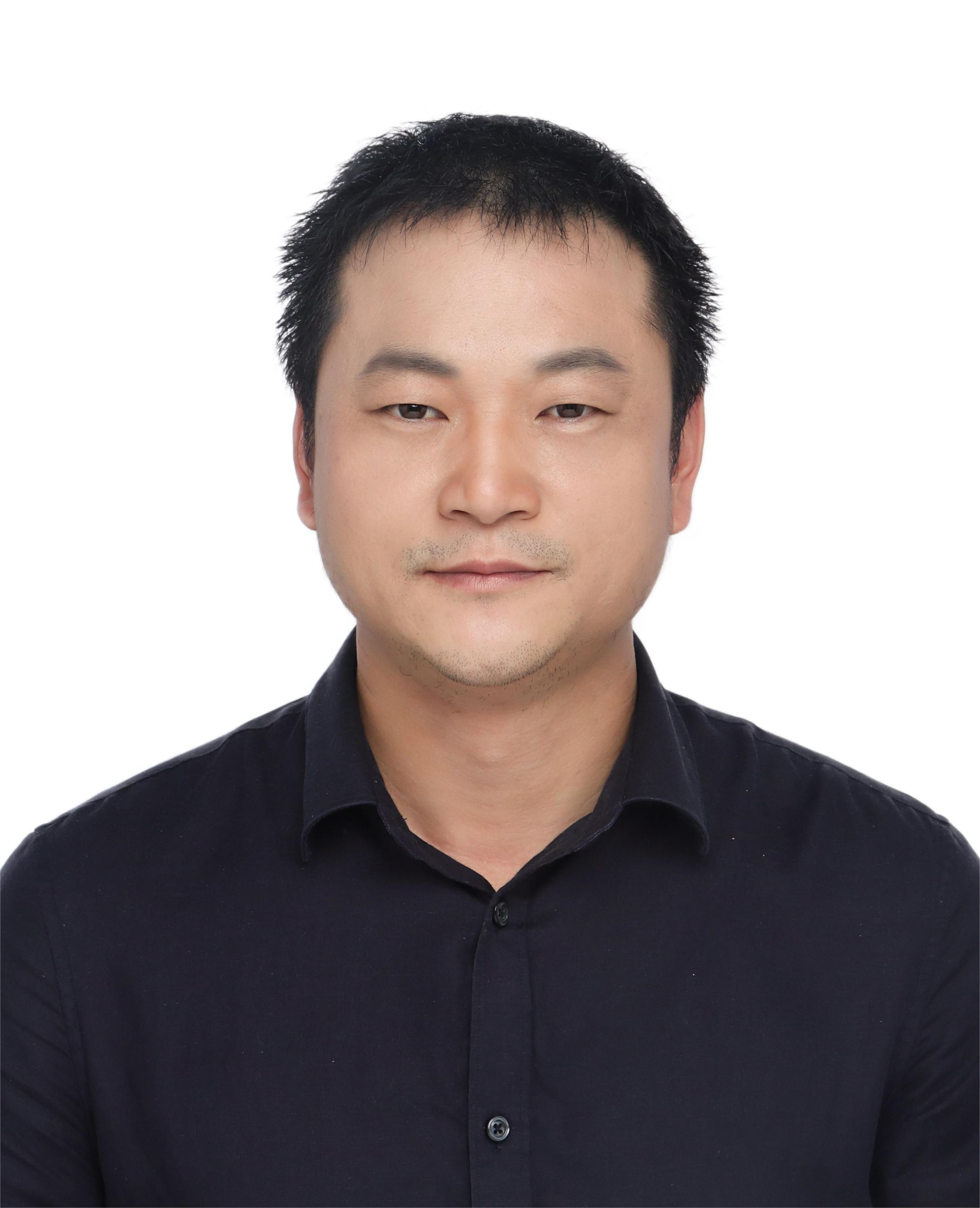 Yongan Guo (郭永安)合作论文数School of Communication and Information Engineering, Nanjing University of Posts and Telecommunications5HeHao Niu (牛和昊)合作论文数5
 Mohammad Reza Nakhai合作论文数Department of Engineering, Faculty of Natural, Mathematical & Engineering Sciences, King’s College London5