Despite the well-known role of MET in liver regeneration after partial hepatectomy, its role in the clinically relevant acetaminophen (APAP)-induced liver injury (AILI) model remains unexplored. AILI markedly differs from partial hepatectomy because it is associated with massive liver necrosis. This study aims to delineate the role of MET specifically in AILI. Hepatocyte-specific MET knockout (MET KO) mice were administered a toxic dose of APAP and assessed for liver injury/regeneration parameters. MET deletion strikingly exacerbated the initial hepatotoxicity and consequentially impaired the compensatory proliferative response, culminating in significant mortality. Mechanistically, MET deletion enhanced c-Jun N-terminal kinase (JNK) activation and its mitochondrial translocation, resulting in excessive mitochondrial oxidative damage, releasing apoptosis-inducing factor into cytosol. Excess JNK activation was attributed to reduced inhibitory activity of AKT on JNK in the absence of MET signaling. Pharmacologic activation of AKT reduced JNK activation and hepatotoxicity in MET KO mice. RNA-sequencing/immunoblotting not only showed repression of proliferative/survival signaling but also activation of cell death/senescence pathways along with an impaired unfolded protein response in MET KO mice. Analysis of published single-nucleus RNA-sequencing data showed that proliferation in livers from patients with APAP-induced acute liver failure was associated with strong activation of hepatocyte growth factor/MET signaling in hepatocytes, with spatial transcriptomics showing striking induction of hepatocyte growth factor surrounding the necrotic zones. Interestingly, 35% of the genes altered in human acute liver failure were regulated by MET in the mouse AILI model. The current study shows that MET is crucial for restraining hepatotoxicity after APAP overdose via inhibition of the mitochondrial cell death signaling pathway.
The phosphatidylinositol-4,5-bisphosphate 3-kinase delta isoform (Pik3cd), usually considered immune-specific, was unexpectedly identified as a gene potentially related to either regeneration and/or differentiation in animals lacking hepatocellular Integrin Linked Kinase (ILK). Since a specific inhibitor (Idelalisib, or CAL101) for the catalytic subunit encoded by Pik3cd (p110δ) has reported hepatotoxicity when used for treating chronic lymphocytic leukemia and other lymphomas, the authors aimed to elucidate whether there is a role for p110δ in normal liver function. To determine the effect on normal liver regeneration, partial hepatectomy (PHx) was performed using mice in which p110δ was first inhibited using CAL101. Inhibition led to over a 50% decrease in proliferating hepatocytes in the first 2 days after PHx. This difference correlated with phosphorylation changes in the HGF and EGF receptors (MET and EGFR, respectively) and NF-κB signaling. Ingenuity Pathway Analyses implicated C/EBPβ, HGF, and the EGFR heterodimeric partner, ERBB2, as three of the top 20 regulators downstream of p110δ signaling because their pathways were suppressed in the presence of CAL101 at 1 day post-PHx. A regulatory role for p110δ signaling in mouse and rat hepatocytes through MET and EGFR was further verified using hepatocyte primary cultures, in the presence or absence of CAL101. Combined, these data support a role for p110δ as a downstream regulator of normal hepatocytes when stimulated to proliferate.
BACKGROUND & AIMS: Metabolic dysfunction-associated steatotic liver disease (MASLD) has become the most prevalent chronic liver disorder, with no approved treatment. Our previous work demonstrated the efficacy fi cacy of a pan-ErbB inhibitor, Canertinib, in reducing steatosis and fi brosis in a murine fast-food diet (FFD) model of MASLD. The current study explores the effects of hepatocyte-specific fi c ErbB1 (ie, epidermal growth factor receptor [EGFR]) deletion in the FFD model. METHODS: EGFR fl ox/ fl ox mice, treated with AAV8-TBG-CRE to delete EGFR specifically fi cally in hepatocytes (EGFR-KO), were fed either a chow-diet or FFD for 2 or 5 months. RESULTS: Hepatocyte-specific fi c EGFR deletion reduced serum triglyceride levels but did not prevent steatosis. Surprisingly, hepatic fi brosis was increased in EGFR-KO mice in the longterm study, which correlated with activation of transforming growth factor-,6/fibrosis ,6 / fi brosis signaling pathways. Further, nuclear levels of some of the major MASLD regulating transcription factors (SREBP1, PPARg, g , PPARa, a , and HNF4a) a ) were altered in FFD-fed EGFR-KO mice. Transcriptomic analysis revealed significant fi cant alteration of lipid metabolism pathways in EGFR-KO mice with changes in several relevant genes, including down- regulation of fatty-acid synthase and induction of lipolysis gene, Pnpla2, without impacting overall steatosis. Interestingly, EGFR downstream signaling mediators, including AKT, remain activated in EGFR-KO mice, which correlated with increased activity pattern of other receptor tyrosine kinases, including ErbB3/MET, in transcriptomic analysis. Lastly, Canertinib treatment in EGFR-KO mice, which inhibits all ErbB receptors, successfully reduced steatosis, suggesting the compensatory roles of other ErbB receptors in supporting MASLD without EGFR. CONCLUSIONS: Hepatocyte-specific fi c EGFR-KO did not impact steatosis, but enhanced fi brosis in the FFD model of MASLD. Gene networks associated with lipid metabolism were greatly altered in EGFR-KO, but phenotypic effects might be compensated by alternate signaling pathways. (Cell Mol Gastroenterol Hepatol 2024;18:101380; https://doi.org/10.1016/j.jcmgh.2024.101380)
Background/Aim: Activin A is involved in the pathogenesis of human liver diseases, but its therapeutic targeting is not fully explored. Here, we tested the effect of novel, highly specific small-molecule-based activin A antagonists (NUCC-474/555) in improving liver regeneration following partial hepatectomy and halting fibrosis progression in models of chronic liver diseases (CLDs). Methods: Cell toxicity of antagonists was determined in rat hepatocytes and Huh-7 cells using the 3-(4,5-dimethylthiazol-2-yl)-2,5-diphenyl-2H-tetrazolium bromide assay. Hepatocytes and hepatic stellate cells (HSCs) were treated with activin A and NUCC-555 and analyzed by reverse transcription–polymerase chain reaction and immunohistochemistry. Partial hepatectomized Fisher (F)344 rats were treated with NUCC-555, and bromodeoxyuridine (BrdU) incorporation was determined at 18/24/36/120/240 h. NUCC-555 was administered into thioacetamide- or carbon tetrachloride-treated F344 rats or C57BL/6 mice, and the fibrosis progression was studied. Results: NUCC-474 showed higher cytotoxicity in cultured hepatic cells; therefore, NUCC-555 was used in subsequent studies. Activin A-stimulated overexpression of cell cycle-/senescence-related genes (e.g., p15INK4b, DEC1, Glb1) was near-completely reversed by NUCC-555 in hepatocytes. Activin A-mediated HSC activation was blocked by NUCC-555. In partial hepatectomized rats, antagonizing activin A signaling resulted in a 1.9-fold and 2.3-fold increase in BrdU+ cells at 18 and 24 h, respectively. Administration of NUCC-555 in rats and mice with progressing fibrosis significantly reduced collagen accumulation (7.9-fold), HSC activation indicated by reduced alpha smooth muscle actin+ and vimentin+ cells, and serum aminotransferase activity. Conclusions: Our studies demonstrate that activin A antagonist NUCC-555 promotes liver regeneration and halts fibrosis progression in CLD models, suggesting that blocking activin A signaling may represent a new approach to treating people with CLD.
Supplementary Figures 1-2 from Interaction of Integrin-Linked Kinase and Miniature Chromosome Maintenance 7–Mediating Integrin α7 Induced Cell Growth Suppression
Recent studies on automatic note generation have shown that doctors can save significant amounts of time when using automatic clinical note generation (Knoll et al., 2022). Summarization models have been used for this task to generate clinical notes as summaries of doctor-patient conversations (Krishna et al., 2021; Cai et al., 2022). However, assessing which model would best serve clinicians in their daily practice is still a challenging task due to the large set of possible correct summaries, and the potential limitations of automatic evaluation metrics. In this paper we study evaluation methods and metrics for the automatic generation of clinical notes from medical conversation. In particular, we propose new task-specific metrics and we compare them to SOTA evaluation metrics in text summarization and generation, including: (i) knowledge-graph embedding-based metrics, (ii) customized model-based metrics with domain-specific weights, (iii) domain-adapted/fine-tuned metrics, and (iv) ensemble metrics. To study the correlation between the automatic metrics and manual judgments, we evaluate automatic notes/summaries by comparing the system and reference facts and computing the factual correctness, and the hallucination and omission rates for critical medical facts. This study relied on seven datasets manually annotated by domain experts. Our experiments show that automatic evaluation metrics can have substantially different behaviors on different types of clinical notes datasets. However, the results highlight one stable subset of metrics as the most correlated with human judgments with a relevant aggregation of different evaluation criteria.
Supplementary Figure 1 from Glutathione Peroxidase 3, Deleted or Methylated in Prostate Cancer, Suppresses Prostate Cancer Growth and Metastasis
Supplementary Table 2 from Glutathione Peroxidase 3, Deleted or Methylated in Prostate Cancer, Suppresses Prostate Cancer Growth and Metastasis
Department of Pathology, University of Pittsburgh School of Medicine and UPMC 1Correspondence George K. Michalopoulos. Email: [email protected] ABBREVIATIONS: ECM, Extracellular Matrix; EGF, Epidermal Growth Factor; HGF, Hepatocyte Growth Factor; IL1β Interleukin 1 beta; Il6, Interleukin 6; MET, The HGF receptor; MMP, Matrix Metallopeptidase; NFκB, Nuclear Factor kappa B; PDGF, Platelet derived Growth Factor; PHx, 2/3 Partial Hepatectomy; TGFα, Transforming Growth Factor alpha; TGFβ, Transforming Growth Factor beta; TNFα, Tumor Necrosis Factor alpha
Prostate cancer remains one of the most fatal malignancies in men in the United States. Predicting the course of prostate cancer is challenging given that only a fraction of prostate cancer patients experience cancer recurrence after radical prostatectomy or radiation therapy. This study examined the expressions of 14 fusion genes in 607 prostate cancer samples from the University of Pittsburgh, Stanford University, and the University of Wisconsin-Madison. The profiling of 14 fusion genes was integrated with Gleason score of the primary prostate cancer and serum prostate-specific antigen level to develop machine-learning models to predict the recurrence of prostate cancer after radical prostatectomy. Machine-learning algorithms were developed by analysis of the data from the University of Pittsburgh cohort as a training set using the leave-one-out cross-validation method. These algorithms were then applied to the data set from the combined Stanford/Wisconsin cohort (testing set). The results showed that the addition of fusion gene profiling consistently improved the prediction accuracy rate of prostate cancer recurrence by Gleason score, serum prostate-specific antigen level, or a combination of both. These improvements occurred in both the training and testing cohorts and were corroborated by multiple models.
In previous studies, we have demonstrated the critical roles of EGFR and HGFR (c-Met) for liver regeneration and for conversion of hepatocytes to cholangiocytes by a "clean" partial hepatectomy model, in which hepatocytes and cholangiocytes grow rapidly and synchronously. In contrast, the vast majority of liver diseases involve a prolonged pathologic duration, therefore multiple types of cells participate and play different roles in the variant stages. However, it is not fully understood how EGFR and Met play their roles in this complicated setting. In this study, we explore the role of MET and EGFR signaling pathways in biliary injury after common bile duct ligation. Mice with inhibition of EGFR signaling alone (EGFRi) showed abolished hepatocyte proliferation and biliary duct cell proliferation (Ki67 immunochemistry staining) at 2, 5, and 7 days after BDL. However, Met knockout mice (KO) showed increased proliferation of cholangiocytes at 2, 5, and 7 days. Met KO mice subjected to BDL surgery had an increase of the CK19- marked ductular reaction at 2, 5, and 7 days. In contrast, EGFRi mice showed a reduced ductular reaction at the same time point. There was enhanced immunohistochemistry for Sox9 in EGFRi mice, but absence of its expression in Met KO mice at 7 days post-BDL. From western blot results of total liver tissue lysate, we found increased EpCAM expression after BDL at 7 days in Met KO but not in EGFRi mice. In addition, we also observed that both p-Merlin and cleaved p-Mst1, components of the Hippo pathway, decreased only in Met knockout mice. Mice with combined disruption of Met and EGFR signaling became very ill by 24 hours and died at 1 to 2 days after bile duct ligation. From Kaplan-Meier analysis, both EGFR inhibition and Met knockout mice had decreased survival rates starting at 11 days, though the survival rate of Met KO mice was overall much better than EGFRi mice by around 40%. We also observed that p-Ezrin (Thr567) was downregulated in either Met KO or EGFRi mice, while the total Ezrin expression did not change. CONCLUSIONS: Our study demonstrates that both c-Met and EGFR control biliary response to bile duct ligation. The cholangiocyte responses, however, were very different between these two receptors. Their combined disruption led to acute liver failure and early death following bile duct ligation. The receptor tyrosine kinases c-Met and EGFR may play different roles in the biliary injury-repair responses, including proliferation, trans-differentiation, and bi-potential progenitor cells activation.
Activation of constitutive androstane receptor (CAR) transcription factor by xenobiotics promotes hepatocellular proliferation, promotes hypertrophy without liver injury, and induces drug metabolism genes. Previous work demonstrated that lymphocyte-specific protein-1 (LSP1), an F-actin binding protein and gene involved in human hepatocellular carcinoma, suppresses hepatocellular proliferation after partial hepatectomy. The current study investigated the role of LSP1 in liver enlargement induced by chemical mitogens, a regenerative process independent of tissue loss. 1,4-Bis [2-(3,5-dichloropyridyloxy)] benzene (TCPOBOP), a direct CAR ligand and strong chemical mitogen, was administered to global Lsp1 knockout and hepatocyte-specific Lsp1 transgenic (TG) mice and measured cell proliferation, hypertrophy, and expression of CAR-dependent drug metabolism genes. TG livers displayed a significant decrease in Ki-67 labeling and liver/body weight ratios compared with wild type on day 2. Surprisingly, this was reversed by day 5, due to hepatocyte hypertrophy. There was no difference in CAR-regulated drug metabolism genes between wild type and TG. TG livers displayed increased Yes-associated protein (YAP) phosphorylation, decreased nuclear YAP, and direct interaction between LSP1 and YAP, suggesting LSP1 suppresses TCPOBOP-driven hepatocellular proliferation, but not hepatocyte volume, through YAP. Conversely, loss of LSP1 led to increased hepatocellular proliferation on days 2, 5, and 7. LSP1 selectively suppresses CAR-induced hepatocellular proliferation, but not drug metabolism, through the interaction of LSP1 with YAP, supporting the role of LSP1 as a selective growth suppressor.
The extracellular matrix (ECM) is important for survival, differentiation, and normal functioning of cells within the liver; integrins are key signaling receptors in this process. Previous data from our lab has shown that with hepatocyte specific knockout of integrin linked kinase (hILK KO), there is hepatocyte proliferation, increased matrix deposition, and unorganized biliary cell/ductal proliferation; this led us to investigate the signaling pathways downstream of hILK KO that might be responsible for the observed phenotype. Through this, we uncovered a possible central role of Phosphoinositide 3‐kinase (PI3K) delta (PIK3CD), a protein thought to be immune specific and absent in hepatocytes. The objective of this study was to determine the role PIK3CD has in the liver. From literature searches and our initial data collection, our hypothesis was that the inhibition of PIK3CD would suppress hepatocyte proliferation.
Cancer recurrence is the diagnosis of a second clinical episode of cancer after the first was considered cured. Identifying patients who had experienced cancer recurrence is an important task as it can be used to compare treatment effectiveness, measure recurrence-free survival, and plan and prioritize cancer control resources. We developed BERT-based natural language processing (NLP) contextual models for identifying cancer recurrence incidence and the recurrence time based on the records in progress notes. Using two datasets containing breast and colorectal cancer patients, we demonstrated the advantage of the contextual models over the traditional NLP models by overcoming the laborious and often unscalable tasks of composing keywords in a specific disease domain.
Hepatocellular carcinoma (HCC) is one of the most lethal human cancers. Liver transplantation has been an effective approach to treat liver cancer. However, significant numbers of patients with HCC experience cancer recurrence, and the selection of suitable candidates for liver transplant remains a challenge. We developed a model to predict the likelihood of HCC recurrence after liver transplantation based on transcriptome and whole‐exome sequencing analyses. We used a training cohort and a subsequent testing cohort based on liver transplantation performed before or after the first half of 2012. We found that the combination of transcriptome and mutation pathway analyses using a random forest machine learning correctly predicted HCC recurrence in 86.8% of the training set. The same algorithm yielded a correct prediction of HCC recurrence of 76.9% in the testing set. When the cohorts were combined, the prediction rate reached 84.4% in the leave‐one‐out cross‐validation analysis. When the transcriptome analysis was combined with Milan criteria using the k ‐top scoring pairs ( k ‐TSP) method, the testing cohort prediction rate improved to 80.8%, whereas the training cohort and the combined cohort prediction rates were 79% and 84.4%, respectively. Application of the transcriptome/mutation pathways RF model on eight tumor nodules from 3 patients with HCC yielded 8/8 consistency, suggesting a robust prediction despite the heterogeneity of HCC. Conclusion: The genome prediction model may hold promise as an alternative in selecting patients with HCC for liver transplant.
Studies of liver regeneration after injury have provided knowledge of the role of external signals and internal metabolic and regenerative pathways. However, less is understood about homeostatic maintenance of normal liver size in the absence of external injury. Three important new studies explore liver regeneration and homeostasis using novel lineage tagging of hepatic cells and single-cell RNA transcriptomics.
 William C. Bowen合作论文数89
 Wendy M. Mars合作论文数Department of Pathology, University of Pittsburgh82
 Stephen Strom合作论文数Department of Laboratory Medicine, Karolinska Institutet66
 Jianhua Luo (骆建华)合作论文数Laboratory of Aerospace Intelligent Photoelectric Technology, Shanghai Jiao Tong University65Orr Anne合作论文数58Shirish Paranjpe合作论文数54Reza Zarnegar合作论文数43
 Randy L. Jirtle合作论文数Department of Biological Sciences, College of Sciences, North Carolina State University;McArdle Labortory for Cancer Research, University of Wisconsin-Madison;Department of Sport and Exercise Sciences, University of Bedfordshire41
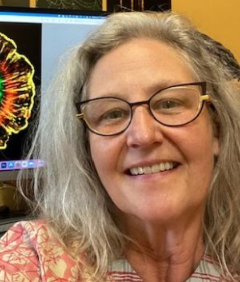 Donna Beer Stolz合作论文数McGowan Institute for Regenerative Medicine, University of Pittsburgh;Center for Biologic Imaging, School of Medicine, University of Pittsburgh;Departments of Cell Biology and Pathology, University of Pittsburgh38
 Wendy M Mars合作论文数38
 Bharat Bhushan合作论文数Department of Pharmacology, Toxicology, and Therapeutics, University of Kansas Medical Center30
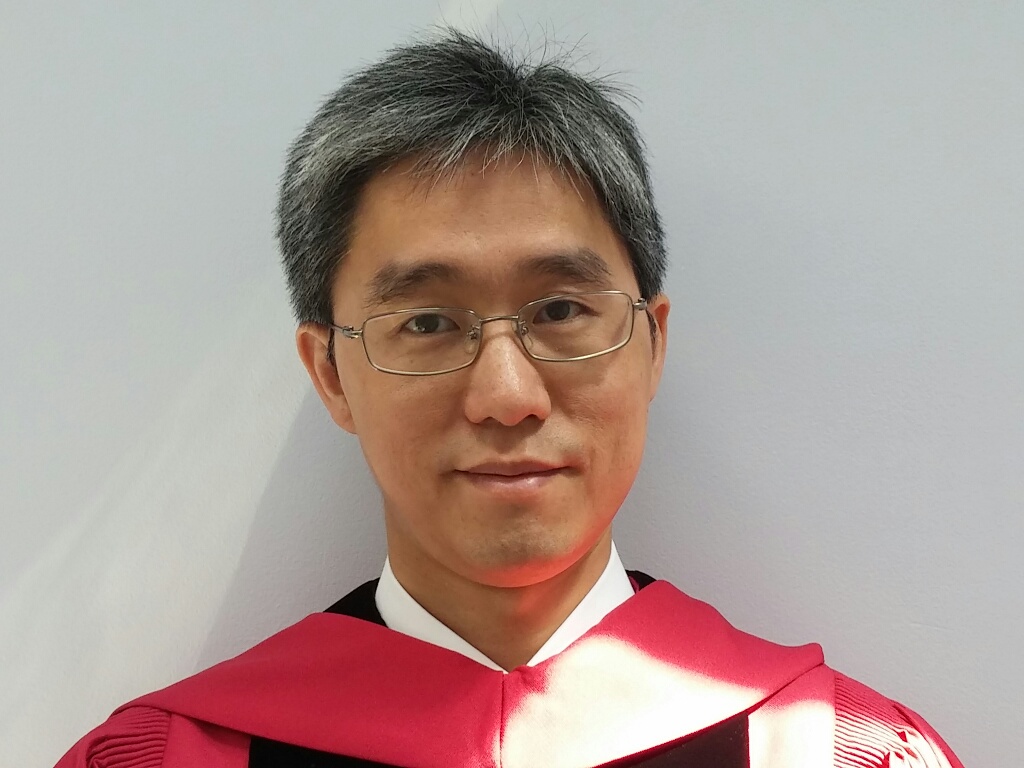 George C. Tseng (曾建城)合作论文数Department of Biostatistics, School of Public Health, University of Pittsburgh30
 Aaron Bell合作论文数29John W. Stoops合作论文数26WC Bowen合作论文数25Yan P Yu合作论文数24Sps Monga合作论文数23
 Joel B. Nelson合作论文数Department of Urology, School of Medicine, University of Pittsburgh23Koral Kelly合作论文数Department of Pathology, University of Pittsburgh23
 Vishakha Bhave合作论文数21
 Anthony J. Demetris合作论文数McGowan Institute for Regenerative Medicine, University of Pittsburgh;Department of Pathology, University of Pittsburgh20Shashikiran Donthamsetty合作论文数18D Runge合作论文数18
 Peter Pediaditakis合作论文数Department of Biomedical Engineering, University of North Carolina at Chapel Hill18
 Bryon E Petersen合作论文数Child Health Research Institute, University of Florida;Department of Pediatrics, College of Medicine, University of Florida17Jl Cruise合作论文数16Baoguo Ren合作论文数15Yuhua Xue合作论文数15Meagan M Haynes合作论文数14Dm Runge合作论文数14
 Michael A. Nalesnik合作论文数Division of Transplantation Pathology, Department of Pathology, University of Pittsburgh Medical Center14
 Liu Silvia合作论文数Department of Biostatistics, University of Pittsburgh School of Medicine14Wu Tong合作论文数14Ka Houck合作论文数13H C Pitot合作论文数13Marie C DeFrances合作论文数12
 Joseph Locker合作论文数12
 Chuanyue (Cary) Wu (吴传跃)合作论文数Southern University of Science and Technology;Department of Pathology, School of Medicine, University of Pittsburgh;McGowan Institute for Regenerative Medicine, University of Pittsburgh12W. Bowen合作论文数11Yanping Yu合作论文数11
 Zahida Khan合作论文数11K Mule合作论文数11Nejak-Bowen Kari N合作论文数10
 Satdarshan Paul Singh Monga合作论文数Department of Pathology, School of Medicine, University of Pittsburgh10Gerald L. Sattler合作论文数10Athanassios C. Tsamandas合作论文数10Xinping Tan合作论文数10Marie C. Defrances合作论文数10Nc Luetteke合作论文数9




