Pseudomonas donghuensis HYS is highly virulent to Caenorhabditis elegans, but with mechanistic details that are not fully understood. The hmuSTUV operon was reported to participate in the synthesis of heme in Pseudomonas. However, the exact role of the hmuSTUV operon in Pseudomonas virulence has not been elucidated. In this study, we report for the first time that the hmuSTUV operon in P. donghuensis HYS causes host virulence, and that hmuS was a key gene for the toxicity of this operon. Furthermore, RNA-seq data showed that hmuS deletion inhibited alginate gene expression, thereby inhibiting biofilm formation. The hmuSTUV operon and alginate gene cluster are conserved in Pseudomonas. By constructing mutant strains carrying GFP, we found that the hmuS deletion reduced colonisation of HYS to the host gut. Moreover, the expression of the alginate gene cluster was controlled by the construction of a L-arabinose-inducible promoter. hmuS positively regulated alginate gene cluster expression, mediating bacterial virulence against C. elegans. In addition, HYS originating from the East Lake of Wuhan City was more pathogenic to zebrafish than any other pathogenic Pseudomonas, through impairment of zebrafish neurodevelopment and locomotor ability, by colonizing to the zebrafish brain. In conclusion, the hmuSTUV operon positively regulated the alg gene cluster, thereby disabling bacterial biofilm formation and colonisation to mediate bacterial pathogenicity to the host. These novel findings revealed the critical interaction between the hmuSTUV operon and the alg gene cluster in the bacterial virulence of Pseudomonas, providing new insights into Pseudomonas pathogenicity.
Oxytocin (OXT), a neuropeptide consisting of only nine amino acids, is synthesized in the paraventricular and supraoptic nuclei of the hypothalamus. Although OXT is best known for its role in lactation and parturition, recent research has shown that it also has a significant impact on social behaviors in mammals. However, a comprehensive review of this topic is still lacking. In this paper, we systematically reviewed the effects of OXT on social behavior in mammals. These effects of OXT from the perspective of five key behavioral dimensions were summarized: parental behavior, anxiety, aggression, attachment, and empathy. To date, researchers have agreed that OXT plays a positive regulatory role in a wide range of social behaviors, but there have been controversially reported results. In this review, we have provided a detailed panorama of the role of OXT in social behavior and, for the first time, delved into the underlying regulatory mechanisms, which may help better understand the multifaceted role of OXT. Levels of OXT in previous human studies were also summarized to provide insights for diagnosis of mental disorders.
Folate receptor autoantibody (FRAA) has caught increasing attention since its discovery in biological fluids of patients with autism spectrum disorder (ASD), but quantification and understanding of its function are still in their infancy. In this study, we aimed to quantify serum binding-FRAA and explore its relation with serum folate, vitamin B12 (VB12) and ferritin. We quantitated serum binding-FRAA in 132 ASD children and 132 typically-developing (TD) children, as well as serum levels of folate, VB12 and ferritin. The results showed that serum binding-FRAA in the ASD group was significantly lower than that in the TD group (p < 0.0001). Further analysis showed that the difference between these two groups was attributed to boys in each group, not girls. There was no statistically significant difference in folate levels between the ASD and TD groups (p > 0.05). However, there was significant difference in boys between these two groups, not girls. Additionally, the combination of nitrite and binding-FRAA showed potential diagnostic value in patients with ASD (AUC > 0.7). Moreover, in the ASD group, the level of folate was consistent with that of binding-FRAA, whereas in the TD group, the binding-FRAA level was high when the folate level was low. Altogether, these differences revealed that the low serum FRAA in autistic children was mediated by multiple factors, which deserves more comprehensive investigation with larger population and mechanistic studies.
Compared to pathogens Pseudomonas aeruginosa and P. putida, P. donghuensis HYS has stronger virulence towards Caenorhabditis elegans. However, the underlying mechanisms haven’t been fully understood. The heme synthesis system is essential for Pseudomonas virulence, and former studies of HemN have focused on the synthesis of heme, while the relationship between HemN and Pseudomonas virulence were barely pursued. In this study, we hypothesized that hemN2 deficiency affected 7-hydroxytropolone (7-HT) biosynthesis and redox levels, thereby reducing bacterial virulence. There are four hemN genes in P. donghuensis HYS, and we reported for the first time that deletion of hemN2 significantly reduced the virulence of HYS towards C. elegans, whereas the reduction in virulence by the other three genes was not significant. Interestingly, hemN2 deletion significantly reduced colonization of P. donghuensis HYS in the gut of C. elegans. Further studies showed that HemN2 was regulated by GacS and participated in the virulence of P. donghuensis HYS towards C. elegans by mediating the synthesis of the virulence factor 7-HT. In addition, HemN2 and GacS regulated the virulence of P. donghuensis HYS by affecting antioxidant capacity and nitrative stress. In short, the findings that HemN2 was regulated by the Gac system and that it was involved in bacterial virulence via regulating 7-HT synthesis and redox levels were reported for the first time. These insights may enlighten further understanding of HemN-based virulence in the genus Pseudomonas.
Biomass carbon dots (CDs) derived from natural plants possess the advantages of low cost, photostability, and excellent biocompatibility, with potential applications in chemical sensing, bioimaging, and nanomedicine. However, the development of biomass CDs with excellent antioxidant activity and good biocompatibility is still a challenge. Herein, we propose a hypothesis for enhancing the antioxidant capacity of biomass CDs based on precursor optimization, extraction solvent, and other conditions with broccoli as the biomass. Compared to broccoli water extracts, broccoli powders, and broccoli organic solvent extracts, CDs derived from broccoli water extracts (BWE-CDs) have outstanding antioxidant properties due to the abundant C═C, carbonyl, and amino groups on their surface. After optimization of the preparation condition, the obtained BWE-CDs exhibit excellent free-radical scavenging activity with an EC50 of 68.2 μg/mL for DPPH• and 22.4 μg/mL for ABTS•+. Cytotoxicity and zebrafish embryotoxicity results indicated that BWE-CDs have lower cytotoxicity and better biocompatibility than that of CDs derived from organic solvents. In addition, BWE-CDs effectively scavenged reactive oxygen species (ROS) in A549 cells, 293T cells, and zebrafish, as well as eliminating inflammation in LPS-stimulated zebrafish. Mechanistic studies showed that the anti-inflammatory effect of BWE-CDs was dependent on the direct reaction of CDs with free radicals, the regulation of NO levels, and the upregulation of the expression of SOD and GPX-4. This work indicates that the antioxidant activity of CDs could be enhanced by using solvent extracts of biomass as precursors, and the obtained BWE-CDs exhibit characteristics of greenness, low toxicity, and excellent antioxidant and anti-inflammatory activities, which suggests the potential promising application of BWE-CDs as an antioxidant nanomedicine for inflammatory therapy.
Besides the canonical pathway of L-arginine oxidation to produce nitric oxide (NO) in vivo, the nitrate-nitrite-NO pathway has been widely accepted as another source for circulating NO in mammals, especially under hypoxia. To date, there have been at least ten heme-containing nitrite reductase-like proteins discovered in mammals with activities mainly identified in vitro, including four globins (hemoglobin, myoglobin, neuroglobin (Ngb), cyto-globin (Cygb)), three mitochondrial respiratory chain enzymes (cytochrome c oxidase, cytochrome bc1, cyto-chrome c), and three other heme proteins (endothelial nitric oxide synthase, cytochrome P450 and indoleamine 2,3-dioxygenase 1 (IDO1)). The pathophysiological functions of these proteins are closely related to their redox and spectroscopic properties, as well as their protein structure, although the physiological roles of Ngb, Cygb and IDO1 remain unclear. So far, comprehensive summaries of the redox and spectroscopic properties of these nitrite reductase-like hemoproteins are still lacking. In this review, we have mainly summarized the published data on the application of ultraviolet-visible, electron paramagnetic resonance, circular dichroism and resonance Raman spectroscopies, and X-ray crystallography in studying nitrite reductase-like activity of these 10 proteins, in order to sort out the relationships among enzymatic function, structure and spectroscopic characterization, which might help in understanding their roles in redox biology and medicine.
The identification of CO2-binding proteins is crucial to understanding CO2-regulated molecular processes. CO2 can form a reversible posttranslational modification through carbamylation of neutral N-terminal α-amino or lysine ε-amino groups. We have previously developed triethyloxonium (TEO) ion as a chemical proteomics tool for covalent trapping of carbamates, and here, we deploy TEO to identify ubiquitin as a mammalian CO2-binding protein. We use 13C-NMR spectroscopy to demonstrate that CO2 forms carbamates on the ubiquitin N terminus and ε-amino groups of lysines 6, 33, 48, and 63. We demonstrate that biologically relevant pCO2 levels reduce ubiquitin conjugation at lysine-48 and down-regulate ubiquitin-dependent NF-κB pathway activation. Our results show that ubiquitin is a CO2-binding protein and demonstrates carbamylation as a viable mechanism by which mammalian cells can respond to fluctuating pCO2.
Significance Despite its enormous evolutionary success (it is the carboxylating enzyme of all photosynthetic pathways from microorganisms to higher plants), Rubisco is rather inefficient due to wasteful competitive inhibition by molecular oxygen. Quite critically, the intimate mechanism of O 2 addition is unknown. We show here that isotope effects ( 13 C, 18 O, 25 Mg, or 2 H) and high level computations of redox potential are all consistent with oxygen acting as an oxidant in a redox reaction generating superoxide which then attacks the substrate. Our results explain why the elimination of oxygenation by enzymatic bioengineering is so difficult, because it would require a drastic change in electrostatic and/or redox potential of the substrate, and this would alter carboxylation activity.
Heat-shock proteins of 70 kDa (Hsp70s) are ubiquitous molecular chaperones that function in protein folding as well as other vital cellular processes. They bind and hydrolyze ATP in a nucleotide-binding domain (NBD) to control the binding and release of client polypeptides in a substrate-binding domain (SBD). However, the molecular mechanism for this allosteric action has remained unclear. Here, we develop and experimentally quantify a theoretical model for Hsp70 allostery based on equilibria among Hsp70 conformational states. We postulate that, when bound to ATP, Hsp70 is in equilibrium between a restraining state (R) that restricts ATP hydrolysis and binds peptides poorly, if at all, and a stimulating state (S) that hydrolyzes ATP relatively rapidly and has high intrinsic substrate affinity but rapid binding kinetics; after the hydrolysis to ADP, NBD and SBD disengage into an uncoupled state (U) that binds peptide substrates tightly, but now with slow kinetics of exchange.
Allosteric signaling in biological molecules, which may be viewed as specific action at a distance due to localized perturbation upon binding of ligands or changes in environmental cues, is pervasive in biology. Insightful phenomenological Monod, Wyman, and Changeux (MWC) and Koshland, Nemethy, and Filmer (KNF) models galvanized research in describing allosteric transitions for over five decades, and these models continue to be the basis for describing the mechanisms of allostery in a bewildering array of systems. However, understanding allosteric signaling and the associated dynamics between distinct allosteric states at the molecular level is challenging and requires novel experiments complemented by computational studies. In this review, we first describe symmetry and rigidity as essential requirements for allosteric proteins or multisubunit structures. The general features, with MWC and KNF as two extreme scenarios, emerge when allosteric signaling is viewed from an energy landscape perspective. To go beyond the general theories, we describe computational tools that are either based solely on multiple sequences or their structures to predict the allostery wiring diagram. These methods could be used to predict the network of residues that carry allosteric signals. Methods to obtain molecular insights into the dynamics of allosteric transitions are briefly mentioned. The utility of the methods is illustrated by applications to systems ranging from monomeric proteins in which there is little conformational change in the transition between two allosteric states to membrane bound G-protein coupled receptors and multisubunit proteins. Finally, the role allostery plays in the functions of ATP-consuming molecular machines, bacterial chaperonin GroEL and molecular motors, is described. Although universal molecular principles governing allosteric signaling do not exist, we can draw the following general conclusions from a survey of different systems. (1) Multiple pathways connecting allosteric states are highly heterogeneous. (2) Allosteric signaling is exquisitely sensitive to the specific architecture of the system, which implies that the capacity for allostery is encoded in the structure itself. (3) The mechanical modes that connect distinct allosteric states are robust to sequence variations. (4) Extensive investigations of allostery in Hemoglobin and, more recently GroEL, show that to a large extent a network of salt bridge rearrangements serves as allosteric switches. In both these examples the dynamical changes in the allosteric switches are related to function.
Molecular chaperones are ATP‐consuming machines, which facilitate the folding of proteins and RNA molecules that are kinetically trapped in misfolded states. Unassisted folding occurs by the kinetic partitioning mechanism according to which folding to the native state, with low probability as well as misfolding to one of the many metastable states, with high probability, occur rapidly. GroEL is an all‐purpose stochastic machine that assists misfolded substrate proteins to fold. The RNA chaperones such as CYT‐19, which are ATP‐consuming enzymes, help the folding of ribozymes that get trapped in metastable states for long times. GroEL does not interact with the folded proteins but CYT‐19 disrupts both the folded and misfolded ribozymes. The structures of GroEL and RNA chaperones are strikingly different. Despite these differences, the iterative annealing mechanism (IAM) quantitatively explains all the available experimental data for assisted folding of proteins and ribozymes. Driven by ATP binding and hydrolysis and GroES binding, GroEL undergoes a catalytic cycle during which it samples three allosteric states, T (apo), R (ATP bound), and R″ (ADP bound). Analyses of the experimental data show that the efficiency of the GroEL–GroES machinery and mutants is determined by the resetting rate k R ″ → T, which is largest for the wild‐type (WT) GroEL. Generalized IAM accurately predicts the folding kinetics of Tetrahymena ribozyme and its variants. Chaperones maximize the product of the folding rate and the steady‐state native state fold by driving the substrates out of equilibrium. Neither the absolute yield nor the folding rate is optimized.
In response to the binding of ATP, the two heptameric rings of the GroEL chaperonin protein interact with one another in a negatively cooperative manner. Owing to the helix dipole, the positively charged nitrogen of glycine 88 at the N-terminus of helix D binds to oxygen atoms on the β and γ phosphorus atoms of ATP. In apo-GroEL, the nucleotide-binding sites of different rings are connected to one another by the interaction of the ɛ-amino group of lysine 105 of one helix D across the twofold axis with the negatively charged carbonyl oxygen atom of alanine 109 at the C-terminus of the other helix D. Upon binding ATP, the K105-A109 salt bridge breaks and both helices move apart by approximately 3.5 Å en bloc toward the ATP. Upon hydrolysis of ATP, the helices return to their original position. The helices thus behave as pistons, their movement being driven by the binding and hydrolysis of ATP.This article is part of a discussion meeting issue 'Allostery and molecular machines'.
You have accessMoreSectionsView PDF ToolsAdd to favoritesDownload CitationsTrack Citations ShareShare onFacebookTwitterLinked InRedditEmail Cite this article Lorimer George H., Horovitz Amnon and McLeish Tom 2018Allostery and molecular machinesPhil. Trans. R. Soc. B3732017017320170173http://doi.org/10.1098/rstb.2017.0173SectionYou have accessIntroductionAllostery and molecular machines George H. Lorimer George H. Lorimer http://orcid.org/0000-0003-2805-8792 Department of Chemistry and Biochemistry, University of Maryland, College Park, MD 27042, USA [email protected] Google Scholar Find this author on PubMed Search for more papers by this author , Amnon Horovitz Amnon Horovitz http://orcid.org/0000-0001-7952-6790 Department of Structural Biology, Weizmann Institute of Science, Rehovot 7610001, Israel Google Scholar Find this author on PubMed Search for more papers by this author and Tom McLeish Tom McLeish Department of Physics, University of York, Heslington, York YO10 5DD, UK Google Scholar Find this author on PubMed Search for more papers by this author George H. Lorimer George H. Lorimer http://orcid.org/0000-0003-2805-8792 Department of Chemistry and Biochemistry, University of Maryland, College Park, MD 27042, USA [email protected] Google Scholar Find this author on PubMed , Amnon Horovitz Amnon Horovitz http://orcid.org/0000-0001-7952-6790 Department of Structural Biology, Weizmann Institute of Science, Rehovot 7610001, Israel Google Scholar Find this author on PubMed and Tom McLeish Tom McLeish Department of Physics, University of York, Heslington, York YO10 5DD, UK Google Scholar Find this author on PubMed Published:07 May 2018https://doi.org/10.1098/rstb.2017.01731. IntroductionMachines undergo repeated energy (fuel)-driven cycling between various functional and structural states. Such cycling involves motions of the machine parts, which take place in a highly coordinated manner in time and space. This description applies not only to man-made machines but also to the molecular machines that mediate many of the key processes in all forms of life [1]. Examples include protein synthesis by the ribosome, DNA unwinding by helicases during replication, protein degradation by the proteasome and protein folding by chaperones. The coordinated movements of most biomolecular machines are achieved by allosteric regulation of ATP binding and hydrolysis. Consequently, a molecular level understanding of how the essential machines of life work requires invoking and further developing allosteric theory. Hence, the motivation for the Royal Society Discussion Meeting entitled 'Allostery and molecular machines' that took place in June 2017. The meeting brought together scientists interested in allostery, in general, with others who are studying specific biomolecular machines of interest. The meeting led to many interesting discussions and resulted in this special issue of the Philosophical Transactions B.In 1965, Monod, Wyman & Changeux published a seminal paper [2] that described a so-called 'concerted model' (referred to here and generally as the MWC model) for cooperative ligand binding by oligomeric proteins. This issue contains a paper by one of the co-authors of this landmark paper in which the MWC model is explained in brief and its application to the nicotinic acetylcholine receptor is then described [3]. The MWC model remains important but its elegance has come at the price of several restrictive assumptions. One key assumption is that cooperativity is due to a shift in equilibrium between different quaternary states of the protein. It is well documented, however, that cooperativity can also occur (i) owing to tertiary conformational changes, (ii) in monomeric proteins and (iii) in the absence of a mean structural change. A simple 'allosteron' model according to which cooperativity arises owing to changes in fluctuations, in the absence of a mean structural change, is described in this issue by McLeish et al. [4]. This seems to capture the essentials of the 'fluctuation-route' to allosteric signalling (originally due to Cooper & Dryden [5]) at the same highly coarse-grained level as the MWC model invokes for structural change.A second restrictive assumption of the MWC model is that symmetry is conserved. A consequence of this assumption is that the MWC model is unable to account for negative cooperativity, in contrast with the sequential model of Koshland, Némethy & Filmer (referred to as the KNF model) [6]. In cases of positive cooperativity in ligand binding, it has been difficult to distinguish between the MWC and KNF models because sigmoidal plots (which are diagnostic for positive cooperativity) are insensitive to ligation intermediates. Given that many machines are ring-shaped oligomers (helicases, chaperonins, etc.), Gruber & Horovitz [7] show in this issue that native mass spectrometry can be used to distinguish between the MWC, KNF and probabilistic (i.e. subunit conformational changes can occur in any order around the ring) models for such assemblies.Being able to distinguish between the MWC, KNF and probabilistic models is important because the efficiency of machines is path-dependent. In other words, it is important to characterize not only the relatively stable allosteric states (e.g. the T and R states in the MWC model) but also the pathways by which they interconvert. This naturally invokes a finer scale of structure and dynamics. Given that allostery is 'action at a distance', a key question in the field has concerned the mechanisms by which remote sites in a protein communicate with each other. Insights into this issue can be obtained by characterizing allosteric intermediates and identifying communication routes (if such exist) in the protein structures. Stock & Hamm [8] describe time-resolved infrared spectroscopy experiments and non-equilibrium molecular dynamics simulations that actually indicate the absence of well-defined communication pathways in the structure of the small monomeric protein PDZ2, thereby suggesting that allosteric transitions may resemble downhill folding. By contrast, allosteric wiring is found to exist in the chaperonin GroEL as reported by Thirumalai & Hyeon [9], who use a structural perturbation computational method. Ozkan and co-workers describe a related metric termed 'dynamic flexibility index' that provides a measure for how much an amino acid is affected by perturbations elsewhere in the protein and apply it for the case of thioredoxin [10]. These approaches show that when finer-grained understandings of allostery are explored, the physical components of MWC-like structural change and allosteron fluctuation both tend to be present.Computational approaches for studying allosteric mechanisms are also described by other papers in this issue. Sengupta & Strodel [11] show that Markov state models can be used to characterize allosteric intermediates. Bahar and co-workers show that insights into the allosteric mechanism of LeuT transporters can be gained via anisotropic network models [12]. They also highlight the role oligomerization can play in facilitating allosteric transitions. The latter topic is also discussed by Wodak and co-workers, who focus in their paper on how homo-dimerization can give rise to allosteric behaviour [13].Several papers in this issue describe studies aimed at understanding the molecular mechanisms of specific biomolecular machines such as the double-ring chaperonin GroEL, which displays positive intra-ring and negative inter-ring cooperativity with respect to ATP binding. Lorimer et al. [14] describe a molecular mechanism for the inter-ring negative allostery, which affects the relative populations of GroEL in complex with one or two co-chaperonin GroES molecules. Noshiro & Ando [15] use high-speed atomic force microscopy to measure these relative populations and determine whether they are affected by the presence of substrate proteins. Thirumalai & Hyeon [9] show how allostery in GroEL impacts its folding function, and Willison [16] reviews aspects of the mechanism of action of CCT/TRiC, the eukaryotic homologue of GroEL. Members of the Hsp70 family of molecular chaperones also undergo ATP-driven allosteric transitions, as reviewed by Mayer [17]. Tafoya & Bustamante [18] compare several other ATP-driven systems such as kinesin, the φ29 DNA packaging motor and the ClpXP degradation machinery. They show how ATP binding, hydrolysis and exchange differ between these machines in a manner tailored for their respective functions.Cooperativity in biological systems is manifested not only in binding but also in folding reactions. Moreover, binding and folding reactions can take place in a coupled fashion. Itzhaki and co-workers [19] discuss cooperativity in the folding of repeat proteins, and Hilser and co-workers [20] show that signal propagation between domains is maximized when one or more of them are disordered. They also discuss the concept of 'energetic frustration' used in the field of protein folding with regard to allostery. One of the important conclusions of the meeting was, in fact, that a better understanding of allostery can be achieved by borrowing ideas and using methods in the area of protein folding.The meeting itself, and this issue of the Transactions, indicate a current resurgence of interest in the vital information-transmitting process of allostery in molecular biology. Jacques Monod termed allostery the 'second secret of life' [21]. Prescient as always, the import of this deep remark is only now becoming clear. Biological matter must be able to metabolize, transport and reproduce—but all of these depend on the transmission and processing of information. At the molecular level, allostery provides the biological equivalent of circuit components, or logic gates, on which complex signalling networks can build. As this meeting demonstrated, the thermal, randomizing environment of living cells might have been thought to offer insuperable challenges to faithful information transfer. But the subtle processes that the contributors to this issue explore testify once more to the power of evolution to discover ways of bringing the necessity of order from the chance of randomness.The meeting gave a strong impression that this subject area is moving very fast. New experimental spectroscopies and microscopies, new computational and theoretical techniques, and new biomolecular examples of allostery are emerging continually. The editors hope that this community will meet again after a few years and find their field once more transformed.Data accessibilityThis article has no additional data.Competing interestsWe declare we have no competing interests.FundingWe received no funding for this work.FootnotesOne contribution of 17 to a discussion meeting issue 'Allostery and molecular machines'.© 2018 The Author(s)Published by the Royal Society. All rights reserved.References1Alberts B. 1998The cell as a collection of protein machines: preparing the next generation of molecular biologists. Cell 92, 291–294. (doi:10.1016/S0092-8674(00)80922-8) Crossref, PubMed, ISI, Google Scholar2Monod J, Wyman J, Changeux J-P. 1965On the nature of allosteric transitions: a plausible model. J. Mol. Biol. 12, 88–118. (doi:10.1016/S0022-2836(65)80285-6) Crossref, PubMed, ISI, Google Scholar3Changeux J-P. 2018The nicotinic acetylcholine receptor: a typical 'allosteric machine'. Phil. Trans. R. Soc. B 373, 20170174. (doi:10.1098/rstb.2017.0174) Link, ISI, Google Scholar4McLeish T, Schaefer C, von der Heydt AC. 2018The 'allosteron' model for entropic allostery of self-assembly. Phil. Trans. R. Soc. B 373, 20170186. (doi:10.1098/rstb.2017.0186) Link, ISI, Google Scholar5Cooper A, Dryden DT. 1984Allostery without conformational change. A plausible model. Eur. Biophys. J. 11, 103–109. Crossref, PubMed, ISI, Google Scholar6Koshland DE, Némethy G, Filmer D. 1966Comparison of experimental binding data and theoretical models in proteins containing subunits. Biochemistry 5, 365–385. (doi:10.1021/bi00865a047) Crossref, PubMed, ISI, Google Scholar7Gruber R, Horovitz A. 2018Unpicking allosteric mechanisms of homo-oligomeric proteins by determining their successive ligand binding constants. Phil. Trans. R. Soc. B 373, 20170176. (doi:10.1098/rstb.2017.0176) Link, ISI, Google Scholar8Stock G, Hamm P. 2018A non-equilibrium approach to allosteric communication. Phil. Trans. R. Soc. B 373, 20170187. (doi:10.1098/rstb.2017.0187) Link, ISI, Google Scholar9Thirumalai D, Hyeon C. 2018Signalling networks and dynamics of allosteric transitions in bacterial chaperonin GroEL: implications for iterative annealing of misfolded proteins. Phil. Trans. R. Soc. B 373, 20170182. (doi:10.1098/rstb.2017.0182) Link, ISI, Google Scholar10Modi T, Huihui J, Ghosh K, Ozkan SB. 2018Ancient thioredoxins evolved to modern-day stability–function requirement by altering native state ensemble. Phil. Trans. R. Soc. B 373, 20170184. (doi:10.1098/rstb.2017.0184) Link, ISI, Google Scholar11Sengupta U, Strodel B. 2018Markov models for the elucidation of allosteric regulation. Phil. Trans. R. Soc. B 373, 20170178. (doi:10.1098/rstb.2017.0178) Link, ISI, Google Scholar12Ponzoni L, Zhang S, Cheng MH, Bahar I. 2018Shared dynamics of LeuT superfamily members and allosteric differentiation by structural irregularities and multimerization. Phil. Trans. R. Soc. B 373, 20170177. (doi:10.1098/rstb.2017.0177) Link, ISI, Google Scholar13Garton M, MacKinnon SS, Malevanets A, Wodak SJ. 2018Interplay of self-association and conformational flexibility in regulating protein function. Phil. Trans. R. Soc. B 373, 20170190. (doi:10.1098/rstb.2017.0190) Link, ISI, Google Scholar14Lorimer GH, Fei X, Ye X. 2018The GroEL chaperonin: a protein machine with pistons driven by ATP binding and hydrolysis. Phil. Trans. R. Soc. B 373, 20170179. (doi:10.1098/rstb.2017.0179) Link, ISI, Google Scholar15Noshiro D, Ando T. 2018Substrate protein dependence of GroEL–GroES interaction cycle revealed by high-speed atomic force microscopy imaging. Phil. Trans. R. Soc. B 373, 20170180. (doi:10.1098/rstb.2017.0180) Link, ISI, Google Scholar16Willison KR. 2018The substrate specificity of eukaryotic cytosolic chaperonin CCT. Phil. Trans. R. Soc. B 373, 20170192. (doi:10.1098/rstb.2017.0192) Link, ISI, Google Scholar17Mayer MP. 2018Intra-molecular pathways of allosteric control in Hsp70s. Phil. Trans. R. Soc. B 373, 20170183. (doi:10.1098/rstb.2017.0183) Link, ISI, Google Scholar18Tafoya S, Bustamante C. 2018Molecular switch-like regulation in motor proteins. Phil. Trans. R. Soc. B 373, 20170181. (doi:10.1098/rstb.2017.0181) Link, ISI, Google Scholar19Perez-Riba A, Synakewicz M, Itzhaki LS. 2018Folding cooperativity and allosteric function in the tandem-repeat protein class. Phil. Trans. R. Soc. B 373, 20170188. (doi:10.1098/rstb.2017.0188) Link, ISI, Google Scholar20White JT, Li J, Grasso E, Wrabl JO, Hilser VJ. 2018Ensemble allosteric model: energetic frustration within the intrinsically disordered glucocorticoid receptor. Phil. Trans. R. Soc. B 373, 20170175. (doi:10.1098/rstb.2017.0175) Link, ISI, Google Scholar21Monod J. 1977Chance and necessity: essay on the natural philosophy of modern biology. London, UK: Penguin Books. Google Scholar Next Article VIEW FULL TEXT DOWNLOAD PDF FiguresRelatedReferencesDetailsCited by Otero T (2021) Electroactive macromolecular motors as model materials of ectotherm muscles, RSC Advances, 10.1039/D1RA02573B, 11:35, (21489-21506) Otero T (2021) Towards artificial proprioception from artificial muscles constituted by self-sensing multi-step electrochemical macromolecular motors, Electrochimica Acta, 10.1016/j.electacta.2020.137576, 368, (137576), Online publication date: 1-Feb-2021. Hu G (2021) Identification of in Proteins by Elastic Network Models Allostery, 10.1007/978-1-0716-1154-8_3, (21-35), . Loutchko D and Flechsig H (2020) Allosteric communication in molecular machines via information exchange: what can be learned from dynamical modeling, Biophysical Reviews, 10.1007/s12551-020-00667-8, 12:2, (443-452), Online publication date: 1-Apr-2020. Thirumalai D, Lorimer G and Hyeon C (2019) Iterative annealing mechanism explains the functions of the GroEL and RNA chaperones, Protein Science, 10.1002/pro.3795, 29:2, (360-377), Online publication date: 1-Feb-2020. Mazal H and Haran G (2019) Single-molecule FRET methods to study the dynamics of proteins at work, Current Opinion in Biomedical Engineering, 10.1016/j.cobme.2019.08.007, 12, (8-17), Online publication date: 1-Dec-2019. Mazal H, Iljina M, Barak Y, Elad N, Rosenzweig R, Goloubinoff P, Riven I and Haran G (2019) Tunable microsecond dynamics of an allosteric switch regulate the activity of a AAA+ disaggregation machine, Nature Communications, 10.1038/s41467-019-09474-6, 10:1, Online publication date: 1-Dec-2019. Shamilov R and Aneskievich B (2019) Intrinsic Disorder in Nuclear Receptor Amino Termini: From Investigational Challenge to Therapeutic Opportunity, Nuclear Receptor Research, 10.32527/2019/101417, 6, . Biddle J, Martinez-Corral R, Wong F and Gunawardena J (2021) Allosteric conformational ensembles have unlimited capacity for integrating information, eLife, 10.7554/eLife.65498, 10 This Issue19 June 2018Volume 373Issue 1749Discussion meeting issue 'Allostery and molecular machines' compiled and edited by George H. Lorimer, Amnon Horovitz and Tom McLeish. Article InformationDOI:https://doi.org/10.1098/rstb.2017.0173PubMed:29735727Published by:Royal SocietyPrint ISSN:0962-8436Online ISSN:1471-2970History: Manuscript accepted14/03/2018Published online07/05/2018Published in print19/06/2018 License:© 2018 The Author(s)Published by the Royal Society. All rights reserved. Citations and impact Subjectsbiochemistrybiophysicscomputational biologystructural biology
Molecular chaperones have evolved to facilitate folding of proteins and RNA in vivo where spontaneous self-assembly is sometimes prohibited. Folding of Tetrahymena ribozyme, assisted by the RNA chaperone CYT-19, surprisingly shows that at physiological Mg 2+ ion concentrations, increasing the chaperone concentration reduces the yield of native ribozymes. In contrast, the more extensively investigated protein chaperone GroEL works in exactly the opposite manner—the yield of native substrate increases with the increase in chaperone concentration. Thus, the puzzling observation on the assisted-ribozyme folding seems to contradict the expectation that a molecular chaperone acts as an efficient annealing machine. We suggest a resolution to this apparently paradoxical behavior by developing a minimal stochastic model that captures the essence of the Iterative Annealing Mechanism (IAM), providing a unified description of chaperone mediated-folding of proteins and RNA. Our theory provides a general relation involving the kinetic rates of the system, which quantitatively predicts how the yield of native state depends on chaperone concentration. By carefully analyzing a host of experimental data on Tetrahymena (and its mutants) as well as the protein Rubisco and Malate Dehydrogenase, we show that although the absolute yield of native states decreases in the ribozyme, the rate of native state production increases in both the cases. By utilizing energy from ATP hydrolysis, both CYT-19 and GroEL drive their substrate concentrations far out of equilibrium, in an endeavor to maximize the native yield in a short time. Our findings are consistent with the general expectation that proteins or RNA need to be folded by the cellular machinery on biologically relevant timescales, even if the final yield is lower than what equilibrium thermodynamics would dictate. Besides establishing the IAM as the basis for functions of RNA and protein chaperones, our work shows that cellular copy numbers have been adjusted to optimize the rate of native state production of the folded states of RNA and proteins under physiological conditions. Significance statement Molecular chaperones have evolved to assist the folding of proteins and RNA, thus avoiding the deleterious consequences of misfolding. Thus, it is expected that increasing chaperone concentration should lead to an enhancement in native yield. While this has been observed in GroEL-mediated protein folding, experiments on Tetrahymena ribozyme folding assisted by CYT-19, surprisingly show the opposite trend. Here, we reconcile these divergent experimental observations by developing a unified stochastic model of chaperone assisted protein and RNA folding. We show that chaperones drive their substrates out of equilibrium, and in the process maximize the rate of native substrate production rather than the absolute yield or the folding rate. In vivo the number of chaperones is regulated to optimize their functions.
Andrew A. Benson, one of the greatest biochemists of our time, is celebrated on his centennial by the authors with whom he interacted performing experiments or contemplating metabolic pathways in a wide range of biological kingdoms. He charted the chemical flow of energy in cells, tissues, organs, plants, animals, and ecosystems. Benson collaborated with hundreds of colleagues to examine the natural history of autotrophy, mixotrophy, and heterotrophy while elucidating metabolic pathways. We present here a biological perspective of his body of studies. Benson lived from September 24, 1917, to January 16, 2015. Out of over 1000 autoradiograms he produced in his life, he left a legacy of 50 labeled autoradiograms to the authors who tell the story of his life’s work that resulted in Benson’s Protocol (Nonomura et al., Photosynth Res 127:369–378, 2016) that has been applied, over the years, for the elucidation of major metabolic pathways by many scientists.
Significance Using cryo-EM and expanding on focused classification allowed for the bacterial chaperone, GroEL, to be structurally resolved at atomic detail one particle at a time. This approach differs from generating the traditional structural ensemble average of presumably identical particle images. Three dominant subunit conformations were identified, and their spatial distributions were found to be different in each individual GroEL oligomer. This strategy demonstrates the application of cryo-EM to characterize the biophysical properties of structural dynamics of individual molecular machines one at a time.
Molecular chaperones facilitate the folding of proteins and RNA in vivo. Under physiological conditions, the in vitro folding of Tetrahymena ribozyme by the RNA chaperone CYT-19 behaves paradoxically; increasing the chaperone concentration reduces the yield of native ribozymes. In contrast, the protein chaperone GroEL works as expected; the yield of the native substrate increases with chaperone concentration. The discrepant chaperone-assisted ribozyme folding thus contradicts the expectation that it operates as an efficient annealing machine. To resolve this paradox, we propose a minimal stochastic model based on the Iterative Annealing Mechanism (IAM) that offers a unified description of chaperone-mediated folding of both proteins and RNA. Our theory provides a general relation that quantitatively predicts how the yield of native states depends on chaperone concentration. Although the absolute yield of native states decreases in the Tetrahymena ribozyme, the product of the folding rate and the steady-state native yield increases in both cases. By using energy from ATP hydrolysis, both CYT-19 and GroEL drive their substrate concentrations far out of equilibrium, thus maximizing the native yield in a short time. This also holds when the substrate concentration exceeds that of GroEL. Our findings satisfy the expectation that proteins and RNA be folded by chaperones on biologically relevant time scales, even if the final yield is lower than what equilibrium thermodynamics would dictate. The theory predicts that the quantity of chaperones in vivo has evolved to optimize native state production of the folded states of RNA and proteins in a given time.
Andrew A. Benson, one of the greatest and much loved scientists of our century, passed away on January 16, 2015; he was born on September 24, 1917. A grand celebration of his life was held on February 6, 2015, in California. Here, we present one of his photographs and key excerpts from what was said then, and soon thereafter.
 Paul V. Viitanen合作论文数16
 Devarajan Thirumalai合作论文数Department of Chemistry, College of Natural Sciences, The University of Texas at Austin14
 Matthew Todd合作论文数Department of Pharmaceutical and Biological Chemistry, School of Pharmacy, Faculty of Life Sciences, University College London10Aa Gatenby合作论文数8Xiang Ye合作论文数Univ Calif Irvine, Dept Mol Biol & Biochem, Irvine, CA 92697 USA7
 Jun Wang合作论文数Corresponding author at: 28 Nanli Road, Hongshan District, Wuhan 430068, China.7
 Bernard Brooks合作论文数Laboratory of Computational Biology, National Heart, Lung, and Blood Institute;National Institutes of Health7
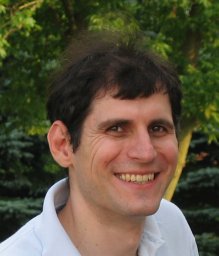 George Stan合作论文数Department of Physics;Penn State University;Department of Physics, Penn State University7
 Reza A. Ghiladi合作论文数North Carolina State University6Tj Andrews合作论文数5Gk Donaldson合作论文数5
 Pierre Goloubinoff合作论文数Department of Plant Molecular Biology, Faculty of Biology and Medicine, University of Lausanne;School of Plant Sciences and Food Security, University of Tel Aviv5
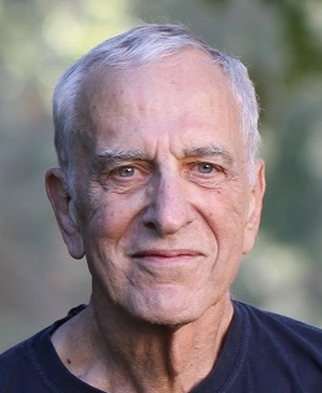 Joseph A. Berry合作论文数Department of Global Ecology, Carnegie Institution of Washington;Department of Biology, School of Humanities and Sciences, Stanford University5
 Murray Badger合作论文数Division of Plant Sciences, Research School of Biology, College of Science, Australian National University5Paul M. Horowitz合作论文数5
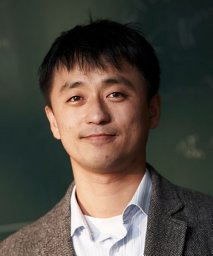 Changbong Hyeon合作论文数Korea Inst Adv Study5Thomas H. Lubben合作论文数4
 Jacob Mendoza合作论文数4Sm Vandervies合作论文数4
 Hasan Bayram合作论文数Res Ctr Translat Med KUTTAM, Koc Univ4
 Xue Fei合作论文数Center for Biological Structure and Organization,;Biophysics and;Center for Biological Structure and Organization,;Biophysics and4
 Gunter Schneider合作论文数Department of Medical Biochemistry and Biophysics, Karolinska Institutet;Division of Molecular Structural Biology, Karolinska Institutet4Ylva Lindqvist合作论文数Department of Medical Biochemistry and Biophysics, Karolinska Institutet4
 Anthony Gatenby合作论文数4
 Barry Osmond合作论文数Plant Science Institute for Conservation Biology and Environmental Management, University of Wollongong;Division of Plant Sciences, Research School of Biology, College of Science, Australian National University4
 Gotthard Heinrich Krause (G. Heinrich Krause)合作论文数Institute of Plant Biochemistry, Heinrich-Heine-Universitat Dusseldorf;Smithsonian Tropical Research Institute4T. J. Andrews合作论文数3Yaqian Xiao合作论文数3John Pierce合作论文数3Andersson Inger合作论文数3
 John V Schloss合作论文数NeuroSystec3D. Christopher Roe合作论文数DuPont3Wendy S. Taylor合作论文数3
 Stefan David Knight合作论文数Uppsala Biomedical Center, Swedish University of Agricultural Sciences3William G Payne合作论文数2Katharine Gibson合作论文数2C I Brändén合作论文数2Dp Okeefe合作论文数2Steven Gutteridge合作论文数2Ci Branden合作论文数2Barry Holtz合作论文数iBio CDMO LLC2Elizabeth E Rogers合作论文数2
 Johannes Buchner合作论文数Department of Bioscience, School of Natural Sciences, Technische Universität München2
 S. Walter Englander合作论文数Department of Biochemistry and Biophysics, Perelman School of Medicine, University of Pennsylvania2Miziorko Henry M合作论文数2
 Shaon Chakrabarti合作论文数Institute For Physical Science and Technology, University of Maryland2
 Guillaume Tcherkez合作论文数College of Science, Australian National University2Schmidt M合作论文数2




