This is a tribute to a truly inspirational plant biologist, Prof. John A. Raven, FRS, FRSE (25th June 1941– 23rd May 2024), who died at the age of 82. He was a leader in the field of evolution and physiology of algae and land plants. His research touched on many areas including photosynthesis, ion transport, carbon utilisation, mineral use, such as silicon, iron and molybdenum, the evolution of phytoplankton, the evolution of root systems, the impact of global change, especially on the acidification of the oceans, carbon gain and water use in early land plants, and ways of detecting extraterrestrial photosynthesis. Beginning his research career in the Botany School, University of Cambridge, John studied ion uptake in a giant algal cell. This was at the time of great strides brought about by Peter Mitchell (1920–1992) in elucidating the role of energy generation in mitochondria and chloroplasts and the coupling of ion transport systems to energy generation. With Enid MacRobbie and Andrew Smith, John pioneered early work on the involvement of ion transport in the growth and metabolism of plant cells.On leaving Cambridge John took up a lectureship at the University of Dundee in 1971, where he was still attached upon his death. His primary focus over the years, with one of us (Paul Falkowski), was on phytoplankton, the photosynthetic microalgae of the oceans. Still, his publication list of 5 books and over 600 scientific papers spans a very broad range. The many highly cited papers (see Table 1) attest to an outstanding innovator, who influenced a multitude of students and coworkers and a very wide readership worldwide. At the personal level, John Raven was a wonderful human being; he had an extraordinary memory, dredging up facts and little-known scientific papers, like a scientific magician, but at the same time making humorous jokes and involving his colleagues in fun and sympathetic appreciation.
Both the activity of photosynthesis and the repair of damaged photosystems decline in cold environments, which may increase the extent of the damage of photosynthetic machinery by light, namely photoinhibition. We hypothesized that plants in colder habitats may possess greater tolerance to photoinhibition, especially in low-temperature conditions. We measured the rate of photoinhibition, rate of photoinhibition repair and other thylakoid activities in cold environments using 298 Arabidopsis thaliana ecotypes and studied the relationships among the indicators of photoinhibition tolerance and climatic data of the habitat of each ecotype. The plants acclimated to cold conditions (12°C) for 3 days showed a negative correlation between the rate of photoinhibition repair at 5°C and the mean annual temperature of habitats, although we could not see this correlation with the control plants grown at 22°C. This result would indicate that the acclimation capacity of photoinhibition tolerance in cold conditions can affect the distribution of plants, especially in colder regions.
Photosynthesis is fundamental for plant growth and yield. The Cytochrome b 6 f complex catalyses a rate-limiting step in thylakoid electron transport and therefore represents an important point of regulation of photosynthesis. Here we show that overexpression of a single core subunit of Cytochrome b 6 f , the Rieske FeS protein, led to up to a 40% increase in the abundance of the complex in Nicotiana tabacum (tobacco) and was accompanied by an enhanced in vitro Cytochrome f activity, indicating a full functionality of the complex. Analysis of transgenic plants overexpressing Rieske FeS by the light-induced fluorescence transients technique revealed a more oxidised primary quinone acceptor of Photosystem II (QA) and plastoquinone pool and a faster electron transport from the plastoquinone pool to Photosystem I upon changes in irradiance, compared to control plants. A faster establishing of qE, the energy-dependent component of non-photochemical quenching, in transgenic plants suggested a more rapid build-up of the transmembrane proton gradient, also supporting the increased in vivo Cytochrome b 6 f activity. However, there was no consistent increase in steady-state rates of electron transport or CO2 assimilation in plants overexpressing Rieske FeS grown in either laboratory conditions or in field trials, suggesting that the in vivo activity of the complex was only transiently increased upon changes in irradiance. Our results show that overexpression of Rieske FeS in tobacco enhances abundance of functional Cytochrome b 6 f and electron transport capacity and may have a potential to increase plant productivity if combined with other traits. One-sentence summary Increased abundance of Cytochrome b 6 f complex leads to transient increases in photosynthetic electron transport rate in tobacco.
Induction of non-photochemical quenching (NPQ) of chlorophyll fluorescence in leaves affords photoprotection to the photosynthetic apparatus when, for whatever reason, photon capture in the antennae of photosystems exceeds their capacity to utilise this excitation in photochemistry and ultimately in CO2 assimilation. Here we augment traditional monitoring of NPQ using the fast time resolution, remote and relatively non-intrusive light induced fluorescence transient (LIFT) technique (Kolber et al . 2005 ; Osmond et al . 2017 ) that allows direct measurement of functional (σ'PSII ) and optical cross-sections (a 'PSII ) of PSII in situ , and calculates the half saturation light intensity for ETR (E k ). These parameters are obtained from the saturation and relaxation phases of fluorescence transients elicited by a sequence of 270, high intensity 1 μs flashlets at controlled time intervals over a period of 30 ms in the QA flash at intervals of a few seconds. We report that although σ'PSII undergoes large transient increases after transfer from dark to strong white light (WL) it declines little in steady-state as NPQ is induced in shade- and sun-grown spinach and Arabidopsis genotypes Col , OEpsbs , pgr 5bkg , stn 7 and stn 7/8. In contrast, σ'PSII increases by ~30% when induction of NPQ in spinach is inhibited by dithiothreitol and by inhibition of NPQ in Arabidopsis npq 1, npq 4 and pgr 5. We propose this increase in σ'PSII arises as some excitation from closed PSII reaction centres is transferred to open centres when excitation partitioning to photochemistry (Y II ) and NPQ (Y NP ) declines, and is indicated by an increased excitation dissipation from closed PSII centres (Y NO , including fluorescence emission). Although E k increases following dissipation of excitation as heat when NPQ is engaged, it declines when NPQ is inhibited. Evidently photochemistry becomes more easily light saturated when excitation is transferred from closed RCIIs to open centres with larger σ'PSII . The NPQ mutant pgr 5 is an exception; E k increases markedly in strong light as electron transport QA → PQ and PQ → PSI accelerate and the PQ pool becomes strongly reduced. These novel in situ observations are discussed in the context of contemporary evidence for functional and structural changes in the photosynthetic apparatus during induction of NPQ.
Reef building corals (phylum Cnidaria) harbour endosymbiotic dinoflagellate algae (genus Symbiodinium) that generate photosynthetic products to fuel their host’s metabolism. Non-invasive techniques such as chlorophyll (Chl) fluorescence analyses of Photosystem II (PSII) have been widely used to estimate the photosynthetic performance of Symbiodinium in hospite. However, since the spatial origin of PSII chlorophyll fluorescence in coral tissues is uncertain, such signals give limited information on depth-integrated photosynthetic performance of the whole tissue. In contrast, detection of absorbance changes in the near infrared (NIR) region integrates signals from deeper tissue layers due to weak absorption and multiple scattering of NIR light. While extensively utilised in higher plants, NIR bio-optical techniques are seldom applied to corals. We have developed a non-intrusive measurement method to examine photochemistry of intact corals, based on redox kinetics of the primary electron donor in Photosystem I (P700) and chlorophyll fluorescence kinetics (Fast-Repetition Rate fluorometry, FRRf). Since the redox state of P700 depends on the operation of both PSI and PSII, important information can be obtained on the PSII-PSI intersystem electron transfer kinetics. Under moderate, sub-lethal heat stress treatments (33 ˚C for ~20 min), the coral Pavona decussata exhibited down-regulation of PSII electron transfer kinetics, indicated by slower rates of electron transport from QA to plastoquinone (PQ) pool, and smaller relative size of oxidised PQ with concomitant decrease of a specifically-defined P700 kinetics area, which represents the active pool of PSII. The maximum quantum efficiency of PSII (Fv/Fm) and functional absorption cross-section of PSII (σPSII) remained unchanged. Based on the coordinated response of P700 parameters and PSII-PSI electron transport properties, we propose that simple P700 kinetics parameters as employed here serve as indicators of the integrity of PSII-PSI electron transfer dynamics in corals.
relationship) was markedly depressed in H, annuus. A less marked depression was also observed in VLfoba. However, when the abaxial epidermes were removed from these leaves, neither the 'maxirnum rate nor the C02 response of photosynthetic oxygen evolution was affected by the application of ABA. Starch-iodine tests revealed that photosynthesis was not uniform over the leaves of H, annuus treated with ABA, The starch content was diffferent in each bundle sheath extension compartment (the smallest subdivision of mesophyll by veins with bundle sheath extensions, having an area of ca, O,25mrn2 and ca. 50stomata). In some compartments, no starch was detected. The distribution of open stomata, examined using the silicone rubber impression techniques, was similar to the pattern of starch accumulation. In VL foba leaves, which lack bundle
Joan Mary Anderson, known to most people as Jan, was born on May 12, 1932 in Dunedin, New Zealand. She died on August 28, 2015 in Canberra, Australia. To celebrate her life, we present here a brief biography, some comments on her discoveries in photosynthesis during a career spanning more than half a century, and reminiscences from family and friends. We remember this wonderful person who had an unflagging curiosity, creative ability to think laterally, enthusiasm, passion, generosity and love of color and culture.
Born in Dunedin, New Zealand, Joan (Jan) Mary Anderson was an internationally acclaimed plant biologist renowned for her discoveries on the organization of the intricate membrane structures that carry out solar energy conversion in cells of green plants. In a research career spanning some 55 years, mostly at the Division of Plant Industry CSIRO Canberra (1961–1997) and later in the former Research School of Biological Sciences at the ANU, Jan's experiments and insights changed the way we think about the light reactions of photosynthesis. This most energetic of all biological processes enables plants to use sunlight to split water into the by-product oxygen and fix carbon dioxide into the raw materials upon which all life on Earth ultimately depends. Jan grew up in her mother's home town, the then remote small village of Queenstown. Her father, the sole country doctor of the region, had emigrated from Kent, UK as an 18 year old in charge of a flock of sheep destined for Taranaki. After being thrown from his horse, he was confined to Gisborne Hospital for 4 years with a broken spine. On release he was determined to become a doctor and Jan fondly recalled travelling with him on his rounds before she was obliged to attend school. Having been taught to read by her mother at the age of three, and already imbued with a love of books and music, 6 year-old Jan found little difficulty through primary school, despite her mother's death 2 years later. Secondary school was a different matter. She was especially challenged by her uninspiring science teachers, and to her father's dismay (he hoped she would study medicine), seemed to have been determined to find her own way forward in science, initially with plans to be a teacher. Jan Anderson graduated with a BSc and MSc (1st Class Hons.) at the University of New Zealand, which was the sole-degree granting university in the country from 1874 to 1961. Since she was supported by an Education Department stipend, however, she was not permitted to take up a national PhD chemistry scholarship. She met this roadblock with remarkable ingenuity, applying to the English-Speaking Union and winning a year-long King George V Memorial Fellowship for New Zealand to study anywhere in the United States. With some experience of organic chemistry of natural products gained in the isolation and characterization of wine-coloured pigments from a fungus, Jan had begun to move towards biology. She had been intrigued by two lectures on photosynthesis from Harold Urey during his visit to Otago and decided to pursue the green and gold pigments that drive the primary events in this process. Nobel Laureate Urey recommended her to his friend (and soon to be Nobel Laureate) Melvin Calvin at UC Berkeley. On arrival she discovered that the university administration could not enrol her as a visiting researcher, only as a graduate student. So she was enrolled for a PhD and was afforded 5 years leave to do her research by the New Zealand Education Department. When Jan insisted on pursuing her pet research project (to study the final stages of chlorophyll synthesis), Calvin reportedly said 'then you must sink or swim alone, without my personal supervision'. This she did, supported by the band of outstanding students and visitors in the large, pre-eminent, chemistry department. Jan completed her project within 3 years in 1959 and, eschewing numerous job opportunities in the USA, took two gap years to explore Europe and Israel during her remaining leave. On returning to New Zealand, Jan was appointed as senior science mistress to Wellington Girls College. Dismayed by the prospect of giving up research, she repaid her bond in order to take up a job offer made to her 4 years earlier by John Falk, CSIRO Plant Industry, after he had given a seminar at Berkeley. She was placed in the laboratory of Keith Boardman, thus beginning an outstanding collaboration that cemented the reputation of Canberra as a centre for breakthrough research in the light reactions of photosynthesis. The time was ripe. Robin Hill and Faye Bendall in Cambridge had just proposed that, after splitting water into oxygen, protons and electrons, sunlight pumped the electrons through a two-step process that created the chemical energy and reducing power needed to assimilate carbon dioxide. Careful use of a detergent enabled Keith and Jan to separate the two components, with each so called reaction centre driven by different wavelengths of sunlight, thereby providing experimental evidence for two distinct entities called 'photosystems'. By 1966 this work saw Jan become the first Australian to be awarded a Carnegie Institution Fellowship to the famous Department of Plant Biology on the campus of Stanford University. This was followed by the visit of Carnegie scientist Olle Björkman to Canberra in 1971–1972 that established an informal but enduring partnership between Canberra and Palo Alto laboratories in photosynthesis research that ranges today from molecular to global scales. Jan continued to win awards for research in the USA and Europe and to expand her skills in isolation and functional analysis of chlorophyll-containing components of the photosynthetic apparatus, at last fulfilling an early dream, to spend her study leave at Cambridge in 1973–1974. Here the coal miner's strike restricted lab electricity supplies to a few days per week, and a refrigerator explosion finally closed the lab for months. She recalled these events as the most serendipitous opportunity of her career. Confined to a comfortable room in Newnham College, she had unlimited time to think and turned for the first time to the writing and scholarship for which she later was renowned. The review on the molecular organization of photosynthetic membranes written at Newnham established her reputation in the field, and had unexpected consequences. Returning from the triennial International Congress on Photosynthesis at the University of Reading in 1977, Jan was about to entrain at Reading for London when she was surprised by an energetic young Swede calling her name as he raced along the platform. Unlike TE Lawrence, Jan had not mislaid a precious manuscript, but Bertil Andersson had read her 44 page review and announced that he just had to work in her laboratory. With little personal control of resources in CSIRO, Jan was not in a position to offer much encouragement. Bertil subsequently won an EMBO (European Molecular Biology Organization) fellowship to work in the lab of his choice in Europe, so hitchhiked from Lund to Heidelberg to persuade the Director of EMBO that Canberra was not all that far outside Europe. He succeeded. The Anderson–Andersson partnership that began in 1979 also succeeded, spectacularly. They showed that the two so-called photosystems were actually separated from each other with the water splitting in stacked membranes and the other in unstacked membranes. Such a laterally heterogeneous distribution of the two photosystems in the photosynthetic membrane network had profound functional implications. As Keith increasingly assumed leadership responsibilities in the upper echelons of CSIRO, Jan and her colleagues sustained the small CSIRO lab as an attractor for light reactions research with creativity and determination. Ta-Yan Leong arrived from the Department of Plant Biology, Stanford University, Stephanie McCaffery joined Jan's lab as an assistant in 1984, Fred Chow was recruited from the UK in 1985, and John Evans returned from Cambridge in 1985. This small lab continued to host self-funded colleagues from the USA, Germany, Scandinavia, UK, The Netherlands, Canada, South Korea, and China. Jan's collaboration with these visitors now broadened to cover (i) the composition, molecular organization and dynamic functions of photosynthetic membranes; (ii) the regulation of these properties by the intensity and spectral quality of the light environment; (iii) the damage to the photosynthetic apparatus by excess visible light and ultraviolet-B radiation; and (iv) chlorophyll-protein complexes in higher plants and algae. Apart from overseas visitors Jan actively collaborated with Tony Larkum (Sydney University), Roger Hiller (Macquarie University), and her friend and colleague Shirley Jeffrey in CSIRO, as well as many people in Chemistry and Biology at ANU. Jack Barrett had joined Jan's lab in the mid-1970s following closure of a medical research institute in Sydney and worked on the light-harvesting complexes of brown seaweeds. While visiting Rockefeller University in 1983, Jack suffered a heart attack. With great generosity, Jan brought Jack back to Canberra and looked after him until he passed away in 1998. Following the 1996 decision by CSIRO to close basic research in photosynthesis, Jan and Fred's research shifted across Clunies Ross Street to ANU. They joined colleagues in the Photobioenergetics Group led by Barry Osmond, and later Stephanie became research assistant to John Evans at ANU. As an Adjunct Professor Jan continued her research but expanded her role to mentor students, postdocs, and other early-career researchers, a role she was still actively pursuing at the time of her death. Jan was one of the most internationally recognized Australian plant scientists. She was elected to the Australian Academy of Science in 1987 and to the Royal Society of London in 1996. Jan received an Honorary Doctorate from the University of Umeå in 1998 and the Lifetime Achievement Award from the International Society of Photosynthesis Research. Other awards include the Marie Cabbot Fellowship at Harvard University (1973), Ann Horton Research Fellowship at Cambridge University (1974), the Lemberg Medal by the Australian Biochemical Society (1983), the R. N. Robertson Award of the Australian Society of Plant Scientists (1998), and the Centenary Medal (2001) that commemorated 100 years of federation in Australia. With great dedication, Jan served on various committees of the Australian Academy of Science, as a member of the International Society of Photosynthesis Research (1978–1986), President of the Australian Society for Biophysics (1984–1985), President of the Australian Society of Plant Scientists (1992–1994), and on editorial boards of prestigious scientific journals. Jan was a passionate and creative female scientist who was well ahead of her time. She was a strong mentor and role model for women in science, and an inspiration to young researchers. Her boundless curiosity and enthusiasm, for her science, for art, for music, and for life itself, were legendary. On a personal level, she was kind-hearted towards, and keenly interested in, her friends, colleagues, and their families. She is sorely missed, but will be long remembered. Her friends and colleagues organized a celebration of Jan's life and science on Tuesday, October 6, at the Margaret Whitlam Pavilion of the National Arboretum, Canberra. There were a number of short tributes remembering Jan, her work and her life.
This is a tale of a career in plant physiological ecology that enjoyed the freedom to address photosynthetic physiology and biochemistry in leaves of plants from diverse environments. It was supported by block funding (now sadly a thing of the past) for research at the Australian National University, by grants during appointments in the United States and in Germany, and by Columbia University. It became a "career experiment" in which long-term, high-trust support for curiosity-driven plant biology in Australia, and at times in the United States, led to surprisingly innovative results. Although the rich diversity of short-term competitive grant opportunities in the United States sustained ongoing research, it proved difficult to mobilize support for more risky long-term projects. A decade after the closure of the Biosphere 2 Laboratory, this article highlights the achievements of colleagues in experimental climate change research from 1998 to 2003.
This study resolved correlations between changes in xanthophyll pigments and photosynthetic properties in attached and detached shade-grown avocado (Persea americana) leaves upon sun exposure. Lutein epoxide (Lx) was deepoxidized to lutein (L), increasing the total pool by Delta L over 5 h, whereas violaxanthin (V) conversion to antheraxanthin (A) and zeaxanthin (Z) ceased after 1 h. During subsequent dark or shade recovery, de novo synthesis of L and Z continued, followed by epoxidation of A and Z but not of L. Light-saturated nonphotochemical quenching (NPQ) was strongly and linearly correlated with decreasing [Lx] and increasing [Delta L] but showed a biphasic correlation with declining [V] and increasing [A+Z] separated when V deepoxidation ceased. When considering [Delta L+Delta Z], the monophasic linear correlation was restored. Photochemical efficiency of photosystem II (PSII) and photosystem (PSI; deduced from the delivery of electrons to PSI in saturating single-turnover flashes) showed a strong correlation in their continuous decline in sunlight and an increase in NPQ capacity. This decrease was also reflected in the initial reduction of the slope of photosynthetic electron transport versus photon flux density. Generally longer, stronger sun exposures enhanced declines in both slope and maximum photosynthetic electron transport rates as well as photochemical efficiency of PSII and PSII/PSI more severely and prevented full recovery. Interestingly, increased NPQ capacity was accompanied by slower relaxation. This was more prominent in detached leaves with closed stomata, indicating that photorespiratory recycling of CO2 provided little photoprotection to avocado shade leaves. Sun exposure of these shade leaves initiates a continuum of photoprotection, beyond full engagement of the Lx and V cycle in the antenna, but ultimately photoinactivated PSII reaction centers.
Half a century of research into the physiology and biochemistry of sun–shade acclimation in diverse plants has provided reality checks for contemporary understanding of thylakoid membrane dynamics. This paper reviews recent insights into photosynthetic efficiency and photoprotection from studies of two xanthophyll cycles in old shade leaves from the inner canopy of the tropical trees Inga sapindoides and Persea americana (avocado). It then presents new physiological data from avocado on the time frames of the slow coordinated photosynthetic development of sink leaves in sunlight and on the slow renovation of photosynthetic properties in old leaves during sun to shade and shade to sun acclimation. In so doing, it grapples with issues in vivo that seem relevant to our increasingly sophisticated understanding of Δ pH-dependent, xanthophyll-pigment-stabilized non-photochemical quenching in the antenna of PSII in thylakoid membranes in vitro .
The interaction of plants with their environment is very dynamic. Studying the underlying processes is important for understanding and modeling plant response to changing environmental conditions. Photosynthesis varies largely between different plants and at different locations within a canopy of a single plant. Thus, continuous and spatially distributed monitoring is necessary to assess the dynamic response of photosynthesis to the environment. Limited scale of observation with portable instrumentation makes it difficult to examine large numbers of plants under different environmental conditions. We report here on the application of a recently developed technique, laser-induced fluorescence transient (LIFT), for continuous remote measurement of photosynthetic efficiency of selected leaves at a distance of up to 50 m. The ability to make continuous, automatic, and remote measurements of photosynthetic efficiency of leaves with the LIFT provides a new approach for studying the interaction of plants with the environment and may become an important tool in phenotyping photosynthetic properties in field applications.
Recognising that plant leaves are the fundamental productive units of terrestrial vegetation and the complexity of different environments in which they must function, this review considers a few of the ways in which these functions may be measured and potentially scaled to the canopy. Although canopy photosynthetic productivity is clearly the sum of all leaves in the canopy, we focus on the quest for 'economical insights' from measurements that might facilitate integration of leaf photosynthetic activities into canopy performance, to better inform modelling based on the 'insights of economics'. It is focussed on the reversible downregulation of photosynthetic efficiency in response to light environment and stress and summarises various xanthophyll-independent and dependent forms of photoprotection within the inner and outer canopy of woody plants. Two main themes are developed. First, we review experiments showing the retention of leaves that grow old in the shade may involve more than the 'payback times' required to recover the costs of their construction and maintenance. In some cases at least, retention of these leaves may reflect selection for distinctive properties that contribute to canopy photosynthesis through utilisation of sun flecks or provide 'back up' capacity following damage to the outer canopy. Second, we report experiments offering hope that remote sensing of photosynthetic properties in the outer canopy (using chlorophyll fluorescence and spectral reflectance technologies) may overcome problems of access and provide integrated measurements of these properties in the canopy as a whole. Finding appropriate tools to scale photosynthesis from the leaf to the landscape still presents a challenge but this synthesis identifies some measurements and criteria in the laboratory and the field that improve our understanding of inner and outer canopy processes.
Leaves of avocado (Persea americana) that develop and persist in deep shade canopies have very low rates of photosynthesis but contain high concentrations of lutein epoxide (Lx) that are partially deepoxidized to lutein (L) after 1 h of exposure to 120 to 350 μmol photons m−2 s−1, increasing the total L pool by 5% to 10% (ΔL). Deepoxidation of Lx to L was near stoichiometric and similar in kinetics to deepoxidation of violaxanthin (V) to antheraxanthin (A) and zeaxanthin (Z). Although the V pool was restored by epoxidation of A and Z overnight, the Lx pool was not. Depending on leaf age and pretreatment, the pool of ΔL persisted for up to 72 h in the dark. Metabolism of ΔL did not involve epoxidation to Lx. These contrasting kinetics enabled us to differentiate three states of the capacity for nonphotochemical chlorophyll fluorescence quenching (NPQ) in attached and detached leaves: ΔpH dependent (NPQΔpH) before deepoxidation; after deepoxidation in the presence of ΔL, A, and Z (NPQΔLAZ); and after epoxidation of A+Z but with residual ΔL (NPQΔL). The capacity of both NPQΔLAZ and NPQΔL was similar and 45% larger than NPQΔpH, but dark relaxation of NPQΔLAZ was slower. The enhanced capacity for NPQ was lost after metabolism of ΔL. The near equivalence of NPQΔLAZ and NPQΔL provides compelling evidence that the small dynamic pool ΔL replaces A+Z in avocado to “lock in” enhanced NPQ. The results are discussed in relation to data obtained with other Lx-rich species and in mutants of Arabidopsis (Arabidopsis thaliana) with increased L pools.
Leaves Of Shade-Grown Avocado Plants Rich In Lutein Epoxide (Lx) Were Used To Image Heterogeneity In Chlorophyll Fluorescence Quenching And To Measure Co2 Uptake And Stomatal Conductance During Photosynthetic Induction For 20 Min After Transition From Dark To Light, And After Changes Between 100, 400 And 700 Ppm Co2 At Growth Irradiance. We Found That Non-Photochemical Quenching (Npq) Was Initially Heterogeneous, With Marked Differences Between Cells In Tissues Defined By Minor Veins And Those Adjacent To Primary And Secondary Veins. The Duration And Extent Heterogeneity Of Transients In Npq, Photosynthetic Rate And Stomatal Conductance Were Sensitive To Co2 Concentration, Whereas Psii Efficiency (ΦPsii,) Was Not. There Were No Changes In The De-Epoxidation Status Of Xanthophylls Pigments In Equivalent Treatments, Implying That The Dynamic, Heterogeneous, Stomatally-Dependent And Co2-Responsive Npq May Involve Quenching Processes That Occur In Reaction Centres Prior To Stabilization Of Heat Dissipation In The Antennae.
Short- and long-term responses of the violaxanthin (V) and lutein epoxide (Lx) cycles were studied in two species of Lauraceae: sweet bay laurel (Laurus nobilis L.) and avocado (Persea americana L.). The Lx content exceeded the V content in shade leaves of both species. Both Lx and V were de-epoxidised on illumination, but only V was fully restored by epoxidation in low light. Violaxanthin was preferentially de-epoxidised in low light in L. nobilis. This suggests that Lx accumulates with leaf ageing, partly because its conversion to lutein is limited in shade. After exposure to strong light, shade leaves of avocado readjusted the total pools of alpha- and beta-xanthophyll cycles by de novo synthesis of antheraxanthin, zeaxanthin and lutein. This occurred in parallel with a sustained depression of F(v)/F(m). In Persea indica, a closely related but low Lx species, F(v)/F(m) recovered faster after a similar light treatment, suggesting the involvement of the Lx cycle in sustained energy dissipation. Furthermore, the seasonal correlation between non-reversible Lx and V photoconversions and pre-dawn F(v)/F(m) in sun leaves of sweet bay supported the conclusion that the Lx cycle is involved in a slowly reversible downregulation of photosynthesis analogous to the V cycle.
The photoprotective role of the universal violaxanthin cycle that interconverts violaxanthin (V), antheraxanthin (A), and zeaxanthin (Z) is well established, but functions of the analogous conversions of lutein-5,6-epoxide (Lx) and lutein (L) in the selectively occurring Lx cycle are still unclear. We investigated carotenoid pools in Lx-rich leaves of avocado (Persea americana) during sun or shade acclimation at different developmental stages. During sun exposure of mature shade leaves, an unusual decrease in L preceded the deepoxidation of Lx to L and of V to A+Z. In addition to deepoxidation, de novo synthesis increased the L and A+Z pools. Epoxidation of L was exceptionally slow, requiring about 40 d in the shade to restore the Lx pool, and residual A+Z usually persisted overnight. In young shade leaves, the Lx cycle was reversed initially, with Lx accumulating in the sun and declining in the shade. De novo synthesis of xanthophylls did not affect α- and β-carotene pools on the first day, but during long-term acclimation α-carotene pools changed noticeably. Nonetheless, the total change in α- and β-branch carotenoid pools was equal. We discuss the implications for regulation of metabolic flux through the α- and β-branches of carotenoid biosynthesis and potential roles for L in photoprotection and Lx in energy transfer to photosystem II and explore physiological roles of both xanthophyll cycles as determinants of photosystem II efficiency.
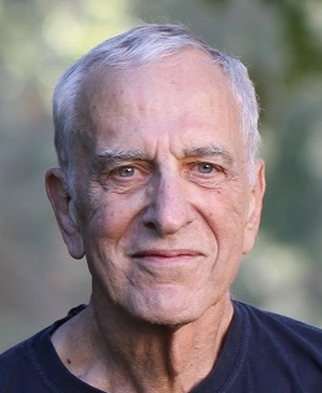 Joseph A. Berry合作论文数Department of Global Ecology, Carnegie Institution of Washington;Department of Biology, School of Humanities and Sciences, Stanford University14
 Britta Forster合作论文数14
 Wah Chow合作论文数Division of Plant Sciences, Research School of Biology, College of Science, Australian National University11
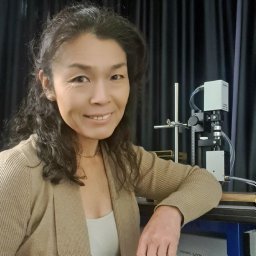 Shizue Matsubara合作论文数School of Biological Sciences, Australian National University10
 Uwe Rascher合作论文数Institut für Bio- und Geowissenschaften, Forschungszentrum Jülich10
 Barry Pogson合作论文数Research School of Biology, College of Science, The Australian National University9
 david j anderson合作论文数8
 Murray Badger合作论文数Division of Plant Sciences, Research School of Biology, College of Science, Australian National University8
 Olle Björkman合作论文数Carnegie Institution for Science8
 Sharon A Robinson合作论文数GlaxoSmithKline7
 Roger Summons合作论文数The Summons Lab, Department of Earth, Atmospheric and Planetary Sciences, Massachusetts Institute of Technology7
 Klaus Winter合作论文数Plant Physiology Laboratory, Smithsonian Tropical Research Institute6
 Ulrich Lüttge合作论文数Technische Universitat Darmstadt6
 Thomas D. Sharkey合作论文数Department of Biochemistry and Molecular Biology, College of Social Science, Michigan State University;MSU-DOE Plant Research Laboratory, College of Natural Science, Michigan State University;Plant Resilience Institute, College of Natural Science, Michigan State University5Jan M. Anderson合作论文数5
 Dan Yakir合作论文数Department of Earth & Planetary Sciences, Weizmann Institute of Science5
 Caroline J. Nichol合作论文数School of GeoSciences, University of Edinburgh, Edinburgh, UK5SA ROBINSON合作论文数4Je Boynton合作论文数4Larry Giles合作论文数4
 Stephen Powles合作论文数School of Agriculture and Environment, University of Western Australia4
 William Adams合作论文数Department of Ecology and Evolutionary Biology, College of Arts and Sciences, University of Colorado Boulder4
 George Lorimer合作论文数Department of Chemistry and Biochemistry, College of Computer, Mathematical, & Natural Sciences, University of Maryland4K. C. Woo合作论文数4
 Stanley D. Smith合作论文数Department of Biological Sciences;University of Nevada-Las Vegas;Department of Biological Sciences, University of Nevada-Las Vegas4Nw Gillham合作论文数3
 Achim Walter合作论文数Department of Environmental Systems Science, Eidgenossische Technische Hochschule Zurich3Amnon Lers合作论文数Department of Postharvest Science, The Volcani Center3
 Kate Maxwell合作论文数University of Cambridge3John E. Boynton合作论文数3
 Roberto Bassi合作论文数Department of Biotechnolog, Universita di Verona3
 Roland Pieruschka合作论文数3
 Ulrich Schurr合作论文数Institut fur Bio- und Geowissenschaften, Forschungszentrum Julich3
 Tomas Morosinotto合作论文数Dipartimento di Biologia, Università di Padova3Zbigniew Kolber合作论文数3Robin Martin合作论文数3PB Heifetz合作论文数2Sc Grace合作论文数2PJ FERRAR合作论文数2
 Peter B Heifetz合作论文数2paul f daley合作论文数2Catharina Casper合作论文数2LA FRANKLIN合作论文数2C Critchley合作论文数2L Giles合作论文数2
 Jon Keeley合作论文数Western Ecological Research Center, United States Geological Survey2
 Andrew Smith合作论文数School of Agriculture, Food and Wine, The University of Adelaide2
 Peter Ralph合作论文数University of Technology Sydney;Deep Green Biotech Hub2
 Russell Monson合作论文数Department of Ecology and Evolutionary Biology, University of Arizona;Laboratory of Tree Ring Research, University of Arizona2




