BACKGROUND:General practice/family medicine has a different outlook, and a distinct body of knowledge compared to other disciplines in clinical medicine. High-quality research is considered essential to guide the practice of modern medicine. The modern research doctorate was designed in the early 19th century to develop an independent researcher capable of being appointed as a university professor. Doctorates are an important process in advancing the academic strength of our discipline. AIM:To identify newly acquired doctorate academics in general practice whose doctorate was awarded in the period 2000-2024. METHOD:All doctoral theses written by qualified or training GPs/FPs between 1 Jan 2000 and 31 Dec 2024 were sought. National doctoral databases, websites of departments of GP/FP, international journals of GP/FP, and proceedings of international conferences were searched to identify those GPs/FPs who possessed a doctoral qualification. Medical registration, university department, university libraries LinkedIn, ORCID and ResearchGate websites provided data on date and university of initial medical degree and doctorate along with the title of the thesis. RESULTS:As of 30 Sept 2024, 3001 doctorates written by 2998 GPs/FPs from 68 countries were identified. 51% of authors were female. 930 authors were now professors or associate professors. The highest thesis-producing countries were Spain (16%) the Netherlands (11%) the UK (10%) Sweden (8%) Australia (6%). Only 12 universities produced more than 2 theses a year on average. Non-OECD countries except for Brazil had very small numbers. CONCLUSION:Are the numbers of trained researchers sufficient to provide for our needs, particularly in less developed countries? Can the process be improved?
Background: Heterozygous familial hypercholesterolemia (HeFH) is under-detected and undertreated. A general practitioner-led screening and care program for HeFH effectively identified and managed patients with HeFH. We evaluated the cost-effectiveness and the return on investment of an enhanced-care strategy for HeFH in primary care in Australia. Methods: We developed a multistate Markov model to estimate the outcomes and costs of a general practitioner-led detection and management strategy for HeFH in primary care compared with the standard of care in Australia. The population comprised individuals aged 50 to 80 years, of which 44% had prior cardiovascular disease. Cardiovascular risk, HeFH prevalence, treatment effects, and acute and chronic health care costs were derived from published sources. The study involved screening for HeFH using a validated data-extraction tool (TARB-Ex), followed by a consultation to improve care. The detection rate of HeFH was 16%, and 74% of the patients achieved target LDL-C (low-density lipoprotein cholesterol). Quality-adjusted life years, health care costs, productivity losses, incremental cost-effectiveness ratio, and return on investment ratio were evaluated, outcomes discounted by 5% annually, adopting a health care and a societal perspective. Results: Over the lifetime horizon, the model estimated a gain of 870 years of life lived and 1033 quality-adjusted life years when the general practitioner-led program was employed compared with standard of care. This resulted in an incremental cost-effectiveness ratio of AU$14 664/quality-adjusted life year gained from a health care perspective. From a societal perspective, this strategy, compared with standard of care was cost-saving, with a return on investment of AU$5.64 per dollar invested. Conclusions: An enhanced general practitioner-led model of care for HeFH is likely to be cost-effective.
BACKGROUND AND OBJECTIVES:Familial hypercholesterolaemia (FH) can be effectively detected and managed in primary care, but the health economic evidence for this is scarce. The aim of this study was to examine management pathways and cost implications of FH screening and management in Australian general practice.METHOD:Cost-effectiveness outcomes were projected using a life table model. Data was used from 133 patients in 15 Australian general practice clinics from an earlier screening and management study. Costing and mortality data were sourced from governmental sources and published literature.RESULTS:Most patients had a regular general practice consultation at baseline (82%), though the proportion seen under a chronic disease management item at follow-up increased to 23%. The median cost of management was $275 per annum in the first year of management. Managing patients with statins up to the age of 60 years yielded an increase of 248,954 life-years at a cost of $759 million, representing a cost per life-year gained of $3047.DISCUSSION:Screening and management of FH in general practice has the potential for substantial health benefits while requiring relatively modest investments from the health system.
BACKGROUND AND OBJECTIVES:General practitioners (GPs) are ideally placed to have a much larger role in detection and management of familial hypercholesterolaemia (FH) among their patients. The aim of this study was to seek the reflections of practice staff and newly diagnosed patients with FH on the implementation of an FH model of care in the general practice setting.METHOD:Qualitative descriptive methodology was used. Interviews were conducted with 36 practice staff and 51 patients from 15 practices participating in the study.RESULTS:Data were analysed thematically and coded into themes - efficacy of GP training, screening for FH, model of care, patient awareness and cascade testing.DISCUSSION:Findings reflect the real-world clinical experience of Australian general practice and the acceptability of the model of care for both patients with FH and practice staff. Patient health literacy is a barrier to both management of FH and cascade testing. A systematic approach to cascade testing is required.
ObjectiveFamilial hypercholesterolaemia (FH) is characterised by elevated low-density lipoprotein (LDL)-cholesterol and increased risk of cardiovascular disease. However, FH remains substantially underdiagnosed and undertreated. We employed a two-stage pragmatic approach to identify and manage patients with FH in primary healthcare.MethodsMedical records for 232 139 patients who attended 15 general practices at least once in the previous 2 years across five Australian States were first screened for potential risk of FH using an electronic tool (TARB-Ex) and confirmed by general practitioner (GP) clinical assessment based on phenotypic Dutch Lipid Clinic Network Criteria (DLCNC) score. Follow-up GP consultation and management was provided for patients with phenotypic FH.ResultsA total of 1843 patients were identified by TARB-Ex as at potential risk of FH (DLCNC score ≥5). After GP medical record review, 900 of these patients (49%) were confirmed with DLCNC score ≥5 and classified as high-risk of FH. From 556 patients subsequently clinically assessed by GPs, 147 (26%) were diagnosed with phenotypic FH (DLCNC score >6). Follow-up GP consultation and management for 77 patients resulted in a significant reduction in LDL-cholesterol (−16%, p<0.01). A higher proportion of these patients attained the treatment target of 50% reduction in LDL-cholesterol (74% vs 62%, p<0.001) and absolute levels of LDL-cholesterol goals compared with baseline (26% vs 12%, p<0.05).ConclusionsA pragmatic approach integrating electronic medical record tools and clinical GP follow-up consultation is a feasible method to identify and better manage patients with FH in the primary healthcare setting.Trial registration number12616000630415.
BACKGROUND AND OBJECTIVES A lack of public and health professional awareness about familial hypercholesterolaemia (FH) leads to an estimated 90,000 Australians remaining undiagnosed. The aim of this study was to establish the level of knowledge and awareness of FH in Australian general practices. METHOD A qualitative descriptive methodology was used to explore baseline knowledge and perceptions of practice staff about diagnosing and managing FH. Overall, 63 interviews were conducted with general practice staff at 15 practices taking part in a National Health and Medical Research Council partnership grant study (GNT1142883). RESULTS Data were analysed thematically and coded into themes - knowledge/awareness/recall, management, use of guidelines/referrals, and contacting family members. Most general practitioners treated the high cholesterol component as their primary focus. Guidelines and referrals were rarely used. DISCUSSION This research reflected a lack of knowledge, awareness and use of guidelines similar to that shown in other published studies. Improved primary care infrastructure, knowledge and awareness of FH need to be addressed.
The publication of ‘General Practice in England Today — a Reconnaissance’ in the Lancet of 25 March 1950 made its Australian author, Dr Joseph Silver Collings, the National Health Scheme’s first whistleblower.1 It also ruined any chance of an academic or administrative career in the UK. Its unflattering description of English general practice angered the medical profession, particularly the British Medical Association (BMA). The Nuffield Provincial Hospital Trust who had funded it were not prepared to have their name associated with it. The Ministry of Health and the Chief Medical Officer who had directed the research underlying it remained silent. Joe Collings, as he preferred to be called, conducted the first evaluative research on general practice published in the English world.2 Challenging the smugness of British medicine, Collings was denied due recognition with his approach labelled unorthodox, and his sampling of English general practice considered fatally skewed. Joe was portrayed as a brash, inexperienced Australian influenced by American concepts with limited experience of British medicine. All those with direct knowledge of those times are now dead, so we must rely on records to ascertain what happened. Joe was a meticulous archivist and his wife Bett preserved his papers in the National Library of Australia.3 Extensive Rockefeller Foundation archive documents add to our knowledge of his activities.4 Joe had experienced general practice in two pioneering universal healthcare insurance systems, New Zealand and Manitoba, Canada, where the reformers sought his opinions. The Rockefeller Foundation funded him for 3 months in 1948 to explore medical educational developments in …
Background: Telehealth appears to be an ideal mechanism for assisting rural patients and doctors and medical students/registrars in accessing specialist services. Telehealth is the use of enhanced broadband technology to provide telemedicine and education over distance. It provides accessible support to rural primary care providers and medical educators. A telehealth consultation is where a patient at a general practice, with the assistance of the general practitioner or practice nurse, undertakes a consultation by videoconference with a specialist located elsewhere. Multiple benefits of telehealth consulting have been reported, particularly those relevant to rural patients and health care providers. However there is a paucity of research on the benefits of telehealth to medical education and learning. Objective: This protocol explains in depth the process that will be undertaken by a collaborative group of universities and training providers in this unique project. Methods: Training sessions in telehealth consulting will be provided for participating practices and students. The trial will then use telehealth consulting as a real-patient learning experience for students, general practitioner trainees, general practitioner preceptors, and trainees. Results: Results will be available when the trial has been completed in 2015. JMIR Res Protoc 2015 | vol. 4 | iss. 1 | e2 | p.1 http://www.researchprotocols.org/2015/1/e2/ (page number not for citation purposes) Bonney et al JMIR RESEARCH PROTOCOLS
BACKGROUND:The aim of this study was to explore the experiences of Australian general practitioners (GPs) with a Doctor of Philosophy (PhD) about their choice to abandon or pursue an academic career.METHODS:A qualitative study of 18 GPs (PhD obtained between 2006 and 2016) was conducted. Semi-structured telephone interviews were transcribed and analysed using concurrent thematic analysis.RESULTS:General practice researchers faced insecure career pathways. They often work in isolation, there is a lack of critical mass, and research was often described as a hobby (ie unfunded, done from home). Solutions included expanding academic general practice registrar positions to include advanced research training, building professional networks, mentoring, and better marketing of general practice research.DISCUSSION:Focused investment in developing clear and sustainable career pathways is essential to nurture and retain general practice researchers and research leaders. The research culture and professional standing of general practice researchers also need to improve. Support from professional bodies and colleagues, and enabling research collaborations, are key.
Introduction: In 2008 the Australian Government funded the establishment of GP Super Clinics based loosely on the UK Darzi polyclinic model. The intention was to collocate general practice and allied health services. The initiative was centred in primary care and integration between primary care and specialist medical or hospital services was not a prime objective. No specific model for how integration was to be achieved was mandated.This study is an evaluation integration of six GP Super Clinics in South Australia and Victoria funded by the Australian Primary Care Research Institute conducted between 2014-5.Methods: The design was a multiple case study (mixed methods design). Quantitative data was collected using three surveys (clinic manager survey, health professional survey, patient survey) and qualitative data from patient and health professional focus groups. Each collection tool was applied concurrently at each case study site. Survey tools were administered first, sample GP management plans collected, and then focus groups conducted.Explanatory sequential process was used as the basis for data analysis (quantitative data then qualitative data to explain findings). A case study database was established to collate information collected for each site.Each case study site was described in terms of the seven components (for example, level of variety of services co-located, level of internal service integration mechanisms).Quantitative survey data was manually coded, entered into a Microsoft Excel spreadsheet and imported into SPSS for analysis. Frequencies, means, standard deviation and range, as well as cross-tabulations with percentages were calculated.Results: There was mixed evidence that the health clinics were aligning their services to match surrounding community demand with only two centres basing their decisions on service development on local research. All clinics started with a core set of services that expanded over time usually starting with at least GPs. In Australia, all GP pathology, radiology, specialist services and some allied health services have a Medicare funded rebate. While often there was no out-of-pocket expense to clinic patients access for some services or for patients not considered disadvantaged required a ‘gap’ payment. This impact on access to comprehensive care for some patientsThe clinics had similar ways of reimbursing health care professionals but there was some variation for allied health professionals. Nurses were most commonly salaried across all organizations and the State funded clinics were able to provide allied health free to patients by having the resources to pay staff a salary.Patients and practitioners felt the collocation improved patient convenience and satisfaction. Practitioners identified a lack of formal integrated care structures. The important role of nurses working in these clinics at integrating care between other health professionals was identified.Patients participating in the focus groups sensed that integration was not occurring in the clinics.Conclusions: When contemplating integration health professionals focused on communication, trust, familiarity and the importance of process in defining if it could be successful. Integration tended to be understood in terms of sharing of information about an approach to treatment, treatment proposed for the patient and not about how treatment was delivered. Patients perceived an absence of communication and information sharing among health professionals.Lessons learned: Health professionals are the drivers of integrated care.There were low rates of integrated care across all health service models in our study.Currently there are few incentives to achieve integrated care in AustraliaLimitations: Limited resource study examining only 6 of the 64 funded clinics in a limited geographical area. Data coded by only one researcher.Suggestions for future research: To what extent have resources and infrastructural supports been concertedly reviewed for their facilitation or obstruction to integration within different co-located PHC models within GP Super Clinics?
BackgroundThe recent period of instability and conflict in parts of the world has exposed a new generation of Australian service members to conflict and its associated traumas.ObjectiveThe aim of this article is to assist general practitioners (GPs) in engaging with younger veterans who have served in the Australian Defence Force (ADF) since 1990 and acquired health problems as a result of this service. It provides abbreviated advice on the resources available from the Department of Veterans' Affairs (DVA), particularly for mental health problems, and how to efficiently access DVA-funded services for newer veterans.DiscussionEarly detection of and attention to health problems (especially mental ill health) arising from military service, particularly from conflict or peacekeeping missions, has been found to improve veterans' health, their functioning and family happiness. GPs are ideally situated to arrange and coordinate this care.
The aims of this paper are to present the findings of a process evaluation exploring the experiences and opinions of clinicians who have been involved in the HealthPathways Barwon clinical workgroups and discuss implications for further development of the program, as well as regional health service initiatives more broadly. HealthPathways Barwon is a web-based program comprising locally agreed-upon evidence-based clinical pathways that assist with assessment, management and region-specific referral for various clinical conditions. Clinical workgroup members participated in focus groups. Coding and thematic analysis were performed and findings were compared with similar evaluations of HealthPathways in other jurisdictions. Five broad themes emerged from the focus group, each with several subthemes: (1) purpose of HealthPathways; (2) workgroup process; (3) barriers and facilitators to HealthPathways use; (4) impact of HealthPathways on clinical practice; and (5) measuring performance. Findings of particular interest were that the perceived drivers for implementation of HealthPathways Barwon are broad, HealthPathways Barwon is viewed positively by clinicians, the workgroup process itself has a positive impact on relationships between primary and secondary care clinicians, existing habits of clinicians are a major barrier to adoption of HealthPathways Barwon, the sustainability of HealthPathways Barwon is a concern and it is difficult to measure the outcomes of HealthPathways. Although HealthPathways Barwon is viewed positively by clinicians and is seen to have the potential to address many issues at the primary-secondary care interface, successful implementation and uptake will depend on buy-in from clinicians, as well as continuous evaluation to inform improved development and implementation. More broadly, health service initiatives like HealthPathways Barwon require longer-term certainty of funding and administration to become established and produce meaningful outcomes.
Cuts to federal funding put us in grave danger of wasting the investment made to achieve current gains in research capacity
BACKGROUND:Telehealth appears to be an ideal mechanism for assisting rural patients and doctors and medical students/registrars in accessing specialist services. Telehealth is the use of enhanced broadband technology to provide telemedicine and education over distance. It provides accessible support to rural primary care providers and medical educators. A telehealth consultation is where a patient at a general practice, with the assistance of the general practitioner or practice nurse, undertakes a consultation by videoconference with a specialist located elsewhere. Multiple benefits of telehealth consulting have been reported, particularly those relevant to rural patients and health care providers. However there is a paucity of research on the benefits of telehealth to medical education and learning.OBJECTIVE:This protocol explains in depth the process that will be undertaken by a collaborative group of universities and training providers in this unique project.METHODS:Training sessions in telehealth consulting will be provided for participating practices and students. The trial will then use telehealth consulting as a real-patient learning experience for students, general practitioner trainees, general practitioner preceptors, and trainees.RESULTS:Results will be available when the trial has been completed in 2015.CONCLUSIONS:The protocol has been written to reflect the overarching premise that, by building virtual communities of practice with users of telehealth in medical education, a more sustainable and rigorous model can be developed. The Telehealth Skills Training and Implementation Project will implement and evaluate a theoretically driven model of Internet-facilitated medical education for vertically integrated, community-based learning environments.
The Australian Army recently adopted the British concept of hospital exercise (HOSPEX) as a means of evaluating the capabilities of its deployable NATO Role 2E hospital, the 2nd General Health Battalion. The Australian approach to HOSPEX differs from the original UK model. This article describes the reasons why the Australian Army needed to adopt the HOSPEX concept, how it was adapted to suit local circumstances and how the concept may evolve to meet the needs of the wider Australian Defence Force and our allies.
Introduction:Characteristically health services within the community are not separated based on illness/condition but rather on profession for example, GP services, physiotherapy clinics.In the primary health sector government policy at federal and state levels has established integrated health services.Functional and operationalised integration does not spontaneously arise from colocating health professionals.Despite primary health reforms there is no prescriptive method whereby services are integrated.For those health professionals working in a co-located primary health care environment how integrated is 'integrated'?Practice and context: Our study examines integration at the point of service delivery, within colocated community medical practices in Australia: five different case study practices in areas of high population need.These are a purposeful mix of the state government model, Commonwealth government model (university linked Superclinic), a hybrid of state and Commonwealth model, and private for profit models.Change implemented: These practices commenced delivering co-located health services with an underlying philosphy of service integration to better address patient health outcomes (between 3 and 10 years). Objective of the change:We examine health professionals' experience of health service integration.Targeted population: Health professionals in an integrated service delivery environment.
 Geraghty Dominic P合作论文数Sch Human Life Sci, Univ Tasmania12
 Desmond Gerald Fitzgerald合作论文数School of Mathematics and Physics, University of Tasmania10
 Charlotte Hespe合作论文数Gen Practice & Primary Care Res, Univ Notre Dame Australia8K Blackmore合作论文数6
 Jan Radford合作论文数Launceston Clinical School, University of Tasmania6
 Tom Brett合作论文数6Clare Heal合作论文数6Jing Pang合作论文数5
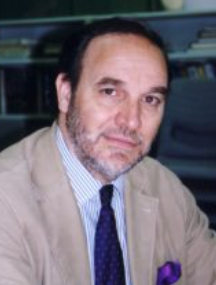 Gerald F. Watts合作论文数Royal Perth Hospital;School of Medicine and Pharmacology, University of Western Australia5
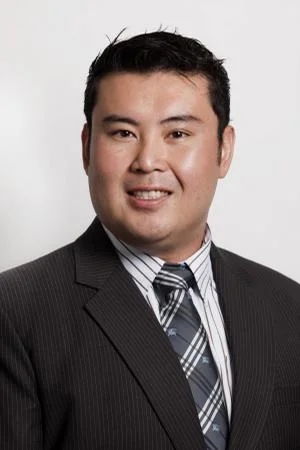 Ian Li合作论文数Graduate School of Education, The University of Western Australia;Australian Centre for Student Equity and Success, Curtin University4kristina m blackmore合作论文数3
 David Sullivan合作论文数Faculty of Medicine, University of Sydney Central Clinical School;Department of Chemical Pathology, Royal Prince Alfred Hospital3Vickery Alistair W合作论文数Faculty of Medicine and Dentistry, University of Western Australia3Diane E. Arnold-Reed合作论文数3Cristian Vargas-Garcia合作论文数2Don Iverson合作论文数2elizabeth d eastland合作论文数2Dick C Chan合作论文数2
 Michelle Moscova合作论文数2
 Constance Dimity Pond合作论文数2
 Wilson Ian合作论文数2
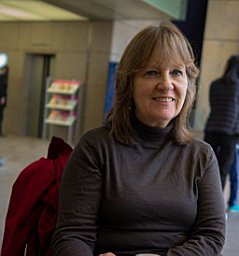 Caroline Bulsara合作论文数Primary Health Care Research, Evaluation and Development Unit, University of Western Australia2
 Mullan Judy R合作论文数2
 Andrew Bonney合作论文数2Guppy Michelle合作论文数2Knight-Billington Patricia合作论文数2
 Kathryn Powell合作论文数School of Population Health, The University of Adelaide2Paul Aylward合作论文数School of Population Health and Clinical Practice, University of Adelaide2Esther May合作论文数Sahlgren Hospital, University of Gothenburg2
 Judith Nicky Hudson合作论文数2Caroline O Laurence合作论文数Adelaide to Outback GP Training Program2Kathryn M Weston合作论文数2
 Tania Winzenberg合作论文数Menzies Institute for Medical Research, University of Tasmania2C. Vargas García合作论文数1Carmen Condon合作论文数1Nic Brayshaw合作论文数1nick duff合作论文数1
 Jedidiah I Morton合作论文数Baker Heart and Diabetes Institute;School of Public Health and Preventive Medicine, Monash University;Faculty of Pharmacy and Pharmaceutical Sciences, Monash University1
 Melanie Lloyd合作论文数Sch Publ Hlth & Prevent Med, Monash Univ1Stephen Barnett合作论文数1Jon Watson合作论文数1
 Clara Marquina合作论文数Faculty of Pharmacy and Pharmaceutical Sciences, Monash University;School of Public Health and Preventive Medicine, Monash University;Monash University, Monash University1
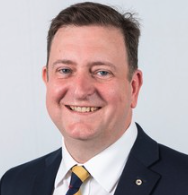 Michael Reade合作论文数Faculty of Medicine, The University of Queensland;Greater Brisbane Clinical School, The University of Queensland1Fitzgerald Des G合作论文数1
 Zanfina Ademi合作论文数Sch Publ Hlth & Prevent Med, Monash Univ1Pirotta Marie合作论文数1
 Deckx Laura合作论文数Department of General Practice, Katholieke Universiteit Leuven1Saffioti Daniel合作论文数1Malley B O合作论文数1




