Haemorrhage is a leading cause of preventable death amongst severe trauma patients and is often complicated by hypofibrinogenaemia. Fibrinogen replacement can be achieved using fibrinogen concentrate (FC) or Cryoprecipitate (Cryo), but comparative evidence in traumatic haemorrhage is limited. To determine, in trauma patients with major haemorrhage and hypofibrinogenaemia, whether fibrinogen replacement using FC compared to Cryo increases the number of days alive and out of hospital (at home) within the first 90 days after randomisation (DAOH90). The Fibrinogen Early In Severe Trauma studY II (FEISTY II) is a phase III, multi-centre, randomised, two-arm parallel, open-label, superiority trial comparing FC and Cryo for fibrinogen replacement in severely injured trauma patients with major haemorrhage and hypofibrinogenaemia. Inclusion criteria are adults (≥ 18 years) affected by trauma and judged to have significant active haemorrhage with FIBTEM A5 ≤ 10 mm, TEG FF A10 ≤ 15 mm or FibC ≤ 2 g/L, for whom the local Major Haemorrhage Protocol (MHP) has been activated and/or emergency blood products have been transfused. Exclusion criteria are injuries judged incompatible with survival, inability to randomise within 6 h of trauma centre admission, pregnancy, objection to blood products, genetic or acquired coagulation disorder, dedicated fibrinogen replacement prior to randomisation, participation in competing study, and pre-existing co-morbidity that may interfere with the assessment of outcome. Patients will be block randomised 1:1 and stratified by site and clinical suspicion of Traumatic Brain Injury. The primary outcome is DAOH90. Secondary outcomes include all-cause mortality, transfusion requirements and measures of functional recovery and quality of life. Safety data will include symptomatic deep vein thrombosis (DVT) and pulmonary embolism (PE), myocardial infarction (MI), ischaemic stroke and transfusion reactions. A total of 900 patients will be recruited by trauma centre clinical staff across 23 trauma centres in Australia and New Zealand. The optimal approach to fibrinogen replacement in traumatic haemorrhage remains uncertain. FEISTY II is a multi-centre randomised clinical trial in severely injured bleeding trauma patients, comparing FC to Cryo in terms of efficacy, safety, and cost-effectiveness. ClinicalTrials.gov. NCT05449834. Registered on 08 July 2022. 1st Participant enrolled 21 November 2022.
Importance Whether alpha(2)-adrenergic receptor agonist-based sedation, compared with propofol-based sedation, reduces time to extubation in patients receiving mechanical ventilation in the intensive care unit (ICU) is uncertain. Objective To evaluate whether dexmedetomidine- or clonidine-based sedation reduces duration of mechanical ventilation compared with propofol-based sedation (usual care). Design, Setting, and Participants Pragmatic, open-label randomized clinical trial conducted at 41 ICUs in the UK including adults who were within 48 hours of starting mechanical ventilation, were receiving propofol plus an opioid for sedation and analgesia, and were expected to require mechanical ventilation for 48 hours or longer. The median time from intubation to randomization was 21.0 (IQR, 13.2-31.3) hours. Recruitment occurred from December 2018 to October 2023; the last follow-up occurred on December 10, 2023. Interventions The bedside algorithms used targeted a Richmond Agitation-Sedation Scale score of -2 to 1 (unless clinicians requested deeper sedation). The algorithms supported uptitration in the dexmedetomidine- and clonidine-based sedation intervention groups and supported downtitration for propofol-based sedation followed by sedation primarily with the allocated sedation (dexmedetomidine or clonidine). If required, supplemental use of propofol was permitted. Main Outcomes and Measures The primary outcome was time from randomization to successful extubation. The secondary outcomes included mortality, sedation quality, rates of delirium, and cardiovascular adverse events. Results Among the 1404 patients in the analysis population (mean age, 59.2 [SD, 14.9] years; 901 [64%] were male; and the mean APACHE II score was 20.3 [SD, 8.2]), the subdistribution hazard ratio (HR) for time to successful extubation was 1.09 (95% CI, 0.96-1.25; P = .20) for dexmedetomidine (n = 457) vs propofol (n = 471) and was 1.05 (95% CI, 0.95-1.17; P = .34) for clonidine (n = 476) vs propofol (n = 471). The median time from randomization to successful extubation was 136 (95% CI, 117-150) hours for dexmedetomidine, 146 (95% CI, 124-168) hours for clonidine, and 162 (95% CI, 136-170) hours for propofol. In the predefined subgroup analyses, there were no interactions with age, sepsis status, median Sequential Organ Failure Assessment score, or median delirium risk score. Among the secondary outcomes, agitation occurred at a higher rate with dexmedetomidine vs propofol (risk ratio [RR], 1.54 [95% CI, 1.21-1.97]) and with clonidine vs propofol (RR, 1.55 [95% CI, 1.22-1.97]). Compared with propofol, the rates of severe bradycardia (heart rate <50/min) were higher with dexmedetomidine (RR, 1.62 [95% CI, 1.36-1.93]) and clonidine (RR, 1.58 [95% CI, 1.33-1.88]). Compared with propofol, mortality was similar over 180 days for dexmedetomidine (HR, 0.98 [95% CI, 0.77-1.24]) and clonidine (HR, 1.04 [95% CI, 0.82-1.31]). Conclusions and Relevance In critically ill patients, neither dexmedetomidine nor clonidine was superior to propofol in reducing time to successful extubation.
OBJECTIVE:To identify platelet hypofunction and its associations in severely injured trauma patients presenting with haemorrhage. DESIGN:Planned sub-study of data collected from the FEISTY trial; an Australian multicentre, randomised controlled pilot trial investigating early fibrinogen replacement in severely injured trauma patients. SETTING:Four major trauma centres in Queensland, Australia. PARTICIPANTS:Adult trauma patients (age ≥18 years) presenting with clinically significant haemorrhage or potential for significant transfusion requirements. MAIN OUTCOME MEASURES:Platelet function parameters arachidonic acid (ASPI), adenosine diphosphate (ADP), and thrombin receptor-activating peptide (TRAP) assessed via Multiplate® analysis, rotational thromboelastometry (ROTEM®) parameters EXTEM, FIBTEM, and PLTEM (EXTEM - FIBTEM), transfusion requirements, and clinical outcomes. RESULTS:Significant platelet hypofunction was detected in this cohort of severely injured trauma patients at time of presentation, with 70 % of patients having hypofunction in at least one Multiplate® channel. The median ASPI area under the curve and 95 % confidence interval were below the lower reference range, indicating this population had reduced platelet function. In patients with deranged platelet function, significantly lower platelet count (p ≤ 0.001), EXTEM amplitude at five minutes (A5) and maximum clot firmness (MCF) (p = 0.001, p ≤ 0.001), and PLTEM A5 and MCF (p = 0.005, p = 0.003) were identified compared to patients with normal platelet function. A significant improvement in platelet function parameters was not observed following platelet transfusion. CONCLUSION:Platelet hypofunction is common in severely injured trauma patients. This was true both before and after platelet transfusion, suggesting trauma precipitates alteration of the vascular circulating milieu in a way that impairs platelet function. Characterisation of this change might lead to targeted interventions to improve haemostasis.
Injury to the vascular endothelium occurs in up to 34
IMPORTANCE:. Blood transfusions are a common and potentially lifesaving intervention in ICU patients but are associated with harm and often transfused inconsistently with guidelines. However, it is not well known how ICU transfusion practice has recently changed and if there is variation in transfusion practice. OBJECTIVES:. To describe blood transfusion practices in ICU, the variation in practice across sites, and to compare transfusion practices against national guidelines and with prior published practice. DESIGN, SETTING, AND PARTICIPANTS:. A prospective, multicenter, binational, observational study conducted in 40 Australian and New Zealand ICUs from October 2021 to July 2022. All adult (≥ 18 yr) ICU patients admitted over 1 week were included and followed until ICU discharge or 28 days. MAIN OUTCOMES AND MEASURES:. Types of transfusion, thresholds and reasons for transfusions, the use of viscoelastic hemostatic assays (VHAs), variation in transfusion practice across sites, and changes in transfusion practice over time. RESULTS:. Of 927 patients, 217 (23.4%) received a blood transfusion during their ICU admission—192 (20.7%) received RBCs, 63 (6.8%) received platelets, 49 (5.3%) received fresh frozen plasma (FFP), and 29 (3.1%) received cryoprecipitate. Massive transfusion protocols were implemented nine times for six patients (0.7%). VHA were used in 25 of 268 (9.3%) non-RBC transfusions. Compared with national guidelines, 89.0% of RBC transfusions, 30.3% of platelet, 27.4% of FFP, and 20.0% of cryoprecipitate transfusions were consistent. Compared with ICU transfusion practices in 2008, after adjusting for confounding variables, ICU patients who received RBC and FFP were transfused more units each, and variation in total transfusions across sites increased for RBC, platelets, and FFP. CONCLUSIONS AND RELEVANCE:. Blood transfusions are common in ICU, but the practice is heterogeneous and frequently inconsistent with national guidelines, and the number of units transfused per patient has increased. More evidence is required.
Plasma transfusion is recommended as an initial intervention in most major haemorrhage protocols for trauma resuscitation. With availability of newer blood components, therapeutic agents and investigations for coagulopathy, the marginal benefits of high ratios of plasma to red cells is uncertain. The aim of this study was to report the association of high ratios of plasma: red cells and 28-day mortality in patients with major trauma. The PATCH-Trauma trial enrolled critically bleeding patients at high risk of trauma induced coagulopathy and randomised them to receive prehospital tranexamic acid or placebo. The sub-group of patients who were managed with massive transfusions in hospital (> 4 units of red cells in first 4 h) were included for this post-hoc analysis. Associations of high ratios of plasma (more than 1 unit of plasma for every 2 units of red cells) and 28-day mortality were reported using multivariable logistic regression analysis after adjustment for potential confounders including age, neurological injury, injury severity, coagulopathy and administration of platelets, fibrinogen concentrates, cryoprecipitate and tranexamic acid. Among 1310 patients enrolled in the PATCH-trauma trial, 372 patients were included for this analysis; 213 (57.3
BACKGROUND:Red blood cell (RBC) transfusion is associated with an increased risk of acute kidney injury (AKI). The extent to which RBC storage affects this association is unclear. We aimed to evaluate the association between storage duration and the occurrence or worsening of any degree of AKI in critically ill patients. STUDY DESIGN AND METHODS:In this pre-planned sub-study of the Standard Issue Transfusion versus Fresher Red-Cell Use in Intensive Care (TRANSFUSE) trial, which compared mortality of critically ill patients receiving either the freshest available allogenic RBC unit or standard availability RBC, patients hospitalized in one of the 31 participating sites and who did not have Stage 3 AKI according to the Kidney Disease Improving Global Outcomes (KDIGO) classification were eligible. The primary outcome was the cumulative proportion of patients who developed any degree of new AKI. RESULTS:A total of 899 patients were included. The mean (SD) RBC storage duration was 22.4 (7.4) versus 11.9 (5.4) days in the standard issue RBC and short-storage RBC groups, respectively (p < 0.01). The percentage of patients who developed any stage of new AKI was similar between groups (24.8% in the standard issue RBC group versus 26.1% in the short-storage RBC group; p = 0.66) (Relative Risk 0.95, [95% confidence intervals 0.76-1.19]). There was no difference in secondary outcomes. DISCUSSION:In this pre-planned sub-study of the TRANSFUSE trial, compared with using standard issue RBC, the transfusion of the freshest available RBC was not associated with a decrease in AKI.
BACKGROUND:The optimal fluid resuscitation volume for severe burns is unknown. Clinical trials are challenged by the rarity of severe burns and the relatively low mortality rate resulting in the use of continuous surrogate outcomes to increase statistical power. Days alive and out of hospital (DAOH) at day 90 has been validated in the critically ill as a marker of long-term mortality and functional outcomes, although burns patients experience longer hospital admissions than the general critically ill population. We aimed to describe the association between fluid volume in the first 24 h post injury and DAOH at day 90 and day 180 (DAOH90 and DAOH180 respectively). METHODS:Retrospective cohort study of all 124 patients admitted with > 20 % total body surface area (TBSA) burns to a major Australian burns referral centre ICU over a 5-year period. RESULTS:Median fluid volume in first 24 h was 4.8 (IQR 3.3-6.3) mL/kg/TBSA%. Using linear quantile regression modelling, after adjusting for age, TBSA%, injury severity, and inhalational injury, for every mL/kg/TBSA% increase in fluid in the first 24 h, there was a median decrease of 3.71 DAOH90 (95 % CI 1.62-5.12, p = 0.002) and 4.41 DAOH180 (95 % CI 2.21-7.22, p = 0.035). Restricted cubic spline modelling adjusted for the same covariates demonstrated a negative linear relationship between fluid volume in the first 24 h post injury and both DAOH90 and DAOH180 (p = 0.859 for DAOH90 and p = 0.979 for DAOH180). CONCLUSIONS:Adjusting for known confounders, there was a negative linear relationship between fluid volumes in the first 24 h and DAOH90 and DAOH180. Either could be used as a continuous, patient-centred outcome for future clinical trials of severe burn resuscitation.
Introduction An association between deep sedation and adverse short-term outcomes has been demonstrated although this evidence has been inconsistent. The A2B (alpha-2 agonists for sedation in critical care) sedation trial is designed to determine whether the alpha-2 agonists clonidine and dexmedetomidine, compared with usual care, are clinically and cost-effective. The A2B intervention is a complex intervention conducted in 39 intensive care units (ICUs) in the UK. Multicentre organisational factors, variable cultures, perceptions and practices and the involvement of multiple members of the healthcare team add to the complexity of the A2B trial. From our pretrial contextual exploration it was apparent that routine practices such as type and frequency of pain, agitation and delirium assessment, as well as the common sedative agents used, varied widely across the UK. Anticipated challenges in implementing A2B focused on the impact of usual practice, perceptions of risk, ICU culture, structure and the presence of equipoise. Given this complexity, a process evaluation has been embedded in the A2B trial to uncover factors that could impact successful delivery and explore their impact on intervention delivery and interpretation of outcomes.Methods and analysis This is a mixed-methods process evaluation guided by the A2B intervention logic model. It includes two phases of data collection conducted during and at the end of trial. Data will be collected using a combination of questionnaires, stakeholder interviews and routinely collected trial data. A framework approach will be used to analyse qualitative data with synthesis of data within and across the phases. The nature of the relationship between delivery of the A2B intervention and the trial primary and secondary outcomes will be explored.Ethics and dissemination All elements of the A2B trial, including the process evaluation, are approved by Scotland A Research Ethics Committee (Ref. 18/SS/0085). Dissemination will be via publications, presentations and media engagement.Trial registration number NCT03653832.
ABSTRACT:Whole blood can be ABO-type specific (type-specific whole blood (TSWB)) or low-titer O universal donor (low-titer O whole blood (LTOWB)). Having previously used LTOWB, the US Armed Forces Blood Program began using TSWB in 1965 as a method of increasing the donor pool. In contrast to military practice, the Association for the Advancement of Blood and Biotherapies formerly the American association of blood banks (AABB), from its first guidelines in 1958 until 2018, permitted only TSWB. Attempting to reduce time to transfusion, the US military reintroduced LTOWB in the deployed environment in 2015; this practice was endorsed by the AABB in 2018 and is progressively being implemented by military and civilian providers worldwide. Low-titer O whole blood is the only practical solution prehospital. However, there are several reasons to retain the option of TSWB in hospitals with a laboratory. These include (1) as-yet ill-defined risks of immunological complications from ABO-incompatible plasma (even when this has low titers of anti-A and -B), (2) risks of high volumes of LTOWB including published historical advice (based on clinical experience) not to transfuse type-specific blood for 2 to 3 weeks following a substantial LTOWB transfusion, (3) uncertainty as to the optimal definition of "low titer," and (4) expanding the potential donor pool by allowing type-specific transfusion. Several large randomized controlled trials currently underway are comparing LTOWB with component therapy, but none address the question of LTOWB versus TSWB. There are sufficient data to suggest that the additional risks of transfusing LTOWB to non-group O recipients should be avoided by using TSWB as soon as possible. Combined with the advantage of maintaining an adequate supply of blood products in times of high demand, this suggests that retaining TSWB within the civilian and military blood supply system is desirable. TSWB should be preferred when patient blood group is confirmed in facilities with a hematology laboratory, with LTOWB reserved for patients whose blood group is unknown.
INTRODUCTION:The management of patients with critical bleeding requires a multidisciplinary approach to achieve haemostasis, optimise physiology, and guide blood component use. The 2011 Patient blood management guidelines: module 1 - critical bleeding/massive transfusion were updated and published. Systematic reviews were conducted for pre-specified research questions, and recommendations were based on meta-analyses of included studies.MAIN RECOMMENDATIONS:The critical bleeding/massive transfusion guideline includes seven recommendations and 11 good practice statements addressing: major haemorrhage protocols (MHPs) facilitating a multidisciplinary approach to haemorrhage control, correction of coagulopathy and normalisation of physiological derangement; measurement of physiological, biochemical and metabolic parameters in critical bleeding/massive transfusion; the optimal ratio of red blood cells to other blood components; the use of tranexamic acid; viscoelastic haemostatic assays; and cell salvage.CHANGES IN MANAGEMENT AS A RESULT OF THE GUIDELINE:The new guideline recommends MHPs be established as standard of care in all institutions managing patients with critical bleeding. In addition to routine physiological markers, the new guideline recommends temperature, biochemistry and coagulation profiles be measured early and frequently, providing parameters that define critical derangements. Ratio-based MHPs should include no fewer than four units of fresh frozen plasma and one adult unit of platelets for every eight units of red blood cells. In the setting of trauma and obstetric haemorrhage, administration of tranexamic acid within three hours of bleeding onset is recommended. The use of recombinant activated factor VII (rFVIIa) is not recommended. There was insufficient evidence to make recommendations on the use of viscoelastic haemostatic assays or cell salvage as part of MHPs.
Global Health Engagement is one method employed by the Australian Defence Force (ADF) in pursuit of its objectives to shape Australia's strategic environment and to deter actions against Australia's interests. Two recent examples of such engagements are malaria mitigation programmes led by the ADF Malaria and Infectious Disease Institute in partnership with the Vietnam People's Army and the Papua New Guinea Defence Force. Both programmes were designed with extensive collaboration with host nation stakeholders, empowered local institutions and governance systems, built the capacity of the host nation with the aim of achieving independence from Australian support and met the strategic policy requirements of all nations involved. Process and outcome measures were built into both programmes, providing partner nations with the necessary assurance that funding was being used effectively. The long-term nature of each programme engendered personal trust between individuals and cultural understanding between military units. Recognising the value of formal education in the design and conduct of such programmes, ADF officers participate as students and instructors in the US Uniformed University of the Health Sciences course in Global Health and Global Health Engagement. Critically, this educational opportunity is afforded to future leaders in all professions related to health, including clinicians, military health planners and commanders. While an essential prerequisite to Global Health Engagement Programmes is their technical viability and validity, the most important key to success in the military context is a widespread understanding of how they achieve desired strategic effects for all involved.
Dexmedetomidine increases sleep and reduces delirium in postoperative patients, but it is expensive and requires a monitored environment. Clonidine, another α 2-agonist, is cheaper and is used safely for other purposes in wards. We assessed whether clonidine would improve sleep in postoperative high-dependency unit (HDU) patients. The Clonidine at Low dosage postoperatively to Nocturnally Enhance Sleep (CLONES) study was a double-blind, placebo-controlled, parallel-group pilot effectiveness randomised trial involving adult elective surgery HDU patients in a single academic hospital. Patients received clonidine 0.3 μg/kg/h or saline placebo on the night of surgery. The primary outcome was total sleep time measured using a consumer actigraphy/photoplethysmography device. Of the 83 randomised patients, three had no data available, leaving 80 (39 clonidine, 41 placebo) in the intention-to-treat analysis, modified for missing data. Median patient ages of the groups were similar (61 and 59 years), as were other baseline characteristics. Clonidine patients had a mean of 100.8 (95
Introduction Traumatic brain injury (TBI) is a heterogeneous condition in terms of pathophysiology and clinical course. Outcomes from moderate to severe TBI (msTBI) remain poor despite concerted research efforts. The heterogeneity of clinical management represents a barrier to progress in this area. PRECISION-TBI is a prospective, observational, cohort study that will establish a clinical research network across major neurotrauma centres in Australia. This network will enable the ongoing collection of injury and clinical management data from patients with msTBI, to quantify variations in processes of care between sites. It will also pilot high-frequency data collection and analysis techniques, novel clinical interventions, and comparative effectiveness methodology.Methods and analysis PRECISION-TBI will initially enrol 300 patients with msTBI with Glasgow Coma Scale (GCS) <13 requiring intensive care unit (ICU) admission for invasive neuromonitoring from 10 Australian neurotrauma centres. Demographic data and process of care data (eg, prehospital, emergency and surgical intervention variables) will be collected. Clinical data will include prehospital and emergency department vital signs, and ICU physiological variables in the form of high frequency neuromonitoring data. ICU treatment data will also be collected for specific aspects of msTBI care. Six-month extended Glasgow Outcome Scores (GOSE) will be collected as the key outcome. Statistical analysis will focus on measures of between and within-site variation. Reports documenting performance on selected key quality indicators will be provided to participating sites.Ethics and dissemination Ethics approval has been obtained from The Alfred Human Research Ethics Committee (Alfred Health, Melbourne, Australia). All eligible participants will be included in the study under a waiver of consent (hospital data collection) and opt-out (6 months follow-up). Brochures explaining the rationale of the study will be provided to all participants and/or an appropriate medical treatment decision-maker, who can act on the patient’s behalf if they lack capacity. Study findings will be disseminated by peer-review publications.Trial registration number NCT05855252.
BACKGROUND Whether prehospital administration of tranexamic acid increases the likelihood of survival with a favorable functional outcome among patients with major trauma and suspected trauma-induced coagulopathy who are being treated in advanced trauma systems is uncertain. METHODS We randomly assigned adults with major trauma who were at risk for trauma-induced coagulopathy to receive tranexamic acid (administered intravenously as a bolus dose of 1 g before hospital admission, followed by a 1-g infusion over a period of 8 hours after arrival at the hospital) or matched placebo. The primary outcome was survival with a favorable functional outcome at 6 months after injury, as assessed with the use of the Glasgow Outcome Scale-Extended (GOS-E). Levels on the GOS-E range from 1 (death) to 8 ("upper good recovery" [no injury-related problems]). We defined survival with a favorable functional outcome as a GOS-E level of 5 ("lower moderate disability") or higher. Secondary outcomes included death from any cause within 28 days and within 6 months after injury. RESULTS A total of 1310 patients were recruited by 15 emergency medical services in Australia, New Zealand, and Germany. Of these patients, 661 were assigned to receive tranexamic acid, and 646 were assigned to receive placebo; the trial-group assignment was unknown for 3 patients. Survival with a favorable functional outcome at 6 months occurred in 307 of 572 patients (53.7%) in the tranexamic acid group and in 299 of 559 (53.5%) in the placebo group (risk ratio, 1.00; 95% confidence interval [CI], 0.90 to 1.12; P = 0.95). At 28 days after injury, 113 of 653 patients (17.3%) in the tranexamic acid group and 139 of 637 (21.8%) in the placebo group had died (risk ratio, 0.79; 95% CI, 0.63 to 0.99). By 6 months, 123 of 648 patients (19.0%) in the tranexamic acid group and 144 of 629 (22.9%) in the placebo group had died (risk ratio, 0.83; 95% CI, 0.67 to 1.03). The number of serious adverse events, including vascular occlusive events, did not differ meaningfully between the groups. CONCLUSIONS Among adults with major trauma and suspected trauma-induced coagulopathy who were being treated in advanced trauma systems, prehospital administration of tranexamic acid followed by an infusion over 8 hours did not result in a greater number of patients surviving with a favorable functional outcome at 6 months than placebo. (Funded by the Australian National Health and Medical Research Council and others; PATCH-Trauma ClinicalTrials.gov number, NCT02187120.).
Delivering delirium care is challenging. Systems may not be set up to facilitate good delirium practice and staff may have low baseline understanding of how to spot, stop and treat delirium. In this context, delirium guidelines are especially important. In this article, we review the 2021 Australian Delirium Clinical Care Standards. The care standards are different to guidelines insofar as they focus on main presentations and represent eight quality statements describing the best evidence-based care patients with delirium should be offered. The standards speak to three different audiences: consumer, clinician and healthcare organisations. As such, they provide some system-level solutions to practice-level problems. They incorporate latest evidence and reflect the sway away from prescribing to treat delirium, stating that antipsychotics should be avoided. Furthermore, they promote inclusivity of families and carers in delirium care processes as an important medium to engender good practice. Limitations include the fact that they extend to delirium in multiple settings where different approaches may be necessary. They also lack the granularity of being able to provide recommendations on a greater range of drugs that might be used and assume settings are ready to introduce best delirium practice. In sum, they represent an important step forward for delirium knowledge translation and are particularly relevant for patients in the geriatric setting. The guidelines though are constrained as to what they can advocate due to research gaps especially into treatment of delirium.
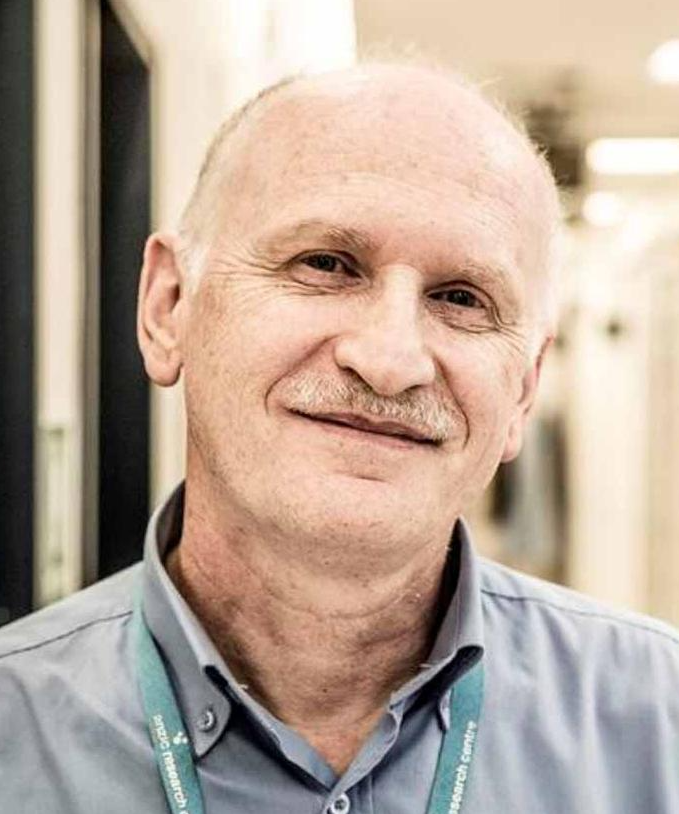 Rinaldo Bellomo合作论文数Australian and New Zealand Intensive Care Research Centre, School of Public Health and Preventative Medicine, Monash University46
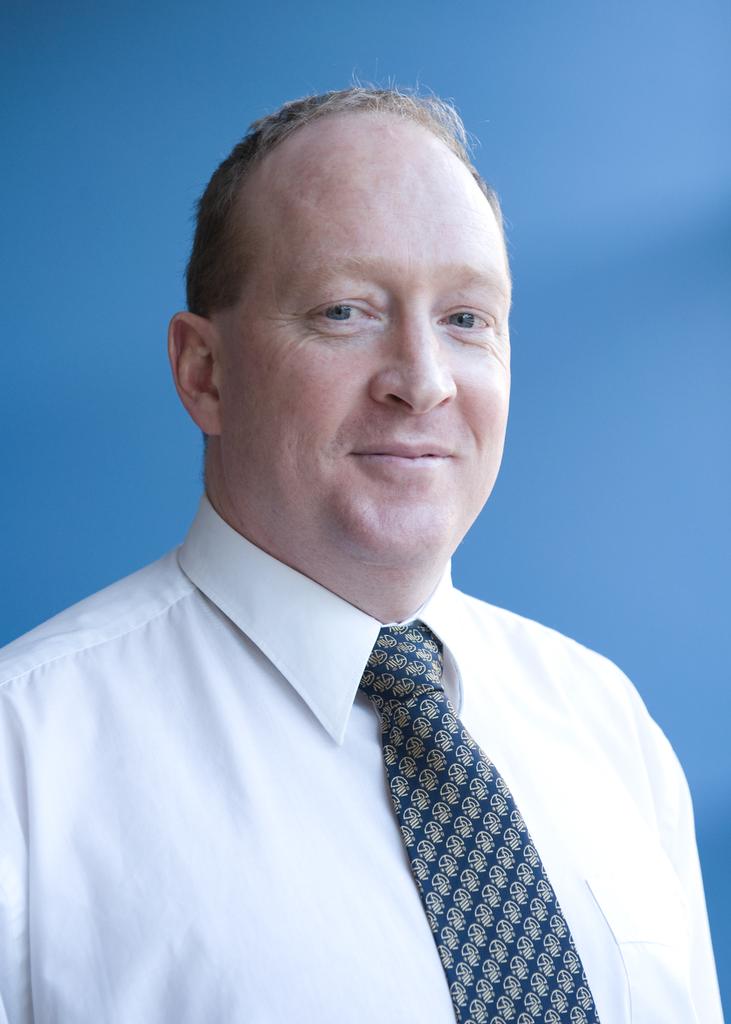 Michael Bailey合作论文数School of Public Health and Preventive Medicine, Faculty of Medicine, Nursing and Health Sciences, Monash University25
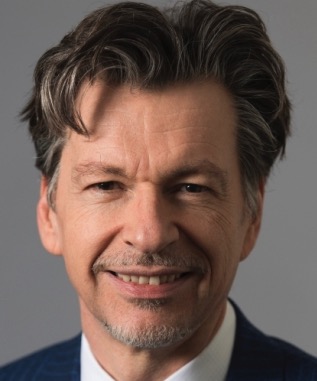 Derek C. Angus合作论文数Department of Critical Care Medicine, School of Medicine, University of Pittsburgh;School of Public Health, University of Pittsburgh22
 Glenn Eastwood合作论文数School of Public Health and Preventive Medicine, Monash University16
 Peck Leah合作论文数12McArthur Colin合作论文数Dept Crit Care Med, Auckland City Hosp11
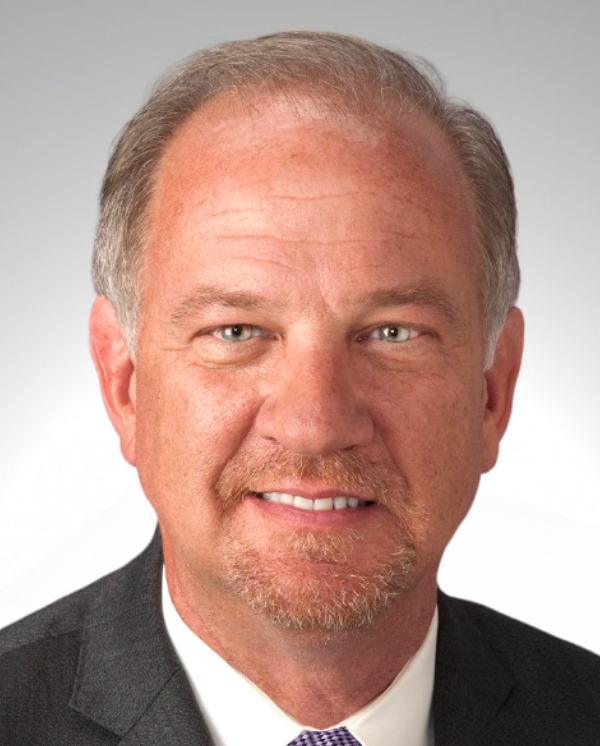 Donald M. Yealy合作论文数Department of Emergency Medicine, School of Medicine, University of Pittsburgh11
 Anthony Delaney合作论文数School of Medicine, Faculty of Medicine and Health, The University of Sydney10
 Johnson Lacey合作论文数10
 Sandra Peake合作论文数Queen Elizabeth Hospital;Centre of Research Excellence, The University of Queensland10
 Denese C Marks合作论文数10
 Belinda Howe合作论文数10
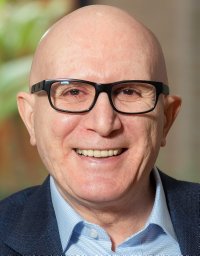 Yahya Shehabi合作论文数Prince of Wales Hospital, University of New South Wales10
 Zoe McQuilten合作论文数School of Public Health and Preventive Medicine, Monash University10
 Biswadev Mitra合作论文数School of Public Health and Preventive Medicine, Monash University10Ian Seppelt合作论文数Nepean Clinical School, Faculty of Medicine and Health, The University of Sydney9
 Jeffrey Lipman合作论文数Centre for Clinical Research, Faculty of Medicine, The University of Queensland;Royal Brisbane and Women's Hospital9Milford Elissa M合作论文数9
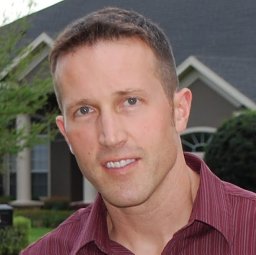 Eric B Milbrandt合作论文数Department of Critical Care Medicine, University of Pittsburgh School of Medicine9
 John Fraser合作论文数Prince Charles Hospital Northside Clinical Unit, Faculty of Medicine, The University of Queensland;The Prince Charles Hospital;School of Medicine, Griffith University;School of Medicine, Bond University9C.A.R. Boyd合作论文数9
 Anthony Holley合作论文数8
 John A Kellum合作论文数Department of Medicine, School of Medicine, University of Pittsburgh;Department of Critical Care Medicine, School of Medicine, University of Pittsburgh8
 Steve Webb合作论文数School of Public Health and Preventive Medicine, Monash University;Australian and New Zealand Intensive Care Research Centre, Monash University;St John of God Health Care8
 (D. James) Jamie Cooper合作论文数School of Public Health and Preventive Medicine, Monash University8Alistair Nichol合作论文数7
 Mervyn Singer合作论文数Bloomsbury Institute of Intensive Care Medicine, University College London7
 Frances Bass合作论文数7Winearls James合作论文数7
 Tim Coats合作论文数Department of Cardiovascular Sciences, University of Leicester7
 Craig John French合作论文数Department of Intensive Care, The Western Hospital7
 Erica P Wood合作论文数New York University6Matt P Wise合作论文数Intens Care Med, Univ Hosp Wales6J D Young合作论文数6
 Russell Gruen合作论文数College of Health and Medicine, Australian National University;Research Australia;Veritas Health Innovation Pty Ltd6
 Jayesh Dhanani合作论文数Department of Intensive Care Medicine, Prince Charles Hospital6
 David Pilcher合作论文数Faculty of Medicine, Nursing and Health Sciences, Monash University;The Alfred Hospital;Anzics Centre for Outcome and Resource Evaluation;DonateLife6
 Simon Finfer合作论文数Critical Care and Trauma Division, The George Institute for Global Health;Royal North Shore Hospital;Sydney Adventist Hospital;School of Biomedical Sciences, University of New South Wales;University of Sydney;School of Public Health, Imperial College London6JL Millo合作论文数5
 Andrew Cap合作论文数5Nicolas J Prat合作论文数5
 Andrew Wj Flint合作论文数Transfus Res Unit, Monash Univ5
 Paul Lee-Archer合作论文数Dept Anaesthesia, Queensland Childrens Hosp5
 David A Harrison合作论文数Intens Care Natl Audit & Res Ctr5David T Huang合作论文数University of Pittsburgh5
 Geir Strandenes合作论文数5Bell Derek合作论文数5Moritoki Egi合作论文数5Paul J Young合作论文数4




