Wine intake may acutely modulate postprandial plasma phenolic metabolism; however, circulating metabolite signatures and associated biotransformation pathways, especially from direct red versus white comparisons using harmonized sampling and analytical workflows, remain incompletely characterized. In a randomized, controlled, four-treatment crossover trial, 10 healthy men consumed a standardized meal with (i) Cabernet Sauvignon red wine (CS), (ii) Robola white wine (R), (iii) an ethanol solution (12.5% v/v, E), or (iv) water (W). Plasma was collected at baseline (-15 min), immediately post-intake (0 min), and repeatedly up to 360 min (12 time points total). Samples were profiled by LC-QTOF-MS in negative ionization mode employing the data-independent acquisition (DIA). A suspect screening workflow was applied using a curated panel of 124 wine phenolics and related metabolites, including parent compounds, major phase II conjugates, and low-molecular-weight phenolic acids associated with microbial catabolism. Multilevel Partial Least Squares-Discriminant Analysis (PLS-DA) leveraged the repeated-measures structure to resolve intervention-related trajectories while reducing baseline between-subject variability. A total of 31 discriminant metabolites (VIP > 1.5) were identified and operationally classified as ethanol-related or wine-related according to their contrast pattern. Both wines induced a structured biphasic postprandial response, with early increases in sulfated and glucuronidated benzoic acids and phenolic alcohols followed by later appearance of γ-valerolactones and phenylpropanoic acids. Red wine intake produced the broadest and most persistent modification in human plasma phenolic metabolite profile, characterized by strong gallate/syringate- related and flavan-3-ol ring-cleavage metabolites. White wine elicited a narrower response dominated by hydroxycinnamate and phenolic-alcohol derived metabolites, followed by valerolactone and phenylpropanoic-acid derivatives. From these time-resolved signatures, four putative phenolic metabolic pathways were proposed, highlighting distinct red- versus white-wine biotransformation patterns.
Alzheimer's disease (AD) is associated with the aggregation of β-amyloid (Aβ) peptides and oxidative stress, two interconnected processes that contribute to neuronal dysfunction and cognitive decline. Natural polyphenols such as oleuropein and its metabolite hydroxytyrosol display antioxidant and anti-amyloidogenic properties, but oleuropein suffers from limited stability due to glycosidic hydrolysis. To develop more robust and potent oleuropein analogs, we synthesized a series of hydroxytyrosol-based esters in which the secoiridoid glucoside scaffold of oleuropein was replaced by lipophilic substituents designed to enhance molecular stability and interactions with Aβ peptide. The compounds were evaluated for their ability to interact with Aβ40 using ESI-MS, circular dichroism (CD), and thioflavin-T fluorescence (ThT), along with complementary antioxidant assays. Most of the compounds formed stable non-covalent complexes with Aβ40, inhibited early aggregation events, and prevented the peptide's conformational transition from random coil to β-sheet. To assess biological efficacy and safety in vivo, the most promising analog (3b) was evaluated in Caenorhabditis elegans models of amyloid-β toxicity. Treatment with 3b exhibited no detectable toxicity in wild-type animals, as evidenced by normal development, growth, and reproductive efficacy. Importantly, 3b rescued lifespan shortening and locomotor deficits in transgenic nematodes expressing human Aβ42 pan-neuronally, while having no effect on control strains lacking Aβ42 expression. These findings demonstrate that 3b confers functional protection against amyloid-induced toxicity in vivo. Overall, our results identify the newly synthesized hydroxytyrosol-derived esters as promising multifunctional scaffolds that combine potent anti-aggregation activity with strong antioxidant properties and in vivo neuroprotective efficacy, supporting their further development as anti-amyloidogenic agents for AD therapy.
Alzheimer’s disease (AD) is a progressive neurodegenerative disorder and the most common cause of dementia in the elderly. Among the diverse pathological features of AD, amyloid beta (Aβ) aggregation and neuroinflammation are recognized as central and interlinked mechanisms driving disease progression. This review focuses specifically on these two processes and highlights current pharmacological limitations in modifying disease pathology. Natural products such as curcumin, resveratrol, Ginkgo biloba, epigallocatechin gallate (EGCG), crocin, ashwagandha, and cannabidiol (CBD) have shown promising activity in modulating Aβ aggregation and neuroinflammatory pathways, offering multi-target neuroprotective effects in preclinical studies. However, their therapeutic application remains hindered by poor solubility, instability, rapid metabolism, and limited blood–brain barrier (BBB) permeability. To overcome these barriers, nanotechnology-based drug delivery systems—including polymeric nanoparticles, niosomes, solid lipid nanoparticles, and chitosan-based carriers—have emerged as effective strategies to enhance brain targeting, bioavailability, and pharmacological efficacy. We summarize the mechanistic insights and nanomedicine approaches related to these bioactives and discuss their potential in developing future disease-modifying therapies. By focusing on Aβ aggregation and neuroinflammation, this review provides a targeted perspective on the evolving role of natural compounds and nanocarriers in AD treatment.
Anxiety and stress-related disorders affect all ages in all geographical areas. As high anxiety and chronic stress result in the modulation of mitochondrial pathways, intensive research is being carried out on pharmaceutical interventions that alleviate pertinent symptomatology. Therefore, innovative approaches being currently pursued include substances that target mitochondria bearing an antioxidant moiety. In this study, a newly synthesized antioxidant consisting of triphenylphosphine (TPP), a six-carbon alkyl spacer, and hydroxytyrosol (HT) was administered orally to mice via drinking water. Cerebellum and liver samples were collected and analyzed using ultra-high-performance liquid chromatography-tandem triple quadrupole mass spectrometry (UHPLC-MS/MS) to assess the levels of TPP-HT in the respective tissues to evaluate in vivo administration efficacy. Sample preparation included extraction with appropriate solvents and a preconcentration step to achieve the required sensitivity. Both methods were validated in terms of selectivity, linearity, accuracy, and limits of detection and quantification. Additionally, a workflow for evaluating and statistically summarizing multiple fortified calibration curves was devised. TPP-HT penetrates the blood–brain barrier (BBB), with a level of 11.5 ng g−1 quantified in the cerebellum, whereas a level of 4.8 ng g−1 was detected in the liver, highlighting the plausibility of orally administering TPP-HT to achieve mitochondrial targeting.
Several new amino-substituted aza-acridine derivatives bearing one or two basic side chains have been designed and synthesized. Their anticancer activities were evaluated in vitro against two human cancer cell lines: T24 (urothelial bladder carcinoma, malignancy grade III) and WM266-4 (metastatic melanoma). Some of the synthesized compounds induced significant antiproliferative effects, with WM266-4 cells appearing more susceptible than T24 cells. This apparent cell-type selectivity may reflect differences in the mutational profiles and molecular target landscapes between the two cancer models. A stability study under hydrolytic conditions, based on a validated method, indicated that the most active compounds were stable under aqueous conditions. Computational analysis further supported the stability of these analogs, providing insights into the structure-stability relationships of the synthesized compounds.
Carob syrup presents significant commercial potential, providing unique nutritional along with significant pharmacological activity. The objective of this study was to comprehensively characterize the carob syrup to ascertain its potential health benefits and to estimate the levels of important compounds present in commercially available carob syrup, with a view to ensuring the quality and consistency of the manufacturing process. Commercial carob syrup samples from Cyprus were purchased and analyzed employing Ultra-High Performance Liquid Chromatography-Quadrupole Time-of-Flight Electrospray Ionization Mass Spectrometry (UHPLC-QTOF & IEcy;SI-MS) and Nuclear Magnetic Resonance (NMR) spectroscopy. LC-MS based suspect screening resulted in the identification of 39 metabolites, i.e. amino acids, fatty acyls/fatty acids and conjugates, sugars, flavonols and flavonoids, organic acids, nucleotides and their derivatives, and alkaloids. Moreover, the quantification of 16 compounds was achieved through the utilization of analytical standards. Additionally, NMR revealed the distinctiveness of aromatic and aliphatic regions, and the abundance of sugars (pinitol, sucrose, glucose, and fructose as majors and mannose and lactose as minors). The results demonstrate that the analyzed syrup shows a consistent chemical profile, which justifies its utilization as nutraceutical. The combination of UHPLC-QTOF-ESI/ MS and NMR analyses contributed to the identification of pinitol in carob, which has significant antidiabetic activity.
The assignment of bioactivity to compounds within complex natural product (NPs) mixtures remains a significant challenge in NPs research. The present research introduces a comprehensive protocol, named "PLANTA (PhytochemicaL Analysis for NaTural bioActives)" protocol, for the detection and identification of bioactive compounds in complex natural extracts prior to isolation combining the NMR-HeteroCovariance Approach (NMR-HetCA), high-performance thin-layer chromatography (HPTLC), and chemometric techniques. This study emphasizes two novel components: STOCSY-guided targeted spectral depletion, adapted to resolve overlapping NMR signals in complex matrices, improve minor component detection, and facilitate identification through NMR databases, as well as a new SHY variant termed SH-SCY (Statistical Heterocovariance - SpectroChromatographY), a new cross-correlation method linking orthogonal datasets by identifying the corresponding HPTLC spot from a single NMR peak and reconstructing of the 1H NMR spectrum from a specific HPTLC spot, enhancing dereplication confidence. In this proof-of-concept study, an artificial extract (ArtExtr) composed of 59 standard compounds was evaluated for the detection of compounds active against the free radical 2,2-diphenyl-1-picrylhydrazyl (DPPH). Statistical approaches were applied to the spectral, chromatographic, and bioactivity data to identify the highly correlated bioactive compounds. The PLANTA protocol achieved an 89.5% detection rate of active metabolites and 73.7% correct identification of them. The integration of NMR and HPTLC with HetCA provides a robust and sensitive strategy for preisolation identification of bioactive constituents. This methodology addresses core challenges in metabolite profiling of complex mixtures and offers a streamlined, reproducible workflow for natural product dereplication and discovery.
Chemotherapy-induced cardiotoxicity (CIC) is a common adverse effect of antineoplastic drugs, manifesting in adult and paediatric populations. The biochemical background of CIC risk remains unclear. However, recent genomics studies linked the condition to specific gene polymorphisms. The application of metabolomics has the potential to improve our understanding of CIC risk, bridging the gap between the genetic predisposition, the chemotherapy and the onset of CIC. Accordingly, an untargeted metabolomics approach was implemented to determine correlations between patients' metabolomics profiles and the risk of CIC during or shortly following their chemotherapy. A UPLC-ESI-QTOF protocol was developed to analyse plasma samples of 89 paediatricpatients collected prior to the initiation of chemotherapy. The metabolomics data were integrated with the a posteriori knowledge of CIC expression in a post-hoc analysis. KODAMA, OPLS-DA, BORUTA, and FDR t-test were used as complementary classification and variables selection methodologies to point out metabolites with an increased probability of being CIC risk-related. An empirical scale of confidence for DIA identification was developed to assure results' reliability. All classification models succeeded in separating the CIC-risk patients. Overall, CIC-risk patients showed early alterations in pathways related to CVDs, inflammation, oxidation, folate deficiency, and inhibition of GSH production. The 3-hydroxy-9-hexadecenoylcarnitine was determined as a potential predictive biomarker.
Transfusion-dependent thalassemia (TDT) is a type of protein aggregation disease. Its clinical heterogeneity imposes challenges in effective management. Red blood cell (RBC) variables may be clinically relevant as mechanistic parts or tellers of TDT pathophysiology. This is a cross-sectional study of RBC and plasma physiology in adult patients with TDT vs healthy control. TDT plasma was characterized by increased protein carbonylation, antioxidants, and larger than normal extracellular vesicles. RBCs were osmotically resistant but prone to oxidative hemolysis. They overexposed phosphatidylserine and exhibited pathologically low proteasome proteolytic activity (PPA), which correlated with metabolic markers of the disease. RBC ultrastructure was distorted, with splenectomy-related membrane pits of 300 to 800 nm. Plasma metabolomics revealed differences in heme metabolism, redox potential, short-chain fatty acids, and nitric oxide bioavailability, but also in catecholamine pathways. According to coefficient of variation assessment, hemolysis, iron homeostasis, PPA, and phosphatidylserine exposure were highly variable among patients, as opposed to RBC fragility and plasma antioxidants, amino acids, and catecholamines. Sex-based differences were detected in hemolysis, redox, and energy variables, whereas splenectomy-related differences referred to thrombotic risk, RBC morphology, and plasma metabolites with neuroendocrine activity. Hepcidin varied according to oxidative hemolysis and metabolic markers of bacterial activity. Patients with higher pretransfusion hemoglobin levels (>10 g/dL) presented mildly distorted profiles and lower membrane-associated PPA, whereas classification by severity of mutations revealed different levels of hemostasis, inflammation, plasma epinephrine, hexosamines, and methyltransferase activity markers. The currently reported heterogeneity of cellular and biochemical features probably contributes to the wide phenotypic diversity of TDT at clinical level.
Calcific aortic valve stenosis (CAVS), characterized by calcium deposition in the aortic valve in a multiannual process, is associated with high mortality and morbidity. To understand phenomena at its early stages, reliable animal models are needed. Here, we used a critically revised high-fat vitamin D2 diet rabbit model to unveil the earliest in vivo-derived mechanisms linked to CAVS progression. We modeled the inflammation-calcification temporal pattern seen in human disease and investigated molecular changes before inflammation. Coupling comprehensive multiomics and vibrational spectroscopy revealed that among the many procedures involved, mechanotransduction, peroxisome activation, DNA damage-response, autophagy, phospholipid signaling, native ECM proteins upregulation, protein cross-linking and self-folding, are the most relevant driving mechanisms. Activation of Complement 3 receptor, Immunoglobulin J and TLR6 were the earliest signs of inflammation. Among several identified key genes were AXIN2, FOS, and JUNB. Among 10 identified miRNAs, miR-21-5p and miR-204-5p dominated fundamental cellular processes, phenotypic transition, inflammatory modulation, and were validated in human samples. The enzymatic biomineralization process mediated by TNAP was complemented by V-type proton ATPase overexpression, and the substitution of Mg-pyrophosphate with Ca-pyrophosphate. These data extend our understanding on CAVS progression, facilitate the refinement of pathophysiological hypotheses and provide a basis for novel pharmaceutical therapy investigations.
Background: Sjögren’s disease (SjD) is a systemic autoimmune disorder that primarily affects the exocrine glands, particularly the salivary and lacrimal glands. Recent efforts have exploited serum and saliva metabolome analysis to enhance our understanding of pathogenetic mechanisms and the development of novel biomarkers, however these studies are hampered by limited patient numbers, poorly characterized SjD cases, the absence of proper control groups, a lack of clinicohistologic associations, and variations in the metabolomic analysis techniques used. Objectives: The aim of the current study is to enlighten the latent biochemical background of SjD and to identify potential biomarkers facilitating early non-interventional SjD diagnosis. Methods: To investigate metabolomic profiles associated with SjD, we conducted a comprehensive analysis using saliva samples from patients presenting with sicca symptoms. All patients diagnosed with SjD fulfil the 2016 ACR-EULAR classification criteria and all minor salivary gland biopsies were re-evaluated by the same expert on SjD salivary gland pathology. Patients not fulfilling the criteria for SjD were classified as sicca controls (n=21 for QTOF and 17 for 1H NMR). Our metabolomics profiling protocol allows for a simultaneous, non-targeted measurement of a wide variety of small molecules, exploiting 2 different techniques: high-resolution mass spectrometry (QTOF) and high-resolution 1H 1D NMR spectroscopy. Patients were categorized based on their focus score (FS) into low (LFS, FS<1, n= 8 f for QTOF and 6 for 1H NMR), medium (MFS, 13, n= 9 for QTOF and 9 for 1H NMR) groups. In our analysis, we considered potential influences of gender, age, saliva flow rate during sample collection, and FS. Multi- and univariate statistical methodologies were applied for group classification and biomarker detection. Partial Least Squares Projection to Latent Structures modeling (PLS; SIMCA v. 14, MKS Umetrics AB) was used to correlate spectroscopic data with Focus score values. MetaboAnalyst, a web-based platform for metabolomic data analysis and interpretation was also used. Results: Utilizing multivariate statistical methodologies, patients were successfully categorized into Low, Moderate, and High Focus Score (LFS, MFS, HFS) groups, as well as into Sjögren and Non-Sjögren diagnostic categories, demonstrating acceptable model performance. Preliminary analyses identified upregulated metabolites in Sjögren patients saliva, including Choline (Fold Change, FC=1.3), Lactic acid (FC=1.4), Taurine (FC=1.1) from the 1H NMR analysis, and Neuraminic acid (FC=2.2), Deoxyinosine (FC=2.8), Pimelylcarnitine (FC=1.8) from the QTOF analysis. In HFS patients, elevated levels of Leucine (FC=1.3), Indoleacrylic acid (FC=1.2), Guanidinoacetic acid (FC=1.3) were observed, while Diaminopropionic acid (FC=1.4) and Prostaglandin E3 (FC=1.3) were decreased. Proof of concept correlation between the metabolic fingerprint and focus score values revealed a high correlation (R2=0.94) with strong statistical significance (p=9.7 × 10⁻⁶). Conclusion: To the best of our knowledge, this is the first study investigating saliva sample metabolomics with 2 different techniques, coupled with biopsy FS data. This approach provides an insight into the distinctive alterations characterizing both sicca controls and Sjögren’s disease patients across different disease stages. According to the findings the intensity of inflammation, as depicted by the salivary biopsy focus score, is highly associated with the salivary metabolome landscape. Meanwhile some metabolites presen in the saliva have emerged as novel biomarkers aiming to offer a non-invasive tool to support SjD clinical diagnosis and histologic classification. Further studies are needed to validate these results and establish the clinical utility in SjD. REFERENCES: NIL. Acknowledgements: NIL. Disclosure of Interests: None declared.Figure 1
Conventional isolation methods in natural products chemistry are time-consuming and costly and often result in the isolation of moderately active compounds or the detection of already known natural products (NPs). A fast and cost-effective way to identify bioactive metabolites in plant extracts prior to isolation has been developed based on the nuclear magnetic resonance (NMR)-heterocovariance approach (NMR-HetCA). In order to evaluate in depth the application of this chemometrics-based drug discovery methodology, simple mixtures of 10 standard NPs simulating a fast centrifugal partition chromatography (FCPC) fractionation (artificial fractions, ArtFrcts), as well as a more complex mixture of 59 natural standard substances simulating a crude plant extract (artificial extract, ArtExtr), were prepared. FCPC was employed for the fractionation of the ArtExtr, while the inhibitory activity of all fractions against DPPH was evaluated, and their chemical profile was recorded using NMR spectroscopy. Spectral information was processed in the MATLAB environment, and statistical approaches, including HetCA and statistical total correlation spectroscopy (STOCSY), were applied to identify bioactive compounds. Total heterocovariance plots (pseudospectra) facilitated the detection of highly correlated metabolites and led to the direct identification of 52.6% of the active compounds. The success in identifying the ArtExtr bioactive substances increased to 63.2% when spectral alignment was implemented. HetCA incorporates chromatographic (fractionation), spectroscopic (NMR profiling), and bioactivity results along with advanced chemometrics and could be established as a method of choice for the rapid and effective identification of bioactive NPs in plant extracts prior to isolation.
High-Performance Thin Layer Chromatography (HPTLC) is widely utilized in natural products research due to its simplicity, low cost, and short total analysis time, including data treatment. While bioautography can be used for rapid detection of bioactive compounds in extracts, the number of available bioautographic methods is limited mainly due to the high cost and difficulty in developing protocols that lead to accurate and reproducible results. For this reason, an alternative method for the detection of bioactive compounds in plant extracts prior to their isolation using HPTLC, combined with multivariate chemometrics, was previously explored by our lab. To evaluate this method and compare it to other chemometrics-based methods, an artificial mixture (ArtExtr) of 59 standard compounds was used as a case study. The ArtExtr was fractionated by FCPC and the inhibitory activity of all fractions against DPPH was evaluated, while their chemical profiles were recorded using HPTLC. Multivariate statistics and the heterocovariance approach (HetCA) were employed and compared, with the success rate in detecting the ArtExtr bioactive substances being 85.7% via sparse heterocovariance (sHetCA). HPTLC combined with sHetCA can serve as a valuable tool for the detection of bioactive compounds in complex mixtures when bioautography is not feasible.
Breast milk, often referred to as "liquid gold," is a complex biofluid that provides essential nutrients, immune factors, and developmental cues for newborns. Recent advancements in the field of exosome research have shed light on the critical role of exosomes in breast milk. Exosomes are nanosized vesicles that carry bioactive molecules, including proteins, lipids, nucleic acids, and miRNAs. These tiny messengers play a vital role in intercellular communication and are now being recognized as key players in infant health and development. This paper explores the emerging field of milk exosomics, emphasizing the potential of exosome fingerprinting to uncover valuable insights into the composition and function of breast milk. By deciphering the exosomal cargo, we can gain a deeper understanding of how breast milk influences neonatal health and may even pave the way for personalized nutrition strategies.
Introduction: Colistin (CMS) is used for the curation of infections caused by multidrug-resistant bacteria. CMS is constrained by toxicity, particularly in kidney and neuronal cells. The recommended human doses are 2.5–5 mg/kg/day, and the toxicity is linked to higher doses. So far, the in vivo toxicity studies have used doses even 10-fold higher than human doses. It is essential to investigate the impact of metabolic response of doses, that are comparable to human doses, to identify biomarkers of latent toxicity. The innovation of the current study is the in vivo stimulation of CMS's impact using a range of CMS doses that have never been investigated before, i.e., 1 and 1.5 mg/kg. The 1 and 1.5 mg/kg, administered in mice, correspond to the therapeutic and toxic human doses, based on previous expertise of our team, regarding the human exposure. The study mainly focused on the biochemical impact of CMS on the metabolome, and on the alterations provoked by 50%-fold of dose increase. The main objectives were i) the comprehension of the biochemical changes resulting after CMS administration and ii) from its dose increase; and iii) the determination of dose-related metabolites that could be considered as toxicity monitoring biomarkers.Methods: The in vivo experiment employed two doses of CMS versus a control group treated with normal saline, and samples of plasma, kidney, and liver were analysed with a UPLC-MS-based metabolomics protocol. Both univariate and multivariate statistical approaches (PCA, OPLS-DA, PLS regression, ROC) and pathway analysis were combined for the data interpretation.Results: The results pointed out six dose-responding metabolites (PAA, DA4S, 2,8-DHA, etc.), dysregulation of renal dopamine, and extended perturbations in renal purine metabolism. Also, the study determined altered levels of liver suberylglycine, a metabolite linked to hepatic steatosis. One of the most intriguing findings was the detection of elevated levels of renal xanthine and uric acid, that act as AChE activators, leading to the rapid degradation of acetylcholine. This evidence provides a naïve hypothesis, for the potential association between the CMS induced nephrotoxicity and CMS induced 39 neurotoxicity, that should be further investigated.
Antioxidants play a significant role in human health, protecting against a variety of diseases. Therefore, the development of products with antioxidant activity is becoming increasingly prominent in the human lifestyle. New antioxidant drinks containing different percentages of pomegranate, blackberries, red grapes, and aronia have been designed, developed, and manufactured by a local industry. The comprehensive characterization of the drinks' constituents has been deemed necessary to evaluate their bioactivity. Thus, LC-qTOFMS has been selected, due to its sensitivity and structure identification capability. Both data-dependent and -independent acquisition modes have been utilized. The data have been treated according to a novel, newly designed workflow based on MS-DIAL and MZmine for suspect, as well as target screening. The classical MS-DIAL workflow has been modified to perform suspect and target screening in an automatic way. Furthermore, a novel methodology based on a compiled bioactivity-driven suspect list was developed and expanded with combinatorial enumeration to include metabolism products of the highlighted metabolites. Compounds belonging to ontologies with possible antioxidant capacity have been identified, such as flavonoids, amino acids, and fatty acids, which could be beneficial to human health, revealing the importance of the produced drinks as well as the efficacy of the new in-house developed workflow.
Saffron, a spice derived from Crocus sativus, which in Iran is subjected to different trimming, is known for its beneficial health effects and high market value. Authentication studies related to geographical origin and adulterants presence mainly exist in literature, however fraud due to trimming has not been reported. In the current research, chemical characterization of six saffron trims, namely Sargol, Negin, Pushal, Bunch, Style, and Powder, was accomplished through suspect and non-target screening employing LC-QToF-MS in both electrospray ionization modes. The samples were extracted using methanol:water (50:50,v:v) and 62 compounds were identified, including amino acids, vitamins, flavonoids, phenolics, carotenoids, cyclohexenones. A clear discrimination among the red trims (Pushal, Sargol and Negin), as well as between Style and Bunch using Multivariate Chemometrics techniques was achieved. Proline and isophorone were highlighted as authenticity markers. Finally, the effect of three harvesting year on the most contributing compounds for trimming discrimination has been evaluated.
Chromatograms with overlapping peaks and a baseline rise or upset constitute a great challenge for analysts. Such a case regarding the analysis of bupropion hydrochloride and its 5 impurities in a tablet formulation was used as a model. A baseline correction technique for liquid chromatography coupled with diode array detection is described by using Rstudio. The asymmetry least squares (ALS) algorithm was used as implemented in the “baseline” package, with parameters lambda and p set to 4 and 0.05, respectively. Peak deconvolution and subsequent integration and area quantification were accomplished through Fytik software. Chromatographic data from the validation procedure were utilized to demonstrate the feasibility of the suggested method and whether this correction affects the outcome of the validation study. Finally, a robustness study was carried out in order to shed light on the factors that have a more significant influence on the baseline correction, showing the reliability of this procedure through random changes in its parameters.
The use of e-cigarettes (ECs) has become increasingly popular worldwide, even though scientific results have not established their safety. Diacetyl (DA) and acetylpropionyl (AP), which can be present in ECs, are linked with lung diseases. Ethyl maltol (EM)—the most commonly used flavoring agent—can be present in toxic concentrations. Until now, there is no methodology for the determination of nicotine, propylene glycol (PG), vegetable glycerin (VG), EM, DA, and acetylpropionyl in e-liquids that can be used as a quality control procedure. Herein, gas chromatography coupled with mass spectrometry (GC-MS) was applied for the development of analytical methodologies for these substances. Two GC-MS methodologies were developed and fully validated, fulfilling the standards for the integration in a routine quality control procedure by manufacturers. As proof of applicability, the methodology was applied for the analysis of several e-liquids. Differences were observed between the labeled and the experimental levels of PG, VG, and nicotine. Three samples contained EM at higher concentrations compared to the other samples, while only one contained DA. These validated methodologies can be used for the quality control analysis of EC liquid samples regarding nicotine, PG, and VG amounts, as well as for the measurement of the EM.
Improvements in the treatment of childhood cancer have considerably enhanced survival rates over the last decades to over 80% as of today. However, this great achievement has been accompanied by the occurrence of several early and long-term treatment-related complications major of which is cardiotoxicity. This article reviews the contemporary definition of cardiotoxicity, older and newer chemotherapeutic agents that are mainly involved in cardiotoxicity, routine process diagnoses, and methods using omics technology for early and preventive diagnosis. Chemotherapeutic agents and radiation therapies have been implicated as a cause of cardiotoxicity. In response, the area of cardio-oncology has developed into a crucial element of oncologic patient care, committed to the early diagnosis and treatment of adverse cardiac events. However, routine diagnosis and the monitoring of cardiotoxicity rely on electrocardiography and echocardiography. For the early detection of cardiotoxicity, in recent years, major studies have been conducted using biomarkers such as troponin, N-terminal pro b-natriuretic peptide, etc. Despite the refinements in diagnostics, severe limitations still exist due to the increase in the above-mentioned biomarkers only after significant cardiac damage has occurred. Lately, the research has expanded by introducing new technologies and finding new markers using the omics approach. These new markers could be used not only for early detection but also for the early prevention of cardiotoxicity. Omics science, which includes genomics, transcriptomics, proteomics, and metabolomics, offers new opportunities for biomarker discovery in cardiotoxicity and may provide an understanding of the mechanisms of cardiotoxicity beyond traditional technologies.
 Alexios-Leandros Skaltsounis合作论文数40
 Anthony Tsarbopoulos合作论文数Bioanalytical Department, GAIA Research Center39
 Maria Halabalaki合作论文数Laboratory of Pharmacognosy, University of Athens21Lemonakis Nikolaos合作论文数17
 Nikolaos S. Thomaidis合作论文数Laboratory of Analytical Chemistry, Department of Chemistry, University of Athens17A Tsarbopoulos合作论文数15
 Nektarios Aligiannis合作论文数Laboratory of Pharmacognosy;Department of Pharmacy;University of Athens;Laboratory of Pharmacognosy, University of Athens15Ioanna Dagla合作论文数13
 Emmanuel Mikros合作论文数Department of Pharmaceutical Chemistry, Faculty of Pharmacy, National and Kapodistrian University of Athens13Dimitra Benaki合作论文数Institute of Biology, NCSR “Demokritos” Aghia Paraskevi13Eirini Baira合作论文数11
 Anthi Panara合作论文数Lab Analyt Chem, Natl & Kapodistrian Univ Athens9Bazoti Fotini N合作论文数9
 Ioanna Andreadou合作论文数School of Pharmacy, University of Athens9nikolaos papadopoulos合作论文数7Ioanna Barla合作论文数7M. Parissi-Poulou合作论文数7M Kazanis合作论文数6Efentakis Panagiotis合作论文数Department of Pharmaceutical Chemistry, University of Athens School of Pharmacy6
 Emmanuel Roilides合作论文数School of MedicineAristotle University of Thessaloniki;3rd Department of Pediatrics, Hippokration General Hospital6Hemant Poudyal合作论文数6
 Aikaterini Iliou合作论文数5
 Antigoni Cheilari合作论文数Lab Pharmacognosy & Chem Nat Prod, Univ Athens5Lindsay Brown合作论文数5
 Evangelos Terpos合作论文数Department of Clinical Therapeutics, Faculty of Medicine, National and Kapodistrian University of Athens5Eleni Siapi合作论文数5
 Panagiotis Zoumpoulakis合作论文数Institute of Organic and Pharmaceutical Chemistry, National Hellenic Research Foundation5Charalampos Antachopoulos合作论文数Pediatric Oncology Branch, National Cancer Institute5
 Aikaterini Termentzi合作论文数School of Pharmacy, Aristotle University of Thessaloniki5Stelios G. Deligeorgis合作论文数5Athanasios Skoutelis合作论文数5
 Meletios A. Dimopoulos合作论文数Department of Clinical Therapeutics, School of Medicine, National and Kapodistrian University of Athens5Ioannis K. Kostakis合作论文数4
 Evangelia Karkoula合作论文数4Nikolaos Stavros Koulakiotis合作论文数4
 Volakli Eleni A合作论文数Hippokratio General Hospital, Aristotle University of Thessaloniki4
 Stavroula Ilia合作论文数Pediatric Intensive Care Unit, University Hospital of Heraklion4Maria Sdougka合作论文数4Tchoumtchoua Job合作论文数4Panagiotis Fanourgiakis合作论文数4
 Prokopios Magiatis合作论文数Division of Pharmacognosy and Natural Products Chemistry;Department of Pharmacy;University of Athens;Department of Pharmacy, University of Athens4
 Christina Dalla合作论文数Medical School, University of Athens4Georgios Zalidis合作论文数4H.A. Archontaki合作论文数4Michael Kazanis合作论文数4
 Nikolaos Kokras合作论文数Medical School, University of Athens4
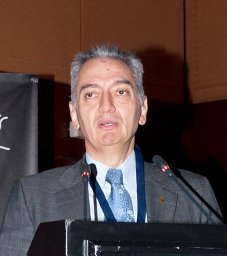 Vassilis Mougios合作论文数Department of Physical Education and Sport Science;Aristotle University of Thessaloniki;Department of Physical Education and Sport Science, Aristotle University of Thessaloniki4
 Ourania Tsitsilonis合作论文数Department of Biology, National and Kapodistrian University of Athens;Department of Animal and Human Physiology, Faculty of Biology, National and Kapodistrian University of Athens;Division of Biology, National and Kapodistrian University of Athens4
 Efstathios Iliodromitis合作论文数Medical School, National and Kapodistrian University of Athens4




