Background: Functional results of intracorporeal orthotopic ileal neobladders (iOINs) may vary depending on the selected neobladder technique. Standardization in reporting continence outcomes is lacking, as objective measurements based on urodynamic assessment remain limited. The aim of this series was to identify urodynamic predictors of daytime and nighttime urinary incontinence for robotic iOINs performed at 2 high-volume centers. Materials and methods: We retrospectively pooled data from two prospectively maintained institutional robot-assisted radical cystectomy databases covering the period from June 2017 to May 2023. The pooled dataset was queried to identify patients who underwent iOIN reconstruction and completed urodynamic evaluation, yielding a final study population of 94 patients. Baseline data and complete urodynamic profiles were collected. Urodynamic assessment was performed between 6 and 9 months after surgery. Frequencies and proportions were reported for categorical variables, while medians and interquartile ranges were reported for continuous variables. Univariable and multivariable logistic regression analyses were used to identify predictors of daytime and nighttime urinary incontinence at last follow-up. Multicollinearity among covariates initially considered for multivariable modeling was assessed using variance inflation factor analysis. A 2-sided p < 0.05 was considered statistically significant. Results: Overall, at a median follow-up of 25 months (interquartile range, 15.5–37.5), 94 patients achieved a complete urodynamic evaluation. On multivariable analysis, female gender (OR, 4.14; 95% CI, 1.37–12.5; p = 0.01) was the only independent predictor of daytime urinary incontinence, whereas cystometric capacity <250 mL showed an association at univariable analysis only and was not retained after multivariable adjustment. Residual peristaltic neobladder activity (OR, 3.44; 95% CI, 1.02–11.5; p = 0.04) was the only independent predictor of nighttime urinary incontinence. Conclusions: At urodynamic evaluation, female gender emerged as the only independent predictor of daytime urinary incontinence, whereas residual peristaltic neobladder activity was the only independent predictor of nighttime urinary incontinence. Urodynamic assessment may provide clinically relevant insights into continence evolution after iOIN at mid-term follow-up.
BACKGROUND:Although intermediate clinical endpoints (ICEs) may expedite completion of randomized controlled trials (RCTs) evaluating perioperative systemic treatments for localized muscle-invasive bladder cancer (MIBC), no validated surrogate for overall survival (OS) has been established. We aimed to assess the surrogacy of pathologic complete response (pCR), pathologic objective response (pOR), and disease-free survival (DFS) for OS. PATIENTS AND METHODS:We analyzed 4,828 patients with MIBC (cT2-T4N0M0) who underwent radical cystectomy (RC) with or without neoadjuvant chemotherapy (NAC) across 29 European centers (2001-2024). The inverse probability of treatment weighting (IPTW) approach was used to adjust for confounding between NAC and RC-only groups. Surrogacy was evaluated using: (1) adapted Prentice criteria to test whether each ICE remained a significant predictor of OS while the treatment effect disappeared in IPTW-adjusted multivariable Cox models; (2) the proportion of treatment effect explained (PTE); and (3) an emulated 2-stage meta-analytic framework to estimate the pseudo-trial-level R2 between treatment effects on each ICE and OS across 1,000 replicates of 5 random clusters. The surrogate threshold effect (STE) was calculated for ICEs demonstrating strong surrogacy (R2≥0.7). RESULTS:Overall, 1,288 (26.7%) patients received NAC followed by RC and 3,540 (73.3%) underwent RC alone. In IPTW-adjusted Cox regression analyses including NAC and each ICE separately, pCR (hazard ratio [HR], 0.32; 95% CI, 0.24-0.41; P<.001), pOR (HR, 0.26; 95% CI, 0.21-0.31; P<.001), and DFS (HR, 5.17; 95% CI, 4.56-5.86; P<.001) were independent predictors of OS. The PTE was 0.42 (95% CI, 0.22-0.54), 0.48 (95% CI, 0.24-0.58), and 0.84 (95% CI, 0.66-0.96) for pCR, pOR, and DFS, respectively. At the pseudo-trial level, the R2 was 0.22 (95% CI, 0.20-0.25), 0.33 (95% CI, 0.31-0.36), and 0.83 (95% CI, 0.81-0.84) for the correlation between treatment effects on pCR, pOR, and DFS and OS, respectively. The STE was 0.82 (95% CI, 0.81-0.84) for DFS. CONCLUSIONS:We observed uncertainty regarding the surrogacy of pCR and pOR in patients undergoing RC with or without NAC for localized MIBC. Only DFS consistently mediated the treatment effect on OS, supporting its use as a surrogate for RCT dimensioning when a recurrence or death risk reduction of ≥18% is expected.
BACKGROUND:The European Association of Urology (EAU), American Urological Association (AUA) and National Comprehensive Cancer Network (NCCN) guidelines (GL) represent key international standards for clinical practice. We assessed the adherence to EAU-AUA- NCCN GL in a large real-world multicenter cohort of patients with Upper Tract Urothelial Carcinoma (UTUC), treated with nephroureterectomy. METHODS:A multicenter retrospective analysis from the ROBUUST (ROBotic surgery for Upper tract Urothelial cancer STudy) registry was performed to assess the region-specific adherence rates to guidelines (GL) for perioperative treatments and their impact on oncological outcomes was evaluated with the Kaplan-Meier method. RESULTS:Out of 2307 patients, excision was the most adopted approach for bladder cuff management world-wide (USA 88.6%, EU 90.5%, Asia 89.8%). Postoperative bladder instillation (intravesical chemotherapy) was implemented in 28.4% of all cases and did not impact bladder recurrence-free survival (log rank P=0.45). Lymphadenectomy (LND) in high-risk disease was underused in both locally advanced (cT3-4: USA 35.8%, EU 46.8%, A 25%) and cN+ stages (USA 41.9%, EU 47.9%, A 43%). LND was not associated with better cancer-specific survival (CSS) across all stages (log rank P≥0.53). Adjuvant chemotherapy (AdCHT) was administered overall in 27.8% of pT2-T4 cases, with a significantly higher adoption in Asia (P=0.03); while in pN+ disease, AdCHT rate was 30.2% and did not convey any advantage in CSS (P=0.58). Retrospective design is the main limitation of the present study. CONCLUSIONS:The present contemporary "real world" data suggests poor adherence to current EAU-AUA guidelines for key indicators of quality care such as perioperative bladder instillation of chemotherapy, performance of LND and administration of adjuvant chemotherapy for advanced disease. These findings highlight the need of improving the implementation of these guideline driven treatment strategies.
INTRODUCTION:The introduction of the purpose-built single-port (SP) robotic platform has allowed for the advent of regionalized minimally invasive surgical approaches for robotic radical prostatectomy (RARP), including the extraperitoneal and transvesical techniques. This study sought to develop a best practice consensus on the key principles, patient selection, surgical techniques, expected clinical outcomes, and learning curves pertaining to SP-RARP. METHODS:A modified Delphi consensus was developed by a panel of experts, consisting of a 33-item questionnaire, with each statement rated using a binary Likert scale ('agree' or 'disagree'). The survey was distributed via email to all practicing SP-RARP surgeons across the USA and Europe. Consensus was defined as ≥75% agreement on a given statement. RESULTS:A total of 53 surgeons participated in the Delphi Consensus across the two rounds. Of 33 statements, 28 (84.8%) reached agreement in the first round. The remaining consensus was achieved in the second round, involving 35 surgeons, and with one additional statement. The panel agreed that, although are no absolute contraindications to SP-RARP, the preference towards specific SP-RARP techniques should remain guided by the individual patients and surgical expertise. Although the SP extraperitoneal technique is recommended to pursue pelvic lymph node dissections, the panel agreed that transvesical SP-RARP showed promise in promoting shorter hospital stay, faster recovery of urinary continence, and utility in patients with extensive prior abdominal surgery. Consensus was also reached on the need for a structured training pathway, with most recommending beginning with extraperitoneal SP-RARP before advancing to the transvesical approach. CONCLUSION:This Delphi consensus demonstrates broad agreement among experienced SP surgeons in the USA and Europe, forming the foundation for future research on the clinical utility and necessary training pathways for SP-RARP. Nevertheless, empirical validation based on clinical data from large cohort studies remains important.
Background:Immunotherapy-based combinations have improved overall survival (OS) in metastatic renal cell carcinoma (mRCC), but recent evidence suggests a therapeutic plateau, underscoring the need for more personalized strategies. Many patients start systemic therapy with the primary kidney tumor still in situ, and the role of cytoreductive nephrectomy (CN) in the immunotherapy era remains uncertain after CARMENA and SURTIME trials. In parallel, stereotactic body radiotherapy (SBRT) has emerged as a noninvasive option that achieves local control of primary RCC with limited toxicity. The ITALIC-RCC study evaluates whether local ablation of the primary tumor-by deferred CN or SBRT-improves outcomes in patients with mRCC who derive early benefit from anti-PD-1-based standard-of-care (SOC) therapy. Study design:ITALIC-RCC is a phase 4, randomized, multicenter trial. Patients with tumors ≤4 cm are randomized 1:1:1 to CN + SOC, radiotherapy (RT) + SOC, or SOC alone; those with tumors >4 cm are randomized 1:1 to CN + SOC or SOC alone. End points:The primary end point is OS comparing CN + SOC versus SOC alone from the time of randomization. Secondary end points include OS from systemic therapy initiation and progression-free survival (PFS) in the CN+SOC cohort versus the SOC-alone cohort, OS and PFS in the SBRT cohort, safety and complications of local treatments, and changes in quality of life. Exploratory end points include proteomic and tissue-based biomarkers associated with OS and PFS. Patients and methods:The study plans to enroll 409 adults with predominantly clear-cell mRCC, Eastern Cooperative Oncology Group performance status 0-1, a primary tumor in situ, and no progression after 24-52 wk of first-line anti-PD-1-based SOC (axitinib + pembrolizumab, cabozantinib + nivolumab, lenvatinib + pembrolizumab, or nivolumab after ipilimumab + nivolumab). Systemic therapy continues until progression by RECIST v1.1 or unacceptable toxicity. Imaging is performed every 12 ± 2 wk. Safety is assessed by CTCAE v5.0 and Clavien-Dindo; quality of life by EQ-5D-5L and FKSI-19. Blood samples at randomization and 8 ± 2 wk after intervention undergo proteomic profiling.Trial registrationClinicalTrials.gov identifier: NCT06903312.
BACKGROUND AND OBJECTIVE:Patients undergoing radical cystectomy (RC) for bladder cancer may present with synchronous or metachronous upper tract urothelial carcinoma (UTUC). These scenarios may differ in oncological outcomes and surgical complexity. This study sought to compare oncologic and perioperative outcomes in patients undergoing RC and radical nephroureterectomy (RNU) for synchronous or metachronous UTUC. METHODS:Data from 23 tertiary referral centers were retrospectively collected (2002-2024). Perioperative outcomes included length of stay (LOS) and complications (Clavien-Dindo classification). Disease-free survival (DFS), cancer-specific survival (CSS) and overall survival (OS) were estimated from RC using Kaplan-Meier and landmark analysis. Multivariable Cox regression modeling identified predictors of DFS and OS and explored the impact of RNU timing on oncological outcomes. KEY FINDINGS AND LIMITATIONS:Among 177 RC patients (n = 142 [80%] males), 106 (60%) underwent RNU subsequent to RC for metachronous UTUC. Concomitant RC and RNU led to longer LOS (10 vs. 7 days, P = 0.004), and statistically significant higher rate of major complications (Clavien-Dindo ≥ IIIa, 29.6% vs. 15.1%, P = 0.03). Metachronous disease showed better 60-month DFS (69.1% vs. 47.6%), CSS (80.3% vs. 66.4%) and OS (69.2% vs. 47.6%). Histological subtype at RNU independently predicted worse DFS (HR 2.64, P = 0.01) and OS (HR 3.22, P = 0.01), while metachronous presentation predicted better DFS (HR 0.36, P < 0.001) and OS (HR 0.53, P = 0.04). Limitations include the retrospective design and a relatively limited sample size. CONCLUSIONS AND CLINICAL IMPLICATIONS:Synchronous panurothelial disease at diagnosis requiring RC and RNU is related to worse perioperative and survival outcomes compared to metachronous disease. Our results highlight the need for dedicated studies to define individualized treatment and surveillance strategies for this challenging patient population.
BACKGROUND AND OBJECTIVE:Adherence to European Association of Urology (EAU) guideline-recommended management of non-muscle-invasive bladder cancer (NMIBC) is essential for optimal outcomes. We quantified real-world adherence to early instillation (EI), second-look transurethral resection of bladder tumor (re-TURBT), and risk-adapted intravesical therapy, and assessed their impact on oncological outcomes. METHODS:We retrospectively analyzed 2194 consecutive NMIBC patients treated with TURBT at six European tertiary centers (2014-2021). Eligibility for EI, re-TURBT, and intravesical instillations was defined using the EAU criteria. Adherence was evaluated through Sankey plots. Recurrence-free survival (RFS) and progression-free survival (PFS) were assessed using Kaplan-Meier analyses with inverse probability of treatment weighting and compared by adherence status. Cox regression models were also fitted. KEY FINDINGS AND LIMITATIONS:Tumor stage distribution was as follows: 63% Ta, 32% T1, and 5.4% Tis stage; 60% were of high grade. Risk distribution was as follows: 22% low, 27% intermediate, 38% high, and 13% very high. EI was recommended in 1333 patients and performed in 290 (22%) patients. Re-TURBT was indicated in 1006 patients and performed in 445 (44%) patients. Intravesical instillations were recommended in 1713 patients and initiated in 497 (29%) patients. Adherence to EI (79% vs 61%; hazard ratio [HR] 0.60), re-TURBT (70% vs 54%; HR 0.53), and instillations (72% vs 53%; HR 0.49) was associated with superior RFS; re-TURBT (94% vs 87%; HR 0.41) and instillations (95% vs 89%; HR 0.47) also improved PFS (all p < 0.001). Nonadherence reasons were not reported. CONCLUSIONS AND CLINICAL IMPLICATIONS:In real-world practice, adherence to EAU-recommended NMIBC management remains low; yet, it is associated with more favorable outcomes. Improving delivery of guideline-based care through standardized pathways should be a priority in NMIBC management.
OBJECTIVE:To investigate the role of cytoreductive nephrectomy (CN) in metastatic renal cell carcinoma (mRCC) treated with immune-checkpoint inhibitors (ICIs). METHODS:A narrative review was carried out using PubMed and searching for English articles published from January 2015 to May 2025. RESULTS:After the screening process, 12 retrospective studies comparing outcomes in patients with mRCC treated with ICI-based regimens, with or without CN (either upfront or deferred) were deemed eligible. Of those, six indicated a survival benefit for patients undergoing CN in combination with ICIs with hazards ratios ranging from 0.19 to 0.63, a finding that remains consistent within the upfront CN subgroup. However, the included studies' retrospective nature, inherent selection, and immortal time biases limit definitive conclusions. Ongoing phase III randomised trials, NORDIC-SUN (ClinicalTrials.gov identifier: NCT03977571) and Southwest Oncology Group (SWOG)-1931 (also known as PROBE; NCT04510597), are evaluating the role of deferred CN after initial ICI therapy, while the role of upfront CN in the ICI era will be likely elucidated by SEVURO-CN (NCT05753839) trial. CONCLUSION:Our findings highlight reconsidering the importance of CN in the ICI era, potentially driven by the influence of tumour burden on anti-cancer immunity and the limited efficacy of ICIs against primary tumours. Future research, ideally through randomised trials involving patients suitable for safe surgery, should aim to clarify the optimal timing of CN in the context of ICI therapy.
 Gabriele Tuderti合作论文数267
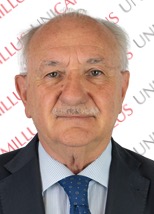 Michele Vito Mario Gallucci合作论文数UniCamillus - International Medical University in Rome;Department of the Policlinico, Casilino Hospital251Mariaconsiglia Ferriero合作论文数234Riccardo Mastroianni合作论文数Department of Urology, The Jikei University School of Medicine220Salvatore Guaglianone合作论文数212
 A. Brassetti合作论文数204
 Umberto Anceschi合作论文数202
 Leonardo Misuraca合作论文数149
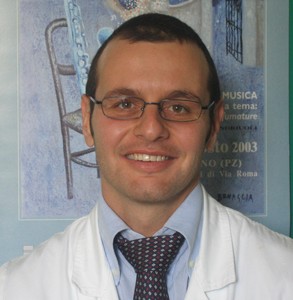 Costantino Leonardo合作论文数Department of Gynecology-Obstetrics & Urology, Sapienza University of Rome132
 Alfredo Maria Bove合作论文数131Francesco Porpiglia合作论文数128
 Rocco Papalia合作论文数Department of Orthopaedic and Trauma Surgery, Campus Biomedico University of Rome120
 Riccardo Autorino合作论文数Virginia Commonwealth University113Rocco Simone Flammia合作论文数103
 Alessandro Antonelli合作论文数100
 Andrea Minervini合作论文数Department of Clinical and Experimental Medicine, School of Human Health Sciences, University of Florence93
 Francesco Montorsi合作论文数Department of Urology, San Raffaele Hospital;Vita-Salute San Raffaele University of Milan89
 Flavia Proietti合作论文数88
 Chandru P. Sundaram合作论文数Department of Urology, Indiana University School of Medicine72Simone D'Annunzio合作论文数71Costantini Manuela合作论文数69
 Matteo Ferro合作论文数68
 Paolo Gontero合作论文数65
 Sisto Perdonà合作论文数S.C. Urologica Oncologica, Istituto Nazionale Tumori62
 Alberto Briganti合作论文数Faculty of Medicine, Vita-Salute San Raffaele University;Department of Urology, IRCCS San Raffaele Hospital61Amparore Daniele合作论文数61
 Ithaar Derweesh合作论文数Department of Surgery, School of Medicine, University of California, San Diego61
 Firas Abdollah合作论文数55
 Reza Mehrazin合作论文数Memphis54
 Hooman Djaladat合作论文数Department of Urology, Norris Cancer Center, University of Southern California53Vitaly Margulis合作论文数Dallas52
 Alexandre Mottrie合作论文数OLV Ziekenhuis;Urological Department, University Hospital of Homburg-Saar;Department of Urology, OLV Hospital Aalst51Alessandro Veccia合作论文数49
 Daniel D. Eun合作论文数49
 Umberto Capitanio合作论文数Department of Urology, IRCCS Ospedale San Raffaele49
 Marco Moschini合作论文数48
 Zhenjie Wu合作论文数Department of Colorectal Surgery, Guangxi Medical University;Tumor Hospital of Guangxi Medical University48
 Cosimo De Nunzio合作论文数Dipartimento di Medicina Clinica e Molecolare, Sapienza Università di Roma47
 Ottavio de Cobelli合作论文数Global Robotic Institute of Orlando;Urology Division, European Institute of Oncology;University of Milano47
 Soria Francesco合作论文数Department of Urology, Medical University of Vienna43
 Simone Albisinni合作论文数42
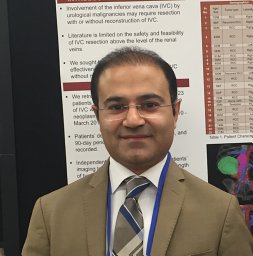 Alireza Ghoreifi合作论文数Mashhad University of Medical Sciences41
 Riccardo Bertolo合作论文数40Alessandro Larcher合作论文数40Giovanni Muto合作论文数Department of Urology, S. Giovanni Bosco Hospital39
 Morgan Rouprêt合作论文数Sorbonne University;Hôpitaux de Paris37
 Shahrokh F. Shariat合作论文数Department of Urology, Medical University of Vienna, Vienna General Hospital;University of Texas Southwestern Medical Center;Weill Cornell Medicine, Cornell University36
 Roberto Contieri合作论文数IRCCS Humanitas Research Hospital33
 Linhui Wang (王林辉)合作论文数School of Health Science and Engineering, University of Shanghai for Science and Technology;Changhai Hospital of Shanghai33




