OBJECTIVES:To explore the effects of ischaemia time (IT) in a multicentre cohort of patients with solitary kidney (SK), treated with partial nephrectomy (PN) for a renal mass, on short- and long-term kidney function, haemorrhagic risk and pathological outcomes. METHODS:This is an observational study of 426 patients with SK treated with on- and off-clamp PN for a single cT1-3 N0M0 renal mass from 2000 to 2023 at 19 global institutions. The primary outcomes were postoperative and 1-year renal function. The secondary outcomes of the study were haemorrhagic risk, defined as estimated blood loss (EBL) and peri-operative transfusions, and presence of positive surgical margins. The effect of IT and arterial clamping strategy was estimated using linear and logistic regressions for continuous and categorical outcomes, respectively. RESULTS:On-clamp PN was performed in 56% of patients (n = 237). The median (interquartile range [IQR]) age, body mass index, preoperative estimated glomerular filtration rate (eGFR), clinical size and PADUA score were 65 (58-71) years, 27 (24-29) kg/m2, 58 (45-46) mL/min, 3 (2-4.2) cm and 8 (7-10), respectively. The median (IQR) duration of IT was 19 (13-25) min. In multivariable linear and logistic regression analyses (MVA), IT was not associated with decreased postoperative eGFR (estimate -0.08 mL/min; P = 0.3) or 1-year eGFR (estimate -0.1 mL/min; P = 0.2). No association between on-clamp strategy and eGFR decline was recorded either postoperatively (estimate -3.11 mL/min; P = 0.1) or at 1 year (estimate -3.12 mL/min; P = 0.1). The median (IQR) EBL was lower in the on-clamp group at 200 (100-400) mL vs 300 (145-500) mL in the off-clamp group. In MVA predicting haemorrhagic risk, arterial clamping was associated with lower risk of transfusions (odds ratio 0.45; P = 0.01). CONCLUSIONS:In patients with SK, on-clamp PN did not affect long-term renal function and was associated with a modestly lower need for peri-operative transfusion. The routine use of the off-clamp technique is therefore not supported by these findings, although its selective application may remain appropriate in cases with a high risk of renal function decline.
Abstract Introduction This study aims to externally validate the preoperative risk evaluation for partial nephrectomy (PREP) score, recently introduced to predict the risk of major complications after partial nephrectomy based on patient characteristics, in a large multi‐institutional cohort of robot‐assisted partial nephrectomy (RAPN) patients. Materials and Methods A retrospective review was performed on the IRB‐approved, multi‐institutional United States Kidney Cancer Data Network (US‐KIDNET) to identify 10 154 patients who underwent RAPN from 2018 to 2025. Major complications were defined as Clavien–Dindo grade III–V within 30 days. Patients were assigned to risk categories for major complications based on weighted comorbidities, as defined by the PREP score, and the alignment of predicted complication rates with actual complication rates was evaluated. Discrimination was evaluated using the area under the receiver operating characteristic curve (AUC). Calibration was examined using the Hosmer–Lemeshow (HL) goodness‐of‐fit test. Subgroup analysis was performed by robotic platform and surgical approach. Exploratory univariate and multivariate logistic regression were performed to evaluate associations between individual PREP components and major complication rates. All computations were performed in Python (v3.8). Results A total of 8615 patients who underwent RAPN were included in the final validation cohort. The PREP score did not perform well in this robotic surgery cohort, with limited overall discrimination (AUC 0.547; 95% CI 0.518–0.580). On calibration, the model's predicted probabilities were not well‐aligned with observed outcomes (HL χ 2 = 150.2; p < 0.001). Performance did not differ significantly across robotic platform or surgical approach subgroups. In the adjusted analysis, coronary artery disease (CAD, aOR 2.22), chronic obstructive pulmonary disease (COPD, aOR 2.75), chronic kidney disease (CKD, aOR 1.48), and obesity (aOR 1.73) were independently associated with major complications, but not congestive heart failure (CHF; aOR 0.50, p = 0.36). Conclusion Our real‐world external validation for the PREP score demonstrates that this score does not perform well in a large, multicentre, robotic cohort. Our findings suggest that coefficient re‐estimation, rather than simple recalibration, may be required.
Introduction Administration of adjuvant immunotherapy for high-risk (T3) Renal Cell Carcinoma (RCC) has recently become a standard of care with publication of KEYNOTE-564 demonstrating survival benefit in this patient group. Presence of high tumor grade is increasingly understood as marker for adverse oncological outcomes in T1 and T2 RCC. We sought to compare survival outcomes of T1-T2 high-grade disease and T3 RCC. Methods Prospectively collected data from a multicenter database involving University of California San Diego Health (USA), IRCCS San Raffaele Hospital (Italy), Emory University Hospital (USA) and Tokyo Medical and Dental University (Japan) were retrospectively analyzed, collecting a total of 5452 non metastatic patients treated with radical or partial nephrectomy. Baseline patient [age, sex, Body Mass Index (BMI), Charlson Comorbidity Index (CCI)] and tumoral characteristics (histology, RENAL score, tumor size, pathological N stage] were evaluated. Kaplan-Meier survival analysis was used to compare cancer-specific survival (CSS) and overall survival (OS) in T1-T2 high-grade and T3 RCC. Cox regression was utilized to evaluate for predictors for CSM and ACM while controlling for demographic and pathological factors. Results Median follow-up was 61 months. A total of 5007 patients with a T1-T2 High Grade (HG) tumor and 445 patients with a T3 any Grade tumor were analyzed. Kaplan-Meier analysis revealed that the 5-year CSS for T1-T2 high-grade tumors was 87%, while for T3 tumors it was 86%, indicating comparable survival rates between the two groups (p=0.08). 5-year OS was similar, being 78% for T1-T2 HG and 78% for T3 any Grade (p=0.11). Cox regression analyses showed that stage (T1-T2-HG vs T3a stage) was not predictive of differences in CSM (HR 1.24, p=0.15), or in ACM (HR 1.25, p=0.06). Conclusions Cancer-specific mortality is comparable between T1-T2 high-grade tumors and T3 tumors while overall mortality is similar between T1-T2 HG and T3a any grade tumors. Hence, caution must be exercised when managing localized RCC with adverse pathological features, as its prognosis may be as severe as that of a locally advanced disease. Our findings suggest the need to reevaluate the inclusion criteria for adjuvant clinical therapy trials to consider T1-T2 high-grade renal cell carcinoma in future studies.
To compare the outcomes of Neoadjuvant Chemotherapy (NAC) versus Adjuvant chemotherapy (AC) in upper tract urothelial carcinoma (UTUC) with Clinical Nodal Disease (CN+). Multicenter retrospective analysis of patients with CN + who underwent RNU from the ROBUUST (ROBotic surgery for Upper Tract Urothelial cancer STudy) database. Patients were divided into those who received NAC versus AC. Primary outcome was all-cause mortality (ACM). Secondary outcomes were cancer-specific mortality (CSM) and recurrence. Cox-regression multivariable analysis (MVA) was used to elucidate predictive factors for ACM, CSM, and recurrence. Kaplan-Meier Analysis (KMA) was performed to analyze 5-year overall survival (OS), cancer-specific survival (CSS), and recurrence free survival (RFS). 102 patients were analyzed (53 neoadjuvant/49 adjuvant; median follow-up 17.0 months). Groups did not differ with respect to median age at diagnosis (p = 0.692), BMI (p = 0.551), clinical tumor size (p = 0.514), or ECOG performance status (p = 0.44). MVA revealed receipt of NAC to be associated with improved ACM (HR 0.36, p = 0.023), CSM (HR 0.38, p = 0.046), and recurrence (HR 0.51, p = 0.048). KMA comparing NAC and AC revealed significantly greater 5-year OS (65
 Margaret Meagher合作论文数Department of Urology, University of California San Diego154
 Riccardo Autorino合作论文数Virginia Commonwealth University126
 Umberto Capitanio合作论文数Department of Urology, IRCCS Ospedale San Raffaele105
 Alessandro Larcher合作论文数87
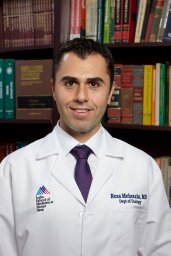 Reza Mehrazin合作论文数Memphis86Francesco Porpiglia合作论文数84
 Dattatraya H Patil合作论文数82
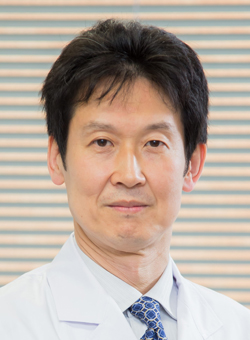 Yasuhisa Fujii合作论文数Department of Urology, Graduate School, Tokyo Medical and Dental University78
 Viraj Master合作论文数Department of Urology, School of Medicine, Emory University;Winship Cancer Institute, Emory University78
 Francesco Montorsi合作论文数Department of Urology, San Raffaele Hospital;Vita-Salute San Raffaele University of Milan75
 Andrea Minervini合作论文数Department of Clinical and Experimental Medicine, School of Human Health Sciences, University of Florence68
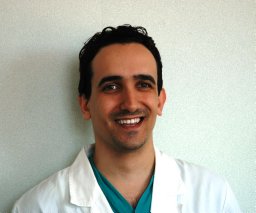 Giuseppe Simone合作论文数Rome61
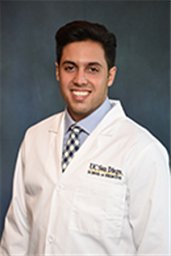 Kevin Hakimi合作论文数Sch Med, Univ Calif San Diego57Zachary Hamilton合作论文数53
 Chandru P. Sundaram合作论文数Department of Urology, Indiana University School of Medicine53
 Alexandre Mottrie合作论文数OLV Ziekenhuis;Urological Department, University Hospital of Homburg-Saar;Department of Urology, OLV Hospital Aalst53
 Cesare Saitta合作论文数51
 Jihad Kaouk合作论文数Department of Urology, Cleveland Clinic;Cleveland Clinic Lerner College of Medicine, Case Western Reserve University50
 Michael Andre Liss合作论文数49
 Mimi Nguyen合作论文数UC San Diego School of Medicine;UC San Diego School of Medicine46Kazutaka Saito合作论文数Tokyo46
 Alessandro Antonelli合作论文数45Dhruv Puri合作论文数43
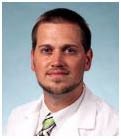 Stephen Ryan合作论文数Dept Urol, UCSD Hlth Syst42
 Daniel D. Eun合作论文数42Fady Ghali合作论文数Dept Urol, UC San Diego Sch Med41
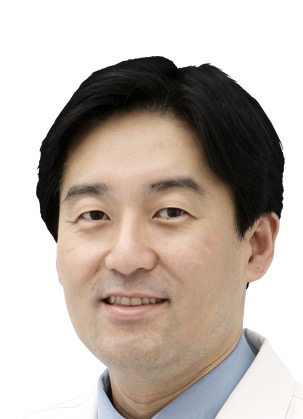 Koon Ho Rha (罗君镐)合作论文数Department of Urology, Yonsei University Medical School;Severance Hospital41
 James R. Porter合作论文数Swedish Health System;Medtronic;Providence Health & Services;Providence St. Joseph Health;Swedish Urology Group41Juan Javier-Desloges合作论文数Dept Urol, Univ Calif San Diego40
 Anthony Patterson合作论文数Memphis40
 Ryan P Kopp合作论文数San Diego40
 Hajime Tanaka合作论文数38
 Devin Patel合作论文数The Urology Clinic of Colorado38
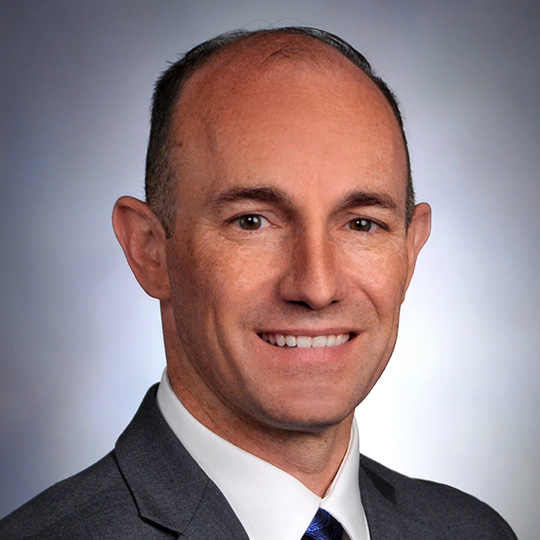 Sean P. Stroup合作论文数St. Luke's Boise Medical Center38Alessandro Veccia合作论文数37Luke Wang合作论文数37Gabriele Tuderti合作论文数37
 Matteo Ferro合作论文数36Aaron S. Bradshaw合作论文数Department of Civil Engineering;Merrimack College;Department of Civil Engineering, Merrimack College36Yasuda Yosuke合作论文数35
 Ava Saidian合作论文数Univ Calif San Diego33R. Nasseri合作论文数33Fang Wan合作论文数33
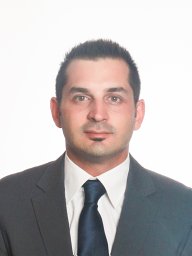 Bindayı Ahmet合作论文数Department of Urology, Ümraniye Teaching Hospital33
 Sisto Perdonà合作论文数S.C. Urologica Oncologica, Istituto Nazionale Tumori31
 Firas Abdollah合作论文数30
 Jonathan Afari合作论文数30Franklin Liu合作论文数30Palazzi Kerrin合作论文数Hunter Medical Research Institute, University of Newcastle30




