We generalize the notion of a de Bruijn sequence to a "multi de Bruijn sequence": a cyclic or linear sequence that contains every k-mer over an alphabet of size q exactly m times. For example, over the binary alphabet {0,1}, the cyclic sequence (00010111) and the linear sequence 000101110 each contain two instances of each 2-mer 00,01,10,11. We derive formulas for the number of such sequences. The formulas and derivation generalize classical de Bruijn sequences (the case m=1). We also determine the number of multisets of aperiodic cyclic sequences containing every k-mer exactly m times; for example, the pair of cyclic sequences (00011)(011) contains two instances of each 2-mer listed above. This uses an extension of the Burrows-Wheeler Transform due to Mantaci et al, and generalizes a result by Higgins for the case m=1.
Methods for detecting the genomic signatures of natural selection have been heavily studied, and they have been successful in identifying many selective sweeps. For most of these sweeps, the favored allele remains unknown, making it difficult to distinguish carriers of the sweep from non-carriers. In an ongoing selective sweep, carriers of the favored allele are likely to contain a future most recent common ancestor. Therefore, identifying them may prove useful in predicting the evolutionary trajectory--for example, in contexts involving drug-resistant pathogen strains or cancer subclones. The main contribution of this paper is the development and analysis of a new statistic, the Haplotype Allele Frequency (HAF) score. The HAF score, assigned to individual haplotypes in a sample, naturally captures many of the properties shared by haplotypes carrying a favored allele. We provide a theoretical framework for computing expected HAF scores under different evolutionary scenarios, and we validate the theoretical predictions with simulations. As an application of HAF score computations, we develop an algorithm (PreCIOSS: Predicting Carriers of Ongoing Selective Sweeps) to identify carriers of the favored allele in selective sweeps, and we demonstrate its power on simulations of both hard and soft sweeps, as well as on data from well-known sweeps in human populations.
Applied Bioinformatics Rolf Backofen Mukul S. Bansal Davide Bau Robert Beiko Asa Ben-Hur Jeremy Buhler Kevin Cohen Noah Daniels Susmita Datta Christophe Dessimoz Rod Do Nadia El-Mabrouk Oliver Eulenstein Matteo Fumagalli Nicholas Furnham Laurent Gatto Sampsa Hautaniemi Andreas Hildebrandt Heng Huang Curtis Huttenhower Tamer Kahveci Olga Kalinina Carl Kingsford Martin Krallinger Thomas Lengauer Ulf Leser Po-Ru Loh Florian Markowetz Chad Myers Bogdan Pasaniuc Nico Pfeifer Teresa Przytycka Gunnar Rätsch Dietrich Rebholz-Schuhmann Ivo Sbalzarini Sven-Eric Schelhorn Marcel Schulz Nives Skunca Johannes Soeding Jens Stoye Asif Tamuri Glenn Tesler Fabio Vandin Karin Verspoor Jean-Philippe Vert Chris Watkins Amy Williams Yu Xia Ralf Zimmer
Methods for detecting the genomic signatures of natural selection are heavily studied, and have been successful in identifying many selective sweeps. For the vast majority of these sweeps the adaptive allele remains unknown, making it difficult to distinguish carriers of the sweep from non-carriers. Because carriers of ongoing selective sweeps are likely to contain a future most recent common ancestor, identifying them may prove useful in predicting the evolutionary trajectory– for example, in contexts involving drug-resistant pathogen strains or cancer subclones. The main contribution of this paper is the development and analysis of a new statistic, the Haplotype Allele Frequency (HAF) score, assigned to individual haplotypes in a sample. The HAF score naturally captures many of the properties shared by haplotypes carrying an adaptive allele. We provide a theoretical model for the behavior of the HAF score under different evolutionary scenarios, and validate the interpretation of the statistic with simulated data. We develop an algorithm ( PreCIOSS : Predicting Carriers of Ongoing Selective Sweeps) to identify carriers of the adaptive allele in selective sweeps, and we demonstrate its power on simulations of both hard and soft selective sweeps, as well as on data from well-known sweeps in human populations.
Recent advances in single-cell genomics provide an alternative to gene-centric metagenomics studies, enabling whole genome sequencing of uncultivated bacteria. However, single-cell assembly projects are challenging due to (i) the highly non-uniform read coverage, and (ii) a greatly elevated number of chimeric reads and read pairs. While recently developed single-cell assemblers have addressed the former challenge, methods for assembling highly chimeric reads remain poorly explored. We present algorithms for identifying chimeric edges and resolving complex bulges in de Bruijn graphs, which significantly improve single-cell assemblies. We further describe applications of the single-cell assembler SPAdes to a new approach for capturing and sequencing “dark matter of life” that forms small pools of randomly selected single cells (called a mini-metagenome) and further sequences all genomes from the mini-metagenome at once. We demonstrate that SPAdes enables sequencing mini-metagenomes and benchmark it against various assemblers. On single-cell bacterial datasets, SPAdes improves on the recently developed E+V-SC and IDBA-UD assemblers specifically designed for single-cell sequencing. For standard (multicell) datasets, SPAdes also improves on A5, ABySS, CLC, EULER-SR, Ray, SOAPdenovo, and Velvet.
Material Supplemental http://genome.cshlp.org/content/suppl/2013/03/12/gr.150433.112.DC1.html P<P Published online April 5, 2013 in advance of the print journal. Open Access Open Access option. Genome Research Freely available online through the License Commons Creative . http://creativecommons.org/licenses/by-nc/3.0/ described at as a Creative Commons License (Attribution-NonCommercial 3.0 Unported License), ). After six months, it is available under http://genome.cshlp.org/site/misc/terms.xhtml for the first six months after the full-issue publication date (see This article is distributed exclusively by Cold Spring Harbor Laboratory Press
The steady states of cells affect their response to perturbation. Indeed, diagnostic markers for predicting the response to therapeutic perturbation are often based on steady state measurements. In spite of this, no method exists to systematically characterize the relationship between steady state and response. Mathematical models are established tools for studying cellular responses, but characterizing their relationship to the steady state requires that it have a parametric, or analytical, expression. For some models, this expression can be derived by the King-Altman method. However, King-Altman requires that no substrate act as an enzyme, and is therefore not applicable to most models of signal transduction. For this reason we developed py-substitution, a simple but general method for deriving analytical expressions for the steady states of mass action models. Where the King-Altman method is applicable, we show that py-substitution yields an equivalent expression, and at comparable efficiency. We use py-substitution to study the relationship between steady state and sensitivity to the anti-cancer drug candidate, dulanermin (recombinant human TRAIL). First, we use py-substitution to derive an analytical expression for the steady state of a published model of TRAIL-induced apoptosis. Next, we show that the amount of TRAIL required for cell death is sensitive to the steady state concentrations of procaspase 8 and its negative regulator, Bar, but not the other procaspase molecules. This suggests that activation of caspase 8 is a critical point in the death decision process. Finally, we show that changes in the threshold at which TRAIL results in cell death is not always equivalent to changes in the time of death, as is commonly assumed. Our work demonstrates that an analytical expression is a powerful tool for identifying steady state determinants of the cellular response to perturbation. All code is available at http://signalingsystems.ucsd.edu/models-and-code/ or as supplementary material accompanying this paper.
Although biofilms have been shown to be reservoirs of pathogens, our knowledge of the microbial diversity in biofilms within critical areas, such as health care facilities, is limited. Available methods for pathogen identification and strain typing have some inherent restrictions. In particular, culturing will yield only a fraction of the species present, PCR of virulence or marker genes is mainly focused on a handful of known species, and shotgun metagenomics is limited in the ability to detect strain variations. In this study, we present a single-cell genome sequencing approach to address these limitations and demonstrate it by specifically targeting bacterial cells within a complex biofilm from a hospital bathroom sink drain. A newly developed, automated platform was used to generate genomic DNA by the multiple displacement amplification (MDA) technique from hundreds of single cells in parallel. MDA reactions were screened and classified by 16S rRNA gene PCR sequence, which revealed a broad range of bacteria covering 25 different genera representing environmental species, human commensals, and opportunistic human pathogens. Here we focus on the recovery of a nearly complete genome representing a novel strain of the periodontal pathogen Porphyromonas gingivalis (P. gingivalis JCVI SC001) using the single-cell assembly tool SPAdes. Single-cell genomics is becoming an accepted method to capture novel genomes, primarily in the marine and soil environments. Here we show for the first time that it also enables comparative genomic analysis of strain variation in a pathogen captured from complex biofilm samples in a healthcare facility.
The "dark matter of life" describes microbes and even entire divisions of bacterial phyla that have evaded cultivation and have yet to be sequenced. We present a genome from the globally distributed but elusive candidate phylum TM6 and uncover its metabolic potential. TM6 was detected in a biofilm from a sink drain within a hospital restroom by analyzing cells using a highly automated single-cell genomics platform. We developed an approach for increasing throughput and effectively improving the likelihood of sampling rare events based on forming small random pools of single-flow-sorted cells, amplifying their DNA by multiple displacement amplification and sequencing all cells in the pool, creating a "mini-metagenome." A recently developed single-cell assembler, SPAdes, in combination with contig binning methods, allowed the reconstruction of genomes from these mini-metagenomes. A total of 1.07 Mb was recovered in seven contigs for this member of TM6 (JCVI TM6SC1), estimated to represent 90% of its genome. High nucleotide identity between a total of three TM6 genome drafts generated from pools that were independently captured, amplified, and assembled provided strong confirmation of a correct genomic sequence. TM6 is likely a Gram-negative organism and possibly a symbiont of an unknown host (nonfree living) in part based on its small genome, low-GC content, and lack of biosynthesis pathways for most amino acids and vitamins. Phylogenomic analysis of conserved single-copy genes confirms that TM6SC1 is a deeply branching phylum.
Recent advances in single-cell genomics provide an alternative to largely gene-centric metagenomics studies, enabling whole-genome sequencing of uncultivated bacteria. However, single-cell assembly projects are challenging due to (i) the highly nonuniform read coverage and (ii) a greatly elevated number of chimeric reads and read pairs. While recently developed single-cell assemblers have addressed the former challenge, methods for assembling highly chimeric reads remain poorly explored. We present algorithms for identifying chimeric edges and resolving complex bulges in de Bruijn graphs, which significantly improve single-cell assemblies. We further describe applications of the single-cell assembler SPAdes to a new approach for capturing and sequencing "microbial dark matter" that forms small pools of randomly selected single cells (called a mini-metagenome) and further sequences all genomes from the mini-metagenome at once. On single-cell bacterial datasets, SPAdes improves on the recently developed E+V-SC and IDBA-UD assemblers specifically designed for single-cell sequencing. For standard (cultivated monostrain) datasets, SPAdes also improves on A5, ABySS, CLC, EULER-SR, Ray, SOAPdenovo, and Velvet. Thus, recently developed single-cell assemblers not only enable single-cell sequencing, but also improve on conventional assemblers on their own turf. SPAdes is available for free online download under a GPLv2 license.
SUMMARY:Limitations of genome sequencing techniques have led to dozens of assembly algorithms, none of which is perfect. A number of methods for comparing assemblers have been developed, but none is yet a recognized benchmark. Further, most existing methods for comparing assemblies are only applicable to new assemblies of finished genomes; the problem of evaluating assemblies of previously unsequenced species has not been adequately considered. Here, we present QUAST-a quality assessment tool for evaluating and comparing genome assemblies. This tool improves on leading assembly comparison software with new ideas and quality metrics. QUAST can evaluate assemblies both with a reference genome, as well as without a reference. QUAST produces many reports, summary tables and plots to help scientists in their research and in their publications. In this study, we used QUAST to compare several genome assemblers on three datasets. QUAST tables and plots for all of them are available in the Supplementary Material, and interactive versions of these reports are on the QUAST website. AVAILABILITY:http://bioinf.spbau.ru/quast . SUPPLEMENTARY INFORMATION:Supplementary data are available at Bioinformatics online.
The lion's share of bacteria in various environments cannot be cloned in the laboratory and thus cannot be sequenced using existing technologies. A major goal of single-cell genomics is to complement gene-centric metagenomic data with whole-genome assemblies of uncultivated organisms. Assembly of single-cell data is challenging because of highly non-uniform read coverage as well as elevated levels of sequencing errors and chimeric reads. We describe SPAdes, a new assembler for both single-cell and standard (multicell) assembly, and demonstrate that it improves on the recently released E+V-SC assembler (specialized for single-cell data) and on popular assemblers Velvet and SoapDeNovo (for multicell data). SPAdes generates single-cell assemblies, providing information about genomes of uncultivatable bacteria that vastly exceeds what may be obtained via traditional metagenomics studies. SPAdes is available online ( http://bioinf.spbau.ru/spades ). It is distributed as open source software.
BACKGROUND:Recent methods have been developed to perform high-throughput sequencing of DNA by Single Molecule Sequencing (SMS). While Next-Generation sequencing methods may produce reads up to several hundred bases long, SMS sequencing produces reads up to tens of kilobases long. Existing alignment methods are either too inefficient for high-throughput datasets, or not sensitive enough to align SMS reads, which have a higher error rate than Next-Generation sequencing.RESULTS:We describe the method BLASR (Basic Local Alignment with Successive Refinement) for mapping Single Molecule Sequencing (SMS) reads that are thousands of bases long, with divergence between the read and genome dominated by insertion and deletion error. The method is benchmarked using both simulated reads and reads from a bacterial sequencing project. We also present a combinatorial model of sequencing error that motivates why our approach is effective.CONCLUSIONS:The results indicate that it is possible to map SMS reads with high accuracy and speed. Furthermore, the inferences made on the mapability of SMS reads using our combinatorial model of sequencing error are in agreement with the mapping accuracy demonstrated on simulated reads.
One of the key advances in genome assembly that has led to a significant improvement in contig lengths has been utilization of paired reads (mate-pairs). While in most assemblers, mate-pair information is used in a post-processing step, the recently proposed Paired de Bruijn Graph (PDBG) approach incorporates the mate-pair information directly in the assembly graph structure. However, the PDBG approach faces difficulties when the variation in the insert sizes is high. To address this problem, we first transform mate-pairs into edge-pair histograms that allow one to better estimate the distance between edges in the assembly graph that represent regions linked by multiple mate-pairs. Further, we combine the ideas of mate-pair transformation and PDBGs to construct new data structures for genome assembly: pathsets and pathset graphs.
The recent proliferation of next generation sequencing with short reads has enabled many new experimental opportunities but, at the same time, has raised formidable computational challenges in genome assembly. One of the key advances that has led to an improvement in contig lengths has been mate pairs, which facilitate the assembly of repeating regions. Mate pairs have been algorithmically incorporated into most next generation assemblers as various heuristic post-processing steps to correct the assembly graph or to link contigs into scaffolds. Such methods have allowed the identification of longer contigs than would be possible with single reads; however, they can still fail to resolve complex repeats. Thus, improved methods for incorporating mate pairs will have a strong effect on contig length in the future. Here, we introduce the paired de Bruijn graph, a generalization of the de Bruijn graph that incorporates mate pair information into the graph structure itself instead of analyzing mate pairs at a post-processing step. This graph has the potential to be used in place of the de Bruijn graph in any de Bruijn graph based assembler, maintaining all other assembly steps such as error-correction and repeat resolution. Through assembly results on simulated error-free data, we argue that this can effectively improve the contig sizes in assembly.
Whole genome amplification by the multiple displacement amplification (MDA) method allows sequencing of DNA from single cells of bacteria that cannot be cultured. Assembling a genome is challenging, however, because MDA generates highly nonuniform coverage of the genome. Here we describe an algorithm tailored for short-read data from single cells that improves assembly through the use of a progressively increasing coverage cutoff. Assembly of reads from single Escherichia coli and Staphylococcus aureus cells captures >91% of genes within contigs, approaching the 95% captured from an assembly based on many E. coli cells. We apply this method to assemble a genome from a single cell of an uncultivated SAR324 clade of Deltaproteobacteria, a cosmopolitan bacterial lineage in the global ocean. Metabolic reconstruction suggests that SAR324 is aerobic, motile and chemotaxic. Our approach enables acquisition of genome assemblies for individual uncultivated bacteria using only short reads, providing cell-specific genetic information absent from metagenomic studies.
A mathematical concept known as a de Bruijn graph turns the formidable challenge of assembling a contiguous genome from billions of short sequencing reads into a tractable computational problem.
Motivation: The existing synteny block reconstruction algorithms use anchors (e.g., orthologous genes) shared over all genomes to construct the synteny blocks for multiple genomes.This approach, while efficient for a few genomes, cannot be scaled to address the need to construct synteny blocks in many mammalian genomes that are currently being sequenced.The problem is that the number of anchors shared among all genomes quickly decreases with the increase in the number of genomes.Another problem is that many genomes (plant genomes in particular) had extensive duplications, which makes decoding of genomic architecture and rearrangement analysis in plants difficult.The existing synteny block generation algorithms in plants do not address the issue of generating non-overlapping synteny blocks suitable for analyzing rearrangements and evolution history of duplications. Results:In this paper we present a new synteny block generation algorithm based on the A-Bruijn graph framework that overcomes these difficulties.We applied our algorithm to derive nonoverlapping synteny blocks in Arabidopsis thaliana.We also generalized this approach to synteny block generation for multiple genomes.The algorithm was applied to human-mouse-rat-dog-chicken genomes and it is able to recover synteny blocks missed by algorithms requiring 5-way anchors.
 Pavel Pevzner合作论文数Jacobs School of Engineering, University of California, San Diego;Center for Algorithmic Biotechnology, Saint Petersburg State University;NIH National Technology Center for Computational Mass Spectrometry;Howard Hughes Medical Institute29
 Guillaume Bourque合作论文数Department of Human Genetics, Faculty of Medicine, McGill University;Institute for the Advanced Study of Human Biology;Canadian Center for Computational Genomics;McGill University and Génome Québec Innovation Center11
 Adriano Garsia合作论文数Department of Mathematics, University of California San Diego7
 Max A. Alekseyev合作论文数George Washington Univ6
 Roger S. Lasken合作论文数Department of Microbial And Environmental Genomics, The J. Craig Venter Institute6
 Jeffrey Scott McLean合作论文数J. Craig Venter Institute, J. Craig Venter Institute5
 Sergey Nurk合作论文数Russian Academy of Sciences, St. Petersburg Academic University5Mark Novotny合作论文数J Craig Venter Inst, La Jolla, CA USA4Yee-Greenbaum Joyclyn合作论文数4
 Jonathan H. Badger合作论文数Bioinformatics Research Group, University of Waterloo4
 Francois Bergeron合作论文数Département de Mathématiques, Université du Québec à Montréal4
 Dmitry Antipov合作论文数Algorithmic Biology Lab, St. Petersburg Academic University of the Russian Academy of Sciences4Mary-Jane Lombardo合作论文数Department of Molecular and Human Genetics, Baylor College of Medicine4
 Alexey Gurevich合作论文数HIPS;Saarland University4
 Alexander Sirotkin合作论文数Russian Academy of Sciences, St. Petersburg Academic University4Adam P Hall合作论文数3
 Stephen O'Brien合作论文数Department of Biological Sciences, Halmos College of Arts and Sciences, Nova Southeastern University;Laboratory of Genomic Diversity, Center for Computer Technologies, ITMO University3
 Michael G. Ziegler合作论文数Division of Nephrology-Hypertension, Department of Medicine, School of Medicine, University of California, San Diego3Peng Qian合作论文数Department of Human Biology, J. Craig Venter Institute;Scripps Translational Science Institute, The Scripps Research Institute;Scripps Translational Science Institute, The Scripps Research Institute3Lesin Valery合作论文数3
 Michael Brudno合作论文数Department of Computer Science, University of Toronto;University Health Network;PhenoTips3
 Nadia El-Mabrouk合作论文数Département D'informatique et de Recherche Opérationnelle, Faculté Des Arts et Des Sciences, Université de Montréal3
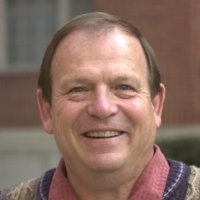 Ken Nealson合作论文数Impossible Mining3
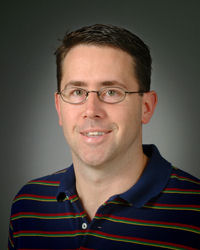 William Murphy合作论文数Department of Veterinary Integrative Biosciences, College of Veterinary Medicine and Biomedical Sciences, Texas A&M University3
 J. Craig Venter合作论文数J. Craig Venter Institute3
 Vineet Bafna合作论文数Jacobs School of Engineering, University of California, San Diego3Alex Pyshkin合作论文数Algorithmic Biology Laboratory, St. Petersburg Academic University3Son Pham合作论文数Digital and Software Department , Spring Production3
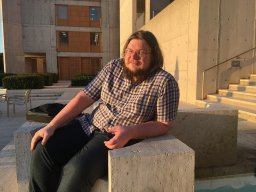 Anton Bankevich合作论文数Russian Academy of Sciences, St. Petersburg Academic University3
 Anna Francesca Edlund合作论文数Department of Clinical Sciences, Lund University3
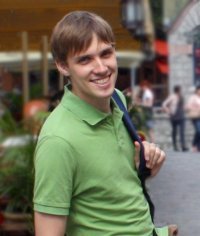 Nikolay Vyahhi合作论文数St. Petersburg State University3
 Andrey D. Prjibelski合作论文数3Jeremy Buhler合作论文数2M. Haiman合作论文数2Sven-Eric Schelhorn合作论文数2Lisa Allen合作论文数2robert w murphy合作论文数2Daniel Brami合作论文数Synth Genom Inc2Scott Clingenpeel合作论文数2Robert Friedman合作论文数2Torriani Francesca J合作论文数2
 Ramunas Stepanauskas合作论文数Single Cell Genomics Center, Bigelow Laboratory for Ocean Sciences2
 Ali Akbari合作论文数2
 Jens Stoye合作论文数Genome Informatics, Faculty of Technology, Bielefeld University;Zentrum für Interdisziplinäre Forschung, Bielefeld University2
 Tanja Woyke合作论文数Joint Genome Institute, Lawrence Berkeley National Laboratory;School of Natural Sciences, University of California Merced2
 Martin Krallinger合作论文数Barcelona Supercomputing Center2
 Francis Galibert合作论文数Institut de Génétique et Développement de Rennes, Université de Rennes 1;University of Lyon;National Human Genome Research Institute2
 Ralf Zimmer合作论文数Inst Informat, Ludwig Maximilians Univ Munchen2
 Tamer Kahveci合作论文数Department of Computer and Information Science and Engineering, University of Florda2




