Background: Voxe is a novel, child- and healthcare provider (HCP)-friendly, electronic patient-reported outcome measure (ePROM) platform developed via a user-centric approach to create a digital platform that engages and empowers patients and HCPs. Approach: Iterative rounds of co-design and usability testing guided the rigorous, user-centered development of Voxe. During testing, end users (i.e., patients and HCPs) completed task-based activities on Voxe, such as creating a profile or navigating to PROM results. End users commented on the platform’s ease of use and functionality, shared their perspectives of the Voxe design, and, ultimately, informed Voxe’s integration into the electronic medical record system, Epic. This study evaluated the implementation and preliminary effectiveness of Voxe in the Renal Transplant Clinic at The Hospital for Sick Children (SickKids). An implementation-effectiveness hybrid design was used. Eligible participants included patients (12-17 years old; minimum three months post-transplant) and HCPs who provided care to participating patients. HCPs received training on Voxe and integrating PROM data into clinical encounters. Patient participants received a text or email seven days before their clinic appointment to request completing PROMs through Voxe. HCPs were alerted in Epic following patient completion. PROM data was discussed during the patient’s clinic visit and integrated into their care plan as needed. Semi-structured interview data and quantitative metrics were collected and analyzed to assess outcomes. Results: Twenty patients aged 13.8 ±1.4 years and seven healthcare providers participated. Implementation Outcomes: The frequency of PROM completion correlated with patients’ clinic visits during the study, and the rate of ePROM completion was 95%, higher than most pediatric ePROM completion rates reported internationally (adoption). Patients described Voxe as ""easy to use,"" and many HCPs shared that they were satisfied with the ease of reviewing PROM data (feasibility). Voxe participation increased satisfaction with the clinic appointment for both HCPs and patients, with several patients sharing a preference for completing ePROMs in Voxe since they did not have to verbalize how they were feeling: “I prefer this more, instead of having to say how I’m feeling out loud” (acceptability). Patient participants preferred a text notification requesting PROMs completion, and HCPs highlighted how Voxe integration “fit” within their clinic (appropriateness). Effectiveness Outcomes: Voxe encouraged communication between patients and HCPs about quality of life (QoL) and mental health concerns. Several patients shared that completing ePROMs in Voxe allowed them to share their perspectives and participate in conversations about QoL: “…it helped me talk about things that I wouldn't necessarily speak about...I feel Voxe would help other patients”. Outcomes reflect participants’ perception of Voxe as adoptable, feasible, acceptable, and appropriate and demonstrate its effectiveness at fostering patient-provider communication. Implications: Findings support Voxe’s implementation and preliminary effectiveness as a novel digital health approach to capture patient voices and enhance the capacity of patient-provider partnerships to provide holistic, patient-centred care. Next steps include evaluating mental health measurement-based care (MBC) implementation using Voxe across SickKids and developing an Implementation Roadmap to enable broader dissemination of MBC across pediatric institutions.
Early recognition of patients at risk for deterioration in the emergency department (ED) is critical for patient safety. Traditional early warning scores rely on structured triage data and often perform poorly in the dynamic ED environment. We developed and evaluated two machine learning models integrating structured triage data with transformer-based embeddings of free-text nursing triage notes to predict early clinical deterioration prior to initial physician assessment, designed as a risk-based prioritization tool to rank patients by predicted probability of adverse outcome. We analyzed 17,481 consecutive adult ED visits over six months. Structured variables (demographics, vital signs, eCTAS scores) were combined with BioClinicalBERT-derived embeddings from free-text nursing triage notes to form a multimodal feature representation. Two XGBoost models (A, B) were trained on the same binary classification task, predicting "early deterioration" (ICU admission or death within 7 days, prevalence 4.5%) versus all other outcomes, differing only in class weighting. Model A used standard class weighting; Model B applied increased weighting to the early deterioration class to prioritize identification of high-risk patients. Model A achieved a recall of 0.66 (95% CI: 0.59-0.73), precision of 0.17 (95% CI: 0.15-0.20), and ROC-AUC of 0.75 (95% CI: 0.72-0.79). Model B improved recall to 0.77 (95% CI: 0.72-0.84), precision to 0.22 (95% CI: 0.19-0.25), and ROC-AUC to 0.90 (95% CI: 0.88-0.92). While XGBoost's internal feature importance attributed the majority of predictive weight to free-text embeddings, SHAP analysis identified age, respiratory rate, and systolic blood pressure as the dominant individual contributors, with triage note embeddings providing meaningful incremental value confirmed by structured-variable ablation. These findings suggest that AI-driven risk prioritization may function as an adjunct layer of situational awareness in the ED, complementing clinical judgement rather than replacing it. Safe clinical adoption will require prospective shadow testing in real-time workflows to quantify ranking accuracy, assess operational feasibility, and evaluate impact on decision-making before any clinician-facing implementation.
Modern Vision-Language Models (VLMs) benefit from chain-of-thought prompting and test-time scaling, but these gains often come with prohibitive inference cost due to large visual contexts and long decoding chains. We view this cost through two coupled axes: Visual Context Scaling (VCS), which controls how much visual evidence is passed to the language model, and Visual Reasoning Scaling (VRS), which controls how much inference-time reasoning search is performed. Existing methods typically optimize one axis at a time, leaving the joint allocation of compute across these axes underexplored. We introduce Adaptive Visual Inference Scaling (AVIS), a lightweight policy that adapts both VCS and VRS per query. AVIS realizes VCS through Key Diversity Visual (KDV) pruning, a training-free O(N) key-based rule for removing redundant visual tokens before prefilling, and realizes VRS through adaptive self-consistency, using a learned difficulty predictor to select the number of reasoning rollouts. AVIS is deployment-friendly and compatible with shared-prefill inference, where all rollouts reuse a single prefilling pass and KV cache. Across diverse image and video reasoning benchmarks, AVIS improves the accuracy–compute trade-off relative to VCS-only and VRS-only baselines, and remains effective on top of RL post-trained VLMs while keeping compute and latency low.
Deep neural networks exploit shortcuts—spurious correlations like laterality markers (spatial) or scanner-specific noise (spectral)—that severely compromise generalization. Many healthcare applications face multiple concurrent shortcuts that are both spatial and spectral, which existing methods struggle to handle. We present SilverLining, an attention-based preprocessing framework that simultaneously identifies and mitigates both spatial and spectral shortcuts without introducing new spurious correlations. Our key insight is that naive removal of shortcut features can itself create new shortcuts, where models learn to exploit the removal patterns as new spurious correlations. We address this through a principled confounder-free correction strategy that maintains consistent preprocessing patterns across all classes in both spatial and frequency domains, preventing new confounders. Extensive experiments demonstrate SilverLining’s effectiveness: achieving 0.87 AUC on controlled vision tasks and 0.94 AUC on counter-shortcut medical imaging evaluation where shortcuts are reversed; improving cross-institutional chest X-ray classification from 0.72 to 0.77 AUC; and 0.54 mAP on polyp detection despite natural spurious correlations from surgical overlays. Our data-centric approach provides an effective solution for reducing multiple types of data shortcuts without architectural modifications, creating preprocessed datasets that improve model robustness across both classification and detection tasks. Our codebase is available at https://github.com/theidentity/SilverLining_WACV2026/.
Adequately powered analyses in precision oncology often require combining cohorts across institutions. Yet integration is constrained by the least granular source and may become infeasible when data elements are too heterogeneous to harmonize and map to a common data model. This challenge is acute in multi-institutional precision oncology research, where real-world evidence requires harmonized clinico-omic data integration. Existing models often lack sufficient treatment patterns, outcomes, and genomic data, limiting interoperability and scalability. To address these gaps, AACR Project GENIE™ (Genomics Evidence Neoplasia Information Exchange) developed the GENIE Data Model (GDM), a comprehensive, open-source, oncology data model for scalable, consistent, and interoperable data collection across solid tumors designed to effectively capture the patient's journey with cancer. Through iterative consensus-building, four working groups comprising 13 subject matter experts defined data elements across multiple clinical domains: patient characteristics, imaging, diagnosis, surgery, histopathology, biomarkers, systemic therapy, radiation, clinical trial history, disease response and outcomes, and social determinants of health. Elements were defined using standardized terminologies and permissible values to support mapping to HL7 FHIR, OMOP, and other existing oncology standards. The model architecture distinguishes manually abstracted elements from computationally collected elements, enabling parallel workflows. The GDM provides an extensible framework that addresses critical gaps and enables scalable, harmonized data collection essential for precision oncology and real-world evidence generation.
BACKGROUND & AIMS:Addressing many clinical questions, such as estimating survival differences between living donor (LDLT) and deceased donor liver transplantation (DDLT), relies on observational studies, as randomized-controlled trials (RCTs) are often unfeasible. Thus, we developed decision path similarity matching (DPSM) - a novel machine learning (ML)-based algorithm that simulates RCT-like conditions to mitigate confounding in observational data. METHODS:We conducted a retrospective study of adult (≥18-years-old) LT candidates between 2002-2023 using the Scientific Registry of Transplant Recipients database. A random forest classifier was trained to predict transplant type from clinicodemographic characteristics. After hyperparameter tuning, decision paths were extracted for individual patients and tree-averaged Hamming distances (dh) were computed for every LDLT-DDLT decision path pair. One-to-one matching was performed by minimizing the total dh across all patient pairs. Random survival forest models were then trained on the matched cohorts to predict post-transplant survival. RESULTS:Of 72,581 LT recipients, 93.8% underwent DDLT and 6.2% underwent LDLT. After matching LDLT with DDLT recipients, DPSM successfully reduced confounding associations as shown by a decrease in AUROCpost-match from 0.82 to 0.51. Random survival forest models outperformed traditional Cox regression in both groups (C-indexldlt 0.67 vs. 0.57; C-indexddlt 0.74 vs. 0.65). The predicted 10-year mean survival gain for LDLT over DDLT was 10.3% (SD = 5.7%). In particular, the survival benefit from LDLT was greatest for primary sclerosing cholangitis (12.4% ± 5.3%) and HCV (12.1% ± 4.7%) compared to other etiologies. CONCLUSIONS:DPSM offers a novel ML-based method for simulating RCT-like conditions in observational data, enabling personalized survival prediction while minimizing confounding. This approach equips clinicians with a new tool to more confidently evaluate treatment effects. IMPACT AND IMPLICATIONS:Living donor liver transplantation (LDLT) has emerged as an effective strategy to expand the donor pool, though data from randomized-controlled trials (RCTs) are lacking due to ethical and practical barriers. We developed a novel machine learning-based algorithm termed decision path similarity matching (DPSM), which more effectively reduces bias in observational data by creating cohorts that better approximate those in RCTs. Using DPSM, LDLT was associated with a predicted 10-year mean survival gain of 10.3% (SD = 5.7%) over deceased donor liver transplantation. LDLT was also shown to be particularly beneficial for certain etiologies, i.e. HCV and PSC. DPSM provides clinicians with a powerful tool that transforms real-world observational data into an RCT-like framework, making it an invaluable method in situations where true randomization is not feasible.
Background & Aims: Liver regeneration is essential for recovery following injury, but this process can be impaired by factors such as sex, age, metabolic disorders, fibrosis, and immunosuppressive therapies. We aimed to identify key transcriptomic, proteomic, and serum biomarkers of regeneration in mouse models under these diverse conditions using systems biology and machine learning approaches. Methods: Six mouse models, each undergoing 75% hepatectomy, were used to study regeneration across distinct clinical contexts: young males and females, aged mice, stage 2 fibrosis, steatosis, and tacrolimus exposure. A novel contrastive deep learning framework with triplet loss was developed to map regenerative trajectories and identify genes associated with regenerative efficiency. Results: Despite achieving ≥75% liver mass restoration by day 7, regeneration was significantly delayed in aged, steatotic, and fibrotic models, as indicated by reduced Ki-67 staining on day 2 (p <0.0001 for all). Interestingly, fibrotic livers exhibited reduced collagen deposition and partial regression to stage 1 fibrosis post-hepatectomy. Transcriptomic and proteomic analyses revealed consistent downregulation of cell cycle genes in impaired regeneration. The deep learning model integrating clinical and transcriptomic data predicted regenerative outcomes with 87.9% accuracy. SHAP (SHapley Additive exPlanations) highlighted six key predictive genes: Wee1, Rbl1, Gnl3, Mdm2, Cdk2, and Ccne2. Proteomic validation and human SPLiT-seq (split-pool ligation-based transcriptome sequencing) data further supported their relevance across species. Conclusions: This study identifies conserved cell cycle regulators underlying efficient liver regeneration and provides a predictive framework for evaluating regenerative capacity. The integration of deep learning and multi-omics profiling provides a promising approach to better understand liver regeneration and may help guide therapeutic strategies, especially in complex clinical settings. Impact and implications: The aim of this study was to identify key transcriptomic, proteomic, and serum biomarkers of regeneration in mouse models under diverse conditions, using systems biology and machine learning approaches. Key molecular drivers of liver regeneration across diverse clinical conditions were identified using innovative deep learning and multi-omics approaches. By identifying conserved cell cycle genes predictive of regenerative outcomes, this study offers a powerful framework to assess and potentially enhance liver recovery in older patients, those with fibrosis or steatosis, and/or those under immunosuppression.
Implicit Neural Representations (INRs) are proving to be a powerful paradigm in unifying task modeling across diverse data domains, offering key advantages such as memory efficiency and resolution independence. Conventional deep learning models are typically modality-dependent, often requiring custom architectures and objectives for different types of signals. However, existing INR frameworks frequently rely on global latent vectors or exhibit computational inefficiencies that limit their broader applicability. We introduce LIFT, a novel, high-performance framework that addresses these challenges by capturing multiscale information through meta-learning. LIFT leverages multiple parallel localized implicit functions alongside a hierarchical latent generator to produce unified latent representations that span local, intermediate, and global features. This architecture facilitates smooth transitions across local regions, enhancing expressivity while maintaining inference efficiency. Additionally, we introduce ReLIFT, an enhanced variant of LIFT that incorporates residual connections and expressive frequency encodings. With this straightforward approach, ReLIFT effectively addresses the convergence-capacity gap found in comparable methods, providing an efficient yet powerful solution to improve capacity and speed up convergence. Empirical results show that LIFT achieves state-of-the-art (SOTA) performance in generative modeling and classification tasks, with notable reductions in computational costs. Moreover, in single-task settings, the streamlined ReLIFT architecture proves effective in signal representations and inverse problem tasks.
Despite advances in genome sequencing, many individuals with rare genetic disorders remain undiagnosed. Transcriptional profiling via RNA-seq can reveal functional impacts of DNA variants and improve diagnosis. We assessed blood-derived RNA-seq in the largely undiagnosed SickKids Genome Clinic cohort (n = 134), which has been subjected to multiple analyses benchmarking the utility of genome sequencing. Our RNA-centric analysis identifies gene expression outliers, aberrant splicing, and allele-specific expression. In one-third of diagnosed individuals (20/61), RNA-seq reinforced DNA-based findings. In 2/61 cases, RNA-seq revised diagnoses (EPG5 to LZTR1 in an individual with a Noonan syndrome-like disorder) and discovered an additional relevant gene (CEP120 in addition to SON in an individual with ZTTK syndrome). Additionally, ~7% (5/73) of undiagnosed cases had at least one plausible candidate gene identified. This study highlights both the benefits and limitations of whole-blood RNA profiling in refining genetic diagnoses and uncovering novel disease mechanisms.
Advancements in omics technologies and artificial intelligence (AI) methodologies are fuelling our progress towards personalised diagnosis, prognosis and treatment strategies in hepatology. This review provides a comprehensive overview of the current landscape of AI methods used for analysis of omics data in liver diseases. We present an overview of the prevalence of different omics levels across various liver diseases, as well as categorise the AI methodology used across the studies. Specifically, we highlight the predominance of transcriptomic and genomic profiling and the relatively sparse exploration of other levels such as the proteome and methylome, which represent untapped potential for novel insights. Publicly available database initiatives such as The Cancer Genome Atlas and The International Cancer Genome Consortium have paved the way for advancements in the diagnosis and treatment of hepatocellular carcinoma. However, the same availability of large omics datasets remains limited for other liver diseases. Furthermore, the application of sophisticated AI methods to handle the complexities of multiomics datasets requires substantial data to train and validate the models and faces challenges in achieving bias-free results with clinical utility. Strategies to address the paucity of data and capitalise on opportunities are discussed. Given the substantial global burden of chronic liver diseases, it is imperative that multicentre collaborations be established to generate large-scale omics data for early disease recognition and intervention. Exploring advanced AI methods is also necessary to maximise the potential of these datasets and improve early detection and personalised treatment strategies.
ObjectivesTo describe successful and unsuccessful approaches to identify scenarios for data science implementations within healthcare settings and to provide recommendations for future scenario identification procedures.Materials and methodsRepresentatives from seven Toronto academic healthcare institutions participated in a one-day workshop. Each institution was asked to provide an introduction to their clinical data science program and to provide an example of a successful and unsuccessful approach to scenario identification at their institution. Using content analysis, common observations were summarized.ResultsObservations were coalesced to idea generation and value proposition, prioritization, approval and champions. Successful experiences included promoting a portfolio of ideas, articulating value proposition, ensuring alignment with organization priorities, ensuring approvers can adjudicate feasibility and identifying champions willing to take ownership over the projects.ConclusionBased on academic healthcare data science program experiences, we provided recommendations for approaches to identify scenarios for data science implementations within healthcare settings.
Many clinical questions in medicine cannot be answered through randomized controlled trials (RCTs) due to ethical or feasibility constraints. In such cases, observational data is often the only available resource for evaluating treatment effects. To address this challenge, we have developed Decision Path Similarity Matching (DPSM), a novel machine learning (ML)-based algorithm that simulates RCT-like conditions to debias observational data. In this study, we apply DPSM to the clinical question of living donor liver transplantation (LDLT) versus deceased donor liver transplantation (DDLT), helping to identify which patients benefit most from LDLT. DPSM leverages decision paths from a Random Forest classifier to perform accurate, one-to-one matching between LDLT and DDLT recipients, minimizing confounding while retaining interpretability. Using data from the Scientific Registry of Transplant Recipients (SRTR), including 4,473 LDLT and 68,108 DDLT patients transplanted between 2002 and 2023, we trained independent Random Survival Forest (RSF) models on the matched cohorts to predict post-transplant survival. DPSM successfully reduced confounding associations between the two groups as shown by a decrease in area under the receiver operating characteristic (AUROC) from 0.82 to 0.51. Subsequently, RSF (C-index LDLT=0.67, C-index DDLT=0.74) outperformed the traditional Cox model (C-index LDLT=0.57, C-index DDLT=0.65). The predicted 10-year mean survival gain was 10.3% (SD = 5.7%). In conclusion, DPSM provides an effective approach for creating RCT-like comparability from observational data, enabling personalized survival predictions. By leveraging real-world data where RCTs are impractical, this method offers clinicians a tool for transitioning from population-level evidence to more nuanced, personalization. ### Competing Interest Statement The authors have declared no competing interest. ### Funding Statement This study did not receive any funding ### Author Declarations I confirm all relevant ethical guidelines have been followed, and any necessary IRB and/or ethics committee approvals have been obtained. Yes The details of the IRB/oversight body that provided approval or exemption for the research described are given below: This study was approved by the Research Ethics Board at the University Health Network. I confirm that all necessary patient/participant consent has been obtained and the appropriate institutional forms have been archived, and that any patient/participant/sample identifiers included were not known to anyone (e.g., hospital staff, patients or participants themselves) outside the research group so cannot be used to identify individuals. Yes I understand that all clinical trials and any other prospective interventional studies must be registered with an ICMJE-approved registry, such as ClinicalTrials.gov. I confirm that any such study reported in the manuscript has been registered and the trial registration ID is provided (note: if posting a prospective study registered retrospectively, please provide a statement in the trial ID field explaining why the study was not registered in advance). Yes I have followed all appropriate research reporting guidelines, such as any relevant EQUATOR Network research reporting checklist(s) and other pertinent material, if applicable. Yes All data produced in the present study are publicly available through the Scientific Registry of Transplant Recipients (SRTR) and available upon reasonable request to the authors. The source code for this work is available on GitHub. [https://github.com/Anivader/LDLT\_survival\_benefit\_ML\_tool][1] [1]: https://github.com/Anivader/LDLT_survival_benefit_ML_tool
Background:Genomic matchmaking-the process of identifying individuals with overlapping phenotypes and rare variants in the same gene-is an important tool facilitating gene discoveries for unsolved rare genetic disease (RGD) patients. Current approaches are two-sided, meaning both patients being matched must have the same candidate gene flagged. This limits the number of RGD patients eligible for matchmaking. One-sided matchmaking, in which a gene of interest is queried in the genome-wide sequencing data of RGD patients, would make matchmaking possible for previously undiscoverable individuals. However, platforms and workflows for this approach have not been well established. Result:We released a beta version of the One-Sided Matching Portal (OSMP), a platform capable of performing one-sided matchmaking queries across thousands of participants stored in genomic databases. The OSMP returns variant-level and participant-level information on each variant occurrence (VO) identified in a queried gene. A workflow for one-sided matchmaking was developed so that researchers could prioritize the many VOs returned from a given query. This workflow was tested through pilot studies where two sets of genes were queried in over 2500 individuals: 130 genes that were newly associated with disease in OMIM and 178 novel candidate genes that were not associated with a disease-gene association in OMIM. These pilots returned a large number of initial VOs (12,872 and 20,308, respectively); however, the workflow filtered out over 99.8% of these VOs prior to review by a participant's clinician. Filters on participant-level information, including variant zygosity, participant phenotype, and whether a variant was also present in unaffected participants, were effective at reducing the number of false positive matches. Conclusion:As demonstrated through the two pilot studies, one-sided matchmaking queries can be efficiently performed using the OSMP. The availability of variant-level and participant-level data is key to ensuring this approach is practical for researchers.
Visual attention modeling, important for interpreting and prioritizing visual stimuli, plays a significant role in applications such as marketing, multimedia, and robotics. Traditional saliency prediction models, especially those based on Convolutional Neural Networks (CNNs) or Transformers, achieve notable success by leveraging large-scale annotated datasets. However, the current state-of-the-art (SOTA) models that use Transformers are computationally expensive. Additionally, separate models are often required for each image type, lacking a unified approach. In this paper, we propose Saliency Unification through Mamba (SUM), a novel approach that integrates the efficient long-range dependency modeling of Mamba with U-Net to provide a unified model for diverse image types. Using a novel Conditional Visual State Space (C-VSS) block, SUM dynamically adapts to various image types, including natural scenes, web pages, and commercial imagery, ensuring universal applicability across different data types. Our comprehensive evaluations across five benchmarks demonstrate that SUM seamlessly adapts to different visual characteristics and consistently outperforms existing models. These results position SUM as a versatile and powerful tool for advancing visual attention modeling, offering a robust solution universally applicable across different types of visual content. Our codebase and pretrained models are publicly accessible on the https://arhosseini77.github. io/sum_page/.
Background: As health services shift towards more patient-centred care, the importance of patient-reported outcome measures (PROMs) is increasingly recognized. PROMs can effectively capture patients’ perspectives and enable meaningful engagement. This research program aims to improve health outcomes for pediatric patients by systematically implementing PROMs into clinical practice. We have targeted methodological and practical decisions needed to guide effective integration of PROMs into care settings with a phased approach, including a systematic review (Phase 1), key stakeholder interviews (Phase 2), and a consensus workshop (Phase 3). The preliminary evidence that informed this project addressed critical elements within implementation science, including assessing fit and readiness for change, establishing stakeholder buy-in and fostering a supportive environment. In this study, we designed (Phase 4) and tested the usability (Phase 5) of an electronic PROM (ePROM) platform called Voxe. Methods: A user-centred approach, in which end-users (i.e., patients and healthcare providers (HCPs)) are central to the design process and usability testing, guided Voxe platform creation. Iterative testing sessions involved participants from The Hospital for Sick Children (SickKids) and Children’s Hospital of Eastern Ontario (CHEO) completing (1) tasks on design wireframes and prototypes to evaluate effectiveness and efficiency, (2) the Microsoft Desirability Toolkit, a system usability scale, and (3) a semi-structured interview to assess satisfaction and gather user feedback. This methodology was implemented to ʻtest, learn and improveʼ Voxe prior to full development and launch. Results: Forty-nine patients aged 8-17 years (n=25 solid organ transplant patients receiving care at SickKids; n=24 hematology and oncology patients receiving care at CHEO) and 38 of their HCPs (n=22 HCPs from SickKids; n=16 HCPs from CHEO) participated. Iterative and sequential testing rounds demonstrated improved effectiveness as the proportion of successfully completed tasks increased from 74% to 85%. Efficiency improved as time-to-task decreased from 23.2 to 15.8 seconds. Patients described Voxe as “fun”, “friendly”, “helpful”, “easy”, “calm”, “clear” and “creative”. Patients shared “[Voxe] makes you feel like you’re welcome in the hospital” and “…it feels like you can get better with this app”. HCPs highlighted that Voxe is “intuitive” and enables “a more patient-centered model of care”. HCPs also remarked “it [Voxe] is very user friendly”, “it [Voxe] is pretty clear and easy to use”, and “I can see Voxe naturally fitting into what we do already”. Conclusion: Findings will influence how Voxe looks and operates to drive successful and sustainable adoption and the meaningful use of digital solutions and shared data for information and care management. Although solid organ transplant patients, hematology and oncology patients, and their HCPs participated in the design and testing, Voxe could be implemented with any pediatric population as it was built to accommodate any ePROM. Voxe acknowledges and supports patients as partners in their health and healthcare and fosters meaningful patient engagement. Future research will assess the implementation effectiveness of the Voxe ePROM platform. Ultimately, Voxe leverages eHealth technology as an innovative approach to meaningfully capture and integrate patients’ voices and transform their care experiences.
BackgroundElectronic patient-reported outcome measures (ePROMs) are standardized digital instruments integrated into clinical care to collect subjective data regarding patients’ health-related quality of life, functional status, and symptoms. In documenting patient-reported progress, ePROMs can guide treatment decisions and encourage measurement-based care practices. Voxe is a pediatric and user-centered ePROM platform for patients with chronic health conditions. ObjectiveWe aimed to describe the user-centered design approach involving feedback from end users and usability testing of Voxe’s platform features to support implementation in a pediatric health care setting. MethodsPurposive sampling was used to recruit patients aged 8-17 years from 2 chronic illness populations in 2 pediatric hospitals in Canada. Patients’ health care team members were also purposively recruited. One-on-one iterative testing sessions were conducted digitally by research team members with participants to obtain feedback on the appearance and functionalities of the Voxe platform prototype. Patients and health care providers (HCPs) completed Voxe-related task-based activities. International Organization for Standardization key performance indicators were tracked during HCP task-based activities. HCPs also completed the System Usability Scale. To test platform usability, the think-aloud technique was used by participants during the completion of structured tasks. After completing all task-based activities, patient participants selected 5 words from the Microsoft Desirability Toolkit to describe their overall impression and experience with the Voxe platform. Qualitative data about likes, dislikes, and ease of use were collected through semistructured interviews. Feedback testing sessions were conducted with patients and HCPs until Voxe was acceptable to participating end users, with no further refinements identified. Quantitative and qualitative data analysis were completed using descriptive statistics and content analysis. ResultsA total of 49 patients and 38 HCPs were recruited. Patients were positive about Voxe’s child-centered design characteristics and notification settings. HCPs rated Voxe as user-friendly and efficient, with the time to complete tasks decreasing over time. HCPs were satisfied with the Voxe platform functionalities and identified the value of Voxe’s system notifications, summarized display of ePROM results, and its capacity to integrate with electronic medical records. Patients’ and HCPs’ high satisfaction rates with the Voxe prototype highlight the importance of being responsive to user suggestions from the inception of eHealth platform developments to ensure their efficient and effective design. ConclusionsThis paper describes the user-centered creation and usability testing of Voxe as an ePROM platform for implementation into clinical care for pediatric patients with chronic health conditions. As a patient-facing platform that can be integrated into electronic medical records, Voxe aligns with measurement-based care practices to foster quality patient-centered approaches to care. End users’ positive feedback and evaluation of the platform’s user-friendliness and efficiency suggest that Voxe represents a valuable and promising solution to systematically integrate patient-related outcome (PRO) data into complex and dynamic clinical health care settings. International Registered Report Identifier (IRRID)RR2-10.1136/bmjopen-2021-053119
Diffuse Midline Glioma (DMG) is a incurable tumor affecting children. Recent genomic investigations have identified a recurrent H3K27M mutation which induces global alterations in histone methylation patterns and DNA methylation. These epigenetic modifications hint at pivotal roles in DMG pathogenesis, yet effective therapeutic strategies remain elusive, with median survival rates stagnant at approximately one year. This shortfall stems from two main factors: 1) Inadequate multiomics studies hindering our understanding of DMG evolution and tumor progression, and 2) Limited comprehension of the tumor microenvironment in DMG. To elucidate DMG’s clonal evolution, we adopted a comprehensive multi-region sampling approach, acquiring 33 specimens from seven patients. Whole-exome and transcriptome sequencing, alongside DNA methylation profiling, were performed. Additionally, we generated one of the most extensive single-cell multiomics datasets (>300,000 cells from 21 additional samples), with a focus on pre- and post-treatment, and dissemination effects in DMG. Our analysis delineated a tumor-promoting microenvironment characterized by hypoxia and pro-inflammatory conditions, nurturing genomic alterations and specialized biological processes such as proliferation and epithelial-mesenchymal transition. Notably, a majority of immune cells exhibited M1-like polarization, bolstering pro-inflammatory programs within the tumor milieu. Subclones within the DMG cohort demonstrated dissemination potential, often exhibiting up-regulation of NOTCH, P53, and WNT beta-catenin signaling pathways. These findings suggest that DMG clones harboring dissemination capabilities outside the pons acquire additional phenotypic features, possibly mediated by epigenetic or transcriptional alterations, contributing to enhanced migratory and aggressive behaviors. Our study unveils the parallel evolution of DMG at genetic, epigenetic, and transcriptional levels, unveiling novel subclonal phenotypes governing tumor behavior. Crucially, we identify critical environmental shifts such as hypoxia and inflammatory changes, coupled with specialized signaling programs, driving dissemination and resistance phenotypes. These insights may pave the way for generating accurate genetically mouse models and targeted therapeutic interventions to combat this challenging malignancy.
Partial duplications of genes can be challenging to detect and interpret and, therefore, likely represent an underreported cause of human disease. X-linked dominant variants in ATRX are associated with Alpha-thalassemia/impaired intellectual development syndrome, X-linked (ATR-X syndrome), a clinically heterogeneous disease generally presenting with intellectual disability, hypotonia, characteristic facies, genital anomalies, and alpha-thalassemia. We describe an affected male with a de novo hemizygous intragenic duplication of ~43.6 kb in ATRX , detected by research genome sequencing following non-diagnostic clinical testing. RNA sequencing and DNA methylation episignature analyses were central in variant interpretation, and this duplication was subsequently interpreted as disease-causing. This represents the smallest reported tandem duplication within ATRX associated with disease. This case demonstrates the diagnostic utility of integrating multiple omics technologies, which can ultimately lead to a definitive diagnosis for rare disease patients.
Background: Identifying the pituitary gland during surgery for pituitary neuroendocrine tumors (PitNET) is crucial for preserving gland tissue and reducing postoperative hormonal dysfunction. This study aimed to develop and validate a machine learning (ML) tool to identify the pituitary gland during endoscopic endonasal surgery. Methods: Anonymized surgical videos from PitNET resections were trimmed to key phases, starting after dura opening and ending before skull base reconstruction. Frames were manually annotated to delineate the pituitary gland’s location. The ML model’s performance was evaluated using a single hold-out set method. Results: A total of 2316 frames from 52 videos were annotated, with 60%, 20%, and 20% allocated to training, validating, and testing the ML model, respectively. Performance metrics were as follows: accuracy of 97.8%, specificity of 98.7%, recall of 27%, precision of 18.6%, and an F1-score of 0.22. Conclusions: This study highlights the feasibility of using ML to identify the pituitary gland in PitNET surgeries. While the model is highly accurate in distinguishing gland from non-gland tissue, its low precision indicates a propensity to misclassify adjacent background tissue as pituitary gland.Further refinements could enhance its precision, making it a valuable tool for improving intraoperative anatomical recognition and postoperative hormonal outcomes.
Data sciences solutions such as artificial intelligence are increasing. A common challenge is identifying appropriate scenarios or “use cases” for data sciences implementation. Implementation frameworks are primarily generated from a theoretical or single institution based perspectives, highlighting the need for a multi-institutional experience to reveal patterns within successful implementations. To describe successful and unsuccessful approaches to identify scenarios for data science implementations within healthcare settings and to provide recommendations for future scenario identification procedures. Representatives from seven Toronto academic healthcare institutions participated in a one-day workshop. Each institution was asked to provide an introduction to their clinical data science program and to provide an example of a successful and unsuccessful approach to scenario identification at their institution. Using content analysis, common observations were summarized. Observations were coalesced to idea generation and value proposition, prioritization, approval and champions. Successful experiences included promoting a portfolio of ideas, articulating value proposition, ensuring alignment with organization priorities, ensuring approvers can adjudicate feasibility and identifying champions willing to take ownership over the projects. Based on academic healthcare data science program experiences, we provided recommendations for approaches to identify scenarios for data science implementations within healthcare settings.
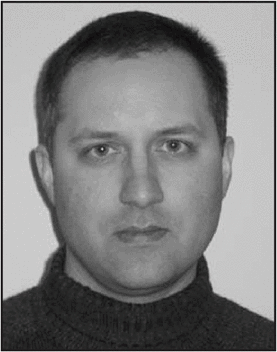 Andrei L. Turinsky合作论文数26
 Marta Girdea合作论文数24
 Arun K Ramani合作论文数Hosp Sick Children, Ctr Computat Med, Toronto, ON, Canada23
 Kym Boycott合作论文数Department of Pediatrics, University of Ottawa;Children's Hospital of Eastern Ontario Research Institute, University of Ottawa23
 Orion J. Buske合作论文数University of Washington, University of Toronto23
 Rosanna Weksberg合作论文数Department of Molecular Genetics, Temerty Faculty of Medicine, University of Toronto;Division of Clinical and Metabolic Genetics, The Hospital for Sick Children18
 Peter Robinson合作论文数The Jackson Laboratory for Genomic Medicine;Institute for Human and Medical Genetics, Charité - Universitätsmedizin Berlin;Berlin Institute of Health16
 Christian Marshall合作论文数Division of Genome Diagnostics, Department of Pediatric Laboratory Medicine, The Hospital for Sick Children;Department of Laboratory Medicine & Pathobiology, Temerty Faculty of Medicine, University of Toronto;SickKids Genome Clinic14
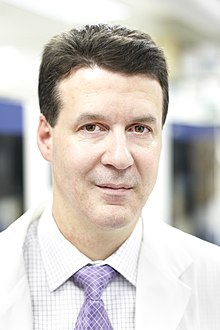 Stephen Scherer合作论文数Department of Molecular Genetics, Temerty Faculty of Medicine, University of Toronto;The Centre for Applied Genomics, The Hospital for Sick Children;Institute of Medical Science, University of Toronto;The McLaughlin Centre, Faculty of Medicine, University of Toronto14
 Marc Fiume合作论文数13
 Dimitri James Stavropoulos合作论文数Department of Laboratory Medicine and Pathobiology, Temerty Faculty of Medicine, University of Toronto12
 Serafim Batzoglou合作论文数Seer;DNAnexus12
 Inna Dubchak合作论文数Lawrence Berkeley National Laboratory12Sanaa Choufani合作论文数12
 Roberto Mendoza-Londono合作论文数University of Toronto;Division of Clinical and Molecular Genetics, Hospital for Sick Children11sergiu dumitriu合作论文数10
 Cynthia Hawkins合作论文数Department of Laboratory Medicine & Pathobiology, Temerty Faculty of Medicine, University of Toronto;The Hospital for Sick Children10
 David Chitayat合作论文数Department of Laboratory Medicine and Pathobiology, Temerty Faculty of Medicine, University of Toronto;Mount Sinai Hospital10Cheryl Cytrynbaum合作论文数10
 Taila Hartley合作论文数Children's Hospital of Eastern Ontario Research Institute;Care4Rare Canada9Misko Dzamba合作论文数9
 Melissa Haendel合作论文数Zebrafish Information Network;University of Oregon;Zebrafish Information Network, University of Oregon9
 M. Stephen Meyn合作论文数Department of Pediatrics, School of Medicine and Public Health, University of Wisconsin9
 Anna Goldenberg合作论文数Department of Computer Science, University of Toronto;The Hospital for Sick Children;SickKids Research Institute;Vector Institute9
 Mia Husic合作论文数8
 Cornelius F. Boerkoel合作论文数Department of Medical Genetics, Faculty of Medicine, The University of British Columbia8
 Ronald Cohn合作论文数The Cohn Laboratory, The Hospital for Sick Children;Division of Clinical and Metabolic Genetics, The Hospital for Sick Children;University of Toronto8
 Arend Sidow合作论文数Departments of Pathology, School of Medicine, Stanford University;Departments of Genetics, School of Medicine, Stanford University8Aryan Arbabi合作论文数8Tudor Groza合作论文数Digital Enterprise Research Institute (DERI) Galway8
 Nicole Sultanum合作论文数University of Calgary8
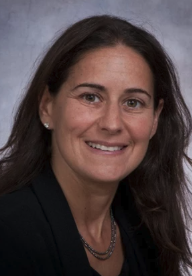 Robin Hayeems合作论文数Institute of Health Policy, Management and Evaluation, Dalla Lana School of Public Health, University of Toronto;The Hospital for Sick Children8
 Gareth Baynam合作论文数7
 Chris Mungall合作论文数Biosystems Data Science Department, Environmental Genomics and Systems Biology Division, Lawrence Berkeley National Laboratory;Berkeley Institute for Data Science7
 Siddaway Robert合作论文数Hospital for Sick Children, Arthur and Sonia Labatt Brain Tumor Research Centre7
 Jixuan Wang合作论文数University of Toronto;Vector Institute7
 Carl Virtanen合作论文数Chugai Pharmaceuticals c/o Proliferation Signal Division, University of Tokyo7
 Michael Glueck合作论文数Ontario Tech University;Stealth Mode Startup7Daria Grafodatskaya合作论文数7Sarah C Bowdin合作论文数7Stephen M. Rumble合作论文数Computer Science Department, Stanford University7
 Helen V. Firth合作论文数Wellcome Sanger Institute;School of Clinical Medicine, University of Cambridge7
 Fanny Chevalier合作论文数Department of Statistical Sciences, Faculty or Arts and Science, University of Toronto;Inria7Dorin Manase合作论文数6Pouria Mashouri合作论文数Centre for Computational Medicine, The Hospital for Sick Children6
 Mamatha Bhat合作论文数Banting & Best Diabetes Centre, Temerty Faculty of Medicine, University of Toronto;Toronto General Hospital Research Institute, University Health Network6
 Ada Hamosh合作论文数Department of Otolaryngology-Head and Neck Surgery, School of Medicine, Johns Hopkins University6Dyke Stephanie Om合作论文数6Dawkins Hugh Js合作论文数6




