Background: Pediatric spinal cord tumors (PSCTs) account for 1–10% of all tumors of the central nervous system in children. These tumors present challenging pathology owing to their non-specific symptoms, presentation, and lack of epidemiological data, particularly from South Asia. This study aims to describe clinical presentations, histopathological diagnosis, and treatment outcomes in Pediatric spinal cord tumors across 3 tertiary hospitals in Pakistan. Methods: We conducted a retrospective multicenter study of pediatric patients (≤ 21 years) diagnosed with spinal cord tumors between January 2010 and December 2024 at three tertiary care centers. Clinical, radiological, surgical, and histopathological data were collected. Outcomes included treatment patterns, complications, relapse, and survival. Statistical analyses included comparative testing and Kaplan–Meier survival analysis. Results: A total of 79 patients were included, with a median age of 13 years (IQR, 8.5–15.0) and a male predominance (57.0%). The most common presenting symptom was limb weakness (60.8%), followed by backache (49.4%); 70.9% of patients reported multiple symptoms. Thoracic tumors were most frequent (29.1%). Ewing sarcoma (25.3%) and low-grade glioma (20.3%) were the most common histopathological diagnoses, while 56.1% of tumors were primary spinal cord tumors. Surgery was performed in 62% of patients, with gross total resection achieved in 65.3% of surgical cases. During a median follow-up of 9.1 months, 22.8% of patients experienced relapse and 11.4% died. Survival trends favored gross total resection, although this did not reach statistical significance (p = 0.081). Limb weakness was significantly associated with tumor level (p = 0.004), and symptom duration was longer in older age groups (p = 0.033). Conclusions: Pediatric spinal cord tumors in this cohort demonstrated heterogeneous presentations with a high burden of neurological symptoms at diagnosis. Surgical resection remains the mainstay of treatment, and delayed presentation, particularly in older children, highlights the need for earlier recognition and improved diagnostic pathways.
Primary spinal cord tumors (PSCTs) are rare in children, accounting for 2–4
Vein of Galen aneurysmal malformations (VGAMs) represent the very epitome of challenge in pediatric neurosurgery. Despite the widespread acceptance of embolization for its treatment, due to the rarity of disease occurrence, its long-term outcomes and impact on the quality of life is not well-established. The study evaluates the long-term clinical outcomes and quality of life in patients undergoing endovascular embolization for VGAMs. This is a retrospective review on a cohort of patients with VGAM who underwent endovascular embolization at our center between 2000 and 2022. Patients having aneurysm without true malformation, having dural/pial arteriovenous fistulas, who underwent any cycle of angioembolization from another center, or loss to follow-up were excluded. King’s Outcome Scale for Childhood Injury (KOSCHI)/Extended Glasgow Outcome Score (GOSE) was used to evaluate the long-term neurological outcomes. Patients were classified into three groups: good outcome (KOSCHI = 5-4b), poor outcome (KOSCHI = 4a-2), and deceased. Eight items from the Rivermead Post-concussion Symptoms Questionnaire were used to evaluate the quality of life. Twelve patients with VGAM underwent angioembolization. The majority were children (66.7
PURPOSE Constitutional mismatch repair deficiency (CMMRD) is a genetic cancer predisposition syndrome among children and young adults. This study aimed to evaluate the frequency of CMMRD among patients with pediatric high-grade glioma (pHGG) in a single tertiary care center in Pakistan, a country with high consanguinity rates. PATIENTS AND METHODS We reviewed the data of patients age <18 years with pHGG, anaplastic astrocytoma, and diffuse midline glioma (DMG) with CMMRD testing between 2016 and 2023. CMMRD testing was done using the Aronson et al criteria. A few patients were sent to Sick Kids, Toronto, to review the mismatch repair protein stains via multigene panels. RESULTS Forty-seven patients were identified, with a median age of 11 years (IQR, 8-16). Headache (89.4%) was the most common symptom. Thirty-seven patients had hemispheric tumors; 12.8% and 8.5% had posterior fossa and midline tumors, respectively. Histopathology revealed 70.2% glioblastoma, 23.4% anaplastic astrocytoma, and 6.4% DMG. CMMRD was positive in 15 of 47 patients (31.9%). Eight patients had loss of PMS2 . Three had loss of PMS2 and MLH1 ; two had loss of MSH6 , one had loss of MSH6 and MSH2 , and only one patient had loss of MSH2 . Consanguinity and family history of malignancy correlated with CMMRD ( P = .009, P = .031, respectively). Two-year overall survival of all patients was 23.4% (median follow-up, 0.59 years [95% CI, 0.000 to 1.171]). Two-year overall survival of mismatch repair deficiency–positive patients was 20% (median follow-up, 0.910 years [95 CI, 0.380 to 1.440]). CONCLUSION We found a high frequency of CMMRD among patients with pHGG, particularly with positive consanguinity. Our study highlights the significance of genetic testing and surveillance. It is essential to develop low and middle income country-tailored protocols due to limited access and financial constraints associated with using immune checkpoint inhibitors.
ABSTRACTIntroductionMedulloblastoma (MB) is the most common malignant childhood brain tumor. Molecular subgrouping of MB has become a major determinant of management in high‐income countries. Subgrouping is still very limited in low‐ and middle‐income countries (LMICs), and its relevance to management with the incorporation of risk stratification (low risk, standard risk, high risk, and very high risk) has yet to be evaluated in this setting. We describe molecular findings from a tertiary care center in Pakistan and their implications for outcome.MethodsChildren aged between 3 and 18 years diagnosed with MB from April 2014 to December 2020 at Aga Khan University Hospital (AKUH) were included. Subgrouping was performed by NanoString through a collaboration with The Hospital for Sick Children, Toronto.ResultsThirty‐seven patients (30 males) were included in this study; median age was 9 years. Twenty patients (54.1%) were high‐risk, including 12 with metastatic disease. In 30 children, there was a clear molecular subgroup: 4 wingless (WNT) (10.8%), 6 sonic hedgehog (SHH) (16.2%), 3 Group 3 (8.1%), and 17 Group 4 (45.9%) MBs. Molecular subgrouping was inconclusive for three patients (8.1%) and not done in four patients (10.8%). All patients underwent surgery; 26 patients received radiation therapy at AKUH, and 9 were referred outside for radiotherapy; 24 patients received chemotherapy at AKUH (10 outside AKUH). Overall survival (OS) at 5 years was 100%, 66.7%, 66.7%, and 88.2% for WNT, SHH, Group 3, and Group 4 patients, respectively (p = 0.668). Low‐ and standard‐risk patients had a 5‐year OS of 100%, whereas very high‐risk patients exhibited a significantly lower OS of 0% (p < 0.001).ConclusionWNT and Group 4 patients had excellent results despite one WNT patient having metastatic disease and eight Group 4 patients being high risk. Our study depicts that molecular subgrouping aids in accurately predicting survival, suggesting the potential benefit of tailored testing and treatment in the LMIC setting.
The management of medulloblastoma, a pediatric brain tumor, has evolved significantly with the advent of genomic subgrouping, yet morbidity and mortality remain high in LMICs like Pakistan due to inadequate multidisciplinary care infrastructure. This paper aims to establish evidence -based guidelines tailored to the constraints of such countries. An expert panel comprising neuro-oncologists, neurosurgeons, radiologists, radiation oncologists, neuropathologists, and pediatricians collaborated to develop these guidelines, considering the specific challenges of pediatric brain tumor care in Pakistan. The recommendations cover various aspects of medulloblastoma treatment, including pre-surgical workup, neurosurgery, neuropathology, chemotherapy, radiation therapy, and supportive care. They offer both minimum required and additional optional protocols for more advanced centers, ensuring comprehensive patient management with attention to complications and complexities encountered in Pakistan. The paper's consensus guidelines strive for uniformity in healthcare delivery and address significant gaps in diagnosis, treatment, and follow-up of pediatric medulloblastoma patients.
The aim of this study was to determine the impact of helmet therapy (HT) as a treatment for craniosynostosis, with a focus on the outcomes of skull morphology, reoperation rate, complications of HT, and quality of life of patients who receive it. A systematic literature review was conducted following the Preferred Reporting Items for Systematic Reviews and Meta-Analyses (PRISMA) guidelines. The review utilized the PICO format: Does HT following strip craniectomy (SC) improve outcomes (outcome) compared to SC alone (comparison) in patients undergoing craniosynostosis correction (intervention)? Searches were performed from January 1, 2000 to December 31, 2022, using PubMed, Cochrane Library, and Ovid Medline databases. Study quality was evaluated using the National Heart, Lung, and Blood Institute (NHLBI) quality assessment scale. Fourteen studies meeting the inclusion criteria were identified. Among these, 438 patients underwent SC-HT, while 104 patients underwent SC without HT. The preoperative cephalic indices for sagittal craniosynostosis in the HT and non-HT groups were 66.8 and 67.8, respectively, which improved postoperatively to 75 and 76.2, respectively. Limited long-term follow-up hindered a definitive assessment of reoperation rates. Complication rates related to HT were low at approximately 2.9%, primarily consisting of skin irritation. Parental satisfaction was high, correlating with a strong compliance rate. Existing literature does not demonstrate a clear superiority between SC with or without HT for treating nonsyndromic sagittal craniosynostosis. Outcomes appear comparable, but evidence is constrained by the predominance of single-center retrospective studies with limited methodological rigor. There is a pressing need for international multicenter trials to furnish more robust and generalizable findings.
Abstract BACKGROUND Brainstem tumors account for 10-15% of all pediatric central nervous system tumors and carry a dismal prognosis. These include a wide spectrum of histological diagnosis therefore, in most specialized centers stereotactic biopsies for brainstem tumors are considered safe and standard practice. However, this approach continues to pose a challenge in LMIC’s. METHODS We retrospectively reviewed data of patients presenting with brainstem tumors at Aga Khan University Hospital, Pakistan, between 2014 and 2023. In addition to histopathological analysis, whole-genome sequencing and RNA sequencing were also performed on 6 tumors. RESULTS We identified 39 patients with brainstem tumors; amongst these 56.4% were females. Median age at diagnosis was 9 years (IQR: 5.1-11). Most cases presented with walking difficulty (74%) and cranial nerve palsies (46%). Median duration of symptoms was 30 days (IQR: 20-60). On imaging large proportion were intrinsic pontine tumors (53.8%) followed by brainstem (30.8%) and cerebellopontine angle (15.4%). 21 patients underwent stereotactic biopsy with 86% performed after 2016. 43% were intrinsic pontine tumors. Histopathology analysis showed a wide spectrum with diffuse midline glioma in 28% of cases, pilocytic astrocytoma, anaplastic astrocytoma and ganglioglioma in 33%, 14% and 9% of cases respectively. Rare entities identified included embryonal tumor with multilayered rosettes, atypical teratoid rhabdoid tumor and schwannoma (5%). Biopsies were uneventful in 81% of cases. Complication of biopsy in 2 patients included cranial nerve palsy and subdural hemorrhage. No patient died due to complications of biopsy. Surgical and medical management was altered in 9 patients due to availability of histological diagnosis. CONCLUSIONS We present the first study demonstrating safety and feasibility of stereotactic biopsy for brainstem tumors in LMIC. These biopsies should be considered for atypical brainstem tumors and should be performed in well-equipped tertiary neurosurgical facilities by trained neurosurgeons in LMIC.
IntroductionInitiated in June 2019, this collaborative effort involved 15 public and private sector hospitals in Pakistan. The primary objective was to enhance the capacity for pediatric neuro-oncology (PNO) care, supported by a My Child Matters/Foundation S grant.MethodsWe aimed to establish and operate Multidisciplinary Tumor Boards (MTBs) on a national scale, covering 76% of the population (185.7 million people). In response to the COVID-19 pandemic, MTBs transitioned to videoconferencing. Fifteen hospitals with essential infrastructure participated, holding monthly sessions addressing diagnostic and treatment challenges. Patient cases were anonymized for confidentiality. Educational initiatives, originally planned as in-person events, shifted to a virtual format, enabling continued implementation and collaboration despite pandemic constraints.ResultsA total of 124 meetings were conducted, addressing 545 cases. To augment knowledge, awareness, and expertise, over 40 longitudinal lectures were organized for healthcare professionals engaged in PNO care. Additionally, two symposia with international collaborators and keynote speakers were also held to raise national awareness. The project achieved significant milestones, including the development of standardized national treatment protocols for low-grade glioma, medulloblastoma, and high-grade glioma. Further protocols are currently under development. Notably, Pakistan's first pediatric neuro-oncology fellowship program was launched, producing two graduates and increasing the number of trained pediatric neuro-oncologists in the country to three.DiscussionThe initiative exemplifies the potential for capacity building in PNO within low-middle income countries. Success is attributed to intra-national twinning programs, emphasizing collaborative efforts. Efforts are underway to establish a national case registry for PNO, ensuring a comprehensive and organized approach to monitoring and managing cases. This collaborative initiative, supported by the My Child Matters/Foundation S grant, showcases the success of capacity building in pediatric neuro-oncology in low-middle income countries. The establishment of treatment protocols, fellowship programs, and regional tumor boards highlights the potential for sustainable improvements in PNO care.
Individuals with 21 trisomy or Down syndrome (DS) are known to have an increased risk of acute leukemia, while they rarely develop solid or central nervous system (CNS) tumors. Atypical teratoid rhabdoid tumor (ATRT) is a highly aggressive CNS-WHO grade 4 neoplasm, which has never been reported in association with Down syndrome. We present a case study of a 14-year-old female with Down syndrome, diagnosed with intradural-extramedullary spinal ATRT. The chief complaints included bilateral lower limb weakness, constipation, and urinary incontinence for 2 weeks. Surgery was scheduled, and a biopsy was taken. The histopathology, immunohistochemistry, and molecular analysis confirmed the diagnosis of the ATRT-MYC/group 2B subgroup. This report highlights the challenges of managing a patient with complex medical conditions. Moreover, it adds to the existing literature on CNS tumors in patients with Down syndrome.
Abstract Objective Despite quality of life (QoL) being recognized as an important outcome in neuro-oncology, there is a lack of research from Pakistan where sociocultural differences may influence QoL. This study aimed to measure the QoL in patients with primary brain tumors (PBTs) and assess its association with mental health outcomes and social support. Results Our study included a total of 250 patients, with a median age of 42 years (range 33–54 years). The commonest brain tumors were glioma (46.8%) and meningioma (21.2). The mean global QoL of the sample was 75.73 ± 14.9. The majority of patients had high social support (97.6%) and were not depressed (90%) or anxious (91.6%). On multivariable linear regression, global QoL was inversely associated with no or low income (beta coefficients: −8.75 to −11.84), having hypertension (−5.53), currently using a urine catheter (−13.55), having low social support (−28.16) suffering from mild (−15.31) or symptomatic (−23.84) depression, or mild anxiety (−13.22).
IntroductionBrain tumor is a devastating and often fatal diagnosis; quality of life and patient well-being are important goals of treatment. This study addresses the gap in culture-specific literature exploring the needs and coping strategies of brain tumor patients within an LMIC setting.MethodologyA qualitative approach was undertaken using an exploratory descriptive study design. In-depth interviews were conducted to capture the perspective of 250 brain tumor patients at a private tertiary center followed by extensive content analysis to identify major themes and sub-themes across responses.ResultsThe analysis identified three major themes: (i) Factors affecting the lives of brain tumor survivors (BTSs) and their impact (ii) What works to improve QoL according to the survivors’ perspectives, and (iii) Coping tactics & fostering healthy relationships. The need for financial navigation strategies improved patient-physician relationships, and reinforcing positive coping strategies were emphasized.ConclusionIn our population, family support and spiritual connection played an important role in helping patients mitigate the psychosocial burden of illness. However, financial concerns were pervasive and need to be addressed for better overall well-being.
BACKGROUND:Low- and middle-income countries sustain the majority of pediatric cancer burden, with significantly poorer survival rates compared to high-income countries. Collaboration between institutions in low- and middle-income countries and high-income countries is one of the ways to improve cancer outcomes. METHODS:Patient characteristics and effects of a pediatric neuro-oncology twinning program between the Hospital for Sick Children in Toronto, Canada and several hospitals in Karachi, Pakistan over 7 years are described in this article. RESULTS:A total of 460 patients were included in the study. The most common primary central nervous system tumors were low-grade gliomas (26.7%), followed by medulloblastomas (18%), high-grade gliomas (15%), ependymomas (11%), and craniopharyngiomas (11.7%). Changes to the proposed management plans were made in consultation with expert physicians from the Hospital for Sick Children in Toronto, Canada. On average, 24% of the discussed cases required a change in the original management plan over the course of the twinning program. However, a decreasing trend in change in management plans was observed, from 36% during the first 3.5 years to 16% in the last 3 years. This program also led to the launch of a national pediatric neuro-oncology telemedicine program in Pakistan. CONCLUSIONS:Multidisciplinary and collaborative efforts by experts from across the world have aided in the correct diagnosis and treatment of children with brain tumors and helped establish local treatment protocols. This experience may be a model for other low- and middle-income countries that are planning on creating similar programs.
With other life-altering changes, Covid-19 pandemic has brought a mental health crisis upon the global community. Untreated psychological disturbances can lead to tragic outcomes such as suicide. Currently, the most feasible way to know the true burden of Covid-related suicides is through media reports. However, the standards of media-reported suicide cases and their compliance to WHO checklist of suicide reporting in Pakistan, India, and Bangladesh are concerning. The question that arises here is if we can truly rely on the media reporting system of these countries to establish exposure-causality relationship. We’ve attempted to gather the evidence of reporting sources of Covid-related suicide cases in Pakistan, India, and Bangladesh. We’ve conducted a systematic review in accordance with the PRISMA guidelines to identify the media-reported cases of COVID-related suicides. After compilation of the results, it was observed that most of the reported cases were from India (74.2%) whereas males died of suicide more often than females. When risk of bias was assessed using Pierson’s method, it was observed that 70% of the studies had high risk of bias. We’ve attempted to gather the evidence of reporting sources of Covid-related suicide cases in Pakistan, India, and Bangladesh and found that nearly all media reports hadn’t followed the WHO reporting guidelines for suicide cases. This could lead to a false sense of panic among the general population.
Introduction Despite quality of life (QoL) being recognized as an important outcome in neuro-oncology, there is a lack of research from Pakistan where sociocultural differences may influence QoL. This study aimed to measure the QoL in patients with primary brain tumors (PBTs), and assess its association with mental health outcomes, resilience, and social support. Methods A cross-sectional survey was conducted among primary brain tumor patients. QoL was measured using European Organization for Research and Treatment of Cancer Quality of Life Questionnaire. Resilience was assessed by Wagnild and Young's Resilience Scale, mental health outcomes using Hospital Anxiety and Depression Scale, and social support using the Enriched Social Support Instrument. Results Our study included a total of 250 patients, with median age of 42 years (range 33-54 years). The mean global QoL of the sample was 75.73 ± 14.9. On multivariable linear regression, global QoL was inversely associated with no or low income, having hypertension (-5.77), currently using a urine catheter (-15.33), having low social support (-28.16) suffering from mild (-9.88) or symptomatic (-17.59) depression, or mild anxiety (-7.11), while resilience (0.28) demonstrated a significant positive association. Conclusion The quality of life of patients with primary brain tumors in Pakistan is a function of clinical factors such as comorbid disease and use of a urinary catheter, social factors such a family income and social support, and psychological factors such as mental illness and resilience. Our findings may be of use in the development of QoL-improving interventions within the sociocultural setting of Pakistan.
Introduction This study translated and validated the Urdu version of the European Organization for Research and Treatment of Cancer Quality of Life (QoL) Questionnaire (EORTC QLQ-C30) and Brain Module (QLQ-BN20) amongst patients with primary brain tumors (PBT) in Pakistan, and assessed the correlation of QoL with resilience, depression, and anxiety. Methods Translation of the EORTC QLQ-C30 and QLQ-BN20 was performed as per EORTC guidelines. A survey comprising of Urdu translations of EORTC QLQ-C30, QLQ-BN20, Wagnild and Young Resilience Scale (RS-14) and Hospital Anxiety and Depression Scale was administered to patients with PBT at a tertiary care hospital in Pakistan. Reliability (via Cronbach alpha), content validity index (CVI) scores, construct validity, and inter-scale correlations were assessed. Results Our sample consisted of 250 patients with PBT, most commonly glioma (46.8%) and meningioma (21.2%). All patients were able to understand the Urdu translations. The Cronbach alphas for the QLQ-C30 and the QLQ-BN20 were 0.860 and 0.880, respectively. The CVI scores for clarity and relevance were high for both the EORTC QLQ-C30 (0.98 and 0.96, respectively) and the QLQ-BN20 tool (0.81 and 0.95, respectively). The global QoL domain (EORTC QLQ-C30) showed significant positive correlations with resilience (r = 0.422), and significant negative correlations with depression (r = − 0.541) and anxiety (r = − 0.502). Strong inter-scale correlations were observed between physical functioning and insomnia (r = − 0.690) and role functioning and insomnia (r = − 0.641). Conclusion Our study confirms the Urdu versions of the EORTC QLQ-C30 and QLQ-BN20 as valid clinical tools for the measurement of QoL in primary brain tumors patients within the cultural and socioeconomic context of Pakistan.
Objectives This study assessed resilience in brain tumor patients at a tertiary care hospital in Pakistan (a lower middle-income country; LMIC) and explored its relationship with patients' sociodemographic factors, clinical characteristics, social support, and mental health. Methods A cross-sectional survey was conducted amongst adult (>= 18 years) patients with brain tumor at the Aga Khan University Hospital, Pakistan. Resilience was assessed by Wagnild and Young's Resilience Scale, and patients' psychosocial characteristics by the Hospital Anxiety and Depression Scale and the Enriched Social Support Instrument. Results A total of 250 patients were included (mean age: 44 years; 68% males), with majority (97.6%) having high social support and only 4.4% and 2% having symptomatic depression and anxiety, respectively. On multivariable linear regression adjusted for covariates, lower resilience was associated with not being involved in household decision-making (Adjusted Beta Coefficient: 4.58 [95% Confidence Interval:-7.59, -1.56]), not currently working (-2.80 [-4.61, -0.99]), undergoing multiple neurosurgical interventions such as tumor biopsies or resections (-8.64 [-13.11, -4.16]), receiving chemotherapy (-5.17 [-9.51, -0.83]) or combination adjuvant therapy (-2.91 [-5.14, -0.67]), low social support (-7.77 [-13.73, 1.81]), mild depression (-13.00 [-17.00,-8.99]) or symptomatic depression (-19.79 [-24.69, -14.89]), and mild anxiety (-4.24 [-7.98, -0.50]). Conclusion Our study highlights the function of familial/household role and working status in mediating resilience, and demonstrates the well-known protective effect of resilience for mental health in brain tumor patients in Pakistan, a South-Asian LMIC. These findings are of clinical relevance with regards to the development of culture-specific evidence-based resilience-building interventions that may help patients with brain tumors to cope with the psychological distress of cancer.
 Syed Ijlal Ahmed合作论文数Saint Louis University14
 Mushtaq Naureen合作论文数11
 Syed Ather Enam合作论文数Department of Surgery, Aga Khan University Hospital11Syeda Sana Samar合作论文数10Khurram Minhas合作论文数Department of Pathology, Aga Khan University Hospital10Ehsan Bari合作论文数9
 Syeda Beenish Bareeqa合作论文数Jinnah Medical and Dental College9
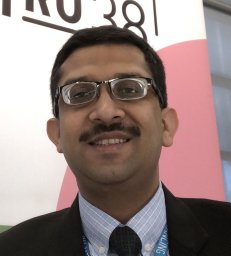 Qureshi Bilal Mazhar合作论文数Dept. of Oncology, Aga Khan University9
 Eric Bouffet合作论文数Department of Paediatrics, University of Toronto;Division of Haematology/Oncology, Hospital for Sick Children9
 Muhammad Waqas合作论文数7Altaf Ali Laghari合作论文数7
 Shamim Muhammad Shahzad合作论文数Aga Khan University Hospital6
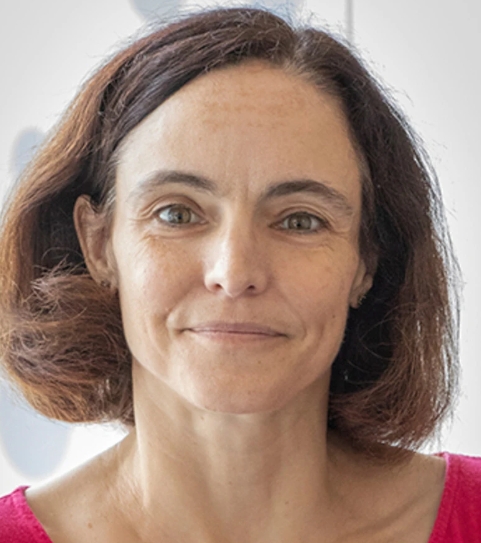 Cynthia Hawkins合作论文数Department of Laboratory Medicine & Pathobiology, Temerty Faculty of Medicine, University of Toronto;The Hospital for Sick Children6Farrah Bashir合作论文数5
 Wajeeha Zahid合作论文数5Rashid Jooma Khan合作论文数5Syed Ahmer Hamid合作论文数5
 Badar Ujjan合作论文数5
 Shireen Shehzad Bhamani合作论文数5
 Nida Zahid合作论文数5
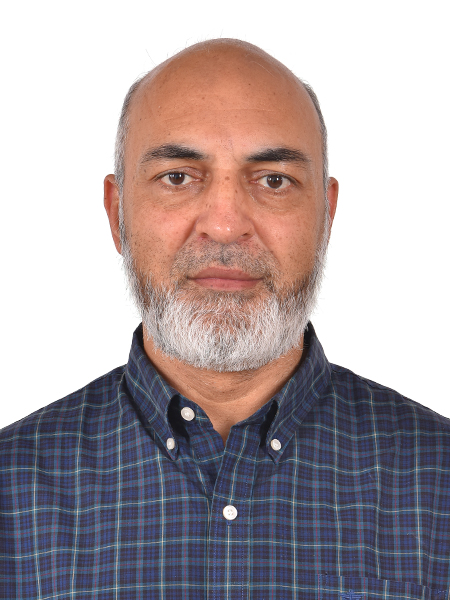 Khabir Ahmad合作论文数Department of Surgery, Medical College, Pakistan, The Aga Khan University5
 Iqbal Azam合作论文数5
 Adnan Abdul Jabbar合作论文数Department of Hematology and Medical Oncology, Emory University School of Medicine5Syed Hasham Humayun合作论文数4Shahzadi Resham合作论文数4
 Russell Seth Martins合作论文数Aga Khan University4
 Fatima Mubarak合作论文数Dept Radiol, Aga Khan Univ4Najma Shaheen合作论文数4
 Tahir Muhammad Zubair合作论文数Department of Neurosurgery, Aga Khan University4
 Kashif Aziz合作论文数4Nargis Asad合作论文数4
 Syed A Quadri合作论文数3Aneesa Hassan合作论文数3Fatima Mustansir合作论文数3
 Salman Kirmani合作论文数Div Women & Child Hlth, Aga Khan Univ3
 Uri Tabori合作论文数Department of Medical Biophysics, Temerty Faculty of Medicine, University of Toronto3
 Khan Saad Akhtar合作论文数Department of Surgery, Aga Khan University Hospital3
 Vijay Ramaswamy合作论文数Department of Medical Biophysics, Temerty Faculty of Medicine, University of Toronto3
 Hilal Kiran合作论文数3
 Ghafoor Tariq合作论文数3
 Anwarul Haque合作论文数Silsoe College, Cranfield University3Usman T Siddiqui合作论文数2Uzma Imam合作论文数2
 Noor Malik合作论文数2
 Anirban Das合作论文数2
 Muhammad Faisal Riaz合作论文数2
 Ata Maaz合作论文数2
 Karim Rizwan Nathani合作论文数Div Women & Child Hlth, Aga Khan Univ2
 Aneela Darbar合作论文数2




