We recovered and characterized four bacterial MAGs from two Brazilian sugarcane biorefineries, with the aim of investigating the microbial environment during fuel ethanol production. MAGs belonged to Lactobacillus amylovorus and Limosilactobacillus fermentum, both known lactic acid bacterial contaminants. Genomic analyses revealed key functional traits but no resistance or virulence genes.
The dynamics and impact of microbial contaminants in industrial sugarcane bioethanol production in Brazil were investigated through a two-year metagenomic study across two biorefineries. Shotgun metagenomic sequencing revealed that temporal shifts in the contaminant microbiome dynamics within production seasons were more pronounced than inter-annual or inter-mill variations. While Saccharomyces spp. dominated, bacterial communities, primarily within the Firmicutes phylum and dominated by the genera Lactobacillus , Limosilactobacillus , and Bacillus , exhibited dynamic changes. Correlation analyses with industrial process parameters revealed a complex interplay: lower Lactobacillus levels in one mill were associated with increased ethanol yield, whereas higher levels in another mill correlated with reduced yeast viability and increased flocculation. The presence of Limosilactobacillus was linked to decreased yeast viability, whereas Bacillus showed potential for inhibiting both Lactobacillus and Limosilactobacillus . These findings highlight the nuanced and species-specific impacts of bacterial contaminants on bioethanol production, underscoring the need for strain-level functional studies and targeted interventions to optimize fermentation efficiency and stability in industrial settings.
The production of fuel ethanol in sugarcane biorefineries is a nonaseptic industrial operation, which employs cell recycling and the use of adapted Saccharomyces cerevisiae strains. Microbial contaminants are present and, depending on the conditions, may lead to process performance deterioration. Past studies have identified the main microbial species present in this environment, using culture-dependent techniques. A few recent studies started to deploy culture-independent techniques to better understand this microbiota and its dynamics. In both cases, lactic acid bacteria have been identified as the main contaminating microorganisms. Less than a handful of reports are available on the interactions between yeast and contaminating bacteria, using synthetic microbial communities, proposing that interactions are not necessarily always detrimental. The present mini-review aims at systematizing the current knowledge on the microbiota present in the alcoholic fermentation environment in sugarcane biorefineries and setting the ground and claiming the need for a microbial ecology perspective to be applied to this system, which in turn might lead to future process improvements.
In scenarios where yeast and bacterial cells coexist, it is of interest to simultaneously quantify the concentrations of both cell types, since traditional methods used to determine these concentrations individually take more time and resources. Here, we compared different methods for quantifying the fuel ethanol Saccharomyces cerevisiae PE-2 yeast strain and cells from the probiotic Lactiplantibacillus plantarum strain in microbial suspensions. Individual suspensions were prepared, mixed in 1:1 or 100:1 yeast-to-bacteria ratios, covering the range typically encountered in sugarcane biorefineries, and analyzed using bright field microscopy, manual and automatic Spread-plate and Drop-plate counting, flow cytometry (at 1:1 and 100:1 ratios), and a Coulter Counter (at 1:1 and 100:1 ratios). We observed that for yeast cell counts in the mixture (1:1 and 100:1 ratios), flow cytometry, the Coulter Counter, and both Spread-plate options (manual and automatic CFU counting) yielded statistically similar results, while the Drop-plate and microscopy-based methods gave statistically different results. For bacterial cell quantification, the microscopy-based method, Drop-plate, and both Spread-plate plating options and flow cytometry (1:1 ratio) produced no significantly different results (p > .05). In contrast, the Coulter Counter (1:1 ratio) and flow cytometry (100:1 ratio) presented results statistically different (p < .05). Additionally, quantifying bacterial cells in a mixed suspension at a 100:1 ratio wasn't possible due to an overlap between yeast cell debris and bacterial cells. We conclude that each method has limitations, advantages, and disadvantages.
Background Stress-tolerant yeasts are highly desirable for cost-effective bioprocessing. Several strategies have been documented to develop robust yeasts, such as genetic and metabolic engineering, artificial selection, and natural selection strategies, among others. However, the significant drawbacks of such techniques have motivated the exploration of naturally occurring stress-tolerant yeasts. We previously explored the biodiversity of non-conventional dung beetle-associated yeasts from extremophilic and pristine environments in Botswana (Nwaefuna AE et.al., Yeast, 2023). Here, we assessed their tolerance to industrially relevant stressors individually, such as elevated concentrations of osmolytes, organic acids, ethanol, and oxidizing agents, as well as elevated temperatures. Results Our findings suggest that these dung beetle-associated yeasts tolerate various stresses comparable to those of the robust bioethanol yeast strain, Saccharomyces cerevisiae (Ethanol Red™). Fifty-six percent of the yeast isolates were tolerant of temperatures up to 42 °C, 12.4% of them could tolerate ethanol concentrations up to 9% (v/v), 43.2% of them were tolerant to formic acid concentrations up to 20 mM, 22.7% were tolerant to acetic acid concentrations up to 45 mM, 34.0% of them could tolerate hydrogen peroxide up to 7 mM, and 44.3% of the yeasts could tolerate osmotic stress up to 1.5 M. Conclusion The ability to tolerate multiple stresses is a desirable trait in the selection of novel production strains for diverse biotechnological applications, such as bioethanol production. Our study shows that the exploration of natural diversity in the search for stress-tolerant yeasts is an appealing approach for the development of robust yeasts.
Both the identity and the amount of a carbon source present in laboratory or industrial cultivation media have major impacts on the growth and physiology of a microbial species. In the case of the yeast Saccharomyces cerevisiae , sucrose is arguably the most important sugar used in industrial biotechnology, whereas glucose is the most common carbon and energy source used in research, with many well-known and described regulatory effects, e.g. glucose repression. Here we compared the label-free proteomes of exponentially growing S. cerevisiae cells in a defined medium containing either sucrose or glucose as the sole carbon source. For this purpose, bioreactor cultivations were employed, and three different strains were investigated, namely: CEN.PK113-7D (a common laboratory strain), UFMG-CM-Y259 (a wild isolate), and JP1 (an industrial bioethanol strain). These strains present different physiologies during growth on sucrose; some of them reach higher specific growth rates on this carbon source, when compared to growth on glucose, whereas others display the opposite behavior. It was not possible to identify proteins that commonly presented either higher or lower levels during growth on sucrose, when compared to growth on glucose, considering the three strains investigated here, except for one protein, named Mnp1—a mitochondrial ribosomal protein of the large subunit, which had higher levels on sucrose than on glucose, for all three strains. Interestingly, following a Gene Ontology overrepresentation and KEGG pathway enrichment analyses, an inverse pattern of enriched biological functions and pathways was observed for the strains CEN.PK113-7D and UFMG-CM-Y259, which is in line with the fact that whereas the CEN.PK113-7D strain grows faster on glucose than on sucrose, the opposite is observed for the UFMG-CM-Y259 strain.
Tropical rainforests and related biomes are found in Asia, Australia, Africa, Central and South America, Mexico, and many Pacific Islands. These biomes encompass less than 20% of Earth's terrestrial area, may contain about 50% of the planet's biodiversity, and are endangered regions vulnerable to deforestation. Tropical rainforests have a great diversity of substrates that can be colonized by yeasts. These unicellular fungi contribute to the recycling of organic matter, may serve as a food source for other organisms, or have ecological interactions that benefit or harm plants, animals, and other fungi. In this review, we summarize the most important studies of yeast biodiversity carried out in these biomes, as well as new data, and discuss the ecology of yeast genera frequently isolated from tropical forests and the potential of these microorganisms as a source of bioinnovation. We show that tropical forest biomes represent a tremendous source of new yeast species. Although many studies, most using culture-dependent methods, have already been carried out in Central America, South America, and Asia, the tropical forest biomes of Africa and Australasia remain an underexplored source of novel yeasts. We hope that this review will encourage new researchers to study yeasts in unexplored tropical forest habitats.
ABSTRACT Background Yeast research in the context of food/beverage production and industrial biotechnology faces a dilemma: to use real industrial media or to use fully defined laboratory media? While the former option might lead to experiments closer to industrial conditions, the latter has the advantage of allowing for reproducibility and comparability of results among different laboratories, as well as being suitable for the investigation of how different individual components affect microbial or process performance. It is undoubtable that the development of a synthetic must a few decades ago led to important advances in wine yeast research. Results We developed a fully defined medium that mimics sugarcane molasses, a frequently used medium in different industrial processes where yeast is cultivated. The medium, named 2SMol, builds upon a previously published semi-defined formulation and is conveniently prepared from some stock solutions: C-source, organic N, inorganic N, organic acids, trace elements, vitamins, Mg+K, and Ca. We validated the 2SMol recipe in a scaled-down sugarcane biorefinery model, comparing the performance of different yeast strains in different real molasses-based media. We also showcase the flexibility of the medium by investigating the effect of nitrogen availability on the ethanol yield during fermentation. Conclusions Here we present in detail the development of a fully defined synthetic molasses medium, and we hope the 2SMol formulation will be valuable to researchers both in academia and industry to obtain new insights and developments in industrial yeast biotechnology.
Fully defined laboratory media have the advantage of allowing for reproducibility and comparability of results among different laboratories, as well as being suitable for the investigation of how different individual components affect microbial or process performance. We developed a fully defined medium that mimics sugarcane molasses, a frequently used medium in different industrial processes where yeast is cultivated. The medium, named 2SMol, builds upon a previously published semi-defined formulation and is conveniently prepared from some stock solutions: C-source, organic N, inorganic N, organic acids, trace elements, vitamins, Mg + K, and Ca. We validated the 2SMol recipe in a scaled-down sugarcane biorefinery model, comparing the physiology of Saccharomyces cerevisiae in different actual molasses-based media. We demonstrate the flexibility of the medium by investigating the effect of nitrogen availability on the ethanol yield during fermentation. Here we present in detail the development of a fully defined synthetic molasses medium and the physiology of yeast strains in this medium compared to industrial molasses. This tailor-made medium was able to satisfactorily reproduce the physiology of S. cerevisiae in industrial molasses. Thus, we hope the 2SMol formulation will be valuable to researchers both in academia and industry to obtain new insights and developments in industrial yeast biotechnology.
The large-scale and nonaseptic fermentation of sugarcane feedstocks into fuel ethanol in biorefineries represents a unique ecological niche, in which the yeast Saccharomyces cerevisiae is the predominant organism. Several factors, such as sugarcane variety, process design, and operating and weather conditions, make each of the ∼400 industrial units currently operating in Brazil a unique ecosystem. Here, we track yeast population dynamics in 2 different biorefineries through 2 production seasons (April to November of 2018 and 2019), using a novel statistical framework on a combination of metagenomic and clonal sequencing data. We find that variation from season to season in 1 biorefinery is small compared to the differences between the 2 units. In 1 biorefinery, all lineages present during the entire production period derive from 1 of the starter strains, while in the other, invading lineages took over the population and displaced the starter strain. However, despite the presence of invading lineages and the nonaseptic nature of the process, all yeast clones we isolated are phylogenetically related to other previously sequenced bioethanol yeast strains, indicating a common origin from this industrial niche. Despite the substantial changes observed in yeast populations through time in each biorefinery, key process indicators remained quite stable through both production seasons, suggesting that the process is robust to the details of these population dynamics.
Ethanolic fermentation is frequently performed under conditions of low nitrogen. In Saccharomyces cerevisiae, nitrogen limitation induces macroautophagy, including the selective removal of mitochondria, also called mitophagy. Previous research showed that blocking mitophagy by deletion of the mitophagy-specific gene ATG32 increased the fermentation performance during the brewing of Ginjo sake. In this study, we tested if a similar strategy could enhance alcoholic fermentation in the context of fuel ethanol production from sugarcane in Brazilian biorefineries. Conditions that mimic the industrial fermentation process indeed induce Atg32-dependent mitophagy in cells of S. cerevisiae PE-2, a strain frequently used in the industry. However, after blocking mitophagy, no significant differences in CO2 production, final ethanol titers, or cell viability were observed after five rounds of ethanol fermentation, cell recycling, and acid treatment, which is commonly performed in sugarcane biorefineries. To test if S. cerevisiae's strain background influenced this outcome, cultivations were carried out in a synthetic medium with strains PE-2, Ethanol Red (industrial), and BY (laboratory) with and without a functional ATG32 gene and under oxic and oxygen restricted conditions. Despite the clear differences in sugar consumption, cell viability, and ethanol titers, among the three strains, we did not observe any significant improvement in fermentation performance related to the blocking of mitophagy. We concluded, with caution, that the results obtained with Ginjo sake yeast were an exception and cannot be extrapolated to other yeast strains and that more research is needed to ascertain the role of autophagic processes during fermentation. IMPORTANCE Bioethanol is the largest (per volume) ever biobased bulk chemical produced globally. The fermentation process is well established, and industries regularly attain nearly 85% of maximum theoretical yields. However, because of the volume of fuel produced, even a small improvement will have huge economic benefits. To this end, besides already implemented process improvements, various free energy conservation strategies have been successfully exploited at least in laboratory strains to increase ethanol yields and decrease byproduct formation. Cellular housekeeping processes have been an almost unexplored territory in strain improvement. It was previously reported that blocking mitophagy by deletion of the mitophagy receptor gene ATG32 in Saccharomyces cerevisiae led to a 2.1% increase in final ethanol titers during Japanese sake fermentation. We found in two commercially used bioethanol strains (PE-2 and Ethanol Red) that ATG32 deficiency does not lead to a significant improvement in cell viability or ethanol levels during fermentation with molasses or in a synthetic complete medium. More research is required to ascertain the role of autophagic processes during fermentation conditions.
Agroindustrial by-products and residues can be transformed into valuable compounds in biorefineries. Here, we present a new concept: production of fuel ethanol, whey protein, and probiotic yeast from cheese whey. An initial screening under industrially relevant conditions, involving thirty Kluyveromyces marxianus strains, was carried out using spot assays to evaluate their capacity to grow on cheese whey or on whey permeate (100 g lactose/L), under aerobic or anaerobic conditions, in the absence or presence of 5% ethanol, at pH 5.8 or pH 2.5. The four best growing K. marxianus strains were selected and further evaluated in a miniaturized industrial fermentation process using reconstituted whey permeate (100 g lactose/L) with cell recycling (involving sulfuric acid treatment). After five consecutive fermentation cycles, the ethanol yield on sugar reached 90% of the theoretical maximum in the best cases, with 90% cell viability. Cells harvested at this point displayed probiotic properties such as the capacity to survive the passage through the gastrointestinal tract and capacity to modulate the innate immune response of intestinal epithelium, both in vitro. Furthermore, the CIDCA 9121 strain was able to protect against histopathological damage in an animal model of acute colitis. Our findings demonstrate that K. marxianus CIDCA 9121 is capable of efficiently fermenting the lactose present in whey permeate to ethanol and that the remaining yeast biomass has probiotic properties, enabling an integrated process for the obtainment of whey protein (WP), fuel ethanol, and probiotics from cheese whey. Key points • K. marxianus–selected strains ferment whey permeate with 90% ethanol yield. • Industrial fermentation conditions do not affect selected yeast probiotic capacity. • Whey permeate, fuel ethanol, and probiotic biomass can be obtained in a biorefinery.
Populations of microbes are constantly evolving heterogeneity that selection acts upon, yet heterogeneity is nontrivial to assess methodologically. The necessary practice of isolating single-cell colonies and thus subclone lineages for establishing, transferring, and using a strain results in single-cell bottlenecks with a generally neglected effect on the characteristics of the strain itself. Here, we present evidence that various subclone lineages for industrial yeasts sequenced for recent genomic studies show considerable differences, ranging from loss of heterozygosity to aneuploidies. Subsequently, we assessed whether phenotypic heterogeneity is also observable in industrial yeast, by individually testing subclone lineages obtained from products. Phenotyping of industrial yeast samples and their newly isolated subclones showed that single-cell bottlenecks during isolation can indeed considerably influence the observable phenotype. Next, we decoupled fitness distributions on the level of individual cells from clonal interference by plating single-cell colonies and quantifying colony area distributions. We describe and apply an approach using statistical modeling to compare the heterogeneity in phenotypes across samples and subclone lineages. One strain was further used to show how individual subclonal lineages are remarkably different not just in phenotype but also in the level of heterogeneity in phenotype. With these observations, we call attention to the fact that choosing an initial clonal lineage from an industrial yeast strain may vastly influence downstream performances and observations on karyotype, on phenotype, and also on heterogeneity.
AbstractPresent knowledge on the quantitative aerobic physiology of the yeastSaccharomyces cerevisiaeduring growth on sucrose as sole carbon and energy source is limited to either adapted cells or to the model laboratory strain CEN.PK113-7D. To broaden our understanding of this matter and open novel opportunities for sucrose-based biotechnological processes, we characterized three strains, with distinct backgrounds, during aerobic batch bioreactor cultivations. Our results reveal that sucrose metabolism inS. cerevisiaeis a strain-specific trait. Each strain displayed a distinct extracellular hexose concentration and invertase activity profiles. Especially, the inferior maximum specific growth rate (0.21 h−1) of the CEN.PK113-7D strain, with respect to that of strains UFMG-CM-Y259 (0.37 h−1) and JP1 (0.32 h−1), could be associated to its low invertase activity (0.04 to 0.09 U mgDM−1). Moreover, comparative experiments with glucose or fructose alone, or in combination, suggest mixed mechanisms of sucrose utilization by the industrial strain JP1, and points out the remarkable ability of the wild isolate UFMG-CM-259 to grow faster on sucrose than on glucose in a well-controlled cultivation system. This work hints to a series of metabolic traits that can be exploited to increase sucrose catabolic rates and bioprocess efficiency.Abstract Figure
Present knowledge on the quantitative aerobic physiology of the yeast Saccharomyces cerevisiae during growth on sucrose as sole carbon and energy source is limited to either adapted cells or to the model laboratory strain CEN.PK113-7D. To broaden our understanding of this matter and open novel opportunities for sucrose-based biotechnological processes, we characterized three strains, with distinct backgrounds, during aerobic batch bioreactor cultivations. Our results reveal that sucrose metabolism in S. cerevisiae is a strain-specific trait. Each strain displayed distinct extracellular hexose concentrations and invertase activity profiles. Especially, the inferior maximum specific growth rate (0.21 h(-1)) of the CEN.PK113-7D strain, with respect to that of strains UFMG-CM-Y259 (0.37 h(-1)) and JP1 (0.32 h(-1)), could be associated to its low invertase activity (0.04-0.09 U/mg(DM)). Moreover, comparative experiments with glucose or fructose alone, or in combination, suggest mixed mechanisms of sucrose utilization by the industrial strain JP1, and points out the remarkable ability of the wild isolate UFMG-CM-259 to grow faster on sucrose than on glucose in a well-controlled cultivation system. This work hints to a series of metabolic traits that can be exploited to increase sucrose catabolic rates and bioprocess efficiency.
The ethanol yield on sugar during alcoholic fermentation allows for diverse interpretation in academia and industry. There are several different ways to calculate this parameter, which is the most important one in this industrial bioprocess and the one that should be maximized, as reported by Pereira, Rodrigues, Sonego, Cruz and Badino (A new methodology to calculate the ethanol fermentation efficiency at bench and industrial scales. Ind Eng Chem Res 2018; 57: 16182-91). On the one hand, the various methods currently employed in industry provide dissimilar results, and recent evidence shows that yield has been consistently overestimated in Brazilian sugarcane biorefineries. On the other hand, in academia, researchers often lack information on all the intricate aspects involved in calculating the ethanol yield in industry. Here, we comment on these two aspects, using fuel ethanol production from sugarcane in Brazilian biorefineries as an example, and taking the work of Pereira, Rodrigues, Sonego, Cruz and Badino (A new methodology to calculate the ethanol fermentation efficiency at bench and industrial scales. Ind Eng Chem Res 2018; 57: 16182-91.) as a starting point. Our work is an attempt to demystify some common beliefs and to foster closer interaction between academic and industrial professionals from the fermentation sector. Pereira, Rodrigues, Sonego, Cruz and Badino (A new methodology to calculate the ethanol fermentation efficiency at bench and industrial scales. Ind Eng Chem Res 2018; 57: 16182-91).
Angewandte Chemie International EditionVolume 60, Issue 20 p. 11001-11021 Graphical AbstractFree Access Graphical Abstract: Angew. Chem. Int. Ed. 20/2021 First published: 03 May 2021 https://doi.org/10.1002/anie.202182011AboutPDF ToolsRequest permissionExport citationAdd to favoritesTrack citation ShareShare Give accessShare full text accessShare full-text accessPlease review our Terms and Conditions of Use and check box below to share full-text version of article.I have read and accept the Wiley Online Library Terms and Conditions of UseShareable LinkUse the link below to share a full-text version of this article with your friends and colleagues. Learn more.Copy URL Share a linkShare onEmailFacebookTwitterLinked InRedditWechat Volume60, Issue20May 10, 2021Pages 11001-11021 RelatedInformation
The maximum specific growth rate of a microbe in a given growth condition is of primary relevance for biological research and bioprocess development. In the case of the unicellular yeast Saccharomyces cerevisiae , this physiological parameter is routinely calculated in (almost) every laboratory, but this procedure conceals several challenges that are often neglected in scientific works, which might lead to misinterpretation of the reported data and of phenomena. We present here several pitfalls involved in µ MAX calculation and interpretation, which was achieved through comparative analyses of: 1) the use of different methodologies for determining cell concentration, 2) different calibration procedures to correlate indirect (e.g. absorbance) to direct (e.g. dry cell mass) cell concentration measurements, 3) different statistical methods for determining the significance of µ MAX differences, 4) the influence of culture media composition, and 5) the influence of the cultivation system (e.g. microplate, shake-flask or bioreactor). It becomes clear that each of these factors has a great influence on µ MAX calculation and interpretation. We also present a case study involving three yeast strains and three different carbon sources, illustrating that opposite conclusions can be drawn in a screening procedure, if proper caution is not taken during data generation and analysis. Last but not least, we conclude this work with a series of recommendations that we believe could make experimental planning, data generation, µ MAX calculation and interpretation more meaningful and scientifically sound, contributing to the improvement of yeast research and of microbiology in general.
First-generation (1G) fuel ethanol production in sugarcane-based biorefineries is an established economic enterprise in Brazil. Second-generation (2G) fuel ethanol from lignocellulosic materials, though extensively investigated, is currently facing severe difficulties to become economically viable. Some of the challenges inherent to these processes could be resolved by efficiently separating and partially hydrolysing the cellulosic fraction of the lignocellulosic materials into the disaccharide cellobiose. Here, we propose an alternative biorefinery, where the sucrose-rich stream from the 1G process is mixed with a cellobiose-rich stream in the fermentation step. The advantages of mixing are 3-fold: (i) decreased concentrations of metabolic inhibitors that are typically produced during pretreatment and hydrolysis of lignocellulosic materials; (ii) decreased cooling times after enzymatic hydrolysis prior to fermentation; and (iii) decreased availability of free glucose for contaminating microorganisms and undesired glucose repression effects. The iSUCCELL platform will be built upon the robust Saccharomyces cerevisiae strains currently present in 1G biorefineries, which offer competitive advantage in non-aseptic environments, and into which intracellular hydrolyses of sucrose and cellobiose will be engineered. It is expected that high yields of ethanol can be achieved in a process with cell recycling, lower contamination levels and decreased antibiotic use, when compared to current 2G technologies.
 Thiago Olitta Basso合作论文数Department of Chemical Engineering, University of São Paulo14
 Jack Pronk合作论文数Biotechnology Department, Delft University of Technology13
 Jens B Nielsen (延斯·尼尔森)合作论文数Division of Systems and Synthetic Biology, Department of Biology and Biological Engineering, Chalmers University of Technology;BioInnovation Institute10
 Vijay Raghavendran合作论文数9
 Antonius Van Maris合作论文数Dept Ind Biotechnol Biotechnol & Hlth, KTH Royal Inst Technol8
 Jean Marc Daran合作论文数Department of Biotechnology, Faculty of Applied Sciences, Delft University of Technology7
 Wesley Marques合作论文数6
 Bjørn E. Christensen合作论文数Department of Biotechnology and Food Science, Norwegian University of Science and Technology6
 Robert Mans合作论文数Yeti Foods5
 Boris U. Stambuk合作论文数Centro de Ciências Biológicas, Universidade Federal de Santa Catarina4
 Aldo Tonso合作论文数4
 Gustavo Graciano Fonseca合作论文数Department of Chemical Engineering, University of São Paulo4Jose Valdo Madeira合作论文数4Bianca Eli Della Bianca合作论文数Bioprocess Engineering;Biotechnology Division;Federal University of Paraná;Biotechnology Division, Federal University of Paraná4JM Daran合作论文数3Gabriel Caetano de Gois e Cunha合作论文数3Carla Inês Soares Rodrigues合作论文数3Marco A van den Berg合作论文数3
 Rosiane Lopes da Cunha合作论文数Departamento de Engenharia e Tecnologia de Alimentos, Faculdade de Engenharia de Alimentos, Universidade Estadual de Campinas3
 Mario Barros合作论文数3Kevy Pontes Eliodório合作论文数Escola Politecn, Univ Sao Paulo3
 Aljoscha Wahl合作论文数Department Chemie- und Bioingenieurwesen, Friedrich-Alexander-Universität3
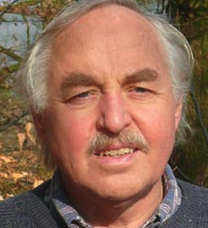 Elmar Heinzle合作论文数Saarland University3
 Christoph Wittmann合作论文数Institute for Systems Biotechnology, Saarland University3Erich B. Tahara合作论文数Universidade de São Paulo, Instituto de Química Cidade Universitária3
 Alicia Kowaltowski合作论文数Departamento De Bioquimica, Instituto De Quimica, Universidade De Sao Paulo3
 Oscar Días合作论文数Center of Biological Engineering Campus de Gualtar, University of Minho IBB - Institute for Biotechnology and Bioengineering3José Abrahão-Neto合作论文数3
 Eugénio C. Ferreira合作论文数IBB - Institute for Biotechnology and Bioengineering, University of Minho3Beatriz Kilikian合作论文数3María Isabel González-Siso合作论文数3
 Isabel Rocha合作论文数Centro de Engenharia Biológica;Universidade do Minho;Centro de Engenharia Biológica, Universidade do Minho3Roel A. L. Bovenberg合作论文数3AJA van Maris合作论文数2Erik A F de Hulster合作论文数2Fezan Mukhtar合作论文数2Thais Caldas Paiva Moreira合作论文数2János Nagy合作论文数2
 Hanna Viktória Rácz合作论文数Dept Mol Biotechnol & Microbiol, Univ Debrecen2Pamela Magalí Bermejo合作论文数Sch Food Engn, Univ Estadual Campinas2
 Alexandra Imre合作论文数Kalman Laki Doctoral Sch Biomed & Clin Sci, Univ Debrecen2
 Rosa Lorizolla Cordeiro合作论文数Brazilian Biorenewables Natl Lab, Brazilian Ctr Res Energy & Mat2
 Roy Marella合作论文数Ginkgo Bioworks, Inc.2
 Zoltán Rádai合作论文数'Lendület' Seed Ecology Research Group, Institute of Ecology and Botany, Centre for Ecological Research, Alkotmány utca 2-4, 2163 Vácrátót, Hungary.2
 Felipe Lino合作论文数Novozymes Latin America Ltda, Araucária, 83707-660, Brazil.2
 Pócsi István合作论文数Dept Microbial Biotechnol & Cell Biol, Univ Debrecen2
 Jeroen G Nijland合作论文数Zernike Institute for Advanced Materials and Kluyver Centre for Genomics of Industrial Fermentation, University of Groningen2Chambergo Felipe S合作论文数Escola de Artes, Ciências e Humanidades, Universidade de São Paulo2
 Orquidea Ribeiro合作论文数IBB-Institute for Biotechnology and Bioengineering, Universidade do Minho2




