BACKGROUND:Deep-learning neural network algorithms for detecting prostate cancer in MRI have proliferated in the literature. However, out of 30+ studies published since the PROSTATEx challenge, no studies tested the performance of their algorithm against using true external image data sets (studies came from an outside institution that did not supply any training data to the algorithm) while validating against MR-US fusion biopsy or whole-mount prostatectomy. Using true external data sets paints a much clearer picture of real-world clinical performance of an algorithm. PURPOSE:This work will assess the performance of a published deep learning (DL) neural network algorithm to detect prostate cancer using external studies. The main difference from other studies is the combination of using only MR-US fusion biopsy results as a gold standard; using test data from an institution that did not supply any training data for this version of the algorithm (including studies acquired with an endorectal coil, which were not in the original training set); and comparing the performance of algorithm-generated regions-of-interest (ROIs) versus algorithm heat maps. METHODS:Patients were included in the study if they had a prostate MRI with at least one radiologist-drawn target on MRI and underwent MR-US fusion biopsy where the target was sampled for pathological analysis. Patients were excluded if they had any history of prostate cancer treatment, had previously undergone MR-US fusion biopsy at our institution, were missing MRI acquisitions, had artifacts in image sets, or if the study had been shared for future algorithm development. MR image data was assessed using a DL research prototype (XProstate) from Siemens Healthineers that produced (a) ROIs in suspected cancer areas with a level of suspicion (LoS) score and (b) heat maps with LoS scores across the entire gland. The XProstate prototype had been trained with 2170 studies from eight different academic institutions. Clinical radiologist, XProstate ROI, and XProstate Heat Map scores were assessed with ROC analysis using pathology results from biopsy as a gold standard. RESULTS:202 unique patients were included for assessment of the XProstate research prototype. The ROC curve for the XProstate Heat Map LoS score generated the highest AUC (0.76, 95% CI: 0.70, 0.82) followed by clinical radiologist PI-RADS score (0.73, 95% CI: 0.68, 0.79) and by XProstate ROI LoS score (0.71, 95% CI: 0.65, 0.77). Neither the XProstate Heat Map (AUC difference = 0.03, 95% CI: -0.04, 0.10, p = 0.38) nor the XProstate ROI (AUC difference = -0.02, 95% CI: -0.09, 0.04, p = 0.43) was significantly different from the radiologist PI-RADS score. CONCLUSIONS:The XProstate prototype demonstrated equivalent performance as clinical radiologists when presented with de novo cases that would mirror a real-world clinical deployment. The automatic ROI delineation more closely matched clinical radiologist performance when using a cutoff of PI-RADS 5 for annotating suspicious regions. Overall, the XProstate prototype provided reasonable clinical performance and this study demonstrated the need to assess Deep Learning prototypes with external institutional test data.
Metastatic prostate cancer (PCa) continues to be a major cause of death in males, despite advances in treatment. Most treatment focuses on targeting the Androgen Receptor (AR), the main oncogene responsible for driving most prostate tumors. Despite these therapies targeting AR, the majority of patients still succumb to AR-driven disease. Therefore, there is a critical need for understanding how AR functions to promote prostate cancer growth and identify alternative therapeutic targets in AR-driven PCa. One avenue garnering attention is targeting epigenetic regulators that promote AR-activity; however, the importance of epitranscriptomic regulators, like those that modify mRNAs, is not well understood. Here, we identify a new role for the key catalytic subunit of the RNA N6-methyladenosine (m 6 A) transferase complex, METTL3, as an AR-coregulator. METTL3 is overexpressed in prostate tumors compared to normal tissue, and METTL3 protein is elevated in AR-expressing cell lines. Depletion of METTL3 significantly reduces proliferation of cancer cells and has no effect on the growth of non-transformed prostate epithelial cells, despite decreasing global m 6 A levels on mRNA. The catalytic activity of METTL3 is dispensable for the growth of both non-transformed and PCa cell lines, as pharmacologic inhibition of METTL3 does not inhibit proliferation, despite the reduction of global m 6 A on mRNA. Overexpression of both wild-type and catalytically inactive METTL3 mutants enhances cell viability and rescues cells in which METTL3 is knocked down. Finally, we report on direct interaction between AR and METTL3, their co-localization on chromatin, and reduced AR-cistromic occupancy within cells with METTL3 knockdown. Together, these findings identify a non-enzymatic role for METTL3 in supporting AR-driven transcriptional programs and PCa proliferation.
PURPOSE:Up to 50% of clinical recurrences after curative-intent prostate cancer radiation are intraprostatic radiorecurrences (IPRRs). Salvage local therapy (SLT) is increasingly offered, particularly as focal SLT, to reduce toxicity due to prior radiation. Limited data exist on the relative value of magnetic resonance imaging (MRI), positron emission tomography/computed tomography (PET/CT), and biopsy on SLT target delineation. We compared MRI, PET/CT, and biopsy in patients with IPRRs and the impact each modality has on identifying IPRRs and defining the extent of prostatic involvement. METHODS AND MATERIALS:We performed a secondary analysis of 62 patients enrolled in a phase 1/2 clinical trial of salvage high-dose-rate brachytherapy. The IPRR was delineated using each imaging modality and by defining the involved regions of the prostate on biopsy. The exact binomial distribution was used to estimate the sensitivity of MRI and PET/CT to detect the IPRR. Exact conditional logistic regression was used to compare the tumor identified by MRI and PET/CT with the areas of biopsy involvement (gold standard) and estimate the proportion of patients with prostatic involvement outside of the image-defined targets. RESULTS:The sensitivity for detecting the IPRR was 91.8% for MRI and 85.5% for PET/CT. Most patients had biopsy-proven cancer outside of the MRI-defined (70.5%) and PET/CT-defined (73.8%) target. Delineating the brachytherapy target using imaging only would have missed the full extent of recurrence in 63.9%. CONCLUSIONS:Although MRI and PET/CT are valuable, a thorough biopsy is a mandatory tool to avoid missing areas of imaging-occult prostatic involvement when delivering focal SLT.
Purpose: Few studies have quantified differences in histology and implications for survival between male children and adults with germ cell tumors (GCT). We evaluated these differences and associations with cancer-specific survival (CSS) using Surveillance, Epidemiology, and End Results (SEER) cancer registries. Methods: SEER (1988-2016) was used to identify male patients 0 to 40 years of age diagnosed with seminoma and nonseminomatous GCT (NSGCT). Demographic and tumor characteristics were tabulated with histology distributions compared by age group (0-4, 12-18, 19-40 years old). CSS was evaluated in multivariable Cox proportional hazards regression models. Results: Among 27,204 patients identified, 1,538 (5.7%) were pediatric (0-18 years). Seminoma (54.3%) predominated in adult patients (ages 19-40). Among 0 to 4 years-old, yolk sac tumor (71.2%) and teratoma (21.5%) were most common. Mixed GCT (52.7%) was most prevalent among 12 to 18 years-old with seminoma, embryonal, and teratoma occurring in 12 to 15% each. Relative to pediatric patients, adult patients had similar CSS for seminoma but worse CSS for NSGCT on Kaplan-Meier curves with 9 years mean follow-up. Choriocarcinoma and yolk sac tumors carried the worst prognosis relative to seminoma for both children (HR 5.7 and HR 11.1, respectively, both P < 0.01) and adults (HR 4.6 and HR 4.6, respectively, both P < 0.01) adjusted for stage. Conclusion: Histology of GCTs vary by age with yolk sac tumors and teratoma predominating for male patients 0 to 4 years, mixed GCT for 12 to 18 years, and seminoma for 19 to 40 years. Pediatric patients with NSGCT had higher CSS than their adult counterparts. Mixed GCT represented an increasing proportion of GCT over the study period. Age, stage, and histology impact CSS in both pediatric and adult populations.
We aim to compare complications, readmission, survival, and prescribing patterns of opioids for post-operative pain management for Robotic-assisted laparoscopic radical cystectomy (RARC) as compared to open radical cystectomy (ORC). Patients that underwent RARC or ORC for bladder cancer at a tertiary care center from 2005 to 2021 were included. Recurrence-free survival (RFS) and overall survival (OS) were evaluated with Kaplan–Meier curves and multivariable Cox proportional hazards regression models. Comparisons of narcotic usage were completed with oral morphine equivalents (OMEQ). Multivariable linear regression was used to assess predictors of OMEQ utilization. A total of 128 RARC and 461 ORC patients were included. There was no difference in rates of Clavien-Dindo grade ≥ 3 complications between RARC and ORC (36.7 vs 30.1
OBJECTIVES:Active surveillance (AS) is a management strategy for patients with favorable risk prostate cancer. Multi-parametric magnetic resonance imaging (mpMRI) may impact upgrading rates, but there is mixed evidence on the appropriate timing to introduce mpMRI. We evaluated timing of initial mpMRI use for patients on AS and compared upgrading and intervention rates for AS candidates who received initial mpMRI before diagnostic biopsy vs. confirmatory biopsy. SUBJECTS AND METHODS:Patients enrolled in AS captured by the Prospective Loyola Urology mpMRI (PLUM) Prostate Biopsy Cohort which captures men undergoing MRI-fusion prostate biopsy. We included patients enrolled in AS between January 2014 and October 2022. We conducted a retrospective analysis of patients who underwent MRI-fusion prostate biopsy while on AS at our institution. The cohort was stratified by men who underwent first mpMRI prior to diagnostic biopsy (MRI-DBx), confirmatory biopsy (MRI-CBx), or a subsequent surveillance biopsy. Oncologic outcomes including pathologic reclassification, intervention-free survival, progression-free survival, and overall survival were evaluated. RESULTS:Of 346 patients identified on AS, 94 (27.2%) received mpMRI at the time of diagnostic biopsy, 182 (52.6%) at confirmatory biopsy, and 70 (20.2%) at a later biopsy. At confirmatory biopsy (median 14 months), there was no difference in upgrading (HR 0.95, P = 0.78) or intervention rates (HR 0.97, P = 0.88) between MRI-DBx and MRI-CBx. PI-RADS score on initial mpMRI was associated with upgrading during AS follow-up relative to men with negative mpMRI (HR 4.20 (P = 0.04), 3.24 (P < 0.001), and 1.99 (P < 0.001) for PI-RADS 5, 4, and 3, respectively), and PSA density was associated with intervention (HR 1.52, P = 0.03). CONCLUSION:mpMRI can serve as a prognostic tool to select and monitor AS patients, but there was no difference in upgrading or intervention rates based on initial timing of MRI.
Abstract Background Spermatogenesis is a temperature-sensitive process, and elevation in temperature hampers this process quickly and significantly. We studied the molecular effects of testicular heating on piRNAs and gene expression in rat testicular germ cells. Methods We generated a cryptorchid rat model by displacing the testis from the scrotal sac (34 °C) to the abdominal area (37 °C) and sacrificed animals after 1 day, 3 days, and 5 days. Pachytene spermatocytes and round spermatids were purified using elutriation centrifugation and percoll gradient methods. We performed transcriptome sequencing in pachytene spermatocytes and round spermatids to identify differentially expressed piRNAs and their probable targets, i.e., TE transcripts and mRNAs. Results As a result of heat stress, we observed significant upregulation of piRNAs and TE transcripts in testicular germ cells. In addition to this, piRNA biogenesis machinery and heat shock proteins (Hsp70 and Hsp90 family members) were upregulated. mRNAs have also been proposed as targets for piRNAs; therefore, we shortlisted certain piRNA-mRNA pairs with an inverse relationship of expression. We observed that in testicular heat stress, the heat shock proteins go hand-in-hand with the upregulation of piRNA biogenesis machinery. The dysregulation of piRNAs in heat-stressed germ cells, increased ping-pong activity, and disturbed expression of piRNA target transcripts suggest a connection between piRNAs, mRNAs, and TE transcripts. Conclusions In heat stress, piRNAs, piRNA machinery, and heat shock proteins are activated to deal with low levels of stress, which is followed by a rescue approach in prolonged stressaccompained by high TE activity to allow genetic mutations, perhaps for survival and adaptability.
The treatment landscape for localized and regional prostate cancer includes active surveillance, radiation therapy (RT), and radical prostatectomy (RP). Population-based studies comparing RP to radiation reveal conflicting results due to methodological flaws. This systematic review and pooled analysis of studies aim to compare cause-specific survival (CSS), overall survival (OS), disease-free survival (DFS) and toxicity outcomes, comparing RP to RT in the management of prostate cancer. This systematic review search included the PubMed, Embase, and Cochrane libraries according to the PRISMA statement with the inception of each database up to June 24, 2023. Randomized phase 2 or 3 clinical trials that compared RP to RT in prostate cancer were included. The forest plot for the Odds ratio (OR) was plotted using the Mantel-Haenszel method, and the Z test was used to assess significance. A fixed effects model was used for meta-analysis. The search yielded seven completed randomized clinical trials and four ongoing trials. The majority of complete trials had low to intermediate-risk patient populations. OR for OS was 1.00 with 95% CI, 0.71-1.41 (P-value: 0.98), CSS OR was 0.99 with 95% CI, 0.45-2.18 (P-value 0.11), OR for DFS was 1.26 with 95% CI, 0.89-1.78 (P-value 0.19) when comparing RP to RT. The rate of distant metastatic disease was 2.3% in the RP versus 2.9% in the RT at 10 years. The rate of second malignant neoplasms was 4.5% in the RP compared to 4.2% in the RT arm at 10 years. RP caused more urinary symptoms, with a predominance of the need for urinary pads and a higher incidence of sexual dysfunction, and RT caused a higher incidence of bowel symptoms, such as blood in stools and fecal incontinence. This study provides evidence that the treatment-related outcomes are similar in patients with low to intermediate-risk prostate cancer when comparing RP to RT. Multidisciplinary treatment approaches and factoring patients' values and preferences should form the cornerstone of the ideal treatment option for each patient with localized prostate cancer. Patients with prostate cancer have an equal chance of being cancer-free and alive at 10 years with either RP or RT. In terms of side effects, RP causes more urine leakage and loss of erections, whereas RT tends to cause more bowel side effects, such as blood in stools and fecal leakage.
You have accessJournal of UrologyProstate Cancer: Detection & Screening I (MP19)1 May 2024MP19-16 INCORPORATING PROSTATE MRI IMAGING CHARACTERISTICS TO IMPROVE PROSTATE CANCER DIAGNOSIS AND RISK STRATIFICATION: AN ANALYSIS AND NOMOGRAM DERIVED FROM A 9,536 PATIENT, MULTI-INSTITUTIONAL COHORT Luke A. R. Shumaker, Andrew Fang, Masatomo Kaneko, Lorenzo Ramacciotti, Nachiketh Prakash, Arighno Das, Hiten Patel, Ghazal Khajir, Richard Fan, Shu Wang, Kevin Pineault, Abhinav Sidana, Gopal Gupta, Christopher Filson, James Wysock, M. Minhaj Siddiqui, Geoffrey A. Sonn, Preston Sprenkle, Ashley Ross, David Jarrard, Sanoj Punnen, Andre Abreu, and Soroush Rais-Bahrami Luke A. R. ShumakerLuke A. R. Shumaker , Andrew FangAndrew Fang , Masatomo KanekoMasatomo Kaneko , Lorenzo RamacciottiLorenzo Ramacciotti , Nachiketh PrakashNachiketh Prakash , Arighno DasArighno Das , Hiten PatelHiten Patel , Ghazal KhajirGhazal Khajir , Richard FanRichard Fan , Shu WangShu Wang , Kevin PineaultKevin Pineault , Abhinav SidanaAbhinav Sidana , Gopal GuptaGopal Gupta , Christopher FilsonChristopher Filson , James WysockJames Wysock , M. Minhaj SiddiquiM. Minhaj Siddiqui , Geoffrey A. SonnGeoffrey A. Sonn , Preston SprenklePreston Sprenkle , Ashley RossAshley Ross , David JarrardDavid Jarrard , Sanoj PunnenSanoj Punnen , Andre AbreuAndre Abreu , and Soroush Rais-BahramiSoroush Rais-Bahrami View All Author Informationhttps://doi.org/10.1097/01.JU.0001008716.22569.77.16AboutPDF ToolsAdd to favoritesDownload CitationsTrack CitationsPermissionsReprints ShareFacebookLinked InTwitterEmail Abstract INTRODUCTION AND OBJECTIVE: Prostate cancer risk stratification continues to rely most commonly on PSA levels and digital rectal exam. Despite the steep increase in prostate MRI (PMRI) studies performed and the routine correlation of imaging with location-specific tissue evaluation by MRI-ultrasound fusion, PMRI characteristics remain absent from risk prediction tools. METHODS: We collected PMRI and associated fusion biopsy data from 11 high-volume centers. These centers actively maintain biopsy databases from which the data was retrieved retrospectively. Inclusion criteria for our cohort >= 1 PIRADS 3-5 lesion with accompanying biopsy data. Basic patient factors and prior biopsy history were captured across all institutions. Clinically significant prostate cancer (csPCa) was defined as Gleason score >=2. Data was cleaned, statistical analyses performed, and figures generated using R Version 4.3.4 (R Foundation for Statistical Computing). Multivariable logistic regression modeling was performed on training data from 6 centers with the remaining 5 separated for a testing data set. The prediction profile for eachregression model was compared to the real-world testing cohort to evaluate performance. RESULTS: 9,536 patients met inclusion criteria. ogistic regression demonstrated that highest PIRADS lesion alone meaningfully stratified risk of csPCa (Figure 1). An optimized predictive nomogram, which included variables highest PIRADS lesion, PSA density, and age performed best when predicting csPCa with an AUC of 0.79. Using a decision point at 15% nomogram-predicted risk for csPCa sensitivity was 84% and negative predictive value was 97%. Using this nomogram 12% of post MRI biopsies could be avoided while only missing 1.6 csPCa cases per 100 men. CONCLUSIONS: When PIRADS category is included in a predictive nomogram with other common patient factors, risk of csPCa can be accurately predicted. The predicted risk decision point could be tailored to an individual patient's risk tolerance and be a useful aid in decision making surrounding initial or repeat biopsy. Modern prostate cancer risk tools should make use of PMRI characteristics. Download PPT Source of Funding: None © 2024 by American Urological Association Education and Research, Inc.FiguresReferencesRelatedDetails Volume 211Issue 5SMay 2024Page: e316 Advertisement Copyright & Permissions© 2024 by American Urological Association Education and Research, Inc.Metrics Author Information Luke A. R. Shumaker More articles by this author Andrew Fang More articles by this author Masatomo Kaneko More articles by this author Lorenzo Ramacciotti More articles by this author Nachiketh Prakash More articles by this author Arighno Das More articles by this author Hiten Patel More articles by this author Ghazal Khajir More articles by this author Richard Fan More articles by this author Shu Wang More articles by this author Kevin Pineault More articles by this author Abhinav Sidana More articles by this author Gopal Gupta More articles by this author Christopher Filson More articles by this author James Wysock More articles by this author M. Minhaj Siddiqui More articles by this author Geoffrey A. Sonn More articles by this author Preston Sprenkle More articles by this author Ashley Ross More articles by this author David Jarrard More articles by this author Sanoj Punnen More articles by this author Andre Abreu More articles by this author Soroush Rais-Bahrami More articles by this author Expand All Advertisement PDF downloadLoading ...
IntroductionIn surgically excising renal masses, studies have demonstrated that tumor enucleation is an effective option. However, there is limited literature comparing off-clamp to on-clamp tumor enucleation.Materials and MethodsWe retrospectively reviewed the charts of 189 patients who underwent robotic-assisted laparoscopic partial nephrectomy via tumor enucleation by a single surgeon from March 2012 and April 2022. Patients were stratified based on use of renal hilar clamping intraoperatively. Surgical, oncologic, and renal functional outcomes were captured. Variables were analyzed and compared between the two groups using Student's T-tests and Chi-square tests.ResultsOf 189 procedures analyzed, 124 were performed on-clamp and 65 were performed off-clamp. There were no differences in patient demographics or average length of follow-up. There were no differences in estimated blood loss, complications, or hospital length of stay. Recurrence rates were similar for the two groups. The absolute difference in estimated glomerular filtration rate change between the two groups at time of first follow-up was not significant (p = 0.25).ConclusionsThere is no significant difference in perioperative outcomes such as surgical time, blood loss, or complications between the two groups. Furthermore, there was no significant difference in postoperative kidney function between the two techniques.
INTRODUCTION:We aimed to assess utilization of neoadjuvant chemotherapy (NAC) and etiologies for lack of NAC receipt among patients with muscle-invasive bladder cancer (MIBC).METHODS:Patients diagnosed with MIBC undergoing radical cystectomy at a single institution (2005-2021) were included. Patients were categorized by receipt of NAC, and reasons for no NAC were categorized into eligibility and elective factors. Overall survival was analyzed using univariable and multivariable Cox proportional hazards regression models and modeled with Kaplan-Meier curves.RESULTS:Three hundred eighty patients with MIBC were included; 154 (40.5%) received NAC. Patients were not candidates for NAC due to renal dysfunction (16.6%), clinical contraindications (4.7%), salvage setting (2.1%), and histology (5.3%; total N = 109). Among 271 (71.3%) who were eligible, utilization increased from early (2005-2016) to recent (2016-2021) time periods (34.2% to 85.7% among NAC-eligible, P < .001; 22.8% vs 67.1% among all MIBC, P < .001). Elective factors for not receiving NAC included patient symptoms (7.8%), disease progression concern (7.0%), patient preference/refusal (20.3%) and provider discretion (8.1%) among 271 NAC-eligible patients. Notably, patient preference/refusal decreased from 33.6% to 3.4% in recent years (P < .001). On multivariable analysis, lack of NAC utilization due to renal dysfunction (HR 2.18, P = .002), clinical contraindications (HR 2.62, P = .01), and elective factors (HR 1.88, P = .01) were associated with worse overall survival.CONCLUSIONS:NAC utilization increased over time with 85.7% of eligible patients with MIBC receiving NAC in recent years. Renal dysfunction, patient preference, and clinical contraindications were primary etiologies for lack of NAC. Fewer patients refused NAC in recent years leading to a potential ceiling for NAC utilization.
Robotic nephron-sparing surgery is traditionally performed via a transperitoneal (TP) approach. However, the retroperitoneal (RP) approach has gained popularity, particularly for posterolateral renal masses. The RP approach is associated with shorter operative time, less blood loss, and shorter length of stay, while preserving oncologic outcomes in selected masses. Here, we aim to assess the feasibility of the RP approach in excising anterior renal masses. Patients ≥ 18 years of age who underwent robotic nephron-sparing surgery for anterior renal masses were retrospectively identified (2008–2022). Baseline demographics, tumor characteristics, and perioperative data were collected and characterized based on TP vs RP approaches. Wilcoxon rank sum test and Pearson’s Chi-squared test were used to compare continuous and categorical variables, respectively. Two hundred and sixteen patients were included—178 (82.4
Purpose/Objective(s) A third of patients with biochemical recurrence (BCR) after radiation (RT) have intraprostatic radiorecurrence (IPR) on PSMA PET/CT. Patients with IPR have worse metastasis-free survival (MFS) - a surrogate for progression to lethal prostate cancer (pCa). There are limited prospective data on the best management of this growing population. We hypothesized that a dose-escalated focal salvage high dose rate (HDR) brachytherapy approach to treat IPR would be safe and effective. Materials/Methods F-SHARP is a multi-institutional phase I/II trial of focal dose-escalated salvage HDR for IPR conducted at 3 centers. Eligibility criteria included a history of localized pCa treated with any form of definitive RT, and biopsy-proven IPR with no regional or distant metastasis. All patients had a PET/CT. Patients received up to 30 Gy in 1-2 fractions (Fx) to a focal target, prioritizing OAR constraints. The primary objective was to determine the acute RT-related grade ≥3 CTCAE v4.03 GU and GI toxicity rates. Secondary endpoints included all-grade acute and late toxicity, QoL (IPSS and EPIC-26), and biochemical/radiographic disease control and survival measures. Generalized estimating equations were used for toxicity and QoL analyses. The Kaplan-Meier method was used to estimate PSA-relapse-free survival (PSA-RFS), radiographic progression-free survival (rPFS), and MFS. Cox proportional hazards models were used for univariable and multivariable analyses. Results From 2017-2023, 62 patients were enrolled. Prior RT included conventional/hypofractionated photons (60%), LDR (24%), protons (11%), and SBRT (3%). Median BCR PSA was 4.7 ng/mL (Range: 2.2-20.3) and time from prior RT was 8 years (Range: 1.4-26.5). Median tumor D98 was 23 Gy (IQR: 20-27), for 1 Fx (n = 24) and 32 Gy (IQR: 30-34) for 2 Fx (n = 38). 5 patients had concurrent hormone therapy (HT). Median follow-up was 26.1 months (95% CI = 21-36). There were no grade ≥3 acute or late toxicities. Acute/late grade 2 GU toxicity occurred in 58%/63%. Acute/late grade 2 GI toxicity occurred in 2%/3%. Acute/late grade 2 sexual toxicity occurred in 16%/32%. The table shows the proportions of patients with a minimal clinically important decline in each QoL measure. There was no difference between 1 and 2 Fx for the risk of toxicity or worsening QoL (all p > 0.05). 3-year PSA-RFS was 59%, rPFS was 65%, and MFS was 91%. 5 patients required palliative HT. There was no difference between 1 and 2 Fx for any of these events (all P > .05). Patients with PSA ≥10 ng/mL were more likely to experience any event (HR = 3.9, 95% CI = 1.2 to 12.2; P = .02). Conclusion Re-irradiation is a growing indication for RT in pCa. Dose-escalated focal salvage HDR is safe and has encouraging early efficacy. At this time, there is no difference in efficacy or toxicity between 1 vs. 2 Fx. Investigations into clinical/transcriptomic prognostic factors and patterns of failure are ongoing.
 Marcus L. Quek合作论文数Loyola University Medical Center68
 Blackwell Robert H合作论文数Department of Urology, Loyola University Medical Center;1:MAP Surgical Analytics Group, Loyola University Medical Center;Loyola University Medical Center, Loyola University Medical Center58
 Robert C. Flanigan合作论文数57
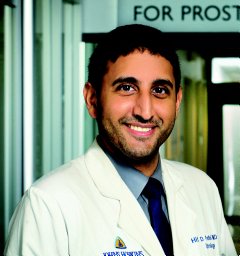 Hiten D Patel合作论文数Brady Urological Institute, Johns Hopkins University49Maikhuri Jagdamba P合作论文数39
 Paul C. Kuo合作论文数Department of Surgery, University of South Florida;Tampa General Hospital;Muma College of Business, University of South Florida39
 Vishnu L. Sharma合作论文数38
 Alex Gorbonos合作论文数35
 Anai Kothari合作论文数Oncology Institute, Loyola University Medical Center30Goran Rac合作论文数26
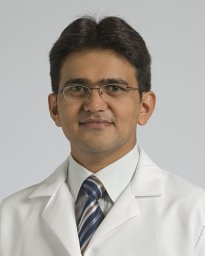 Singh Rajender合作论文数Centre for Cellular and Molecular Biology, Hyderabad, India24
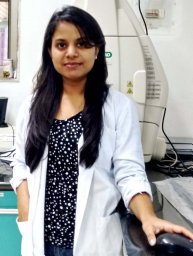 Bhavana Kushwaha合作论文数Endocrinology Division, CSIR-Central Drug Research Institute22
 Maria M Picken合作论文数Stritch School of Medicine, Loyola University22Ahmer Farooq合作论文数22Kirshenbaum Eric合作论文数21
 W. Marston Linehan合作论文数Center for Cancer Research, National Cancer Institute, National Institutes of Health;Georgetown University21
 Matthew Zapf合作论文数20
 Peter A. Pinto合作论文数Center for Cancer Research, National Cancer Institute, National Institutes of Health18Elizabeth L Koehne合作论文数Med Ctr, Loyola Univ17
 Solanki Abhishek A合作论文数Department of Radiation and Cellular Oncology, University of Chicago Medical Center17Harkenrider Matthew M合作论文数Department of Radiation Oncology, Loyola University Medical Center16
 Vikas Verma合作论文数Department of Pediatrics, KSCH16
 Vikas Sharma合作论文数Division of Endocrinology, CSIR-Central Drug Research Institute15
 Ashish Jain合作论文数Division of Endocrinology, Central Drug Research Institute (CSIR),15Marc Nelson合作论文数14
 Chirag Doshi合作论文数14
 Gennady Bratslavsky合作论文数14
 Soroush Rais-Bahrami合作论文数Department of Urology, Heersink School of Medicine, University of Alabama;Department of Radiology, Heersink School of Medicine, University of Alabama14
 Veenu Bala合作论文数Medicinal and Process Chemistry Division, CSIR-Central Drug Research Institute;Academy of Scientific and Innovative Research;Academy of Scientific and Innovative Research, CSIR-Central Drug Research Institute14
 Nand Lal合作论文数Department of Life Sciences, C.S.J.M. University14Steven M. Shea合作论文数14
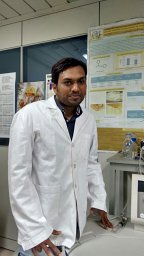 Lokesh Kumar合作论文数Medicinal &Process Chemistry Division, Endocrinology Division, and Molecular &Structural Biology Division, CSIR-Central Drug Research Institute;and Molecular & Structural Biology Division, CSIR-Central Drug Research Institute13
 Kimberly E Foreman合作论文数13
 Amit Sarswat合作论文数12Shalin Desai合作论文数12Ryan Dornbier合作论文数12Shah Arpeet合作论文数12
 Bajic Petar合作论文数Department of Urology and Renal Transplantation, University of Toledo College of Medicine12
 Marshall S Baker合作论文数12Ari Goldberg合作论文数11
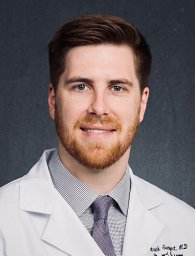 Patrick Sweigert合作论文数Dept Surg, Loyola Univ Med Ctr11Kristin G Baldea合作论文数11Mandalapu Dhanaraju合作论文数Medicinal &amp;Process Chemistry Division, CSIR-Central Drug Research Institute11Carrie A Franzen合作论文数11
 Lalit Kumar合作论文数Division of Medicinal and Process Chemistry, Central Drug Research Institute (CSIR),11Michael E. Woods合作论文数10Jeffrey L Ellis合作论文数10
 Santosh Kumar Yadav合作论文数10
 Sonal Gupta合作论文数10




