Mitogen-activated protein kinases (MAPKs) represent widely expressed and evolutionarily conserved proteins crucial for governing signaling pathways and playing essential roles in mammalian male reproductive processes. These proteins facilitate the transmission of signals through phosphorylation cascades, regulating diverse intracellular functions encompassing germ cell development in testis, physiological maturation of spermatozoa within the epididymis, and motility regulation at ejaculation in the female reproductive tract. The conservation of these mechanisms appears prevalent across species, including humans, mice, and, to a limited extent, livestock species such as bovines. In Sertoli cells (SCs), MAPK signaling not only regulates the proliferation of immature SCs but also determines the appropriate number of SCs in the testes at puberty, thereby maintaining male fertility by ensuring the capacity for sperm cell production. In germ cells, MAPKs play a crucial role in dynamically regulating testicular cell-cell junctions, supporting germ cell proliferation and differentiation. Throughout spermatogenesis, MAPK signaling ensures the appropriate Sertoli-to-germ cell ratio by regulating apoptosis, controlling the metabolism of developing germ cells, and facilitating the maturation of spermatozoa within the cauda epididymis. During ejaculation in the female reproductive tract, MAPKs regulate two pivotal events—capacitation and the acrosome reaction essential for maintaining the fertility potential of sperm cells. Any disruptions in MAPK pathway signaling possibly may disturb the testicular microenvironment homeostasis, sperm physiology in the male body before ejaculation and in the female reproductive tract during fertilization, ultimately compromising male fertility. Despite decades of research, the physiological function of MAPK pathways in male reproductive health remains inadequately understood. The current review attempts to combine recent findings to elucidate the impact of MAPK signaling on male fertility and proposes future directions to enhance our understanding of male reproductive functions.
We do not seem to be the only owner of our body; it houses a large population of microorganisms. Through countless years of coevolution, microbes and hosts have developed complex relationships. In the past few years, the impact of microbial communities on their host has received significant attention. Advanced molecular sequencing techniques have revealed a remarkable diversity of the organ-specific microbiota populations, including in the reproductive tract. Currently, the goal of researchers has shifted to generate and perceive the molecular data of those hidden travelers of our body and harness them for the betterment of human health. Recently, microbial communities of the lower and upper reproductive tract and their correlation with the implication in reproductive health and disease have been extensively studied. Many intrinsic and extrinsic factors influences the female reproductive tract microbiota (FRTM) that directly affects the reproductive health. It is now believed that FRTM dominated by Lactobacilli may play an essential role in obstetric health beyond the woman's intimate comfort and well-being. Women with altered microbiota may face numerous health-related issues. Altered microbiota can be manipulated and restored to their original shape to re-establish normal reproductive health. The aim of the present review is to summarize the FRTM functional aspects that influence reproductive health.
Multiple RNA pathways are required to produce functional sperm. Here, we review RNA post-transcriptional regulation during spermatogenesis with particular emphasis on the role of 3' end modifications. From early studies in the 1970s, it became clear that spermiogenesis transcripts could be stored for days only to be translated at advanced stages of spermatid differentiation. The transition between the translationally repressed and active states was observed to correlate with the shortening of the transcripts' poly(A) tail, establishing a link between RNA 3' end metabolism and male germ cell differentiation. Since then, numerous RNA metabolic pathways have been implicated not only in the progression through spermatogenesis, but also in the maintenance of genomic integrity. Recent studies have characterized the elusive 3' biogenesis of Piwi-interacting RNAs (piRNAs), identified a critical role for messenger RNA (mRNA) 3' uridylation in meiotic progression, established the mechanisms that destabilize transcripts with long 3' untranslated regions (3'UTRs) in post-mitotic cells, and defined the physiological relevance of RNA exonucleases and deadenylases in male germ cells. In this review, we discuss RNA processing in the male germline in the light of the most recent findings. A brief recollection of different RNA-processing events will aid future studies exploring post-transcriptional regulation in spermatogenesis.
Hepcidin, a circulatory hepatic peptide hormone, is associated with systemic iron homeostasis. Inflammation leads to an increase in hepcidin expression, which dysregulates body iron level. The related disorder, anemia of inflammation, is the second most prevalent anemia-related disorder worldwide. In the present study, we conducted in vitro and in vivo studies to evaluate the effect of black pepper (BP) and its major bioactive alkaloid, piperine, on anemia of inflammation. The initial in vitro study using human hepatocyte cell line, HepG2, confirmed that among different black pepper extracts: methanol (BPME), ethanol (BPEE) and aqueous (BPAE), BPME to be most effective in downregulating transcription of hepcidin gene. Further, BPME and piperine significantly downregulated hepcidin protein expression at 200 μg/ml and 100 μM concentrations, respectively. In the next phase, BPME and piperine were found to significantly attenuate BMP-6 and IL-6 induced hepcidin overexpression by downregulating the increased level of pSMAD1 and pSTAT3 proteins, respectively. For in vivo study, we first subcutaneously injected male BALB/c mice with oil of turpentine, thrice within a period of two weeks, in order to enhance the expression of hepcidin. After that, the intraperitoneal administration of BPME and piperine at 70 and 25 mg/kg body weight, respectively, on alternate days for a period of another two weeks resulted in downregulation of hepcidin overexpression in diseased mice, as confirmed by RT-PCR and immunoblot analysis. The histopathology of liver tissue confirmed increased iron bioavailability in BPME and piperine treated animals. The molecular docking-based interaction studies demonstrated the binding potential of piperine with SMAD1 and STAT3 proteins. The binding patterns supported the proposed inhibition of hepcidin activating proteins. All together, these findings suggest black pepper as a therapeutic candidate for the treatment of anemia of inflammation.
Spermatogenesis in most mammals (including human and rat) occurs at ~ 3 °C lower than body temperature in a scrotum and fails rapidly at 37 °C inside the abdomen. The present study investigates the heat-sensitive transcriptome and miRNAs in the most vulnerable germ cells (spermatocytes and round spermatids) that are primarily targeted at elevated temperature in a bid to identify novel targets for contraception and/or infertility treatment.
Epigenetic repression of Androgen Receptor (AR) gene by hypermethylation of its promoter causes resistance in prostate cancer (CaP) to androgen deprivation therapy with anti-androgens. Some dietary phytocompounds like quercetin (Q) and curcumin (C) with reported DNMT-inhibitory activity were tested for their ability to re-express the AR in AR-negative CaP cell lines PC3 and DU145. Combined treatment with Q+C was much more effective than either Q or C in inhibiting DNMT, causing global hypomethylation, restoring AR mRNA and protein levels and causing apoptosis via mitochondrial depolarization of PC3 and DU145. The functional AR protein expressed in Q+C treated cells sensitized them to dihydrotestosterone (DHT)-induced proliferation, bicalutamide-induced apoptosis, bound to androgen response element to increase luciferase activity in gene reporter assay and was susceptible to downregulation by AR siRNA. Bisulfite sequencing revealed high methylation of AR promoter CpG sites in AR-negative DU145 and PC3 cell lines that was significantly demethylated by Q+C treatment, which restored AR expression. Notable synergistic effects of Q+C combination in re-sensitizing androgen refractory CaP cells to AR-mediated apoptosis, their known safety in clinical use, and epidemiological evidences relating their dietary consumption with lower cancer incidences indicate their potential for use in chemoprevention of androgen resistance in prostate cancer.
Chemical attenuation of the reactive oxygen species (ROS)-sensitive anaerobes Trichomonas vaginalis, which is the most prevalent non-viral sexually transmitted infection, and two often coexisting vaginal infections, namely Candida albicans and Staphylococcus aureus, which are opportunistic reproductive tract infections, was attempted with novel ammonium salts of carbamodithioic acid through inhibition of free thiols. In vitro and in vivo efficacies of the designed compounds were evaluated as topical vaginal microbicides. Five compounds showed exceptional activity against drug-resistant and -susceptible strains with negligible toxicity to host (HeLa) cells in vitro in comparison with the standard vaginal microbicide nonoxynol-9 (N-9), without disturbing the normal vaginal flora (i.e. Lactobacillus). The compounds significantly inhibited the cytopathic effects of Trichomonas on HeLa cells in vitro with efficacies comparable with metronidazole (MTZ); however, their efficacy to rescue host cells from co-infection (protozoal and fungal) was greater than that of MTZ. The compounds inhibited β-haemolysis of red blood cells caused by Trichomonas and were found to be active in vivo in the mouse subcutaneous abscess assay. Some compounds rapidly immobilized human sperm. A mechanism involving inhibition of free thiols and consequently the cysteine proteases of T. vaginalis by the new compounds has been proposed. Thus, a unique scaffold of antimicrobial agents has been discovered that warrants further investigation for development as contraceptive vaginal microbicides.
Quiescent sperm survive in cauda epididymis for long periods of time under extreme crowding conditions and with a very limited energy substrate, while after ejaculation, motile sperm live for a much shorter period with an unlimited energy resource and without crowding. Thus, the energy metabolism in relation to the energy requirement of the two may be quite different. A simple physiological technique was evolved to collect viable quiescent sperm from rat cauda epididymis to compare its energy metabolism with motile sperm. Quiescent sperm exhibited 40%-60% higher activities of mitochondrial electron transport chain complexes I-IV and ATP synthase in comparison to motile sperm and accumulated Ca2+ in the midpiece mitochondria to enhance oxidative phosphorylation (OxPhos). In contrast, motile sperm displayed up to 75% higher activities of key glycolytic enzymes and secreted more than two times the lactate than quiescent sperm. Quiescent sperm phosphorylated AMPK and MAPK-p38, while motile sperm phosphorylated AKT and MAPK/ERK. Glycolytic inhibitor iodoacetamide prevented motility activation of quiescent rat sperm and inhibited conception in rabbits more effectively than OxPhos uncoupler 2,4-dinitrophenol. Apparently, quiescent sperm employ the most energy efficient OxPhos to survive for extended periods of time under extreme conditions of nutrition and crowding. However, on motility initiation, sperm switch predominantly to glycolysis to cater to their high-and quick-energy requirement of much shorter periods. This study also presents a proof of concept for targeting sperm energy metabolism for contraception.
Trichomoniasis and candidiasis are amongst the most common morbidity-causing reproductive tract infections, generally treated by Metronidazole and Fluconazole respectively. Poor vaginal efficacy, drug resistance and non-spermicidal nature limit their use as topical microbicidal contraceptives. Bis(dialkylaminethiocarbonyl)disulfides (4-38) were designed as dually active, non-surfactant molecules capable of eliminating Trichomonas vaginalis and Candida strains as well as irreversibly immobilizing 100% human sperm instantly, at doses non-cytotoxic to human cervical epithelial cells and vaginal microflora in vitro. Compounds 12, 16, 17 were fifty times more active than nonoxynol-9, OTC vaginal spermicide, and compounds 12 and 17 have shown remarkable in vivo activity in rabbit model. Most promising compound 17 has shown promise for further development as a double-edged vaginal microbicide due to their improved activity and safety along with notable in vivo trichomonicidal activity. Role of disulfide group was established by loss of spermicidal activity on chemical modifications (39-56). These disulfides might be targeting thiol groups present over cell membrane of human sperm and Trichomonas as shown by fluorescence labeling of free thiols. (C) 2016 Elsevier Masson SAS. All rights reserved.
In an ongoing effort to discover an effective, topical, dual‐function, non‐surfactant contraceptive vaginal microbicide, a novel series of 2,2′‐disulfanediylbis(3‐(substituted‐1‐yl)propane‐2,1‐diyl) disubstituted‐1‐carbodithioates were designed by using a bioisosterism approach. Thirty‐three compounds were synthesized, and interestingly, most demonstrated multiple activities: they were found to be spermicidal at a minimal effective concentration of 1–0.001 %, trichomonacidal against drug‐susceptible and resistant Trichomonas strains at minimal inhibitory concentration (MIC) ranges of 10.81–377.64 and 10.81–754.14 μM, respectively, and fungicidal at MIC 7.93–86.50 μM. These compounds were also found to be non‐cytotoxic to human cervical (HeLa) epithelial cells and vaginal microflora (Lactobacilli) in vitro. The most promising compound, 2,2′‐disulfanediylbis(3‐(pyrrolidin‐1‐yl)propane‐2,1‐diyl)dipyrrolidine‐1‐carbodithioate (5), exhibited spermicidal activity 15‐fold higher than that of the marketed spermicide Nonoxynol‐9 (N‐9) and also demonstrated microbicidal potency. To identify common structural features required for spermicidal activity, a 3D‐QSAR analysis was carried out, as well as in vivo efficacy studies and fluorescent labeling studies to determine the biological targets of compound 5.
Nonoxynol-9 (N-9), a microbicidal spermicide, has been in use as an over-the-counter contraceptive since the 1960s. A detailed account of its pharmacokinetic profile using highly sensitive detection method has not been reported yet. We developed and validated a rapid, selective and sensitive high-performance liquid chromatography coupled with tandem mass spectrometry (LC MS/MS) method for N-9 detection in plasma and simulated vaginal fluid. The analytes were quantified using reverse phase Thermo Accucore C-18 (150 mm x 4.6 mm, 5 mu m) column with isocratic elution using acetonitrile: 0.1% formic acid in triple distilled water (90:10, v/v) as mobile phase. The ionization was optimized using ESI (+) and selectivity was achieved by tandem mass spectrometric analysis using MRM transition, m/z 617.4 -> 133.2 for N-9 and m/z 180.1 -> 138.1 for phenacetin. The method was linear over the range 0.195-100 ng/mL. The method was accurate and precise with intra-batch and inter-batch accuracy (% bias) of less than +/- 15% and precision (% CV) of <15% for N-9. The mean peak plasma concentration (C-max) 4.87 +/- 0.37 ng/mL was achieved 1.0 h after vaginal application with terminal half-life 1.45 +/- 0.07 h in rabbits. The validated method was successfully applied for pharmacokinetic study of N-9 in rabbits after vaginal administration. (C) 2014 Elsevier B.V. All rights reserved.
A series of γ-butyrolactone derivatives has been designed and synthesized from commercially available 2-acetyl butyrolactone (3-acetyldihydrofuran-2(3H)-one, 1) by aminoalkylating its active methylene followed by condensation with different aldehydes. Compounds having amino group were further converted to their respective tartrate salts and were evaluated for spermicidal activity against human sperm in vitro. Compounds showing appreciable spermicidal activity at ⩽0.5% [3c, 4d (0.5%); 2c, 3d (0.1%); 2d, 4c (0.05%)] were tested for safety studies against human cervical (HeLa) cell line. These compounds were found safer than, Nonoxynol-9. One of the two most active compounds was also found to be the safest (IC50 = 961 μg/ml; 4c), while the second compound exhibited lower safety against HeLa (IC50 = 269 μg/ml; 2d). The compound 4c significantly reduced the number of free thiols on human sperm. All the compounds were inactive against Trichomonas vaginalis.
1-Substituted piperazinecarbodithioates were obtained by an unusual removal of CS2 in benzyl substituted dithiocarbamate derivatives under acid and basic conditions during design and synthesis of 1,4-(disubstituted)piperazinedicarbodithioates as double edged spermicides. A plausible mechanism for CS2 removal has been proposed. All synthesized compounds were subjected to spermicidal, antitrichomonal and antifungal activities. Twenty-one compounds irreversibly immobilized 100% sperm (MEC, 0.06-31.6 mM) while seven compounds exhibited multiple activities. Benzyl 4-(2-(piperidin-1-yl)ethyl) piperazine-1-(carbodithioate) (18) and 1-benzyl 4-(2-(piperidin-1-yl)ethyl)piperazine-1,4-bis(carbodithioate) (24) exhibited appreciable spermicidal (MEC, 0.07 and 0.06 mM), antifungal (MIC, 0.069-0.14 and >0.11 mM) and antitrichomonal (MIC, 1.38 and 0.14 mM) activities. The probable mode of action of these compounds seems to be through sulfhydryl binding which was confirmed by fluorescence labeling of sperm thiols.
Azole and carbodithioate hybrids were synthesized as alkyl 1H-azole-1-carbodithioates (7-27) and evaluated for spermicidal/microbicidal activities against human sperm, Trichomonas vaginalis and Candida species. Seventeen compounds (7-14, 16-18 and 20-25) showed spermicidal activity at MEC 1.0% (w/v) and permanently immobilized 100% normal human spermatozoa within similar to 30 s. Seventeen compounds (7-11, 13-18 and 20-25) exhibited anti-Candida activity (IC50 1.26-47.69 mu g/mL). All compounds were devoid of bactericidal activity against four bacterial strains (50.00 mu g/mL) and antiprotozoal activity against Trichomonas vaginalis (200.00 mu g/mL). Four promising compounds (10, 17, 20 and 22) have better safety profile as compared to Nonoxyno1-9 (N-9). Docking study was done to visualize the possible interaction of designed scaffold with prospective receptor (Cyp51) of Candida albicans. (C) 2013 Elsevier Masson SAS. All rights reserved.
Unlike somatic cells, sperm have several-fold more available-thiols that are susceptible to redox-active agents. The present study explains the mechanism behind the instant sperm-immobilizing and trichomonacidal activities of pyrrolidinium pyrrolidine-1-carbodithioate (PPC), a novel thiol agent rationally created for prophylactic contraception by minor chemical modifications of some known thiol drugs. PPC, and its three derivatives (with potential active-site blocked by alkylation), were synthesized and evaluated against live human sperm and metronidazole-susceptible and resistant Trichomonas vaginalis, in vitro. Sperm hexokinase activity was evaluated by coupled enzyme assay. PPC irreversibly immobilized 100% human sperm in ∼30 seconds and totally eliminated Trichomonas vaginalis more efficiently than nonoxynol-9 and metronidazole. It significantly inhibited (P<0.001) thiol-sensitive sperm hexokinase. However, the molecule completely lost all its biological activities once its thiol group was blocked by alkylation. PPC was subsequently formulated into a mucoadhesive vaginal film using GRaS excipients and evaluated for spermicidal and microbicidal activities (in vitro), and contraceptive efficacy in rabbits. PPC remained fully active in quick-dissolving, mucoadhesive vaginal-film formulation, and these PPC-films significantly reduced pregnancy and fertility rates in rabbits. The films released ∼90% of PPC in simulated vaginal fluid (pH 4.2) at 37°C in 5 minutes, in vitro. We have thus discovered a common target (reactive thiols) on chiefly-anaerobic, redox-sensitive cells like sperm and Trichomonas, which is susceptible to designed chemical interference for prophylactic contraception. The active thiol in PPC inactivates sperm and Trichomonas via interference with crucial sulfhydryl-disulfide based reactions, e.g. hexokinase activation in human sperm. In comparison to non-specific surfactant action of OTC spermicide nonoxynol-9, the action of thiol-active PPC is apparently much more specific, potent and safe. PPC presents a proof-of-concept for prophylactic contraception via manipulation of thiols in vagina for selective targeting of sperm and Trichomonas, and qualifies as a promising lead for the development of dually protective vaginal-contraceptive.
STUDY QUESTIONCan a specifically acting synthetic spermicide (DSE-37) be combined with a natural microbicide (saponins) for safe, prophylactic contraception?SUMMARY ANSWERA 1:1 (w/w) combination of DSE-37 and Sapindus saponins can target sperm and Trichomonas vaginalis precisely without any noticeable off-target effects on somatic cells at effective concentrations.WHAT IS KNOWN ALREADYBroad-spectrum vaginal agents like nonoxynol-9 (N-9) and cellulose sulfate have failed clinically as microbicides due to non-specific off-target effects, whereas agents that specifically target retroviruses have shown promise in clinical trials. DSE-37 and Sapindus saponins, respectively, specifically target human sperm and T. vaginalis in vitro.STUDY DESIGN, SIZE, DURATIONA comprehensive study of efficacy and safety was undertaken using in vitro (human cells) and in vivo (rabbit) models. The 1:1 combination of DSE-37 and Sapindus saponins was based on the in vitro spermicidal and anti-Trichomonal activities of the two components. N-9, the spermicide in clinical use, served as reference control. Free sperm thiols were fluorescently glinted to reveal differences in the targets of the test agents.PARTICIPANTS/MATERIALS, SETTING, METHODSOn/off-target effects were evaluated in vitro against human sperm, T. vaginalis, HeLa, Vk2/E6E7, End1/E6E7 and Lactobacillus jensenii, using standard assays of drug susceptibility, cell viability, flow cytometric assessment of cell apoptosis and qPCR for expression of pro-inflammatory cytokine mRNAs. The spermicidal effect was also recorded live and free thiols on sperm were fluorescently visualized using a commercial kit. In vivo contraceptive efficacy (pregnancy/fertility rates) and safety (vaginal histopathology and in situ immune-labeling of inflammation markers VCAM-1, E-selectin and NFkB) were evaluated in rabbits.MAIN RESULTS AND THE ROLE OF CHANCEA 0.003% drug 'combination' containing 0.0015% each of DSE-37 and Sapindus saponins in physiological saline irreversibly immobilized 100% human sperm in ∼30 s and eliminated 100% T. vaginalis in 24 h, without causing any detectable toxicity to human cervical (HeLa) cells and Lactobacilli in 24-48 h, in vitro. N-9 at 0.003% exhibited lower microbicidal activity against Trichomonas but failed in spermicidal assays while causing severe toxicity to HeLa cells and Lactobacilli in 12-24 h. The 'combination' of DSE-37 and Sapindus saponins completely prevented pregnancy in rabbits at a vaginal dose of 20 mg (1% in K-Y Jelly), while application of 5% 'combination' in K-Y Jelly for 4 consecutive days caused negligible alterations in epithelial lining of rabbit vagina with only minor changes in levels of inflammation markers. N-9 at a 20 mg vaginal dose prevented pregnancy in 33% animals and a 4-day repeat application of 2% N-9 gel caused severe local toxicity to vaginal epithelium with molecular expression of acute inflammation markers.LIMITATIONS, REASONS FOR CAUTIONThe number of animals used for the in vivo efficacy study was limited by the approval of the animal ethics committee.WIDER IMPLICATIONS OF THE FINDINGSAnti-Trichomonal contraceptives with specifically acting synthetic component and clinically-proven safe natural component may define a new concept in empowering women to control their fertility and reproductive health.STUDY FUNDING/COMPETING INTEREST(S)The study was funded by CSIR-Network Project 'PROGRAM' (BSC0101) and partly by the Ministry of Health and Family Welfare, Government of India (GAP0001). The funding agencies did not play any role in this study and none of the authors had any competing interest(s).
Metronidazole (MTZ), the FDA-approved drug against Trichomonas vaginalis (TV), is being challenged seriously by drug resistance, while its inertness to sperm makes it ineffective as a vaginal contraceptive. Thirteen piperidine dithiocarbamate hybrids of 2-(2-methyl-5-nitro-1H-imidazol-1-yl)ethane (8-20) were designed to potentiate the MTZ framework against drug resistance and sperm. New compounds were 1.2-12.1 times more effective against MTZ-susceptible and -resistant strains of TV. All of the compounds exhibited high safety toward cervical (HeLa) cells and Lactobacillus. Thirty-eight compounds were scrutinized by CoMFA and CoMSIA techniques of 3D quantitative structure-activity relationship. Good predictive r pred (2) values for CoMFA and CoMSIA models reflected the robustness of the predictive ability. This was validated by designing five new analogues (46-50), which were potently microbicidal (3-10 and 10-20 times against MTZ-susceptible and -resistant TV, respectively) and spermicidal. This in vitro study may have significant clinical relevance, which could become evident in due course.
ABSTRACT Metronidazole, the U.S. Food and Drug Administration-approved drug against trichomoniasis, is nonspermicidal and thus cannot offer pregnancy protection when used vaginally. Furthermore, increasing resistance of Trichomonas vaginalis to 5-nitro-imidazoles is a cause for serious concern. On the other hand, the vaginal spermicide nonoxynol-9 (N-9) does not protect against sexually transmitted diseases and HIV in clinical situations but may in fact increase their incidence due to its nonspecific, surfactant action. We therefore designed dually active, nonsurfactant molecules that were capable of killing Trichomonas vaginalis (both metronidazole-susceptible and -resistant strains) and irreversibly inactivating 100% human sperm at doses that were noncytotoxic to human cervical epithelial (HeLa) cells and vaginal microflora (lactobacilli) in vitro . Anaerobic energy metabolism, cell motility, and defense against reactive oxygen species, which are key to survival of both sperm and Trichomonas in the host after intravaginal inoculation, depend crucially on availability of free thiols. Consequently, molecules were designed with carbodithioic acid moiety as the major pharmacophore, and chemical variations were incorporated to provide high excess of reactive thiols for interacting with accessible thiols on sperm and Trichomonas . We report here the in vitro activities, structure-activity relationships, and safety profiles of these spermicidal antitrichomonas agents, the most promising of which was more effective than N-9 (the OTC spermicide) in inactivating human sperm and more efficacious than metronidazole in killing Trichomonas vaginalis (including metronidazole-resistant strain). It also significantly reduced the available free thiols on human sperm and inhibited the cytoadherence of Trichomonas on HeLa cells. Experimentally in vitro , the new compounds appeared to be safer than N-9 for vaginal use.
 Gopal Gupta合作论文数Department of Urology, Stritch School of Medicine, Loyola University Chicago13
 Maikhuri Jagdamba P合作论文数12
 Vishnu L. Sharma合作论文数11
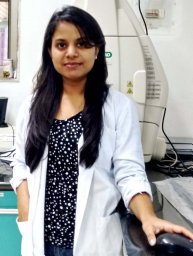 Bhavana Kushwaha合作论文数Endocrinology Division, CSIR-Central Drug Research Institute10
 Ashish Jain合作论文数Division of Endocrinology, Central Drug Research Institute (CSIR),7
 Lalit Kumar合作论文数Division of Medicinal and Process Chemistry, Central Drug Research Institute (CSIR),7
 Veenu Bala合作论文数Medicinal and Process Chemistry Division, CSIR-Central Drug Research Institute;Academy of Scientific and Innovative Research;Academy of Scientific and Innovative Research, CSIR-Central Drug Research Institute6
 Nand Lal合作论文数Department of Life Sciences, C.S.J.M. University6
 Amit Sarswat合作论文数5
 Santosh Kumar Yadav合作论文数4Jangir Santosh合作论文数4
 Vikas Sharma合作论文数Division of Endocrinology, CSIR-Central Drug Research Institute4
 Pandey Aastha合作论文数4
 Vikas Verma合作论文数Department of Pediatrics, KSCH4
 P K Shukla合作论文数Division of Fermentation Technology, Central Drug Research Institute4
 Vishal Singh合作论文数3
 Pratiksha Singh合作论文数3Mandalapu Dhanaraju合作论文数Medicinal &amp;Process Chemistry Division, CSIR-Central Drug Research Institute3Rawat Tara合作论文数3
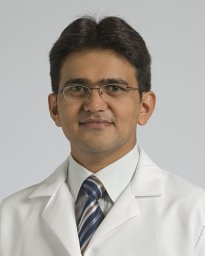 Singh Rajender合作论文数Centre for Cellular and Molecular Biology, Hyderabad, India3
 Mohammad I Siddiqi合作论文数CSIR-Central Drug Research Institute, Lucknow3
 Subhash Solanki合作论文数Animal Genomics Lab, National Dairy Research Institute2Sankhwar Satya N合作论文数2Pandey Atindra K合作论文数2
 Sharma Monika合作论文数Department of Biochemistry, University of Otago2
 A. K. Dwivedi合作论文数Division of Pharmaceutics, Central Drug Research Institute2Deepti Pandey合作论文数1
 Vikash Kumar合作论文数1
 Praveen Shukla合作论文数1Pranali Shete合作论文数1
 Rahul Vishvkarma合作论文数1
 Sonal Gupta合作论文数1
 Monika Dwivedi合作论文数CSIR, Natl Bot Res Inst1
 Somesh Banerjee合作论文数Mol Endocrinol Lab, Indian Inst Technol Roorkee1Parul Katiyar合作论文数Molecular Endocrinology Laboratory, Indian Institute of Technology1
 Archana Devi合作论文数1
 Shashank Sagar Saini合作论文数Plant Mol Biol Lab, Indian Inst Technol Roorkee1
 Garima Pandey合作论文数1
 Swatantra Kumar Jain合作论文数Jamia Hamdard University1
 Raghav Kumar Mishra合作论文数1Sujit Kumar Mohanty合作论文数Cincinnati Children's Hospital Medical Center and the Department of Pediatrics, University of Cincinnati College of Medicine1
 Khandelwal Kiran合作论文数1
 Shakti Deep Pachauri合作论文数Division of Pharmaceutics, CSIR-Central Drug Research Institute1
 Marine Baptissart合作论文数1
 Yashpal Singh Chhonker合作论文数Pharmacokinetics and Metabolism Division, CSIR-Central Drug Research Institute;Academy of Scientific and Innovative Research;Academy of Scientific and Innovative Research, CSIR-Central Drug Research Institute1
 Hardik Chandasana合作论文数Pharmacokinetics &amp;Metabolism Div., CSIR-Central Drug Research Institute;Academy of Scientific and Innovative Research (AcSIR), Anusandhan Bhawan, Rafi Marg, New Delhi 110001, India.;Academy of Scientific and Innovative Research (AcSIR),, CSIR-Central Drug Research Institute1
 Nidhi Singh合作论文数1
 Priyanka A. Shah合作论文数1
 Pandey Rishi Ranjan合作论文数Division of Pharmaceutics, CSIR-Central Drug Research Institute1




