BACKGROUND:Although sustained ventricular arrhythmias (VAs) are a common complication after durable left ventricular assist device (LVAD) implantation, the incidence, risk factors, and prognostic implications of postoperative early VAs (EVAs) in contemporary patients with LVAD are poorly understood. METHODS AND RESULTS:A single-center retrospective analysis was performed of patients who underwent LVAD implantation from October 1, 2006, to October 1, 2022. EVA was defined as an episode of sustained VA identified ≤30 days after LVAD implantation. A total of 789 patients underwent LVAD implantation (mean age 62.9 ± 0. years 5, HeartMate 3 41.4%, destination therapy 43.3%). EVAs occurred in 100 patients (12.7%). A history of end-stage renal disease (odds ratio [OR] 5.6, 95% confidence interval [CI] 1.45-21.70), preoperative electrical storm (OR 2.82, 95% CI 1.11-7.16), and appropriate implantable cardiac defibrillator therapy before implantation (OR 2.8, 95% CI 1.26-6.19) are independently associated with EVAs. EVA was associated with decreased 30-day survival (hazard ratio 3.02, 95% CI 1.1-8.3, P = .032). There was no difference in transplant-free survival time between patients with and without EVAs (hazard ratio 0.82, 95% CI 0.5-1.4, P = .454). CONCLUSIONS:EVAs are common after durable LVAD implantation and are associated with an increased risk of 30-day mortality.
Polyarteritis nodosa (PAN) is a necrotizing vasculitis causing intimal proliferation, luminal narrowing, thrombosis, ischemia, and even infarction. Coronary manifestations are rare, though recent evidence suggests coronary disease may progress rapidly causing significant morbidity and mortality. We report a case of multi-vessel occlusive coronary artery disease (CAD) in a patient with systemic PAN, successfully managed with 4-vessel coronary artery bypass grafting (CABG). An obese 53-year-old male with hypertension, hyperlipidemia, and tobacco use presented with episodic epigastric pain. Serial troponins and EKGs did not suggest cardiac ischemia. Cardiac MRI showed concentric LV hypertrophy with preserved systolic function without signs of infiltrative disease or fibrosis. Abdominal CT demonstrated splenic infarction, luminal narrowing of the celiac axis, and abdominal aortic and bilateral iliac artery aneurysms. MRA revealed inflammation of the celiac, splenic, and common hepatic arteries. CT angiography revealed beading of the superior mesenteric artery and celiac trunk, indicative of vasculitis. C3 and C4 levels were elevated. Polyarteritis nodosa was felt to be his unifying diagnosis. Prior to initiating cyclophosphamide, he returned with severe epigastric pain prompting admission. Endoscopy was negative. Coronary CT showed extensive calcification. Angiography revealed multi-vessel occlusive disease patterned with ectasia. He underwent 4-vessel CABG revascularization with LIMA-LAD and SVG-OM-LPDA-RPDA. After surgery, he began prednisone, dual anti-platelet, statin, beta-blocker, and angiotensin receptor blockade with rheumatology follow-up for optimal timing of cyclophosphamide initiation. For patients with systemic inflammatory conditions, recognition of atypical anginal events is crucial as typical identifiers of atherosclerosis may not be obvious. Bypass is definitive therapy, as stenting arteritic vessels may result in neo-endothelization. Clinicians must recognize increased risk of CAD while offering appropriate primary and secondary interventions such as screening imaging and knowledge of disease distribution for appropriate graft choice.
Purpose of Review While randomized controlled trials have historically served as the gold standard for shaping guideline recommendations, real-world data are increasingly being used to inform clinical decision-making. We describe ways in which healthcare systems are generating real-world data related to dyslipidemia and how these data are being leveraged to improve patient care. Recent Findings The electronic medical record has emerged as a major source of clinical data, which alongside claims and pharmacy dispending data is enabling healthcare systems the ability to identify care gaps (underdiagnosis and undertreatment) in patients with dyslipidemia. Availability of this data also allows healthcare systems the ability to test and deliver interventions at the point-of-care. Real-world data possess great potential as a complement to randomized controlled trials. Healthcare systems are uniquely positioned to not only define care gaps and areas of opportunity, but to also to leverage tools (e.g., clinical decision support, case identification) aimed at closing them.
The stem cell field is hindered by its inability to noninvasively monitor transplanted cells within the target organ in a repeatable, time-sensitive, and condition-specific manner. We hypothesized that quantifying and characterizing transplanted cell-derived exosomes in the recipient plasma would enable reliable, noninvasive surveillance of the conditional activity of the transplanted cells. To test this hypothesis, we used a human-into-rat xenogeneic myocardial infarction model comparing two well-studied progenitor cell types: cardiosphere-derived cells (CDCs) and c-kit+ cardiac progenitor cells (CPCs), both derived from the right atrial appendage of adults undergoing cardiopulmonary bypass. CPCs outperformed the CDCs in cell-based and in vivo regenerative assays. To noninvasively monitor the activity of transplanted CDCs or CPCs in vivo, we purified progenitor cell-specific exosomes from recipient total plasma exosomes. Seven days after transplantation, the concentration of plasma CPC-specific exosomes increased about twofold compared to CDC-specific exosomes. Computational pathway analysis failed to link CPC or CDC cellular messenger RNA (mRNA) with observed myocardial recovery, although recovery was linked to the microRNA (miRNA) cargo of CPC exosomes purified from recipient plasma. We further identified mechanistic pathways governing specific outcomes related to myocardial recovery associated with transplanted CPCs. Collectively, these findings demonstrate the potential of circulating progenitor cell-specific exosomes as a liquid biopsy that provides a noninvasive window into the conditional state of the transplanted cells. These data implicate the surveillance potential of cell-specific exosomes for allogeneic cell therapies.
Background: We identified that human neonatal cardiac progenitor cells (CPCs) improve cardiac function and attenuate adverse left ventricular remodeling after myocardial infarction through their exosomes (nEXOs). RNAseq analysis of nEXOs identified miRs which may be responsible for modulation of Hippo signaling, thereby promoting cardiomyocytes proliferation. Hypothesis: nEXOs effectively stimulate endogenous cardiomyocyte (CM) proliferation by targeting the Hippo pathway to restore cardiac function in an injured heart. Methods and results: nCPCs were conditioned for 48 hours in serum free nutrition mix (Ham’sF12) and nEXOs were purified from supernatant using size exclusion chromatography (SEC; CL2B) coupled with ultracentrifugation. nEXOs were quantified by Nanosight (NS300) and characterized by transmission electron microscopy and flow cytometry for the presence of CD63 and CD9. Our results show recovery of cardiac function (ejection fraction = 63.4% vs 40.5%, n=10, p<0.001)) and generation of myocardial mass in a rodent MI model following nEXOs’ intra-myocardial injection. We further show that nEXOs are preferentially acquired by CMs in the border zone of the infarction (m-cherry-Alix labeled EXOs). Using deep RNAseq (sequencing depth: 25 million reads) coupled with literature based in silico analysis, we identified a candidate panel of miRNAs, predicted to promote CM proliferation by targeting the Hippo Pathway. Our In vitro experiments show that miR-528-3p and miR-7641 (25nM) are the most effective miRs to induce proliferation of quiescent cardiomyocytes (40.1% and 48.8%, respectively, n=3). Increased miR-7641 expression led to a profound increase in quiescent CMs proliferation, in part through repression of the Hippo signal transduction pathway (increased YAP/pYAP ratio). By immunoblotting we show that LATs1/2 (a protein in the Hippo pathway) is directly targeted by miR-7641. nEXOs enriched with miR 7641 promote CM proliferation by 3 folds as compared to non-enriched nEXOs. Conclusion: Our data for the first time demonstrates the ability of EXOs derived micro-RNA based therapeutic approaches to improve cardiac function through the activation of cardiomyocyte proliferation.
Background: Cardiac Progenitor cells (CPCs, identified by ckit+/CD45-/lin-) are being studied in 21 clinical trials (recruiting and completed) to restore heart function and promote tissue regeneration in response to injury. We have recently identified that CPCs derived exosomes (EXO) are critical for their functional activity. Hypothesis: We hypothesized that heat shock factor 1 (HSF1) modulates EXO biogenesis from CPCs and their enrichment with therapeutic miRs. Methods and Results: EXOs were isolated from cultured CPCs, generated from the biopsies of right atrial appendage (RAA) at the time of cardiac surgery from neonatal (nCPCs, < 1 month) and adult (aCPCs, > 40 years) patients with normal functioning myocardium using size exclusion chromatography (CL-2B). EXOs were analyzed by transmission electron microscopy, Nanosight (LM10) and the flow cytometry for EXO markers as CD63 and ALIX. Our results showed that chronological ageing affects EXOs biogenesis and their functional potential since nCPCs generate significantly more EXOs than aCPCs. HSF1 overexpression in aCPCs significantly enhanced their EXO biogenesis. nCPCs derived EXOs (nEXOs) are significantly more effective (nEXOs 62.14±2.9% vs aEXO 56 ± 3.6%, p<0.05) to improve cardiac function and tissue repair in a myocardial infarction (MI) model in rats as compared to aCPCs derived EXOs. In a rat MI model, using florescent labelled HLA-A antibodies, nEXOs were retained for longer duration in rat serum as compared to aEXOs, which correlated with myocardial functional recovery. miRNA sequencing of EXOs identified significantly higher expression of cardio protective miRs like miR199b, 146a, 454, 590, 21 in nEXOs as compared to aEXOs. We also identified that HSF1 overexpression in aCPCs significantly enriched them with miR21 and miR590, suggesting that HSF1 can affect EXO biogenesis and its miR Cargo. Conclusion: We showed that nEXOs are functionally more active and modulation of HSF1 can affect EXOs biogenesis and its cargo from CPCs. These results also suggest that nEXOs has the potential to be utilized as an off the shelf cell-free therapy.
Despite advances in surgical technique and postoperative care, long-term survival of children born with hypoplastic left heart syndrome (HLHS) remains limited, with cardiac transplantation as the only alternative for patients with failing single ventricle circulations. Maintenance of systemic right ventricular function is crucial for long-term survival, and interventions that improve ventricular function and avoid or defer transplantation in patients with HLHS are urgently needed. We hypothesize that the young myocardium of the HLHS patient is responsive to the biological cues delivered by bone marrow-derived mesenchymal stem cells (MSCs) to improve and preserve right ventricle function. The ELPIS trial (Allogeneic Human MEsenchymal Stem Cell Injection in Patients with Hypoplastic Left Heart Syndrome: An Open Label Pilot Study) is a phase I/IIb trial designed to test whether MSC injection will be both safe and feasible by monitoring the first 10 HLHS patients for new major adverse cardiac events. If our toxicity stopping rule is not activated, we will proceed to the phase IIb component of our study where we will test our efficacy hypothesis that MSC injection improves cardiac function compared with surgery alone. Twenty patients will be enrolled in a randomized phase II trial with a uniform allocation to MSC injection versus standard surgical care (no injection). The 2 trial arms will be compared with respect to improvement of right ventricular function, tricuspid valve annulus size, and regurgitation determined by cardiac magnetic resonance and reduced mortality, morbidity, and need for transplantation. This study will establish the safety and feasibility of allogeneic mesenchymal stem cell injection in HLHS patients and provide important insights in the emerging field of stem cell-based therapy for congenital heart disease patients.
Rationale: Cardiac progenitor cells are an attractive cell type for tissue regeneration, but their mechanism for myocardial remodeling is still unclear. Objective: This investigation determines how chronological age influences the phenotypic characteristics and the secretome of human cardiac progenitor cells (CPCs), and their potential to recover injured myocardium. Methods and Results: Adult (aCPCs) and neonatal (nCPCs) cells were derived from patients aged >40 years or <1 month, respectively, and their functional potential was determined in a rodent myocardial infarction model. A more robust in vitro proliferative capacity of nCPCs, compared with aCPCs, correlated with significantly greater myocardial recovery mediated by nCPCs in vivo. Strikingly, a single injection of nCPC-derived total conditioned media was significantly more effective than nCPCs, aCPC-derived TCM, or nCPC-derived exosomes in recovering cardiac function, stimulating neovascularization, and promoting myocardial remodeling. High-resolution accurate mass spectrometry with reverse phase liquid chromatography fractionation and mass spectrometry was used to identify proteins in the secretome of aCPCs and nCPCs, and the literature-based networking software identified specific pathways affected by the secretome of CPCs in the setting of myocardial infarction. Examining the TCM, we quantified changes in the expression pattern of 804 proteins in nCPC-derived TCM and 513 proteins in aCPC-derived TCM. The literature-based proteomic network analysis identified that 46 and 6 canonical signaling pathways were significantly targeted by nCPC-derived TCM and aCPC-derived TCM, respectively. One leading candidate pathway is heat-shock factor-1, potentially affecting 8 identified pathways for nCPC-derived TCM but none for aCPC-derived TCM. To validate this prediction, we demonstrated that the modulation of heat-shock factor-1 by knockdown in nCPCs or overexpression in aCPCs significantly altered the quality of their secretome. Conclusions: A deep proteomic analysis revealed both detailed and global mechanisms underlying the chronological age-based differences in the ability of CPCs to promote myocardial recovery via the components of their secretome.
Introduction: Cardiac Progenitor cells (CPCs, identified by ckit+/CD45-/lin-) are being used in 21 clinical trials (recruiting and completed) to restore heart function and promote tissue regeneration in response to injury and their exosomes (EXO) has been identified to be critical for their functional activity. Hypothesis: We hypothesized that heat shock factor 1 (HSF1) modulates EXO biogenesis from CPCs and their enrichment with therapeutic miRs. Methods and Results: EXOs were isolated from cultured CPCs, generated from the biopsies of right atrial appendage (RAA) at the time of cardiac surgery from neonatal (nCPCs, < 1 month) and adult (aCPCs, > 40 years) patients with normal functioning myocardium using size exclusion chromatography (CL-2B). EXOs were analyzed by transmission electron microscopy, Nanosight (LM10) and the flow cytometry for EXO markers as CD63 and ALIX. Our results showed that physiological changes as ageing affects EXOs biogenesis and their functional potential as nCPCs generate significantly more EXOs than aCPCs. HSF1 overexpression in aCPCs significantly enhanced their EXO biogenesis. nCPCs derived EXOs (nEXOs) are significantly more effective (nEXOs 62.14±2.9% vs aEXO 56 ± 3.6%, p<0.05) to improve cardiac function and tissue repair in a myocardial infarction (MI) model in rats as compared to aCPCs derived EXOs. In a rat MI model, using florescent labelled HLA-A antibodies, nEXOs were identified to be retained for longer duration in rat serum as compared to aEXOs, which correlated with myocardial functional recovery. miRNA sequencing of EXOs identified significantly higher expression of cardio protective miRs like miR199a, 146a, 454, 590, 130a in nEXOs as compared to aEXOs. We also identified that HSF1 overexpression in aCPCs significantly enriched them with miR199a, miR130a and miR590 suggesting that HSF1 can affect EXO biogenesis and its miR Cargo. The results of large scale production of EXOs using hollow fibre systems will also be presented. Conclusion: We showed that nEXOs are functionally more active and modulation of HSF1 can affect EXOs biogenesis and its cargo from CPCs. These results also suggest that nEXOs has the potential to be utilized as an off the shelf cell-free therapy.
Background. C-kit(+) cardiac progenitor cells (CPCs) have been shown to be safe and effective in large-animal models and in an early-phase clinical trial for adult patients with ischemic heart disease. However, CPCs have not yet been evaluated in a preclinical model of right ventricular (RV) dysfunction, which is a salient feature of many forms of congenital heart disease. Methods. Human c-kit(+) CPCs were generated from right atrial appendage biopsy specimens obtained during routine congenital cardiac operations. Immunosuppressed Yorkshire swine (6 to 9 kg) underwent pulmonary artery banding to induce RV dysfunction. Thirty minutes after banding, pigs received intramyocardial injection into the RV free wall with c-kit(+) CPCs (1 million cells, n = 5) or control (phosphate-buffered saline, n = 5). Pigs were euthanized at 30 days postbanding. Results. Banding was calibrated to a consistent rise in the RV-to-systemic pressure ratio across both groups (postbanding: CPCs = 0.76 +/- 0.06, control = 0.75 +/- 0.03). At 30 days postbanding, the CPCs group demonstrated less RV dilatation and a significantly greater RV fractional area of change than the control group (p = 0.002). In addition, measures of RV myocardial strain, including global longitudinal strain and strain rate, were significantly greater in the CPCs group at 4 weeks relative to control (p = 0.004 and p = 0.01, respectively). The RV free wall in the CPCs group demonstrated increased arteriole formation (p < 0.0001) and less myocardial fibrosis compared with the control group (p = 0.02). Conclusions. Intramyocardial injection of c-kit(+) CPCs results in enhanced RV performance relative to control at 30 days postbanding in neonatal pigs. This model is important for further evaluation of c-kit(+) CPCs, including long-term efficacy. (C) 2017 by The Society of Thoracic Surgeons
Background: Autologous c-kit + cardiac progenitor cells (c-kit + CPCs) and cardio-sphere derived cells (CDCs) were reported to be effective in reducing scar size in myocardial infarction patients. We have recently identified that c-kit + CPCs have superior cardiac regenerative potentials over CDCs, independent of patient specific characteristics. However, c-kit + CPCs allogeneic potentials were not been investigated. In this study we compared c-kit + CPCs in vitro and in vivo immunological tolerance and in vivo cardiac recovery potentials using divergent rat strains. Methods and Results: We isolated human c-kit + CPCs (hc-kit + CPCs), hCDCs from adult coronary artery bypass graft patients and compared with human mesenchymal stem cells (hMSCs). Human c-kit + CPCs, CDCs and MSCs expressed major histocompatibility complex (MHC) I but not MHC II and co-stimulatory molecules (CD80 and CD86). In mixed lymphocyte reaction (MLR) assay, co-culture of human peripheral blood monocytes with allogeneic hc-kit + CPCs, hCDCs and hMSCs elicit negligible T-cell proliferation. To further understand the allogeneic potentials of c-kit + CPCs, Wistar Kyoto (WKY) rat c-kit + CPCs (rc-kit + CPSs) and MSCs (rMSCs) were isolated and evaluated their alloantigen expression, which shows similar pattern as human c-kit + CPCs and MSCs. Co-culture of rc-kit + CPCs and rMSCs with Brown Norway (BN) rat lymphocytes failed to induce proliferation of T-cells, which is similar to syngeneic rc-kit + CPCs and allogeneic rMSCs. In vivo , intra-myocardial transplantation of allogeneic c-kit + CPCs recover the cardiac function of myocardial infarction rats. In addition, allogeneic and syngeneic c-kit + CPCs elicit minimal local, systemic and humoral immune responses compared to xenogeneic c-kit + CPCs. Conclusion: Human and rat allogeneic c-kit + CPCs are immune tolerant and produce minimal immunological response while maintaining their cardiac recovery potentials in immunologically divergent species. Our observations warrant the development of an allogeneic c-kit + CPC strategy for clinical trail application.
Limited therapies exist for patients with congenital heart disease (CHD) who develop right ventricular (RV) dysfunction. Bone marrow-derived mesenchymal stem cells (MSCs) have not been evaluated in a preclinical model of pressure overload, which simulates the pathophysiology relevant to many forms of CHD. A neonatal swine model of RV pressure overload was utilized to test the hypothesis that MSCs preserve RV function and attenuate ventricular remodeling. Immunosuppressed Yorkshire swine underwent pulmonary artery banding to induce RV dysfunction. After 30 min, human MSCs (1 million cells, n = 5) or placebo (n = 5) were injected intramyocardially into the RV free wall. Serial transthoracic echocardiography monitored RV functional indices including 2D myocardial strain analysis. Four weeks postinjection, the MSC-treated myocardium had a smaller increase in RV end-diastolic area, end-systolic area, and tricuspid vena contracta width (P < 0.01), increased RV fractional area of change, and improved myocardial strain mechanics relative to placebo (P < 0.01). The MSC-treated myocardium demonstrated enhanced neovessel formation (P < 0.0001), superior recruitment of endogenous c-kit+ cardiac stem cells to the RV (P < 0.0001) and increased proliferation of cardiomyocytes (P = 0.0009) and endothelial cells (P < 0.0001). Hypertrophic changes in the RV were more pronounced in the placebo group, as evidenced by greater wall thickness by echocardiography (P = 0.008), increased cardiomyocyte cross-sectional area (P = 0.001), and increased expression of hypertrophy-related genes, including brain natriuretic peptide, β-myosin heavy chain and myosin light chain. Additionally, MSC-treated myocardium demonstrated increased expression of the antihypertrophy secreted factor, growth differentiation factor 15 (GDF15), and its downstream effector, SMAD 2/3, in cultured neonatal rat cardiomyocytes and in the porcine RV myocardium. This is the first report of the use of MSCs as a therapeutic strategy to preserve RV function and attenuate remodeling in the setting of pressure overload. Mechanistically, transplanted MSCs possibly stimulated GDF15 and its downstream SMAD proteins to antagonize the hypertrophy response of pressure overload. These encouraging results have implications in congenital cardiac pressure overload lesions.
Background: Human cardiac progenitor cells (hCPCs), identified by ckit + /CD45 - , provide a promising therapeutic option following myocardial infarction (MI) as their clinical relevance has been validated in the S tem C ell I nfusion in P atients with I schemic Cardi o myopathy (SCIPIO) Phase I clinical trial. The mechanism for their functional recovery of the injured myocardium is unknown. Hypothesis: We hypothesized whether CPCs secrete biologically active exosomes and if these exosomes could provide cardioprotection after myocardial infarction (MI). Methods and results: Exosomes were isolated from cultured CPCs, generated from the biopsies of right atrial appendage (RAA) from neonatal (nCPCs) and adult (aCPCs) patients with normal functioning myocardium. TEM showed that both CPCs secrete microvesicles, which fall within the same size range as exosomes (80-170nM, diameter). FACS performed for canonical exosomal surface markers CD63, ALIX and CD9 confirmed the presence of exosomes in the secretome of CPCs. Quantification of exosomes by Nanosight NS300 showed that nCPCs produce more than twice the amount of exosomes as compared to aCPCs in 48 hours. Exosomes were internalized by cardiomyocytes, endothelial cells and fibroblasts, within the myocardium. CPCs derived exosomes enhanced angiogenesis as analyzed by HUVEC tube assay formation and proliferation of neonatal rat cardiomyocytes while inhibiting their apoptosis in the presence of oxidative stress and inflammation. Intra-myocardial injection of exosomes into rat myocardium after MI restored ejection fraction (CPCs 63.74±3.68% vs CPCs-exosomes 62 ± 2.97%), attenuated adverse left ventricular remodeling and reduced infarct size which were comparable to CSC therapy at 28 days post MI. CPC exosomes also contain distinctive cargo of miRs and proteins. Immunoblot analysis shows that CPC exosomes are enriched in the paracrine factors VEGFA, ANG1, SCF1 and HGF1, with cardioprotective roles. Conclusion: Our findings identify exosomes as the smallest functional unit and potential biomarkers of CPC therapy. CPCs derived exosomes can be utilized as an off the shelf cell-free therapy which eliminates several shortcomings of cell therapy, including cell retention, cell rejection and arrhythmia.
Background: A recent clinical trail using adult autologous c-kit + cardiac progenitor cells (c-kit + CPCs) have demonstrated cardiac functional recovery in myocardial ischemic patients. This autologous approach of ex vivo expansion of c-kit+ CPCs is expensive and time consuming. The immune tolerant properties of c-kit + CPCs have not been investigated as an alternative clinical strategy. In this study, we compared allogeneic and syngeneic c-kit + CPCs immunogenic tolerance and cardiac recovery potentials using divergent inbred rat strains in a myocardial infarction (MI) model. Methods and Results: We isolated rat c-kit + CPCs (rc-kit + CPCs) from male Wistar Kyoto (WKY) rat hearts and human c-kit + CPCs (hc-kit + CPCs) from adult coronary artery bypass graft patient’s right atrial appendage. In vitro, both rat and human c-kit + CPCs expressed MHC class I but not class II or co-stimulatory molecules CD80 and CD86. In mixed lymphocyte reaction (MLR) assay, allogeneic and syngeneic rc-kit + CPCs elicited minimal T-cell proliferation. In vivo, intra-myocardial administration of WKY rc-kit + CPCs after creating MI condition, elicited minimal local, systemic and humoral inflammatory response in allogeneic (Brown Norway (BN) female rats) and syngeneic (WKY female rats) groups compared to the xenogeneic (hc-kit + CPCs in BN male rats). In addition, the allogeneic and syngeneic rc-kit + CPCs groups significantly recovered cardiac function (EF, SV, and CO) compared to the xenogeneic c-kit + CPCs group, which had no functional recoverability. Histological analysis further revealed that allogeneic and syngeneic rc-kit + CPCs groups had significantly decreased scar size by increasing endogenous cardiomyocyte proliferation, c-kit + CPC recruitment and increased neoangiogenesis. Conclusion: Allogeneic c-kit + CPCs are immune tolerant and produce minimal inflammatory response while maintaining their cardiac recovery potentials in immunologically divergent species. Our observation, for the fist time, reports the minimal immunogenic response by c-kit + CPCs and strongly supports the development of an allogeneic c-kit + CPC strategy for clinical trial applications.
Introduction: Quantitative assessment of right ventricular (RV) function by echocardiography remains a challenge due to the complex geometry of the RV. The objective of this study was to assess the utility of speckle-tracking echocardiography (STE) compared to conventional transthoracic two-dimensional (2DE) in a RV pressure-overload swine model after treatment with cardiac or mesenchymal stem cells. Methods: Neonatal swine underwent pulmonary artery banding (PAB) to induce RV dysfunction. After banding, pigs received intramyocardial injection into the RV free wall with human c-kit+ cardiac stem cells (hCSCs) alone (n=5), human mesenchymal stem cells (hMSCs) alone (n=5), a combination of hCSCs/hMSCs (n=5) or placebo (phosphate-buffered saline, n=5). Standard 2DE was performed pre-operatively, post-banding and at 4 weeks. Offline blinded analysis using vendor-independent software was performed measuring longitudinal strain and strain rate from the apical 4-chamber view. Results: The mean RV:systemic pressure ratio at baseline and post-banding was 0.34±0.04 vs. 0.76±0.05, respectively (P Conclusion: In a neonatal model of RV pressure-overload, we were able to detect significant changes in underlying myocardial mechanics which conventional RV functional indices did not detect. STE may be more sensitive than traditional echocardiography in assessing RV function in neonatal pressure-overloaded lesions.
 Sunjay Kaushal合作论文数Department of Surgery, Feinberg School of Medicine, Northwestern University13
 Sudhish Sharma合作论文数12
 Rachana Mishra合作论文数Institute of Biosciences and Biotechnology, Chhatrapati Shahu Ji Maharaj University12Wehman Brody合作论文数5
 Saha Progyaparamita合作论文数Department of Microbiology and Immunology, University of Maryland School of Medicine5
 Srinivasa Raju Datla合作论文数Division of Cardiology, Emory University4
 Nicholas Pietris合作论文数4Chetan Ambastha合作论文数3Godly Jack合作论文数3osama t siddiqui合作论文数3
 Sotirios K Karathanasis合作论文数3
 Prashanth Vallabhajosyula合作论文数Yale Department of Surgery, Yale School of Medicine, Yale University3
 Gunasekaran Muthukumar合作论文数Departments of Surgery.3
 Sarah B Murthi合作论文数3Luke Lawrence合作论文数2Manish Shah合作论文数2Sotirios Karanthasis合作论文数2Binaya Basyal合作论文数2Cyrus Hadadi合作论文数2
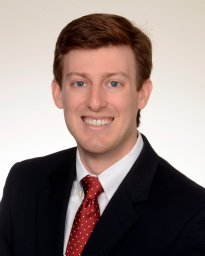 Connor Patrick Oates合作论文数Icahn School of Medicine at Mount Sinai, Zena and Michael A. Wiener Cardiovascular Institute2
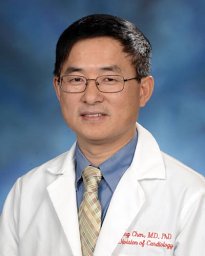 Chen Ling合作论文数2Sheikh Farooq合作论文数2Guo Yin合作论文数2Tieluo Li合作论文数2Laxminarayana Korutla合作论文数2
 Peixin Yang合作论文数Department of Obstetrics, Gynecology, and Reproductive Sciences, University of Maryland School of Medicine2Luke L. Lawrence合作论文数1
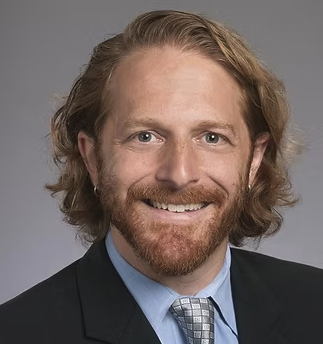 Michael Davis合作论文数Wallace H. Coulter Department of Biomedical Engineering, School of Medicine, Emory University;Children's Heart Research and Outcomes (HeRO) Center, Children's Healthcare of Atlanta1Farnaz Shoja-Taheri合作论文数1Namratha S. Meda合作论文数1Dylan Walter合作论文数1Malini Sarkar合作论文数1Nayrana Griffith合作论文数1Monvadi Srichai-Parsia合作论文数1Flaviu Gruia合作论文数1Aparna Sajja合作论文数1Wendy Wang合作论文数1Laxminarayan Korutla合作论文数1Philip Zachary-Brohawn合作论文数1Sonia Draggulin-Otto合作论文数1Michael Hockstein合作论文数1
 Phillip H. Lam合作论文数1Sriram D Rao合作论文数1Robert W Hu合作论文数1Deatrick Kristopher B合作论文数1Bittle Gregory J合作论文数1Goo Young Ah合作论文数1
 Ty Gluckman合作论文数1
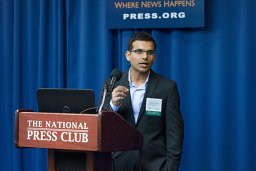 Mohd M. Khan合作论文数From the Department of Chemistry and Biochemistry, University of Maryland Baltimore County1




