A screening for siderophores produced by the ectomycorrhizal fungi Laccaria laccata and Laccaria bicolor in synthetic low iron medium revealed the release of several different hydroxamate siderophores of which four major siderophores could be identified by high resolution mass spectrometry. While ferricrocin, coprogen and triacetylfusarinine C were assigned as well as other known fungal siderophores, a major peak of the siderophore mixture revealed an average molecular mass of 797 for the iron-loaded compound. High resolution mass spectrometry indicated an absolute mass of m/z = 798.30973 ([M + H](+)). With a relative error of Δ = 0.56 ppm this corresponds to linear fusigen (C33H52N6O13Fe; MW = 797.3). The production of large amounts of linear fusigen by these basidiomycetous mycorrhizal fungi may possibly explain the observed suppression of plant pathogenic Fusarium species. For comparative purposes Fusarium roseum was included in this study as a well known producer of cyclic and linear fusigen.
A screening for siderophores produced by the ectomycorrhizal fungi and in synthetic low iron medium revealed the release of several different hydroxamate siderophores of which four major siderophores could be identified by high resolution mass spectrometry. While ferricrocin, coprogen and triacetylfusarinine C were assigned as well as other known fungal siderophores, a major peak of the siderophore mixture revealed an average molecular mass of 797 for the iron-loaded compound. High resolution mass spectrometry indicated an absolute mass of = 798.30973 ([M + H]). With a relative error of Δ = 0.56 ppm this corresponds to linear fusigen (CHNOFe; MW = 797.3). The production of large amounts of linear fusigen by these basidiomycetous mycorrhizal fungi may possibly explain the observed suppression of plant pathogenic species. For comparative purposes was included in this study as a well known producer of cyclic and linear fusigen.
Benzoxacystol, a new 1,4-benzoxazine-type metabolite, was produced by strain NTK 935, a marine member of the Streptomyces griseus 16S rRNA clade, isolated from deep-sea sediment collected from the Canary Basin. The structure of benzoxacystol was determined by mass spectrometry, NMR experiments and X-ray analysis. The compound showed an inhibitory activity against the enzyme glycogen synthase kinase 3β and a weak antiproliferative activity against mouse fibroblast cells.
isolation, structure elucidation and antimicrobial activities of aurachin Q (Ia) and R (Ib)
AbstractChemInform is a weekly Abstracting Service, delivering concise information at a glance that was extracted from about 100 leading journals. To access a ChemInform Abstract of an article which was published elsewhere, please select a “Full Text” option. The original article is trackable via the “References” option.
In the course of our HPLC screening program, we investigated freshly isolated actinomycete strains from selected terrestrial and limnetic habitats with the aim of detecting novel drugs for pharmaceutical applications. The strains were grown in submerged culture in different media, and extracts prepared from mycelia and culture filtrates at various fermentation times.
A family of new secondary metabolites with a carbazole moiety and an alkyl side chain was isolated from Tsukamurella pseudospumae strain Acta. 1857. They were named lipocarbazoles in accordance with their chemical structures, which were determined by mass spectrometry and NMR spectroscopy. Lipocarbazoles are free radical scavengers showing antioxidative activity.
Piceamycin, a new macrolactam polyketide antibiotic, was detected by HPLC-diode array screening in extracts of Streptomyces sp. GB 4-2, which was isolated from the mycorrhizosphere of Norway spruce. The structure of piceamycin was determined by mass spectrometry and NMR experiments. It showed inhibitory activity against Gram-positive bacteria, selected human tumor cell lines and protein tyrosine phosphatase 1B.
The proximicins A–C (1–3) are novel naturally occurring γ-peptides with a hitherto unknown 2,4-disubstituted furan amino acid as a core structure. They show a moderate cytotoxic activity and induce upregulation of cell cycle regulating proteins (p53 and p21) and lead to cell cycle arrest in G0/G1-phase. Hybrid molecules combining structural motifs of the proximicins and of netropsin (4), a structurally related natural product, seem to have similar effects. Herein we describe the synthesis of a netropsin–proximicin-hybrid library and its evaluation regarding cytotoxicity and minor groove binding activity.
Albidopyrone, a new α-pyrone-containing secondary metabolite, was produced by Streptomyces sp. NTK 227, a strain isolated from Atlantic Ocean sediment and found to be a member of the Streptomyces albidoflavus 16S rRNA gene clade. The structure of the compound was determined by MS and NMR spectroscopy, and found to have a moderate inhibitory activity against protein-tyrosin phosphatase B.
The total synthesis of the natural occurring polyamides proximicin A-C (3-5) has been accomplished. A short and efficient synthesis of a thus far unknown 4-amino-2-furan carboxylic acid was developed. Furthermore, this unique heterocyclic gamma-amino-acid was used for the synthesis of a new class of AT-selective DNA-binding agents derived from the natural products combining structural features of the proximicins with those from the known DNA-binding natural products netropsin (1) and distamycin (2).
Caboxamycin, a new benzoxazole antibiotic, was detected by HPLC-diode array screening in extracts of the marine strain Streptomyces sp. NTK 937, which was isolated from deep-sea sediment collected in the Canary Basin. The structure of caboxamycin was determined by mass spectrometry, NMR experiments and X-ray analysis. It showed inhibitory activity against Gram-positive bacteria, selected human tumor cell lines and the enzyme phosphodiesterase.
Bendigoles A similar to C are the first secondary metabolites to be isolated from a member of the actinomycete genus Gordonia. They were detected in a culture filtrate extract of Gordonia australis Acta 2299 by HPLC-diode array analysis and characterized as new steroids by mass spectrometry and NMR experiments. Bendigole C show binding affinity to the human progesterone and A-C to androgen receptor but are inactive at mineralocorticoid and estrogen receptors. In in vitro transactivation studies bendigoles A and C showed moderate and weak androgenic activities.
Wirkstoffe aus dem Meer: Drei neue Netropsin-artige Antibiotika (1–3) mit einer bisher unbekannten Furangrundstruktur wurden aus marinen Actinomyceten isoliert und ihre Struktur mithilfe von Massenspektrometrie und 2D-NMR-Spektroskopie aufgeklärt. Sie haben Antitumoraktivität und induzieren im Unterschied zu Netropsin eine Hochregulation von p53 und des Cyclinkinase-Inhibitors p21.
Drugs from the sea: Three new netropsin-type antibiotics (1–3) with a hitherto unknown furan core structure have been isolated from marine actinomycete strains and their structures elucidated by means of mass spectrometry and 2D NMR spectroscopy. The compounds show antitumor activity and, in contrast to netropsin, they induce upregulation of p53 and the cyclin kinase inhibitor p21. Supporting information for this article is available on the WWW under http://www.wiley-vch.de/contents/jc_2002/2008/z705295_s.pdf or from the author. Please note: The publisher is not responsible for the content or functionality of any supporting information supplied by the authors. Any queries (other than missing content) should be directed to the corresponding author for the article.
Bendigoles A~C are the first secondary metabolites to be isolated from a member of the actinomycete genus Gordonia . They were detected in a culture filtrate extract of Gordonia australis Acta 2299 by HPLC-diode array analysis and characterized as new steroids by mass spectrometry and NMR experiments. Bendigole C show binding affinity to the human progesterone and A~C to androgen receptor but are inactive at mineralocorticoid and estrogen receptors. In in vitro transactivation studies bendigoles A and C showed moderate and weak androgenic activities.
In the genome of Bacillus amyloliquefaciens FZB42, three operons pks1, pks2, and pks3 were identified which encode the biosynthesis of polyketides. pks1 and pks3 have been attributed to the production of bacillaene and difficidin/oxydifficidin, respectively, while the pks2 product remained hitherto unknown. Mass spectrometric analysis of the culture filtrates of the wild-type B. amyloliquefaciens FZB42 and mutants revealed pks2-specific metabolites. By combination of the mass spectrometric and UV/vis data with a database search, these compounds were attributed to four members of the macrolactin family, macrolactin A and D as well as 7-O-malonyl- and 7-O-succinyl-macrolactin. This conclusion was verified by the isolation and structure elucidation of macrolactin A using mass spectrometric and 2D-NMR studies. Macrolactin biosynthesis was investigated using feeding experiments with (13)C-acetate. (13)C-labelled macrolactin A revealed an alternating labelling of its carbon skeleton with (13)C, indicating that acetate/malonate was used as the sole precursor. The macrolactin structure is compatible with the domain organization of the pks2-operon. Similarly to pks1 and pks3, pks2 is a modular polyketide synthase system of type I which exhibits a trans-acyltransferase architecture using a discrete acyltransferase enzyme iteratively in the assembly of macrolactin. Finally, the potential for macrolactin production on a genetic and metabolic basis was found to be widely distributed among Bacillus amyloliquefaciens strains.
An actinomycete, strain Acta 3026, isolated from mangrove soil was characterized and found to belong to the genus Nocardia. The strain produces two new cytotoxic metabolites, nocardichelins A (1) and B (2). Each of the compounds strongly inhibited human cell lines from gastric adenocarcinoma, breast carcinoma, and hepatocellular carcinoma with GI50 values in a low micromolar to nanomolar range. The structural characterization of the compounds was performed by mass spectrometry and NMR spectroscopy. The nocardichelins represent a new group of siderophores that combine the structural elements of mycobactin-type siderophores from mycobacteria and hydroxamate-type siderophores (desferrioxamine B) produced by streptomycetes. The chromazurol S assay, characteristic for iron(III) complexation, was positive, confirming the role as a siderophore.
The freshwater cyanobacterium Planktothrix rubescens produces the cyclooctapeptide cyclo(Pro-Gly-Leu-Val-Met-Phe-Gly-Val). The chemical structure is new. This homodetic cyclic octapeptide was named planktocyclin ( 1). It consists solely of proteinogenic l-amino acids and is a strong inhibitor of mammalian trypsin and alpha-chymotrypsin and a moderately active inhibitor of human recombinant caspase-8. Mass spectrometric and 2D-NMR spectroscopic data allowed the determination of its structure. Synthetic planktocyclin was identical to the natural product.
 Roderich D. Süssmuth合作论文数Technische Universität Berlin34
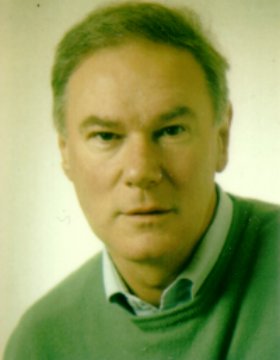 Günther Jung合作论文数Institute of Organic Chemistry, University of Tübingen26Fiedler Hans-Peter合作论文数22Kathrin Schneider合作论文数21
 Michael Goodfellow合作论文数School of Natural and Environmental Sciences, Newcastle University;School of Biology, Newcastle University10Stefan Pelzer合作论文数9Simone Keller合作论文数9winfried beil合作论文数8Wolfgang Wohlleben合作论文数8Bojan Bister合作论文数7Daniel Bischoff合作论文数7
 Johannes Imhoff合作论文数Department of Marine Microbiology, GEOMAR Helmholtz Centre for Ocean Research Kiel7Nachtigall Jonny合作论文数Institut für Chemie, Technische Universität Berlin6Alexandra Holtzel合作论文数5Carsten M. Pusch合作论文数5Christina Bruntner合作论文数5Falko E. Wolter合作论文数5
 Günther Winkelmann (G. Winkelmann)合作论文数Interfakultares Institut fur Mikrobiologie und Infektionsmedizin, Eberhard Karls Universitat Tubingen5
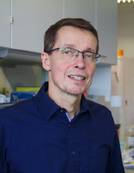 Andreas Peschel合作论文数Infection Biology Department, Eberhard Karls Universitat Tubingen;Interfakultares Institut Fur Mikrobiologie Und Infektionsmedizin, Eberhard Karls Universitat Tubingen;Mathematisch-Naturwissenschaftliche Fakultat, Eberhard Karls Universitat Tubingen;Medizinische Fakultat, Eberhard Karls Universitat Tubingen4
 Oliver Seitz合作论文数Department of Chemistry, Faculty of Mathematics and Natural Sciences, Humboldt-Universität zu Berlin4Sigrid Stockert合作论文数4Klaus Gebhardt合作论文数4Julia Riedlinger合作论文数4
 Amanda Jones合作论文数Department of Applied Sciences, Northumbria University4Dietmar G. Schmid合作论文数4Elisabeth Irran合作论文数4Ellen Graf合作论文数3Stefan Weist合作论文数3Friedrich Jüttner合作论文数Institut fur Pflanzenbiologie, University of Zurich3Hartmut Frank合作论文数3Lutz Bachmann合作论文数Natural History Museum;University of Oslo;Natural History Museum, University of Oslo3
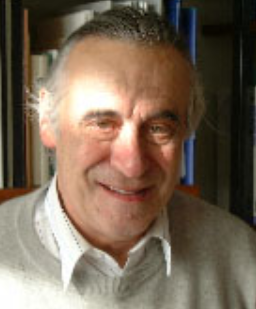 Ernst Bayer合作论文数University of Houston3
 Heidi Zinecker合作论文数3H ZAHNER合作论文数2T Walk合作论文数2Gerlinde Häninger合作论文数2Fiona M. Stainsby合作论文数2Iris Fedtke合作论文数2judith schimana合作论文数2Steffen A Borden合作论文数2JW METZGER合作论文数2Carmen Drahl合作论文数2marco kramer合作论文数2
 Michael Scholz合作论文数2
 Erik J. Sorensen合作论文数Department of Chemistry, Princeton University2
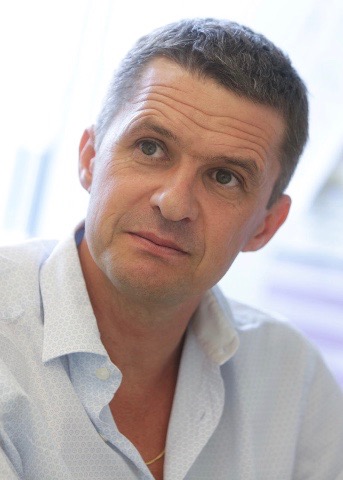 Hubertus Haas合作论文数Department of Molecular Biology, Medizinische Universitat Innsbruck2
 Heike Baumann合作论文数2Reiner Clarissa合作论文数2
 Markus Ganzera合作论文数Institute of Pharmacy/Pharmacognosy, University of Innsbruck2




