The eating quality of meat from cephalopods, in particular taste and texture, may depend on the way the animals are slaughtered. Knowing the relationship between slaughtering method and meat quality is important not only for the eater but also for designing the most humane slaughtering method for the animals in question. Here we analyse the meat from arms of Octopus vulgaris that have been killed by traditional suffocation methods and compare with meat from animals that have been anaesthetised before killing. By chemical analysis we determine the composition of the meat in terms of two free amino acid salts, glutamate and aspartate, along with the contents of the free nucleotides AMP, GMP, and IMP. These five compounds are decisive for the taste of the meat since they enter a powerful umami synergy. Although there is a substantial variation among biological replicates, our findings show that whereas the contents of the free amino acid do not depend on the slaughtering method, the contents of GMP and IMP are higher and that of AMP is lower in the meat from animals that have been killed by anaesthesia. The results suggest that meat quality as judged by the umami potential is higher in animals killed by anaesthesia. The comparison of two slaughtering methods combined with a temporal analysis over 48 h provides valuable insights into post-mortem flavour development. The focus on umami-related compounds contributes to discussions on both meat quality and aquatic animal welfare.
The investigation of the functional roles of peptide signalling represents an important route to understanding evolution of specific physiological traits and behaviours in metazoans. Allatostatins and their cognate receptors are classically defined as invertebrate neuropeptide hormones. Accumulating evidence recognises allatostatin C as a conserved signalling molecule across all invertebrate lineages, with reported functions spanning from regulation of feeding and digestion to immune responses and modulation of core nociception. Their orthologues across phyla imply biological functions of wider evolutionary significance. In particular, the presumed relationship with the somatostatin/opioid signalling receptors, modulating pain in mammals, warrants consideration. Here we combined in silico and experimental approaches to describe the molecular determinants of the allatostatin C signalling in the cephalopod Octopus vulgaris. This organism has been pivotal in understanding complex neurobiology due to the evolution of a large centralised nervous system. Our investigation resolved a single prepropeptide encompassing allatostatin C peptide (OvAstC) and two distinct allatostatin C receptors (OvAstCR1 and OvAstCR2). The single predicted mature peptide (AVITACYFQAVSCY) was shown to differentially activate the two identified cognate receptors. PCR analysis carried out in O. vulgaris tissues showed a broad distribution of OvAstC and OvAstCRs. This wide expression, while including nervous tissues, clearly extends to the immune and digestive systems. This distribution is consistent with a pleiotropic role of this peptidergic system. The neuro-sensory expression and the reinforced opioid/somatostatin-related phylogenetic placement of OvAstC/OvAstCRs, encourage further physiological investigation of the neuromodulatory control of sensory processing, including nociception in cephalopods.
Nociception, a phenomenon crucial for animal survival, deploys evolutionarily conserved molecular mechanisms. Among invertebrate species, cephalopods are of particular interest as they possess a welldeveloped brain speculated to be able to encode pain-like states. This has led to their inclusion in the Directive 2010/63 EU for welfare protection. However, the molecular mechanisms of nociception in cephalopods are still poorly characterised and it is important to address this knowledge gap to better understand cephalopods' capacity to express pain states. Here we describe a bioinformatic strategy utilising conserved nociceptive genes, to identify the orthologous candidates in the Octopus vulgaris transcriptome. We identified 51 genes we predict to function in nociception. These add to the mechanosensory TRPN and the unique chemotactile receptors recently identified in octopus suckers, thus expanding the set of genes that merit further functional characterisation in cephalopods. We therefore selected 38 orthologues in Caenorhabditis elegans, a tractable experimental platform and tested loss of function mutant strains of distinct functional gene classes (e.g. osm-9, egl-3, frpr-3) in a low pH avoidance paradigm. This identified 19 nociceptive-related genes to be prioritised for further functional characterisation in O. vulgaris.
Conservation projects seek to protect species, restore habitats, and mitigate threats such as habitat loss, climate change, and unsustainable resource use. These projects often rely on acquiring ecological data from the wild to support biodiversity management and promote resilience through informed management decisions. Animal use is usually crucial for investigating ecosystem dynamics, species ecology, and management strategies amidst growing human pressures. Field research in natural habitats, along with captive breeding programs, remains fundamental in addressing complex global ecological challenges in this sense. Projects involving live animals provide critical insights into practical management; however, ethical considerations become central, particularly for protected species, necessitating research protocols that prioritize animal welfare while balancing scientific objectives. Nevertheless, animal research presents ethical, legal, and practical challenges, and traditional laboratory systems “might not fit all” species. This paper explores conservation research projects on marine fish from legislative and practical perspectives by looking at current norms, animal welfare aspects, and conservation outcomes. The two iconic Mediterranean species, Hippocampus hippocampus and Hippocampus guttulatus, are analyzed as model examples to produce best practice indications and provide researchers with a practical path to outline scientific project design in marine conservation studies.
Zinc finger proteins comprise a large family of transcription factors involved in diverse processes, from suppression of transposable elements to regulation of neuronal development. In some clades, including vertebrates and coleoid cephalopods, members of the Cys2His2-type (C2H2) class of zinc fingers were shown to be expanded and likely relevant for neuron differentiation. Using genomic data from three octopus and three squid species, we show that C2H2 evolutionary history can be subdivided into duplication steps: (1) the coleoid expansions, (2) octopus-specific expansions, and (3) squid-specific expansions. While the overall expression patterns are consistent among those expansions and are associated with nervous tissues, the coleoid-specific duplicates showed the highest expression levels compared to all other C2H2 genes. We also found that C2H2 duplicates segregated into different co-expression modules, some associated with other duplicated gene families. We propose a scenario of functional divergence of C2H2 duplicates related to regulation within the cephalopod nervous system.
Comparative studies support the existence of functional analogies between given areas in the octopus and mammalian brains. Despite marked phylogenetic distance, the central nervous system of cephalopod mollusks is characterized by a complex network of anatomically interconnected and interacting neuronal populations. Previous studies provide a thorough description of the octopus neural network through neuronal tracing of axonal projections, offering a unique opportunity to systematically examine the brain’s network architecture. Here, we chart the topological organization of Octopus vulgaris neural network including information on the macroscale interregional pathways between 32 cortical and subcortical regions as provided by a high-quality historical dataset. We found more than 350 main neural connections (afferent, efferent) encompassing the three masses of octopus brain (supra-, sub-oesophageal masses, optic lobes). The octopus brain network possesses multiple nonrandom features promoting segregation and integration, including near-minimal path length, multiscale community structure, hubs, small-world features, and motif composition. Taken together, these attributes support an association between network architecture and function and are consistent with studies in a range of other species, suggesting the existence of a set of universal organizational principles across phylogeny. These findings expand our understanding of neuronal structures by highlighting brain regions that had previously received less attention. ### Competing Interest Statement The authors have declared no competing interest.
On 1 January 2013, research using cephalopod molluscs, from hatchlings to adults, became regulated within Directive 2010/63/EU. There are significant difficulties in captive breeding in the great majority of currently utilised species. Thus, scientific research relies upon the use of wild-caught animals. Furthermore, live cephalopods are shared and transported between different stakeholders and laboratories across Europe and other continents. Despite existing European and national legislation, codes, guidelines and reports from independent organisations, a set of recommendations specifically addressing the requirements for the capture and transport of animals belonging to this taxon are missing. In addition, although training and development of competence for all people involved in the supply chain are essential and aim to ensure that animals do not suffer from pain, distress or lasting harm, the requirements for those capturing and transporting wild cephalopods have not been considered. This Working Group reviewed the current literature to recognise scientific evidence and the best practice, and compiled a set of recommendations to provide guidance on the ‘techniques’ to be used for the capture and transport of live cephalopods for their use in scientific procedures. In addition, we propose to (a) develop standardised approaches able to assess recommended methods and objectively quantify the impact of these processes on animals’ health, welfare and stress response, and (b) design a training programme for people attaining the necessary competence for capture and transportation of live cephalopods, as required by Directive 2010/63/EU.
By presenting individual Octopus vulgaris with an extractive foraging problem with a puzzle box, we examined the possible correlation between behavioural performances (e.g., ease of adaptation to captive conditions, prevalence of neophobic and neophilic behaviours, and propensity to learn individually or by observing conspecifics), biotic (body and brain size, age, sex) and abiotic (seasonality and place of origin) factors. We found more neophilic animals showing shorter latencies to approach the puzzle box and higher probability of solving the task; also, shorter times to solve the task were correlated with better performance on the individual learning task. However, the most neophilic octopuses that approached the puzzle box more quickly did not reach the solution earlier than other individuals, suggesting that strong neophilic tendency may lead to suboptimal performance at some stages of the problem-solving process. In addition, seasonal and environmental characteristics of location of origin appear to influence the rate of expression of individual traits central to problem solving. Overall, our analysis provides new insights into the traits associated with problem solving in invertebrates and highlights the presence of adaptive mechanisms that promote population-level changes in octopuses’ behavioural traits.
Cephalopods are emerging animal models and include iconic species for studying the link between genomic innovations and physiological and behavioral complexities. Coleoid cephalopods possess the largest nervous system among invertebrates, both for cell counts and brain-to-body ratio. Octopus vulgaris has been at the center of a long-standing tradition of research into diverse aspects of cephalopod biology, including behavioral and neural plasticity, learning and memory recall, regeneration, and sophisticated cognition. However, no chromosome-scale genome assembly was available for O. vulgaris to aid in functional studies. To fill this gap, we sequenced and assembled a chromosome-scale genome of the common octopus, O. vulgaris. The final assembly spans 2.8 billion basepairs, 99.34% of which are in 30 chromosome-scale scaffolds. Hi-C heatmaps support a karyotype of 1n = 30 chromosomes. Comparisons with other octopus species' genomes show a conserved octopus karyotype and a pattern of local genome rearrangements between species. This new chromosome-scale genome of O. vulgaris will further facilitate research in all aspects of cephalopod biology, including various forms of plasticity and the neural machinery underlying sophisticated cognition, as well as an understanding of cephalopod evolution.
Here we list species-specific recommendations for housing, care and management of cephalopod molluscs employed for research purposes with the aim of contributing to the standardization of minimum requirements for establishments, care and accommodation of these animals in compliance with the principles stated in Directive 2010/63/EU. Maximizing their psychophysical welfare was our priority. General recommendations on water surface area, water depth and tank shape here reported represent the outcome of the combined action of the analysis of the available literature and an expertise-based consensus reached – under the aegis of the COST Action FA1301 – among researchers working with the most commonly used cephalopod species in Europe. Information on water supply and quality, environmental conditions, stocking density, feeding and handling are also provided. Through this work we wish to set the stage for a more fertile ground of evidence-based approaches on cephalopod laboratory maintenance, thus facilitating standardization and replicability of research outcomes across laboratories, at the same time maximizing the welfare of these animals.
Department of Biochemistry, Molecular Biology, Entomology and Plant Pathology, Mississippi State University, Starkville, MS, United States, Laboratory of Infectious Diseases, Joint Faculty of Veterinary Medicine, Kagoshima University, Korimoto, Kagoshima, Japan, Department of Biology and Evolution of Marine Organisms, Stazione Zoologica Anton Dohrn, Naples, Italy, Laboratório de Bioquímica e Fisiologia de Insetos, Instituto Oswaldo Cruz, Fundação Oswaldo Cruz (IOC/FIOCRUZ), Rio de Janeiro, RJ, Brazil, Department of Biology and Evolution of Marine Organisms, Stazione Zoologica Anton Dohrn, Napoli, Italy
Octopus vulgaris is a cephalopod mollusk and an active marine predator that has been at the center of a number of studies focused on the understanding of neural and biological plasticity. Studies on the machinery involved in e.g., learning and memory, regeneration, and neuromodulation are required to shed light on the conserved and/or unique mechanisms that these animals have evolved. Analysis of gene expression is one of the most essential means to expand our understanding of biological machinery, and the selection of an appropriate set of reference genes is the prerequisite for the quantitative real-time polymerase chain reaction (qRT-PCR). Here we selected 77 candidate reference genes (RGs) from a pool of stable and relatively high-expressed transcripts identified from the full-length transcriptome of O. vulgaris, and we evaluated their expression stabilities in different tissues through geNorm, NormFinder, Bestkeeper, Delta-CT method, and RefFinder. Although various algorithms provided different assemblages of the most stable reference genes for the different kinds of tissues tested here, a comprehensive ranking revealed RGs specific to the nervous system (Ov-RNF7 and Ov-RIOK2) and Ov-EIF2A and Ov-CUL1 across all considered tissues. Furthermore, we validated RGs by assessing the expression profiles of nine target genes (Ov-Naa15, Ov-Ltv1, Ov-CG9286, Ov-EIF3M, Ov-NOB1, Ov-CSDE1, Ov-Abi2, Ov-Homer2, and Ov-Snx20) in different areas of the octopus nervous system (gastric ganglion, as control). Our study allowed us to identify the most extensive set of stable reference genes currently available for the nervous system and appendages of adult O. vulgaris.
Synopsis Few animal groups can claim the level of wonder that cephalopods instill in the minds of researchers and the general public. Much of cephalopod biology, however, remains unexplored: the largest invertebrate brain, difficult husbandry conditions, and complex (meta-)genomes, among many other things, have hindered progress in addressing key questions. However, recent technological advancements in sequencing, imaging, and genetic manipulation have opened new avenues for exploring the biology of these extraordinary animals. The cephalopod molecular biology community is thus experiencing a large influx of researchers, emerging from different fields, accelerating the pace of research in this clade. In the first post-pandemic event at the Cephalopod International Advisory Council (CIAC) conference in April 2022, over 40 participants from all over the world met and discussed key challenges and perspectives for current cephalopod molecular biology and evolution. Our particular focus was on the fields of comparative and regulatory genomics, gene manipulation, single-cell transcriptomics, metagenomics, and microbial interactions. This article is a result of this joint effort, summarizing the latest insights from these emerging fields, their bottlenecks, and potential solutions. The article highlights the interdisciplinary nature of the cephalopod-omics community and provides an emphasis on continuous consolidation of efforts and collaboration in this rapidly evolving field.
Additional file 10: VCF file containing the output of MELT SPLIT run on the WGS of the Octopus bimaculoides samples.
Mirror self-recognition (MSR) is a potential indicator of self-awareness. This capability has been widely investigated among vertebrates, yet it remains largely unstudied in invertebrates. Here we report preliminary data about behavioural responses exhibited by common octopuses (Octopus vulgaris) toward reflected images of themselves and explore a procedure for marking octopus’ skin in order to conduct the Mark test. Octopuses (n = 8) received four familiarization trials with a mirror and four familiarization trials with a control stimulus: a non-reflective panel (Panel group, n = 4) or the sight of a conspecific housed in an adjacent tank (Social group, n = 4). Subsequently, octopuses were marked with non-toxic nail polish in the area where the Frontal White Spots are usually expressed, and they received one test trial with the mirror and one control trial with no mirror. We found that octopuses in the Panel group tended to exhibit a stronger exploratory response toward the mirror than the non-reflective panel, but performed agonistic responses only in the presence of the mirror. In contrast, octopuses in the Social group exhibited comparable exploratory and agonistic behaviours toward the mirror and the sight of the conspecific. In the Mark test, octopuses frequently explored the mark via their arms. However, mark-directed behaviours were also observed in the absence of the mirror and in sham-marked individuals, thus suggesting that proprioceptive stimuli drove these responses. Despite the limitations associated with our marking procedure, the baseline data collected in this pilot study may facilitate the further testing of MSR in the octopus and other cephalopods.
Octopuses are mollusks that have evolved intricate neural systems comparable with vertebrates in terms of cell number, complexity and size. The brain cell types that control their sophisticated behavioral repertoire are still unknown. Here, we profile the cell diversity of the paralarval Octopus vulgaris brain to build a cell type atlas that comprises mostly neural cells, but also multiple glial subtypes, endothelial cells and fibroblasts. We spatially map cell types to the vertical, subesophageal and optic lobes. Investigation of cell type conservation reveals a shared gene signature between glial cells of mouse, fly and octopus. Genes related to learning and memory are enriched in vertical lobe cells, which show molecular similarities with Kenyon cells in Drosophila. We construct a cell type taxonomy revealing transcriptionally related cell types, which tend to appear in the same brain region. Together, our data sheds light on cell type diversity and evolution in the octopus brain.
Background Transposable elements (TEs) widely contribute to the evolution of genomes allowing genomic innovations, generating germinal and somatic heterogeneity, and giving birth to long non-coding RNAs (lncRNAs). These features have been associated to the evolution, functioning, and complexity of the nervous system at such a level that somatic retrotransposition of long interspersed element (LINE) L1 has been proposed to be associated to human cognition. Among invertebrates, octopuses are fascinating animals whose nervous system reaches a high level of complexity achieving sophisticated cognitive abilities. The sequencing of the genome of the Octopus bimaculoides revealed a striking expansion of TEs which were proposed to have contributed to the evolution of its complex nervous system. We recently found a similar expansion also in the genome of Octopus vulgaris . However, a specific search for the existence and the transcription of full-length transpositionally competent TEs has not been performed in this genus. Results Here, we report the identification of LINE elements competent for retrotransposition in Octopus vulgaris and Octopus bimaculoides and show evidence suggesting that they might be transcribed and determine germline and somatic polymorphisms especially in the brain. Transcription and translation measured for one of these elements resulted in specific signals in neurons belonging to areas associated with behavioral plasticity. We also report the transcription of thousands of lncRNAs and the pervasive inclusion of TE fragments in the transcriptomes of both Octopus species, further testifying the crucial activity of TEs in the evolution of the octopus genomes. Conclusions The neural transcriptome of the octopus shows the transcription of thousands of putative lncRNAs and of a full-length LINE element belonging to the RTE class. We speculate that a convergent evolutionary process involving retrotransposons activity in the brain has been important for the evolution of sophisticated cognitive abilities in this genus.
 Giovanna Ponte合作论文数53
 Luciana Borrelli合作论文数13
 Binyamin Hochner合作论文数The Alexander Silberman Institute of Life Science, The Hebrew University of Jerusalem13
 Pamela Imperadore合作论文数Stn Zool Anton Dohrn, Dept Biol & Evolut Marine Organisms, Naples, Italy12
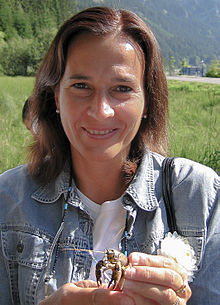 Francesca Gherardi合作论文数Department of Biology, University of Florence12
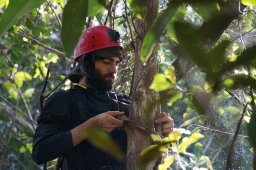 Piero Amodio合作论文数Istituto di Clinica Medica, University of Padua10Oleg Simakov合作论文数Department of Molecular Evolution and Genomics, Heidelberg University10Ilaria Zarrella合作论文数9
 Tamar Flash合作论文数Department of Computer Science and Applied Mathematics, Faculty of Mathematics and Computer Science, Weizmann Institute of Science9
 Paul L.R. Andrews合作论文数8
 Nadav Shashar合作论文数Department of Biological Sciences;University of Maryland;Department of Biological Sciences, University of Maryland Baltimore County8
 Camino Gestal合作论文数7Sumbre Germán合作论文数6
 Perla Tedesco合作论文数6
 Remo Sanges合作论文数Telethon Institute of Genetics and Medicine6Viola Galligioni合作论文数Department of Veterinary Public Health and Animal Pathology, Università di Bologna via Tolara di Sopra6
 Giulia Di Cristina合作论文数University of Cologne5
 Ruth Styfhals合作论文数KU Leuven5
 Yoram Gutfreund合作论文数Rappaport Family Institute for Research in the Medical Sciences, Technion - Israel Institute of Technology Haifa5
 Noam Josef合作论文数Department of Life Sciences, Ben-Gurion University of the Negev5
 Eve Seuntjens合作论文数Center Of Human Genetics, University of Leuven ^5
 Cecilia Laschi合作论文数College of Design and Engineering, National University of Singapore;Centre for Advanced Robotics Technology and Innovation, National University of Singapore;Scuola Superiore Sant'Anna5
 Caroline Albertin合作论文数Renal Division;Department of Medicine;Brigham and Women ' s Hospital;Department of Medicine, Brigham and Women ' s Hospital5
 Gaetano Catanese合作论文数Inst Invest Agroambientales & Econ Agua INAGEA IN4
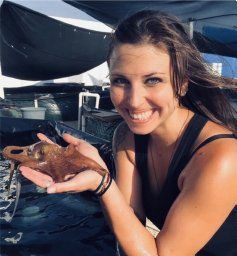 Katina Roumbedakis合作论文数Centro de Ciências Agrárias, Universidade Federal de Santa Catarina4
 Roger Villanueva合作论文数Group of Ecology and Conservation of Marine Living Resources, Department of Renewable Marine Resources, Institut de Ciencies del Mar4
 Laura Margheri合作论文数4Antonio V. Sykes合作论文数Facultad de Biología, Universidad de La Laguna4
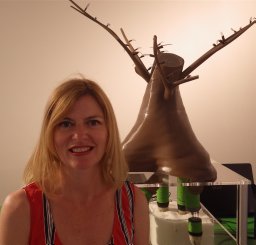 Barbara Mazzolai合作论文数CRIM Laboratory, Scuola Superiore Sant’Anna4
 Ludovic Dickel合作论文数C.R.E.C.4
 Cinzia Chiandetti合作论文数Department of Psychology, University of Trieste4
 Vladimir Benes合作论文数3David B Anderson合作论文数3Dinko Pavlinic合作论文数3
 Elena Andrea Ritschard Otalora合作论文数Dept Neurosci & Dev Biol, Univ Vienna3
 Federico Ansaloni合作论文数Cent RNA Lab, Ist Italiano Tecnol IIT3
 Daniele De Luca合作论文数Dept Biol, Univ Naples Federico II3Michael J Kuba合作论文数3
 Ostojić Ljerka合作论文数Medicinski fakultet Sveucilista u Mostaru3
 Volpe Massimiliano合作论文数Dipartimento di Scienze Mediche Traslazionali, Università degli Studi di Napoli;Federico II", Napoli, Italy.;Dipartimento di Scienze Mediche Traslazionali, Università degli Studi di Napoli "Federico II"3
 Francesco Musacchia合作论文数3
 Rui Rosa合作论文数Departamento de Inovação Tecnológica e Valorização dos Produtos da Pesca, IPIMAR3
 Grimaldi Anna Maria合作论文数Laboratorio di Neurobiologia, Stazione Zoologica A. Dohrn3
 Giuseppe Petrosino合作论文数CEINGE, Via Gaetano Salvatore, 486, 80145 Naples, Italy3
 Monia Teresa Russo合作论文数Biochemistry and Molecular Biology Laboratory, Stazione Zoologica “Anton Dohrn” Villa Comunale;Tel: +39 0815833275;Biochemistry and Molecular Biology Laboratory, Stazione Zoologica “Anton Dohrn” Villa Comunale3Tal Shomrat合作论文数3
 Gabriele Procaccini合作论文数Stazione Zoologica A Dohrn, Villa Comunale, 80121 Naples, Italy3P.L.R. Andrews合作论文数3
 Sara Finaurini合作论文数3




