In this work, the environmental occurrence ranges of different European cephalopod species are described for the whole NE Atlantic shelf including the greater North Sea and Baltic Sea. This is done based on the environmental parameters collected in-situ during surveys that caught commercially important cephalopod species (1990–2022). Results are supplemented and compared with information available in the published literature and are discussed in relation to available habitat across the range, survey design, etc., and, in particular, which species are most likely to be affected by climate change. Our analyses illustrate that Loligo forbesii occupies a broader depth range than Loligo vulgaris and Alloteuthis spp. Because L. forbesii occurs further offshore and at greater depths, this species is likely more resilient to warming than the other loliginids in our study. Octopus vulgaris is documented in areas close to the coast with a more southerly distribution, whereas Eledone cirrhosa occurs further north and further away from the coast. Eledone cirrhosa occurs at lower temperatures and has a much broader depth range, which may provide resilience against warming. By contrast, both ommastrephid squid species (Illex coindetii and Todaropsis eblanae) showed a very similar tolerance to the three environmental variables (salinity, temperature, depth). This information should contribute to future species distribution modelling by allowing validation of realistic results against each species’ range, habitat requirements, and environmental ranges, while appreciating the data limitations caused by the timing and gear used in the survey cruises that supply occurrence and density data.
Research on cephalopod early ontogeny has significantly advanced in recent decades, including embryo organogenesis and neurogenesis and early behavioural adaptations, particularly in commercially important and coastal species. Within this context, here we compiled current knowledge on the collection, handling and care under experimental conditions and monitoring in the field of cephalopod eggs and egg masses. It covers field observations and egg collection methods, as well as laboratory incubation protocols for eggs maintained with and without maternal care. It is emphasized how abiotic and biotic factors, including temperature, salinity, oxygen and maternal condition, shape embryonic development and hatchling survival and viability. Monitoring methods for cephalopod egg masses in the wild and the effects of natural threats such as storms and predators are reviewed. Anthropogenic impacts such as pollution, fisheries and climate change are also discussed. Technological advances have enabled finer analysis of neural development as the embryo grows, while ethical considerations regarding embryonic sentience capacity and welfare conditions are becoming central to current experimental designs. Based on current knowledge, it is recommended to apply ethical considerations and the 3Rs principle (Replacement, Reduction, Refinement) for cephalopod embryos following the onset of organogenesis. Thus, a list of potential indicators of health and welfare that could be used for assessing and monitoring cephalopod embryos and hatchlings is proposed. Overall, this synthesis aims to serve as a guide for advancing egg collection and laboratory incubation methodologies, as well as adopting ethical handling protocols to improve cephalopod embryo care and quality.
There has been a significant increase in cephalopod research over the last decades, and the Cephalopod International Advisory Council (CIAC) has been playing a pivotal role in shaping and influencing the direction of cephalopod research since 1983. CIAC conferences are held every three years, gathering cephalopod researchers from around the world. This is a collection of research presented at the last CIAC Conference, held in Sesimbra, Portugal, in April 2022, as well as other timely cephalopod research. It includes 52 articles, divided into nine main topics, namely: (1) Taxonomy, Population Genetics Phylogeography, (2) Reproductive Biology and Early Life History, (3) Age, Growth Morphology, (4) Behavior Locomotion, (5) Diversity, Ecology Biogeography, (6) Climate change and Stress Physiology, (7) Feeding Ecology Contaminants, (8) Conservation Traceability, and (9) Culture and Welfare, and others. The upcoming triennial CIAC conference is scheduled to take place in Okinawa in October/November 2025. This event will provide a valuable platform for students, early-career researchers, and seasoned scientists from around the world to come together, exchange knowledge, and help shape the future of cephalopod research.
Analysis of the temporal and spatial distribution of 686 records of egg masses and egg mass groups from (i) recreational divers and posted in the various public media, (ii) scientific survey data collected during research programs and (iii) publications in peer-reviewed literature plus published and unpublished information on the seasonality of the occurrence of mature females, demonstrated that the reproduction of Loligo squids occurs throughout the Lusitanian zoogeographical province all year round with varying seasonal peaks. This may be due to high phenotypic plasticity, with the life cycle adapting to local conditions, or the existence of small discrete stock units related to individual water features. In warmer and relatively productive waters the spawning peak is more extended, and percentage of mature females in catches is lower In the Mediterranean the peak of occurrence of both mature females and spawned eggs gradually shifts to earlier dates from the west to the east, which is consistent with respective changes of the earlier peak of productivity. There is little or no gap between peak of occurrence of mature females and peak of the egg mass records. Spawning grounds of L. vulgaris extend in the Mediterranean area much deeper than thought before and they extend from 3 m to 550 m. Egg masses were reported by recreational scuba divers from deeper locations in the central Mediterranean than in other areas. Loligo forbesii egg masses were found between 170 and 720 m.
Meropelagic octopuses hatch as planktonic paralarvae, being the subject of progressive morphological and behavioural changes ending with settlement on the seafloor as juveniles. The comparative morphological study of digestive systems can help to understand the adaptation to particular niches during this challenging plankton-benthos transition. Here, the morphometric development of the digestive system of the common octopus (Octopus vulgaris) is described through 3D microscopy techniques over the first two months of life. This morphological development is compared with those of adults and the holobenthic cuttlefish Sepia officinalis, as well as with the holopelagic squids Loligo vulgaris and Illex coindetii. Based on present and published results, we suggest four stages for the early development of O. vulgaris: (1) post embryonic, (2) early paralarval, (3) advanced paralarval and (4) early juvenile. The digestive system development was variable over time, with faster growth during the first days of planktonic life and after settlement. All the paralarvae-bearing species showed very proportionally enlarged posterior salivary glands at hatching compared both to more developed conspecifics and to the cuttlefish hatchling. This could reflect a potential common feeding mechanism through external digestion and probably a compensatory mechanism for an early digestive gland underperformance. The proportionally smallest digestive system has been found in L. vulgaris, mainly because of their remarkably smaller digestive glands. All species showed major changes in digestive organs between hatchlings and developed phases, indicating how different ecological contexts over ontogeny are reflected in their digestive structures.
With the growing development of recreational blackwater nocturnal diving around the world, a large number of images are shared by recreational divers on social media. These images provide a wealth of novel behavioral information of pelagic organisms rarely seen in their natural oceanic environment by scientific researchers. Here, we quantified for the first time the association between argonauts and other pelagic organisms, vegetal debris, and plastic waste they use as a substrate to move in the ocean, showing the usefulness of recreational diving and citizen science to increase scientific knowledge about oceanic organisms. In the oceanic pelagic realm, many organisms live and interact during the diel vertical migration, which refers to a daily pattern of movement exhibited by many organisms, including planktonic species. During this migration, organisms move up toward the surface waters during the nighttime and return to deeper waters during the daytime, which represents the largest animal migration on Earth (Behrenfeld et al., 2019). The pelagic community involved in diel vertical migration includes larval fishes, crustaceans (such as copepods and krill), gelatinous plankton (like jellyfish and salps), cephalopods (like squids and octopods), and other invertebrates. Blackwater diving uses a series of underwater lights from a boat to attract these oceanic plankton during the nighttime (Bartick, 2022; Hegde et al., 2021; Milisen, 2020; Milisen et al., 2018; Nonaka et al., 2021; Pastana et al., 2022, 2023), and is usually performed from 5 to 30 m depth over bottom depths of 50–800 m (or more). Among the most charismatic pelagic organisms seen by blackwater photographers are the argonauts or "paper nautilus," a group of four species of octopods that spend their entire life cycle in the epipelagic zone (0–200 m depth) in subtropical and tropical waters of all oceans (Finn, 2013, 2018). A few opportunistic observations have showed argonauts associated with gelatinous plankton (Banas et al., 1982; Nesis, 1977) or preying upon them (Heeger et al., 1992). This association is difficult to prove using classical net-collected samples obtained during oceanographic cruises, as turbulence generated by the fishing net separates the animals or artificially entrains small animals within larger body cavities, and direct observations and sampling at sea have always been opportunistic (Rosa & Seibel, 2010). Direct observations with scuba have provided valuable information difficult to obtain by classical net samplings that has even changed concepts and knowledge about pelagic life and the relationships among organisms (Madin et al., 2013). This is particularly relevant for gelatinous plankton, which are undervalued by net sampling, making it very difficult to study their interaction with other organisms (Hamner et al., 1975). Here, we assemble global observations in the wild on this argonaut behavior obtained from 569 images collected around the world, mainly from Central Indo-Pacific (82%) and Tropical Atlantic (15%) during blackwater dives done by 171 recreational scuba divers and published in public websites and social networks, mainly from Instagram, which represented 89% of the observations. We selected underwater images where argonauts appeared attached to other organisms or floating structures in the wild. Images of argonauts swimming alone in the water column and not attached to any substrate were excluded from the analysis. These 569 selected images constituted 1% of the 55,100 images examined. Further methodological details are provided in Appendix S1: Section S1. This information allowed for the first time to quantify the diversity of substrates used by argonauts to move in the ocean. The images analyzed recorded the four extant species of argonauts: Argonauta argo, A. hians, A. nodosus, and A. nouryi, identified by the shells of subadult and adult females (Finn, 2013). The most photographed and identified species was A. hians females from Central Indo-Pacific area (30%), while unidentified Argonauta spp. represented 67% of total images. Argonauts were attached to diverse substrates in the water column such as plastic waste (3%), vegetal debris (15%), and pelagic animals (82%). The last category comprised at least 44 taxa, including ctenophores, cnidarians, crustaceans, mollusks, thaliaceans, fishes, and conspecific individuals. The number and percentage of animal and inert substrates used by the argonauts from the images analyzed are included in Appendix S1: Table S1. Gelatinous plankton (salps, hydromedusae and scyphomedusae, jellyfishes, pyrosomes, and ctenophores) was the most abundant substrate used by argonauts, representing 73% of the total substrates selected to be attached. This preference for gelatinous plankton may be because it is more abundant than previously believed (Boero et al., 2008), providing a mobile substrate for many pelagic species (Gasca & Haddock, 2004). Argonauts exhibit extreme sexual dimorphism in size, and differences in substrate selection were detected according to argonaut sex and size. Subadult and adult females develop an external white shell (Figure 1a,b,f) used to brood the eggs. Until recently, the term "egg case" has been used instead of "shell" (Hoving et al., 2022). This shell is not homologous to the mollusk shell but an autapomorphy of Argonauta. Here, we prefer to use the term "shell," following Finn and Norman (2010), as this study showed this thin calcareous structure also functions as a hydrostatic structure, employed by the female argonaut to precisely control buoyancy at varying depths. The most recent reviews on Argonauta also use the term shell (Finn, 2013, 2018). Males are dwarf, weighing 1/600th that of the largest female (Finn, 2013), never develop a shell, and can be recognized by the highly modified copulatory arm (Figure 1c,d,g). Images showed that small-sized argonauts such as males, juvenile females, and small unsexed individuals prefer mostly thaliaceans (36%) and hydromedusae (23%) as substrates, while subadult and adult females select inert substrates as plastic waste and vegetal debris (41%) and scyphomedusae (35%) (Appendix S1: Table S1). Argonauts have a varied diet, feeding on gastropods, crustaceans, fishes, cephalopods, and jellyfishes (Heeger et al., 1992; Nesis, 1977; Okutani, 1960; Sukhsangchan et al., 2009). However, we concluded that direct predation is not the only reason for the association of argonauts with gelatinous plankton. In fact, most gelatinous plankton with attached argonauts showed perfect contour and were undamaged. Accompanying fauna sharing the same substrate with the argonauts was observed in 13% of the images analyzed, with the presence of amphipods (5%), unidentified crustaceans (4%), and fishes (4%) in addition to copepods, isopods, cirripeds, acari, and paralarvae of benthic octopus (Figure 1a) on the same substrates. This accompanying fauna is similar to the observed prey (Heeger et al., 1992; Nesis, 1977) and may suggest that argonauts also find food in the substrates they use as transport devices. In fact, commensal amphipods and other crustaceans are known to inhabit salps and other gelatinous organisms (Madin & Harbison, 1977), and hyperiid amphipods require association with these organisms to fully develop their life cycles (Laval, 1980; Madin et al., 2013). More than one argonaut sharing the same substrate or forming a chain were observed in 7% of the images, showing an incipient social character in these animals, rare in other octopods (Rosa & Seibel, 2010). In addition, mimetic coloration according with substrate can be observed in some of the images analyzed (see, e.g., Figure 1d,g–i). We suspect that transport, camouflage, predation, and perhaps defense are possible benefits for the argonauts associated with gelatinous plankton and other substrates, as observed in other argonautoids, including Haliphron (Hoving & Haddock, 2017; Hunt et al., 2019; Rosa et al., 2019) and Tremoctopus (Norman et al., 2002). The images of underwater fauna available in social media are not a random sample of the fauna existing in the area because photographers select their images for different reasons such as beauty, photographic technique, and originality, among others. Even so, the information offered by these images can be scientifically relevant by showing biological or behavioral aspects previously unknown. The behavioral information reported here highlights the importance of the images obtained in situ by recreational scuba divers and shared in social media as a scientific resource. This information allows for the first time the characterization of the diversity of substrates that argonauts select as floating devices in the open ocean and their accompanying fauna. Indeed, in a hypothetical research project aimed at studying the associative behavior of argonauts, the sampling effort required to obtain the same information gathered here by 171 recreational scuba divers would have been tremendous, if not practically impossible. This result shows the value of citizen science in environmental and ecological sciences (Fraisl et al., 2022). Photos of live gelatinous plankton and soft cephalopods in their habitat have complementary advantages over preserved material collected with conventional plankton nets, which are almost always damaged or distorted, with specimens shrunken and discolored after fixation. Therefore, a combination of live photos and preserved specimens can provide a more comprehensive understanding of habitat, behavior, and natural history of these groups of pelagic animals. Finally, the analyzed images have also proved useful in detecting the argonaut/marine litter association, particularly with plastic substrates, which highlights the adaptive plasticity of argonauts in the Anthropocene. Thus, the data collected through high-quality images obtained during blackwater dives offer a novel approach for scientific researchers to investigate the behavior and interactions of oceanic pelagic organisms. Roger Villanueva conceptualized the study and was responsible for data gathering and analysis. Roger Villanueva and Fernando Ángel Fernández-Álvarez were responsible for cephalopod taxonomy and Josep-Maria Gili for cnidarian taxonomy. Roger Villanueva wrote the original draft of the manuscript and all authors reviewed and edited the manuscript. We thank the entire blackwater diving community for their enthusiasm and for making available on social media a large amount of photographic information. Funding was provided by the Spanish Ministry of Science, Innovation and Universities (ECOPHYN, Ref. PID2021-126824NB-C32; MCIU/AEI/FEDER, EU), the European Commission (SUMMER project, GA-817806), and the Spanish government through the "Severo Ochoa Center of Excellence" accreditation (CEX2019-000928-S). Fernando Ángel Fernández-Álvarez was supported by a Beatriu de Pinós fellowship from Secretaria d'Universitats i Recerca del Departament de Recerca i Universitats of the Generalitat de Catalunya (Ref. BP 2021 00035). The authors declare no conflicts of interest. Appendix S1: Please note: The publisher is not responsible for the content or functionality of any supporting information supplied by the authors. Any queries (other than missing content) should be directed to the corresponding author for the article.
The settlement phase is a challenging period for meropelagic octopus, as they adapt to their new life in the sea bottom after a planktonic period. Their ecology and trophic interactions with the surrounding fauna in the wild are practically unknown. To understand their predatory role in the littoral zone, the diet of recently settled Octopus vulgaris from a Mediterranean sandy bottom was studied through molecular methods. Amphipods were present in all the analysed stomach contents, with a total of 20 amphipod taxa recorded as prey. Jassa slatteryi and Microprotopus maculatus were the most commonly found amphipod species. Hydrozoans, decapod crustaceans, cephalopods and bivalves followed amphipods in importance. Niche breadth index assigned to small recently settled octopus the role of a specialised predator, increasing the diversity of prey as they grow. Larger juveniles displayed a higher number of prey taxa suggesting a decreasing predatory specialisation with octopus size and an ontogenetic shift in trophic ecology from diet mainly based on amphipods to a richer diet. The considerable arm elongation and the strong muscular arm crown development after settlement probably allow the juvenile benthic octopus to develop ambush predation and speculative hunting, increasing the range of potential benthic prey species along its adaptation to the benthos.
Phylogenies for Octopoda have, until now, been based on morphological characters or a few genes. Here we provide the complete mitogenomes and the nuclear 18S and 28S ribosomal genes of twenty Octopoda specimens, comprising 18 species of Cirrata and Incirrata, representing 13 genera and all five putative families of Cirrata (Cirroctopodidae, Cirroteuthidae, Grimpoteuthidae, Opisthoteuthidae and Stauroteuthidae) and six families of Incirrata (Amphitretidae, Argonautidae, Bathypolypodidae, Eledonidae, Enteroctopodidae, and Megaleledonidae) which were assembled using genome skimming. Phylogenetic trees were built using Maximum Likelihood and Bayesian Inference with several alignment matrices. All mitochondrial genomes had the 'typical' genome composition and gene order previously reported for octopodiforms, except Bathypolypus ergasticus, which appears to lack ND5, two tRNA genes that flank ND5 and two other tRNA genes. Argonautoidea was revealed as sister to Octopodidae by the mitochondrial protein-coding gene dataset, however, it was recovered as sister to all other incirrate octopods with strong support in an analysis using nuclear rRNA genes. Within Cirrata, our study supports two existing classifications suggesting neither is likely in conflict with the true evolutionary history of the suborder. Genome skimming is useful in the analysis of phylogenetic relationships within Octopoda; inclusion of both mitochondrial and nuclear data may be key.
EDITORIAL article Front. Physiol., 11 July 2023Sec. Invertebrate Physiology Volume 14 - 2023 | https://doi.org/10.3389/fphys.2023.1250233
Synopsis Cryptic species complexes represent an important challenge for the adequate characterization of Earth’s biodiversity. Oceanic organisms tend to have greater unrecognized cryptic biodiversity since the marine realm was often considered to lack hard barriers to genetic exchange. Here, we tested the effect of several Atlantic and Mediterranean oceanic barriers on 16 morphospecies of oceanic squids of the orders Oegopsida and Bathyteuthida using three mitochondrial and one nuclear molecular marker and five species delimitation methods. Number of species recognized within each morphospecies differed among different markers and analyses, but we found strong evidence of cryptic biodiversity in at least four of the studied species (Chtenopteryx sicula, Chtenopteryx canariensis, Ancistrocheirus lesueurii, and Galiteuthis armata). There were highly geographically structured units within Helicocranchia navossae that could either represent recently diverged species or population structure. Although the species studied here can be considered relatively passive with respect to oceanic currents, cryptic speciation patterns showed few signs of being related to oceanic currents. We hypothesize that the bathymetry of the egg masses and duration of the paralarval stage might influence the geographic distribution of oceanic squids. Because the results of different markers and different species delimitation methods are inconsistent and because molecular data encompassing broad geographic sampling areas for oceanic squids are scarce and finding morphological diagnostic characters for early life stages is difficult, it is challenging to assess the species boundaries for many of these species. Thus, we consider many to be in the “grey speciation zone.” As many oceanic squids have cosmopolitan distributions, new studies combining genomic and morphological information from specimens collected worldwide are needed to correctly assess the actual oceanic squid biodiversity.
Cephalopods are a group of marine invertebrates that have received little attention as sentinel species in comparison to other molluscs, such as bivalves. Consequently, their physiological and biochemical xenobiotic metabolism responses are poorly understood. Here we undertake a comparative analysis of the enzymatic activities involved in detoxification reactions and neural transmission in the digestive tract of two commercial cephalopods: the Common octopus, Octopus vulgaris, and the European cuttlefish, Sepia officinalis. For methodological purposes, several common B-esterases (five carboxylesterase (CE) substrates and three cholinesterase (ChE) determinations) were assayed as a proxy of metabolic and neuronal activities, respectively. Four components of the digestive tract in each species were considered: salivary glands, the stomach, the digestive gland and the caecum. The in vitro responses of digestive gland homogenates to model chemicals and contaminants of environmental concern were contrasted between both cephalopod species. The baseline biochemical activities in the four digestive tract components were also determined. Moreover, in order to validate the protocol, purified proteins, recombinant human CE (CE1 and CE2) and purified eel acetylcholinesterase (AChE) were included in the analysis. Overall, carboxylesterase activities were higher in octopus than in cuttlefish, with the activity quantified in the digestive tract components in the following order: digestive gland ≈ caecum > stomach ≈ salivary glands, with higher hydrolysis rates reached with naphthyl-derived substrates. In contrast, cuttlefish hydrolysis rates with ChE substrates were higher than in octopus. This trend was also reflected in a higher sensitivity to CE inhibitors in octopus and to AChE inhibitors in cuttlefish. Given the detoxification character of CEs and its protective role preventing AChE inhibition, octopus could be regarded as more efficiently protected than cuttlefish from neurotoxic exposures. A full characterisation of B-esterases in the digestive tract of the two common cephalopods is also provided.
Oceanic squids of the order Oegopsida are ecologically and economically important members of the pelagic environment. They are the most diverse group of cephalopods, with 24 families that are divergent morphologically. Despite their importance, knowledge of phylogenetic relationships among oegopsids is less than that among neritic cephalopods. Here, we provide the complete mitogenomes and the nuclear 18S and 28S ribosomal genes for 35 selected oceanic squids, which were generated using genome skimming. We performed maximum likelihood and Bayesian inference analyses that included 21 of the 24 oegopsid families. In our analyses, the architeuthid, chiroteuthid and enoploteuthid family groups, which have been proposed previously based on morphological and natural history characteristics, were retrieved as monophyletic. The morphologically divergent Cranchiidae formed a well-supported clade with families Ommastrephidae and Thysanoteuthidae, with a unique mitochondrial gene order. The family Lycoteuthidae was revealed as paraphyletic and contained Pyroteuthidae. Thus, the two lycoteuthid subfamilies are herein elevated to family level, increasing the number of oegopsid squid families to 25. In order to describe the diversity and evolutionary trends of oegopsid squids accurately, the superfamilies Architeuthoidea, Chiroteuthoidea, Cranchioidea and Enoploteuthoidea are resurrected from the literature, and the superfamilies Cycloteuthoidea, Octopoteuthoidea and Pholidoteuthoidea are proposed. The phylogenetic positions of Gonatidae, Histioteuthidae and Onychoteuthidae were not stable in our phylogenetic analyses and are not assigned to a superfamily. This study supports the utility of genome skimming to solve the phylogenetic relationships of oceanic squids.
Cephalopod beaks are essential for prey acquisition and fragmentation during feeding. Thus, it is expected that ecological pressures affect cephalopod beak shape. From a practical perspective, these structures are also used to identify gut contents of marine megafauna, such as toothed whales, sharks, seabirds, and large pelagic fishes. Here, we investigated the relative importance of ecological pressures and phylogenetic relatedness in the evolution of beak shape using a wide range of Mediterranean cephalopod species. Phylogenetic analyses based on complete mitogenomes and nuclear ribosomal genes provided a well-supported phylogeny among the 18 included cephalopods. Geometric morphometric and stable isotope methods were implemented to describe interspecific beak shape and trophic niche variability, respectively. Phylogenetic signal was detected in the shape of both parts of the beak (upper and lower). However, lower beak shape was more distinct among closely related species, in line with the empirical notion that lower beak morphology is more useful as an identification tool in cephalopods. Interestingly, no association between beak shape and trophic niche (stable isotope values) was found. These results suggest that the evolution of cephalopod beak shape as quantified here is mainly driven by phylogenetic relationships, while feeding habits play a minor role.
Abstract Cuttlefish are an important global fisheries resource, and their demand is placing increasing pressure on populations in many areas, necessitating conservation measures. We reviewed evidence from case studies spanning Europe, Africa, Asia, and Australia encompassing diverse intervention methods (fisheries closures, protected areas, habitat restoration, fishing-gear modifications, promoting egg survival, and restocking), and we also discuss the effects of pollution on cuttlefish. We conclude: (1) spatio-temporal closures need to encompass substantial portions of a species’ range and protect at least one major part of their life cycle; (2) fishing-gear modifications have the potential to reduce unwanted cuttlefish capture, but more comprehensive trials are needed; (3) egg survival can be improved by diverting and salvaging from traps; (4) existing lab rearing and restocking may not produce financially viable results; and (5) fisheries management policies should be regularly reviewed in light of rapid changes in cuttlefish stock status. Further, citizen science can provide data to reduce uncertainty in empirical assessments. The information synthesized in this review will guide managers and stakeholders to implement regulations and conservation initiatives that increase the productivity and sustainability of fisheries interacting with cuttlefish, and highlights gaps in knowledge that need to be addressed.
 Fernando Angel Fernandez-Alvarez合作论文数Institut de Ciències del Mar (ICM-CSIC), Barcelona, Spain.34
 Pilar Sánchez合作论文数The Skirball Institute, NYU School of Medicine16
 Rui Rosa合作论文数Departamento de Inovação Tecnológica e Valorização dos Produtos da Pesca, IPIMAR14
 Pere Abelló合作论文数Institut de Ciències del Mar ( CSIC );Passeig Joan de Borbó;Institut de Ciències del Mar ( CSIC )13
 A. Louise Allcock合作论文数12
 Graham J. Pierce合作论文数Instituto de Investigaciones Marinas, Consejo Superior de Investigaciones Cientificas10
 Erica A. G. Vidal合作论文数Centro de Estudos do Mar (CEM),, Universidade Federal do Paraná (UFPR),10
 Eugenia Lefkaditou合作论文数Hellenic Centre for Marine Research Agios Kosmas10
 Antoni Lombarte合作论文数Institut de Ciències del Mar (ICM-CSIC). Passeig Marítim de la Barceloneta 37, 08003 Barcelona, Catalonia, Spain9
 Anna Bozzano合作论文数9
 Ignacio Sobrino合作论文数8Ian G. Gleadall合作论文数8felix perez合作论文数7alicia duro合作论文数7francisco j olivas合作论文数7
 Ana Moreno合作论文数7
 Jaruwat Nabhitabhata合作论文数7Patrizia Jereb合作论文数7
 Ángel F. González合作论文数Ecobiomar Instituto de Investigaciones Marinas de Vigo. CSIC7Michael J Kuba合作论文数6
 C. Rosas合作论文数Laboratorio de Ecologı́a y Biologı́a Marina Experimental, UNAM6
 Natalie A. Moltschaniwskyj合作论文数National Centre for Marine Conservation and Resource Sustainability, University of Tasmania6
 Joao M. Pereira合作论文数6
 J.M. Strugnell合作论文数5giuliano petroni合作论文数5Oscar Escolar合作论文数5Michael Vecchione合作论文数Systematics Laboratory;National Marine Fisheries Service;National Museum of Natural History;Systematics Laboratory, National Museum of Natural History5
 Christian M. Ibanez合作论文数Instituto de Ecología y Biodiversidad;Departamento de Ciencias Ecológicas;Facultad de Ciencias;Universidad de Chile;Instituto de Ecología y Biodiversidad, Universidad de Chile5
 Thomas Lacoue-Labarthe合作论文数Littoral Environnement et Sociétés5
 Angel Guerra合作论文数5
 Nicolas Ortiz合作论文数4
 Alejandro Escánez合作论文数MARE-Marine and Environmental Sciences Centre, ARDITI4
 Janet Voight合作论文数Committee on Evolutionary Biology, The University of Chicago4
 Alvaro Roura合作论文数Instituto de Investigaciones Marinas, CSIC4Coll-Lladó Montserrat合作论文数4
 Bustamante Paco合作论文数University of La Rochelle4Daniel Quintana合作论文数4
 Jean-Paul Robin合作论文数4
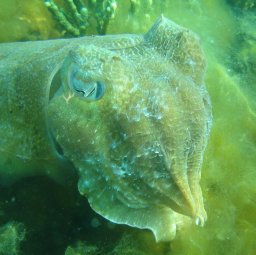 Karina C. Hall合作论文数Fisheries Conservation Technology Unit, Industry and Investment NSW4Antonio V. Sykes合作论文数Facultad de Biología, Universidad de La Laguna4
 Marta Coll Montón (Marta Coll)合作论文数Department of Marine Renewal Resources, Institute of Marine Sciences, Spanish National Research Council4
 Sonia Seixas合作论文数Universidade Aberta Rua Escola Politecnica4
 Heather Braid合作论文数4
 Marek R. Lipinski合作论文数Marine and Coastal Management4
 Uwe Piatkowski合作论文数Leibniz - Institute of Marine Sciences4
 Graziano Fiorito合作论文数Stazione Zoologica Anton Dohrn4Jim Swoger合作论文数4Kathrin S. R. Bolstad合作论文数3Juan Carlos Navarro合作论文数3




