Walking and access to nature are two of the most effective health promotion and disease prevention strategies. There has been a growing interest in the dynamic pathways among access to nature, walking, and health. Effective measurement of these variables is the prerequisite to advancing our understanding of such pathways. However, contrasting to the rigorous methods available for walking and health measures, methods to quantify nature have been limited. This study uses a systematic literature review to synthesize urban nature measures (UNMs) used in published studies linking urban nature with pedestrian health outcomes (e.g. walking, physical activity, physical health, mental health). A survey of experts (n = 30) was used to identify additional and emerging methods. The literature search identified 115 articles and 48 UNMs most of which (40 or 83%) were objective measures. Results showed no consensus on the optimal UNMs for pedestrian health research, but certain measures such as NDVI, proximity to green spaces, and area/proportion of green spaces, were popularly used in previous studies. Experts suggested emerging methods including LiDAR, GPS, high-resolution imagery, virtual/augmented reality, and context-sensitive ecological momentary assessment. Major gaps in current UNMs included the shortage of eye-level and quality-related measures. While experts acknowledge the promise of emerging technologies, they shared concerns related to privacy, digital divide, confidentiality, and bias. This study offers insights into the UNMs available to quantify nature for pedestrian health research, which can serve to facilitate future research, community actions, and policy changes aimed at promoting walking and nature access for healthier urban communities.
Nature contact has associations with emotional ill-being and well-being. However, the mechanisms underlying these associations are not fully understood. We hypothesised that increased adaptive and decreased maladaptive emotion regulation strategies would be a pathway linking nature contact to ill-being and well-being. Using data from a survey of 600 U.S.-based adults administered online in 2022, we conducted structural equation modelling to test our hypotheses. We found that (1) frequency of nature contact was significantly associated with lesser emotional ill-being and greater emotional well-being, (2) effective emotion regulation was significantly associated with lesser emotional ill-being and greater emotional well-being, and (3) the associations of higher frequency of nature contact with these benefits were partly explained via emotion regulation. Moreover, we found a nonlinear relationship for the associations of duration of nature contact with some outcomes, with a rise in benefits up to certain amounts of time, and a levelling off after these points. These findings support and extend previous work that demonstrates that the associations of nature contact with emotional ill-being and well-being may be partly explained by changes in emotion regulation.
Although spending time in nature can improve subjective wellbeing (SWB), little is known about how different types of nature exposure are associated with different dimensions of SWB or the consistency of associations across national/cultural contexts. Using data from 18 countries, associations between green, coastal and freshwater blue space exposures (including residential availability, visits ‘yesterday’ and visits in the previous four weeks) and hedonic, eudaimonic, and evaluative wellbeing were estimated. Overall, residential nature availability showed little association with any wellbeing outcome, whereas visiting green and coastal locations ‘yesterday’ was associated with better hedonic wellbeing. Although frequently visiting green, coastal and freshwater spaces were all associated with greater evaluative wellbeing, greater eudaimonic wellbeing was only associated with frequent visits to green and freshwater spaces. Variations existed across countries. Results suggest that different types of nature exposure vary in their association with different dimensions of SWB. Understanding these differences may help us maximise the potential of natural environments as SWB-promoting resources.
This study investigated whether children's nature interactions that are embodied (versus only visual) would be associated with a state of being highly aware without thought, including being in "the present moment," and/or feeling connected to something beyond the self. We refer to this state of being as Presence in nature. Using an interaction pattern approach, we coded written narratives from 127 Girl Scouts (8-11 years old) about a recent meaningful nature experience and, through a questionnaire designed for the study, assessed the degree to which participants experienced Presence in that nature experience. Exploratory analyses indicated that participants who enacted embodied interactions with nature (e.g., "making snowman," "wrapping arms around tree," "talking to chickens") reported a greater sense of Presence in nature than participants whose interactions relied solely on vision (e.g., "seeing snow," "seeing moss," "watching pileated woodpecker"). Discussion focuses on the implications of Girl Scouts' embodied nature interactions for environmental education.
The world is undergoing massive atmospheric and ecological change, driving unprecedented challenges to human well-being. Olfaction is a key sensory system through which these impacts occur. The sense of smell influences quality of and satisfaction with life, emotion, emotion regulation, cognitive function, social interactions, dietary choices, stress, and depressive symptoms. Exposures via the olfactory pathway can also lead to (anti-)inflammatory outcomes. Increased understanding is needed regarding the ways in which odorants generated by nature (i.e., natural olfactory environments) affect human well-being. With perspectives from a range of health, social, and natural sciences, we provide an overview of this unique sensory system, four consensus statements regarding olfaction and the environment, and a conceptual framework that integrates the olfactory pathway into an understanding of the effects of natural environments on human well-being. We then discuss how this framework can contribute to better accounting of the impacts of policy and land-use decision-making on natural olfactory environments and, in turn, on planetary health.
Whilst green space has been linked to healthier sleep outcomes, the roles of specific types of nature exposure, potential underlying mechanisms, and between-country variations in nature-sleep associations have received little attention. Drawing on cross-sectional survey data from an 18-country sample of adults (N = 16,077) the current study examined: 1) the relative associations between six different types of nature exposure (streetscape greenery, blue view from home, green space within 1 km, coast within 1 km, green space visits, blue space visits) and insufficient sleep (<6 h vs. 7-10 h per day); 2) whether these relationships were mediated by better mental wellbeing and/or physical activity; and 3) the consistency of these pathways among the different countries. After controlling for covariates, neighbourhood nature measures (green space, coast within 1 km) were not significantly associated with insufficient sleep; but nature visible from home (streetscape greenery, blue views) and recreational visits to green and blue spaces were each associated with less insufficient sleep. Significant nature-sleep associations were mediated, to varying degrees, by better mental wellbeing, but not self-reported physical activity. Country-level heterogeneity in the strength of nature-sleep associations was observed. Increasing nature visible from the home may represent a promising strategy for promoting healthier sleep duration at the population level, whilst nature-based interventions encouraging individuals to spend time in local green/blue spaces may be an appropriate target to assist individuals affected by insufficient sleep.
Background Emerging epidemiological evidence indicates nature exposure could be associated with greater health benefits among groups in lower versus higher socioeconomic positions. One possible mechanism underpinning this evidence is described by our framework: (susceptibility) adults in low socioeconomic positions face higher exposure to persistent psychosocial stressors in early life, inducing a pro-inflammatory phenotype as a lifelong susceptibility to stress; (differential susceptibility) susceptible adults are more sensitive to the health risks of adverse (stress-promoting) environments, but also to the health benefits of protective (stress-buffering) environments. Objective Experimental investigation of a pro-inflammatory phenotype as a mechanism facilitating greater stress recovery from nature exposure. Methods We determined differences in stress recovery (via heart rate variability) caused by exposure to a nature or office virtual reality environment (10 min) after an acute stressor among 64 healthy college-age males with varying levels of susceptibility (socioeconomic status, early life stress, and a pro-inflammatory state [inflammatory reactivity and glucocorticoid resistance to an in vitro bacterial challenge]). Results Findings for inflammatory reactivity and glucocorticoid resistance were modest but consistently trended towards better recovery in the nature condition. Differences in recovery were not observed for socioeconomic status or early life stress. Discussion Among healthy college-age males, we observed expected trends according to their differential susceptibility when assessed as inflammatory reactivity and glucocorticoid resistance, suggesting these biological correlates of susceptibility could be more proximal indicators than self-reported assessments of socioeconomic status and early life stress. If future research in more diverse populations aligns with these trends, this could support an alternative conceptualization of susceptibility as increased environmental sensitivity, reflecting heightened responses to adverse, but also protective environments. With this knowledge, future investigators could examine how individual differences in environmental sensitivity could provide an opportunity for those who are the most susceptible to experience the greatest health benefits from nature exposure.
This article investigates relationships between public nature and health for unsheltered homeless populations. It examines perceptions of health benefits and harms for people living in public natural areas including local, state, and national forests and parks in the Seattle metropolitan area (USA). Interviews with environmental, social service, and law enforcement professionals who regularly interact with this vulnerable population were conducted and thematically analyzed to understand perceptions of physical and mental health outcomes. Results show professionals' perspectives on the health benefits and detriments of time spent in natural environments and the contextual factors perceived to influence health. Interviewees' observations about the variability of personal circumstances and biophysical, social, and weather conditions encourage the nuanced consideration of how contingent therapeutic landscapes provide deeply needed benefits, but for a population with a diminished capacity to adapt when conditions change. We conclude with insights for future research that directly assesses homeless populations’ exposures and health outcomes of living in public natural areas.
Climate change is exacerbating the need for urban greening and the associated environmental and human well-being benefits. Trees can help mitigate urban heat, but more detailed understanding of cooling effects of green infrastructure are needed to guide management decisions and deploy trees as effective and equitable climate adaptation infrastructure. We investigated how urban trees affect summer air temperature along sidewalks within a neighborhood of Tacoma, Washington, USA, and to what extent urban trees reduce risks of high summer temperatures (i.e., the levels regulated by state outdoor heat exposure rules intended to reduce heat-related illnesses). Air temperature varied by 2.57 °C, on average, across our study area, and the probability of daytime temperatures exceeding regulated high temperature thresholds was up to five times greater in locations with no canopy cover within 10 m compared to those with 100% cover. Air temperatures decreased linearly with increasing cover within 10 m, suggesting that every unit of added tree cover can help cool the air. Our findings highlight the value of trees in mitigating urban heat, especially given expected warming with climate change. Protecting existing urban trees and increasing tree cover (e.g., by planting street trees), are important actions to enhance climate change resilience of urban areas.
This chapter demonstrates the mental health benefits of nature-based solutions in cities. First, factors that determine urban mental health and adverse health effects of environmental stressors in cities are explained. Second, it is demonstrated that green spaces as nature-based solutions for many societal challenges provide co-benefits for mental health by reducing these stressors. It is further discussed how nature-based solutions may target supporting mental health by providing resources for human–nature interaction, enhancing social interaction and strengthening mental resilience. Nature-based interventions that are originally intended to support persons with psychiatric illness are introduced as models for the design of mentally supportive cities. And third, two case studies illustrate the mental health benefits of urban parks with the example of Leipzig, Germany and of street trees by the example of Hyderabad, India. The two case studies were used as application cases for a recent conceptual framework as a guide for putting science into practice.
The role of neighbourhood nature in promoting good health is increasingly recognised in policy and practice, but consistent evidence for the underlying mechanisms is lacking. Heterogeneity in exposure methods, outcome measures, and population characteristics, little exploration of recreational use or the role of different types of green or blue space, and multiple separate mediation models in previous studies have limited our ability to synthesise findings and draw clear conclusions. We examined multiple pathways linking different types of neighbourhood nature with general health using a harmonised international sample of adults. Using cross-sectional survey data from 18 countries (n = 15,917), we developed a multigroup path model to test theorised pathways, controlling for sociodemographic variables. We tested the possibility that neighbourhood nature (e.g. greenspace, inland bluespace, and coastal bluespace) would be associated with general health through lower air pollution exposure, greater physical activity attainment, more social contact, and higher subjective well-being. However, our central prediction was that associations between different types of neighbourhood nature and general health would largely be serially mediated by recent visit frequency to corresponding environment types, and, subsequently, physical activity, social contact, and subjective well-being associated with these frequencies. Several subsidiary analyses assessed the robustness of the results to alternative model specifications as well as effect modification by sociodemographics. Consistent with this prediction, there was statistical support for eight of nine potential serial mediation pathways via visit frequency which held for a range of alternative model specifications. Effect modification by financial strain, sex, age, and urbanicity altered some associations but did not necessarily support the idea that nature reduced health inequalities. The results demonstrate that across countries, theorised nature-health linkages operate primarily through recreational contact with natural environments. This provides arguments for greater efforts to support use of local green/blue spaces for health promotion and disease prevention.
Exposure to natural environments offers an array of mental health benefits. Virtual reality provides simulated experiences of being in nature when outdoor access is limited. Previous studies on virtual nature have focused mainly on single "doses" of virtual nature. The effects of repeated exposure remain poorly understood. Motivated by this gap, we studied the influence of a daily virtual nature intervention on symptoms of anxiety, depression, and an underlying cause of poor mental health: rumination. Forty college students (58% non-Hispanic White, median age = 19) were recruited from two U.S. universities and randomly assigned to the intervention or control group. Over several weeks, anxious arousal (panic) and anxious apprehension (worry) decreased with virtual nature exposure. Participants identifying as women, past VR users, experienced with the outdoors, and engaged with the beauty in nature benefited particularly strongly from virtual nature. Virtual nature did not help symptoms of anhedonic depression or rumination. Further research is necessary to distinguish when and for whom virtual nature interventions impact mental health outcomes.
The onset of the COVID-19 pandemic rendered daily life overwhelmingly difficult for many children. Given the compelling evidence for the physical and mental health benefits of interaction with nature, might it be the case that time spent interacting with nature buffered the negative effects of the pandemic for children? To address this question, we conducted a longitudinal investigation with a cohort of 137 Girl Scouts across two time periods: right before the onset of the pandemic (December 2019–February 2020) and one year later (December 2020–February 2021). We found that during the pandemic (compared to pre-pandemic), Girl Scouts fared worse on measures of physical activity, positive emotions, negative emotions, anxiety, behavioral difficulties, and problematic media use. However, by using mixed models, we also found that, on average, Girl Scouts who spent more time interacting with nature fared less poorly (in this sense, “did better”) on measures of physical activity, positive emotions, anxiety, and behavioral difficulties, irrespective of the pandemic. Further analysis revealed that these advantageous associations were present even when accounting for the amount of nature near each child’s home (as measured by the normalized difference vegetation index, percent of natural land cover, and self-reported access to nature). To the best of our knowledge, this is the first study investigating nature interaction and children’s well-being to use data collected from the same cohort prior to and during the pandemic. In addition, we discuss the importance of opportunities to interact with nature for children’s well-being during future periods of social upheaval.
Anthropogenic climate change poses a substantial threat to societal living conditions. Here, we argue that neuroscience can substantially contribute to the fight against climate change and provide a framework and a roadmap to organize and prioritize neuroscience research in this domain. We outline how neuroscience can be used to: (1) investigate the negative impact of climate change on the human brain; (2) identify ways to adapt; (3) understand the neural substrates of decisions with pro-environmental and harmful outcomes; and (4) create neuroscience-based insights into communication and intervention strategies that aim to promote climate action. The paper is also a call to action for neuroscientists to join broader scientific efforts to tackle the existential environmental threats Earth is currently facing. Neuroscience can help combat climate change by studying its impact on the human brain, adaptation strategies, decision-making processes and communication strategies. This Perspective outlines a roadmap towards these targets and calls on neuroscientists to join the fight against this global threat.
A trauma-informed approach to disaster recovery recognizes the potential impacts of trauma, promotes resilience to protect against retraumatization, and can support catering the needs of disaster survivors in affected communities. A growing body of evidence demonstrates that interaction with nature is associated with a number of physical and mental health benefits, though literature surrounding nature-based therapy and disaster survivors is limited. Through key informant interviews with forest therapy guides from a program in wildfire affected Butte County, CA, this exploratory study investigates if and how “Forest Therapy ’’ can serve as a trauma-informed approach to promote wellbeing in the face of climate change and associated disasters. We find that community-based forest therapy programs offer a promising, flexible approach to community-based trauma-informed mental health servicest in disaster-affected communities. Findings also identify opportunities to tailor implementation of future programs to better reach populations most impacted by disasters, including through targeted outreach and diverse guide recruitment. Future research should investigate the impacts of forest therapy on the mental health and wellbeing of participants, as well as the scalability of forest therapy programs in disaster-affected communities.
Rates of living alone, especially in more urbanised areas, are increasing across many industrialised countries, with associated increases in feelings of loneliness and poorer mental health. Recent studies have suggested that access to nature (e.g. parks and green spaces) can reduce the stressors associated with loneliness, partly through providing opportunities to nurture personal relationships (relational restoration) and engage in normative community activities (collective restoration). Such associations might vary across different household compositions and socio-demographic or geographical characteristics, but these have not been thoroughly tested. Using data collected across 18 countries/territories in 2017-2018, we grouped urban respondents into those living alone (n = 2062) and those living with a partner (n = 6218). Using multigroup path modelling, we tested whether the associations between neighbourhood greenspace coverage (1-km-buffer from home) and mental health are sequentially mediated by: (a) visits to greenspace; and subsequently (b) relationship and/or community satisfaction, as operationalisations of relational and collective restoration, respectively. We also tested whether any indirect associations varied among subgroups of respondents living alone.Analyses showed that visiting green space was associated with greater mental well-being and marginally lower odds of using anxiety/depression medication use indirectly, mediated via both relationship and community satisfaction. These indirect associations were equally strong among respondents living alone and those living with a partner. Neighbourhood green space was, additionally, associated with more visits among respondents living with a partner, whereas among those living alone, this was sensitive to the green space metric. Within subgroups of people living alone, few overall differences were found. Some indirect pathways were, nevertheless, stronger in males, under 60-year-olds, those with no financial strain, and residents in warmer climates. In conclusion, supporting those living alone, as well as those living with a partner, to more frequently access their local greenspaces could help improve mental health via promoting relational and collective restoration.
This article conceptualizes homelessness on public lands within a social-ecological systems framework, exploring dynamics in public natural areas in the Seattle metropolitan area (USA), a system with a compact urban-to-wildland gradient. While prior research has studied the dynamics of unsheltered homelessness within particular parks or cities-often in areas where camping is prohibited-our interview-based study makes integrated considerations of these dynamics across a range of jurisdictions. We present a thematic analysis that examines professionally diverse perspectives on the dynamics, stressors, and outcomes of public natural area usage by unsheltered individuals. We found a generally uncoordinated system in continual motion, in which considerable resources were expended for short-term, site-specific solutions that yielded system-wide detrimental outcomes perceived for unsheltered individuals, social service and environmental institutions, and ecosystem health. We discuss how improved institutional coordination and mutual understanding about intersecting governance systems could sustain better public land, public health, and social outcomes.
People who make habitual use of an emotion regulation strategy such as cognitive reappraisal may be more sensitive to the emotion cues coming from a surrounding natural environment and, thus, get more benefits from virtual nature exposure such as enhanced subjective vitality. However, no previous study investigated the moderating role of cognitive reappraisal in the relationship between exposure to different types of natural environments (a national park, a lacustrine environment, and an arctic environment vs. an urban environment) and subjective vitality. We designed a between-subject design (four conditions, one per type of environment) with a sample of 187 university students (M age = 21.17, SD = 2.55). Participants were exposed to four 360° panoramic photos of the environment for one minute each with a virtual reality head-mounted display. The results of a multicategorical moderation analysis attested that there were two significant interactions, respectively between lacustrine and arctic environments and cognitive reappraisal. More specifically, for participants with low levels of habitual use of cognitive reappraisal, the effects of virtual nature (vs. urban) exposure on subjective vitality were not significant, while for participants with high levels, the effects were significant and positive. Findings show how the potential of virtual nature may be boosted with training aimed at increasing the general use of cognitive reappraisal, supports enhancing the applications of virtual nature, and demonstrates the need to take individual differences into account when determining the benefits of these applications.
 Mat White合作论文数Vienna Cognitive Science Hub, University of Vienna14
 Matilda Van Den Bosch合作论文数Department of Forest and Conservation Sciences, Faculty of Forestry, The University of British Columbia;School of Population and Public Health, Faculty of Medicine, The University of British Columbia;European Forest Institute;Circular Bioeconomy Alliance;Barcelona Institute for Global Health11
 Matthew Browning合作论文数Department of Parks, Recreation, and Tourism Management, College of Behavioral, Social and Health Sciences, Clemson University11
 Lewis R Elliott合作论文数European Centre for Environment and Human Health, University of Exeter Medical School10
 Lora Fleming合作论文数Department of Epidemiology & Public Health, Miller School of Medicine, University of Miami9
 Ann Ojala合作论文数Department of Social Research, University of Helsinki9
 Hector A Olvera-Alvarez合作论文数9
 Mark J Nieuwenhuijsen合作论文数Instituto de Salud Global de Barcelona8
 James Grellier合作论文数8
 Gretchen C. Daily合作论文数Center for Conservation Biology, Stanford University;Department of Biology, Stanford University;Woods Institute for the Environment, Stanford University7
 Olivia McAnirlin合作论文数Virtual Reality & Nature Lab, Clemson University6
 Joshua Lawler合作论文数Landscape Ecology and Conservation Lab, School of Environmental and Forest Sciences, College of the Environment, University of Washington6
 Anne Roiko合作论文数6
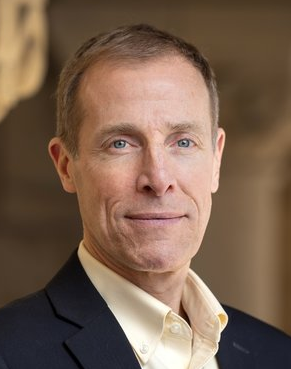 James Gross合作论文数Psychophysiology Laboratory, Department of Psychology, Stanford University6
 Peter H. Kahn Jr.合作论文数Department of Psychology, University of Washington6
 Hector A. Olvera Alvarez合作论文数5Elizabeth Covelli Metcalf合作论文数WA, Univ Montana5
 Lauren E. Mullenbach合作论文数Department of Geography & Environmental Sustainability, University of Oklahoma5
 Alessandro Rigolon合作论文数Department of City & Metropolitan Planning, University of Utah5Jennifer Thomsen合作论文数5
 Scott Cloutier合作论文数The College of Global Futures, Arizona State University5Iryna Sharaievska合作论文数Department of Parks, Recreation & Tourism Management, Clemson University5
 Marco Helbich合作论文数Department of Human Geography and Spatial Planning, Utrecht University5
 Ashley D'Antonio合作论文数Department of Environment and Society, Utah State University5
 Maria Luisa Lima合作论文数5
 Lincoln R. Larson合作论文数Daniel B. Warnell School of Forestry and Natural Resources, University of Georgia5Nathan Reigner合作论文数CropLife Foundation;Crop Protection Research Institute;CropLife Foundation, Crop Protection Research Institute5Chaja Levy合作论文数4
 Sara Perrins合作论文数4Simon Bell合作论文数School of Architecture and Landscape Architecture, Edinburgh College of Art, The University of Edinburgh4
 Marta Cirach合作论文数4Tandon Pooja合作论文数4
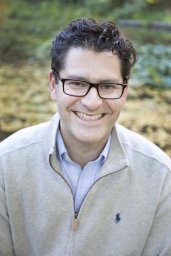 Marc G. Berman合作论文数Department of Psychology;University of Michigan;Department of Psychology, University of Michigan4
 Mireia Gascon合作论文数Barcelona Institute for Global Health4
 Tue Vu合作论文数4
 Ben Wheeler合作论文数European Centre for Environment and Human Health, Medical School, University of Exeter4
 Howard Frumkin合作论文数Trust for Public Land;Department of Environmental and Occupational Health Sciences, School of Public Health, University of Washington4
 Theo Economou合作论文数Climate and Atmospheric Research Centre, The Cyprus Institute3
 Annalisa Theodorou合作论文数Department of Education, Roma Tre University3
 Spencer Wood合作论文数eScience Institute, University of Washington3
 Angelo Panno合作论文数3
 Mare Lohmus合作论文数3
 Phillip Levin合作论文数School of Marine and Environmental Affairs, College of the Environment, University of Washington3
 Sabine Pahl合作论文数University of Sheffield3Aisling O'Connor合作论文数2
 Andrew Kaczynski合作论文数2JD SPENGLER合作论文数2Naomi Serio合作论文数2Paulo Frank合作论文数2




