SUMMARY Optimal timing and procedure selection that define staged treatment strategies can affect outcomes dramatically and remain an area of major debate in the treatment of multiply injured orthopaedic trauma patients. Decisions regarding timing and choice of orthopaedic procedure(s) are currently based on the physiologic condition of the patient, resource availability, and the expected magnitude of the intervention. Surgical decision-making algorithms rarely rely on precision-type data that account for demographics, magnitude of injury, and the physiologic/immunologic response to injury on a patient-specific basis. This study is a multicenter prospective investigation that will work toward developing a precision medicine approach to managing multiply injured patients by incorporating patient-specific indices that quantify (1) mechanical tissue damage volume; (2) cumulative hypoperfusion; (3) immunologic response; and (4) demographics. These indices will formulate a precision injury signature, unique to each patient, which will be explored for correspondence to outcomes and response to surgical interventions. The impact of the timing and magnitude of initial and staged surgical interventions on patient-specific physiologic and immunologic responses will be evaluated and described. The primary goal of the study will be the development of data-driven models that will inform clinical decision-making tools that can be used to predict outcomes and guide intervention decisions.
Objective: To identify changes in concentrations of inflammatory mediators in plasma and urine after traumatic spinal cord injury (SCI) and before the occurrence of a first pressure ulcer.Design: Retrospective; secondary analysis of existing data.Setting: Acute hospitalization and inpatient rehabilitation sites at a university medical center.Participants: Individuals with a pressure ulcer and plasma samples (n=17) and individuals with a pressure ulcer and urine samples (n=15) were matched by age and plasma/urine sample days to individuals with SCI and no pressure ulcer (N= 35).Interventions: Not applicable.Main Outcome Measures: Plasma and urine samples were assayed in patients with SCI, capturing samples within 4 days after the SCI to a week before the formation of the first pressure ulcer. The Wilcoxon signed-rank test was performed to identify changes in the inflammatory mediators between the 2 time points.Results: An increase in concentration of the chemokine interferon-gamma-induced protein of 10kd/CXCL10 in plasma (P<.01) and a decrease in concentration of the cytokine interferon-alpha in urine (P =.01) were observed before occurrence of a first pressure ulcer (similar to 4d) compared with matched controls.Conclusions: Altered levels of inflammatory mediators in plasma and urine may be associated with pressure ulcer development after traumatic SCI. These inflammatory mediators should be explored as possible biomarkers for identifying individuals at risk for pressure ulcer formation. (C) 2016 by the American Congress of Rehabilitation Medicine
To explore an association to develop a pressure ulcer in individuals diagnosed with pneumonia following traumatic spinal cord injury (SCI), and to investigate inflammatory mediators in plasma and urine associated with formation of first pressure ulcer in individuals diagnosed with pneumonia.
We sought to investigate the expression of the cell death protein BNIP3 in hypoxic hepatocytes, as well as the role that hypoxia-inducible factor 1 (HIF-1α) plays in the upregulation of BNIP3 in hypoxic primary mouse hepatocytes and in the livers of mice subjected to ischemia-reperfusion. Freshly isolated mouse hepatocytes were exposed to 1% hypoxia for 1, 3, 6, 24, and 48 h, and the RNA and protein were isolated for reverse transcriptase-polymerase chain reaction and Western blot analysis. Similarly, livers from mice subjected to segmental (70%) hepatic warm ischemia for 30 min or 1 h, or to 1-h ischemia followed by 0.5- to 4-h reperfusion, were collected and subjected to Western blot analysis for HIF-1α protein. We showed that hypoxic stress increases the formation of the BNIP3 homodimer while decreasing the amount of the monomeric form of BNIP3 in primary mouse hepatocytes. In contrast to RAW264.7 macrophages, there is a basal expression of HIF-α protein in normoxic primary mouse hepatocytes that does not change significantly upon exposure to hypoxia. Using siRNA technology, we demonstrated that reduced HIF-1α protein levels did not block the hypoxia-induced overexpression of BNIP3. In contrast to the effect on BNIP3 expression reported previously, livers from ischemic animals demonstrated only a modest increase in HIF-1α protein as compared with resting livers from control animals; and this expression was not statistically different from sham controls. These results suggest that HIF-1α does not mediate the hypoxia-induced upregulation of BNIP3 in mouse hepatocytes in vitro and possibly in the liver in vivo.
Trauma and hemorrhagic shock elicit an acute inflammatory response, predisposing patients to sepsis, organ dysfunction, and death. Few approved therapies exist for these acute inflammatory states, mainly due to the complex interplay of interacting inflammatory and physiological elements working at multiple levels. Various animal models have been used to simulate these phenomena, but these models often do not replicate the clinical setting of multiple overlapping insults. Mathematical modeling of complex systems is an approach for understanding the interplay among biological interactions. We constructed a mathematical model using ordinary differential equations that encompass the dynamics of cells and cytokines of the acute inflammatory response, as well as global tissue dysfunction. The model was calibrated in C57Bl/6 mice subjected to (1) various doses of lipopolysaccharide (LPS) alone, (2) surgical trauma, and (3) surgery + hemorrhagic shock. We tested the model's predictive ability in scenarios on which it had not been trained, namely, (1) surgery +/- hemorrhagic shock + LPS given at times after the beginning of surgical instrumentation, and (2) surgery + hemorrhagic shock + bilateral femoral fracture. Software was created that facilitated fitting of the mathematical model to experimental data, as well as for simulation of experiments with various inflammatory challenges and associated variations (gene knockouts, inhibition of specific cytokines, etc.). Using this software, the C57Bl/6-specific model was recalibrated for inflammatory analyte data in CD14-/- mice and was used to elucidate altered features of inflammation in these animals. In other experiments, rats were subjected to surgical trauma +/- LPS or to bacterial infection via fibrin clots impregnated with various inocula of Escherichia coli. Mathematical modeling may provide insights into the complex dynamics of acute inflammation in a manner that can be tested in vivo using many fewer animals than has been possible previously.
 Yoram Vodovotz合作论文数Department of Surgery, University of Pittsburgh;Department of Immunology, University of Pittsburgh5
 Timothy R. Billiar合作论文数Department of Surgery, School of Medicine, University of Pittsburgh3
 Shilpa Krishnan合作论文数Div Phys Therapy, Emory Univ2
 Gwendolyn Sowa合作论文数2
 Patricia Karg合作论文数Department of Rehabilitation Science and Technology, University of Pittsburgh2
 David Brienza合作论文数Department of Rehabilitation Science and Technology, School of Health and Rehabilitation Sciences, University of Pittsburgh;Department of Bioengineering, University of Pittsburgh;McGowan Institute for Regenerative Medicine, University of Pittsburgh2Laurence B Kempton合作论文数1Claudio Lagoa合作论文数1Henry Robertson合作论文数1Arun Aneja合作论文数1Katherine Frey合作论文数1
 Renan Castillo合作论文数Health Policy and Management, Bloomberg School of Public Health, Johns Hopkins University1
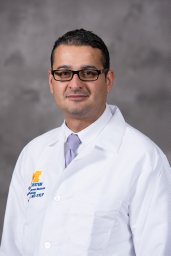 Namas Rajaie合作论文数Department of Surgery, University of Pittsburgh1
 Joshua L Gary合作论文数Department of Orthopaedic Surgery, University of Texas Southwestern Medical School1McKinley Todd O合作论文数1
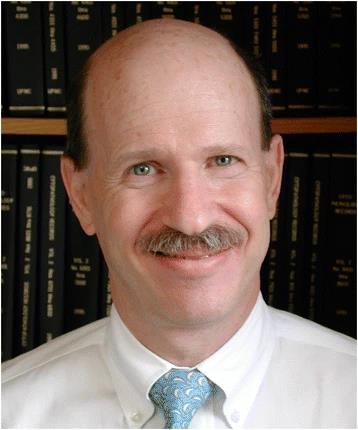 Mitchell P. Fink合作论文数Department of Critical Care Medicine, School of Medicine, University of Pittsburgh1
 Steenburg Scott D合作论文数Department of Diagnostic Radiology and Nuclear Medicine, University of Maryland Medical Center and R. Adams Cowley Shock Trauma Center1
 Robert V. O'Toole合作论文数Department of Orthopaedics, School of Medicine, University of Maryland;R Adams Cowley Shock Trauma Center, University of Maryland1
 Jonathan Rubin合作论文数Division of Abdominal Radiology, University of Michigan1Myer Evan合作论文数1
 Bahiyyah S Jefferson合作论文数1Velosa Claudia合作论文数1Metukuri Mallikarjuna R合作论文数1Levy Ryan M合作论文数1
 Meagher Ashley D合作论文数University of North Carolina at Chapel Hill, University of North Carolina at Chapel Hill1
 Carson C. Chow合作论文数Laboratory of Biological Modeling, National Institute of Diabetes and Digestive and Kidney Diseases, National Institutes of Health1Trochez Karen合作论文数1Gilles Clermont合作论文数1
 Michael Boninger合作论文数Department of Physical Medicine & Rehabilitation, School of Medicine, University of Pittsburgh1
 Rukmini Kumar合作论文数Departments of Physics and Astronomy, University of Pittsburgh1
 Judy Day合作论文数Manchester Business School, University of Manchester1
 Ruben Zamora合作论文数Department of Surgery, University of Pittsburgh1Jose M. Prince合作论文数1
 Reza Firoozabadi合作论文数1
 Krista E Brown合作论文数1
 Seth Schobel合作论文数Venter Institute1Rajeev Dhupar合作论文数1
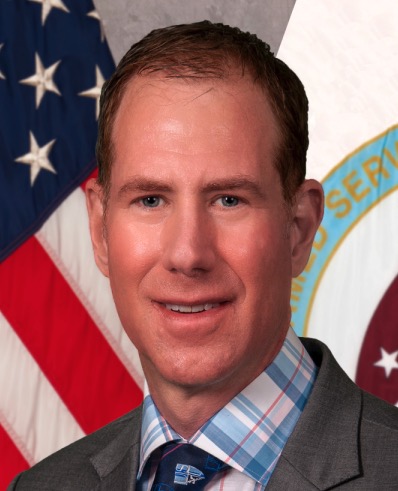 Eric Elster合作论文数F. Edward Hebert School of Medicine, Uniformed Services University of the Health Sciences1John Bartels合作论文数1
 Greg Gaski合作论文数Department of Orthopaedics, University of Miami Miller School of Medicine1




