The precise inflammatory role of the cytokine interleukin (IL)-6 and its utility as a biomarker or therapeutic target have been the source of much debate, presumably due to the complex pro- and anti-inflammatory effects of this cytokine. We previously developed a nonlinear ordinary differential equation (ODE) model to explain the dynamics of endotoxin (lipopolysaccharide; LPS)-induced acute inflammation and associated whole-animal damage/dysfunction (a proxy for the health of the organism), along with the inflammatory mediators tumor necrosis factor (TNF)-α, IL-6, IL-10, and nitric oxide (NO). The model was partially calibrated using data from endotoxemic C57Bl/6 mice. Herein, we investigated the sensitivity of the area under the damage curve (AUCD) to the 51 rate parameters of the ODE model for different levels of simulated LPS challenges using a global sensitivity approach called Random Sampling High Dimensional Model Representation (RS-HDMR). We explored sufficient parametric Monte Carlo samples to generate the variance-based Sobol' global sensitivity indices, and found that inflammatory damage was highly sensitive to the parameters affecting the activity of IL-6 during the different stages of acute inflammation. The AUCIL6 showed a bimodal distribution, with the lower peak representing healthy response and the higher peak representing sustained inflammation. Damage was minimal at low AUCIL6, giving rise to a healthy response. In contrast, intermediate levels of AUCIL6 resulted in high damage, and this was due to the insufficiency of damage recovery driven by anti-inflammatory responses from IL-10 and the activation of positive feedback sustained by IL-6. At high AUCIL6, damage recovery was interestingly restored in some population of simulated animals due to the NO-mediated anti-inflammatory responses. These observations suggest that the host's health status during acute inflammation depends in a nonlinear fashion on the magnitude of the inflammatory stimulus, on the host's propensity to produce IL-6, and on NO-mediated downstream responses.
We combined in silico, in vivo, and in vitro studies to gain insights into age-dependent changes in acute inflammation in response to bacterial endotoxin (LPS). Time-course cytokine, chemokine, and NO2 (-/)NO3 (-) data from "middle-aged" (6-8 months old) C57BL/6 mice were used to re-parameterize a mechanistic mathematical model of acute inflammation originally calibrated for "young" (2-3 months old) mice. These studies suggested that macrophages from middle-aged mice are more susceptible to cell death, as well as producing higher levels of pro-inflammatory cytokines, vs. macrophages from young mice. In support of the in silico-derived hypotheses, resident peritoneal cells from endotoxemic middle-aged mice exhibited reduced viability and produced elevated levels of TNF-α, IL-6, IL-10, and KC/CXCL1 as compared to cells from young mice. Our studies demonstrate the utility of a combined in silico, in vivo, and in vitro approach to the study of acute inflammation in shock states, and suggest hypotheses with regard to the changes in the cytokine milieu that accompany aging.
22 Tissue-specific patterns of caspase-1 and cytokines in excisional wounds are altered by shock in rat skin and muscle Ravi Starzl , Dolores Wolfram , Ruben Zamora , Bahiyyah Jefferson , Derek Barclay , Chien Ho , Gerald Brandacher , Stefan Schneeberger , W.P. Andrew Lee , Jaime Carbonell , Yoram Vodovotz c,d Language Technologies Institute, Carnegie Mellon University, Pittsburgh, PA, USA Department of Plastic and Reconstructive Surgery, Innsbruck Medical University, Innsbruck, Tyrol, Austria Department of Surgery, University of Pittsburgh, Pittsburgh, PA, USA Center for Inflammation and Regenerative Modeling, McGowan Institute for Regenerative Medicine, University of Pittsburgh, Pittsburgh, PA, USA Department of Biological Sciences, Carnegie Mellon University, Pittsburgh, PA, USA Department of Plastic and Reconstructive Surgery, Johns Hopkins University School of Medicine, Baltimore, MD, USA Objectives: Skin and muscle wounds often lead to significant inflammation in the affected tissue. The primary mechanism by which inflammation is initiated, sustained, and terminated is cytokine-mediated immune signaling, but this can be altered by cardiogenic shock. The complexity and context sensitivity of immune signaling in general stymied a clear understanding of these signaling dynamics. We hypothesized that advanced numerical and biological function analysis methods would help elucidate the inflammatory response to skin and muscle wounds in rats, both with and without concomitant shock. Methods: We studied 2 experimental groups: wound only (“wound group”) and wound with cardiogenic shock (“shock group”). In the “wound group,” 4 Lewis rats were anesthetized and an excision biopsy was taken from the lateral aspect of the thigh on one of the hind limbs in each of the rats. In the “shock group,” 4 Lewis rats were sacrificed, and excision biopsy (wound) was carried out 15 to 30 seconds after cessation of heartbeat. Skin and muscle tissue was then separated and assayed for total protein content by BCA assay, and the inflammation biomarkers interferon-γ, interleukin (IL)-1α, IL-1β, IL-2, IL-4, IL-5, IL-6, IL-10, IL-12p70, IL-18, monocyte chemotactic protein (MCP-1), growth-related oncogene/KC, tumor necrosis factor α, and granulocyte-macrophage colony-stimulating factor were assayed by Luminex (Luminex Corp, Austin, TX). Caspase-1, which drives activation of the NLRP-3 inflammasome, was assessed by Western blot assay. Statistical and computational analyses of cytokine network profiles (1-way balanced analysis of variance, unpaired 1-tailed heteroscedastic t test, principal components analysis, and confirmatory factor analysis) were performed in Matlab (The MathWorks, Inc, Natick, MA). Results: Granulocyte-macrophage colony-stimulating factor was elevated in the wound group (P b .05), whereas IL-4, IL-12p70, interferon-γ, and IL-18 were elevated in the shock group (P b .05). Interleukin-1α and IL-18 were more elevated in skin vs muscle (P b .05), which was suggestive of inflammasome activation in the skin. MCP-1, IL-1β, IL-2, IL-6, IL-10, IL-4, IL-12p70, and tumor necrosis factor α (P b .05) were also differentially higher in skin vs muscle. Immunoblotting revealed caspase-1 activation in skin but not muscle. Notably, IL-1α and IL-18, along with caspase-1, were greatly elevated in the skin after cardiogenic shock (P b .05). Principal components analysis suggested that more than 95% of observed variance could be explained by 2 principal components in the skin and muscle and suggested distinct groups of inflammatory mediators induced in the “wound group” vs the “shock group”. Interleukin-18 and IL-1α were primary contributors to the first principal component, whereas IL-6, MCP-1, growth-related oncogene/KC, and IL-1β were primary contributors to the second principal component. Principal components analysis results were reinforced by confirmatory factor analysis. Conclusions: Caspase-1 and the NLRP-3 inflammasome appear to be key factors in determining the type and severity of the inflammatory response to excisional wounding, especially in the presence of shock. Activated caspase-1 is associated with defined, compartmentalized patterns of cytokine production that may be discerned via data-driven modeling. http://dx.doi.org/10.1016/j.jcrc.2012.10.038
The clinical translation of promising basic biomedical findings, whether derived from reductionist studies in academic laboratories or as the product of extensive high-throughput and -content screens in the biotechnology and pharmaceutical industries, has reached a period of stagnation in which ever higher research and development costs are yielding ever fewer new drugs. Systems biology and computational modeling have been touted as potential avenues by which to break through this logjam. However, few mechanistic computational approaches are utilized in a manner that is fully cognizant of the inherent clinical realities in which the drugs developed through this ostensibly rational process will be ultimately used. In this article, we present a Translational Systems Biology approach to inflammation. This approach is based on the use of mechanistic computational modeling centered on inherent clinical applicability, namely that a unified suite of models can be applied to generate in silico clinical trials, individualized computational models as tools for personalized medicine, and rational drug and device design based on disease mechanism.
Inflammation is a complex, non-linear process central to many of the diseases that affect both developed and emerging nations. A systems-based understanding of inflammation, coupled to translational applications, is therefore necessary for efficient development of drugs and devices, for streamlining analyses at the level of populations, and for the implementation of personalized medicine. We have carried out an iterative and ongoing program of literature analysis, generation of prospective data, data analysis, and computational modeling in various experimental and clinical inflammatory disease settings. These simulations have been used to gain basic insights into the inflammatory response under baseline, gene-knockout, and drug-treated experimental animals for in silico studies associated with the clinical settings of sepsis, trauma, acute liver failure, and wound healing to create patient-specific simulations in polytrauma, traumatic brain injury, and vocal fold inflammation; and to gain insight into host-pathogen interactions in malaria, necrotizing enterocolitis, and sepsis. These simulations have converged with other systems biology approaches (e.g., functional genomics) to aid in the design of new drugs or devices geared towards modulating inflammation. Since they include both circulating and tissue-level inflammatory mediators, these simulations transcend typical cytokine networks by associating inflammatory processes with tissue/organ impacts via tissue damage/dysfunction. This framework has now allowed us to suggest how to modulate acute inflammation in a rational, individually optimized fashion. This plethora of computational and intertwined experimental/engineering approaches is the cornerstone of Translational Systems Biology approaches for inflammatory diseases.</.
Hemorrhagic shock (HS) elicits a global acute inflammatory response, organ dysfunction, and death. We have used mathematical modeling of inflammation and tissue damage/dysfunction to gain insight into this complex response in mice. We sought to increase the fidelity of our mathematical model and to establish a platform for testing predictions of this model. Accordingly, we constructed a computerized, closed-loop system for mouse HS. The intensity, duration, and time to achieve target MAP could all be controlled using a software. Fifty-four male C57/black mice either were untreated or underwent surgical cannulation. The cannulated mice were divided into 8 groups: (a) 1, 2, 3, or 4 h of surgical cannulation alone and b) 1, 2, 3, or 4 h of cannulation + HS (25 mmHg). MAP was sustained by the computer-controlled reinfusion and withdrawal of shed blood within +/- 2 mmHg. Plasma was assayed for the cytokines TNF, IL-6, and IL-10 as well as the NO reaction products NO2-/NO3-. The cytokine and NO2-/NO3- data were compared with predictions from a mathematical model of post-hemorrhage inflammation, which was calibrated on different data. To varying degrees, the levels of TNF, IL-6, IL-10, and NO2-/NO3- predicted by the mathematical model matched these data closely. In conclusion, we have established a hardware/software platform that allows for highly accurate, reproducible, and mathematically predictable HS in mice.
Inflammation is a complex, multi-scale biologic response to stress that is also required for repair and regeneration after injury. Despite the repository of detailed data about the cellular and molecular processes involved in inflammation, including some understanding of its pathophysiology, little progress has been made in treating the severe inflammatory syndrome of sepsis. To address the gap between basic science knowledge and therapy for sepsis, a community of biologists and physicians is using systems biology approaches in hopes of yielding basic insights into the biology of inflammation. "Systems biology" is a discipline that combines experimental discovery with mathematical modeling to aid in the understanding of the dynamic global organization and function of a biologic system (cell to organ to organism). We propose the term translational systems biology for the application of similar tools and engineering principles to biologic systems with the primary goal of optimizing clinical practice. We describe the efforts to use translational systems biology to develop an integrated framework to gain insight into the problem of acute inflammation. Progress in understanding inflammation using translational systems biology tools highlights the promise of this multidisciplinary field. Future advances in understanding complex medical problems are highly dependent on methodological advances and integration of the computational systems biology community with biologists and clinicians.
The immune system is modeled by way of a system of ordinary differential equations involving a large number of parameters, such as growth rates and initial conditions. Key to successful implementation of the model is the estimation of such parameters from available data. A parameter search algorithm based on linear codes is developed having as aim the identification of different regimes of behaviour of the model, the estimation of parameters in a high dimensional space, and the model calibration to data.
INTRODUCTION:Given the complexity of biological systems, understanding their dynamic behaviors, such as the Acute Inflammatory Response (AIR), requires a formal synthetic process. Dynamic Mathematical Modeling (DMM) represents a suite of methods intended for inclusion within the required synthetic framework. The DMM, however, is a relatively novel approach in the practice of biomedical research. The Society for Complexity in Acute Illness (SCAI) was formed in 2004 from the leading research groups using DMM in the study of acute inflammation. This society believes that it is important to offer guidelines for the design, development, and use of DMM in the setting of AIR research to avoid the "garbage in, garbage out" problem. Accordingly, SCAI identified a need for and carried out a critical appraisal of DMM as currently used in the setting of acute illness. METHODS:The SCAI annual meeting in 2005, the Fourth International Conference on Complexity in Acute Illness (Cologne, Germany), was structured with the intent of developing a consensus statement on the methods and execution of DMM in AIR research. The conference was organized to include a series of interactive breakout sessions that included thought leaders from both the DMM and acute illness fields, the results of which were then presented in summary form to the entire group for discussion and consensus. The information in this article represents the concatenation of those presentations. RESULTS:The output from the Fourth International Conference on Complexity in Acute Illness involved consensus statements for the following topics: (1) the need for DMM; (2) a suggested approach for the process of establishing a modeling project; (3) the type of "wet" laboratory experiments and data needed to establish a modeling project; (4) general quality measures for data to be input to a modeling project; and (5) a descriptive list of several types of DMM to provide guidance in selection of a method for a project. CONCLUSION:We believe that the complexity of biological systems requires that DMM needs to be among the methods used to improve understanding and make progress with attempts to characterize and manipulate the AIR. We believe that this consensus statement will help guide the integration, rational implementation, and standardization of DMM into general biomedical research.
Trauma and hemorrhagic shock (HS) elicit severe physiological disturbances that predispose the victims to subsequent organ dysfunction and death. The general lack of effective therapeutic options for these patients is mainly due to the complex interplay of interacting inflammatory and physiological elements working at multiple levels. Systems biology has emerged as a new paradigm that allows the study of large portions of physiological networks simultaneously. Seeking a better understanding of the interplay among known inflammatory pathways, we constructed a mathematical model encompassing the dynamics of the acute inflammatory response that incorporates the intertwined effects of inflammation and global tissue damage. The model was calibrated using data from C57Bl/6 mice subjected to endotoxemia, sham operation (i.e., surgical trauma induced by cannulation [ST]) or ST + HS+ resuscitation (ST-HS-R). An in silico simulation, made at whole-organism level, suggested that similar pathways of different magnitudes were operant as the degree of total body damage increased. We sought to validate this hypothesis by subjecting mice to HS and comparing the models predictions to circulating markers of inflammation and tissue injury as well as the global transcriptomic response of the liver. C57Bl/6 mice were subjected to ST or ST-HS (without resuscitation). Liver gene expression was assessed using an Affymetrix DNA microarray (GeneChip Mouse Expression Set 430A, Affymetrix, Santa Clara, CA), which contains 22,621 probe sets and effectively interrogates 12,341 mouse genes. The microarray data sets were subjected to hierarchical clustering and pathway analysis. In agreement with model predictions, circulating levels of inflammation/tissue injury markers and the microarray analysis both demonstrated that ST alone accounts for a substantial proportion of the observed phenotypic and genetic/molecular changes versus untreated animals. The addition of HS further increased the magnitude of gene expression, but relatively few additional genes were recruited. Mathematical simulations and DNA microarrays, both systems biology tools, may provide valuable insight into the complex global physiological interactions that occur in response to trauma and hemorrhagic shock.
Trauma and hemorrhagic shock elicit an acute inflammatory response, predisposing patients to sepsis, organ dysfunction, and death. Few approved therapies exist for these acute inflammatory states, mainly due to the complex interplay of interacting inflammatory and physiological elements working at multiple levels. Various animal models have been used to simulate these phenomena, but these models often do not replicate the clinical setting of multiple overlapping insults. Mathematical modeling of complex systems is an approach for understanding the interplay among biological interactions. We constructed a mathematical model using ordinary differential equations that encompass the dynamics of cells and cytokines of the acute inflammatory response, as well as global tissue dysfunction. The model was calibrated in C57Bl/6 mice subjected to (1) various doses of lipopolysaccharide (LPS) alone, (2) surgical trauma, and (3) surgery + hemorrhagic shock. We tested the model's predictive ability in scenarios on which it had not been trained, namely, (1) surgery +/- hemorrhagic shock + LPS given at times after the beginning of surgical instrumentation, and (2) surgery + hemorrhagic shock + bilateral femoral fracture. Software was created that facilitated fitting of the mathematical model to experimental data, as well as for simulation of experiments with various inflammatory challenges and associated variations (gene knockouts, inhibition of specific cytokines, etc.). Using this software, the C57Bl/6-specific model was recalibrated for inflammatory analyte data in CD14-/- mice and was used to elucidate altered features of inflammation in these animals. In other experiments, rats were subjected to surgical trauma +/- LPS or to bacterial infection via fibrin clots impregnated with various inocula of Escherichia coli. Mathematical modeling may provide insights into the complex dynamics of acute inflammation in a manner that can be tested in vivo using many fewer animals than has been possible previously.
 Yoram Vodovotz合作论文数Department of Surgery, University of Pittsburgh;Department of Immunology, University of Pittsburgh34
 Gilles Clermont合作论文数22
 Carson C. Chow合作论文数Laboratory of Biological Modeling, National Institute of Diabetes and Digestive and Kidney Diseases, National Institutes of Health11
 Timothy R. Billiar合作论文数Department of Surgery, School of Medicine, University of Pittsburgh11
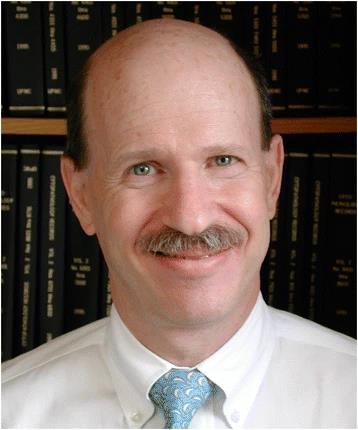 Mitchell P. Fink合作论文数Department of Critical Care Medicine, School of Medicine, University of Pittsburgh10A Baratt合作论文数6S. Chang合作论文数6
 Rukmini Kumar合作论文数Departments of Physics and Astronomy, University of Pittsburgh6Gary An合作论文数6C. Lagoa合作论文数6Gregory M. Constantine合作论文数6G Constantine合作论文数5
 Jonathan Rubin合作论文数Division of Abdominal Radiology, University of Michigan4
 Judy Day合作论文数Manchester Business School, University of Manchester4Claudio Lagoa合作论文数3Steven Chang合作论文数3
 Timothy Bentley合作论文数Office of Naval Research3
 Ruben Zamora合作论文数Department of Surgery, University of Pittsburgh3J. Rubin合作论文数2JC Puyana合作论文数2Arie Baratt合作论文数2
 Shibin Mathew合作论文数2Levy Ryan M合作论文数2
 Edmund Neugebauer合作论文数Brandenburg Medical School;Health Services Research2Derek Barclay合作论文数2Claudio Lagoa合作论文数2Jose M. Prince合作论文数2Qi Mi合作论文数2Joydeep Sarkar合作论文数2
 G. Bard Ermentrout合作论文数Department of Mathematics, The Dietrich School of Arts and Sciences, University of Pittsburgh2
 Ipsita A. Banerjee合作论文数Department of Chemical and Petroleum Engineering, University of Pittsburgh2J Puyana合作论文数1B Betten合作论文数1G Nieman合作论文数1
 Andres Torres合作论文数1Greg Constantine合作论文数1Victor A. Maltsev合作论文数1john r hotchkiss合作论文数1K. W. Hurst合作论文数1R Hoffman合作论文数1D Carney合作论文数1
 David alexander Gallo合作论文数1clara chow合作论文数1
 Shirley Luckhart合作论文数Department of Entomology, Plant Pathology and Nematology, College of Agricultural & Life Sciences, University of Idaho;Institute for Health in the Human Ecosystem, University of Idaho1
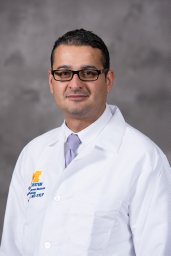 Namas Rajaie合作论文数Department of Surgery, University of Pittsburgh1
 Rami A. Namas合作论文数Department of Surgery, University of Pittsburgh School of Medicine;Department of Surgery, University of Pittsburgh School of Medicine1Polanco Patricio M合作论文数Division of Surgical Oncology, University of Pittsburgh Medical Center1Mann-Salinas Elizabeth A合作论文数United States Army Institute of Surgical Research1




