The Deep Synoptic Array (DSA-2000) is proposed to be a world-leading radio survey telescope and multimessenger discovery engine. The array will consist of $1650 \times 6.15 \mathrm{~m}$ diameter parabolic dishes instantaneously covering the 0.7 to 2 GHz frequency ranges, spanning an area of $19 \mathrm{~km} \times 15 \mathrm{~km}\left(285 \mathrm{~km}^{2}\right)$ in a radio-quiet valley in Nevada, USA as shown in Figure 1.
The coexistence of the spectrum is essential to allow multiple services or communication systems to operate within the same frequency band. Due to the expanding Universe, astronomical signals observed by radio telescopes experience redshift, causing their received frequencies to shift toward lower frequency bands that may overlap with those used by wireless communication systems. Radio astronomy services are passive systems that are highly sensitive to RFI originating from cellular networks. RFI mitigation techniques have traditionally been employed independently by the radio astronomy community to protect weak astronomical signals, without direct collaboration with cellular network operators, lowering the sensitivity of these instruments. Recent work has used the characteristics of cellular signals to cancel the RFI while recovering a weak astronomical signal intact. Most existing ORAN and radio telescope coexistence frameworks focus on the radio telescope side, where the main approaches are RFI mitigation or cancellation. However, these methods do not explicitly consider how cellular networks should operate under radio telescope protection constraints. In this paper, we propose the CORPUS method, which is formulated as an optimization problem, to ensure the protection of radio telescope observations while maintaining connectivity in a ORAN based cellular system.We present a sectored resource allocation framework in ORAN that incorporates constraints to limit interference towards radio telescope, where the interference limit is defined by the analog-to-digital converter saturation level of the radio telescope and can only be enforced in the presence of RFI cancellation techniques. Otherwise, the ORAN must conform to the International Telecommunication Union interference limit. The results show that when radio telescope is pointed at the zenith, it achieves 65% user equipment connectivity. However, as elevation decreases, connectivity decreases to 48%. An effective solution is to increase the overlap of radio units (to 50%) and the antenna sector size to improve user equipment’s connectivity to 88%.
Radio-frequency interference (RFI) is a routine operational risk for radio astronomy and other passive services. Despite clear protection criteria and monitoring guidance in the ITU-R regulation [1], [2], incident reporting remains local and heterogeneous, limiting cross-site comparisons and trend awareness. EMILY, the Electro Magnetic Interference Ledger & registrY, is a lightweight, privacy-preserving system that helps observatories and agencies report, curate, and analyze interference in a consistent way.
As wireless technology advances towards the sixth generation (6G), new and emerging applications require ever-increasing data rates and capacity to match the demand. Generally, wireless receivers are developed with the theoretical background of an unbiased estimator that can maximize the posterior likelihood of the transmitted message (modulated symbols) based on the received signal impaired by the wireless channel. This method however is limited by theoretical channel capacity. In this letter, we propose XPRT that can efficiently extract spatiotemporally invariant priors of the waveform that can be made available as common knowledge to all the receivers at the design stage without increasing any overhead during communication. This prior increases the probability of correct detection of transmit symbols - in a simpler term, it increases effective SNR. Consequently, higher modulation orders can be used without compromising the receiver accuracy, hence increasing throughput. We analyzed the equivalence of XPRT to an ideal receiver along with defining theoretical boundaries. Finally, we implemented XPRT for different waveforms over simulation with AWGN and multipath faded channel where we observed up to 2.2 dB improvement in received SNR at a reference BER of 10(-2).
Aircraft are an intermittent but significant contributor to the low-frequency radio interference environment, with emissions below 100 MHz that contaminate astronomical data but remain poorly characterized. We present a new program to measure and classify aircraft radio-frequency signatures in the $30-80 \mathrm{MHz}$ band using the Owens Valley Radio Observatory Long Wavelength Array (OVRO-LWA). This 352-element interferometer produces continuous all-sky images at 10 s cadence and 22 kHz spectral resolution, enabling detection of both persistent and transient signatures. Candidate sources include intentional transmissions (e.g., harmonics of the $108-137 \mathrm{MHz}$ navigation band), reflections of strong remote transmitters such as DVB towers, and unintended on-board emissions.
Context: Satellite mega-constellations generate Unintended Electro-Magnetic Radiation (UEMR) impacting low frequency radio astronomy. The Radio Regulations of the International Telecommunications Union Radiocommunication Sector (ITU-R) contain the basis for addressing UEMR, but enforcement mechanisms are absent. Aims: To adapt compatibility study methods based on satellite constellation simulations, in particular the Equivalent Power Flux-Density (EPFD) framework, to radio telescope measurements. Methods: We adapt the ITU-R EPFD calculation framework to measurement data obtained from all-sky interferometric imaging. We address the conceptual differences between forward-model EPFD calculations and measurement-based approaches. In particular, we consider low frequency systems, which are typically wide field-of-view and interferometric instruments. Results: For the first time, we demonstrate that all-sky interferometric observations enable a direct adaptation of the EPFD formalism to measurement data. We thus confirm previous estimations (Di Vruno et al. 2023) that the resulting measurement-based EPFD distributions exceed the radio astronomy interference threshold levels defined in Recommendation ITU-R RA.769-2 in 50-70
The deployment of Low Earth Orbit (LEO) satellite constellations is expanding rapidly, reshaping the radio frequency environment. While their societal and commercial benefits are clear, impacts on passive scientific services are only beginning to be quantified. Radio astronomy, which depends on detecting extremely faint cosmic signals, is particularly vulnerable: even small levels of out-of-band (OOB) leakage or unintended emissions can compromise data integrity. Current protection criteria in ITU-R RA.769, defining detrimental interference as a $10 \%$ increase in system noise, were developed under single-entry assumptions and are inadequate for constellations of tens of thousands. We assess the aggregate effect of LEO satellites on the protected $1400-1427 \mathrm{MHz}$ band, vital for neutral hydrogen studies and cosmology. Using orbital distributions, we generate density maps and model emissions across constellation growth scenarios, incorporating interferometric decorrelation, antenna gain patterns, and the sensitivity of the Deep Synoptic Array (DSA-2000). Results show that detrimental thresholds are exceeded at $\sim 30,000$ satellites, with full system noise saturation near $\sim 100,000$. We argue that spectrum frameworks must evolve from single-entry to aggregate-based criteria, introducing emission limits that scale with constellation size. Without such measures, next-generation facilities including the DSA-2000 and the Square Kilometre Array (SKA) may be unable to achieve their scientific objectives.
Geodetic very long baseline interferometry (VLBI) is a vulnerable application of the radio astronomy service (RAS): it provides the fundamental link between the celestial and terrestrial reference frames, and is the only technique that uniquely determines UT1-UTC. The next-generation geodetic VLBI Global Observing System (VGOS) achieves millimetre accuracy by synthesising group delay across 3-14 GHz using 32x32 MHz channels, most of which lie outside RAS primary allocations. The SNIFFLES-I survey (Indermuehle et al 2026) measured intended emissions, unwanted emissions (spurious emissions, notably harmonics), and unintended electromagnetic radiation (UEMR) of NGSO systems from 1-26 GHz. On this basis we model the equivalent power flux density (EPFD) of current and future constellations and compare against protection criteria of ITU-R RA.769. The analysis extends to frequencies without radio astronomy allocations where SNIFFLES-I made detections. For geodetic VLBI, we run a Monte-Carlo EPFD model at the AuScope VGOS stations and scale the aggregate from the present catalogued fleet ( 12000 satellites) to the hundreds of thousands on file with a validated method. Inverting the EPFD analysis against the interpolated RA.769 thresholds yields maximum tolerable per-satellite levels for spurious emissions and for UEMR, expressed as a field-strength limit in dB(uV/m) at 10 m for standard-setting bodies. We treat proposed orbital-data-centres in Sun-synchronous orbit as a distinctively UEMR-dominated case. We find that already today the single-dish protection criteria are exceeded in two primary RAS bands. For geodetic VLBI, the dominant threat is spurious emission from the 2620 MHz Direct-to-device (DTD) downlink, whose second harmonic at 5240 MHz already causes at least 59
This paper presents a practical design and simulation framework for a reconfigurable intelligent surface (RIS) that enables high-precision signal cancellation in a three-dimensional space. The system targets airborne ADS-B transmissions at 1090 MHz—now a major source of interference for radio astronomy observatories. Unlike conventional RIS architectures that support only phase or amplitude control, we introduce a novel unit cell that integrates independently biased PIN and varactor diodes to achieve full two-dimensional tunability of the reflection coefficient. The unit cell is modeled using nonlinear circuit simulations in OrCAD PSpice and validated via full-wave electromagnetic analysis in Ansys HFSS. A tailored admittance-matching method translates target reflection coefficients into feasible RIS configurations. Simulations of a 64×64 RIS array show that more than 97% of the 2993 evaluated directions of arrival achieve sub-0 dB residual power at the receiver, demonstrating robust suppression of mobile interference. This work establishes the feasibility of RIS-based spatial RFI cancellation at a fixed frequency, with implications for spectrum coexistence, secure communications, and ultra-sensitive sensing platforms.
We present the design and validation of Stoppable Secondary Use (StopSec), a privacy-preserving protocol with the capability to identify a secondary user (SU) causing interference to a primary user (PU) and to act quickly to stop the interference. All users are served by a database that provides a feedback mechanism from a PU to an interfering SU. We introduce a new lightweight and robust method to watermark an SU's OFDM packet. Through extensive over-the-air real-time experiments, we evaluate StopSec in terms of interference detection, identification, and stopping latency, as well as impact on SUs. We show that the watermarking method avoids negative impact to the secondary data link and is robust to real-world time-varying channels. Interfering SUs can be stopped in under 150 milliseconds, and when multiple users are simultaneously interfering, they can all be stopped. Even when the interference is 10 dB lower than the noise power, StopSec successfully stops interfering SUs within a few seconds of their appearance in the channel. StopSec can be an effective spectrum sharing protocol for cases when interference to a PU must be quickly and automatically stopped.
Radio Frequency Interference (RFI) from ubiquitous expansion of communication networks poses a significant threat to the scientific and societal goals of passive radio users, like radio astronomy. Such RFI can be mitigated with blind cancellation approaches with limited accuracy or using collaborative methods with high communication overhead. In this work, we propose a collaborative data-driven RFI mitigation method in RAS that exploits unique properties of the most abundant interferer - modulated signals, by extracting features that depend on two key factors: static, based on waveform structure and dynamic, that captures temporal variation. This allows us to make the static features of the RFI available to the RAS in the deployment stage whereas the dynamic component is shared periodically. This allows us to significantly reduce the communication overhead and computation complexity of the RFI cancellation protocol. We also propose an RFI mapping approach that translates the shared RFI information into a reconstructed version of the RFI incident on a radio telescope. This mapped RFI is used to perform a time-domain cancellation and desired signal recovery. Extensive simulations of this approach are performed using real-world astronomical signals captured using the Deep Synoptic Array (DSA-110) at the Owens Valley Radio Observatory (OVRO) and simulated RFI from multiple base stations under different channel conditions, and are compared to state of the art collaborative RFI cancellation tools. Results show up to 70.42% reduction in communication overhead and astronomical signal recovery accuracy of 97.52%.
Dynamic Spectrum Sharing (DSS) is increasingly promoted as a key element of modern spectrum policy, driven by the rising demand from commercial wireless systems and advances in spectrum access technologies. Passive radio sciences, including radio astronomy, Earth remote sensing, and meteorology, operate under fundamentally different constraints. They rely on exceptionally low interference spectrum and are highly vulnerable to even brief radio frequency interference. We examine whether DSS can benefit passive services or whether it introduces new failure modes and enforcement challenges. We propose just-in-time quiet zones (JITQZ) as a mechanism for protecting high value observations and assess hybrid frameworks that preserve static protection for core passive bands while allowing constrained dynamic access in adjacent frequencies. We analyze the roles of propagation uncertainty, electromagnetic compatibility constraints, and limited spectrum awareness. Using a game theoretic framework, we show why non-cooperative sharing fails, identify conditions for sustained cooperation, and examine incentive mechanisms including pseudonymetry-enabled attribution that promote compliance. We conclude that DSS can support passive radio sciences only as a high-reliability, safety-critical system. Static allocations remain essential, and dynamic access is viable only with conservative safeguards and enforceable accountability.
The rapid expansion of satellite constellations is transforming the radio-frequency environment around the Earth. At the same time, radio astronomy is entering a new era of sensitivity and survey capability, requiring unprecedented control of interference. This primer introduces satellite operators, engineers, spectrum managers and policy makers to the basic concepts of radio astronomy, explains why the discipline is uniquely vulnerable to interference, and outlines the regulatory and practical tools available to manage coexistence.
Radio astronomy is facing critical challenges due to an ever-increasing human-made signal density filling up the radio spectrum. With the rise of satellites, mobile networks, and other wireless technologies, radio telescopes are struggling with radio frequency interference (RFI), which can masquerade, block or distort astronomical signals. In this chapter, we explain where RFI comes from, how it affects observations, and discuss different ways to reduce or remove interference. The techniques presented here reflect the state of the art in real-time RFI mitigation at the time of publication and include methods such as filtering, digital processing, and optimal scheduling. The proposed catalogue also explores new ideas like satellite avoidance through scheduling, the use of intelligent surfaces to block interference, and advanced computer algorithms to clean up data. The chapter also highlights the need for strong cooperation between astronomers and spectrum regulators to protect radio frequencies for future discoveries. By combining technical solutions and better policies, we can help ensure that radio astronomy continues to provide important insights into the universe.
Direction of arrival (DoA) estimation plays a crucial role in various areas of signal processing. Although existing methods perform satisfactorily at moderately high signal-to-noise ratio (SNR) levels of the order of 0 dB, they often lack accuracy in low SNR scenarios (<-10 dB), which is critical in science applications like radio frequency interference (RFI) mitigation for radio astronomy. In this context, it is essential to estimate the DoA of a source of RFI at low SNR to prevent high-gain radio telescope receivers from saturating. In this paper, a novel DoA estimation method is proposed, which is designed specifically for low SNR scenarios. This method involves multiple subarrays and decomposition techniques to enhance the SNR of the RFI. By comparing the signal subspace with the noise subspace, we can identify the potential incident direction and perform refinement in subsequent steps. Accuracy is further improved by combining all DoA candidates together and utilizing a clustering method to remove outliers. We conducted simulations using Automatic Dependent Surveillance-Broadcast (ADS-B) signals and sine waves in Additive White Gaussian Noise (AWGN) and multipath fading channels for signals that will be detected by a 100m radio telescope. The results demonstrate that our proposed method outperforms prior algorithms in low SNR conditions.
Approximately half of the Universe's dark matter resides in collapsed halos; significantly less than half of the baryonic matter (protons and neutrons) remains confined to halos. A small fraction of baryons are in stars and the interstellar medium within galaxies. The majority are diffuse (<10(-3) cm(-3)) and ionized (neutral fraction <10(-4)), located in the intergalactic medium (IGM) and in the halos of galaxy clusters, groups and galaxies. This diffuse ionized gas is notoriously difficult to measure, but has wide implications for galaxy formation, astrophysical feedback and precision cosmology. Recently, the dispersion of extragalactic fast radio bursts (FRBs) has been used to measure the total content of cosmic baryons. Here we present a large cosmological sample of FRB sources localized to their host galaxies. We have robustly partitioned the missing baryons into the IGM, galaxy clusters and galaxies, providing a late-Universe measurement of the cosmic baryon abundance, Omega(b)h(70)=0.051(-0.006)(+0.006), where Omega(b) is the baryon density parameter and h(70) is the scaled Hubble constant. Our results indicate efficient feedback processes that can deplete galaxy halos and enrich the IGM (total baryon fraction in the IGM is f(IGM)=0.76(-0.11)(+0.10)), agreeing with the baryon-rich cosmic web scenario seen in cosmological simulations. Our results may reduce the 'S-8 tension' in cosmology, as strong feedback leads to suppression of the matter power spectrum.
Radio Frequency Interference (RFI) from ubiquitous expansion of communication networks (terrestrial and lower earth orbit (LEO)) poses a significant threat to the scientific and societal goals of passive radio users (e.g., radio astronomy services (RAS)). Such RFI can be mitigated with traditional blind cancellation approaches with limited accuracy or using collaborative methods that share information about the interfering signals for cancellation albeit with a significant baggage of communication overhead. In this work, we propose a collaborative data-driven RFI mitigation method in RAS that exploits unique properties of the most abundant interferer - modulated signals, by extracting features that depend on two key factors - a) waveform, b) temporal and spectral variation. This allows us to make the waveform-based features of the RFI available to the RAS in the deployment stage whereas the rest of it is shared periodically. This allows us to significantly reduce the communication overhead and computation complexity of the RFI cancellation protocol. We also propose an RFI mapping approach that translates the shared RFI information into a reconstructed version of the RFI incident on radio telescope. This mapped RFI is used to perform a time-domain cancellation and desired signal recovery. Extensive simulations of this approach are performed using real-world astronomical signals captured using the Deep Synoptic Array (DSA-110) at the Owens Valley Radio Observatory (OVRO) and simulated RFI from multiple base stations, and are compared to state of the art collaborative RFI cancellation tools. Results show up to 67.2% reduction in communication overhead and astronomical signal recovery accuracy of 81.66%.
We present the Deep Synoptic Array (DSA-110) discovery and interferometric localization of the so far nonrepeating FRB 20220319D. The FRB originates in a young, rapidly star-forming barred spiral galaxy, IRAS 02044+7048, at just 50 Mpc. Although the NE2001 and YMW16 models for the Galactic interstellar-medium (ISM) contribution to the DM of FRB 20220319D exceed its total observed DM, we show that uncertainties in these models accommodate an extragalactic origin for the burst. We derive a conservative upper limit on the DM contributed by the circumgalactic medium (CGM) of the Milky Way of 47.3 pc cm ^−3 , based on a pulsar nearby on the sky to FRB 20220319D that is used to estimate the ISM DM. This limit implies that the total Galactic CGM mass is <10 ^11 M _⊙ , and that the baryonic mass of the Milky Way is ≲60% of the cosmological average given the total halo mass. More stringent albeit less conservative constraints are possible when the DMs of pulsars in the distant globular cluster M53 are additionally considered. Although our constraints are sensitive to possible anisotropy in the CGM and to the assumed form of the radial-density profile, they are not subject to uncertainties in the chemical and thermal properties of the CGM. Our results strongly support scenarios commonly predicted by galaxy-formation simulations wherein feedback processes expel baryonic matter from the halos of galaxies such as the Milky Way.
Contemporary real-time RFI mitigation is carried out at different stages primarily using regulatory and technical approaches. Regulatory approaches include spectrum management, radio quiet zones, and ensuring protection from self-generated RFI. The technical approaches include mitigation RFI in the analog and RF frontend systems, digital signal processing systems, and offline systems. As is known, the signal received by a radio telescope is a combination of the contributions from the astronomical signal and a combination of system and sky background noise. RFI has an additive effect on the signal received by the radio telescope. The key distinguishing properties of RFI are that it is generally stronger than the signal and non-Gaussian. The capability of signal processing receiver systems has grown manifold with the advent of high-speed signal processing platforms like Field Programmable Gate Arrays (FPGA)and Graphics Processing Unit (GPU). This has enabled the development of different signal-processing techniques for real-time RFI mitigation algorithms. This document provides an overview of contemporary techniques while focusing on the implementation of the same in specific radio telescopes.
Fast radio bursts (FRBs) are millisecond-duration events detected from beyond the Milky Way. FRB emission characteristics favour highly magnetized neutron stars, or magnetars, as the sources1, as evidenced by FRB-like bursts from a galactic magnetar2,3, and the star-forming nature of FRB host galaxies4,5. However, the processes that produce FRB sources remain unknown6. Although galactic magnetars are often linked to core-collapse supernovae (CCSNe)7, it is uncertain what determines which supernovae result in magnetars. The galactic environments of FRB sources can be used to investigate their progenitors. Here, we present the stellar population properties of 30 FRB host galaxies discovered by the Deep Synoptic Array (DSA-110). Our analysis shows a marked deficit of low-mass FRB hosts compared with the occurrence of star formation in the Universe, implying that FRBs are a biased tracer of star formation, preferentially selecting massive star-forming galaxies. This bias may be driven by galaxy metallicity, which is positively correlated with stellar mass8. Metal-rich environments may favour the formation of magnetar progenitors through stellar mergers9,10, as higher-metallicity stars are less compact and more likely to fill their Roche lobes, leading to unstable mass transfer. Although massive stars do not have convective interiors to generate strong magnetic fields by dynamo11, merger remnants are thought to have the requisite internal magnetic-field strengths to result in magnetars11,12. The preferential occurrence of FRBs in massive star-forming galaxies suggests that a core-collapse supernova of merger remnants preferentially forms magnetars. Analysis of the stellar population properties of 30 host galaxies of fast radio bursts (FRBs) suggests an abundance of FRBs in massive star-forming galaxies, and implies that the formation of FRB sources-magnetars-is linked to core-collapse supernovae of stellar merger remnants.
 Andrew Siemion合作论文数Berkeley SETI Research Center;Department of Astronomy, University of California, Berkeley21
 Matt Lebofsky合作论文数Department of Astronomy, University of California, Berkeley18Steve Croft合作论文数Department of Astronomy, University of California, Berkeley18
 Danny Price合作论文数Square Kilometre Array Observatory;Curtin University18
 Howard Isaacson合作论文数Department of Astronomy, University of California, Berkeley;Institute for Astronomy, University of Hawaiʻi at Mānoa18
 Jesus Emilio Enriquez合作论文数University of Texas at El Paso17
 Vishal Gajjar合作论文数Department of Astronomy, University of California, Berkeley16
 Dan Werthimer合作论文数Department of Astronomy, University of California, Berkeley15David Macmahon合作论文数Department of Astronomy, University of California, Berkeley15
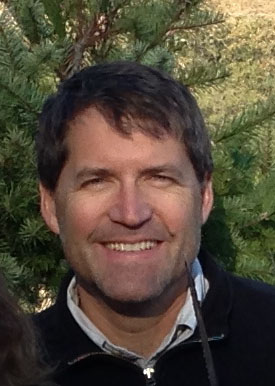 David DeBoer合作论文数Department of Astronomy, University of California, Berkeley14
 Aveek Dutta合作论文数University of Colorado13
 Gregg W. Hallinan合作论文数Astronomy, The Division of Physics, Mathematics and Astronomy, California Institute of Technology13
 Casey J Law合作论文数Cahill Center for Astronomy and Astrophysics & Owens Valley Radio Observatory, Caltech12
 Dola Saha合作论文数Department of Electrical & Computer Engineering
University at Albany, SUNY11Charlie Harnach合作论文数10Rick Hobbs合作论文数10Mark Hodges合作论文数10Paul Rasmussen合作论文数10David Hodge合作论文数10Kritti Sharma合作论文数Dept Mech Engn, Indian Inst Technol10
Dola Saha合作论文数Department of Electrical & Computer Engineering
University at Albany, SUNY11Charlie Harnach合作论文数10Rick Hobbs合作论文数10Mark Hodges合作论文数10Paul Rasmussen合作论文数10David Hodge合作论文数10Kritti Sharma合作论文数Dept Mech Engn, Indian Inst Technol10 Liam Connor合作论文数Owens Valley Radio Observatory, California Institute of Technology10
 James W. Lamb合作论文数10
 Vikram Ravi合作论文数The Division of Physics, Mathematics and Astronomy, California Institute of Technology;Cahill Center for Astronomy and Astrophysics, California Institute of Technology10
 David P. Woody合作论文数Owens Valley Radio Observatory, Caltech10Jakob T. Faber合作论文数9Jean J. Somalwar合作论文数8
 Sander Weinreb合作论文数Department of Astronomy, California Institute of Technology8
 Rodolphe Weber合作论文数Université d'Orléans8
 Nectaria Gizani合作论文数School of Applied Arts and Sustainable Design, Hellenic Open University8Reynier Squillace合作论文数7
 Morgan Catha合作论文数7Ge Chen合作论文数7
 Dana Simard合作论文数7
 Jun Shi合作论文数Dept Elect Engn, CALTECH7Jack Hickish合作论文数7Myles B. Sherman合作论文数6Nitika Yadlapalli合作论文数6
 Albert-Jan Boonstra合作论文数astron6
 Griffin Foster合作论文数Dept. of Phys., Oxford Univ.;c;Dept. of Phys., Oxford Univ.5
 Aaron Chippendale合作论文数5Cecile Capdessus合作论文数5Myles Sherman合作论文数4Casey Brinkman合作论文数4
 Shuvam Chakraborty合作论文数4
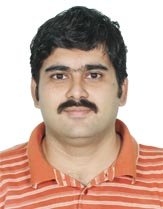 Kaushal Buch合作论文数Natl Ctr Radio Astrophys, Giant Metrewave Radio Telescope4
 Ning Zhang合作论文数Department of Computer Science & Engineering, McKelvey School of Engineering, Washington University in St. Louis;Computer Security and Privacy Laboratory, Washington University in St. Louis4
 Neal Patwari合作论文数The Preston M. Green Department of Electrical & Systems Engineering, McKelvey School of Engineering, Washington University in St. Louis;Department of Computer Science & Engineering, McKelvey School of Engineering, Washington University in St. Louis4
 Simon P. Worden合作论文数Sacramento Peak Observatory Air Force Cambridge Research Laboratories4
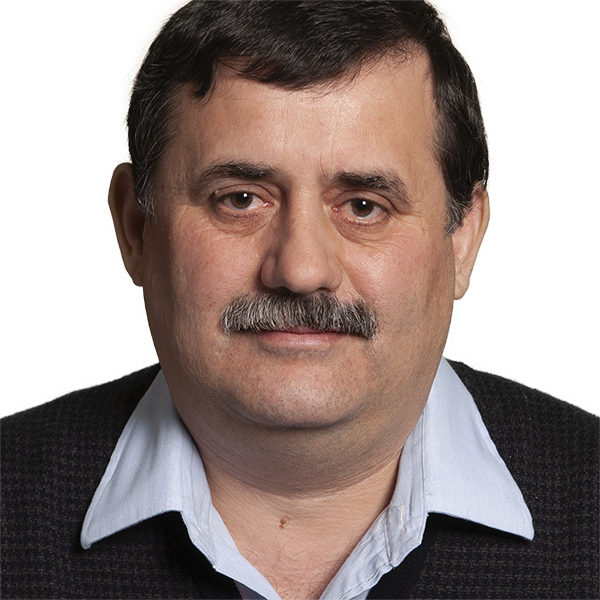 Gelu M. Nita合作论文数Center for Solar-Terrestrial Research, Department of Physics, New Jersey Institute of Technology4




