have become one of the key security issues of the twenty-arst century.1 Three factors that arst emerged in the 1990s have contributed to this phenomenon. First, revelations regarding the size, scope, and sophistication of the Soviet and Iraqi biological warfare programs focused renewed attention on the proliferation of these weapons.2 Second, the catastrophic terrorist attacks on September 11, 2001, and the anthrax letters sent to media outlets and Senate ofaces in the United States during the following month, demonstrated the desire of terrorists to cause massive casualties and heightened concern over their ability to employ biological weapons.3 Third, signiacant advances in the life sciences have increased concerns about how the biotechnology revolution could be exploited to develop new or improved biological weapons.4 These trends suggest that there is a greater need than ever to answer several fundamental questions about biological warfare: What is the nature of the threat? What are the potential strategic consequences of the proliferation of biological weapons? How ef-
 Sumit Ganguly合作论文数Indiana University3
 Rhianna Tyson Kreger合作论文数2Mark Hibbs合作论文数2Edward J. Laurance合作论文数2Leonard S. Spector合作论文数2Lewis A. Dunn合作论文数2Joseph Cirincione合作论文数2John Simpson合作论文数2Robert S. Norris合作论文数2Henry D. Sokolski合作论文数2Lawrence Scheinman合作论文数2
 Jacques E. C. Hymans合作论文数2
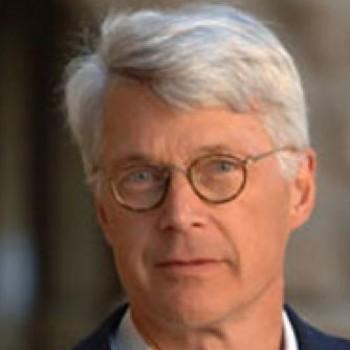 Scott D. Sagan合作论文数Political Science Department, Stanford University;Center for International Security and Cooperation, Freeman Spogli Institute for International Studies, Stanford University2
 William Potter合作论文数James Martin Center2
 James Wirtz合作论文数Department of National Security Affairs, Naval Postgraduate School;School of International Studies, Naval Postgraduate School2
 Kathleen M. Vogel合作论文数Hoffman Department of Chemistry, Drury College2Daniel Drezner合作论文数1Joshua Busby合作论文数1Dale Copeland合作论文数1Renske Doorenspleet合作论文数1Stephanie Lieggi合作论文数1David E. Lee-Parritz合作论文数1Michael Desch合作论文数1John Garofano合作论文数1Stephen Flanagan合作论文数1Martha Crenshaw合作论文数1Ivan Arreguín-Toft合作论文数1Fiona Adamson合作论文数1Robert Art合作论文数1James Scouras合作论文数1Miles A. Pomper合作论文数1jaclyn tandler合作论文数1
 Michael N. Barnett合作论文数Elliott School of International Affairs, The George Washington University1
 Yuen Foong Khong合作论文数Lee Kuan Yew School of Public Policy, National University of Singapore1
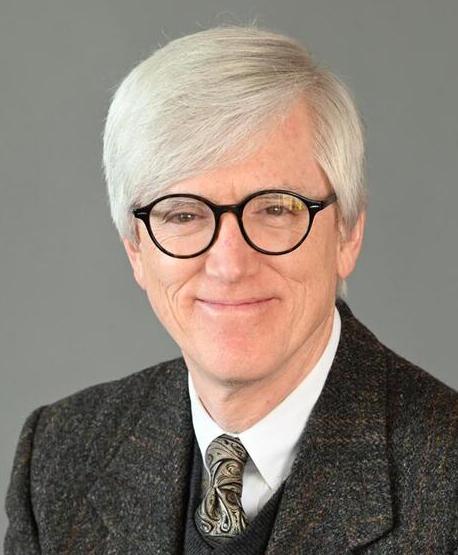 Stephen Biddle合作论文数Saltzman Institute of War and Peace Studies, School of International and Public Affairs, Columbia University1
 Lawrence Freedman合作论文数Iraq Inquiry1
 Matthew Fuhrmann合作论文数1
 Christopher Gelpi合作论文数Duke University1Lynn Eden合作论文数1
 Devin T. Hagerty合作论文数1Tanya Ogilvie-White合作论文数1
 Fotini Christia合作论文数MIT Institute for Data, Systems, and Society/Department of Political Science, MIT1
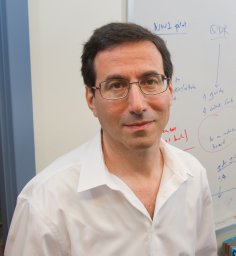 Colin Elman合作论文数1
 Audrey Kurth Cronin合作论文数Trade Division1Elizabeth Kier合作论文数Department of Political Science, University of Washington1
 M. Taylor Fravel合作论文数Department of Political Science, MIT1
 Jennifer M. Lind合作论文数Department of Political Science;Massachusetts Institute of Technology;Department of Political Science, Massachusetts Institute of Technology1Elin Gursky合作论文数1
 Andrew Kydd合作论文数Department of Political Science, College of Letters and Science, University of Wisconsin-Madison1




