Heat Vulnerability Indices (HVIs) are widely used to guide climate adaptation and public health planning under the assumption that neighborhoods identified as highly vulnerable are also those where heat-related mortality concentrates during extreme events. Yet, this assumption has rarely been evaluated across long time horizons or varying heat intensities. In this study, we conduct a 30-year, census-tract-level assessment of an HVI in Denver, Colorado, comparing vulnerability scores with heat-related excess mortality during moderate and extreme heat waves from 1990 to 2019. Across multiple validation frameworks, including statistical association, classification performance, and spatial correspondence, we find that alignment between vulnerability and mortality is weak, inconsistent, and strongly conditioned by heat intensity and decade. High-vulnerability neighborhoods rarely correspond to those experiencing the highest mortality, particularly during extreme heat, or to modeled temperature-attributable mortality. Supplemental analyses indicate that temporal persistence varies by mortality definition and heat intensity, with observed excess mortality showing greater stability than modeled excess mortality. Rather than indicating a failure of vulnerability indexing, these results highlight a fundamental distinction between structural vulnerability and event-specific mortality risk. We show that static, place-based vulnerability indices are well suited to characterize baseline susceptibility and inequity but do not effectively identify where mortality occurs during heat events. This distinction has important implications for the interpretation, validation, and operational use of HVIs in environmental health research and climate adaptation planning.
Despite widespread critique, the established notion of sequential disaster management phases (mitigation, preparedness, response, recovery) continues to inform a standard set of policies and practices that lock people into rigid cycles of decision-making and action. In this paper, we refer to these as “rigidity traps.” Although expressed in different ways, rigidity traps result in the overarching effect of maintaining the broader conditions that shape disasters and they, in turn, proliferate the consequent impact. Awareness of rigidity traps, and the resulting processes and outcomes, is critical to avoid such traps. However, alternative disaster governance and management approaches are also needed in order to move on from the status quo. To this end, we build on work by scholars to deploy ‘the reparative’ as an analytical lens. Specifically, a reparative approach seeks to account for the wider historical and systemic conditions that organize and structure the ways disasters unfold, the consequences they bear, and their uneven effects across different people and places. We use this framing as a foundation to expand upon what a reparative approach might look like when applied to disaster governance and management. We do so by identifying a range of rigidity traps, which is followed by suggestions for alternative reparative approaches, including perspectives on how to institutionalise such approaches. While each example is grounded in either a particular place or type of hazard, the collection has been chosen due to their simultaneous relevance to a broader range of people, places and hazards.
Community air pollution science is widely viewed as a powerful public health and urban planning tool that can empower communities to push for policy change to benefit public health outcomes. A review of 131 studies highlights a bias toward the evaluation of low-cost sensor performance. We draw attention to the 10 studies (10%) that address a research-to-policy gap through distinct theories of change. Recommendations include addressing research gaps such as equitable sensor distribution, expanding focus to the Global South, and establishing engagement with policymakers early on in community science research.
In this paper, we use a spatiotemporal axis of analysis to unpack the governance and management of two pressing yet diverse types of subterranean hazards: earthquakes and nuclear waste repositories. In each case, decades, centuries, or millennia of slow movement run up against the fast movement of disastrous moments. These contrasting spatiotemporal relationships are emblematic of the different temporal and spatial horizons researchers, scientists, and hazard managers must grapple with as they assess past, present, and future catastrophes. We explore how thinking across multiple, overlapping spatiotemporal horizons unfolds in different governance contexts to influence quotidian decision‐making processes. Our examination of each hazard reveals two very different perspectives on the subterranean, the risks contained within, and the fears they produce. For residents in high seismicity areas, awareness and anticipation of earthquake risk are both constant and ubiquitous. Technologies are deployed to bring the subsurface to life and animate the underground, thereby conjuring emotional responses to future risks. Meanwhile, the case of nuclear waste management highlights how technologies are used to keep the underground inanimate, effectively burying risk beyond human consciousness. These different realities are produced and experienced, in part, through a process of quotidian fragmentation where people live simultaneously in material (present), remembered (past) and imagined (future) worlds. We hope that highlighting these dynamics can help hazard management professionals better understand how different governance techniques fragment the public's experience with potential hazards and shape their understanding of societal risks.
ABSTRACT The field of disaster studies remains largely committed to a modernist spatio‐temporal imaginary that persistently emphasises the singularity of a given disaster and often fails to account for the broader set of affairs in which disasters are situated and shaped, in turn leading to circumspect, uninventive and ineffective policy outcomes. In light of these trends, we argue for a paradigm shift in disaster research. In this commentary, we aim to advance studies on the governance and management of disasters by bringing these ongoing perspectives into conversation with recent debates on reparations and reparative thought. A reparative approach to disaster research contains at least three key elements. First, reparative disaster research encourages an explicit focus on relationality that pushes us to consider the intersecting spatial–historical processes and interconnected relationships comprising complex disasters. This relational approach expands our understanding of the dynamics that shape conditions of, and responses to, vulnerability and can engender a more transformative approach that animates and activates the forms of resistance. Second, a reparative approach acknowledges the capacity for disasters to destabilise established forms of disaster planning and infrastructure, thereby creating openings for more just and equitable forms of life in transformed contexts. This approach rejects ‘paranoid’ accounts suggesting that previous disaster outcomes will be automatically reproduced. Instead, it accommodates the possibility of alternative futures that might arise from disruptions in the present. Third, this approach has implications for how we approach disasters methodologically. Specifically, it urges us to reappraise the processes by which we undertake research in terms of fostering consistent and meaningfully collaborative relationships with communities in areas impacted by disasters.
Two calls by research and policy institutions internationally inform this paper. The first is a need to better accommodate local social-ecological conditions through more fine-grained data collection and analysis. The second is to increase the level of community engagement in studies of social resilience to climate change. In this paper, we assess progress towards these aspirations by examining and describing research that explore community resilience to climate-related hazards. More specifically, we critically appraise how this growing body of research engages with the communities and places that are the subject of these studies. Using the Web of Science Core Collection database, we conducted a scoping review of 647 articles that aim to understand lived-experiences of climate-related hazards through a place- or community-based focus. Our findings reveal that only 140 articles (21%) met our inclusion criteria by meaningfully engaging with the communities and places being studied, while also developing grounded strategies to improve social resilience to climate-related hazards. Key findings from the reviewed literature also highlight: the social attributes emphasised within the studies, the research methods most frequently employed, the scale the strategies are most often aimed at, and the diversity and frequency of proposed strategies to improve social resilience to climate-related hazards. Collectively, these findings highlight key trends, accomplishments and shortcomings in social resilience research on climate-related hazards. Two major recommendations from our review emerge. First is a need for more widespread grounded engagement during data collection phases with populations impacted by climate-related hazards to increase researcher sensitivity to the specific needs of at-risk communities. Second is the development of strategies within published research that are more tailored, and thus more locally beneficial and equitable, so that key insights can be applied in place-specific contexts and by a range of people across diverse social attributes and networks.
In the context of discipline-wide efforts to produce more inclusive, just, and equitable norms of geographical knowledge production, section editors for Geography Compass identify five concrete practices by which to address systemic inequities, injustices, and exclusions through their editorial work.
While adapting to the impacts of climate change will require massive human efforts across landscapes, economies, and everyday social life, adaptation is rarely conceptualized as work conducted by laboring people. In this intervention, we suggest that the conditions under which this largely invisible adaptation labor is currently carried out - in which workers are frequently underpaid, unpaid or unfree -should become a key concern for scholars and advocates of climate justice and just transitions. We propose an inclusive definition of climate adaptation labor and mobilize it to examine how the conditions of life under climate change are being produced and reproduced, by whom, and for whose benefit. Drawing from diverse cases across 12 countries in both Global South/Majority World and Global North/ Minority World contexts, we investigate the institutions and labor regimes through which adaptation labor is currently organized and (under)remunerated. We highlight how social difference and power entwine to devalue this work, particularly through idioms of "participation" and "contribution", and draw attention to the agency, autonomy, and claims-making power of adaptation laborers. Crucially, we suggest theoretical and practical approaches for transforming adaptation labor into a vehicle for redistribution and just transition.
There is growing scholarly engagement with the role of uncertainty in questions of environmental decision-making. Yet ignorance, while prevalent in the STS literature, has received less attention in geography and cognate disciplines. In our introduction to this special collection, we review the literature on ignorance and uncertainty to make two contributions. First, we engage each concept to demonstrate that, in general, ignorance is a 'lack of knowledge' (or the appearance of lack of knowledge) while uncertainty is a 'lack of knowledge clarity' (or the appearance of lack of knowledge clarity). Second, we argue that while it is useful for theory building to distinguish between the two concepts, it is helpful also to view them as interrelated and processual. We demonstrate this relationality and the different forms it takes by introducing a process-based typology: ignorance and uncertainty as outcome; ignorance and uncertainty as resource; and ignorance and uncertainty as obstacle. The six papers in the collection offer a diverse set of engagements with ignorance and uncertainty including grounded case-studies and theoretical interventions focused on environmental decision-making.
Counter-narratives to dominant development discourses are made possible using research methods designed to elicit marginalized voices. In this article, we propose a new analytical framework called the interpretive schema for drawings for analyzing visual narratives. The interpretive schema for drawings consists of five themes or interpretive lenses (scale, centrality, inclusion, connections, and relationality) that were generated from maps of fuelwood collection in rural India. We suggest that the interpretive schema reflects and animates a range of spatialities that are central to geographic studies of human–environment dynamics. Using the interpretive schema for drawings in this way enables us to emphasize emic socio-spatial perspectives, and offers a critical research avenue through which everyday realities can be represented, understood, and validated. While other image-based research approaches, critical cartographies and participatory mapping exercises may encourage the expression of alternative knowledges, our proposed interpretive schema for drawing presents a specific set of guidelines for interpreting and making sense of visual narratives through explicit socio-spatial analysis.
•Disingenuous natures are artifactual and generative of post truth politics.•Five knowledge modalities of concern show how power shapes knowledge and ignorance.•These knowledges support post-truth politics and create disingenuous natures.•These knowledges pose challenges for social-environmental decision-making.•How we know and manage nature connects to how it is made knowable and manageable.
Pandemics have accelerated in frequency in recent decades, with COVID-19 the latest to join the list. Emerging in late 2019 in Wuhan, China, the virus has spread quickly through the world, affecting billions of people through quarantine, and at the same time claiming more than 800,000 lives worldwide. While early reflections from the academic community have tended to target the microbiology, medicine, and animal science communities, this article articulates a viewpoint from a perspective of human interactions with Earth systems. We highlight the link between rising pandemics and accelerating global human impacts on Earth, thereby suggesting that pandemics may be an emerging element of the “Anthropocene.” Examples from Denver, Colorado, USA, show how policy responses to the COVID-19 pandemic changed human-environment interactions and created anomalous landscapes at the local scale, in relation to the quality of air and patterns of acquiring and consuming food. In recognizing the significance of novel infectious diseases as part of understanding human-landscape interactions in the Anthropocene, as well as the multi-scale interconnectedness between environment and health, this viewpoint converges toward an urgent need for new paradigms for research and teaching. The program required extends well beyond the already broad interdisciplinary scholarship essential for addressing human-landscape interactions, by integrating the work of health scientists, disease specialists, immunologists, virologists, veterinarians, behavioral scientists, and health policy experts.
Affluence and vulnerability are often seen as opposite sides of a coin—with affluence generally understood as reducing forms of vulnerability through increased resilience and adaptive capacity. However, in the context of climate change and an increase in associated hazards and disasters, we suggest the need to re-examine this dynamic relationship—a complex association we define here as the Affluence–Vulnerability Interface (AVI). We review research in different national contexts to show how a more nuanced understanding of the AVI can (a) problematize the notion that increasing material affluence necessarily has a mitigating influence on social vulnerability, (b) extend our analysis of social vulnerability beyond low-income regions to include affluent contexts and (c) improve our understanding of how psychosocial characteristics influence people’s vulnerability. Finally, we briefly outline three methodological approaches that we believe will assist future engagement with the AVI.
ABSTRACTThe economic empowerment of women remains a central feature of development projects worldwide. This article explores these empowerment aspirations by examining various temporal complexities related to two development projects in South India targeting individual cooking and fuel‐collection routines. It argues that three temporal considerations of household labour — polychronic time, collectivized time and hybrid labour/leisure time — are largely overlooked, thus challenging the appropriateness of empowerment strategies from the outset. By highlighting key household dynamics this study argues that efforts to pursue economic empowerment by members of the clean cookstove sector devalue unpaid labour and glorify waged work that is often tedious and mediated by powerful men. Further, waged work can be burdensomely added to pre‐existing unpaid domestic labour responsibilities. This common portrayal of empowerment by the clean cookstove sector can be viewed as facilitating the advancement of a neoliberal vision of rural women's livelihoods where empowerment and agency are reconfigured and incorporated into the problematic wage relations of capitalist economies. This view of empowerment, which privileges market participation, also overlooks many of the actually experienced positive effects of improved stoves; benefits which tend to be domestic, communal, routine, non‐economic and difficult to quantify. The article argues that conventional definitions and visions of ‘empowerment’ should be re‐evaluated to include forms of ‘mundane agency’.
This book investigates the ongoing politics, folly, and avarice shaping the production of increasingly widespread yet dangerous suburban and exurban landscapes. The 1991 Oakland Hills Tunnel Fire is used as a starting point to better understand these complex social-environmental processes. The Tunnel Fire is the most destructive fire—in terms of structures lost—in California history. More than 3,000 residential structures burned and 25 lives were lost. Although this fire occurred in Oakland and Berkeley, others like it sear through landscapes in California and the American West that have experienced urban growth and development within areas historically prone to fire. The book blends environmental history, political ecology, and science studies to closely examine the Tunnel Fire within a broader historical and spatial context of regional economic development and natural-resource management, such as the widespread planting of eucalyptus trees as an exotic lure for homeowners and the creation of hillside neighborhoods for tax revenue—decisions that produced communities with increased vulnerability to fire. The book demonstrates how in Oakland a drive for affluence led to a state of vulnerability for rich and poor alike that has only been exacerbated by the rebuilding of neighborhoods after the fire. Despite these troubling trends, the text illustrates how many popular and scientific debates on fire limit the scope and efficacy of policy responses. These risky yet profitable developments (what the book refers to as the Incendiary), as well as proposed strategies for challenging them, are discussed in the context of urbanizing areas around the American West and hold global applicability within hazard-prone areas.
Much of India contains complex and ambiguous post-colonial environmental histories. Within the international clean cookstove development discourse, it is assumed that fuelwood collection for cooking is a significant factor in the overexploitation of forest biomass. This brand of storytelling is certainly applied in India where a series of programs have long targeted household fuelwood collection activities as a way of reversing rates of deforestation. This essay outlines the enigmatic and peculiar environmental histories of two distinct regions in South India. Based on oral histories, interviews and field surveys our findings indicate that many pressures other than fuel collection have helped alter vegetation and reduce fuel availability, particularly the expansion of commercially cultivated land in recent years. Moreover, a variety of historical contingencies, such as mass displacement from dam construction and the deliberate seeding of an invasive species complicate one-dimensional or reductive explanations of landscape change — a discursive environmental rendering referred to here as a ‘disingenuous nature’. Through retrospective analysis, we describe how this land use narrative, like so many other sustainable development discourses premised on incomplete and misleading information, is the byproduct of a ‘multi-scale narrative repurposing and sector coalescence’ process. This characterization signals how environmental narratives are repurposed and recycled uncritically by actors in distinct yet discursively compatible development sectors.
This paper examines vulnerability in the context of affluence and privilege. It focuses on the 1991 Oakland Hills Firestorm in California, USA to examine long-term lived experiences of the disaster. Vulnerability is typically understood as a condition besetting poor and marginalized communities. Frequently ignored in these discussions are the experiences of those who live in more affluent areas. This paper seeks to more closely explain vulnerability at its interface with affluence. The aim is to challenge uncritical explanations of vulnerability. We also offer alternative ways of conceptualizing vulnerability as a material condition and social construct that acknowledges broader cultural, ecological, and economic conditions, which may offset, maintain or deepen true risk exposure. Drawing on in-depth interviews with residents and emergency service managers, the paper presents a suite of vulnerability categories that intersect to create two concomitant and competing conditions. First, vulnerability is variegated between households within communities, including those in more affluent areas. Second, household vulnerability is collectively altered, and oftentimes reduced, by the broader affluent community within which individual households reside. By paying closer attention to the Affluence–Vulnerability Interface the paper reveals a recursive process, which is significant in the context of building more disaster resilient communities.
 Sarah Dooling合作论文数Urban Design and Planning, University of Washington5Anne Chin合作论文数4
 Peter Alagona合作论文数4
 Christine Eriksen合作论文数QuEST Research Centre, Geo;School of Earth and Environmental Sciences;University of Wollongong;School of Earth and Environmental Sciences, University of Wollongong3Bryan Wee合作论文数2Cody Peterson合作论文数2Emily Anderson合作论文数2
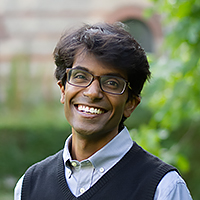 Emmanuel Raju合作论文数Department of Public Health, Faculty of Health and Medical Sciences, University of Copenhagen2
 Ksenia Chmutina合作论文数 Loughborough University, UK2
 Kevin Grove合作论文数Department of Geography, The Ohio State University2
 Peter Anthamatten合作论文数Department of Geography and Environmental Sciences, University of Colorado Denver2
 Jessica K. Graybill合作论文数Colgate University, Colgate University2Jasmine Hyman合作论文数1Abby Cunniff合作论文数1Philip Mann合作论文数1
 Costanza Rampini合作论文数1laura r laurencio合作论文数1Marcelle Caturia合作论文数1dan guth合作论文数1amy depierre tindle合作论文数1
 Maree Grenfell合作论文数1Jairus Rossi合作论文数1
 Nicole Lambrou合作论文数1
 Morgan Robertson合作论文数Nelson Institute for Environmental Studies, University of Wisconsin-Madison1Elizabeth Barron合作论文数1
 Hillary Mason合作论文数University of Colorado Denver1Deepti Chatti合作论文数Humboldt State Univ1
 Alison Purcell O'Dowd合作论文数Department of Environmental Science and Management, Cal Poly Humboldt1Alejandra Uribe Albornoz合作论文数1
 Vincent Guermond合作论文数Royal Holloway Univ London1
 Ritodhi Chakraborty合作论文数Ctr Excellence, Lincoln Univ1
 Michael Mikulewicz合作论文数Ctr Climate Justice, Glasgow Caledonian Univ1Sara Nelson合作论文数1
 Jacob Hawkins合作论文数Sch Agr & Environm, Univ Western Australia1
 Kevon Rhiney合作论文数Rutgers State Univ1Leigh Johnson合作论文数1
 Caitlin Robinson合作论文数Sch Geog Sci, Univ Bristol1
 Megan Mills-Novoa合作论文数1
 Priyanka Desouza合作论文数MIT, Dept Urban Studies & Planning, Cambridge, MA 02139 USA1
 Nathaniel O’Grady合作论文数1
 Paul Griffin合作论文数Dept Geog & Environm Sci, Northumbria Univ1
 benjamin neimark合作论文数Old Dominion Univ, Norfolk, VA 23529 USA1
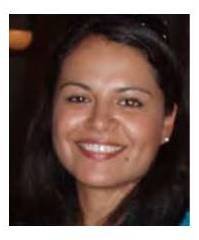 Carolina Adler合作论文数Mountain Research Initiative1
 Nicholas Jon Crane合作论文数Sch Polit Publ Affairs & Int Studies, Univ Wyoming1
 Kelly Kay合作论文数Department of Geography, College of Social Sciences, University of California, Los Angeles1
 Jill Baumgartner合作论文数Division of Epidemiology, Biostatistics and Occupational Health, School of Population and Global Health, Faculty of Medicine and Health Sciences, McGill University1
 Adam Bumpus合作论文数School of Geography, Faculty of Science, University of Melbourne1
 Nathan Sayre合作论文数Department of Geography, University of California, Berkeley1
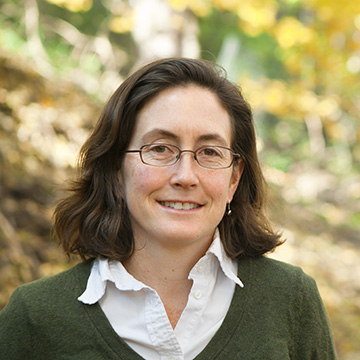 Natalie M. Mahowald合作论文数Department of Earth and Atmospheric Sciences, College of Agriculture and Life Sciences, Cornell University1




