Background The management of recurrent venous thromboembolism (VTE) despite anticoagulant treatment in patients with cancer is uncertain. To address this, we used data from the Hokusai VTE Cancer trial, which compared edoxaban with dalteparin to treat cancer-associated VTE. Objectives To characterize and evaluate anticoagulant treatment strategies during and after on-treatment recurrent VTE, including the type and dose of anticoagulant. Methods In this post hoc analysis, all patients with adjudicated on-treatment recurrent VTE within 12 months after randomization were included. Outcomes were second recurrent VTE and major bleeding within 3 months after the first recurrent VTE. Results A total of 67 patients developed on-treatment recurrent VTE while receiving therapeutic-dose edoxaban (31%), therapeutic-dose low-molecular-weight heparin (LMWH) (34%), maintenance-dose LMWH (21%), or other therapies (14%). After the recurrent event, 28 patients (42%) received an increased dose, 35 (52%) a comparable dose, and 4 (6%) a reduced dose or stopped anticoagulants. Common treatment regimens included supratherapeutic-dose LMWH (21%), therapeutic-dose LMWH (51%), direct oral anticoagulants (16%), or another treatment strategy (12%). In the 3 months after recurrent VTE, 6 (9%) patients had a second recurrence and 7 (10%) had major bleeding. Conclusion Treatment strategies for recurrent VTE in patients with cancer are heterogeneous. The risk of a second recurrence and major bleeding are considerable. More studies are needed to determine the optimal treatment strategy for recurrent cancer-associated thrombosis.
Background About 7% of patients with cancer-associated venous thromboembolism (CAT) develop a recurrence during anticoagulant treatment. Identification of high-risk patients may help guide treatment decisions. Aim To identify clinical predictors and develop a prediction model for on-treatment recurrent CAT. Methods For this individual patient data meta-analysis, we used data from four randomized controlled trials evaluating low-molecular-weight heparin or direct oral anticoagulants (DOACs) for CAT (Hokusai VTE Cancer, SELECT-D, CLOT, and CATCH). The primary outcome was adjudicated on-treatment recurrent CAT during a 6-month follow-up. A clinical prediction model was developed using multivariable logistic regression analysis with backward selection. This model was validated using internal-external cross-validation. Performance was assessed by the c-statistic and a calibration plot. Results After excluding patients using vitamin K antagonists, the combined dataset comprised 2,245 patients with cancer and acute CAT who were treated with edoxaban (23%), rivaroxaban (9%), dalteparin (47%), or tinzaparin (20%). Recurrent on-treatment CAT during the 6-month follow-up occurred in 150 (6.7%) patients. Predictors included in the final model were age (restricted cubic spline), breast cancer (odds ratio [OR]: 0.42; 95% confidence interval [CI]: 0.20-0.87), metastatic disease (OR: 1.44; 95% CI: 1.01-2.05), treatment with DOAC (OR: 0.66; 95% CI: 0.44-0.98), and deep vein thrombosis only as an index event (OR: 1.72; 95% CI: 1.31-2.27). The c-statistic of the model was 0.63 (95% CI: 0.54-0.72) after internal-external cross-validation. Calibration varied across studies. Conclusion The prediction model for recurrent CAT included five clinical predictors and has only modest discrimination. Prediction of recurrent CAT at the initiation of anticoagulation remains challenging.
Thrombocytopenia occurs frequently in patients with cancer-associated thrombosis (CAT), however prospective evaluation of clinical outcomes following randomization to anticoagulants is limited. The HOKUSAI VTE Cancer study was a randomized, open-label, non-inferiority, phase III trial comparing dalteparin with edoxaban in CAT patients. This post hoc analysis of Hokusai VTE Cancer Study was performed to compare outcomes in patients with platelet count ≤100x109/L at one or more specified time points (baseline, 1-month, or 3-month) versus those without thrombocytopenia. Cumulative incidences at 180 days were calculated with death as a competing risk. The primary outcome was major bleeding; secondary outcomes were clinically relevant non-major bleeding (CRNMB), recurrent thrombosis, and survival. The analysis included 1,045 patients with primarily solid tumor malignancies (89%), median age 65 years, and 52% male. The thrombocytopenia group comprised 9.6% (N=101) of the cohort and relative to the non-thrombocytopenia cohort (N=944), experienced significantly higher major bleeding (9.0% vs. 4.0%, sub-distribution hazard ratio [SHR] =2.4; P=0.02) and CRNMB (17.9% vs. 9.6%, SHR=2.0; P=0.01). Thrombocytopenia did not impact recurrent venous thromboembolic event (VTE) (9.8% vs. 7.4%, SHR=1.3; P=0.37) nor overall mortality (21.8% vs. 26.0%, HR=0.9; P=0.48). Major bleeding was higher in patients with thrombocytopenia and gastrointestinal malignancies receiving edoxaban versus dalteparin (16.8% vs. 0; P<0.01) but similar for patients with other malignancies (P=0.30). In patients with hematologic malignances and thrombocytopenia major bleeding was higher for patients receiving dalteparin compared to edoxaban (19.0% vs. 0; P<0.01). Mild thrombocytopenia was associated with a doubling in risk of major hemorrhage in patients receiving anticoagulation for CAT. Bleeding risk for edoxaban and dalteparin varied in gastrointestinal and hematologic malignances in patients with thrombocytopenia (clinicaltrails gov. Identifier: NCT02073682).
BACKGROUND:The optimal treatment of intermediate-risk pulmonary embolism (PE) in hemodynamically stable patients remains unknown. Fibrinolytics reduce the risk of hemodynamic deterioration but increase bleeding risk. DS-1040, an inhibitor of thrombin-activatable fibrinolysis inhibitor, enhanced endogenous fibrinolytic activity without increasing bleeding risk in preclinical studies.OBJECTIVES:To evaluate the tolerability and explore the efficacy of DS-1040 in patients with acute PE.METHODS:In this multicenter, randomized, double-blind, placebo-controlled study, ascending doses of intravenous DS-1040 (20-80 mg) or placebo were added to enoxaparin (1 mg/kg twice daily) in patients with intermediate-risk PE. The primary endpoint was the number of patients with major or clinically relevant nonmajor bleeding. The percentage change in thrombus volume and right-to-left ventricular dimensions, assessed using quantitative computed tomography pulmonary angiography, at baseline and after 12 to 72 hours were used to explore the efficacy of DS-1040.RESULTS:Of 125 patients with all available data, 38 were randomized to placebo and 87 to DS-1040. The primary endpoint occurred in 1 patient in the placebo group (2.6%) and 4 patients who received DS-1040 (4.6%). One subject experienced major bleeding (DS-1040 80 mg group); no fatal or intracranial bleeding occurred. Thrombus volume was 25% to 45% lower after infusion, with no differences between the DS-1040 and placebo groups. There was no difference in the change from baseline right-to-left ventricular dimensions between the DS-1040 and placebo groups.CONCLUSION:In patients with acute PE, adding DS-1040 to standard anticoagulation was not associated with an increase in bleeding but did not improve thrombus resolution or right ventricular dilation.
AIMS:In patients with atrial fibrillation (AF), peripheral artery disease (PAD) is associated with higher rates of stroke and bleeding. Both higher dose edoxaban (60/30 mg) and lower dose edoxaban (30/15 mg) were non-inferior to warfarin for stroke and systemic embolism (SSE) and significantly reduced major bleeding in AF patients in the global study to assess the safety and effectiveness of edoxaban vs standard practice of dosing with warfarin in patients with atrial fibrillation (ENGAGE AF-TIMI 48) trial. Whether the efficacy and safety of these dosing strategies vs. warfarin are consistent in patients with AF and PAD has not been described.METHODS AND RESULTS:Of 21 105 patients with AF randomized to warfarin, edoxaban 60/30 mg, or edoxaban 30/15 mg, 841 were identified with PAD. Endpoints included major adverse cardiovascular events (MACEs), SSE, and major bleeding. Patients with PAD had higher risk of MACEs [adjusted hazard ratio (HRadj) 1.33, 95% confidence interval (CI) 1.12-1.57, P = 0.001] and cardiovascular (CV) death (HRadj 1.49, 95% CI 1.21-1.83, P < 0.001) than those without PAD, but not major bleeding. The efficacy of edoxaban 60/30 mg vs. warfarin was consistent regardless of PAD (SSE HR; PAD 1.16, 95% CI 0.42-3.20; no-PAD 0.86, 95% CI 0.74-1.02, P-interaction 0.57) as was major bleeding (PAD 0.96, 95% CI 0.54-1.70; no-PAD 0.80, 95% CI 0.70-0.91, P-interaction 0.54). Edoxaban 30/15 mg was inferior for SSE, with significant heterogeneity when stratified by PAD status (P-interaction 0.039).CONCLUSION:Patients with AF and PAD are at heightened risk of MACEs and CV death vs. those without PAD. The efficacy and safety of edoxaban 60/30 mg vs. warfarin in AF are consistent regardless of PAD; however, edoxaban 30/15 mg is inferior for stroke prevention in AF patients with PAD. Clinical Trial Registration: ClinicalTrials.gov identifier: NCT00781391.
Edoxaban 60 mg is approved for stroke prevention in patients with atrial fibrillation (AF) not fulfilling any dose-reduction criteria. As edoxaban is partially renally cleared (≈50%), this study compared pharmacokinetics (PK) and pharmacodynamics of edoxaban 60 mg once daily with edoxaban 75 mg once daily in patients with AF with high renal clearance (creatinine clearance > 100 mL/min) over 12 months. Primary PK and pharmacodynamics end points were plasma edoxaban exposure and anti–factor Xa (FXa) concentration. A population PK model estimated edoxaban exposure at steady state. Efficacy and safety outcomes included composites of stroke, transient ischemic attack, systemic embolism, and major and clinically relevant nonmajor bleeding. Of 607 patients, 303 and 304 were randomized to edoxaban 60 and 75 mg, respectively. Edoxaban 75 mg provided ≈25% higher exposure than 60 mg. This increase was accurately depicted in the population PK model; anti–factor Xa concentration correlated with edoxaban exposure. Rates of composite and individual outcomes were similarly low between doses. In conclusion, the 25% increase in edoxaban dose (60-75 mg) resulted in ≈25% exposure increase in the 75-mg group. Higher exposure was not associated with reduced stroke risk in patients with AF with high renal clearance.
Background:Postthrombotic syndrome (PTS) is a long-term complication after deep vein thrombosis (DVT) and can affect quality of life (QoL). Pathogenesis is not fully understood but inadequate anticoagulant therapy with vitamin K antagonists is a known risk factor for the development of PTS. Objectives:To compare the prevalence of PTS after acute DVT and the long-term QoL following DVT between patients treated with edoxaban or warfarin. Methods:We performed a long-term follow-up study in a subset of patients with DVT who participated in the Hokusai-VTE trial between 2010 and 2012 (NCT00986154). Primary outcome was the prevalence of PTS, defined by the Villalta score. The secondary outcome was QoL, assessed by validated disease-specific (VEINES-QOL) and generic health-related (SF-36) questionnaires. Results:Between 2017 and 2020, 316 patients were enrolled in 26 centers in eight countries, of which 168 (53%) patients had been assigned to edoxaban and 148 (47%) to warfarin during the Hokusai-VTE trial. Clinical, demographic, and thrombus-specific characteristics were comparable for both groups. Mean (SD) time since randomization in the Hokusai-VTE trial was 7.0 (1.0) years. PTS was diagnosed in 85 (51%) patients treated with edoxaban and 62 (42%) patients treated with warfarin (adjusted odds ratio 1.6, 95% CI 1.0-2.6). Mean differences in QoL scores between treatment groups were not clinically relevant. Conclusion:Contrary to our hypothesis, the prevalence of PTS tended to be higher in patients treated with edoxaban compared with warfarin. No differences in QoL were observed. Further research is warranted to unravel the role of anticoagulant therapy on development of PTS.
Edoxaban 60 mg is approved for stroke prevention in patients with atrial fibrillation (AF) not fulfilling any dose‐reduction criteria. As edoxaban is partially renally cleared (≈50%), this study compared pharmacokinetics (PK) and pharmacodynamics of edoxaban 60 mg once daily with edoxaban 75 mg once daily in patients with AF with high renal clearance (creatinine clearance > 100 mL/min) over 12 months. Primary PK and pharmacodynamics end points were plasma edoxaban exposure and anti–factor Xa (FXa) concentration. A population PK model estimated edoxaban exposure at steady state. Efficacy and safety outcomes included composites of stroke, transient ischemic attack, systemic embolism, and major and clinically relevant nonmajor bleeding. Of 607 patients, 303 and 304 were randomized to edoxaban 60 and 75 mg, respectively. Edoxaban 75 mg provided ≈25% higher exposure than 60 mg. This increase was accurately depicted in the population PK model; anti–factor Xa concentration correlated with edoxaban exposure. Rates of composite and individual outcomes were similarly low between doses. In conclusion, the 25% increase in edoxaban dose (60‐75 mg) resulted in ≈25% exposure increase in the 75‐mg group. Higher exposure was not associated with reduced stroke risk in patients with AF with high renal clearance.
BACKGROUND:Standard of care (SOC) anticoagulation for thromboembolism (TE) prevention in children with cardiac disease includes low molecular weight heparins or vitamin K antagonists. Limited data exists for alternate use of direct oral anticoagulants in children. OBJECTIVES:The investigators aimed to obtain safety and efficacy data for edoxaban in children. METHODS:We performed a phase 3, multinational, prospective, randomized, open-label, blinded-endpoint trial in patients <18 years of age with cardiac disease (ENNOBLE-ATE [Edoxaban for Prevention of Blood Vessels Being Blocked by Clots (Thrombotic Events) in Children at Risk Because of Cardiac Disease] trial). Patients were randomized 2:1 to age- and weight-based oral edoxaban once daily vs SOC for 3 months (main study period), stratified by cardiac diagnosis. Both groups could continue in an open-label edoxaban extension arm through 1 year. The primary endpoint was adjudicated clinically relevant bleeding (CRB). The main secondary endpoint was symptomatic TE or asymptomatic intracardiac thrombosis. RESULTS:The modified intention-to-treat cohort included 167 children. One patient per group experienced a nonmajor CRB in the main period. Treatment-emergent adverse events occurred in 46.8% (51 of 109) with edoxaban and 41.4% (24 of 58) with SOC. One SOC patient experienced 2 TE events (DVT with PE). Among 147 children in the extension, 1 CRB event (0.7%) and 4 TEs occurred (2.8%; 2 strokes and 2 of 33 Kawasaki disease patients with coronary artery thromboses and/or myocardial infarctions). CONCLUSIONS:Edoxaban is a potential alternative mode of thromboprophylaxis in children with cardiac disease showing low rates of CRB and TEs with advantages of once daily dosing and infrequent monitoring requirement. (ENNOBLE-ATE [Edoxaban for Prevention of Blood Vessels Being Blocked by Clots] (Thrombotic Events) in Children at Risk Because of Cardiac Disease trial; NCT03395639).
Introduction: Standard of care (SOC) anticoagulation for thromboembolism (TE) prevention in patients <18 years old with cardiac disease includes low molecular weight heparins or vitamin K antagonists. Limited data exist comparing direct oral anticoagulants as edoxaban with conventional anticoagulants in this population. Hypothesis: Edoxaban is at least as safe as the current standard-of-care (low molecular weight heparins and/or vitamin K antagonists) with regard to the incidence of major and clinically relevant nonmajor bleeding in pediatric patients with cardiac diseases at risk of thromboembolism. Methods: We performed a phase 3, multinational, prospective, randomized, open-label, blinded-endpoint trial in patients <18 years old with cardiac disease (ENNOBLE-ATE, NCT00687882). Children were randomized 2:1 to age- and weight-based oral edoxaban once-daily versus SOC for 3 months (main study). Randomization was stratified by concomitant use of aspirin and by underlying disease groups, as follow: history of Fontan procedure; Kawasaki disease; heart failure; other. Both groups continued in an extension with edoxaban through 1 year. The primary endpoint was adjudicated International Society on Thrombosis and Haemostasis defined clinically-relevant bleeding (CRB). The main secondary endpoint was a composite of symptomatic TE and asymptomatic intracardiac thrombosis. Results: We randomized 168 children from May 2018 to September 2021. The CRB event rates were similar between groups during the main period. One subject per group experienced a nonmajor CRB. Treatment-emergent adverse events occurred in 46.8% (51/109) with edoxaban and 41.4% (24/58) with SOC. One SOC subject experienced 2 TE events (DVT with PE). In 152 subjects continuing in the extension, one CRB event (0.7%; trauma related) and 4 TEs occurred (2.8%; 2 strokes and 2 coronary artery thromboses and/or myocardial infarctions). Conclusion: Bleeding and TE occurred rarely for both groups and during the extension,suggesting that edoxaban is safe and effective for TE prevention in this population. Once daily edoxaban may provide advantage for children considering difficulties with enoxaparin injections and food and drug interactions with warfarin.
Background: Thrombosis and thrombocytopenia are both frequent complications in patients with active cancer. Thrombocytopenia can complicate decisions around anticoagulation in cancer associated thrombosis (CAT) but data to guide clinicians is limited. Much of the data on the safety and efficacy of anticoagulation in patients with CAT and thrombocytopenia have been retrospective, single-center, cohort studies. The benefit and risk of direct oral anticoagulants in cancer patients with acute venous thromboembolism (VTE) and thrombocytopenia is incompletely understood. The HOKUSAI VTE Cancer study was a randomized open-label, non-inferiority, phase III trial in CAT that compared dalteparin with edoxaban for at least 6 months. We conducted a post hoc analysis of this trial to investigate the impact of platelet count on bleeding and recurrent thrombosis. Methods: Patients with platelet counts less than 100,000/µL at specified time points (enrollment, day 31 or day 90) were compared with patients with platelet count > 100,000/µL on all three time points. The primary outcomes for these analyses was major bleeding; secondary outcomes were clinically relevant non-major bleeding (CRNMB), recurrent thrombosis and survival. Cumulative incidences of bleeding and thrombosis outcomes were calculated with death as a competing risk. Results: A total of 1045 patients were included in the analyses. , The median age was 65 years and 52% were male. Most common malignancies included colorectal (16%), lung (15%), genitourinary (13%), breast (12%), and hematologic malignancies (11%). Of patients with solid cancers, 53% had metastatic disease and 30% recurrent disease at enrollment. Qualifying thrombotic events included pulmonary embolism for 63% and isolated deep vein thrombosis in 37%. Thrombocytopenia (<100,000/µL) was present in 101 patients (9.6%) of the total cohort. Only 14 patients had a platelet count <50,000/µL at any of the three time points. For the overall trial period the rates of major bleeding were significantly higher in patients with platelet count <100,000/µL (11.9% vs. 4.8%, HR 2.5 P=0.004). (Table 1) Rates of CRNMB were similarly higher in patients with platelet count <100,000/ µL (21.8% vs. 11.9%, HR 1.93, P=0.005), however there was no significant difference in rates of recurrent VTE (11.9% vs. 9.2%, HR 1.28 P=0.42) or overall mortality (37.6% vs. 38%, HR 0.98, P=0.90). Cumulative incidence of major bleeding at 180 days was higher 8.9% (95% CI 3.4-14.5%) in patients with platelet count <100,000/ µL compared to 3.9% (95% CI 2.7-5.2%) in those higher than 100,000/µL. (Figure 1) Conclusion: In this post hoc analysis of a randomized controlled study in CAT, thrombocytopenia (<100,000/µL) was associated with an increased risk of major bleeding by two-fold. No difference in the risk of recurrent thrombosis was detected. These data highlight the importance of recognizing even mild thrombocytopenia as an important risk factor for bleeding in patients being anticoagulated for CAT. Figure 1View largeDownload PPTFigure 1View largeDownload PPT Close modal
Children with cardiac diseases suffer from significant morbidity and mortality secondary to thromboembolic complications. Anticoagulant agents currently used for thromboprophylaxis have many limitations, including subcutaneous administration (low molecular weight heparins) and requirement for frequent monitoring via venipuncture (vitamin K antagonists). Edoxaban is an oral direct factor Xa inhibitor without need of monitoring. In the treatment of venous thromboembolism in adults, edoxaban has shown to be effective and safe. This manuscript summarises the rationale and design of a phase 3, open-label, randomised controlled trial to evaluate and compare the safety and efficacy of edoxaban against standard of care (namely, vitamin K antagonist and low molecular weight heparin) in children with cardiac diseases. A goal of 150 children with cardiac diseases at risk of thromboembolic complications who need primary or secondary anticoagulant prophylaxis will be recruited. Eligible children between 6 months and <18 years of age will be randomised in a ratio of 2 to 1 for edoxaban versus standard of care. Randomisation will be stratified based on underlying cardiac disease and concomitant use of aspirin for patients other than Kawasaki disease. The primary outcome will be safety, comprised of major and clinically relevant non-major bleeding in first 3 months of treatment. Bleeding beyond 3 months, symptomatic and asymptomatic thromboembolic events, and pharmacokinetic and pharmacodynamic parameters will be evaluated as secondary outcomes. Randomised controlled anticoagulation trials are challenging in children. This study will evaluate a potentially valuable alternative of oral anticoagulant prophylactic use in children with cardiac diseases.
AIMS We investigated whether patients with atrial fibrillation (AF) demonstrate detectable changes in biomarkers including high-sensitivity troponin T (hsTnT), N-terminal B-type natriuretic peptide (NT-proBNP), and growth differentiation factor-15 (GDF-15) over 12 months and whether such changes from baseline to 12 months are associated with the subsequent risk of stroke or systemic embolic events (S/SEE) and bleeding. METHODS AND RESULTS ENGAGE AF-TIMI 48 was a randomized trial of the oral factor Xa inhibitor edoxaban in patients with AF and a CHADS2 score of ≥2. We performed a nested prospective biomarker study in 6308 patients, analysing hsTnT, NT-proBNP, and GDF-15 at baseline and 12 months. hsTnT was dynamic in 46.9% (≥2 ng/L change), NT-proBNP in 51.9% (≥200 pg/mL change), GDF-15 in 45.6% (≥300 pg/mL change) during 12 months. In a Cox regression model, upward changes in log2-transformed hsTnT and NT-proBNP were associated with increased risk of S/SEE [adjusted hazard ratio (adj-HR) 1.74; 95% confidence interval (CI) 1.36-2.23 and adj-HR 1.27; 95% CI 1.07-1.50, respectively] and log2-transformed GDF-15 with bleeding (adj-HR 1.40; 95% CI 1.02-1.92). Reassessment of ABC-stroke (age, prior stroke/transient ischaemic attack, hsTnT, and NT-proBNP) and ABC-bleeding (age, prior bleeding, haemoglobin, hsTnT, and GDF-15) risk scores at 12 months accurately reclassified a significant proportion of patients compared with their baseline risk [net reclassification improvement (NRI) 0.50; 95% CI 0.36-0.65; NRI 0.42; 95% CI 0.33-0.51, respectively]. CONCLUSION Serial assessment of hsTnT, NT-proBNP, and GDF-15 revealed that a substantial proportion of patients with AF had dynamic values. Greater increases in these biomarkers measured over 1 year are associated with important clinical outcomes in anticoagulated patients with AF.
Background In the Hokusai VTE Cancer study, the risk of major bleeding was 2.9% higher in the edoxaban group compared with the dalteparin group, mainly due to more gastrointestinal bleedings in patients with gastrointestinal cancer. The identification of risk factors for gastrointestinal bleeding may help to guide the use of DOACs in these patients. Objectives To evaluate risk factors for gastrointestinal bleeding in patients with gastrointestinal cancer receiving edoxaban. Patients/Methods In this nested case-control study in patients with gastrointestinal cancer randomized to edoxaban in the Hokusai VTE Cancer study, cases (patients with clinically relevant gastrointestinal bleeding during treatment) were randomly matched to three controls (patients who had no gastrointestinal bleeding). Data for the 4-week period prior to bleeding were retrospectively collected. Odds ratios (ORs) were calculated in a crude conditional logistic regression model and a multivariable model adjusted for age, sex, and cancer type. Results Twenty-four cases and 64 matched controls were included. In the multivariable analysis, advanced cancer, defined as regionally advanced or metastatic cancer (OR 3.6, 95% CI 1.01-12.6) and low hemoglobin levels (OR 4.8, 95% CI 1.5-16.0) were significantly associated with bleeding. There was no significant difference in patients with resected tumors (OR 0.4, 95% CI 0.1-1.4), or in patients on chemotherapy (OR 1.3, 95% CI 0.5-3.5). Conclusion Advanced cancer and low hemoglobin levels were associated with an increased risk of gastrointestinal bleeding in patients with gastrointestinal cancer receiving edoxaban. We were unable to identify other risk factors, mainly due to limited statistical power.
Background The long-term risk for recurrent venous thromboembolism (VTE) during extended anticoagulation for a first unprovoked VTE is uncertain. Objectives To determine the incidence of recurrent VTE during extended anticoagulation of up to 5 years in patients with a first unprovoked VTE. Methods MEDLINE, EMBASE, and the Cochrane CENTRAL were searched to identify randomized trials and prospective cohort studies reporting recurrent VTE among patients with a first unprovoked VTE who were to receive anticoagulation for a minimum of six additional months after completing >= 3 months of initial treatment. Unpublished data on number of recurrent VTE and person-years, obtained from authors of included studies, were used to calculate study-level incidence rate, and random-effects meta-analysis was used to pool results. Results Twenty-six studies and 15 603 patients were included in the analysis. During 11 631 person-years of follow-up, the incidence of recurrent VTE and fatal pulmonary embolism per 100 person-years was 1.41 (95% CI, 1.03-1.84) and 0.09 (0.04-0.16), with 5-year cumulative incidences of 7.1% (3.0%-13.2%) and 1.2% (0.4%-4.6%), respectively. The incidence of recurrent VTE was 1.08 (95% CI, 0.77-1.44) with direct oral anticoagulants and 1.55 (1.01-2.20) with vitamin K antagonists. The case-fatality rate of recurrent VTE was 4.9% (95% CI, 2.2%-8.7%). Conclusions In patients with a first unprovoked VTE, the long-term risk of recurrent VTE during extended anticoagulation is low but not negligible. Thus, clinicians and patients should be aware of this risk and take appropriate and timely action in case of suspicion of recurrent VTE. Estimates from this study can be used to advise patients on what to expect while receiving extended anticoagulation, and estimate the net clinical benefit of extended treatment to guide long-term management of unprovoked VTE.
BACKGROUND:The long-term risk for major bleeding in patients receiving extended (beyond the initial 3 to 6 months) anticoagulant therapy for a first unprovoked venous thromboembolism (VTE) is uncertain.PURPOSE:To determine the incidence of major bleeding during extended anticoagulation of up to 5 years among patients with a first unprovoked VTE, overall, and in clinically important subgroups.DATA SOURCES:MEDLINE, Embase, and the Cochrane Central Register of Controlled Trials from inception to 23 July 2021.STUDY SELECTION:Randomized controlled trials (RCTs) and prospective cohort studies reporting major bleeding among patients with a first unprovoked VTE who were to receive oral anticoagulation for a minimum of 6 additional months after completing at least 3 months of initial anticoagulant treatment.DATA EXTRACTION:Two reviewers independently abstracted data and assessed study quality. Unpublished data required for analyses were obtained from authors of included studies.DATA SYNTHESIS:Among the 14 RCTs and 13 cohort studies included in the analysis, 9982 patients received a vitamin K antagonist (VKA) and 7220 received a direct oral anticoagulant (DOAC). The incidence of major bleeding per 100 person-years was 1.74 events (95% CI, 1.34 to 2.20 events) with VKAs and 1.12 events (CI, 0.72 to 1.62 events) with DOACs. The 5-year cumulative incidence of major bleeding with VKAs was 6.3% (CI, 3.6% to 10.0%). Among patients receiving either a VKA or a DOAC, the incidence of major bleeding was statistically significantly higher among those who were older than 65 years or had creatinine clearance less than 50 mL/min, a history of bleeding, concomitant use of antiplatelet therapy, or a hemoglobin level less than 100 g/L. The case-fatality rate of major bleeding was 8.3% (CI, 5.1% to 12.2%) with VKAs and 9.7% (CI, 3.2% to 19.2%) with DOACs.LIMITATION:Data were insufficient to estimate incidence of major bleeding beyond 1 year of extended anticoagulation with DOACs.CONCLUSION:In patients with a first unprovoked VTE, the long-term risks and consequences of anticoagulant-related major bleeding are considerable. This information will help inform patient prognosis and guide decision making about treatment duration for unprovoked VTE.PRIMARY FUNDING SOURCE:Canadian Institutes of Health Research. (PROSPERO: CRD42019128597).
BACKGROUND The long-term risk for major bleeding in patients receiving extended (beyond the initial 3 to 6 months) anticoagulant therapy for a first unprovoked venous thromboembolism (VTE) is uncertain. PURPOSE To determine the incidence of major bleeding during extended anticoagulation of up to 5 years among patients with a first unprovoked VTE, overall, and in clinically important subgroups. DATA SOURCES MEDLINE, Embase, and the Cochrane Central Register of Controlled Trials from inception to 23 July 2021. STUDY SELECTION Randomized controlled trials (RCTs) and prospective cohort studies reporting major bleeding among patients with a first unprovoked VTE who were to receive oral anticoagulation for a minimum of 6 additional months after completing at least 3 months of initial anticoagulant treatment. DATA EXTRACTION Two reviewers independently abstracted data and assessed study quality. Unpublished data required for analyses were obtained from authors of included studies. DATA SYNTHESIS Among the 14 RCTs and 13 cohort studies included in the analysis, 9982 patients received a vitamin K antagonist (VKA) and 7220 received a direct oral anticoagulant (DOAC). The incidence of major bleeding per 100 person-years was 1.74 events (95% CI, 1.34 to 2.20 events) with VKAs and 1.12 events (CI, 0.72 to 1.62 events) with DOACs. The 5-year cumulative incidence of major bleeding with VKAs was 6.3% (CI, 3.6% to 10.0%). Among patients receiving either a VKA or a DOAC, the incidence of major bleeding was statistically significantly higher among those who were older than 65 years or had creatinine clearance less than 50 mL/min, a history of bleeding, concomitant use of antiplatelet therapy, or a hemoglobin level less than 100 g/L. The case-fatality rate of major bleeding was 8.3% (CI, 5.1% to 12.2%) with VKAs and 9.7% (CI, 3.2% to 19.2%) with DOACs. LIMITATION Data were insufficient to estimate incidence of major bleeding beyond 1 year of extended anticoagulation with DOACs. CONCLUSION In patients with a first unprovoked VTE, the long-term risks and consequences of anticoagulant-related major bleeding are considerable. This information will help inform patient prognosis and guide decision making about treatment duration for unprovoked VTE. PRIMARY FUNDING SOURCE Canadian Institutes of Health Research. (PROSPERO: CRD42019128597).
BACKGROUND:Long-term sequelae of acute pulmonary embolism (PE) include decreased quality of life (QoL). Evidence suggests that adequacy of initial anticoagulant treatment in the acute phase of venous thrombosis has a key impact on late postthrombotic complications. We hypothesize that patients with acute PE treated with edoxaban for acute PE experience have improved QoL compared to those treated with warfarin. METHODS:Patients with PE who participated in the Hokusai-VTE trial were contacted between June 2017 and September 2020 for a single long-term follow-up visit. Main outcomes were the generic and disease-specific QoL measured by the 36-Item Short Form Health Survey (SF-36) and Pulmonary Embolism Quality of Life questionnaire. RESULTS:We included 251 patients from 26 centers in eight countries, of which 129 (51%) had been assigned to edoxaban and 122 (49%) to warfarin. Patient- and thrombus-specific characteristics were similar in both groups. Mean time since randomization in the Hokusai-VTE trial was 7.0 years (standard deviation, 1.0). No relevant or statistical differences were observed in the QoL for patients treated with edoxaban compared to patients treated with warfarin. The mean difference between patients treated with edoxaban and patients with PE treated with warfarin was 0.8 (95% confidence interval [CI]. -1.6 to 3.2) for the SF-36 summary mental score and 1.6 (95% CI, -0.9 to 4.1) for summary physical score. CONCLUSION:Our findings indicate that patients with an index PE treated with edoxaban or warfarin have a similar long-term QoL. Since our study was a follow-up study from a well-controlled clinical trial setting, future studies should be designed in a daily clinical practice setting. We suggest a longitudinal design for investigation of changes in QoL over time.
Introduction: In cancer patients, current guidance suggests similar treatment for incidental and symptomatic venous thromboembolism (VTE), mainly based on retrospective data. We aimed to evaluate anticoagulant therapy in cancer patients with incidental and symptomatic VTE. Methods: The Hokusai VTE Cancer Study was a randomised controlled trial comparing edoxaban with dalteparin for cancer-associated VTE. The primary outcome was the composite of first recurrent VTE or major bleeding. Secondary outcomes included major bleeding, recurrent VTE and mortality. Outcomes in patients with incidental and symptomatic VTE were evaluated during the 12-month study period. Results: 331 patients with incidental VTE and 679 patients with symptomatic VTE were enrolled, of whom the index event was confirmed by an independent radiologist. Median durations of anticoagulant treatment were 195 and 189 days, respectively. In patients with incidental VTE, the primary outcome occurred in 12.7% of patients, major bleeding in 6.6% of patients and recurrent VTE in 7.9% of patients. Out of the 26 VTE recurrences in patients with incidental VTE, five (31%) were incidental, seven (44%) were symptomatic and four (25%) were deaths for which pulmonary embolism could not be ruled out. In patients with symptomatic VTE, the primary outcome occurred in 13.8% of patients, major bleeding in 4.9% of patients and recurrent VTE in 10.9% of patients. All-cause mortality was similar in both groups. Conclusion: Clinical adverse outcomes are substantial in both cancer patients with incidental and symptomatic VTE, supporting current guideline recommendations that suggest treating incidental VTE in the same manner as symptomatic VTE.
Background Little evidence is available for treatment of pediatric venous thromboembolism (VTE). Large randomized controlled trials are challenging in children. Current antithrombotic agents have many limitations, including nonoral administration and frequent monitoring. Edoxaban is an oral direct inhibitor of factor Xa without need of monitoring. In adults with VTE, edoxaban has shown to be effective and safe. Objectives The Edoxaban Hokusai VTE PEDIATRICS Study is an open-label, randomized clinical trial to evaluate pharmacokinetics (PK) and pharmacodynamics (PD) of edoxaban and whether edoxaban is noninferior to standard of care in treatment of pediatric VTE. Methods A goal of 274 patients will be recruited in 5 age categories. A multidose PK/PD assessment on day 5 in the first 12 patients of each age group is incorporated into this study. The primary composite efficacy outcome comprises symptomatic recurrent VTE, death due to VTE, and no change or extension of thrombotic burden. The principal safety end point is a combination of major and clinically relevant nonmajor bleeding. PK end points include apparent systemic clearance and volume of distribution of edoxaban. PD end points include prothrombin time, activated partial thromboplastin time, and anti-factor Xa level for the edoxaban treatment arm. Results To increase feasibility, the multidose PK/PD study is integrated in the phase 3 trial. In addition, thrombotic burden, which is a prognostic factor for post thrombotic syndrome in children, is one of the components of the primary composite efficacy outcome. Conclusion This study will increase the level of evidence for treatment in pediatric VTE.
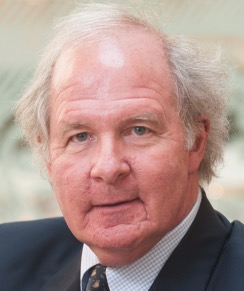 Harry R Büller合作论文数Academic Medical Center Amsterdam24
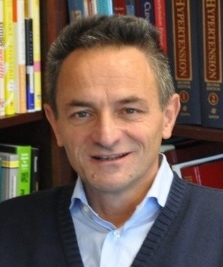 Michele Mercuri合作论文数Alexion Pharmaceuticals, Inc.;Hermesian Quests, Ventures & Companies, LLC23
 Gary E. Raskob合作论文数College of Public Health, University of Oklahoma Health Sciences Center;College of Medicine, University of Oklahoma Health Sciences Center20
 Peter Verhamme合作论文数Centre for Molecular and Vascular Biology, Department of Cardiovascular Sciences, Faculty of Medicine, KU Leuven;University Hospitals Leuven18
 Jeffrey Weitz合作论文数McMaster School of Biomedical Engineering, McMaster University;Department of Medicine, Biochemistry and Biomedical Sciences, McMaster University17
 Annelise Segers合作论文数17George Zhang合作论文数13Lanz Hans J合作论文数13Shi Minggao合作论文数13Nick Van Es合作论文数11Anil Duggal合作论文数10
 Marcello Di Nisio合作论文数9Brown Karen合作论文数8
 Philip Wells合作论文数Ottawa Hospital Research Institute;Department of Medicine, Ottawa Hospital;Department of Medicine, Faculty of Medicine, University of Ottawa8
 Elliott Marshall Antman合作论文数Brigham and Women's Hospital;Harvard Medical School;Boston Biomedical Innovation Center8Min Lin合作论文数7
 Saskia Middeldorp合作论文数Department of Internal Medicine, Radboud University Medical Center7
 Robert P Giugliano合作论文数Cardiovascular Division, Brigham and Women’s Hospital;Harvard Medical School7Marc Carrier合作论文数The Ottawa Hospital7
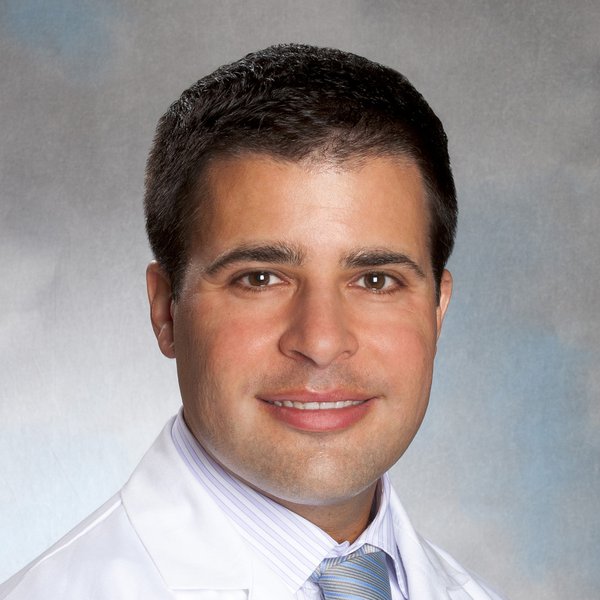 Christian Thomas Ruff合作论文数Cardiovascular Division, Brigham and Women's Hospital;Harvard Medical School7
 Eugene Braunwald合作论文数Department of Medicine, Brigham and Women's Hospital, Harvard Medical School7A. T. Cohen合作论文数7Walter Ageno合作论文数Dept Med & Surg, Univ Insubria7Marjolein P A Brekelmans合作论文数6
 Joseph H Gorman合作论文数Perelman School of Medicine, University of Pennsylvania5
 Robert C. Gorman合作论文数Department of Surgery, Perelman School of Medicine, University of Pennsylvania5Zwicker Jeffrey I合作论文数5Guy Meyer合作论文数5Vanassche Thomas合作论文数Center for Molecular and Vascular Biology, University of Leuven5Tzu-Fei Wang合作论文数4Shannon Winters合作论文数4
 Noemie Kraaijpoel合作论文数Department of Medicine, Amsterdam University Medical Center4Cathy Chen合作论文数4
 Floris Bosch合作论文数4
 Frits Mulder合作论文数4S M Schellong合作论文数4Costin James C合作论文数4
 Zahi A. Fayad合作论文数BioMedical Engineering and Imaging Institute, Icahn School of Medicine, Mount Sinai;Department of Diagnostic, Molecular and Interventional Radiology, Icahn School of Medicine4
 Venkatesh Mani合作论文数the Zena and Michael A. Wiener Cardiovascular Institute, Mount Sinai School of Medicine4Michael J. Kovacs合作论文数4
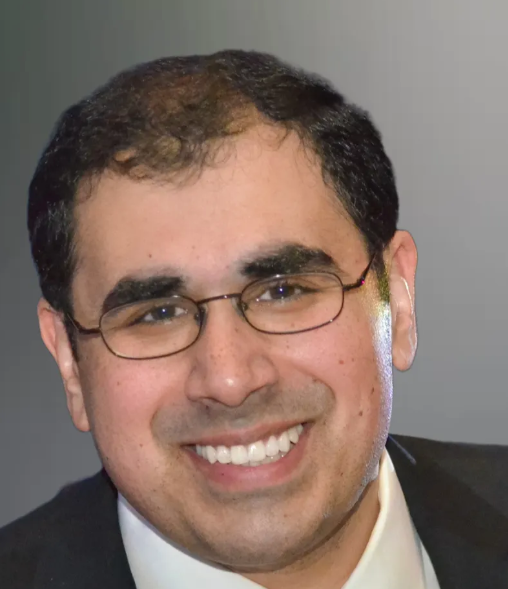 Sasha H Bakhru合作论文数Perosphere Technologies;Brown University4David A. Garcia合作论文数4
 Bryan Laulicht合作论文数Landsdowne Labs4
 Francis Couturaud合作论文数Department of Respiratory Medicine, Brest University Hospital Center3Nadar Venkatesh合作论文数3Muneaki Matsubara合作论文数3Alexander G Vandell合作论文数3Solomon S. Steiner合作论文数3Ophelia Yin合作论文数Univ Calif Los Angeles, Los Angeles, CA USA3




