Electroplastic processing has gained attention due to its advantages in dynamic deformation; however, the synergistic effect of pulsed current on mechanical and microstructural responses still requires systematic investigation. This study focuses on solution-treated GW94 magnesium alloy, conducting a comparative analysis of uniaxial tensile behavior under isothermal (IT) and pulsed electrically-assisted (EAT) conditions within a temperature range of 100~250°C and strain rates of 10-3~10-1s-1. Microstructural evolution was characterized using scanning electron microscopy (SEM), electron backscatter diffraction (EBSD), and transmission electron microscopy (TEM), and the hyperbolic sine Arrhenius model was fitted at a true strain of 0.1 to determine the deformation activation energy. The results show that EAT significantly reduces the peak stress compared to IT. A lower current density was found to enhance the elongation of the alloy, whereas a higher current density led to a significant deterioration. Further observation of the fracture surfaces and associated cracks reveals that microvoid coalescence remains the dominant ductile fracture mechanism across all temperatures, with higher temperatures being more favorable for the occurrence of ductile fracture. However, the decrease in elongation after electrically-assisted tension indicates that localized overheating induced by the current leads to premature fracture, ultimately undermining the ductility of the alloy. Based on the analysis of EBSD/TEM results, EAT promotes recrystallization and weakens texture by mitigating the pinning effect of rare-earth solute atoms and second-phase particles on dislocations. At 250°C, the recrystallized fraction reaches 25.7% under EAT, notably higher than the 10.6% under IT, accompanied by a marked reduction in dislocation density. Correspondingly, the deformation activation energy decreases from 163.22kJ/mol to 107.58kJ/mol, indicating that the applied current significantly lowers the equivalent deformation energy barrier and accelerates recovery/recrystallization processes. This study provides experimental insights into the electroplasticity and thermo-mechanical-electrical coupling response of magnesium alloys.
To address multi-dimensional geometric deviations in extruded profiled thin-walled hollow members, which are challenging to correct using traditional processes, this study proposes an axial hydro-extrusion method based on a novel stress-transformation mechanism for synchronous control of multi-dimensional deviations. Unlike traditional tensile-based forming, this process induces global plastic extrusion deformation through axial feeding under internal pressure, transforming non-uniform axial, circumferential, and shear stresses into a nearly uniform and predominantly compressive stress state. This shift eliminates stress gradients, thereby controlling deviations in different dimensions and enabling synchronous outer contour correction of the hollow member. First, the effect of stiffeners on wrinkling and shape accuracy of the outer contour of the hollow member in axial hydro-extrusion is analysed, establishing a critical instability internal pressure model. Next, stress states generated by different geometric deviations during fitting die deformation and their changes during axial extrusion are investigated through theoretical and simulation methods, clarifying the reasons for deviation changes in different dimensions. Additionally, a critical extrusion displacement model incorporating work hardening is developed to quantify the stress transformation process and analyse the effects of initial deviations on critical extrusion displacements. Finally, a specialised axial hydro-extrusion forming platform is designed for single-cavity and multi-cavity hollow members with various deviations, achieving over 95% reduction in dimensional deviations. This study provides a new strategy for solving the problem of multi-dimensional geometric deviation synchronisation control in complex thin-walled hollow members.
Electroplastic processing has gained attention due to its advantages in dynamic deformation; however, the synergistic effect of pulsed current on mechanical and microstructural responses still requires systematic investigation. This study focuses on solution-treated GW94 magnesium alloy, conducting a comparative analysis of uniaxial tensile behavior under isothermal (IT) and pulsed electrically-assisted (EAT) conditions within a temperature range of 100-250 degrees C and strain rates of 10(-3)similar to 10(-1) s(-1). Microstructural evolution was characterized using scanning electron microscopy (SEM), electron backscatter diffraction (EBSD), and transmission electron microscopy (TEM), and the hyperbolic sine Arrhenius model was fitted at a true strain of 0.1 to determine the deformation activation energy. The results show that EAT significantly reduces the peak stress compared to IT. A lower current density was found to enhance the elongation of the alloy, whereas a higher current density led to a significant deterioration. Further observation of the fracture surfaces and associated cracks reveals that microvoid coalescence remains the dominant ductile fracture mechanism across all temperatures, with higher temperatures being more favorable for the occurrence of ductile fracture. However, the decrease in elongation after electrically-assisted tension indicates that localized overheating induced by the current leads to premature fracture, ultimately undermining the ductility of the alloy. Based on the analysis of EBSD/TEM results, EAT promotes recrystallization and weakens texture by mitigating the pinning effect of rare-earth solute atoms and second-phase particles on dislocations. At 250 degrees C, the recrystallized fraction reaches 25.7% under EAT, notably higher than the 10.6% under IT, accompanied by a marked reduction in dislocation density. Correspondingly, the deformation activation energy decreases from 163.22 kJ/mol to 107.58 kJ/mol, indicating that the applied current significantly lowers the equivalent deformation energy barrier and accelerates recovery/recrystallization processes. This study provides experimental insights into the electroplasticity and thermo-mechanical-electrical coupling response of magnesium alloys.
The prediction of the onset of strain-induced martensitic transformation has traditionally relied on empirical parameters, lacking a robust physical basis. This study presents a method for the physical calculation of the critical plastic strain, ecrp , based on the classical thermodynamic energy balance framework by incorporating dislocation energy from the plastic deformation process. This approach comprehensively considers the balance between the chemical driving force, strain energy, grain boundary energy, mechanical driving force, and dislocation energy, wherein the chemical composition and initial austenite grain size are key variables determining the phase transformation energy barrier. The calculated ecrp for QP980 steel is 0.00577, which shows good agreement with experimental observations. Substituting this theoretical value as a fixed parameter, e0, into Shin model maintains high predictive accuracy while reducing the number of free parameters (RMSE approximate to 0.032%, adjusted R2 = 0.99967). Application to Fe-0.1C-5Mn steel further supports its transferability with comparable accuracy and fewer empirical fitting parameters. Using this computational framework, the influence mechanism of alloying elements is quantitatively revealed: C and Si significantly reduce ecrp by promoting strain localization; conversely, by improving the thermodynamic stability of austenite, ecrp increases monotonically with increasing Mn content. The influence of Al is comparatively weak. Grain refinement substantially increases ecrp by inhibiting the propagation of shear bands. Based on the thermodynamic criterion, this work achieves the quantitative calculation of the critical plastic strain, providing a theoretical foundation for predicting the activation conditions of the TRIP effect.
Additive friction stir deposition (AFSD) represents a novel additive manufacturing (AM) technique with significant potential for producing Al-Zn-Mg-Cu alloys, which helps overcome common issues such as thermal cracking and porosity associated with traditional AM. This study systematically investigates the relationships between heat input, process parameters, microstructure, and mechanical properties. Research indicates that heat input determines the microstructural characteristics of AFSD deposition layers by regulating the relative dominance of dynamic recrystallisation and dynamic recovery. Due to the intense thermo-mechanical coupling during AFSD, the grains within the deposited layer are significantly refined, with an average grain size reaching 2.68 mu m under the optimized parameters. Meanwhile, under high temperature and plastic deformation, a part of the coarse Al2FeSi phase in the feedstock fractures, while a part of it transforms into the alpha-Al12(Fe, Mn)3Si phase with the involvement of Mn elements. The ultrafine grains, high-density dislocations, and fragmented second-phase particles generated during the AFSD, significantly enhance the diffusion rate of solute atoms. Meanwhile, the high-temperature environment induced by the deposition process induce partial dissolution of precipitates, allowing AFSD-fabricated 7A52 alloy to achieve complete solution treatment within an extremely short timeframe. The deposits subjected to a short-duration solution treatment followed by aging exhibited a yield strength of 488.36 MPa, an ultimate tensile strength of 535.27 MPa, and an elongation of 12.83 %. This work systematically investigates the optimization of the AFSD process, providing a solid theoretical foundation and practical guidance for fabricating high-strength aluminum alloys using AFSD.
Electrical-assisted stress relaxation (EASR) experiments were conducted on Ti55 alloy sheets under varying electrical parameters. The results show that the stress relaxation rate increases with higher effective current density but with current frequency decreases. To capture this behavior, a stress relaxation model incorporating electrical parameters was developed based on the Arrhenius equation, showing a strong correlation with experimental data. Microstructural evolution during EASR was analyzed using electron backscatter diffraction (EBSD). At an effective current density of 11 A/mm(2) and a frequency of 50 Hz, grain rotation and grain boundary sliding were the primary mechanisms. As the current density increased to 12.5 A/mm(2), dislocation motion became dominant, contributing to an increased stress relaxation rate and limit, as indicated by local misorientation changes. At a current density of 13.5 A/mm(2) and a stable temperature of 834.8 degrees C, dynamic recrystallization (DRX) emerged as the main mechanism. Analysis of grain locations and subgrain boundaries revealed that DRX occurs through grain boundary protrusion and subgrain movement. Finally, phase transformation was identified as a crucial mechanism at an effective current density of 19.5 A/mm(2), inducing temperatures above the phase transition point of Ti55 alloy. This study provides a comprehensive understanding of how electrical parameters influence stress relaxation mechanisms in Ti55 alloy, offering key insights for optimizing high-temperature forming processes in titanium alloys.
Lower electric current density-assisted compression of Ti2AlNb alloys was conducted at temperatures ranging from 900 to 960 degrees C with strain rates of 0.05 to 1.0 s(-1), applying electric currents between 0 and 2.0 A/mm2. The flow stress curves demonstrated a significant reduction in stress during compression tests at low electric currents of 1.5 and 2.0 A/mm2 across various furnace temperatures. This highlights the prominent electroplasticity effect, which was significantly influenced by both the deformation temperature and deformation rate. Hot processing maps, derived from true stress-strain data, revealed that flow instability regions appeared at a strain of 0.4 and expanded further at 0.7. Notably, these instability regions diminished with increasing electric current density. This observation confirms that electric current broadens the processing window, thereby facilitating the hot deformation of Ti2AlNb alloys. Microstructural analyses revealed that electric current reduces power dissipation through microstructural evolution, enhancing the deformability of Ti2AlNb alloys. Dynamic globularization was identified as the primary deformation mechanism in this work. Detailed microstructural characterization indicated that electric current promoted dislocation movement, aligning dislocations in parallel, which allowed them to traverse O-phase lamellae, thereby accelerating fragmentation. Additionally, simulation and microstructural results indicated that localized Joule heating at the O/B2 phase interfaces, induced by electric current, played a crucial role in the globularization of O-phase lamellae. These findings suggest that the enhanced deformability of Ti2AlNb alloys under electric current is attributable to internal microstructural changes.
Void characteristics are fundamentally correlated with the macroscopic deformation responses of materials, yet traditional modeling methods exhibit inherent limitations in data mining. In this study, a machine learning (ML) framework is proposed to predict the full-field strain evolution of Cu/Ni clad foils, and the impact of intrinsic voids is quantitatively assessed using interpretative analysis methods. The local strain and void data are extracted and integrated through digital image correlation and computed tomography. To accommodate the nature of the constructed dataset, a ML model is established with reference to the concept of time series forecasting. Subsequently, the influence of microstructural features such as volume fraction (VVF), area, and size of voids are investigated, alongside their role in driving local strain evolution. This approach successfully predicts strain localization, and accurately pinpoints the onset of plastic instability and the location of crack initiation. The VVF is identified as the most predominant factor, followed by void size along the tensile direction and grain size. The strongest association is observed between the VVF and grain size, which intensifies over extended time scales. Moreover, as void coalescence is almost completed, the promoting effect of the concentrated void distribution on macroscopic strain concentration will become increasingly pronounced. These findings provide novel perspectives for exploring the intricate relationship between deformation and damage.
Grain boundary engineering (GBE) is a thermomechanical strategy employed to enhance material properties by optimizing the grain boundary character distribution (GBCD). Traditionally, deformation processing is necessary to obtain GBE materials with high-density 'special' grain boundaries. In this study, GBE in the GH4099 alloy fabricated by selective laser melting (SLM) is achieved through a simple heat treatment without pre-deformation treatment. The results indicate that the optimal GBE-1200 GH4099 alloy exhibits a high fraction of low-Sigma coincident site lattice (CSL, Sigma <= 29) boundaries (over 70 %), including 63.4 % Sigma 3 grain boundaries (twin boundaries, TBs). The existing high density of cellular structures with tangled dislocations in the as-built alloy provides the driving force for recrystallization. After heat treatment, the tensile strength of the GH4099 alloy improves significantly without sacrificing plasticity, while the anisotropy in mechanical properties is nearly eliminated through complete recrystallization. The tensile strength and elongation of the GBE-1200 alloy are 1168.8 MPa and 38.3 % in the XOY plane, respectively, demonstrating a favorable strength-ductility synergy. This enhancement is attributed to the coupled effects of multiple strengthening mechanisms, including frequent dislocation-TB interactions, the shear effect of nano gamma ' precipitation, multiple stacking faults (SFs), and Lomer-Cottrell (L-C) locks.
The increasing requirements for lightweight and safety improvement of modern car bodies have fostered the use of hot-stamped press-hardened ultra-high-strength steel (UHSS) components. Recently, tailored heating has been proven as an effective technology to achieve the tailored properties of UHSS components produced by press hardening. In this work, the thermal absorption of 1.6 mm-thick uncoated sheets of 22MnB5 press hardening steel (PHS) was modified to control the heating rate and further achieve different temperature zones during short-wave infrared heating. The absorption was modified by (i) surface oxidation pre-treatment, (ii) graphite coating with high-reflectivity, and (iii) graphite coating with physical shielding. The surface oxidation pretreatment was identified to play an important role for the absorptivity of 22MnB5 steel. The absorptivity increased with increasing pre-oxidation temperature due to the changes in both surface roughness and the color of the oxide layer. After heating to 900 degrees C, the temperature difference between the graphite coating and the physical shielding or the high-reflectivity coating was 258 degrees C or 167 degrees C, respectively. After press hardening, the specimens revealed a fully martensitic microstructure in the high -absorption zones and a ferritic microstructure with dispersed carbides in the low-absorption zones. The tailored infrared heating also reduced the width of the transition zone between heated and unheated zones to less than 20 mm. This study demonstrates the high effectiveness of this approach for producing press-hardened components with tailored strength.
Featured with various excellent mechanical properties, the high strength Al-Zn-Mg-Cu alloys (7xxx series) have become one of the most widely-used metal materials. During the hot processing of 7xxx alloys, the high stacking fault energy and alloying element concentration can lead to the simultaneous occurrence of several physical mechanisms including the dynamic recovery (DRV), dynamic recrystallization (DRX), dynamic precipitation (DPN), and their interactions. Such complex microstructural mechanisms are difficult to be characterized and modeled in both of the experimental and theoretical aspects. In present work, aiming at 7055 alloy subjected to uniaxial hot compression, the systematic experiment investigation is first conducted to reveal hot deformation behaviors. Based on experimental analysis, a unified crystal plastic (CP) model, incorporating the DRX and DPN, is proposed by combining the viscoplastic self-consistent (VPSC) framework. In the unified model, the DRX and DPN behaviors are described by a physical based continuous dynamic recrystallization (CDRX) model and the classical Kampmann-Wagner numerical (KWN) model, respectively, and the effect of DPN on CDRX is specially modeled. After identifying the model parameters, the unified model can reasonably capture the essential features of DPN, DRX, and mechanical response under different deformation temperatures. Therefore, this study offers an innovative modeling approach for the dynamic evolution of several physical processes, facilitating the further understanding for the hot deformation behaviors of aluminum alloys.
To address the issue of liquid metal embrittlement (LME) susceptibility in galvanized 22MnB5 steel during the hot stamping process, the material's performance is affected. This study proposes a method combining precooling and tube hydroforging to produce galvanized tubular hot stamping parts. The primary workflow comprises four distinct stages: the heating phase, thermal retention phase, precooling phase, and the tube hydroforging phase. Notably, the precooling stage employs two distinct approaches: air precooling and boiling water precooling. The composition and morphology of the zinc coating and the microstructure and mechanical properties of the 22MnB5 steel are investigated using two precooling methods at different hydroforging temperatures. The results show that when the initial hydroforging temperature is below 800 °C, the precooling combined with the tube hydroforging process eliminates LME. With increasing precooling time, the oxidation reaction forms ZnO and Fe 2 O 3 on the coating. By comparing the composition, morphology, and mechanical properties of the coatings at hydroforging temperatures of 800 °C and 500 °C, it is concluded that the boiling water precooling aligns more effectively with the requirements of industrial production, with the optimal forming temperature being within the range of 750–800 °C.
The tube hydroforging process (THFG) is an advanced technology for manufacturing tubular components with complex cross-sections. The positive-curvature arc is one of the most fundamental and difficult-to-form features of complex cross-sections. However, its wrinkling mechanism in the THFG process cannot be explained by the existing theory. This restricts the application of the technology. First, because of the bending deformation caused by the excessive circumferential force, compression instability occurs at the positive-curvature arc part. This results in wrinkling similar to that in the conventional linear part. In addition, owing to the existence of the positive-curvature arc, the circumferential force produces a component force along the vertical direction that causes rigid displacement of the materials. This yields another new instability model: motion instability. The corresponding critical pressures for the two instability models were determined by adopting static method and energy methods respectively. Theoretically, motion instability is dominant in the early stages of compression, whereas compression instability is dominant in the subsequent stages. However, considering actual production, the correlations between the critical pressures of the different parts were compared. The wrinkling of the linear part inhibits the occurrence of compression instability in the positive-curvature arc. Thus, wrinkling of the arc can be caused only by motion instability. Therefore, the critical pressure for motion instability is defined as the critical pressure required for the positive-curvature arc. In addition, a forming window that considers the critical pressure of each part was established successfully.
The hydro-piercing process is an emerging approach to the direct punching of holes on complex hollow components. During tube hydro-piercing, the deformation in the region adjacent to the pierced hole may range from having a substantially flat form to having a countersunk form. To improve the understanding of deformation behavior in square hole hydro-piercing, an experimental setup was designed and the effects of internal pressure and punch corner radius on the deformation sequence, as well as the collapse behavior, were investigated in this study. At the same time, a numerical simulation was conducted using the Abaqus/Explicit software 6.13. The results showed that the degrees of collapse at three characteristic points were different when the internal pressure was low and that the differences in the degrees of collapse could be reduced by increasing the internal pressure. It was demonstrated that the collapse was related to the internal pressure but had little dependence on the punch corner radius.
提出了一种新的充液轴向镦压校形工艺,以降低大型复杂多腔型材在热挤压生产过程中产生的变形,该工艺的核心是在内压的支撑下通过轴向压缩变形来提高零件截面的形状精度.通过有限元模拟和实验研究,验证了该工艺在6005-T6铝合金复杂多腔挤压件上的可行性.结果表明:在内压的支撑下,经过压缩变形,型材的宽度增大.充液轴向镦压校形工艺获得的型材关键尺寸与目标值基本一致,而且截面形状与设计轮廓基本贴合,且机加工后满足后续工装需求.充液轴向镦压校形工艺在减小复杂多腔热挤压型材变形、提高形状精度方面是可行的.
为了解决先进高强度钢弯曲管状零件存在的严重回弹缺陷问题,提出了一种利用充压镦形工艺来控制此类零件回弹的新方法.该工艺的力学原理是通过上模的合模运动(垂直于弯曲轴线),对弯管施加环向压缩使环向材料发生塑性变形和后继屈服,使内、外侧的轴向弯曲应力完全转化为轴向压应力,消除了由弯曲引起的内层压应力和外层拉应力之间的轴向应力差,实现了基本控制回弹的目的,这与拉弯法的力学原理正好相反.采用有限元分析和实验验证两种方法来揭示充压镦形控制管状件弯曲回弹的力学机理.研究结果表明,管材的弯曲回弹量随着压缩量的增加而减小,并且存在一定的临界压缩量.对于抗拉强度分别为600和800 MPa的先进高强钢,通过该方法可将回弹量降低95%以上.
The tensile deformation is the most common forming principle in the sheet forming process, but there is a new tube forming process—tube hydro-forging has been developed based on the principle of compression deformation. In addition to the instability problem, a new surface defect—thickness distortion—was found in the compression deformation. In this paper, the wall thickness distortion is analyzed from the point of view of mechanics and deformation. It is revealed that in the low pressure tube hydroforming process, a bending moment exists and leads to some small wrinkles in the straight wall. In the tube hydro-forging, the small wrinkles would develop to the thickness distortion with the increase of compressive deformation. The wall thickness and compressive strain are two major effect factors. It is verified by experiments and simulation. This study helps to recognize the new surface phenomenon in compressive deformation.
To overcome the difficulties of forming S-shaped bellows by conventional hydroforming, such as excessive thinning and high internal pressure, and to obtain S-shaped aluminium alloy bellows with large diameters and large expansion rates with minimal reduction in wall thickness, the axial hydroforging method was proposed. In this method, the deformation area produced bending deformation and gradually fitted the die by the end axial feeding under the support of the internal pressure. First, a finite element model was created to investigate the effect of initial internal pressure, final forming internal pressure and axial feeding on the forming quality of 5A03 aluminium alloy S-shaped bellows after springback from the wall thinning ratio and profile accuracy. The results demonstrated that the overall wall thickness of bellows decreased significantly during the bulging and forming stages, whereas the local thickening of the convolution crown occurred during the forging stage, which caused a shift in the position of the maximum wall thinning ratio and a decrease in the wall thinning ratio. The increase in the initial internal pressure increased the maximum wall thinning ratio, convolution height and convolution pitch of the bellows and decreased the convolution thickness. The increase in the final forming internal pressure increased the maximum wall thinning ratio and convolution height of the bellows and decreased the convolution thickness and convolution pitch. The increase in axial feeding increased the convolution height of the bellows and decreased the maximum wall thinning ratio, convolution thickness and convolution pitch. Finally, the experimental setup was designed, and the S-shaped bellows with a small wall thinning ratio and high profile accuracy were successfully manufactured based on the best simulation parameters, which verified the accuracy of the finite element model and the feasibility of the axial hydroforging process. It is essential to develop the bellow hydroforming technology and improve the quality of S-shaped bellows.
Under the background of rapid social development in the new era, the international environment is complex and changeable, and the world is experiencing major changes unprecedented in a century, which puts forward higher requirements for the training quality of professional master's students. Under the background of integration of industry and education, this paper analyzes the problems revealed in the current training process of master's students in materials and chemical engineering, and explores the improvement of the training mode of master's students in materials and chemical engineering and the optimization of the quality supervision system of postgraduate education, so as to improve the training quality of professional master's students.
 Caiyuan Lin合作论文数23
 Lei Sun (孙磊)合作论文数School of Materials Science and Engineering, Harbin Institute of Technology, Weihai23
 Shijian Yuan (苑世剑)合作论文数School of Materials Science and Engineering, Harbin Institute of Technology;School of Mechanical Engineering, Dalian University of Technology17
 Yanli Lin (林艳丽)合作论文数School of Mechanical Engineering, Dalian University of Technology10
 Shengjie Yao (姚圣杰)合作论文数School of Materials Science and Engineering, Harbin Institute of Technology, Weihai10
 Gang Liu (刘钢)合作论文数School of Materials Science and Engineering, Harbin Institute of Technology9gang chen合作论文数8Jianlei Yang (杨建雷)合作论文数School of Materials Science and Engineering, Harbin Institute of Technology, Weihai8
 Wencong Zhang (张文丛)合作论文数School of Materials Science and Engineering, Harbin Institute of Technology, Weihai;Hit Weihai Innovation Park7
 Guodong Wang (王国栋)合作论文数School of Materials Science and Engineering, Harbin Institute of Technology7
 Junfeng Lin (林俊峰)合作论文数School of Materials Science and Engineering, Harbin Institute of Technology6Xiehan Liu合作论文数4Jinqi Pan合作论文数4Qingfeng Wang合作论文数4
 Peng Zhang (张鹏)合作论文数School of Materials Science and Engineering, Harbin Institute of Technology, Weihai4Guochun Lu合作论文数3Fa Liu合作论文数3Songhui Wang合作论文数3Xinlong Zhang合作论文数3Ming-qu DING (丁名区)合作论文数3
 Guorong Cui (崔国荣)合作论文数School of Materials Science and Engineering, Harbin Institute of Technology, Weihai3Wenjian Liu (刘文剑)合作论文数Sch Mechatron & Engn, Harbin Inst Technol3JiGuang Li (李继光)合作论文数3
 Gang Chen (陈刚)合作论文数School of Chemistry and Chemical Engineering, Harbin Institute of Technology3Hang Li (李航)合作论文数河南科技大学3
 Peixing Liu合作论文数3
 Cunsheng Zhang (张存生)合作论文数School of Materials Science & Engineering, Shandong University3
 Wei Liu (刘巍)合作论文数Xinxiang Medical University3
 Wenzhen Chen (陈文振)合作论文数Harbin Institute of Technology, Weihai3
 Guofeng Wang (王国峰)合作论文数School of Materials Science and Engineering, Harbin Institute of Technology3
 Yongda Yan (闫永达)合作论文数School of Mechatronics Engineering, Harbin Institute of Technology;Center for Precision Engineering, Harbin Institute of Technology3Hongye Sun合作论文数2Jiuqiang He合作论文数2Chengcheng Shi合作论文数2Sun Haoran合作论文数2Du Baihong (杜百红)合作论文数2Zhang Chuangchuang (张闯闯)合作论文数2Hong WANG (王红)合作论文数2Deyou Hu (胡德友)合作论文数2LongXin Zhang (张龙新)合作论文数2Xiangyu Dai合作论文数2
 Huan Li (李焕)合作论文数School of Materials Science and Engineering, Harbin Institute of Technology, Weihai2
 Liang Chen (陈良)合作论文数School of Materials Science & Engineering, Shandong University2
 Chuanjie Wang (王传杰)合作论文数College of Materials Science and Engineering, Harbin Institute of Technology, Weihai2
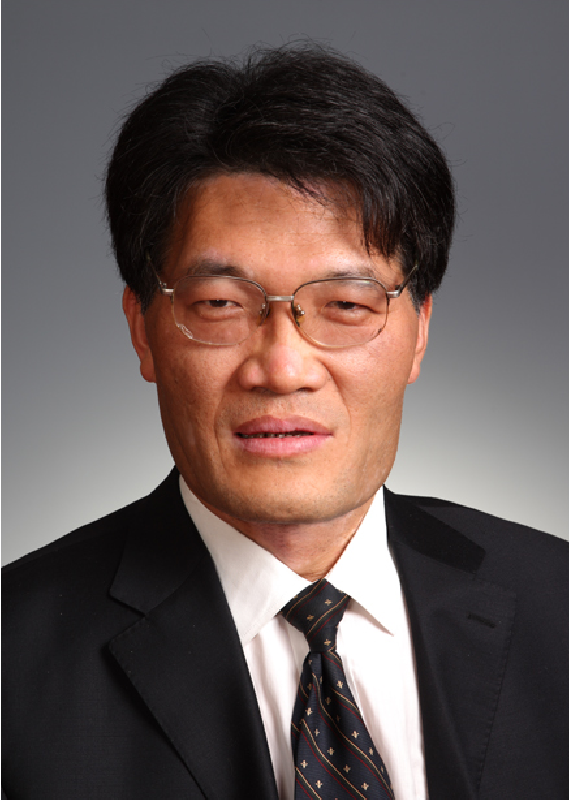 Guoqun Zhao (赵国群)合作论文数School of Materials Science & Engineering, Shandong University2
 Jianxun Wang合作论文数Sibley School of Mechanical and Aerospace Engineering, Cornell University2
 Changli Yu (于昌利)合作论文数School of Ocean Engineering, Harbin Institute of Technology, Weihai2Shuai Yang (杨帅)合作论文数2
 Zhubin He (何祝斌)合作论文数School of Mechanical Engineering, Dalian University of Technology;Harbin Institute of Technology2




