Objective:To describe if health complaints relate to health behavior in terms of sickness absence (SA) and sickness presence (SP) and to examine how complaints and health behavior predicts the risk for future long-term sickness absence (LTSA).Methods:Data originates from work environment surveys 2001 to 2013 and SA registers 2002 to 2016 of 1838 nurses, 7430 care assistants, and 40,515 individuals in all other occupations. Descriptive and regression analyses were conducted.Results:Physical complaints and high SA in combination with high SP increased the risk of LTSA among nurses and care assistants. Nurses’ high SP and care assistants’ high SA elevated the LTSA risk.Conclusions:Strategies to reduce the reasons behind physical health complaints among health care workers are warranted. SP among nurses and SA among care assistants should be considered in the organization of their job demands.
This questionnaire study examined, the importance of demands - control and support for managers in the statutory social services to stay in their position 1 year later. Of the investigated work environment variables, only person - role conflict in the form of ethical conflicts and dilemmas together with age and emotional exhaustion significant predicted staying in their position. Also “intention to quit” was predicted by person-role conflict and emotional exhaustion. A conclusion is that identification of ethical conflicts and dilemmas and bettersupport in ethical difficult decision-making can reduce the proportion managers who consider leaving.
This study examined exposure changes in three psychosocial dimensions – job demands, job control, and social support – and the associations between these dimensions and sickness absence throughout the period 1991–2013. The analyses covered periods of economic ups and downs in Sweden and periods involving major fluctuations in sickness absence. Data on care workers (n = 16,179) and a comparison group of employees in other occupations (n = 82,070) were derived from the biennial Swedish Work Environment Survey and linked to register data on sickness absence. Eight exposure profiles, based on combinations of demands, control, and support, were formed. The proportion of individuals with work profiles involving high demands doubled among care workers (14%–29%) while increasing modestly in the comparison group (17%–21%) 1991–2013. The work profile that isolated high-strain (iso-strain), i.e., high demands, low control, and low social support, was more prevalent among care workers, from 4% in 1991 to 11% in 2013. Individuals with work profiles involving high-demand jobs had the highest number of days on sickness absence during the study period and those with the iso-strain work profile had the highest increase in sickness absence, from 15 days per year during 1993–1994, to 42 days during 2000–2002. Employees with a passive work profile (low job demands and low job control) had the lowest rate and the lowest increase in sickness absence. Individuals with active work profiles, where high demands are supposed to be balanced by high job control, had a rather high increase in sickness days around 2000. A conclusion is that there is a long-term trend towards jobs with high demands. This trend is stronger among care workers than among other occupations. These levels of job demands seem to be at such a level that it is difficult to compensate for with higher job control and social support.
Objective: To analyze the associations between favorable physical and psychosocial work factors and health behavior among healthcare employees (nurses and care assistants) with health complaints. Methods: The study was based on seven iterations (2001–2013) of a biennial Swedish work environment survey linked with data from public registers. In all, 7,180 healthcare employees, aged 16–64 years, who had reported health complaints, were included. Health behavior was operationalized through four combinations of sickness absence (SA) and sickness presence (SP): ‘good health behavior' (Low SP/Low SA), ‘recovery behavior' (Low SP/High SA), ‘risk behavior' (High SP/Low SA), and ‘poor health behavior' (High SP/High SA). Odds ratios (OR) were calculated by multinomial logistic regression with 95% confidence intervals (CI). Results: After adjusting for socio-demographic factors, those who rarely worked in strenuous postures had an increased probability of having ‘good health behavior' (OR range: nurses 1.72–2.02; care assistants 1.46–1.75). Those who rarely experienced high job demands had increased odds for having ‘good health behavior' (OR: nurses 1.81; OR range: care assistants 1.67–2.13), while having good job control was found to be related to ‘good health behavior' only among care assistants (OR range 1.30–1.68). In the full model, after also considering differences in health, none of the work environment indicators affected ‘good health behavior' among nursing professionals. Among care assistants, rarely having heavy physical work and having low psychosocial demands remained significantly associated with ‘good health behavior' (OR range: 1.24–1.58) and ‘recovery behavior' (OR range: 1.33–1.70). No associations were found between favorable work environment factors and ‘risk behavior' among the two groups of employees. However, positive assessments of the work situation were associated with ‘good health behavior,' even after controlling for all confounders for both groups (OR range: 1.43–2.69). Conclusions: ‘Good health behavior' and ‘recovery behavior' among care assistants were associated with favorable physical and psychosocial working conditions even when health was considered. This implies that reduced sickness presence and sickness absence among care assistants can be achieved through improved physical and psychosocial working conditions.
Hur kommer det sig att arbetet medfor status, goda arbetsvillkor och halsa for vissa, medan det innebar vanmakt, underordning och sjukdom for andra? Denna uraldriga och till synes naiva fraga pocka ...
Framtidens arbetsmiljo - trender, digitalisering och anstallningsformer : Regeringsuppdrag att sammanstalla kunskap om framtidens arbetsliv A2018/00929/ARM
The objective of this study was to investigate if the psychosocial work environment moderates the proposed negative impact of presenteeism on future general health. We expect that the negative impact of presenteeism on general health is weaker if the psychosocial work environment is resourceful, and more pronounced if the environment is stressful. Data were derived from the 2008–2018 biennial waves of the Swedish Longitudinal Occupational Survey of Health (SLOSH). The final analytic sample consisted of n = 15,779 individuals. We applied repeated measures regression analyses through generalized estimating equations (GEE). Results from the autoregressive GEE models showed statistically significant interaction terms between presenteeism and all four investigated moderators, i.e., job demands, job control, job support and job strain. The results indicate that the psychosocial work environment moderates the negative association between presenteeism and general health and illustrates a buffering effect of the psychosocial work environment. A possible explanation for these results may be that psychosocially resourceful work environments give room for adjustments in the work situation and facilitate recovery. The results also indicate that by investing the psychosocial work environment employers may be able to promote worker health as well as prevent reduced job performance due to presenteeism.
Objective: To examine the associations between sickness presenteeism (SP) reported as number of days with SP reported as number of times and to evaluate their responsiveness. Methods: The study population (n = 454) consisted of employed individuals, at risk of long-term sickness absence. Correlation analyses were performed to examine associations between the two SP measures and external constructs such as work performance, general health, and registered sick leave. Both SP constructs were measured several times to examine responsiveness. Results: The SP measures are moderately correlated. They moderately correlated with work performance and health status measures. SP reported as number of times seems to be more sensitive than number of days in detecting changes after rehabilitation. Conclusions: Numerical or categorical constructs are valid sources of data on SP. However, categorized SP seems to be more responsive.
Employees in health and social care are often simultaneously exposed to both physical and psychosocial challenges that may increase their risk for sickness absence. The study examines interaction effects of physical and psychosocial work conditions on the future risk for sickness absence among nurses and care assistants in Sweden. The study was based on 14,372 participants in any of the Swedish Work Environment Surveys conducted during the years 1993–2013 with linked register information on background factors and compensated sickness absence. Adjusted hazard ratio (HR), stratified by occupation, and measures of additive interaction effects were estimated. The combinations of high psychosocial job demands and heavy physical work and strenuous postures, respectively, significantly increased the risks for sickness absence among nurses (HR 1.43; CI 1.09–1.88 and HR 1.42; CI 1.16–1.74, respectively), as well as among care assistants (HR 1.51; CI 1.36–1.67 and HR 1.49; CI 1.36–1.63, respectively). The combinations of low job control and both heavy physical work (HR 1.44; CI 1.30–1.60) and strenuous postures (HR 1.42; CI 1.30–1.56) were also associated with excess risk for sickness absence among care assistants. We also found interaction effects among care assistants but not among nurses. The results indicate that the high sickness absence rate among care workers in Sweden can be reduced if the simultaneous exposures of high psychosocial and high physical challenges are avoided. Management policies for reduced time pressure, improved lifting aids, and measures to avoid awkward work postures are recommended. For care assistants, increased influence over work arrangements is likely to lower their sickness absence risk.
Purpose The first objective was to contribute to a better understanding of the contrasting and paradoxical results in studies of work environment factors and sickness presence and sickness absence. A second objective was to examine if, and under what conditions, employees choose to replace sickness absence with sickness presence, i.e., so-called substitution. Methods The study utilizes a large body of cross-sectional questionnaire data (n = 130,161) gathered in Sweden from 2002 to 2007 in connection with a comprehensive health promotion initiative. Health and motivation were analyzed as mediators of the effects of five job factors, job control, job support, job demand, role conflict and "work to family conflict" on sickness presence and absence. Results The results concerning job demands indicate substitution in that increased job demands are associated with increased presenteeism and reduced absenteeism. The direct effect of higher job support was increased absenteeism, but via the health and motivation paths, the total effect of more social support was health-promoting and associated with a reduction in sickness absence and sickness presence. High job control emerged as the most pronounced health-promoting factor, reducing sickness presenteeism as well as absenteeism. More role conflicts and work-to-family conflicts were directly and indirectly associated with decreased health and increased absenteeism as well as presenteeism. earlier research. Conclusion The mediation analyzes shed light on some of the paradoxes in research on sickness presenteeism and sickness absenteeism, especially regarding job demands and job support. The substitution effect is important for workplace policy and occupational health practice.
Objective: The aim of this study was to investigate the association between presenteeism and absenteeism during the previous year and the current levels of exhaustion and impaired work performance in a Swedish university setting. Methods: In a study of 3525 employees, an ordinal logistic regression and general linear model was used to examine the association between presenteeism and absenteeism during the previous year and the current exhaustion and impaired work performance, respectively. Results: Presenteeism, but not absenteeism, during the previous year independently increased the risk of having moderate or severe exhaustion. Presenteeism, absenteeism, and exhaustion remained positively associated with impaired work performance when health status and other confounders had been adjusted for. Conclusions: Presenteeism, but not absenteeism, was associated with exhaustion. Both presenteeism and absenteeism were the salient correlates of impaired work performance.
ObjectiveTo study the influence of physical work factors on the risks of future disability pension (DP) due to mental or musculoskeletal diagnoses among nursing professionals, care assistants and all other occupations in the general working population in Sweden.MethodsThe prospective population study was based on representative samples of working individuals (n=79 004) aged 16–64, interviewed in the Swedish Work Environment Survey between 1993 and 2013. Information on diagnosed DP in 1994–2014 was gathered from the Social Insurance Agency’s database. The focus was on nursing professionals (registered nurses and midwives) and care assistants, for example, assistant nurses and hospital ward assistants. The outcome was DP, classified into two diagnostic groups. Associations between physical work factors and risk of DP were calculated using Cox regression with HR and 95% CI.ResultsPhysical work factors were associated with future DP after adjusting for sociodemographic conditions and psychosocial work factors among care assistants (n=10 175) and among all other occupations (n=66 253), but not among nursing professionals (n=2576). The increased risk among care assistants (n=197) exposed to heavy physical work was 66% (HR 1.66, 95% CI 1.39 to 1.97), and for those exposed to strenuous work postures (n=420) it was 56% (HR 1.56, 95% CI 1.35 to 1.80). Physical work indicators were mainly associated with musculoskeletal DP diagnoses among care assistants, but two indicators were significant also for mental diagnoses. An increased risk of DP was found among nursing professionals (n=102) exposed to detergents or disinfectants (HR 1.48, 95% CI 1.06 to 2.05), but not among care assistants.ConclusionsHeavy physical work and strenuous postures are predictors of future DP, particularly among care assistants and in the general working population. In order to reduce early exit from the workforce, efforts should be made to improve physical and ergonomic working conditions.
Many groups of immigrants have worse health than the native population in the host countries. One possible explanation for this is that immigrants are disadvantaged in the labor market, since it has been shown that both precarious and locked-in labor market position can be associated with health problems. However, no published study to date has analyzed the prevalence or consequences of locked-in labor market position among immigrants. The aim of the current study is to analyze the labor market using a population-based survey. More concretely to investigate to what extent immigrants are over-represented in locked-in labor market positions and to what extent this can explain the health disadvantage among immigrants. The study is based on a dataset of the 20,449 individuals, who in the year 2000 were aged 18–64, from a survey of a representative sample of the population in the Scania region with citizen or resident status of southern Sweden, the Public Health in Scania Study conducted by the Unit of Social Medicine at Lund University, Malmö University Hospital (MAS). Respondents born abroad with Swedish parents had the highest employment rate (81.5%), with 73.7% of the employed on permanent contracts followed by participants born in Western Europe excluding the Nordic countries (81.4%), with 66.4% permanently employed, followed by native Swedes (79.1%), with 76.9% permanently employed. The lowest employment rate was observed among those born in the Middle East and North Africa, 49.4%, with 36.8% permanently employed and 19.1% self-employed. Employed participants born in the Middle East or North Africa had an excess risk of poor self-rated health if they were in a double locked-in as well as not locked-in situation, compared with native Swedes in the same labor market situations (OR = 2.18 and 2.04, respectively). In conclusion, it appears that selection into less preferred occupations or workplaces cannot explain the excess risk of poor health among immigrants from outside of Western world. Further studies, including qualitative ones, should provide detailed information from immigrants about their labor market position and the reason behind it.
Background: Researchers have suggested that psychological factors at work contribute to early retirement due to disability pension in the general working population. Disability pension is a problem that shortens working careers among nursing professionals and personal care or related workers, but few researchers have focused on these occupational groups. Also, a need for studies based on measurements of specific work exposure instead of combined measures has been identified. Objectives: The aim was to study the potential influence of work-related psychosocial risk factors on the future risk of disability pension among nursing professionals and care assistants in Sweden. Those occupational groups are compared to all other occupations in Sweden. A specific aim was to describe differences in associations to cause-specific disability, and how the results were modified by occupation categories. Participants: A representative sample of 79,004 women and men in Sweden comprising 2,576 nursing professionals, 10,175 care assistants and 66,253 workers in other occupations. Methods: Factors of the psychosocial work environment were obtained from questionnaire data of the Swedish Work Environment Surveys (SWES) 1993-2013. Information on cause-specific disability pension during follow-up was added from the Social Insurance Agency's database (1994-2014). We calculated Cox's proportional hazards with 95% confidence intervals. Results: During a mean follow-up time of 11.1 years, 6.6% of nursing professionals and 9.4% of care assistants, as compared to 6.1% among all other occupations, received disability pension. Among nursing professionals and care assistants, high quantitative job demands and low social support, but not job control, were associated with future disability pension also after controlling for age, year of interview, socio demographic conditions, and physical work factors. An increase in risk was also noticeable among nursing professionals and care assistants who reported an active job in combination with low social support. An increased risk for disability pension due to mental diagnosis was found among care assistants who reported high job demands. In all other occupations, low social support was associated with an increased risk for disability pension under any condition ofjob strain (high strain, low strain, active, and passive jobs). Conclusion: Based on the results we conclude that high quantitative job demands and poor social support are predictors of future disability pension. (C) 2019 The Authors. Published by Elsevier Ltd.
Background: Nursing professionals and care assistants are often subject to a combination of negative physical and psychosocial work environment factors, but most disability pension studies on such occupations have focused on one or the other of these factors. As they often coexist, there are reasons to assume that simultaneously being exposed to both types of exposures will increase the risk of disability more than being exposed to either. Objectives: The study examined combinations of physical and psychosocial work conditions as predictors of future disability pension among nursing professionals and care assistants in Sweden. Participants: The study was based on a random and representative sample of 79,004 participants in any of the Swedish Work Environment Surveys from 1993 to 2013. A total of 2576 nursing professionals, 10,175 care assistants, and 66,253 workers in other occupations were included. Methods: Information on background factors and disability pension was obtained from population registers. Cox proportional hazard regressions with 95% confidence intervals (CI) were performed to study if pairs of combinations of physical and psychosocial factors were related to an increased risk of disability pension. Additionally, measures of synergistic effects were estimated. The analyses were stratified on occupation group, with adjustment for selected confounders. Results: The results indicated increased hazard ratios (HR) for disability pension for most combinations of physical and psychosocial working conditions. The hazard ratios for joint exposure to high demands and heavy physical work were high among both nursing professionals (HR 1.91; CI 1.06-3.44) and care assistants (HR 2.09; CI 1.63-2.69). Also, the combination of high demands and strenuous postures resulted in significantly elevated risks of disability pension among nursing professionals (HR 1.95; CI 1.20-3.16) and care assistants (HR 2.18; CI 1.71-2.77). The HRs for joint exposure to low control and both heavy physical work and strenuous postures were significant among all other occupations (HR 2.30; CI 2.052.58 and HR 2.24; CI 2.01-2.51), and among care assistants (HR 1.52; CI 1.26-1.85 and HR 1.61 CI 1.341.93), but not significant among nursing professionals. The synergistic effects on disability pension from combined exposures were generally positive among all three occupational groups. Conclusion: Nursing professionals and care assistants exposed to both negative physical and psychosocial conditions had an increased risk of disability pension. A synergistic effect with respect to disability pension was found among care assistants who reported low control and strenuous postures at work. (C) 2019 Published by Elsevier Ltd.
ObjectivesThe aims of the study were to trace the patterns of work environment factors and compensated sickness absence (SA) among nurses and care assistants compared with other occupations and to compare SA among exposed and non-exposed nurses and care assistants.DesignA cross-sectional survey on work environment factors based on the biennial Swedish Work Environment Surveys 1991–2013, linked to longitudinal register data on SA 1993–2014.ParticipantsThe study included 98 249 individuals, stratified into nurses and care assistants (n=16 179) and a reference population including all other occupations (n=82 070).Outcome measureAnnual days of compensated SA (>14 days) 3 years after exposure years.ResultsNurses and care assistants had higher SA in 1993–2014 compared with all other occupations, and differences in background factors only partly explained this relationship. For both groups, exposure to physical work factors remained steady, but the number of exposed were 10%–30% higher among nurses and care assistants. Those exposed to heavy physical work and strenuous working postures had in most years significantly higher SA when compared with non-exposed (rate ratio range: 1.4–1.9). Exposure to high job demands increased 10%–25% in 1991–1999 among nurses and care assistants but became more stable in 2001–2013 and high proportions of high job demands coincided with the increase in SA in 1995–1999. Nurses and care assistants exposed to high job demands had for most years significantly higher SA than non-exposed (rate ratio range: 1.5–2.1). Low job control and low support from supervisors elevated SA significantly only for a few years.ConclusionsExposure to negative work factors among nurses and care assistants was weakly associated with variations in SA, but may be related to their higher level of SA when compared with other occupations. Improved physical and psychosocial working conditions may reduce the elevated SA level in these occupations.
Objective. The aim of this study was to investigate associations between an individual’s level of perceived control over labor market position (locked-in and not locked-in) and self-rated health and psychological well-being.Methods. A representative sample (n = 11,675) of the working population in southern Sweden responded to a questionnaire.Results. Sixty-seven percent of the respondents worked in their preferred workplace and occupation. Nineteen percent reported being in a nonpreferred workplace and nonpreferred occupation (double locked-in). Twenty-three percent reported suboptimal health compared with 31% among the double locked-in. The risk of suboptimal health was elevated in all locked-in groups also after adjustment for background variables and job strain. In the double locked-in group, the fully adjusted odds ratio for suboptimal health was 1.72 (95% confidence interval 1.49–1.99) and for suboptimal psychological well-being 2.17 (95% confidence inter val 1.84–2.56). Odds ratio for the other locked-in groups was lower but still statistically significant.Conclusions. Being at a nonpreferred work-place or occupation was associated with impaired health.
Knowledge regarding the effects on employees of occupational intervention programs targeting psychosocial factors at work, including job demands, job resources, and personal resources, is limited and existing studies show mixed findings. This study aimed to investigate potential effects on employees' job demands (i.e., workload, unnecessary tasks, unreasonable tasks), job resources (i.e., feedback, control, goal clarity), and personal resources (i.e., signaling and limit-setting strategies) of an intervention targeting managers' ways of improving the psychosocial work environment among their staff (SWEActManager). Questionnaire data from employees (n=40) of a Swedish municipality, whose managers (n=4) participated in the program, and referents (n=58 employees), were collected before and after the program. The program included four three-hour workshops delivered during a six-week period. Results from 2(group) x 2(time) ANOVAs showed that all three demands increased over time, while job control decreased. There were no significant group effects. One interaction effect only was significant: Unnecessary tasks increased more among referents than in the intervention group. The few significant short-term effects probably relate to challenges in designing and implementing organizational interventions targeting managers, and evaluating their effects among subordinates. This study adds to the limited research regarding the effects of organizational psychosocial interventions, including managers for their subordinates' demands and resources in a changing working life.
Delar av arbetslivet har under de senaste decennierna gatt mot mer flexibilitet, inte minst i fraga om nar och var man kan utfora sitt arbete. Denna flexibilitet kan innebara fordelar men det grans ...
 Klas Gustafsson合作论文数Karolinska Institutet38
 Staffan Marklund合作论文数National Institute for Working Life25
 Michael Allvin合作论文数24
 Ulf Lundberg合作论文数Department of Psychology, Stockholm University20
 Constanze Leineweber合作论文数19
 Christin Mellner合作论文数Department of Psychology, Stockholm University16
 Magnus Sverke合作论文数Stockholm University Stockholm Sweden16
 Eva Bejerot合作论文数16
 Gunn Johansson合作论文数Psykologiska Institutionen, Stockholms Universitet15
 Sara Goeransson合作论文数14Petra Lindfors合作论文数13Eva Charlotta (Eva-Lotta) Nylen合作论文数12Birgitta Floderus合作论文数Institute of Environmental Medicine;Karolinska Institutet;Institute of Environmental Medicine, Karolinska Institutet11Astvik W合作论文数10
 Annika Harenstam合作论文数Dept Sociol & Work Sci, Univ Gothenburg10
 Jörgen Eklund合作论文数School of Technology and Health, Royal Institute of Technology10thomas hagstrom合作论文数9
 Lars Ishall合作论文数Dept Psychol, Stockholm Univ8
 Lennart Svensson合作论文数Department of Electrical Engineering, Chalmers University of Technology8
 Göran Kecklund合作论文数8Margareta Dallner合作论文数7Hanne Randle合作论文数7Tomas Lindh合作论文数6Anders Wikman合作论文数6
 Per-Olof Ostergren合作论文数Department of Community Medicine, Lund University6lars hasanen合作论文数5
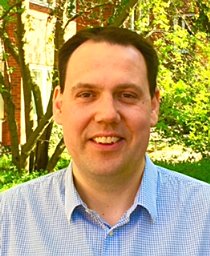 Helgesson Magnus合作论文数1 Department of Medical Sciences, Occupational and Environmental Medicine, Uppsala University5Tom Hagström合作论文数5
 Fredrik Movitz合作论文数4Jan Hagberg合作论文数4
 Gunnar Bergstrom合作论文数4
 Claudia Bernhard-Oettel合作论文数Dept Psychol, Stockholm Univ4
 Hugo Westerlund合作论文数Stress Research Institute, Stockholm University4
 Hans Hasselbladh合作论文数4
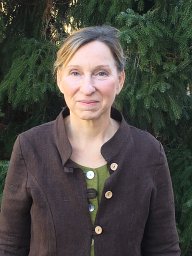 Susanne Bejerot合作论文数Department of Clinical Neuroscience, Karolinska Institutet4G Johansson合作论文数3Maud Hagman合作论文数3
 Emmanuel Aboagye合作论文数3Lisa Björk合作论文数3Johanna Stengård合作论文数3
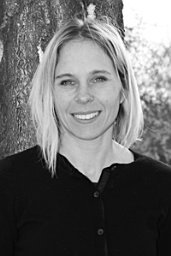 Blom Victoria合作论文数Department of Clinical Neuroscience, Karolinska Institutet3
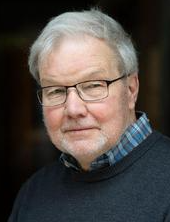 Ingmar Skoog合作论文数Department of Psychiatry and Neurochemistry, Institute of Neuroscience and Physiology, University of Gothenburg;Centre for Ageing and Health, University of Gothenburg3Thomas Clausen合作论文数Norwegian Center for Addiction Research, University of Oslo3Liv Johanne Solheim合作论文数3
 Marit Christensen合作论文数3
 Marina Taloyan合作论文数Center for Primary Health Care Research, Lund University3
 Vegard Johansen合作论文数3
 Kristina Alexanderson合作论文数Karolinska Institutet3
 Per Wiklund合作论文数3




