Education research has suggested that students who receive a wider variety of sensory inputs during the learning process will be able to make more connections and more deeply understand course content. To this end, three physical hands-on laboratory learning modules were designed for a computational numerical methods course to help students develop intuition for physical systems, to allow for a comparison of real data against numerical solutions of physics equations, and to increase student engagement. These modules were designed to reinforce specific topics covered in the numerical methods curriculum, including numerical differentiation and numerical solution of ordinary differential equations. Pre- and post-tests showed an increase in student knowledge after module completion. In addition, end-of-term surveys showed that a strong majority of students believed modules helped them visualize and understand key numerical methods concepts, and that most would be interested in learning new material with similar modules in the future.
With the growing demand for household appliances, sustainable disposal and recycling practices have become an environmental concern. In the United States, many products are manufactured with planned obsolescence, the practice of designing a product with no intention for reuse and recyclability. This creates an increase in the frequency of new product purchases and a high rate of consumption, and thus, waste production. The rapid turnover in household appliances poses challenges in landfill overflow, resource depletion, and hazardous material disposal. Without intervention, this issue could lead to increased environmental impacts, a strain on natural resources, and an increase in energy consumption. In order to solve this pressing issue, manufacturers would have to shift design focus to reusability, ease of repair, and recyclability. Extending the designed lifespan of appliances and focusing on reparability can reduce waste while also promoting sustainable consumer behavior. This research study was conducted to address sustainability challenges with the design of a washer-dryer combo by performing an end-of-life (EOL) assessment of the system based on life cycle assessment (LCA) principles. This allows for examination of the product's composition, ease of disassembly, and potential for recycling. To conduct the assessment of the washer-dryer combo, data was logged on the force and tools required for disassembly. To properly assess the disassembly of household appliances, only hand-held tools were used to simulate the average household ability to disassemble appliances. The time was recorded for the disassembly of each component as well. Other logged data includes the composition of each part such as plastics, metals, and wiring. Logging the composition of each part allows for characterizing the recyclability for each component aiding for overall assessment of recyclability. Each part of the washer-dryer combo was carefully taken apart as data was logged for each component. The assessment revealed that the washer-dryer system was designed without consideration for EOL disposal. The findings of this research suggest that appliances are made with the sole purpose of short-term functionality and ease of manufacturing, leading to a preventable strain on the environment and natural resources. Non-recyclable materials were integrated into the design, with disassembly requiring excessive force and time making it inaccessible to the average household. This research aims to encourage manufacturers to consider EOL disposal with more environmentally conscious designs taking into consideration the accessibility of repair, reusability, recyclability, and lifespan of appliances.
In recent years, both the number of jobs and the rates ofpay for science, technology, engineering, and math (STEM) occupations has continued to increase, while disproportionalities by gender and race in these areas persist. These disproportionalities can be traced back to opportunity gaps in college. Transforming STEM education in higher education in culturally responsive ways is imperative to increasing representation and opportunities for historically underrepresented students. One way of doing so may be through professional development through book clubs. This study explored the impact of involving engineering faculty members in understanding and applying culturally responsive teaching through participation in self-guided learning activities, discussions, and a book club reading of Culturally Responsive Teaching and the Brain: Promoting Authentic Engagement and RigorAmong Culturally and Linguistically Diverse Students, by Zaretta Hammond [Hammond, Z. (2014). Culturally responsive teaching and the brain: Promoting authentic engagement and rigor among culturally and linguistically diverse students. Thousand Oaks, CA: Corwin Press]. This study found that participating in these modules and the book study produced statistically significant (p < 0.05) positive gains in culturally responsive teaching self-efficacy for university engineering faculty members. This collaboration across content areas suggests positive teaching and learning impacts in bringing a traditionally K-12 education-oriented text into STEM education at the college level.
A cylinder in cross flow has been studied by many prior authors as a test case for computational fluid dynamics (CFD). We modified an existing case study for a cylinder in cross flow in an open source CFD program. Once the CFD model was working, we developed a physics-informed machine learning version for benchmarking. The machine learning code was validated using two existing sets of data from the literature for other systems. Our research question is focused on understanding how well a physics-informed neural net for the Navier Stokes equations represent the behavior of complex flow around a cylinder. After the neural net model was validated, we used data from the CFD tool for a cylinder in cross flow to test the performance of the neural net. We compared velocities and stream functions to the original CFD solution to assess performance. The results indicate the physics-informed machine learning model is computationally efficient and accurate for predicting the basic flow shapes. The number of training data points is very important for predicting major flow behavior. The machine learning model did not perform well for transfer learning in our study, failing to predict the key wakes. Future work will confirm how responsive the machine learning model is to variations in the input data, and different methods of providing a sparse training set.
In recent studies, it has been proved that the temperature difference in the cross section of a tree trunk can be used to generate electrical energy by using semiconductor thermoelectric devices and, as an example of application, working as a battery to power sensors for environmental monitoring. To know the behavior of the temperature distribution within a tree trunk is very important to infer the amount of electrical energy that can be generated. In this paper, the authors present a linear regression model for the temperature distribution within a tree stem based on weather condition parameters, as well as on core and bark temperatures measured onsite in Brazil. This model contributes to a proof of concept for the feasibility of using trees as an ambient power source for wireless low-power devices, and it is purely based on experimental results. As weather parameters are readily available, and the temperature data collected are of typical tree types in the region (mango trees of similar age and physical parameters), our model should generalize easily to help gain understanding of the thermoelectric currents than can be generated in that region.
Increasingly large and frequent wildfires affect air quality even indoors by emitting and dispersing fine/ultrafine particulate matter known to pose health risks to residents. With this health threat, we are working to help the building science community develop simplified tools that may be used to estimate impacts to large numbers of homes based on high-level housing characteristics. In addition to reviewing literature sources, we performed an experiment to evaluate interventions to mitigate degraded indoor air quality. We instrumented one residence for one week during an extreme wildfire event in the Pacific Northwest. Outdoor ambient concentrations of PM2.5 reached historic levels, sustained at over 200 μg/m3 for multiple days. Outdoor and indoor PM2.5 were monitored, and data regarding building characteristics, infiltration, and mechanical system operation were gathered to be consistent with the type of information commonly known for residential energy models. Two conditions were studied: a high-capture minimum efficiency rated value (MERV 13) filter integrated into a central forced air (CFA) system, and a CFA with MERV 13 filtration operating with a portable air cleaner (PAC). With intermittent CFA operation and no PAC, indoor corrected concentrations of PM2.5 reached 280 μg/m3, and indoor/outdoor (I/O) ratios reached a mean of 0.55. The measured I/O ratio was reduced to a mean of 0.22 when both intermittent CFA and the PAC were in operation. Data gathered from the test home were used in a modeling exercise to assess expected I/O ratios from both interventions. The mean modeled I/O ratio for the CFA with an MERV 13 filter was 0.48, and 0.28 when the PAC was added. The model overpredicted the MERV 13 performance and underpredicted the CFA with an MERV 13 filter plus a PAC, though both conditions were predicted within 0.15 standard deviation. The results illustrate the ways that models can be used to estimate indoor PM2.5 concentrations in residences during extreme wildfire smoke events.
Full Paper This will be followed up with a full paper. The University of Washington Tacoma (UWT) recently entered Phase 2 of its NSF-funded "Achieving Change in our Communities for Equity and Student Success (ACCESS) in STEM" program in 2022. The National Science Foundation will fund the program with a $1.5 million grant over the next 7 years. ACCESS in STEM recruits talented students, primarily with low income or underrepresented backgrounds, to study one of UWT's STEM majors, and seeks to support their retention and academic success by providing focused mentoring, a living learning community, course-based undergraduate research experiences, and two years of targeted scholarship support. Phase 2 represents an expansion of Phase 1 in terms of additional eligible majors, inclusion of first-year transfer students, and expansion of the definition of "low-income" to include students in the "middle zone." All engineering majors at UWT, including Computer, Electrical, Mechanical and Civil are now eligible to apply for the program. Mechanical and Civil Engineering are two of the newest engineering programs, starting in 2021 and 2022, respectively. As part of the second phase, a new introductory course was developed and offered for the first time in Autumn 2022. This project-based Introduction to Engineering course leveraged best practices from engineering education to engage students in their academic careers. The course was inspired by the successful coffee-based class pioneered at UC Davis, that has been used at other universities to support students. The class was and will continue to be available to all first-year UWT students, with a priority for ACCESS students during registration. In addition to providing students a glimpse into the various concepts in engineering, the course was developed to create a sense of community and also provide a support structure for students wanting to pursue engineering. The course content used evidence-based practices to connect students with hands-on experiences and learning. First year engineering courses, when well designed, have been shown to offer many benefits to student retention. A cup of coffee that so many of us enjoy every morning requires significant types of engineering to provide the end result. Coffee production and roasting involve various types of equipment which involve mechanical, electrical and even chemical and environmental engineering and the coffee bean roasting involves heat transfer, an important mechanical engineering topic. The way products get distributed from farm to table involves several parts of the supply chain, which is a core aspect of civil engineering. The class also included visits to various local coffee shops, where students saw first-hand how coffee beans get roasted and perfected into various coffee and espresso-based drinks. The students also had a chance to perform a hands-on disassembly of a coffee machine. Students were tasked to develop a bill of materials based by weighing and identifying individual components and materials. They were also tasked to perform a disassembly analysis whereby they suggested possible improvements in design to increase the efficiency of the disassembly and recycling process.
The purpose of this research was to develop a classroom project module that supported students in developing conceptual understanding of topics in statics, and building awareness of career value creation in engineering.The module developed includes a sequence of concept mapping activities that students complete that includes both technical topics and entrepreneurial mindset topics.The concept mapping activities were collected from students and scored using traditional and holistic approaches.The students completed a survey at the end of the concept mapping activities to provide insights about their experiences.The concept mapping for technical topics was found to be a useful formative assessment tool for students to connect concepts in the course.The value creation career results were compared with prior studies of engineering students who developed concept maps based on entrepreneurial mindset, and found to be very similar.The results indicate that this type of simple concept mapping activity can have benefits for students early in their engineering coursework to reflect on mindset and technical knowledge.think about long-term career connections, one of the key ideas of EM.Concept mapping has been used infrequently in Statics courses, but offers a useful formative assessment tool.This module is also part of a larger effort at the University of Washington Tacoma to expose students and faculty to the entrepreneurial mindset in engineering.One facet of the entrepreneurial mindset (EM) as defined by the Kern Entrepreneurial Engineering Network (KEEN) is creating value, the idea that engineers may create value to society, economic value, or other types of value [2].This idea aligns well with the ABET SEO 4: an ability to recognize ethical and professional responsibilities in engineering situations and make informed judgments, which must consider the impact of engineering solutions in global, economic, environmental, and societal contexts.
In this research, we propose a novel way using unsupervised machine learning to improve the accuracy of predicting chaotic transitions in natural convection systems. Previous work has focused on the application of machine learning methods to natural convection systems for understanding turbulent convection transitions. We build on the prior work using the Lorenz system to investigate the potential of unsupervised machine learning models without expert inputs. The Lorenz system was selected due to its relatively simple equations and well-documented chaotic behavior. The Lorenz equations are a dynamic system for natural convection that are represented by a coupled system of ordinary differential equations. Prior work had confirmed that clustering can predict transitions for this system, but the accuracy of predicting transitions could be improved. The prior studies had analyzed eight, expert-chosen features focused on descriptive statistics of the spectral density for the raw inputs to a machine learning algorithm. Our research team modified the prior machine learning methods to cover a large range of geometry and fluid parameters with high accuracy using only images of time series plots as the input to the algorithm. The images are phase plots consistent with those commonly used to observe the Lorenz system’s strange attractors. To account for a large range of geometry and fluid parameters, we converted high-dimensional time series data to phase plot images. This allowed us to capture intricate details within the data that might be missed using prior approaches. We then use deep neural networks to extract low-dimensional features for clustering, allowing us to identify hidden patterns and structures within the data. This work builds on prior research that used k-means++ clustering to predict behavior in natural convection systems. The approach for this work goes beyond traditional flat clustering methods by using a convolutional neural network and density-based clustering with varying minimum cluster sizes to improve accuracy. The new method has also reduced the bias associated with selecting Rayleigh ratio values, improving the accuracy and reliability of our results. The improved method does not rely on expert selected statistical features either, a significant advantage for adapting the method to other natural convection systems. The results are visually represented through histograms that show the key transitions in the chaotic system. The research team confirmed that the density-based clustering is a more efficient and accurate machine learning algorithm for this problem. The method presented in this paper also incorporates additional validation steps to ensure the accuracy and reliability of the results. The new method provides more detailed insights into the chaotic behavior of the Lorenz system. This has important implications for a range of fields, including natural convection, meteorology, fluid dynamics, and chaos theory.
The purpose of this research is to address the problem of coastal erosion on Beach Road, Saipan’s main highway, by analyzing what type of curved seawall would be most effective at reflecting wave energy. This project is motivated by the challenge of coastal erosion which has become a major issue for many Pacific Islands. If left unaddressed, coastal erosion and inundation will leave many islands in economic and societal ruin, as these islands build their communities and infrastructure along their coastlines. As these island-communities have a vested interest in preserving their way of life, our goal is to provide these islands with information related to seawall type, overtopping potential, and potential failure points of various seawall geometries. Our analysis was conducted with the computational fluid dynamics (CFD) solver OpenFOAM where experimental work began with the adaptation of a baseline dam break simulation to simulate a single crashing wave onto various seawalls. These seawalls were traced, and their geometries developed into a triangular mesh using Salome. Once developed, our geometries were then taken to OpenFOAM and incorporated into the dam break simulation. We then compared the fluid behavior in Open-FOAM with a physical experiment using 3-D printed scaled models and a digital hydraulic bench. Through OpenFOAM simulations we confirmed that the FSS seawall performed the best for reducing wave overtopping and reflecting waves when compared to the VW and inclined wall. This analysis on seawall geometry can be used to jumpstart talks on coastal defense mechanisms for Saipan.
Prior work has explored utilizing machine learning for the Lorenz system in the time domain. In this work, we have focused on applications of machine learning for predicting the onset of chaotic transitions in the Lorenz system. Our methods included the development of a robust numerical solution to the Lorenz equations using a fourth order Runge-Kutta method. We solved the Lorenz equations for a large range of Raleigh ratios from 1 to 1000. We calculated the power spectral density, various descriptive statistics, and a cluster analysis using unsupervised machine learning. To identify behaviors and regions in the data, we utilize unsupervised learning as it is designed to assist in recognizing patterns without being told or trained by prior knowledge. We confirmed the performance of the machine learning system's ability to identify chaotic transitions independent of expert selection of Raleigh ratio ranges. The system correctly identifies the transitional behaviors described in prior mathematical work. The results indicate that the power spectral density is very important for the clustering. We also found that examining machine learning clusters by dimension (x, y, and z) was important to understand many of the facets of the chaotic transitions. The results provide a visual mapping of the regions where chaotic transitions may occur based on variations in the Prandtl number and geometry constant. Unsupervised machine learning may be used as a tool to characterize the transition regions for these geometries, providing new lenses for the heat transfer community.
Over the past decade, there has been a substantial increase in the demand for the integration of entrepreneurial mindset (EM) into training of undergraduate engineering students.Although the engineering education field recognizes the importance of training related to this mindset, the assessment of EM development has lagged behind its implementation.Concept maps (cmaps) offer potential for direct EM assessment as they can provide a snapshot of students' conceptual understanding at a specific time point.A cmap uses nodes (concepts) and links (connections between concepts) as visual representation of an individual's perception of a topic. PURPOSE OR GOALThis study supports a larger project and focuses on applying a master/criterion EM cmap as a benchmark for scoring engineering students' cmaps.The research questions we will address are: What differences exist between students' cmap representation of EM concepts and the categories of a master EM cmap?How do student cmaps completed in different contexts compare in regard to their EM concept integration? APPROACH OR METHODOLOGY/METHODSThis research study involved collecting EM-related cmaps from five distinct classes at different institutions representing a variety of institutional types and contexts, although only data from three institutions was analysed as part of this study.All cmaps were de-identified prior to analysis.A total of 65 cmaps were included in this analysis.Starting with a previously developed draft master EM cmap, we used the categories (or branches) from that cmap for categorically scoring students' cmaps.As part of the analysis process, training and calibration was completed for the two main researchers to ensure that the scoring process was reproducible.After which, cmaps were scored separately by both main researchers and inter-rater reliability was monitored for their scores. ACTUAL OR ANTICIPATED OUTCOMESThis preliminary work benefits the engineering education community by demonstrating a reliable scoring approach that can be applied to evaluate cmaps generated for complex topics such as EM.This study provides insight into the challenges associated with using a master cmap approach to assess cmaps generated from multiple institutional contexts and different assignment prompts.Results are guiding changes to the draft master EM cmap to clarify categories and ultimately streamline the qualitative scoring process. CONCLUSIONS/RECOMMENDATIONS/SUMMARYThrough this study, we demonstrated how a master EM cmap can be used in the scoring of EM focused cmaps generated through multiple implementation methods.The results help us to address gaps in the literature on EM and operationalize a "definition" of EM that can be applied for direct assessment of the construct.After additional scoring, we will offer best practices that will assist faculty members with assessing EM development in their courses.
This work explores several low-cost methods for the visualization and analysis of pulsed synthetic jets for cooling applications. The visualization methods tested include smoke, Schlieren imaging, and thermography. The images were analyzed using Proper Orthogonal Decomposition (POD) and numerical methods for videos. The results indicated that for the specific nozzle studied, the optimal cooling occurred at a frequency of 80 Hz, which also corresponded to the highest energy in the POD analysis. The combination of Schlieren photography and POD is a unique contribution as a method for the optimization of synthetic jets.
Research I (R1) university" is a category that the Carnegie Classification of Institutions of Higher Education uses to indicate universities in the United States that engage in the highest levels of research activity.There is currently no analogous classification for a T1 institution: institutions that engage in the highest levels of teaching activity.In Fall 2020, as part of an NSF IUSE project designed to enhance student-centered pedagogical practices and shift institutional culture, the research team hosted a symposium focused on the importance of teaching at the core of an institution.The attendees included 98 STEM faculty from several universities all interested in the topic of reflective teaching.Many of the participants had been trained in evidence-based instructional practices and faculty peer observation.A survey of participants asked these faculty to reflect on the idea of a T1 classification and how it might be framed in the broader conversation about enhancing STEM teaching.The survey responses were grouped based on change quadrants.The responses indicated alignment around reflective teaching, inclusive classroom practices, and recognition of excellence in pedagogy.
This is a work in progress paper describing design systems thinking as a paradigm for evolving faculty development. Managing organizational change is a difficult task, often dependent on the way ideas are operationalized for effective innovation. Systems thinking leverages value creation across organizational systems to support innovation based on design. In this paper we explore the utility of design systems thinking for creating innovation in a national engineering faculty development program. Design systems thinking has been used by Engineering Unleashed as part of a multi-year innovation effort in engineering faculty development. We seek to shift the mindset of traditional engineering faculty development using best practices for relationship building by coaching, mentoring, and through communities of practice. Two outcomes of the systems thinking model from this work include (i) a faculty fellowship program to recognize and reward faculty development of transformational projects and (ii) self-paced learning structures to encourage emergent ideas. This paper addresses the first steps for the following research questions: 1) Does a systems thinking approach create a responsive model for a community-driven faculty development program? Does this model adapt to community needs and individual faculty career needs? 2) Will a systems thinking approach support the community development of a sustainable model for faculty development that thrives outside of the funding organization? This project is ongoing and this paper reports on the way systems thinking has been used to create a bottom-up and top-down innovation structure. Preliminary results in this paper include an analysis of growth in the faculty development program, a timeline of expected evolution, a summary of community engagement structures in place, and statistics from the faculty fellowship program. The poster presentation will focus on the evolution of the faculty development program.
Past researchers have linked diversity to increased creativity in engineering teams. Self-efficacy and retention also relate to how well students believe they fit socially and academically in engineering. This paper reports on three qualitative studies at one university aimed to improve students’ sense of belonging in engineering. The three interventions included: a diversity workshop in an introduction to engineering course, a student-driven project to encourage welcoming and diverse study groups, and a junior-level teamwork design project. The study found the engineering program has a positive climate inside the classroom and a slightly less positive climate outside the classroom. Even when junior-level students report that diverse teams are more creative, students do not strongly believe that different backgrounds are important and maintain biases. The student led intervention was successful, as the upper-level students produced a video about the value of diverse study groups. We confirmed that traditional engineering students are resistant to changes in student culture, as evidenced by the difficulty in shifting student bias towards inclusion in the three interventions. The most promising approach is student-led, where senior students worked to change the student culture directly.
We are continuing an examination of unsupervised machine learning methods in natural convection systems. We are leveraging the Lorenz system to consider turbulent transitions and how machine learning models assist understanding these transitions. The Lorenz equations were selected to test the machine learning algorithms due to the relative simplicity of the equations, and the well-documented chaotic behavior. We developed a robust numerical solution to the Lorenz equations using a fourth order Runge-Kutta method with a time step of 0.001 seconds. We solved the Lorenz equations for a large range of Raleigh ratios from 1–1000. We also used a finer time resolution and larger Rayleigh range than prior work. We calculated the power spectral density, various descriptive statistics, and a cluster analysis using unsupervised machine learning. To identify behaviors and regions in the data, we utilize unsupervised learning as it is designed to assist in recognizing patterns without being told or trained by prior knowledge. We confirmed the performance of the machine learning system’s ability to identify chaotic transitions independent of expert selection of Raleigh ratio ranges. In prior work we found that the automated cluster analysis aligns well with well known key transition regions of the convection system. In this paper we further explore the inputs to the machine learning system and new methods of analysis. We further validated our methods with a windowing approach to the Rayleigh ratio range. By running this methodology over multiple Raleigh ratio ranges, the system is able to locate transitional regions. The system correctly identifies the transitional behaviors described in prior mathematical work. The results indicate that the power spectral density is very important for the correct clustering. We also found that examining machine learning clusters by dimension (x, y, and z) was important to understand many of the facets of the chaotic transitions. This simplified model serves as a test case for more complex natural convection flows. This unsupervised learning approach can be utilized on other systems where numerical analysis is computationally difficult. The results provide a visual mapping of the regions where chaotic transitions may occur based on variations in the Prandtl number and geometry constant. We plan to apply these methods to more complex natural convection systems and compare to experimental data. Unsupervised machine learning may be used as a tool to characterize the transition regions for these geometries, providing new lenses for the heat transfer community.
The purpose of this research was to develop classroom project modules that supported students in developing an entrepreneurial mindset in the context of software engineering. The modules connect the software development life-cycle from beginning to end including user focused requirements elicitation and evaluating quality attributes. The modules were implemented in a junior level software engineering course in 2019. A student survey was developed and measured student perceptions of learning objectives that tie directly into ABET accreditation outcomes. Students reported they found the activities most helpful for designing, building, and testing real world systems. Qualitatively, we found that the student work completed in these modules to be higher quality than similar work submitted in prior years. Exam scores were improved when measuring students ability to create use cases, especially clarity and completeness. Student performance was greatly improved when writing use cases, especially clarity and completeness which was reflected in improved projects. Quantitatively, the same mindset objectives were assessed in other course modules as part a larger curriculum wide effort in Engineering. The numerical results indicate that the modules in this course outperformed other modules in the curriculum for most of the mindset objectives. Ultimately, the results indicate these types of modules may play an important role in entrepreneurial mindset development for computer science students.
 chrissi a antonopoulos合作论文数11Ben Tribelhorn合作论文数7Nicole C. Ralston合作论文数7
 Ashley F. Emery合作论文数Department of Mechanical Engineering, University of Washington7Timothy A. Doughty合作论文数University of Portland7
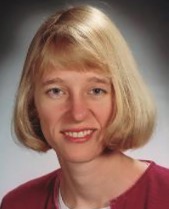 Ann M. Mescher合作论文数Department of Mechanical Engineering, University of Washington6
 Rachel Dzombak合作论文数6Michael C. Baechler合作论文数5Jordan Farina合作论文数4Valerie Peterson合作论文数4Carolyn James合作论文数4Tara E. Prestholdt合作论文数4
 Cara Poor合作论文数Department of Civil and Environmental Engineering, Washington State University4
 Bryan Russo合作论文数Department of Materials Science and Engineering;University of Washington;Department of Materials Science and Engineering, University of Washington4Ken Lulay合作论文数3Stephanie Salomone合作论文数3Amy E. Solana合作论文数3Karen Eifler合作论文数3
 Rebecca Levison合作论文数3Jeff Mathew Welch合作论文数3leena tahkamo合作论文数3Whitney G. Colella合作论文数3Joseph P. Hoffbeck合作论文数3
 Douglas Melton合作论文数Department of Stem Cell & Regenerative Biology, Faculty of Arts and Sciences, Harvard University;Harvard Stem Cell Institute, Harvard University;Howard Hughes Medical Institute3Rosemarie Bartlett合作论文数3
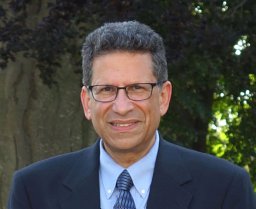 Mark L. Nagurka合作论文数Department of Mechanical and Industrial Engineering;Marquette University;Department of Mechanical and Industrial Engineering, Marquette University3Gary D. Maupin合作论文数3Tom Gallant合作论文数2marc r ledbetter合作论文数2kelly l gordon合作论文数2Robert G. Lucas合作论文数2Mark A. Halverson合作论文数2R.G. Lucas合作论文数2zoe c johns合作论文数2Shelley Carlson合作论文数2
 Jordan S. Lum合作论文数Lawrence Livermore National Laboratory2
 Tammy VanDeGrift合作论文数Donald P. Shiley School of Engineering, University of Portland2
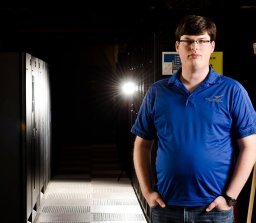 Michael Madison合作论文数Law Center, Georgetown University2
 Chad Stillinger合作论文数School of Electrical Engineering and Computer Sciences, Oregon State University2linda j sandahl合作论文数1jeffrey j mccullough合作论文数1frank mao合作论文数1Jenna Carpenter合作论文数1
 Elif Miskioglu合作论文数1Juan Cruz合作论文数1cheng g li合作论文数1ravi ramanathan合作论文数1Alex Zeilinski合作论文数1Ryan Kenton合作论文数1




