India has been upholding the traditional custom of multigenerational co-residence and is well known for its spiritual legacy. However, the era of globalization and urbanization has reshaped family structures, with adult migration influencing older parents' spiritual journeys. The study investigates the differences in spiritual well-being among parents of migrants and non-migrants and the influence of social-familial position and social network on spiritual well-being using a cross-sectional survey conducted by 500 elderly parents. The study revealed that the mean score of spiritual well-being was significantly lower among parents of migrants compared to parents of non-migrants. Social networks enhance the spiritual well-being of elderly parents considerably. Social networks enhance spiritual well-being, particularly for parents of migrants, to a greater extent than among parents of non-migrants. Moreover, the study found that household decision-making roles emerged as a significant predictor of spiritual well-being, with more substantial effects observed among parents of migrants compared to non-migrants. Policymakers and social services providers should focus on strengthening social network structures for elderly parents, especially for parents of migrants. This could foster more robust social networks and empower older individuals to participate in household decision-making processes, which will ensure better spiritual well-being in the context of adult-child migration.
Abstract Background The study aims to examine the association between individual forms of social capital and the well-being of the elderly ‘left-behind’ parents and to determine if there is a gender difference within the possible relationship. Methods This study applied the first wave of the Longitudinal Ageing Study in India (LASI, 2017-18) data. In this study, the respondents were 4,736 older parents ‘left-behind’ by their migrant adult sons. We employed descriptive statistics and bivariate analysis to assess the study sample’s characteristics. The proportion test was performed to examine if there was a significant gender difference among older adults regarding depression, ADL, and IADL impairments. In addition, binary logistic regression was utilized to investigate the associations between social capital and elderly parents’ health outcomes. Results This study found a significant gender difference in depression (male: 8.26%; female:11.32%; P < 0.001), ADL (male:20.23%; female:25.75%; P = 0.032), and IADL (male: 33.97% female: 54.13%; P < 0.001) limitations. Elderly parents who did not participate in any social activity had a higher odd of ADL (aOR: 2.44; 95%CI: 1.882–3.171; P = < 0.001) and IADL (aOR: 1.22; 95%CI: 1.034–1.766 ; P = < 0.001) limitations. Networking with friends through phone/email conversations has a substantial impact on lowering depression in older parents. Older adults with good personal social capital were less likely to have depression, ADL, and IADL limitations. Conclusion Personal social capital is closely associated with the well-being of left-behind older parents. More efforts should be in place to increase the stock of social capital in this group with focused gender disparity.
Objective To identify the latent classes of modifiable risk factors among the patients with diabetes and hypertension based on the observed indicator variables: smoking, alcohol, aerated drinks, overweight or obesity, diabetes and hypertension. We hypothesised that the study population diagnosed with diabetes or hypertension is homogeneous with respect to the modifiable risk factors. Design A cross-sectional study using a stratified random sampling method and a nationally representative large-scale survey. Setting and participants Data come from the fourth round of the Indian National Family Health Survey, 2015–2016. Respondents aged 15–49 years who were diagnosed with either diabetes or hypertension or both were included. The total sample is 22 249, out of which 3284 were men and 18 965 were women. Primary and secondary outcome measures The observed variables used as latent indicators are the following: smoking, alcohol, aerated drinks, overweight or obesity, diabetes and hypertension. The concomitant variables include age, gender, education, marital status and household wealth index. Latent class model was used to simultaneously identify the latent class and to determine the association between the concomitant variables and the latent classes. Results Three latent classes were identified and labelled as class 1: ‘diabetic with low-risk lifestyle’ (21%), class 2: ‘high-risk lifestyle’ (8%) and class 3: ‘hypertensive with low-risk lifestyle’ (71%). Class 1 is characterised by those with a high probability of having diabetes and low probability of smoking and drinking alcohol. Class 2 is characterised by a high probability of smoking and drinking alcohol and class 3 by a high probability of having high blood pressure and low probability of smoking and drinking alcohol. Conclusions Co-occurrence of smoking and alcohol consumption was prevalent in men, while excess body weight and high blood pressure were prevalent in women. Policy and programmes in Northeastern India should focus on targeting multiple modifiable risk behaviours that co-occur within an individual.
Objective This study examines the association of maternal height with caesarean section (CS) in India. It is hypothesised that maternal height has no significant effect on the risk of undergoing caesarean section. Design A cross-sectional study based on a nationally representative large-scale survey data (National Family Health Survey-4), conducted in 2015–2016. Setting and participants Analysis is based on 125 936 women age 15–49 years, having singleton live births. Logistic regression has been performed to determine the contribution of maternal height to the ORs of CS birth, adjusting for other exposures. Restricted cubic spline was used as a smooth function to model the non-linear relationship between height and CS. Height data were decomposed using the restricted cubic spline with five knots located at the 5th, 27.5th, 50th, 72.5th and 95th, percentiles. Primary and secondary outcome measures The main outcome variable of interest in the study is CS. Maternal height is the key explanatory variable. Other explanatory variables are age, parity, sex of child, birth weight, wealth index, place of residence, place of child delivery and household health insurance status. Results The results reveal that the odds of undergoing CS significantly decrease with increase in maternal heights. Mothers with a height of 120 cm (adjusted OR (AOR): 5.08; 95% CI 3.83 to 6.74) were five times more likely, while mothers with height of 180 cm were 23% less likely (AOR: 0.77; 95% CI 0.62 to 0.95) to undergo CS as compared with mothers with height of 150 cm. Conclusions Shorter maternal height is linked to a higher risk of CS. Our findings could be used to argue for policies that target stunting in infant girls and avoid unnecessary CS, as there is potential effect on growth during adolescence and early adulthood, with the goal to increase their adult heights, thereby lowering their risk of CS and adverse delivery outcomes.
Background Multiple factors are associated with the risk of diabetes and hypertension. In India, they vary widely even from one district to another. Therefore, strategies for controlling diabetes and hypertension should appropriately address local risk factors and take into account the specific causes of the prevalence of diabetes and hypertension at sub-population levels and in specific settings. This paper examines the demographic and socioeconomic risk factors as well as the spatial disparity of diabetes and hypertension among adults aged 15-49 years in Northeast India. Methods The study used data from the Indian Demographic Health Survey, which was conducted across the country between 2015 and 2016. All men and women between the ages of 15 and 49 years were tested for diabetes and hypertension as part of the survey. A Bayesian geo-additive model was used to determine the risk factors of diabetes and hypertension. Results The prevalence rates of diabetes and hypertension in Northeast India were, respectively, 6.38% and 16.21%. The prevalence was higher among males, urban residents, and those who were widowed/divorced/separated. The functional relationship between household wealth index and diabetes and hypertension was found to be an inverted U-shape. As the household wealth status increased, its effect on diabetes also increased. However, interestingly, the inverse was observed in the case of hypertension, that is, as the household wealth status increased, its effect on hypertension decreased. The unstructured spatial variation in diabetes was mainly due to the unobserved risk factors present within a district that were not related to the nearby districts, while for hypertension, the structured spatial variation was due to the unobserved factors that were related to the nearby districts. Conclusion Diabetes and hypertension control measures should consider both local and non-local factors that contribute to the spatial heterogeneity. More importance should be given to efforts aimed at evaluating district-specific factors in the prevalence of diabetes within a region.
Aims: The aim is to assess the association and population attributable fraction (PAF) of multiple risk factors combination for diabetes and hypertension among adults in the Northeast region of India. Methods: Data used is from the Indian Demographic Health Survey conducted in 2015-16. The study comprised 107, 766 respondents (95,153 females and 12, 613 males) aged 15-49 years. We examined four modifiable risk factors: smoking, alcohol consumption, aerated drinks consumption, and overweight or obesity. PAF was calculated using the relative risk from the multivariable logistic regression models. Results: Overweight or obesity in conjunction with smoking was associated with 43.9 % of patients with diabetes. Smoking in conjunction with alcohol and overweight or obesity contributed to 53% of patients with diabetes (PAF = 53 %). The three risk factors combination (i.e., smoking, alcohol, and overweight or obesity) is associated with the most hypertension cases (PAF = 50.7 %). Experiencing all four risk factors is associated with 50.3 % of patients with hypertension. In women, the four-risk combination contributed the most hypertension cases (PAF = 46.8 %). Conclusions: Overweight or obesity was the single most significant factor leading to hypertension and diabetes among the study population. Also, smoking, alcohol, and overweight or obesity together are prominent risk factors for hypertension and diabetes. (C) 2021 Diabetes India. Published by Elsevier Ltd. All rights reserved.
Healthcare for Indian women needs prioritizing, as they continue to face social and economic discrimination over their healthcare, often with high out-of-pocket payments. The study examines the amount inpatient women have to pay for treatment of major diseases, re-classified into four groups as infectious, reproductive, non-communicable diseases (NCDs), and disabilities & injuries, across the country to comprehend the extent of catastrophic health spending (CHS) they experienced. The study is based on India’s 75th round of the National Sample Survey (NSS), i.e., Household Social Consumption: Health (2017-2018), consisting of 26,938 inpatient women aged 12 and above from India's urban and rural areas. We examine the prevalence of the four categories of diseases by individual, household, community, and healthcare characteristics. Expenditure estimates were derived from cross-tabulation, followed by binary logistic regression to assess the association between covariates and inpatient expenditures for the diseases. Indian women are more likely to be hospitalized for infectious diseases (43%), but the burden of CHS (overall) is highest for disabilities and injuries (INR 24,414), followed by NCDs (INR 23,053). Duration of hospitalization and possession of health insurance by women indicate maximum variation with medical spending. Almost 97% of women have incurred out-of-pocket expenditure on hospitalization, from which we identify three layers of CHS. A substantial proportion of women (23 to 50%) experienced CHS, i.e., up to 0-10%, 11-30%, and >30%, which varies distinctively by place of residence and across the six regions. Covariates like age, economic status, and healthcare are highly significant and associated with disease-wise CHS thresholds. Women in India face divergent financial hardships for healthcare. Given the heterogeneity of morbidities and socio-economic characteristics, the need for women-sensitive public health services and interventions are evident.
ObjectiveIt would be reasonable to hypothesize that common unobserved factors, such as psychological stress and anxiety, as well as genetic and environmental factors, simultaneously influence the tendency for overweight or obesity and the prevalence of chronic disease. The paper tries to examine the joint influence of an individual's and socio-economic characteristics in determining overweight or obesity and chronic disease.MethodsThe sample comprised of 112,062 male and female participants age 15–49 years. For the simultaneous joint estimation approach we employ a seemingly unrelated probit model with and without control for endogeneity.ResultsThe non-zero correlation coefficient obtained from the analysis reveals that overweight or obesity is related to diabetes and hypertensions, indicating the existence of unmeasurable individual factors that commonly affect the propensity to diabetes and hypertension and overweight or obesity. A 10% increase in overweight and obesity causes increment of 4% in diabetes, 4.9% in hypertension. Further, among the overweight or obese individual, a 10% increase in overweight and obesity causes increment of 4.7% in diabetes, and 6.5% in hypertension in the study area.ConclusionThe study indicates presence of unobserved factors that simultaneously affect overweight/obesity and prevalence of both diabetes and hypertension. Policy and health promotion programme should also give special attention to the unmeasurable factors (for example: genetic factors, psychological stress and long working hour) that commonly influence the risk of overweight or obesity and chronic diseases.
Background: In India according to the National Crime Records Bureau (NCRB) data 1, 31,666 people committed suicide and out of this 12,360 were farmers committed in 2014. When the suicide rate increases in a particular group in society, it is often an indicator that there are factors in the general environment which are placing selective pressure on the group in question. The present study examines the mental health status of Farmers in Maharashtra, India. Methods: The cross-sectional study design was adopted to conduct this study. Three hundred (300) Household were selected for this study. The sample size was distributed proportionately in each village using Probability Proportional to size (PPS) sampling method. Households were stratified based on the loan amount to ensure that all types of borrower-farmers were included in the sample. The loan amounts were classified into three categories: up to Rs. 30,000, Rs. 31,000 to Rs. 60,000, and more than Rs. 60,000. Univariate, Bivariate and logistic regression analysis have been conducted. Results: More than half 58% of farmers have reported distress of mental health and 41.7% farmers were reported no distress of mental health in last two weeks. Mean of the mental health status of farmers is 0.58, and standard deviation (SD) is 0.49. The most commonly reported symptoms of mental health relate to anxiety and insomnia, with 55% of farmers suffering from this symptoms. The second highest ranking prevalence of symptoms is somatic problems (34.7%). Conclusion: The immediate clinical and non-clinical interventions should be initiated to mitigate the suicides among the farmers.
Female sterilization is the most popular contraceptive method among Indian couples, and the public sector is the major source of sterilization services in the country. However, concerns remain on the quality of services provided, deaths, failures, and complications following sterilization. In this paper, we study the complexities around the quality of care in female sterilization services at public health facilities and identify strategies for improving the measurement of such quality. A better understanding of these issues could inform pragmatic strategies for enhancing quality. This study uses data from the National Family Health Survey (NFHS) 2015-16 and District Level Household and Facility Survey (DLHS) 2012-13. The study is limited to only districts whose data are available in both DLHS 2012-13 and NFHS 2015-16. The methods of analysis include bivariate statistics, Pearson's chi-square test, and two-level mixed-effects logistic regression. We found that the quality of care (QoC) in sterilization service at the public health facilities in India is associated with facility readiness and the socio-economic characteristics of the clients. There is a significant association between household wealth and the QoC received. Our study provides empirical shreds of evidence on the role of structural attributes in delivering quality sterilization services. The spatial analyses revealed the geographies in the country where the QoC and facility readiness are low. Quality should be an overriding priority to establish the credibility of any health care delivery system. It is essential to provide safeguards against adverse events to develop the client's confidence in the services, which is the key to success for any voluntary family planning program like in India.
To assess the knowledge, attitude, and preventive practices related to kala-azar in Madhepura district of Bihar, a community-based cross-sectional study was carried out in November 2014. A total of 353 households were interviewed from 24 villages of four blocks of Madhepura district. Data were collected using structured interview schedule. For knowledge, attitude, and preventive practice indexes, scores were assigned to individual questions based on the accuracy of responses. Univariate and binary logistic regressions were applied for the analysis. Eighty-four percent households had heard of kala-azar disease, but only 15.9% could recognize that sand flies were responsible for transmitting the disease. Overall, only 43.9% had fair knowledge on kala-azar disease (e.g., mode of transmission, signs and symptoms, and the outcome if left untreated) and the vector (breeding place, season, and biting time). Almost 48.6% had a favorable attitude toward treatability and management of kala-azar and 37.7% practiced proper mechanism to prevent and control kala-azar. Occupation emerged as a significant predictor for all three indexes. Other important predictors for the attitude index were literacy, household type, households ever had a kala-azar case, and knowledge index. Despite 61.8% of the households ever reported to have a member diagnosed with kala-azar, the overall knowledge of the disease and vector, attitude, and practices about prevention and control of kala-azar was found to be lagging. Therefore, our investigation suggests that further strengthening of comprehensive knowledge about kala-azar and preventive practices is needed.
Caesarean deliveries are increasing worldwide at a faster rate. Although Caesarean deliveries can save the lives of mothers and babies, the caesarean section is often performed without medical need, putting women and their babies at-risk of short and long-term health problems. Why are caesarean section deliveries increasing? Does the private health sector have a role to play in it? This paper tries to answer all these questions by examining the patterns and determinants of caesarean deliveries and tries to understand the reasons for opting for caesarean deliveries in India. NFHS-4 data collected from 29 states and six UTs of India in 2015-16 was used to achieve this. Binary logistic regression models have been used to understand the determinants of caesarean delivery and emergency caesarean deliveries in India and its states. The results reveal that caesarean section deliveries in India have increased rapidly, which is more than a five-fold increase from NFHS-1 (1992-93) when it was three percent to 17 percent in NFHS-4 (2015-16). There are huge state variations in caesarean section deliveries ranging from six percent in Bihar to 58 percent in Telangana. About half of the states are above the national average of caesarean section deliveries in India crossing the 20 percent mark as against the average of 17 percent in India. Mother’s age, mother’s schooling, religion, wealth quintile, BMI, ANC visit, size of the birth, pregnancy complications and place of delivery were statistically associated with caesarean section deliveries in India. Undeniably, a majority of caesarean section deliveries are performed in the private sector; it clearly indicates that the private sector plays a significant role in the increasing number of caesarean section deliveries in India.
Existence of structural and social inequality with growing poverty and shrinking livelihoods and other factors forced to people or entire families to migrate towards cities in search of means of survival. Some of them become homeless in this process. Various reasons play a vital role in homelessness, but the large number of people belongs to the migrant population. Most of them come from a rural area, due to many reasons such as unemployment, education, natural disasters, riots, violence, etc. Impact of migration and development is well known to academician, researchers and policymakers and there are various evidences available that put positive impacts of migration on development i.e. human development, economic development through increased household incomes and improved access to education and health services, etc., but with the migration, other issues are also attached. The present study is quantitative in nature and it comprises the evidences based on homeless people who are currently living in Mumbai. Among the homeless people, nearly 40% from Maharashtra and 60% migrated from other states of India and among them around 95% are migrated from rural areas while migration from their native place near half of them reported that they migrated with their family. Around 88% percent are working and among them around 38.3% are working as labourers followed by beggars 16.3% and hawkers 12.8%. Among them, more than 50% are earning below Rs. 5000 per month. Only one-fifth of people could send the remittance to support their family for family and other purposes. Majority of people are living in temporary shelters at roadside followed by streets, parks under over bridges, etc. which is more hazardous to their health, personal safety and security. In this paper, some issues have been highlighted those aroused due to migration i.e. homelessness and their socio-demographic \u0026 health concerns. Findings of the study will be helpful for the programmes and policy makers, researchers, academician and social workers who are working in the field of migration and homelessness.
This report presents the key findings of the NFHS-3 survey in Arunachal Pradesh. The survey provides trend data on key indicators and includes information on several new topics, such as HIV/AIDS-related behaviour, attitudes toward family life education for girls and boys, use of the Integrated Child Development Services (ICDS) programme, men’s involvement in maternal care, and health insurance. The report also provides information on men and unmarried women.
A report on the findings on selected aspects of health from the NFHS 2005-06 in the five states of Chhattisgarh, Gujarat, Maharashtra, Orissa and Punjab.
 Strong Pillar Marbaniang合作论文数Dept Publ Hlth & Mortal Studies, Int Inst Populat Sci5
 Manoj Dakua合作论文数2
 Holendro singh Chungkham合作论文数2
 Priyanka Bomble合作论文数1
 Kailash Chandra Das合作论文数1Manali Swargiary合作论文数1
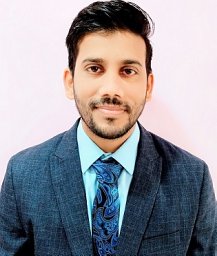 Shekhar Chauhan合作论文数Dept Family & Generat, Int Inst Populat Sci1
 Ranjan Karmakar合作论文数Ctr Study Reg Dev, Jawaharlal Nehru Univ1Vinod Joseph K J合作论文数1Lokender Prashad合作论文数The George Institute for Global Health1Fred Arnold合作论文数1Dhananjay Bansod合作论文数1
 Balram Paswan合作论文数1Sarang Pedgaonkar合作论文数1
 Shobhit Srivastava合作论文数Department of Mathematical Demography & Statistics, International Institute for Population Sciences1
 Himanshu Chaurasia合作论文数Regional Resource Hub for Health Technology Assessment, Indian Council of Medical Research - National Institute for Research in Reproductive and Child Health1
 Mili Dutta合作论文数Department of Management, Birla Institute of Technology-Extension Centre (BITEC),1
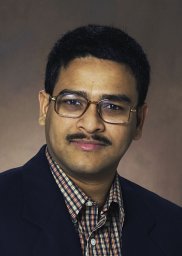 Arupendra Mozumdar合作论文数Anthropology and Human Genetics Unit, Indian Statistical Institute1
 Dipti Govil合作论文数1
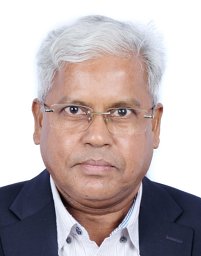 Prisilla Arokiasamy合作论文数Department of Development Studies, International Institute for Population Sciences1
 Sahoo Harihar合作论文数1
 Rajib Acharya合作论文数Population Council, Population Council1Kamla Guptay合作论文数1




