Coronavirus disease 2019 (COVID-19) has become an important issue in immunocompromised patients owing to the high transmissibility of severe acute respiratory syndrome coronavirus 2. Sarcopenia in lung transplant patients is associated with a poor prognosis, and patients who have undergone lung transplant are more vulnerable to COVID-19. This study aimed to investigate the association of sarcopenia with clinical outcomes in lung transplant patients with COVID-19 and the risk factors for sarcopenia following COVID-19 in lung transplant patients. We performed a retrospective cohort study of lung transplant patients with COVID-19. Sarcopenia was defined as being within the lower 25
Abstract Esophageal squamous cell carcinoma (ESCC) is an aggressive malignancy with late diagnosis and high propensity for lymph node (LN) metastasis. Given the major prognostic and therapeutic impact of LN involvement, defining the cellular and molecular features distinguishing metastatic LNs from primary tumors is imperative. We aimed to delineate tumor microenvironment (TME) dynamics between primary tumors and metastatic LNs integrating single-cell RNA/TCR sequencing (scRNA/TCR-seq) with high-resolution spatial transcriptomic validation.We performed scRNA-seq on 344,790 cells from 58 upfront surgical specimens of 18 stage T1-2N0-1M0 ESCC patients. Samples included paired tumor mucosa (TM), normal mucosa (NM), tumor-associated LNs (TLN), and normal LNs (NLN). scTCR-seq in 8 patients delineated clonal trajectories and functional T-cell states. Additionally, spatial transcriptomics using the CosMx 6K platform profiled 3,493,957 cells across 34 specimens (NLN, TLN, and TM) from 13 patients, enabling in situ validation of compartment-specific cellular interactions.Our analysis revealed marked divergence between TM and TLN immune landscapes. TM showed an immunosuppressive milieu dominated by regulatory T cells (TREGs) and sharp loss of cytotoxicity in CD8 exhausted T cells (TEXHs). In contrast, TLN retained partially functional TEXHs following two trajectories: a pre/intermediate-exhausted path with sustained GZMB and PRF1 expression, and a terminally-exhausted path showing steep functional decline—prominent in TM but attenuated in TLN. TCR clonotype analysis supported this, as shared TM-TLN clones preserved cytotoxicity whereas TLN-restricted clones displayed weaker effector programs, suggesting antigen-driven trafficking from primary tumor. Myeloid profiling showed TREM2high macrophages (M) enrichment in TLN, while TM featured TREG-dendritic cell (DC) interactions. Spatial transcriptomics validated these compartmentalized suppressive circuits, demonstrating colocalization of TREM2high Ms with TREGs or TEXHs in TLN. SPP1-mediated signaling between these populations appeared exclusively in TLN, highlighting niche-specific immunoregulatory interactions within metastatic sites.This integrated single-cell and spatial transcriptomic study highlights distinct immunoregulatory programs driving ESCC progression and LN metastasis. While TLNs contained TEXHs with preserved cytotoxicity and reinvigoration potential, TMs exhibited abrupt functional collapse. We identified compartment-specific suppressive networks—TREM2high M-mediated axes in TLN and DC-mediated axes in TM—validated by spatial analysis. These findings offer mechanistic insight into LN metastasis and may inform biomarker development, neoadjuvant treatment optimization, and tailored immunotherapy in ESCC. Citation Format: Tae Hee Hong, Hansoll Na, Chung Lee, Young Ho Yang, Ha Eun Kim, Byung Jo Park, Min Hee Hong, Hye Ryun Kim, Hyun Ki Kim, Dae Joon Kim. Deciphering tumor microenvironment dynamics in tumorigenesis and lymph node metastasis of esophageal squamous cell carcinoma using single-cell and spatial transcriptomics [abstract]. In: Proceedings of the American Association for Cancer Research Annual Meeting 2026; Part 1 (Regular Abstracts); 2026 Apr 17-22; San Diego, CA. Philadelphia (PA): AACR; Cancer Res 2026;86(7 Suppl):Abstract nr 6115.
Importance:Neoadjuvant chemoradiotherapy is recommended for clinical stage II (T2N0) esophageal squamous cell carcinoma (ESCC) with high-risk features such as tumor size 3 cm or greater, lymphovascular invasion (LVI), and poor differentiation. However, these criteria have limited predictive value, and there is an unmet need for more accurate preoperative risk stratification tools. Objective:To evaluate whether preoperative detection of circulating tumor DNA (ctDNA) is associated with nodal upstaging and postoperative recurrence in patients with clinical stage I (T1b) or T2N0 ESCC. Design, Setting, and Participants:This cohort study included 2 independent cohorts in Seoul, Korea: Samsung Medical Center (SMC; n = 50), with data from January 2015 through December 2019, and Yonsei University Severance Hospital (YUSH; n = 24), with data from January 2023 through December 2024. All patients had T1b or T2N0 ESCC, underwent radical esophagectomy and lymph node dissection without neoadjuvant therapy, and provided tumor and preoperative plasma samples for tumor-informed ctDNA sequencing. Exposure:Presence or absence of ctDNA in preoperative plasma samples. Main Outcomes and Measures:Primary outcomes were pathologic nodal upstaging and survival (recurrence-free survival [RFS] and overall survival [OS]). Associations between ctDNA status and outcomes were analyzed using χ2, logistic regression, and Cox proportional hazard models. Results:In the SMC cohort, the median (IQR) age was 68 (60-74) years, and 47 participants (94%) were male; in the YUSH cohort, the median (IQR) age was 67 (61-69) years, and 21 participants (87.5%) were male. Preoperative ctDNA was detected in 36 patients (48.6%) (27 [54.0%] in SMC and 9 [37.5%] in YUSH). Detection was more frequent in T2N0 than T1b: 26 [57.8%] vs 1 [20.0%] in SMC and 9 [42.9%] vs 0 in YUSH. Over a median (IQR) follow-up of 37.7 (24.9-49.6) months, patients with positive ctDNA results had worse RFS (hazard ratio [HR], 4.15; 95% CI, 1.54-11.22; P = .005) and OS (HR, 4.02; 95% CI, 1.50-10.74; P = .006). Among patients with T2N0 disease-a subgroup where neoadjuvant therapy decisions remain uncertain-ctDNA positivity predicted occult nodal metastasis with a positive predictive value of 100% (95% CI, 71.51-100) in the SMC cohort and 88.89% (95% CI, 51.75-99.72) in the YUSH cohort. Preoperative ctDNA remained significantly associated with nodal metastasis (odds ratio [OR], 19.98; 3.90-211.42; P < .001), outperforming guideline-based criteria (LVI, poor differentiation, tumor size ≥3 cm). Adding ctDNA to models with guideline risk factors improved the area under the receiver operating characteristic curve from 0.66 to 0.91 (P = .048) in the SMC cohort, and showed consistent performance in the YUSH cohort (from 0.67 to 0.89; P = .03). Conclusions and Relevance:Preoperative ctDNA detection was significantly associated with occult nodal metastasis and recurrence risk in clinical N0 early-stage ESCC in this study. Among patients with T2N0 ESCC, ctDNA may serve as a complementary biomarker to inform neoadjuvant treatment escalation and support more personalized therapeutic strategies.
Early recurrence after curative resection for cT3 esophageal squamous cell carcinoma (ESCC) is strongly associated with poor long-term survival. Identifying patients at high risk of early recurrence may improve postoperative risk stratification and inform tailored surveillance or adjuvant therapy. We retrospectively analyzed patients who underwent en bloc esophagectomy with three-field lymphadenectomy. The log odds of positive lymph nodes (LODDS) were calculated as log([number of positive nodes + 0.5]/[number of negative nodes + 0.5]). Early recurrence was defined using maximally selected rank statistics. Independent risk factors for early recurrence were identified using multivariable Firth logistic regression, followed by decision tree analysis to establish hierarchical risk stratification. Among 121 patients, 109 (90.1
Esophageal squamous cell carcinoma (ESCC) exhibits profound inter-tissue heterogeneity, yet how immune and stromal ecosystems diverge between primary tumors and metastatic lymph nodes remains poorly understood. Here, we generated a single-cell atlas of 344,790 cells and paired T cell receptor profiles from primary tumor mucosa, adjacent mucosa, non-metastatic lymph nodes, and metastatic lymph nodes from 18 patients with treatment-naive ESCC. We identify compartment-specific immune and stromal architectures that shape distinct antitumor responses and suppressive programs. Primary tumors were characterized by marked enrichment of regulatory T cells (TREG) and activated dendritic cells coordinated through CTLA4-associated circuits, accompanied by accelerated CD8+ T cell differentiation toward intermediate and terminal exhaustion with loss of cytotoxicity. In contrast, metastatic lymph nodes preserved substantial pools of pre-exhausted CD8+ T cells with retained effector potential and strong clonal connectivity to the primary tumor, suggesting sustained antigen-driven trafficking. However, these reinvigoration-competent populations were embedded within a niche dominated by TREM2high macrophages that delivered SPP1-dependent suppressive signals to exhausted and regulatory T cells. Stromal lineages also displayed niche-specific specialization: tumor mucosa contained chemokine-rich inflammatory fibroblasts, whereas metastatic lymph nodes upregulated extracellular matrix remodeling programs. Together, our findings demonstrate that ESCC progression is governed by anatomically distinct exhaustion trajectories, clonal behaviors, stromal states, and suppressive circuits. This framework provides mechanistic insight into why lymph node response is a key determinant of clinical outcome and highlights the need for site-tailored immunomodulation strategies that target TREG-mediated suppression in primary tumors and TREM2high macrophage programs in metastatic nodes. ### Competing Interest Statement The authors have declared no competing interest. Yonsei University College of Medicine Research Grant
Purpose: Donor shortages in many countries necessitate the use of marginal donor lungs despite challenges such as size mismatch, and donor lung pathologies requiring resection, such as consolidation or anatomical abnormalities. One way to address these challenges is through major pulmonary resection of the donor lung, which can be in the form of hilar dissection (HD), an anatomical resection, or pulmonary tailoring (PT), a non-anatomical resection. No studies have compared these two techniques; hence, we aimed to compare their intraoperative and postoperative outcomes. Materials and Methods: We retrospectively analyzed 40 lung transplant recipients who underwent major pulmonary resection of donor lungs between January 2014 and May 2023. The patients were divided into HD (n=18) and PT (n=22) groups, and their intraoperative and postoperative outcomes were compared. Results: Postoperative bronchopleural fistula (BPF) occurred in 22.2% of patients in the HD group but was absent in the PT group (p=0.033). There were no significant differences between the two groups in terms of total operative time, ischemic time for each lung, occurrence of primary graft dysfunction, bronchial anastomotic dehiscence, bronchial stenosis, or pneumothorax. The survival curves were also similar between the two groups. Conclusion: The PT technique significantly reduced the risk of BPF compared with the HD technique, suggesting its potential as a safer technique for managing oversized donor lungs and addressing other pathologies requiring resection.
BACKGROUND:Thoracic duct resection (TDR) is frequently performed during radical oesophagectomy to improve locoregional control in oesophageal squamous cell carcinoma (ESCC). However, its impact on postoperative body composition-particularly skeletal muscle mass-remains unclear. This study aimed to evaluate the extent and temporal pattern of postoperative changes in adiposity- and sarcopenia-related indices following TDR. METHODS:In this prospective cohort study, 347 patients with ESCC who underwent curative oesophagectomy between May 2018 and June 2022 were included. Patients were classified into a TDR group (n = 288) and a thoracic duct preservation group (n = 59). Body composition was assessed using bioelectrical impedance analysis (BIA) at six time points: preoperatively and 1, 2, 3, 6 and 12 months postoperatively, yielding 1925 measurements. Metrics analysed included body mass index (BMI), fat mass index (FMI), skeletal muscle mass index (SMI) and fat-free mass index (FFMI). Sensitivity analysis was performed using 1:1 propensity score matching (PSM), based on key clinical variables. RESULTS:Median age was 64 years, and ~90% of patients were male in both groups. Baseline operative variables were comparable between groups, including operative time (485 vs. 478 min), total lymph nodes (66 vs. 63) and complication rates (30% vs. 32%). BMI and FMI declined gradually over 12 months with no significant between-group differences (BMI at 12 months: TDR vs. preservation, 21.0 vs. 20.6 kg/m2; p = 0.809). In contrast, SMI and FFMI showed significant early postoperative declines, with more pronounced reductions in the TDR group during the first 3 months (SMI: -11.2% vs. -8.1%, p = 0.036). These early differences attenuated after PSM but remained directionally consistent. Recovery of muscle mass began around postoperative month 3, and by 12 months, sarcopenia-related indices were comparable between groups (SMI: p = 0.343; FFMI: p = 0.733). Subgroup analysis in patients with clinical stage I disease revealed similar patterns, suggesting that the observed muscle loss may reflect procedure-related effects, independent of tumour burden. Exploratory nutritional markers-including albumin, lymphocyte count and cholesterol-showed no significant intergroup differences at any interval. CONCLUSIONS:This is the largest study to date to assess longitudinal body composition changes after TDR using serial BIA. TDR was associated with a greater decline in sarcopenia-related indices, particularly within the first 3 months. These effects were transient, reversible and reproducible in early-stage patients. Our findings support the oncologic role of TDR while underscoring the importance of early nutritional and rehabilitative care.
Objective Lung transplantation (LT) is the only definitive treatment for end-stage lung diseases; however, patients often experience psychiatric problems that can affect post-transplant recovery. Although postoperative delirium frequently occurs, its risk factors and influence on mortality are not well established. This study aimed to evaluate the incidence of LT-associated psychiatric issues and analyse the association of delirium with mortalityDesign Retrospective cohort study.Subjects/patients Patients who underwent LT between January 2013 and March 2023.Methods We reviewed the incidence of psychiatric conditions before and after LT. Logistic regression analysis identified risk factors for postoperative delirium, and survival analysis was conducted.Results Pre-transplant psychiatric assessments revealed mild anxiety and depression among 398 patients. Notably, 45% of patients experienced delirium after LT. Patients with a higher body mass index (BMI), longer operation duration and high Beck Anxiety Inventory scores exhibited an increased risk of postoperative delirium. Furthermore, patients who developed postoperative delirium had a higher 2- and 5-year mortality rate.Conclusions The findings revealed that pre-transplant anxiety, high BMI and prolonged operative duration increase the risk of postoperative delirium risk, which in turn affects long-term mortality. Comprehensive psychiatric evaluation and targeted management are essential for improving post-transplant outcomes.
PURPOSE:Bronchiolitis obliterans syndrome (BOS) can develop as a manifestation of graft-versus-host disease following allogeneic hematopoietic stem cell transplantation (allo-HSCT), and may ultimately require lung transplantation (LT). However, reports on LT outcomes for BOS after allo-HSCT are limited. This study aimed to compare the outcomes of LT for BOS following allo-HSCT with those for idiopathic pulmonary fibrosis (IPF). MATERIALS AND METHODS:A total of 487 patients underwent LT between January 2010 and August 2023. Among them, the baseline characteristics and outcomes of 35 patients with BOS following allo-HSCT and 216 patients with IPF were analyzed. RESULTS:The BOS group was younger and had a lower body mass index (BMI) compared to the IPF group (33.7±11.9 years vs. 59.7±7.3 years, p<0.001; 17.6±3.7 kg/m² vs. 22.0±3.6 kg/m², p<0.001, respectively). The proportion of male patients was lower in the BOS group than in the IPF group (54.3% vs. 84.3%, p<0.001). Preoperative ventilator support was more common in the BOS group compared to the IPF group (62.9% vs. 32.4%, p=0.001). In Kaplan-Meier survival analysis, the 5-year survival rate was significantly higher in the BOS group than in the IPF group (71.0% vs. 44.9%, p=0.022). In the Cox proportional hazards model, age was the only factor significantly associated with survival [hazard ratio (95% confidence interval): 1.04 (1.02-1.07), p<0.001]. CONCLUSION:The survival rate of the BOS group was not inferior to that of the IPF group after adjusting for sex, age, and BMI. Therefore, LT should be actively considered as a treatment option for patients with BOS following allo-HSCT.
Introduction: With advances in surgical techniques and immunosuppressive therapies, lung retransplantation has become a viable option for patients experiencing graft failure. However, retransplantation is associated with inferior clinical outcomes, and infection remains a leading cause of morbidity and mortality in lung retransplant recipients. Objectives: This study examined clinical characteristics, outcomes, and microbial spectra of respiratory infections in lung retransplant recipients. Methods: This retrospective case-control study, conducted at two tertiary care centers, included 10 lung retransplant patients and 20 matched primary lung transplant patients. Respiratory pathogens identified using bronchoalveolar lavage (BAL) were compared between two groups over a two-year post-transplantation period. Results: Pulmonary hypertension was more prevalent in the retransplant group (p = 0.030). Five-year mortality and infection-related mortality were higher in the retransplant group (both p = 0.015), along with longer hospital and intensive care unit stays (p = 0.035 and 0.017, respectively). BAL cultures revealed distinct temporal patterns: Elizabethkingia predominated early (31.6% within 1 month) in the retransplant group, with Pseudomonas increasing gradually. The primary transplant group demonstrated a more heterogeneous distribution, with Acinetobacter, Pseudomonas, and Enterococcus detected early. Conclusions: Retransplant recipients exhibited worse clinical outcomes and a distinct temporal distribution of respiratory pathogens. Particularly, the high incidence of Elizabethkingia in lung retransplant recipients highlights the need for center-specific infection surveillance and tailored preventive strategies to improve retransplantation outcomes.
Purpose:With neoadjuvant treatment (NAT) broadening the surgical indication for advanced pancreatic cancer, the growing use of robotic platforms in pancreaticoduodenectomy (PD) necessitates the evaluation of its feasibility in advanced pancreatic cancer patients who have undergone NAT. Methods:We compared clinicopathological outcomes of advanced pancreatic cancer patients who received either robot-assisted or open PD after NAT at a tertiary hospital from 2015 to 2023. Propensity score matching was performed based on age, sex, and TNM staging. Results:Among 223 patients who received conversion surgery after NAT, 42 open PD and 14 robot-assisted PD patients were matched in a 3:1 ratio. There was a trend of shorter hospital stays (11.4 days vs. 9.8 days, P = 0.218) and less severe postoperative complications (21.4% vs. 7.1%; P = 0.227) in the robot-assisted PD group. Lymph node (LN) yield, LN metastasis rate, and R0 resection rates were similar between the 2 groups. The overall (OS) and disease-free survival (DFS) rates between the 2 groups were comparable (5-year OS rate: 55.7% vs. 72.7%, P = 0.264; 5-year DFS rate: 54.4% vs. 58.4%, P = 0.759). Conclusion:Robot-assisted PD offers comparable short-term and long-term outcomes to open PD, even in patients undergoing conversion surgery after NAT.
PURPOSE:We compared the local control rate and toxicity of stereotactic ablative radiotherapy (SABR) versus wedge resection for colorectal pulmonary metastases. MATERIALS AND METHODS:We retrospectively reviewed medical charts and imaging of patients treated with SABR or wedge resection between 2010 and 2017 at a single institution. RESULTS:A total of 404 patients were treated with local therapy for 528 pulmonary metastatic lesions. While surgery was frequently used upfront for smaller, solitary metastases without other site involvement, SABR was often used for larger, multiple lesions and disease burdens beyond the lungs. The 3-year local control rate was 88.6% following surgery, which was not significantly different from that with SABR at 86.7% (p=0.174). No major postoperative complications or mortality were observed in the surgery group, and 2.8% of patients in the SABR group experienced grade 3-4 radiation pneumonitis. CONCLUSION:SABR was used in patients with a higher risk of progression compared to those undergoing surgery, yet it has similar local control rates to wedge resection.
TPS8119 Background: While perioperative systemic treatment with checkpoint inhibitors plus chemotherapy has become a standard approach for resectable NSCLC, the benefit of systemic treatment in EGFR -mutated NSCLC remains unclear. In resectable EGFR -mutated NSCLC, adjuvant osimertinib has been shown to significantly improve disease-free survival and overall survival. However, neoadjuvant osimertinib alone has demonstrated limited efficacy, with a major pathologic response rate of less than 15% (NCT03433469). These data altogether highlight an unmet clinical need for optimizing perioperative systemic approach in resectable EGFR -mutated NSCLC. Lazertinib, a third-generation, central nervous system-penetrating EGFR tyrosine kinase inhibitor, has demonstrated superior efficacy compared to comparator EGFR tyrosine kinase inhibitor in treatment-naïve EGFR -mutated advanced NSCLC (NCT04248829). The NeoLazer trial (NCT06268210) is a phase II, randomized, controlled study designed to evaluate the efficacy and safety of neoadjuvant lazertinib with or without chemotherapy in patients with EGFR -mutated resectable NSCLC. Methods: Eligible patients must be ≥19 years of age, have an ECOG performance status of 0 or 1, non-squamous histology, stage IB–IIIB NSCLC based on the AJCC 8th edition, have confirmed sensitizing EGFR mutations (exon 19 deletion or L858R mutation), be deemed completely resectable by a multidisciplinary team, and demonstrate adequate organ and bone marrow function. The trial will enroll approximately 160 patients, who will be randomized 1:1 to receive either lazertinib (240 mg once daily) with chemotherapy (pemetrexed 500 mg/m² and carboplatin AUC5 every 3 weeks) or lazertinib alone (240 mg once daily) for three cycles before surgical resection. Randomization will be stratified by disease stage (IB–II vs. III) and EGFR mutation type (exon 19 deletion vs. L858R mutation). Following surgery, all patients will receive adjuvant lazertinib for three years. Neoadjuvant and adjuvant treatments will continue until unacceptable toxicity, disease progression or relapse, or patient withdrawal. The primary endpoint is major pathologic response, defined as ≤10% residual viable cancer cells in the surgical specimen. Secondary endpoints include safety based on CTCAE 5.0, type of surgical resection (segmentectomy vs. lobectomy), pathologic complete response, objective response rate based on RECIST 1.1, event-free survival, disease-free survival, and overall survival. In addition, the trial incorporates exploratory analyses, including whole-genome sequencing of tumor tissue and monitoring the dynamics of minimal residual disease through serial blood sampling. Clinical trial information: NCT06268210 .
8040 Background: Although ALK inhibitors are approved for patients with ALK -positive recurrent and/or metastatic NSCLC or resected NSCLC, their role as neoadjuvant therapy in resectable NSCLC remains unclear. Here, we report the results of a window-of-opportunity study evaluating neoadjuvant brigatinib in resectable ALK -positive NSCLC, aiming to identify the molecular mechanisms underlying drug-tolerant persister cells in cancer (NCT05361564). Methods: We conducted a single-arm, open-label, phase 2 trial of neoadjuvant brigatinib in patients with resectable ALK -positive NSCLC. Patients received brigatinib at a dose of 180 mg once daily following a 7-day lead-in period at 90 mg. Radiologic objective response rate (ORR), major pathologic response (MPR) rate, disease-free survival (DFS), event-free survival (EFS), and overall survival (OS) were evaluated. Single-cell transcriptomic analyses were performed to characterize the tumor microenvironment according to the achievement of MPR. Results: All 12 enrolled patients underwent surgical resection following neoadjuvant treatment without delays or increased surgical complications. The median time interval between neoadjuvant treatment initiation and surgical resection was 45 days (range: 38-64 days). The ORR was 83.3% (10/12), and MPR (defined as ≤10% residual cancer cells in the surgical specimen) was achieved in 7 patients (58.3%). The most common adverse event was elevated creatine phosphokinase (50.0%), and one patient experienced a grade 3 adverse event (asymptomatic creatine phosphokinase elevation). Over a median follow-up period of 602 days (range: 300–826 days), three patients experienced recurrence, resulting in a 2-year EFS rate of 70.1%. Single-cell transcriptomic analysis revealed that ZNF683-positive CD8+ T cells expressing effector-related genes including Blimp-1, were significantly enriched in patients with MPR. In contrast, FOXP3-positive regulatory CD4+ T cells were enriched in patients without MPR. Conclusions: Neoadjuvant brigatinib was effective and safe in patients with resectable ALK -positive NSCLC. Single-cell transcriptomic analysis highlights the balance between effector and regulatory T cell programs as a critical determinant of pathologic response and the clearance of drug-tolerant and persister cancer cells. Clinical trial information: NCT05361564 .
Purpose:Esophageal squamous cell carcinoma (ESCC) is frequently accompanied by lymph node metastasis (LNM) to the neck, chest, and abdomen. Despite its significance as a key prognostic factor, the genomic trajectory of LNM remains poorly understood. This study aimed to characterize the underlying patterns and genomic characteristics of LNM. Materials and Methods:Whole-exome sequencing and transcriptome sequencing were performed on 45 multiregional samples (10 primary tumors, 10 normal esophageal tissues, and 25 lymph node tumors) from 10 ESCC patients who underwent esophagectomy with three-field lymphadenectomy. The temporal trajectory of metastasis was reconstructed through phylogenetic analysis, leveraging somatic mutations identified in the primary tumor and lymph nodes. Results:Somatic mutations preceding metastasis included major driver mutations, such as TP53 and KMT2D, and displayed a mutational process associated with alcohol consumption (SBS16), emphasizing its influence on early tumorigenesis. In contrast, post-lymph node metastatic mutations were sporadic. Lymph nodes seeded later acquired mutations at a faster rate, suggesting increased genomic instability. In three of nine patients (33%), nodal skip metastasis (NSM) was observed, including two cases detected exclusively via genomic analysis, highlighting the necessity of phylogenetic assessment to avoid misclassification. Transcriptome analysis revealed activation of epithelial-mesenchymal transition and KRAS signaling pathways in NSM tumors, indicative of poor prognostic outcomes. Conclusion:Our study provides a molecular understanding of LNM, emphasizes the potential importance of node-skipping patterns in ESCC, and underscores the utility of genomic analysis in elucidating the connection between LNM.
BACKGROUND:Donor/recipient (D/R) size matching is crucial to achieve proper organ allocation and outcome for lung transplantation (LT). However, studies in this regard have not shown consistent results. We analyzed the results of size-mismatched LT focusing on primary graft dysfunction (PGD) and survival. METHODS:A total of 446 patients underwent LT between January 2010 and December 2022. After exclusion, the patients were divided into 3 groups according to the donor/recipient size; D/R ratio >120% was grouped as Over (n = 87), 120%≥D/R ratio≥80% was grouped as Normal (n = 271), 80%>D/R was grouped as Under (n = 19). Early and long-term outcomes were analyzed. RESULTS:Recipient height, weight, and proportion of male were the highest in the Under group, followed by the Normal and Over groups (P < 0.001). The ratio of extracorporeal membrane oxygenation weaning in the operating room was highest in the Under group, followed by the Normal and Over groups (P : 0.04). The proportions of PGD grade 3 within 48 h and 72 h were highest in the Over group, followed by the Normal and Under groups (P : 0.007 and 0.016, respectively). There was no statistical difference in the pulmonary function test results between the groups at 12 months postoperative follow-up. The 5-year survival rate did not differ among the groups (60.9% vs 56.8% vs 54.7%, Under vs Normal vs Over, P : 0.833) CONCLUSIONS: Although oversized D/R-matched LT demonstrated late recovery during the early postoperative period, their long-term results were non-inferior in terms of the D/R size ratio.
 Jin Gu Lee合作论文数36Park Moo Suk合作论文数Department of Internal Medicine, Yonsei University Hospital24Chang Young Lee合作论文数19Song Yee Kim合作论文数18Dae Joon Kim合作论文数17Young Ho Yang合作论文数16Hyo Chae Paik合作论文数16Ala Woo合作论文数13Park Byung-Jo合作论文数10
 Seong Yong Park合作论文数Department of Thoracic and Cardiovascular Surgery, College of Medicine, Yonsei University8Young Sam Kim合作论文数Department of Internal Medicine, College of Medicine, Yonsei University8Eun Young Kim合作论文数7
 Hyo Sup Shim合作论文数College of Medicine, Yonsei University7Tae Hee Hong合作论文数Department of Digital Health, Sungkyunkwan University6
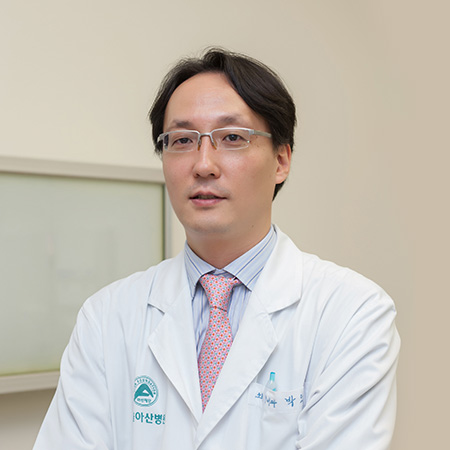 Do Hyun Park合作论文数Division of Gastroenterology, Department of Internal Medicine, Asan Medical Center, University of Ulsan College of Medicine;Pancreatobiliary Disease Center, Asan Medical Center, University of Ulsan College of Medicine;Biliary & Pancreatic Cancer Center, Asan Medical Center, University of Ulsan College of Medicine5Min Seo Ki合作论文数4
 Jin Su Jeong合作论文数4Nam Eun Kim合作论文数4Sungsoo Lee合作论文数3Mi Hwa Shin合作论文数3Sung Woo Ko合作论文数3Bong Jun Kim合作论文数3Lee Su Hwan合作论文数3
 Young Joo Suh合作论文数Severance Hosp, Yonsei Univ3Shin Seung-Hwan合作论文数3So Hoonsub合作论文数3
 Chul Hoon Kim合作论文数Department of Pharmacology, College of Medicine, Yonsei University3Seung Hyun Yong合作论文数2Jong Ho Cho合作论文数2Sang Hoon Lee合作论文数2Yeong Jeong Jeon合作论文数2Duk Hwan Moon合作论文数2Wongi Woo合作论文数Gangnam Severance Hosp, Yonsei Univ2MinDong Sung合作论文数2
 Hye Ryun Kim合作论文数Department of Internal Medicine, College of Medicine, Yonsei Cancer Center2Park Han Ki合作论文数2Shin Ju Hye合作论文数2
 Yoon Jin Cha合作论文数Department of Pathology, Gangnam Severance Hospital, College of Medicine, Yonsei University2
 Kyungsoo Chung合作论文数Department of Internal Medicine, Yonsei University Hospital;Division of Pulmonology and Critical Care Medicine, College of Medicine, Yonsei University2
 Hyun Chel Joo合作论文数Yonsei University College of Medicine, Yonsei University Health System2Shin Yu Rim合作论文数2Park Youngmok合作论文数2Leem Ah Young合作论文数2G. Huh合作论文数2
 Hong Kwan Kim合作论文数Division of Thoracic Surgery, Samsung Medical Center;Department of Thoracic and Cardiovascular Surgery, Sungkyunkwan University School of Medicine;Department of Thoracic and Cardiovascular Surgery, Samsung Medical Center2
 Yong Soo Choi合作论文数Lung and Esophageal Cancer Center, Samsung Medical Center;Department of Thoracic and Cardiovascular Surgery, Samsung Medical Center;Department of Thoracic and Cardiovascular Surgery, Sungkyunkwan University School of Medicine2Ji Hoon Sim合作论文数1Se-Hoon Lee合作论文数1Jung Ah Lee合作论文数1




