The growth of dry season farming in Ghana is putting increased pressure on groundwater resources. Using mixed methods this paper examines the learning effect of an experiential groundwater resource game in Ghana's Upper East Region that simulates real-life resource use and common-pool resource management dilemmas. Results indicate short and medium-term learnings associated with participation in the game. During the game, group interaction and communication improved cooperation and led to more sustainable game behaviours. The gender-specific analysis indicates that females and males may learn and respond differently to the game. Males exhibited more sustainable game behaviours with increased communication and rules whereas female groups showed more learning from round to round. The positive learning effects from the game persisted 12 months after the intervention. Debriefing and focus group participants mentioned lessons learned about the depletable and shared nature of groundwater resources and the importance of communication and collective governance. Participants also described selecting water conserving crops and creating community watering schedules to manage water use. Findings highlight the important role experiential learning games can play in increasing knowledge, motivation, and agency associated with sustainable natural resource use.
Agroecological transition (AET) of agrifood systems is a multidimensional process involving diverse stakeholders. Participatory innovation and co-creation of knowledge are also at the heart of agroecology. Deliberately designed Multi-stakeholder platforms (MSPs) are collaborative spaces conducive to driving this type of collaboration and change. However, how these processes are operationalized is poorly documented. This study contributes to filling this gap by highlighting how MSPs can be important vehicles for enabling AETs. As part of the CGIAR Initiative on Agroecology, Agroecological Living Landscapes (ALLs) were set up as MSPs specifically focusing on co-creation of agroecological innovations. By examining different ALL configurations in seven countries, we analyze MSP attributes that can enable and shape AETs at different stages or "levels" of the transition pathway. We find that MSPs can advance different levels of the transition pathway simultaneously by working on multiple innovations involving various stakeholder coalitions. MSPs navigate complex environments, with diverse stakeholders playing multiple policy and non-policy roles to support AETs. The results also illustrate the intersection between MSP configuration and AET objectives, such as policy change, agroecology market support, and scaling adoption. Finally, we discuss the non-linear nature of AET pathways and political economy considerations for stakeholder engagement in MSPs.
Groundwater management is highly complex, with many users sharing the same resource often with limited understanding of their interconnectedness. Behavioral experiments (games) that simulate real-life common-pool resource use have shown promise as an experiential learning tool for improving resource governance. This study pilots an experiential learning intervention in Ethiopia using a groundwater game to help raise awareness of groundwater over-extraction and improve understanding of the importance of collective action in governance. In the Meki River catchment in Ethiopia, small-scale irrigation is expanding, but overextraction and competition over groundwater have not yet reached alarming levels. The groundwater game, adapted from India and including the addition of a rule-making round, was played in 15 villages with 30 groups. The game was accompanied by subsequent community-wide debriefing in each village to reflect on the experience and lessons learned, which stimulated discussions about groundwater governance. We surveyed participants to capture individual mental models regarding groundwater use and management, as well as any immediate learning effects. Focus group discussions in each village prior to the intervention and again six months after the intervention assessed possible lasting effects. The findings indicate cognitive, normative and relational learning, including increased understanding of groundwater dynamics (such as the joint effect of diverse water uses and users), the importance of collective action in resource management, and the benefits of communication. We find gendered differences in decision-making about resource extraction in the game and development of group-level resource management, confirming the need for gender-responsive approach to sustainable groundwater management interventions. We discuss community-wide learning and institution-building, and considerations for future intervention designs. We recommend embedding experiential learning, facilitated by local extension officers and other practitioners, in intervention packages that include both technical assistance on water-conserving technologies and groundwater management approaches and support in building communities’ institutional capacity.
Commons governance is complex and polycentric, involving a range of actors, working at different scales with different concepts of development, and different types of power. Multistakeholder platforms (MSPs) have generated considerable attention as a way to address these tensions among multiple and overlapping decision-making centers operating on different administrative levels. Yet establishing MSPs that effectively involve community, various government actors, and private sector actors is far from straightforward. This paper analyzes the Indian NGO Foundation for Ecological Security’s (FES) experience of strengthening polycentric governance through case studies of two MSPs in Gujarat and Odisha working at the block (sub-district) level—encompassing multiple communities situated around a commons landscape. We gather information from a variety of sources including a survey of MSP participants, focus groups and semi-structured interviews with stakeholders, media articles, as well as institutional knowledge such as FES project reports. By analyzing local environments, institutional arrangements, stakeholder interactions, governance processes and the evolution of MSPs in the two cases, it distills lessons on the tangible and intangible benefits of multi-stakeholder engagement, scale, and enabling conditions useful for scaling up MSPs. We argue that the groundwork carried out to build community-level collective action supports effective polycentric governance of resources on the landscape-level, especially through block-level MSPs that facilitate inter-community collaboration and learning, strengthening local voices and building trust between stakeholders over time. The cases also highlight that MSPs can evolve in different ways as the various actors interact and exercise influence. External actors like NGOs thus play an important role as facilitators and through mobilizing communities to help them claim their agency. We find that nesting village-level institutions in federations and federations in larger MSPs is important for robust and sustainable collective action and bridging sectoral and institutional boundaries.
Freshwater resources (FWRs) are under enormous stress due to human activities and climate change. Given the centrality of local communities in managing natural resources, community-based conservation (CBC) for FWRs (fCBC) offers a mechanism for addressing these challenges. A framework informing fCBC that incorporates unique features of FWRs (such as being fugitive resources, having increased risk of negative externalities, and sheer spatial coverage) is needed to unlock CBC's potential in achieving environmental and developmental impacts in freshwater contexts. We critically review and synthesize existing research adapting The Nature Conservancy's Voice, Choice and Action framework, organized around four pillars (Secure rights and fair externality consideration; Strong community capacity; Effective multi-stakeholder platforms; Sustainable livelihood and development opportunities) and two cross-cutting elements (Cultural connections; Equity and power balancing), and provide recommendations on ways to strengthen facilitation and support community empowerment in fCBC. We report on how applying the framework during a conservation planning process for fCBC projects in four geographies provides important insights for developing robust CBC programs.
The Gender-Sensitive Risks and Options Assessment for Decision Making (ROAD) to Support WiF-2 (ROAD migration project), a partnership coordinated by the International Food Policy Research Institute (IFPRI), Australian National University, American University Beirut, Lincoln University, and University of Dhaka, evaluated the ILO-DFID Partnership Programme on Fair Recruitment and Decent Work for Women Migrant Workers in South Asia and the Middle East (Work in Freedom, Phase 2 project [WiF-2]), which operated from 2018 to 2023. The WiF-2 project specifically aimed “to reduce vulnerability to trafficking and forced labour of women and girls across migration pathways leading to the care sector and textiles, clothing, leather and footwear industries (TCLFI) of South Asia and Arab States” (ToC WiF-2).
Millions of short-term, low-skilled women migrant workers from South-Asia to West-Asia experience exploitative and unsafe conditions. We review evidence from literature and interview 18 key informants to assess the exploitation migrant women face, and highlight the impacts of past interventions to determine their potential, and realised effectiveness, in reducing forced labour and trafficking. We find that women face varied precarious situations along the migration pathway, including interactions with recruiters in the home country, incurring debt, pre-departure formalities and training, withheld wages and mobility restrictions. We discuss varying degrees of success of mechanisms that aim to reduce vulnerability to forced labour.
Commons provide many ecosystem services that support the livelihoods of billions around the world. However, their contribution to people and the economy are rarely estimated in economic terms. Here, we estimate the economic contribution of the land-based commons in India, which cover 66.5 million hectares. We conducted a systematic literature review of publications between 1990 and 2020 and selected 161 peer-reviewed studies to develop an ecosystem services valuation database for India. We identified 34 ecosystem services from this database. We estimate that forest commons provide ecosystem services worth $2108 ha −1 yr −1 . Culturable wastelands and permanent pastures, and other grazing lands provide $861 ha −1 yr −1 each, and barren and unculturable lands provide $196 ha −1 yr −1 . Using the value transfer method, the average value of ecosystem services provided by land commons in India is estimated at $90.5 billion yr −1 (range $24–192 billion). This broad range reflects the status and condition of those commons. Based on the trends in the decline of land-based commons, we estimate the value of ecosystem services will decline to $68 billion by 2050: $750 million worth of ecosystem services can be lost each year over the next 30 years. This will have devastating implications for rural populations that depend on the commons for livelihoods and the delivery of critical ecosystem services. We highlight the need to use ecosystem services valuation in decision-making and policy to protect and sustainably manage commons in India.
. Multistakeholder platforms (MSPs) are the subject of increasing attention and investment in the domain of collaborative natural resource governance, yet evidence-based guidance is slim on policy and investment priorities to leverage the MSP approach. We provide a comparative analysis of eight landscape-level MSPs spanning seven countries (Peru, Brazil, India, Tanzania, Ethiopia, and a cross-border case from Kenya and Somalia), representing a diversity of resource systems covering forests, rangelands, and multiuse agricultural landscapes. Applying an adapted social-ecological systems framework, our synthesis identifies the influence of these MSPs on patterns of stakeholder interaction and draws implications for the design and organization of MSPs that are both appropriate and effective. From the cases, we distill lessons addressing: (1) how to design an MSP in relation to the governance context, including the fit between institutional and ecological dimensions of the system and with attention to cross-scale linkages; (2) how to implement inclusive processes that address power inequities, including through capacity building and procedural rules; and (3) how to support adaptive learning to expand the MSP’s influence over time, including monitoring outcomes, adapting the scope of stakeholder engagement, and investing in MSP durability.
Climate change negatively affects Egypt’s agriculture sector. This brief summarizes the results of a modeling exercise to examine a range of climate change adaptation approaches to counteract agricultural productivity declines. Rather than simulating a single technology, a ‘suite of technologies’ approach was used. For several food crops, none of the technology suites, individually or in combination, are shown to counteract the adverse impacts of climate change. For these crops, which include maize, oilseeds, pulses, and sugar, even stacking of technologies will not return productivity to pre-climate change levels. However, for fruits and vegetables, potatoes, rice, and wheat, crops less adversely affected by climate change, increased investments in climate changeresponsive crop traits, soil fertility improvement, water management, crop protection, or a combination of these technologies can counteract the adverse impacts of climate change on agricultural productivity. From a policy perspective, strong cooperation with the rest of the world on climate change adaptation will ultimately benefit Egyptian consumers. Doing so will reduce disruption of global food markets, which is of particular importance for countries, like Egypt, that are well integrated into those markets. In particular, Egypt’s economy and all Egyptian consumers benefit from the importation of lower-value, high water-consuming cereals under the hotter and drier conditions that can be expected in Egypt in the future due to climate change.
Common pool land and water resources in India play vital, but often overlooked, roles in livelihoods and ecosystem services. These resources are subject to the authority of various government departments and are often managed in ways that result in uncertain tenure for the people who depend on these resources for fodder, fuel, water, and other products. An Indian NGO, the Foundation for Ecological Security, has developed a process for "commoning"-assisting communities to secure the commons by forming inclusive local institutions to manage the resources, and to work with the different government departments to gain stronger rights to the commons. This study examines how the polycentric governance of natural resource commons shapes the ability of communities to do effective commoning, with particular reference to appropriation and provisioning rules. Using participatory network-mapping in FES sites in Andhra Pradesh and Karnataka states, we identify the constellation of actors involved in the commons, the relationships among them, and community knowledge of these arrangements. The results reveal the complex flows of resources, information, and authority related to commons, with programs and agencies across different sectors, offering different opportunities and requirements, for commons management. The Net-maps show linkages that are present, and others that are missing or not well-understood, Net-mapping helps assess the extent of community understanding of the polycentric governance of the commons, and can help identify opportunities to strengthen participatory processes for planning and implementation.
Millions of female migrants experience various forms of exploitative and unsafe conditions when migrating for employment and income generation, both in countries of origin and in destination countries. Vulnerabilities increased further due to the Covid-19 pandemic, causing income and job losses, entrapment in countries of destination without financial or social support and stigmatization upon return. One of the key migration routes travelled by millions of migrants is from South Asia to the Middle East. We examine this migration route for low-skilled female migrant workers highlighting the impacts of interventions along the migration pathway to determine the effectiveness of alternative mechanisms for reducing forced labour and trafficking. We draw lessons from the literature as well as from interviews with key informants in the field, including academics, development partners, NGO workers, and policymakers, to identify promising interventions that successfully reduce the vulnerability of women migrants. We find that, while Covid-19 has increased migrant vulnerability, it has also exposed the current system’s violations in facilitating trafficking and exacerbating poor working conditions.
Egypt has a hot desert climate with extremely limited precipitation. Annual rainfall ranges from 60 to 190 mm along the Mediterranean coast, but is less than 25 mm in Upper Egypt. The mean daily maximum and minimum temperatures are 28 and 14 degrees Celsius, respectively, over the country’s agricultural areas (Table 1). Despite this desert climate, Egypt has developed a highly dynamic and diversified agricultural sector, chiefly due to the Nile River that has supported irrigated food production in the country over thousands of years. Egypt has combined irrigation and drainage development with investments in agricultural research and development, including mechanization, to produce some of the highest crop yields in Africa. In addition to the ‘old’ lands, located in the Nile Valley and Delta, which constitute around 85 percent of the country’s cultivated areas, Egypt also has developed ‘new’ agricultural lands in the non-fertile desert zone to the east and west of the Nile Valley and Delta. Crop production there relies on pumping of non-renewable groundwater for use with drip and sprinkler irrigation technologies, due the high permeability of the soils in the new lands. With climate change, Egypt’s already arid climate will face even higher temperatures and lower rainfall over key agricultural areas, requiring further urgent adaptation investments. Data from three general circulation models of climate were used to better understand the likely effects of climate changes on Egypt’s agricultural sector.
some large, long-term investments in irrigation and drainage, agricultural research, mechanization. However, a result of natural resource constraints and slowing investment in the productivity growth of many key food crops has slowed or even contracted. Climate change is among the key stressors constraining agricultural productivity, with heat waves and droughts compounding already high temperatures and scarce water resources. This is even more concerning as the negative impacts of the COVID-19 pandemic on economic growth, jobs, and Climate change negatively affects Egypt’s agriculture sector. This brief summarizes the results of a modeling exercise to examine a range of climate change adaptation approaches to counteract agricultural productivity declines. Rather than simulating a single technology, a ‘suite of technologies’ approach was used. For several food crops, none of the technology suites, individually or in combination, are shown to counteract the adverse impacts of climate change. For these crops, which include maize, oilseeds, pulses, and sugar, even stacking of technologies will not return productivity to pre-climate change levels. However, for fruits and vegetables, potatoes, rice, and wheat, crops less adversely affected by climate change, increased investments in climate change-responsive crop traits, soil fertility improvement, water management, crop protection, or a combination of these technologies can counteract the adverse impacts of climate change on agricultural productivity. From a policy perspective, strong cooperation with the rest of the world on climate change adaptation will ultimately benefit Egyptian consumers. Doing so will reduce disruption of global food markets, which is of particular importance for countries, like Egypt, that are well integrated into those markets. In particular, Egypt’s economy and all Egyptian consumers benefit from the importation of lower-value, high water-consuming cereals under the hotter and drier conditions that can be expected in Egypt in the future due to climate change.
With climate change, Egypt’s already arid climate will face even higher temperatures and lower rainfall over key agricultural areas, requiring further urgent adaptation investments. Data from three general circulation models of climate were used to better understand the likely effects of climate changes on Egypt’s agricultural sector. The findings show largely adverse biophysical effects of climate change by 2050. Compared to a no-climate change scenario, yields for food crops are projected to decline by over 10 percent by 2050 due to higher temperatures and water stress as well as increased salinity of irrigation water. The highest biophysical yield declines are estimated for maize, sugar crops, and fruits and vegetables. Moreover, due to the country’s dependence on food imports, Egypt is not only affected by climate change impacts at home, but also by impacts in other food producing countries. Climate change-induced increases in food prices will reduce Egypt’s food import demand, while also dampening demand for Egypt’s exports. The implications for Egypt are tighter food markets with both reduced domestic production and increased difficulties to import food making it more difficult to augment domestic food supplies. This situation suggests the need for investments in climate change adaptation in the agriculture sector. Global cooperation to mitigate greenhouse gas emissions is also warranted given the high cost to Egypt’s society from adverse climate change impacts worldwide.
The importance of a resilient agriculture sector in providing food security, livelihoods, and household income was highlighted in many countries by the recent pandemic, as was the capacity of the sector to cushion the negative impacts of the subsequent economic slowdown. This has been the case in Egypt, where agriculture has been resilient to the health crisis in comparison with the service and industry sectors (Breisinger et al. 2020). However, the sector’s resiliency is gradually being corroded by climate change, with lasting, harmful effects for agriculture and food systems.
side of the lake once Malawi’s season closes, which disrupts Mozambique’s fishers’ use of the basin. These findings may be generalizable to other shallow, closed-drainage lake systems.
 Claudia Ringler合作论文数Environment and Production Technology Division, International Food Policy Research Institute18
 Ruth Meinzen Dick合作论文数International Food Policy Research Institute10
 Yumna Kassim合作论文数7Nicostrato Perez合作论文数5
 Timothy Thomas合作论文数5
 Clemens Breisinger合作论文数International Food Policy Research Institute5Hoda El-Enbaby合作论文数4Kimberly A. Swallow合作论文数4
 Masuda Yuta J合作论文数Evans Sch Publ Affairs, Univ Washington4
 Allison R. Aldous合作论文数The Nature Conservancy4Chloe van Biljon合作论文数3Pratiti Priyadarshini合作论文数3Zahid ul Arefin Choudhury合作论文数3
 Muzna Fatima Alvi合作论文数Environm & Prod Technol Div, Int Food Policy Res Inst3Joyce Wu合作论文数School of Social Sciences, Faculty of Arts, Design & Architecture, The University of New South Wales3
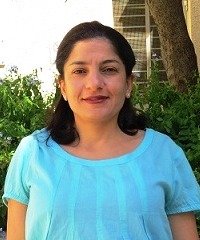 Abdulrahim Sawsan合作论文数Faculty of Health Sciences, American University of Beirut3
 Wei Zhang合作论文数Department of Plant, Soil and Microbial Sciences, Michigan State University3
 Nazmun Nahar Ratna合作论文数Crawford School of Economics and Government;College of Asia;Australian National University;College of Asia, Australian National University3
 Patrick Kilby合作论文数Australian National University3
 Perrihan Al-Riffai合作论文数2Rahul Chaturvedi合作论文数2
 Sikandra Kurdi合作论文数2
 Ivy Blackmore合作论文数Washington Univ St Louis2
 Harpinder S. Sandhu合作论文数2Ruth Suseela Meinzen-Dick合作论文数1
 Nadim Khouri合作论文数1Jagdeesh Puppala Rao合作论文数1Nicole DeMello合作论文数1Janvi Sharma合作论文数1Saiqa Perveen合作论文数1Shivanyaa Rawat合作论文数1Kaushalendra Rao合作论文数1Helen Berga合作论文数1
 Sara Elnasikh合作论文数1Seid Yimam合作论文数1
 Sandeep Kandikuppa合作论文数Environm Ecol & Energy Program, Univ N Carolina1
 Fekadu Gelaw合作论文数1Zhe Guo合作论文数Int Food Policy Res Inst1
 Juan Pablo Sarmiento Barletti合作论文数Equal Opportun Gender Justice & Tenure Team, Ctr Int Forestry Res1
 Thomas Falk合作论文数Department of Dermatohistopathology, Dermatologikum Hamburg1
 Dawit Mekonnen合作论文数IFPRI C/o ILRI P.O. Box, International Food Policy Research Institute1
 Naureen Karachiwalla合作论文数Int Food Policy Res Inst IFPRI1
 Leroy Jef L合作论文数Poverty Hlth & Nutr Div, Int Food Policy Res Inst1
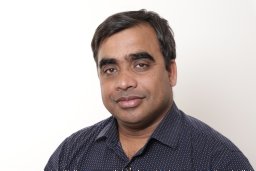 Md Alam Hossain Mondal合作论文数1
 Gilligan Daniel合作论文数Int Food Policy Res Inst1
 Harini Nagendra合作论文数School of Climate Change and Sustainability, Azim Premji University;School of Development, Azim Premji University1
 Emmanuel Obuobie合作论文数Council for Scientific and Industrial Research, Water Research Institute1




