In this paper, we propose an autonomous robot packing system named RoboPacker designed to tightly store cluttered general objects into shipping boxes with high space utilization, which is a fundamental process in numerous industrial applications. However, achieving tight packaging for general objects often demands significant labor from human packers, particularly in high-throughput scenes. Compared to existing robot packing approaches, RoboPacker effectively overcomes challenges such as diverse object appearances, severe occlusion, and crowded packing spaces. Specifically, we propose an open-vocabulary shape estimation method to reconstruct complete point clouds for cluttered objects. We also design effective interactions with object clutter to gather informative visual clues for shape estimation under high uncertainty. Additionally, we introduce a hierarchical reinforcement learning framework to optimize packing order, location, and orientation for maximum space utilization. The robotic packing system integrates these techniques with feasible manipulation methods for real-world implementation. In this way, RoboPacker achieves efficient packing of novel and irregular objects, which is more suitable for real deployment environments. The Real-world experiments demonstrate RoboPacker can tightly pack 20 densely cluttered everyday objects from 8 seen and 4 novel classes into the 40x40x20 cm shipping box with a 73.3% success rate.
Unsupervised Medical Anomaly Detection (UMAD) aims to detect focal abnormalities by learning only from nor mal samples. However, previous methods heavily rely on static feature extraction and uniform reconstruction paradigms, failing to handle the extreme scale variations of medical lesions, which lead to significant perfor mance degradation. To address this issue, we propose a Scale-Aware Modulation Network (SAMN). We designed a Scale-Aware Modulation Module (SMM), which utilizes a differential scale-aware scoring module to dynamically incorporate results from different receptive fields, thereby adapting to different abnormal scales. Additionally, we employed a Feature-Enhanced Bottleneck (FEB) to refine the fused encoder features through spatial and chan nel attention, and combined the Scale-Sensitive Mixture of Experts (SSMOE) to restore the normal patterns of specific scale anomalies. We evaluate our work on three datasets. SAMN achieves state-of-the-art (SOTA) results on the Brain Tumor and ISIC datasets, outperforming SOTA methods by 3.34% and 2.35% respectively, while maintaining competitive performance on the RSNA dataset.
Embodied world models have emerged as a pivotal paradigm for visual robotic decision-making and interactive environment simulation. However, conventional embodied frameworks rely on low-dimensional structured action vectors (e.g., joint angles and end-effector poses), which suffer from limited expressive capacity, poor generalization across diverse embodiments, and unnatural dynamic modeling for complex physical interactions. To address these limitations, this paper proposesiMac (Image as Action Control), a novel unified control paradigm that treats raw visual images as native action representations for embodied world models. Departing from traditional explicit kinematic action encoding, iMac formulates continuous visual manipulation as image-based action tokens, which inherently encapsulate spatial motion intentions, interactive geometric constraints and subtle physical dynamics. We construct a dual-branch embodied architecture consisting of an image-action encoder and a dynamic world predictor: the encoder compresses target-driven visual images into compact action embeddings, while the predictor learns environment transition rules conditioned on image actions to achieve high-fidelity future state prediction and closed-loop embodied control. Extensive experiments are conducted on public embodied manipulation benchmarks and real-world robotic scenarios. The results demonstrate that iMac outperforms vector-based action control baselines in prediction accuracy, task success rate and cross-scene generalization ability. Moreover, our image-action design eliminates the reliance on manually defined action spaces, realizing flexible and universal control for heterogeneous embodied agents. This work provides an innovative visual-action perspective for embodied world models, offering a simple yet effective paradigm for scalable robotic perception and manipulation.
Cross-generation kinship verification is fundamentally limited by the scarcity of training pairs that exhibit extreme age variations. To bridge this gap, we introduce a generative data augmentation framework that explicitly enriches the age diversity within each kinship pair. A face generative model is first used to create a set of synthetic facial variations for each subject, aimed at constructing an age-diverse sample bank prior to training. From this bank, region-aware composition synthesizes novel facial variants, creating a continuous spectrum of age appearances for training. To preserve kinship-relevant identity information across this synthesized spectrum, we introduce a synthetic consistency constraint, which anchors the learning process by enforcing feature-level proximity between original and generated images of the same identity, ensuring that age augmentation strengthens, rather than distorts, the core kinship relationship. When integrated into existing kinship verification frameworks, our approach achieves consistent and significant performance improvements across three large-scale benchmark datasets under various baseline models. Evaluated on the FIW dataset-the most widely used benchmark in kinship recognition-our framework yields an average accuracy gain of 1.1% compared to current state-of-the-art (SOTA) methods, with improvements in specific categories reaching up to 2.1% in the most challenging cross-generation tasks.
Incrementally recovering real-sized 3D geometry from a pose-free RGB stream is a challenging task in 3D reconstruction, requiring minimal assumptions on input data. Existing methods can be broadly categorized into end-to-end and visual SLAM-based approaches, both of which either struggle with long sequences or depend on slow test-time optimization and depth sensors. To address this, we first integrate a depth estimator into an RGB-D SLAM system, but this approach is hindered by inaccurate geometric details in predicted depth. Through further investigation, we find that 3D Gaussian mapping can effectively solve this problem. Building on this, we propose an online 3D reconstruction method using 3D Gaussian-based SLAM, combined with a feed-forward recurrent prediction module to directly infer camera pose from optical flow. This approach replaces slow test-time optimization with fast network inference, significantly improving tracking speed. Additionally, we introduce a local graph rendering technique to enhance robustness in feed-forward pose prediction. Experimental results on the Replica and TUM-RGBD datasets, along with a real-world deployment demonstration, show that our method achieves performance on par with the state-of-the-art SplaTAM, while reducing tracking time by more than 90%. Code is available at https://github.com/wangyr22/DepthGS
Farthest Point Sampling (FPS) is widely used in existing point-based models because it effectively preserves structural integrity during downsampling. However, it incurs significant computational overhead, severely impacting the model's inference efficiency. Random sampling or grid sampling is considered faster downsampling methods; however, these fast downsampling methods may lead to the loss of geometric information during the downsampling process due to their overly simplistic and fixed rules, which can negatively affect model performance. To address this issue, we propose FastAdapter, which aggregates local contextual information through a small number of anchor points and facilitates interactions across spatial and layer dimensions, ultimately feeding this information back into the downsampled point cloud to mitigate the information degradation caused by fast downsampling methods. In addition to using FastAdapter to enhance model performance in methods that already employ fast downsampling, we aim to explore a more challenging yet valuable application scenario. Specifically, we focus on pre-trained models that utilize FPS, embedding FastAdapter and replacing FPS with random sampling for lightweight fine-tuning. This approach aims to significantly improve inference speed while maintaining relatively unchanged performance. Experimental results on ScanNet, S3DIS, and SemanticKITTI demonstrate that our method effectively mitigates the geometric information degradation issues caused by fast downSampling.
Local sampling plays a key role in modeling 3D point clouds. Due to the disordered and unstructured nature of point cloud data, conventional 3D deep models such as PointNet++ and its variants usually employ random or fixed rules to sample local neighborhoods, leading to considerable redundancy in the feature aggregation process. In this paper, we propose a self-supervised method for learning to adaptively select effective neighbors. Firstly, we observe that only a part of sampled points contributes to the aggregated features after the max-pooling operation in existing point cloud models. Then, based on this observation, we propose a simple and task-oriented metric to evaluate the sampling efficiency by measuring the effective neighbors in the feature aggregation process. The metric is also used to supervise a lightweight neighborhood scoring module (NSM), which is designed to efficiently select effective neighboring points from a wider range of neighbors to reduce the computational cost and keep the performance superior. To further improve the performance, we introduce Neighborhood Attention in the feature aggregation process according to the importance score of neighborhood points predicted by NSM. Experimental results show that our method is simple and efficient, and can be applied to most tasks and models to reduce the computational cost and keep the performance superiority.
Recent trends in SLAM and visual navigation have embraced 3D Gaussians as the preferred scene representation, highlighting the importance of estimating camera poses from a single image using a pre-built Gaussian model. However, existing approaches typically rely on an iterative render-compare-refine loop, where candidate views are first rendered using NeRF or Gaussian Splatting, then compared against the target image, and finally, discrepancies are used to update the pose. This multi-round process incurs significant computational overhead, hindering real-time performance in robotics. In this paper, we propose iGaussian, a two-stage feed-forward framework that achieves real-time camera pose estimation through direct 3D Gaussian inversion. Our method first regresses a coarse 6DoF pose using a Gaussian Scene Prior-based Pose Regression Network with spatial uniform sampling and guided attention mechanisms, then refines it through feature matching and multi-model fusion. The key contribution lies in our cross-correlation module that aligns image embeddings with 3D Gaussian attributes without differentiable rendering, coupled with a Weighted Multiview Predictor that fuses features from Multiple strategically sampled viewpoints. Experimental results on the NeRF Synthetic, Mip-NeRF 360, and T&T+DB datasets demonstrate a significant performance improvement over previous methods, reducing median rotation errors to 0.2 degrees while achieving 2.87 FPS tracking on mobile robots, which is an impressive 10x speedup compared to optimization-based approaches. Project page: https://github.com/pythongod-exe/iGaussian
Enabling embodied agents to complete complex human instructions from natural language is crucial to autonomous systems in household services. Conventional methods can only accomplish human instructions in the known environment where all interactive objects are provided to the embodied agent, and directly deploying the existing approaches for the unknown environment usually generates infeasible plans that manipulate non-existing objects. On the contrary, we propose an embodied instruction following (EIF) method for complex tasks in the unknown environment, where the agent efficiently explores the unknown environment to generate feasible plans with existing objects to accomplish abstract instructions. Specifically, we build a hierarchical embodied instruction following framework including the high-level task planner and the low-level exploration controller with multimodal large language models. We then construct a semantic representation map of the scene with dynamic region attention to demonstrate the known visual clues, where the goal of task planning and scene exploration is aligned for human instruction. For the task planner, we generate the feasible step-by-step plans for human goal accomplishment according to the task completion process and the known visual clues. For the exploration controller, the optimal navigation or object interaction policy is predicted based on the generated step-wise plans and the known visual clues. The experimental results demonstrate that our method can achieve 45.09% success rate in 204 complex human instructions such as making breakfast and tidying rooms in large house-level scenes. Code and supplementary are available at https://gary3410.github.io/eif_unknown/.
Accurately recognizing the shape of objects in dense and cluttered scenes is important for robots to perform a variety of manipulation tasks, such as grasping and packing. However, the performance of previous shape estimation methods is not satisfactory due to the heavy occlusion between objects in dense clutter. In this paper, we propose an interactive exploration framework to estimate the shape of densely cluttered objects. Our framework utilizes pixel-wise uncertainty to generate efficient interactions, allowing to achieve abetter trade-off between the shape estimation accuracy and the interaction cost. Specifically, the extracted features are utilized as network weights to predict the confidence of each proposal located on the surface of the objects. Proposals with higher confidence are considered reliable results for shape estimation. Meanwhile, we obtain the uncertainty of shape and scale estimation based on the confidence of each proposal, and further propose the adaptive fusion strategy to construct the pixel-wise estimation uncertainty height map. In addition, our proposed interaction strategy leverages the uncertainty height map to generate effective interaction actions to significantly improve the shape estimation accuracy for severely occluded objects. Therefore, the optimal accuracy-efficiency trade-off for shape estimation in dense clutter is achieved by iterating the shape estimation and interaction actions. Extensive experimental results verify the effectiveness of the proposed approach. Under challenging cases, the proposed approach has 66.7% and 52.0% less average Chamfer distance than direct estimation and random interaction, respectively.
Mobile manipulation is the fundamental challenge for robotics to assist humans with diverse tasks and environments in everyday life. However, conventional mobile manipulation approaches often struggle to generalize across different tasks and environments because of the lack of large-scale training. In contrast, recent advances in vision-language-action (VLA) models have shown impressive generalization capabilities, but these foundation models are developed for fixed-base manipulation tasks. Therefore, we propose an efficient policy adaptation framework named MoManipVLA to transfer pre-trained VLA models of fix-base manipulation to mobile manipulation, so that high generalization ability across tasks and environments can be achieved in mobile manipulation policy. Specifically, we utilize pre-trained VLA models to generate waypoints of the end-effector with high generalization ability. We design motion planning objectives for the mobile base and the robot arm, which aim at maximizing the physical feasibility of the trajectory. Finally, we present an efficient bi-level objective optimization framework for trajectory generation, where the upper-level optimization predicts way-points for base movement to enhance the manipulator policy space, and the lower-level optimization selects the optimal end-effector trajectory to complete the manipulation task. Extensive experimental results on OVMM and the real world demonstrate that MoManipVLA achieves a 4.2% higher success rate than the state-of-the-art mobile manipulation, and only requires 50 training cost for real world deployment due to the strong generalization ability in the pre-trained VLA models. Our project page can be found here.
Mobile manipulation stands as a core challenge in robotics, enabling robots to assist humans across varied tasks and dynamic daily environments. Conventional mobile manipulation approaches often struggle to generalize across different tasks and environments due to the lack of large-scale training. However, recent advances in manipulation foundation models demonstrate impressive generalization capability on a wide range of fixed-base manipulation tasks, which are still limited to a fixed setting. Therefore, we devise a plug-in module named MoTo, which can be combined with any off-the-shelf manipulation foundation model to empower them with mobile manipulation ability. Specifically, we propose an interaction-aware navigation policy to generate robot docking points for generalized mobile manipulation. To enable zero-shot ability, we propose an interaction keypoints framework via vision-language models (VLM) under multi-view consistency for both target object and robotic arm following instructions, where fixed-base manipulation foundation models can be employed. We further propose motion planning objectives for the mobile base and robot arm, which minimize the distance between the two keypoints and maintain the physical feasibility of trajectories. In this way, MoTo guides the robot to move to the docking points where fixed-base manipulation can be successfully performed, and leverages VLM generation and trajectory optimization to achieve mobile manipulation in a zero-shot manner, without any requirement on mobile manipulation expert data. Extensive experimental results on OVMM and real-world demonstrate that MoTo achieves success rates of 2.68
In this paper, we propose a new Frequency Feature Decoupling and Fusion Network (FDFN) method for robust kinship verification. Our approach begins with a multi-scale fusion module designed to acquire features with enhanced discriminative power, which are then decoupled into high-frequency and low-frequency components. High-frequency features focus on the local details of the face, while low-frequency features emphasize the overall structural information. Furthermore, we introduce a hybrid spatial attention module to refine the high-frequency features, allowing the model to concentrate on more important facial regions. At the same time, the hybrid channel attention module is employed to optimize the low-frequency features, enabling the model to pay attention to the more significant feature channels within the overall structure. Finally, a fusion module then combines the refined high and low-frequency features to produce the final image representation. Our method effectively resolves the conflict between local details and global structure, optimizing each aspect separately to obtain more discriminative facial features. Experimental results on the FIW and Kinface datasets demonstrate that our approach achieves superior performance compared to baseline methods, establishing a robust foundation for kinship verification tasks and advancing the state of fine-grained image analysis in computer vision.
In this paper, we propose a novel network framework for indoor 3D object detection to handle variable input frame numbers in practical scenarios. Existing methods only consider fixed frames of input data for a single detector, such as monocular RGB-D images or point clouds reconstructed from dense multi-view RGB-D images. While in practical application scenes such as robot navigation and manipulation, the raw input to the 3D detectors is the RGB-D images with variable frame numbers instead of the reconstructed scene point cloud. However, the previous approaches can only handle fixed frame input data and have poor performance with variable frame input. In order to facilitate 3D object detection methods suitable for practical tasks, we present a novel 3D detection framework named AnyView for our practical applications, which generalizes well across different numbers of input frames with a single model. To be specific, we propose a geometric learner to mine the local geometric features of each input RGB-D image frame and implement local-global feature interaction through a designed spatial mixture module. Meanwhile, we further utilize a dynamic token strategy to adaptively adjust the number of extracted features for each frame, which ensures consistent global feature density and further enhances the generalization after fusion. Extensive experiments on the ScanNet dataset show our method achieves both great generalizability and high detection accuracy with a simple and clean architecture containing a similar amount of parameters with the baselines.
Mobile manipulation is the fundamental challenge for robotics in assisting humans with diverse tasks and environments in everyday life. Conventional mobile manipulation approaches often struggle to generalize across different tasks and environments due to the lack of large-scale training. However, recent advances in manipulation foundation models demonstrate impressive generalization capability on a wide range of fixed-base manipulation tasks, which are still limited to a fixed setting. Therefore, we devise a plug-in module named MoTo, which can be combined with any off-the-shelf manipulation foundation model to empower them with mobile manipulation ability. Specifically, we propose an interaction-aware navigation policy to generate robot docking points for generalized mobile manipulation. To enable zero-shot ability, we propose an interaction keypoints framework via vision-language models (VLM) under multi-view consistency for both target object and robotic arm following instructions, where fixed-base manipulation foundation models can be employed. We further propose motion planning objectives for the mobile base and robot arm, which minimize the distance between the two keypoints and maintain the physical feasibility of trajectories. In this way, MoTo guides the robot to move to the docking points where fixed-base manipulation can be successfully performed, and leverages VLM generation and trajectory optimization to achieve mobile manipulation in a zero-shot manner, without any requirement on mobile manipulation expert data. Extensive experimental results on OVMM and real-world demonstrate that MoTo achieves success rates of 2.68% and 16.67% higher than the state-of-the-art mobile manipulation methods, respectively, without requiring additional training data.
In this paper, we propose an unbiased graph neural network learning method called FairScene for indoor scene synthesis. Conventional methods directly apply graphical models to represent the correlation of objects for subsequent furniture insertion. However, due to the object category imbalance in dataset collection and complex object entanglement with implicit confounders, these methods usually generate significantly biased scenes. Moreover, the performance of these methods varies greatly for different indoor scenes. To address this, we propose a framework named FairScene which can fully exploit unbiased object interactions through causal reasoning, so that fair scene synthesis is achieved by calibrating the long-tailed category distribution and mitigating the confounder effects. Specifically, we remove the long-tailed object priors subtract the counterfactual prediction obtained from default input, and intervene in the input feature by cutting off the causal link to confounders based on the causal graph. Extensive experiments on the 3D-FRONT dataset show that our proposed method outperforms the state-of-the-art indoor scene generation methods and enhances vanilla models on a wide variety of vision tasks including scene completion and object recognition.
3D object detection aims to recover the 3D information of concerning objects and serves as the fundamental task of autonomous driving perception. Its performance greatly depends on the scale of labeled training data, yet it is costly to obtain high-quality annotations for point cloud data. This motivates the use of semi-supervised learning which can additionally exploit unlabeled data to further boost the performance. While 2D semi-supervised learning methods focus on generating pseudo-labels for unlabeled existing samples as supplements for training, the structural nature of 3D point cloud data facilitates the composition of objects and backgrounds to synthesize realistic scenes. Motivated by this, we propose a hardness-aware scene synthesis (HASS) method to generate adaptive synthetic scenes to improve the generalization of the detection models. We obtain pseudo-labels for unlabeled objects and generate diverse scenes with different compositions of objects and backgrounds. As the scene synthesis is sensitive to the quality of pseudo-labels, we further propose a hardness-aware strategy to reduce the effect of low-quality pseudo-labels. In addition, we maintain a dynamic pseudo- database to ensure the diversity and quality of synthetic scenes. Extensive experimental results on the widely used KITTI and Waymo datasets demonstrate the superiority of the proposed HASS method, which outperforms existing semi-supervised learning methods on 3D object detection. We also conducted a series of experiments to analyze the effectiveness of our method including pseudo-label quality analysis, the effect of different filtering and thresholding strategies, and ablations of each component.
Optical remote-sensing image salient object detection (ORSI-SOD) poses significant challenges due to complicated object variances and interfering surroundings. Although existing methods have achieved impressive performance, they encounter difficulties in balancing deep and shallow features, leading to limitations in preserving object integrity and edge detail. To address this, we propose the integrated and detailed ensemble learning (IDEL) framework, which incorporates hierarchical branches with deep supervision. By divide-and-conquer, each branch captures information with a specific granularity, while the fusion module combines all outputs to generate the final saliency maps. To ensure the effectiveness of ensemble learning, IDEL is designed to satisfy two necessary conditions: the weak learner property and branch independence. Firstly, we utilize the Transformer blocks with a global receptive field and purify intermediate features with the deep supervision module (DSM) to enhance the performance of each branch. Secondly, we disentangle multiple branches through hardness-aware weights and hierarchical supervision labels, allowing them to learn distinct features. Qualitative visualizations demonstrate the effectiveness of each module, and extensive experimental results conducted on three popular ORSI datasets confirm the superiority of IDEL compared to other state-of-the-art (SOTA) counterparts.
Numerous prior studies predominantly emphasize constructing relation vectors for individual neighborhood points and generating dynamic kernels for each vector and embedding these into high-dimensional spaces to capture implicit local structures. However, we contend that such implicit high-dimensional structure modeling approch inadequately represents the local geometric structure of point clouds due to the absence of explicit structural information. Hence, we introduce X-3D, an explicit 3D structure modeling approach. X-3D functions by capturing the explicit local structural information within the input 3D space and employing it to produce dynamic kernels with shared weights for all neighborhood points within the current local region. This modeling approach introduces effective geometric prior and significantly diminishes the disparity between the local structure of the embedding space and the original input point cloud, thereby improving the extraction of local features. Experiments show that our method can be used on a variety of methods and achieves state-of-the-art performance on segmentation, classification, detection tasks with lower extra computational cost, such as 90.7% on ScanObjectNN for classification, 79.2% on S3DIS 6 fold and 74.3% on S3DIS Area 5 for segmentation, 76.3% on ScanNetV2 for segmentation and 64.5% mAP25, 46.9% mAP50 on SUN RGB-D and 69.0% mAP25, 51.1% mAP50 on ScanNetV2. Our code is available at https://github.com/sunshuofeng/X-3D.
 Jiwen Lu (鲁继文)合作论文数Department of Automation, Tsinghua University24
 Ziwei Wang (王子为)合作论文数School of Electrical and Electronic Engineering, Nanyang Technological University11
 Xiuwei Xu (许修为)合作论文数Department of Automation, Tsinghua University10
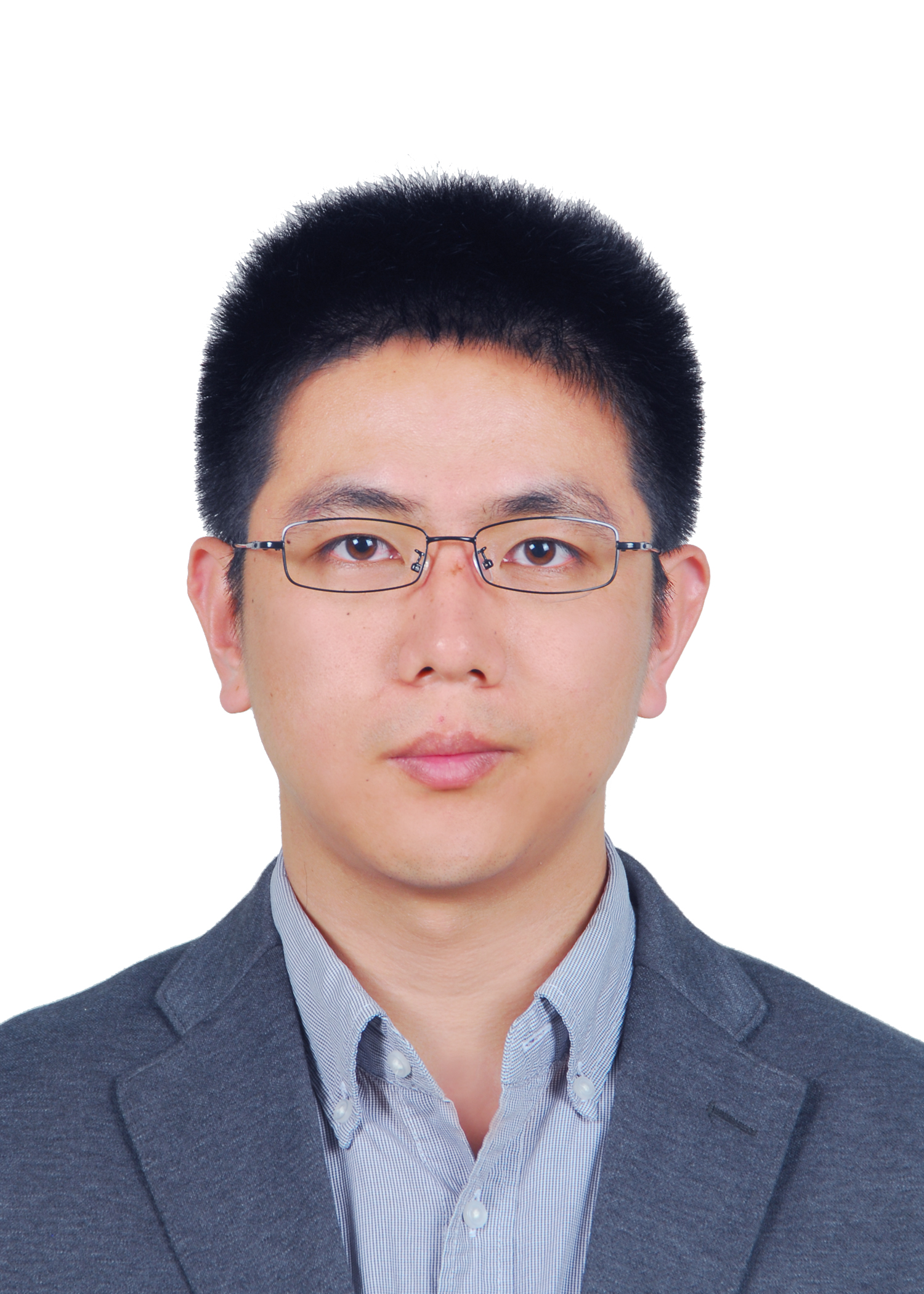 Zhenyu Wu (吴振宇)合作论文数School of Information and Communication Engineering, Beijing University of Posts and Telecommunications8
 Xiuzhuang Zhou (周修庄)合作论文数School of Artificial Intelligence, Beijing University of Posts and Telecommunications8
 Marcelo H. Ang Jr.合作论文数Centre for Intelligent Products and Manufacturing Systems, Department of Mechanical Engineering, College of Design and Engineering, National University of Singapore;Centre for Management of Science and Technology, Faculty of Engineering, National University of Singapore7
 Aun Neow Poo合作论文数Department of Mechanical Engineering, National University of Singapore5
 Chaohui Song合作论文数4
 Yuanyuan Shang (尚媛园)合作论文数Information Engineering College, Capital Normal University4Renjun Li合作论文数2
 Linqing Zhao合作论文数2
 Venice Erin Liong合作论文数Motional2
 Wang Shiwei合作论文数2
 Wenzhao Zheng (郑文钊)合作论文数Department of EECS, University of California, Berkeley2
 Y. Yang合作论文数2
 Haiyan Zhang合作论文数Institute of Geographical Sciences and Natural Resources Research Chinese Academy of Sciences2Caiyin Chen (陈彩银)合作论文数2
 Yongming Rao合作论文数2Angyuan Ma合作论文数1Yinan Liang合作论文数1Hang Yin合作论文数1Hao Wang合作论文数1Yirui Wang合作论文数1Yuheng Zhou合作论文数1Shuofeng Sun合作论文数1Chong Xia合作论文数1
 Yi Wei合作论文数Huawei1
 Xiaofeng Wang (Jeff)合作论文数Institute of Automation, Chinese Academy of Sciences1Lanchi Xie合作论文数1QingHai Zhao合作论文数1Zibu Wei合作论文数1
 Yiwen Wei合作论文数School of Electronic Engineering, Beijing University of Posts and Telecommunications1Ying Sun合作论文数Nanjing Univ Posts & Telecommun, Sch Comp Sci, Nanjing 210023, Peoples R China1GangLong Duan (段刚龙)合作论文数1SiChao Huang (黄思超)合作论文数1
 Zheng Zhu (朱政)合作论文数GigaAI1
 Erhu Zhang (张二虎)合作论文数西安理工大学1Heping Hou合作论文数1
 Borui Zhang (张博睿)合作论文数Department of Automation, Tsinghua University1Bingyao Yu合作论文数1
 Yongxin Ge (葛永新)合作论文数School of Big Data & Software Engineering, Chongqing University1Chuanjing Liu (刘川京)合作论文数1
 Hao Luo (罗浩)合作论文数Institute of Network Technology, Beijing University of Posts and Telecommunications1




