The aim of this study was to assess the prevalence of anti-dense fine speckled 70 (anti-DFS70) antibodies in a cohort of patients with undifferentiated connective tissue disease (UCTD) and to evaluate the association between anti-DFS70 positivity and clinical characteristics in a tertiary care center. This medical records review study included patients who met established classification criteria for UCTD. Antinuclear antibody (ANA) testing and the detection of ANA/DFS70 autoantibodies were performed using indirect immunofluorescence assay on HEp-2 cells. Laboratory evaluations included erythrocyte sedimentation rate, C-reactive protein, rheumatoid factor, anti-cyclic citrullinated peptides, anti-extractable nuclear antigens, anti-DNA, anti-thyroid peroxidase (anti-TPO), and antiphospholipid antibodies. Patients were categorized into two groups based on anti-DFS70 antibody status. Anti-DFS70 antibodies were detected in 68 of 555 patients (12.5
OBJECTIVE:This study investigated whether different organ involvements in Behçet's syndrome (BS) are associated with distinct comorbidity profiles. MATERIALS AND METHODS:A retrospective cohort study was conducted using records of 345 patients who met the 1990 International Study Group criteria for BS. Patients were categorized into three groups based on organ involvement: Vascular (n = 102), Mucocutaneous (n = 94), and 'Others' (n = 149). Data on comorbidities and treatments were collected, and statistical analyses were performed to compare comorbidity frequencies across the groups. Binomial logistic regression was used to examine the relationship between comorbidity profiles and involvement groups. RESULTS:The Mucocutaneous group had the lowest comorbidity rate at 37.2%, while the Vascular group showed the highest rate at 59.8%, with a significant increase in cardiovascular comorbidities such as coronary artery disease and stroke. No significant differences were found in Diabetes Mellitus (DM), hyperlipidemia (HL), or hypertension (HT) between groups. Coronary artery disease and stroke were categorized as 'cardiovascular disease (CVD).' Logistic regression showed that vascular involvement independently predicted CVD, even when adjusted for HT, DM, and HL. CONCLUSION:Vascular involvement in BS is associated with a higher burden of cardiovascular comorbidities and serves as an independent predictor of CVD. These findings may highlight the need for tailored management strategies based on specific clinical presentations.
Objective:Cyclophosphamide remains a cornerstone of remission induction therapy in granulomatosis with polyangiitis (GPA); however, the presence of resistant patients necessitating a switch to alternative agents, such as rituximab, remains a clinical challenge. Identifying predictors of cyclophosphamide resistance could improve patient stratification and optimise treatment strategies. Methods:This retrospective cohort study included 75 patients diagnosed with GPA and treated at Ankara Bilkent City Hospital between 2018 and 2023.Clinical and laboratory data were extracted from electronic medical records. Baseline characteristics, organ involvement, and serological profiles were compared between cyclophosphamide-responsive and cyclophosphamide-resistant patients. Logistic regression analysis was performed to identify independent predictors of treatment resistance. Results:75 patients with GPA analysed. The mean age was 46.1years (SD=14.0).56 patients received cyclophosphamide as first-line therapy, of whom 34 (60.7%) achieved remission, while 22 (39.3%) switched to rituximab. Of these, 17 patients (30.4%) were classified as cyclophosphamide-resistant, while 5 patients (8.9%) switched due to other reasons. Younger age was a significant predictor of cyclophosphamide resistance (OR=0.915, 95%CI:0.856-0.977, p=0.008). The presence of arthritis showed a trend toward association (OR=5.191, 95%CI:0.960-28.065, p=0.056) but did not reach statistical significance. No significant differences were observed in gender, ANCA subtypes, major organ involvement, or comorbidity burden between groups. Conclusion:Our findings suggest that younger age is associated with a higher likelihood of cyclophosphamide resistance in GPA, potentially indicating a more aggressive disease course. Although arthritis showed a potential association with resistance, further studies are needed to confirm its role.
BACKGROUND:Familial Mediterranean Fever (FMF) is a hereditary autoinflammatory disorder characterized by recurrent febrile episodes and serositis. Colchicine-resistant FMF represents a challenging subset of patients with more severe clinical manifestations, limited treatment options, and increased risk of long-term complications. OBJECTIVES:This study aimed to compare clinical manifestations, genetic mutations, comorbidities, and treatment approaches between pediatric and adult patients diagnosed with colchicine-resistant FMF. METHODS:This retrospective cross-sectional study included 107 colchicine-resistant FMF patients who received biologic treatment at Ankara Bilkent City Hospital between 2018 and 2023. Demographic, clinical, and genetic data were collected and compared between the groups. Treatment response was evaluated using the International Severity Score for FMF (ISSF). RESULTS:A total of 107 patients with colchicine-resistant FMF were included, comprising 38 pediatric and 69 adult individuals. Female predominance was noted in both groups, more prominently in pediatric patients (68.4% vs. 53.6%). Classical FMF symptoms; abdominal pain (100% vs. 89.9%, p = 0.042), fever (97.4% vs. 82.6%, p = 0.025), chest pain (57.9% vs. 24.6%, p = 0.001), and arthritis (50.0% vs. 26.1%, p = 0.013) were significantly more prevalent in pediatric patients. In contrast, adult patients more frequently presented with inflammatory back pain (40.6% vs. 10.5%, p = 0.001), persistent inflammation (24.6% vs. 7.9%, p = 0.039), and amyloidosis (36.2% vs. 2.6%, p = 0.001). Following biological treatment, median ISSF scores decreased significantly in both groups (5.0 to 0.0, p < 0.001). Although overall MEFV mutation distribution was similar between groups (p = 0.574). CONCLUSION:This study highlights significant age-related differences in clinical presentation and treatment patterns among crFMF patients. Pediatric cases tend to present with a more typical and severe phenotype, while adults exhibit higher rates of complications such as amyloidosis. These findings underscore the need for age-tailored diagnostic and therapeutic approaches in colchicine-resistant FMF.
Inflammatory arthritis (IA) is associated with an increased risk for certain malignancies, particularly lymphoma, due to underlying chronic inflammation. Conventional and targeted therapies used in IA modulate the immune system, raising concerns about the development of de novo malignancies or the progression of pre-existing ones. Managing IA patients with a history of cancer remains one of the most challenging areas for clinicians, and while international guidelines exist, they generally focus on a narrower scope. This report is the first comprehensive consensus report from Türkiye to address the relationship between IA and malignancy across a wide spectrum, including baseline risk, treatment-related risk, management of patients with a history of cancer, treatment during active malignancy, premalignant lesions, and family history. Based on a systematic literature review, this report provides evidence-based, practical recommendations for specific scenarios frequently encountered in daily practice—such as cancer development during active treatment, premalignant lesions, and family history—which are often narrowly addressed in existing international guidelines. This report will help rheumatologists standardize decision-making processes regarding the coexistence of IA and malignancy, enabling them to take safer clinical steps. By promoting risk individualization and shared decision-making between patients and clinicians, it will strengthen personalized treatment approaches that ensure both effective control of rheumatic disease and oncologic safety.
BACKGROUND AND AIM:The etiology of granulomatosis with polyangiitis (GPA) remains under discussion. This study aims to explore patterns of organ involvement, ANCA antibody profiles, seasonal attack rates, and their interrelationship among patients diagnosed with ANCA-associated vasculitis (AAV) in Central Anatolia, shedding light on its multifactorial etiology involving drugs, genetics and environmental factors. METHODS:We conducted a retrospective study involving patients aged 18 to 65 diagnosed with GPA and receiving care at Ankara Bilkent City Hospital Rheumatology Clinic. Diagnosis criteria followed the 2012 Chapel Hill Consensus Conference guidelines and the 2022 American College of Rheumatology/European Association of Rheumatology Societies classification for AAV. Patient data included demographics, antibody test results, seasons of diagnosis and flare, affected organs, and Birmingham Vasculitis Activity Score (BVAS). Organ involvement was determined based on biopsy findings or established criteria. RESULTS:Our study included 75 patients, with the majority exhibiting cANCA-IFA positivity (94.7%) and PR3-ANCA ELISA positivity (98.3%). During follow-up, 70.7% experienced their first flare, with 37.7% experiencing a second flare. Lung involvement was most common at diagnosis and during flares, followed by ear-nose-throat and renal involvement. Seasonal analysis revealed peaks in disease onset in March, November, and April, with flares more common in September, May, October, and November. Autumn was the most common season for the first flare. CONCLUSIONS:This study provides novel insights into ANCA-associated vasculitis epidemiology in Central Anatolia. Our findings underscore the intricate seasonal variation and infectious triggers of GPA exacerbations, highlighting the importance of tailored management strategies to mitigate disease flares.
OBJECTIVE:The aim of this study is to determine the frequency and clinical features of diagnosed rheumatological disease in patients who have no previous history of rheumatic disease and are consulted to the rheumatology clinic from other departments to investigate the etiology of early-onset ischemic stroke. METHODS:Patients aged 18-65, who had not previously been diagnosed with rheumatic disease, had ischemic stroke for the first time, and were consulted to rheumatology clinic to investigate the etiology of the disease, were retrospectively included in the study. Demographics, clinic laboratory, imaging data and the final diagnosis of the patients were obtained from hospital records. RESULTS:A total of 115 patients who had their first ischemic stroke were identified in the study. 70 of them were detected to have young ischemic stroke. Of these patients, 1 was diagnosed with lupus with secondary antiphospholipid syndrome (APS) and Sjögren's syndrome 1 with lupus and secondary APS, 2 with primary APS, 1 with lupus, 1 with primary Sjögren's syndrome and 1 with granulomatous with polyangiitis. CONCLUSION:Determining the correct etiological diagnosis of ischemic stroke, especially in young adults, is important in terms of preventing recurrent ischemic attacks. It is important to raise awareness of clinicians in terms of rheumatic diseases and to refer patients to the rheumatology department if deemed necessary.
OBJECTIVE:Drug survival rate and time are important to demonstrate the effectiveness of treatment in patients with axial spondyloarthritis (axSpA) in real life. Therefore, we aimed to evaluate drug survival rate and predictors of discontinuation of certolizumab and secukinumab in axSpA patients. METHODS:This single-center retrospective cohort study included patients treated with certolizumab (n=239) and secukinumab (n=64) among axSpA patients followed up at the rheumatology clinic. Clinical, laboratory, and imaging findings, treatment duration, and reasons for discontinuation were evaluated between April 2019 and December 2022. Drug survival rate and time were analyzed using Kaplan-Meier analysis, and predictive factors associated with drug discontinuation were analyzed using multivariable Cox regression analysis. RESULTS:At 12 months, drug retention rates were 76% in the secukinumab group and 73% in the certolizumab group. The overall retention rate was similar in both groups (p=0.641). The median survival time was 66.0 months in the secukinumab group vs. 62.8 months in the certolizumab group. A comparison of the patients who discontinued certolizumab treatment with those who continued showed that patients who discontinued certolizumab treatment had a higher frequency of female sex, peripheral arthritis, and inflammatory bowel disease. Comparison of the patients who discontinued secukinumab treatment with those who continued revealed that patients who discontinued secukinumab treatment only had a higher frequency of male sex. Multivariable Cox regression showed that male sex was independently associated with a lower risk of certolizumab discontinuation [hazard ratio (HR): 0.634, 95% confidence interval (CI): 0.41-0.97, p=0.036] and with a higher risk of secukinumab discontinuation (HR: 2.77, 95% CI: 1.18-6.49, p=0.018). CONCLUSIONS:Our data showed that the drug survival rate of certolizumab and secukinumab was similar in patients with AxSpA. There was a lower risk of certolizumab discontinuation and a higher risk of secukinumab discontinuation in males.
Objective:There are national and international guidelines on the optimal use of disease-modifying anti-rheumatic drugs. In this study, we aimed to provide critical insights into the real-world efficacy and adherence of these DMARDs, providing a data-driven basis for optimizing treatment paradigms for RA within the national healthcare framework. Methods:This nationwide cohort study utilized data from the Turkish Ministry of Health National Electronic Database, known as E-Pulse between January 2016 and December 2022. In this analysis, cases of RA were identified using ICD-10 codes two times at least 30 days apart Treatment prescriptions were recorded based on their prescription at baseline and follow-up. Results:There were a total of 347,902 RA (79.5% female) patients in the E-Pulse system. The mean (SD) age of RA patients was 59.1 (14.8) years Methotrexate and sulfasalazine (35.1% vs 30.5%, OR 95% CI 0.81 usage was more common in men and hydroxychloroquine was more common in women 46.764 (13.4%) patients were prescribed bDMARD and/or tsDMARD 494.499 times. AntiTNF drugs are the most commonly prescribed drugs. This is followed by B-cell blockers, JAK inhibitors, anti-IL6 and T-cell blockers. Conclusion:Turkish national health database highlights the widespread use of synthetic DMARDs in treating rheumatoid arthritis (RA). While traditional DMARDs like methotrexate and hydroxychloroquine are favored the cautious use of advanced therapies, particularly anti-TNFs, suggests a potential for optimizing treatment protocols.
Objectives: This study aims to investigate whether large unstained cells (LUCs) is a marker of inflammation in gout patients and whether it is associated with different clinical conditions such as erosion, tophus, intercritical period, and gout flare. Patients and methods: Between November 2022 and May 2023, a total of 100 consecutive adult gout patients (81 males, 19 females; mean age 53.8 +/- 12.8 years; range, 21 to 79 years) and 30 healthy controls (24 males, 6 females; mean age 57.2 +/- 10.6 years; range, 28 to 75) were included in this cross-sectional study. Data including demographics, clinical characteristics, laboratory results and direct radiography images of affected joints at the most recent visit were recorded. Results: Leukocyte counts were found to be significantly higher in gout patients (p=0.048). The LUC counts and percentages and levels of acute phase reactants were similar between the patient and control groups (p=0.401, p=0.668, p=0.222, and p=0.505, respectively). In subgroup analyses of the gout patients, there were no significant differences in LUC counts and percentages between those with tophaceous disease (p=0.650 and p=0.388, respectively), erosions (p=0.154 and p=0.137, respectively) and elevated serum uric acid levels (p=0.918 and p=0.196, respectively). However, LUC percentages were statistically significantly higher in patients without elevated C-reactive protein (CRP) and in the intercritical gout (p=0.039 and p=0.05, respectively). Conclusion: Our study results showed similar LUC counts and percentages between the gout patients and healthy controls. However, in the subgroup analysis of the gout patients, the LUC percentages were observed to be significantly higher in those without high CRP levels and in patients with intercritical gout. This finding may suggest that subclinical inflammation persists in intercritical gout.
Aim: This study evaluated the distribution of anti-rheumatic drug treatments in rheumatoid arthritis (RA) patients with chronic kidney disease (CKD) across different renal stages. Material and Method: A cross-sectional analysis included 72 RA patients with CKD (estimated glomerular filtration rate 3 months). Demographic characteristics, disease duration, laboratory results, current RA medications, and renal replacement therapy status were recorded. Additionally, the presence of extra-articular manifestations, comorbidities (including hypertension, diabetes mellitus, hyperlipidemia, coronary artery disease, cerebrovascular disease, osteoporosis, and malignancy were obtained from the electronic patient files), history of prior infections, underlying etiology of CKD, and availability of renal biopsy reports were retrospectively extracted from hospital electronic medical records. Patients were stratified by CKD renal stage (3, 4, 5). Results: Mean age was 66.7±11.8 years; 73.6% were female. Hypertension (84.7%) and diabetes (33.3%) were prevalent comorbidities. CKD etiology was undetermined in 65% of patients. Overall, 97.2% received conventional synthetic disease-modifying antirheumatic drugs (csDMARDs), 12.5% biologic disease-modifying antirheumatic drugs (bDMARDs), and 51.4% glucocorticoids. Hydroxychloroquine was the most common csDMARDs (76.4%), while methotrexate use differed significantly by CKD renal stage (stage 3: 27.7%; stage 4: 9.1%; stage 5: 0%; p=0.028). Among bDMARDs, rituximab (stage 3 only), TNF inhibitors (all stages), and tocilizumab (stage 4) were used. Etanercept was preferred in dialysis-dependent patients. Conclusion: CKD stage significantly influences RA treatment selection. Methotrexate is avoided in stage 5 CKD, while hydroxychloroquine remains the predominant csDMARD. Leflunomide and sulfasalazine use in advanced CKD exceeds prior reports. Individualized therapy, adjusted for renal function and comorbidities, is essential. Larger prospective studies are needed to validate these findings.
OBJECTIVES:The rising prevalence of rheumatic diseases (RD), coupled with a global shortage of rheumatologists, creates significant challenges for timely and accurate diagnosis. This study aimed to develop and evaluate an adaptive machine learning (ML)-based decision support system for facilitating accurate referral of patients with suspected RD to rheumatology clinics. METHODS:Participants attending a rheumatology outpatient clinic for the first time were enrolled in this study. A web-based survey, designed for patient accessibility, collected data on clinical symptoms associated with various rheumatic diseases. At the end of a 6-month follow-up, the rheumatologic disease status (correct referral/unnecessary referral) of the patients was added to the database. A fivefold cross-validation approach was employed to assess model performance. The reported results are the average of these five-fold models, reporting sensitivity, specificity, and area under the curve (AUC). RESULTS:During the 6-month follow-up period involving 843 participants, 574 were diagnosed with a rheumatologic disease. Overall, 31.9% of participants were found to have been referred unnecessarily. The ML model accurately identified patients who were appropriately referred, achieving a mean AUC of 77.9% (95% CI: 74.9%-80.9%), with a mean sensitivity of 87.1% (95% CI: 84.4%-89.8%), and a mean specificity of 67.8% (95% CI: 62.2%-73.3%) across five folds. The best-performing fold reached an AUC of 81.34% (95% CI: 78.58%-84.22%) with the sensitivity of 81.74% (78.58%- 4.90%) and a specificity of 80.95% (76.26%-85.64%). The addition of four questions (n=245) significantly improved performance metrics, with an AUC of 90.77% (95% CI 87.20-94.34), sensitivity of 89.74% (95% CI 85.14-94.34), and specificity of 92.05% (95% CI 86.05-98.05) for best fold. CONCLUSIONS:This ML-based triage tool demonstrates strong potential for accurately identifying appropriate referrals, reducing unnecessary consultations, and enhancing resource utilisation in rheumatology clinics. Our results show that performance improved through an iterative, patient-feedback-driven refinement process. Future multicentre studies are needed for validation, and collaborative efforts will be essential to maximise its impact.
BACKGROUND & OBJECTIVE:This study aimed to explore real-world factors that may influence the selection of first-line remission-induction therapy in ANCA-associated vasculitis(AAV), as well as to evaluate physician compliance with guideline recommendations and patient adherence to maintenance therapies. METHODS:A retrospective analysis of 112 patients with AAV, including granulomatosis with polyangiitis(GPA, 67%), microscopic polyangiitis(MPA, 13%),and eosinophilic granulomatosis with polyangiitis (EGPA, 20%), was conducted at a single tertiary care center using electronic health records from 2018 to 2023. Treatment regimens, patient demographics, organ involvement, and adherence to EULAR guidelines were analyzed.Patients receiving RTX or CYC as first-line remission-induction therapy were compared.Compliance was defined as alignment with guideline-recommended dosing and timing of induction therapy, while adherence during maintenance was evaluated based on consistency with prescribed regimens, assessed via prescription refill data. RESULTS:Of the 102 patients included in the study, 85 received CYC and 17 received RTX as first-line remission induction therapy.Compared to the RTX group, those receiving CYC were significantly older (median age 57 vs. 44 years, p <0.05), had higher BVAS scores (median 12 vs. 10, p = 0.02), and exhibited more comorbidities (74% vs. 35%). Organ involvement rates were similar in both groups. No significant differences in major organ involvement were observed between the two groups. RTX adherence was 100% in both the induction and maintenance phases, whereas adherence to oral maintenance therapies was notably lower, at 66% for methotrexate, 36% for mycophenolate mofetil, and 28% for azathioprine. CONCLUSION:In real-world practice, older age, higher BVAS, and a greater comorbidity burden appear to influence clinicians' preference for CYC over RTX as first-line induction,despite similar organ involvement between groups.Overall compliance with induction guidelines was high,but adherence to oral maintenance regimens remained suboptimal.These findings underscore the need for personalized treatment strategies and targeted measures to enhance long-term medication adherence in AAV.
In systemic sclerosis (SSc), the gastrointestinal (GI) system is the most frequently affected internal organ system, with involvement extending from the mouth to the anus. The aim of this study was to define GI involvement and malnutrition risk in SSc patients and to investigate the relationship of GI with other SSc-related organ pathologies. This single-center, observational cross-sectional study included patients with SSc according to the 2013 criteria of the American College of Rheumatology/European League Against Rheumatism, and healthy volunteers. The severity of gastrointestinal symptoms was assessed with the University of California, Los Angeles Scleroderma Clinical Trials Consortium Gastrointestinal Tract 2.0 (UCLA SCTC GIT 2.0), dysphagia with the Eating Assessment Tool-10 (EAT-10), and nutritional status with the Mini Nutritional Assessment Short Form (MNA-SF) questionnaire. The study included 93 SSc patients and 71 controls. According to the UCLA SCTC GIT 2.0 questionnaire of SSc patients, the severity of digestive system symptoms was mild. UCLA SCTC GIT 2.0 total score, reflux, abdominal distension, social functioning, emotional well-being symptom scores were statistically higher in the patient group than in the control group. Dysphagia symptoms and malnutrition were more common in SSc patients compared to the control group (p<0.001, p<0.001 respectively). Modified Rodnan skin score (mRSS)>10 was shown to be associated factors with UCLA-total, mRSS>10 and interstitial lung disease with EAT-10, and mRSS>10 and dyspnea with MNA-SF. conclusion, GI symptoms are frequently seen in SSc patients and may result in many complications ranging from impaired quality of life to death. It is important to evaluate and increase awareness of risk factors associated with GI disorders, dysphagia and malnutrition in SSc patients.
Background: Systemic lupus erythematosus (SLE) is an autoimmune disease with diverse systemic manifestations, including neuropsychiatric involvement (NPSLE), which can vary in severity and prognosis. Diagnosing NPSLE remains challenging, necessitating reliable diagnostic markers. CXCL13, a B-cell chemokine implicated in SLE, has garnered attention for its potential role in NPSLE. Purpose: This study aimed to assess serum CXCL-13 levels in NPSLE patients compared to SLE patients without neuropsychiatric symptoms and healthy controls. Research Design: All study groups were studied CXCL-13 levels from blood samples. Study Sample: One hundred twenty-five participants were categorized into four groups: SLE patients with active NPSLE (n = 6), SLE patients with inactive NPSLE (n = 26), SLE patients without NPSLE (n = 71), and healthy controls (n = 22). Data Collection and Analyses: Serum samples were collected at the time of enrollment and CXCL-13 levels were analysed by Enzyme Linked ImmunoSorbent Assay (ELISA) method. Results: Results indicated significantly elevated CXCL-13 levels in active NPSLE patients compared to other SLE patient groups and healthy controls (p < 0.001 for all). Patients with SLE, including those with inactive NPSLE or no history of NPSLE, had statistically significantly higher serum CXCL-13 levels compared to the control group (p < 0.001). Additionally, serum CXCL-13 levels positively correlated with disease activity assessed by the Systemic Lupus Erythematosus Disease Activity Index (SLEDAI). Conclusion: This study underscores the association between serum CXCL-13 levels and neuropsychiatric involvement in SLE, as well as their correlation with disease activity. Moreover, previous research suggesting a link between CXCL-13 levels and clinical activity in SLE further supports its potential as a diagnostic marker for NPSLE. Nevertheless, further investigations are warranted to validate the utility of CXCL-13 as a diagnostic tool for NPSLE and its role in disease management.
OBJECTIVES:This study aimed to analyse the incidence and geographical distribution of Familial Mediterranean Fever (FMF) in Turkey using the electronic medical records database (e-Pulse) of the Ministry of Health. METHODS:The study utilised nationwide health data from the e-Pulse, which has been operational since 2016. Patient selection was based on ICD-10 codes for FMF, with a minimum of two recorded codes entered at least 30 days apart. Patients aged ≥50 and those with gout-related ICD-10 codes were excluded. The prevalence and incidence of FMF in 2018 were calculated, taking into account gender, age demographics, and regional distribution. RESULTS:A total of 160,897 FMF patients were identified from a population of 82,003,882, yielding a prevalence of 139 per 10,000 individuals. The incidence was 2.78 per 10,000. The highest number of records was found among individuals aged 15-19. Geographically, the highest rate of prevalence was found in Ardahan, Bayburt, and Sivas, regions in the North-Eastern part of Turkey. Family records revealed that 11.7% of children under 18 with FMF had at least one parent diagnosed with FMF. CONCLUSIONS:FMF is beyond the definition of a rare disease and a significant health issue in Turkey, with a non-uniform distribution influenced by both genetic and historical factors. The findings of this study highlight the utility of national electronic health records like e-Pulse in conducting large-scale epidemiological research, which could guide future public health strategies for FMF patients.
Aim: This study aimed to evaluate the levels of the Prognostic Nutritional Index (PNI) in vascular and non-vascular subtypes of Behçet’s Syndrome (BS) and its potential utility in distinguishing vascular involvement. Material and Method: This retrospective cohort study included 386 patients diagnosed with BS based on ISG criteria. Patients were categorized into vascular (n=100) and non-vascular (n=286) involvement groups. Subgroup analyses assessed organ-specific patterns of involvement. PNI values were calculated as 10 × serum albumin (g/dL) + 0.005 × total lymphocyte count (/mm3). Statistical analyses were performed to compare PNI levels between subgroups. Additionally, ROC curve analysis was conducted to evaluate the discriminatory ability of PNI for detecting vascular involvement. Results: Patients with vascular involvement exhibited significantly lower mean PNI values (51.7±6.6) compared to the non-vascular group (56.9±4.4, p
OBJECTIVE:This study aims to investigate discriminatory ability of the Systemic Immune-Inflammation Index (SII), Systemic Inflammation Response Index (SIRI), and Neutrophil Percentage-to-Albumin Ratio (NPAR), in differentiating Behçet's Syndrome (BS) organ involvements from mucocutaneous involvement. METHODS:This retrospective cohort study analyzed 436 patients diagnosed with BS from 2018 to 2023. Patients were categorized into three groups based on organ involvement: vascular, only mucocutaneous, and other organ involvement. Receiver Operating Characteristic (ROC) analysis was used to evaluate the discriminatory ability (mucocutaneous vs rest, vascular vs rest). DeLong's test was used to determine statistical differences in discriminatory power between the models. RESULTS:Out of 436, 115 patients had vascular involvement. SII, SIRI, and NPAR were notably elevated in the vascular involvement group (p < 0.001). ROC analysis revealed that, SII, SIRI and NPAR showed discriminative ability for vascular involvement with AUCs of 0.87 for SII, 0.87 for SIRI, and 0.88 for NPAR. Pairwise comparisons using DeLong's test indicated that all three models performed similarly. CONCLUSION:SII, SIRI, and NPAR are promising noninvasive biomarkers for predicting vascular involvement. These indices, derived from routine laboratory tests, could enhance early screening and may improve patient outcomes by enabling timely intervention.
Background: Research in various chronic rheumatic conditions has indicated a high prevalence of comorbidities, and the presence of multiple comorbidities is linked to unfavorable outcomes. The same applies to psoriatic arthritis (PsA), a disease with higher prevalance of cardiovascular and other comorbidities which is associated with poorer outcomes [1]. Objectives: In this assessment, we aimed to define the rate of rheumatic and non-rheumatic comorbidities using national health registry. Methods: Datasystem and patients selection; A nationwide cohort assessment was conducted using the Turkish National Health Data System, which utilizes health data warehouses established by the Ministry of Health since 2014. These warehouses, facilitated through computer applications, cover the entire country and draw data from the Turkish Ministry of Health National Electronic Database (E-Pulse), operational nationwide since 2016. The E-Pulse system encompasses clinical records of over eighty million individuals in Turkey, comprising demographic details, laboratory results, drug histories, and comorbidities. In this analysis, cases of PsA were identified using ICD-10 codes (M07, M09, their subgroups), with cases defined as patients having the respective ICD-10 codes entered at least twice with a 30-day interval.Comorbidities; Comorbidity was considered to be present in patients with the same disease ICD-10 code entered at least 3 times without a time limit. Glucose intolerance (HgA1c ≥ 6.5%), hypertension, hyperlipidemia, thrombosis (venous or arterial), chronic liver disease, hepatitits B and C, kidney disease, lung diseases, chronic depression, fibromyalgia, cancer were determined as non-rheumatic comorbidities and connective tissue overlap was determined for rheumatic comorbidity assessment. Results: Overall, there were 40.643 (26.696 female 65.9%) PsA patients in Turkey between 2016-2022. Hypertension (41.0%) and depression (27.4%) were the most common co-morbid conditions in all PsA patients. Any connective tissue disorders was comorbid in approximately 2% of patients. Any CTD, especially Sjögren’s syndrome, asthma, neuropsychiatric syndromes (depression and fibromyalgia) were more common in female PsA patients (Figure 1). Cardiovascular disease, COPD, kidney disease and hepatitis are more common in men. Comorbidities such as malignancy and thrombosis, which are important in treatment selection, are similar in both gender Conclusion: In international treatment recommendations, comorbidities are a prominent condition in treatment management. Gender also plays a decisive role in the prominence of comorbidities. As a matter of fact, while malignancy and thrombosis, which may be decisive in treatment decision-making, are equally present in both sexes, neuropsychiatric diseases and concomitant CTDs, which will come to the fore in patient evaluation, are more prominent in women. This should be taken into consideration when making treatment decisions. REFERENCES: [1] Gupta S, Syrimi Z, Hughes DM, Zhao SS. Comorbidities in psoriatic arthritis: a systematic review and meta-analysis. Rheumatol Int. 2021 Feb;41(2):275-284. doi: 10.1007/s00296-020-04775-2. Epub 2021 Jan 9. PMID: 33423070; PMCID: PMC7835184 Acknowledgements: NIL. Disclosure of Interests: None declared.
 Hasan Satıs合作论文数63
 Ataş Nuh合作论文数59Berna Goker合作论文数57
 Mehmet Akif Ozturk合作论文数Tıp Fakültesi, Gazi University55Reyhan Bilici Salman合作论文数Department of Internal Medicine, Gazi University School of Medicine53Seminur Haznedaroglu合作论文数52
 Abdurrahman Tufan合作论文数47
 Berkan Armagan合作论文数Rheumatol Clin, Ankara City Hosp46Ozkan Varan合作论文数34
 Hazan Karadeniz合作论文数31Aslihan Avanoglu Guler合作论文数Div Rheumatol, Gazi Univ30
 Serdar Can Guven合作论文数From the Department of Physical Medicine and Rehabilitation, Hacettepe University Medical School29
 Orhan Kucuksahin合作论文数25Umut Kalyoncu合作论文数25A. Tufan合作论文数24
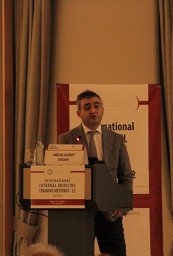 Abdulsamet Erden合作论文数Internal Medicine Department, Kayseri Training and Research Hospital22
 Hamit Kucuk合作论文数Sch Med, Gazi Univ21Omma Ahmet合作论文数21Levent Kiliç合作论文数Division of Rheumatology, Hacettepe University21Esra Kayacan Erdoğan合作论文数20Sukran Erten合作论文数18Ebru Atalar合作论文数18Ismail Dogan合作论文数Laboratoire d’Immunologie Cellulaire et Tissulaire, Hôpital Pitié-Salpetrière16
 Rezan Koçak Ulucaköy合作论文数15Hatice Ecem Konak合作论文数Ankara Phys Therapy & Rehabil Training & Res Hosp15Alper Sari合作论文数Diskapi Yildirim Beyazit Training & Res Hosp15Yuksel Maras合作论文数15
 Duygu Tecer合作论文数12Pınar Akyüz Dağlı合作论文数11
 Gözde Kübra Yardımcı合作论文数Hacettepe University Vasculitis Research Centre11
 Erdal Bodakci合作论文数11Nazife Sule Yasar Bilge合作论文数Faculty of Medicine, Internal Medicine, Eskişehir Osmangazi University11
 Timucin Kasifoglu合作论文数Department of Internal Medicine, Gulhane Military School of Medicine11Kevser Orhan合作论文数10Bahar Özdemir合作论文数Rheumatology Clinic, Ankara City Hospital9
 Dilek Yapar合作论文数Fac Med, Akdeniz Univ9
 Ali Akdoğan合作论文数Hacettepe University9
 Omer Karadag合作论文数8
 Murat Torgutalp合作论文数Dept Gastroenterol Infectiol & Rheumatol, Charite Univ Med Berlin8A. Sari合作论文数7
 Ihsan Ertenli合作论文数7Suayip Birinci合作论文数6
 G. Ayan合作论文数Med Sch, Hacettepe Univ6
 Emre Bilgin合作论文数6
 Sedat Kiraz合作论文数Department of Rheumatology, Faculty of Medicine, Hacettepe University Hospitals6E. Kayacan Erdogan合作论文数5Mustafa Okan Ayvalı合作论文数5Bünyamin Polat合作论文数5
 Ozlem Karakas合作论文数5




