Background Diversity in intensive care medicine (ICM) contributes to equity, team performance, and innovation. However, international data highlight persistent gender disparities in leadership, authorship, and specialty composition. While Türkiye appears to have balanced gender representation in critical care, a national analysis has been lacking. Methods This descriptive study evaluated gender and specialty diversity among ICM professionals in Türkiye across five domains: (1)national society leadership, (2)congress speaker rosters, (3)fellowship program directors, (4)ICM specialists, and (5)Türkiye-based PubMed-indexed ICM publications between 2015 and 2025. Data were collected from public records, institutional websites, and structured database searches. Results One of the two national societies demonstrated strong female leadership, with 55.6 % female presidents since 2005. Congress speaker data from 2004 to 2024 (n = 1567) showed increasing female representation (n = 635, 40.5 %), reaching near parity in recent years. Among 53 fellowship programs, 45.3 % of directors were female. ICM specialists (n = 571) had a near-equal gender distribution (50.6 % female). Anesthesiology was the dominant primary specialty (54.6 %) among ICM specialists. In ICM publications from Türkiye indexed in PubMed, women represented 41.6 % of all authors (n = 7073) across 1107 ICM publications, with 59.0 % led by a female first or last author. Conclusion Türkiye shows encouraging trends in gender equity across clinical and academic ICM. These gains may reflect equitable public policies, gender-balanced specialty pipelines, and visible female role models. While challenges remain—particularly in senior authorship and society leadership—Türkiye's experience may offer valuable lessons for global equity in ICM. Further research should explore other dimensions, including race/ethnicity and socioeconomic background, which are underreported in current systems.
ObjectiveTo document the occurrence of post-intensive care syndrome (PICS) in intensive care unit (ICU) survivors with coronavirus disease-2019 (COVID-19) up to one year.MethodsRetrospective observational study at a university hospital post-ICU outpatient clinic. Patients were followed up in-person at 1 month, 3 months, 6 months and one-year after hospital discharge. Cognitive, physical and psychological domains of PICS were evaluated. PICS was defined as at least one dysfunction in the assessment tools in each domain.ResultsSixty-four patients were evaluated during the study period. Median age was 62.5 (55.0-71.0). Fifty-eight percent of them were male. Median APACHE II and admission SOFA scores were 13 (10-16) and 3 (3-4), respectively. Sixty-four, 54, 44, 20 patients were evaluated during the 1 -month, 3-month, 6-month and one-year visits. 94% of patients had PICS at the 1st visit and this declined to 75% in one-year. The ratio of patients who fulfilled all PICS domains were 15%, 10%, 13% and 13%, respectively at 4 follow-up visits. Physical impairment was the most commonly observed dysfunction during all visits.DiscussionThis study showed that at least one domain of PICS persisted in 75% of patients at one-year in COVID-19 ICU survivors.
ABSTRACT BACKGROUND: Oxygen is widely used to treat hypoxemia. OBJECTIVE: To determine the frequency of inappropriate oxygen administration in patients admitted to Internal Medicine (IM) wards and intensive care units (ICU). DESIGN AND SETTING: Single-center prospective, observational study in a tertiary university hospital in Ankara, Türkiye. METHODS: Patients who were hospitalized in the IM wards and ICU and were receiving oxygen were recruited. Every 6 hours, the oxygenation parameters were noted, and the averages over the first 24 hours of oxygen usage were recorded. Inappropriate usage was defined as oxygen flow rates > 6 L/min in the nasal cannula and < 5 L/min and > 10 L/min in the simple face mask, application of the simple face mask in chronic obstructive lung disease (COPD) exacerbation, SpO2 > 98% in general, or SpO2 > 92% in COPD exacerbation. RESULTS: Of the 397 patients, 20% in the IM wards and 50% of 124 in the ICU received oxygen. The oxygen method used was nasal cannula in 51%, simple face mask in 21%, and high-flow nasal cannula in 4% of the patients. Among the simple face mask applications, 46% were < 5 L/min and 5% were > 10 L/min. Among the 62% of patients with COPD exacerbations, the SpO2 was > 92%. CONCLUSION: The frequency of oxygen use was 20% among patients hospitalized in IM wards and 50% among patients in the ICU. Almost half of the simple face mask applications were inappropriate.
Type B lactic acidosis is a rare life-threatening condition associated with hematological malignancies. This condition is of great clinical importance because it requires rapid diagnosis and treatment. Its association with malignancies is based on the Warburg effect. The Warburg effect is a condition in which tumor cells prefer glycolysis over oxidative phosphorylation for energy production, which may lead to severe lactic acidosis. Here, we report two cases of patients who presented with severe lactic acidosis and hypoglycemia that could be explained by Warburg phenomenon, were followed up in the intensive care unit and subsequently diagnosed with lymphoma. We aim to contribute to the literature on Warburg phenomenon by detailing the rapid and successful management of these cases.
Midodrine is an orally approved alpha-agonist increasingly utilized in intensive care units for the treatment of refractory hypotension with peripheral effects. The current case report presents the clinical manifestation of midodrine utilization in a female patient experiencing refractory hypotension. She was admitted to the intensive care unit of a university hospital due to confusion and suspicion of intoxication. Due to the patient's hypotensive condition, vasopressor support (norepinephrine) was initiated to address shock of unidentified cause. Midodrine was recommended by the clinical pharmacist to the patient due to the persisting need for norepinephrine. This case report highlights that, based on the clinical judgement of the clinician, midodrine can be used during vasopressor weaning when no other specific cause of hypotension has been identified.
Scarce evidence is available on the epidemiology of microbiologically proven clinical infections in patients admitted to the intensive care unit (ICU) after a great earthquake. The main aim of this study was to assess clinical infections and microbiological features in patients admitted to the ICU following the 2023 earthquake in the southeastern region of Türkiye with a focus on the timing of culture positivity during their ICU stay. The secondary objectives included determining antibiotic susceptibility patterns, identifying the types of antibiotics administered upon ICU admission, evaluating the appropriateness of antibiotic usage, assessing patient outcomes, and identifying factors that influence microbiologically confirmed clinical infections. A retrospective, multicenter, observational study was conducted on adult earthquake victims admitted to the ICU after the 2023 earthquake in southeastern Türkiye. Patients were categorized into four groups on the basis of culture positivity timing at the 72-hour breakpoint and clinical characteristics were compared among these groups. Factors influencing microbiologically proven clinical infections were also analysed. A total of 107 earthquake-affected adults (58 females and 49 males, median [IQR] age: 37 [27–57] years) were analysed. Infection was present in 50.5
IntroductionThe outcomes of patients admitted to intensive care units (ICUs) after earthquakes that occurred on the 6th of February 2023 in Türkiye are unknown. Our objective was to delineate the demographic and clinical characteristics, therapeutic approaches, and ICU outcomes of earthquake victims who were hospitalized in Turkish ICUs.MethodsThis was a retrospective multicenter study of adult patients admitted to 12 ICUs across eight tertiary hospitals located in five different cities within 2 weeks after consecutive earthquakes. Clinical and laboratory data were documented at four specific time intervals: upon hospital admission and during the first, second, and third days of ICU admission. To identify independent predictors of ICU mortality, a binary logistic regression model was used for variables identified from the univariate analysis.ResultsA total of 201 patients were admitted to ICUs. The median age of the entire cohort was 36 [26–54] years. 87 patients were male (43.3%), and 114 were female (56.7%). The majority of patients (79.1%) were initially admitted to the emergency department. The median duration of being trapped under the rubble was 12 [5–31] hours. The primary reason (63.7%) for ICU admission was crush syndrome. Acute kidney injury (AKI) was identified in 61.5% of patients. Of 201 patients, 184 had information regarding ICU survival. The ICU mortality rate was 10%. A five-year increase in age, the presence of crush syndrome, and the requirement for vasopressor therapy during ICU care were independently associated with increased ICU mortality rates, while an increase of one point in the Glasgow Coma Scale (GCS) score was favorable for ICU mortality.ConclusionThis study demonstrated that crush syndrome accounted for 63.7% of the reasons for ICU admissions. The ICU mortality rate was recorded as 10%. Noteworthy independent risk factors for mortality were the presence of crush syndrome, increased age, vasopressor treatment and lower GCS score.
Background: Despite a lack of sufficient knowledge about the prevalence and impact of hypophosphatemia in critically ill COVID-19 patients, organ dysfunction, adverse clinical outcomes, and increased mortality have been consistently associated with hypophosphatemia across diverse patient populations. This retrospective, observational study aimed to investigate hypophosphatemia (HypoP) frequency and establish the correlation between variations in serum phosphorus levels and outcomes in critically ill patients with SARS-CoV-2. Methods: The research comprised 205 patients diagnosed with COVID-19 confirmed via RT-PCR. The study included COVID-19 patients who experienced respiratory failure and were in intensive care for more than 24 hours, and their phosphorus values were accurately documented. Clinical para meters, comorbidities, respiratory support requirements, and laboratory findings were analysed. Results: The study participants had a median age of 64 (IQR: 54-75 years), with hypertension being the most pre - valent chronic disease (46%). During the first three days of intensive care, 33% of the participants received conventional oxygen support, whereas 54% required intubation and mechanical ventilation (MV). During this period, hypophosphatemia was noted in 25% of patients, with an ICU admission median serum phosphorus level of 1.02 (0.87-1.25) mmol/L. The median duration of stay in the intensive care unit (ICU) was 7 days, significantly extended in patients with hypophosphatemia (p=0.046). Phosphorus levels on the third day of ICU stay were an independent predictor of ICU mortality. (COX, HR=1.48, 95% CI=1.11-1.98, p=0.006) Conclusions: During the first three days of ICU admission, 25% of SARS-CoV-2 critically ill adult patients presented with hypophosphatemia. This condition was found to increase ICU mortality rates and prolong ICU stays. Therefore, it is crucial to monitor serum phosphorus levels in the care of critically ill COVID-19 patients.
Objectives: Critically ill COVID-19 patients are at high risk of malnutrition; however, no study has directly compared the prognostic accuracy of different nutritional assessment tools. This study aimed to determine the optimal cutoff values for the Modified Nutrition Risk in the Critically Ill (mNUTRIC) score, Nutritional Risk Screening 2002 (NRS 2002), and Malnutrition Universal Screening Tool (MUST) and to evaluate their predictive value for ICU mortality. Method: A retrospective analysis was conducted on patients with laboratory-confirmed COVID-19 admitted to our ICU between 20 March 2020 and 15 June 2021. Clinical and laboratory data, as well as patient outcomes, were retrieved from electronic medical records and patient charts. The mNUTRIC, NRS 2002, and MUST scores were calculated at ICU admission. Results: The study included 397 patients, with 273 survivors and 124 non-survivors. The median age was 65 (55-76) years, and the median BMI was 26.1 (24.0-29.4). Non-survivors had significantly higher median scores in all three nutritional assessment tools compared to survivors (mNUTRIC: 5 vs. 3, NRS 2002: 4 vs. 3, MUST: 2 vs. 2; p < 0.01). At the optimal cutoff values, mNUTRIC ≥ 4 demonstrated the highest prognostic accuracy (sensitivity: 0.77, specificity: 0.74; AUC = 0.75, CI = 0.70-0.81), followed by NRS 2002 ≥ 4 (sensitivity: 0.63, specificity: 0.60; AUC = 0.62, CI = 0.56-0.67) and MUST ≥ 3 (sensitivity: 0.21, specificity: 0.91; AUC = 0.56, CI = 0.50-0.68). Higher scores were associated with increased disease severity, poorer patient performance, prolonged hospital stays, and elevated ICU, 28-day, and overall hospital mortality rates. Among the three assessment tools, only an mNUTRIC score of ≥ 4 was independently associated with ICU mortality (OR = 1.54, CI = 1.21-1.96, p < 0.01). Conclusions: At ICU admission, mNUTRIC ≥ 4, NRS 2002 ≥ 4, and MUST ≥ 3 were identified as the most accurate predictors of mortality in critically ill COVID-19 patients. However, only the mNUTRIC score was an independent predictor of ICU mortality.
The devastating earthquakes that struck southeastern Türkiye on February 6, 2023, underscored the profound social and healthcare challenges of large-scale natural disasters. These events highlighted the need for healthcare professionals to be well-prepared and equipped with the expertise to manage such crises effectively. Earthquake-induced trauma presents a wide array of medical and surgical complications, frequently requiring urgent hospitalization and specialized management for critically ill patients. However, the limited availability of comprehensive data and evidence-based guidelines complicates optimal care delivery in these scenarios. This review outlines current recommendations for the multidisciplinary management of critically ill patients with earthquake-related trauma. It underscores the significance of promptly identifying and addressing acute complications, including crush syndrome, acute kidney injury, infections, and sepsis. Key strategies such as individualized fluid and electrolyte management, nutritional interventions, and rigorous infection control measures are discussed. Additionally, this review highlights the critical roles of physiotherapy and psychological support in the rehabilitation process, as well as the importance of long-term follow-up for survivors at risk of postintensive care syndrome and posttraumatic stress disorder. To enhance future disaster response and patient outcomes, the review calls for strengthened collaboration, preparedness, and research efforts. This comprehensive examination provides a framework for managing critically ill patients hospitalized due to earthquake-related trauma, offering valuable insights for healthcare providers across multiple disciplines.
Polymyxin B and colistin are considered the last therapeutic option to treat infections caused by highly drug-resistant bacteria. However, their administration may lead to various adverse effects such as nephrotoxicity, neurotoxicity, and allergic reactions. The current case report presents the clinical manifestation of polymyxin B-associated neurotoxicity in a female patient with no chronic illness history. The patient was rescued from under rubble during an earthquake. She was diagnosed with an intra-abdominal infection caused by Acinetobacter baumannii (A. baumannii). After the initiation of the polymyxin B infusion, the patient developed numbness and tingling sensations in her hands, face, and head. On discontinuing polymyxin B and starting colistimethate, the patient's symptoms improved. Therefore, healthcare professionals should be aware of the potential risk factors associated with neurotoxicity in patients receiving polymyxin B. On identifying such symptoms treatment should be discontinued promptly to prevent further neurological damage.
There is still no ideal malnutrition risk screening tool in intensive care patients. In this study, it was aimed to screen for malnutrition in critically ill patients with NRS-2002, modified NUTRIC scores, and GLIM criteria, and determine the relationship between malnutrition and mortality in high-risk patients. Patients and methods Patients hospitalized in the Medical Intensive Care Unit were included in the study. NRS-2002 and modified NUTRIC scores were calculated and GLIM criteria were evaluated for malnutrition screening within 24 h of admission to the ICU. Patients with ≥5 points according to the NRS-2002 score and ≥ 5 points according to the modified NUTRIC score were recorded as high risk for malnutrition. According to the GLIM criteria, individuals with at least one phenotypic and etiological criteria were considered malnourished. Results Totally 106 patients admitted the study. Sixty-three (59.4%) of the patients participating in the study were male and the median age of the patients was 64 years. According to the NRS-2002 score 71 (67%) patients and 54 (50.9%) patients according to the modified NUTRIC score were found to be at high risk for malnutrition. According to GLIM criteria, malnutrition was detected in 72 (67.9%) patients. ICU mortality, hospital mortality, 28-day mortality, and 90-day mortality were evaluated according to three screening tools. In Kaplan-Meier survival analyses, 28-day mortality and 90-day mortality were found to be significant in patients who were malnourished according to all three screening scores. NRS-2002 and modified NUTRIC were found to be significant in ROC analyses to predict intensive care mortality (p = 0.002 and < 0.001). All three scores were significant in the ROC curve to predict hospital mortality, 28-day mortality, and 90-day mortality. It was determined that the modified NUTRIC score predicted intensive care, hospital, 28-day, and 90-day mortality with the best sensitivity and specificity at a cut-off value of >4 points in our population. At the same time, it has been shown that the risk of 28-day mortality decreases with reaching the target calorie in patients who are malnourished according to all three scores. Conclusion Malnutrition screening and nutrition plans should be made in critically ill patients, and necessary precautions should be taken to reach the targeted calories. The use of NRS-2002 and modified NUTRIC scores is appropriate for screening for malnutrition in critically ill patients. The GLIM criteria were found to be significant in predicting mortality and in this sense could be used to screen for malnutrition in intensive care patients.
Objectives To evaluate the presence of chronic critical illness (CCI) in COVID-19 patients and compare clinical characteristics and prognosis of patients with and without CCI admitted to intensive care unit (ICU). Methods It was a retrospective, observational study at a university hospital ICU. Patients were accepted as CCI if they had prolonged ICU stay (≥14 days) and got ≥1 score for cardiovascular sequential organ failure assessment (SOFA) score and ≥2 score in other parameters on day 14 of ICU admission which was described as persistent organ dysfunction. Results 131 of 397 (33%) patients met CCI criteria. CCI patients were older ( p = 0.003) and frailer ( p < 0.001). Their Acute Physiology and Chronic Health Evaluation (APACHE) II and SOFA scores were higher, PaO 2 /FiO 2 ratio was lower ( p < 0.001). Requirement of invasive mechanical ventilation (IMV), steroid use, and septic shock on admission were higher in the CCI group ( p < 0.001). CCI patients had higher ICU and hospital mortality than other patients (54.2% vs. 19.9% and 55.7% vs. 22.6%, p < 0.001, respectively). Regression analysis revealed that IMV (OR: 8.40, [5.10–13.83], p < 0.001) and PaO 2 /FiO2 < 150 on admission (OR: 2.25, [1.36–3.71], p = 0.002) were independent predictors for CCI. Discussion One-third of the COVID-19 patients admitted to the ICU were considered as CCI with significantly higher ICU and hospital mortality.
There is currently no practice-based, multicenter database of poisoned patients admitted to intensive care units (ICUs). The INTOXICATE study, endorsed by the ESICM and EAPCCT, aimed to determine the rate of eventful admissions among acutely intoxicated adult ICU patients. Ethical approval was obtained for this multicenter, prospective observational study, and data-sharing agreements were signed with each participating center. An electronic case report form was used to collect data on patient demographics, exposure, clinical characteristics, investigations, treatment, and in-hospital mortality data. The primary outcome, ‘eventful admission’, was a composite outcome defined as the rate of patients who received any of the following treatments in the first 24 h after the ICU admission: oxygen supplementation with a FiO2 > 40
Hospitalized patients in intensive care units (ICUs) frequently suffer from drug-related problems (DRPs). Clinical pharmacists may help to prevent, detect, and manage DRPs to improve drug safety and efficacy in multidisciplinary teams. This study aims to evaluate drug-related problems and clinical pharmacists' recommendations in the ICU of a university hospital in Turkey.Patients and methodsThis study was carried out between January–February 2023 (2 months) in the ICU of a university hospital. All patients hospitalized in the ICUs were evaluated in the study, and patients with one or more clinical pharmacists were included. During the study period, the clinical pharmacists' interventions and responses to requests from physicians were recorded. DRPs were classified according to the Pharmaceutical Care Network Europe Drug Related Problem Classification V.9.1.ResultsAt least one recommendation was made for a total of 71 patients. The mean age of the patients was 59.8 ± 21.22 years, and 41% (n = 29) were women. One hundred twenty-nine different recommendations were proposed by clinical pharmacists. Of these, 16 (12.4%) were in response to the questions requests from physicians and 113 (87.6%) of them were related to the DRPs detected by the pharmacists during their daily ward rounds. 98.4% (n = 127) of the recommendations were accepted and 79.5% (n = 101) were implemented. Recommendations were most frequently made about meropenem (n = 28, 21.7%), enoxaparin (n = 10, 7.8%) and colistin (n = 9, 7.0%). 103 (91.1%) DRPs were probable and 10 (8.9%) DRPs were existing problems. The classification of drug-related problems and recommendations is given in Table 1.ConclusionThe importance of the clinical pharmacists' interventions in the determination and management of DRPs was emphasized in this study. In our study, most DRPs were caused by drug doses, and most interventions were accepted.References1. Arredondo E, Udeani G, Horseman M, Hintze TD, Surani S. Role of Clinical Pharmacists in Intensive Care Units. Cureus. 2021 Sep 13;13(9):e17929.2. Chiang LH, Huang YL, Tsai TC. Clinical pharmacy interventions in intensive care unit patients. J Clin Pharm Ther. 2021;46(1):128–133.
Two consecutive earthquakes that razed the southeast part of Turkiye on February 06, 2023, were one of the strongest earthquakes ever recorded in the last century. Unfortunately, over 13 million people were affected in 11 provinces, and around 50,000 patients passed away, based on the official reports of the Turkish Government (1). Data from previous earthquakes demonstrated that 80% of patients who suffered from earthquakes stuck under the rubble suddenly died, and 10% survived with minor injuries. The remaining 10% of patients had severe injuries and needed hospitalization, including intensive care unit (ICU) admission (2). Presenting the issues encountered in earthquakes and sharing experiences and the results of the medical interventions can enable more accurate treatments to be applied after future earthquakes. Therefore, this study aims to provide information regarding the characteristics of earthquake-related medical disorders, the applied treatment modalities, and the outcomes in patients admitted to intensive care units who were affected by the earthquakes occurred on February 06, 2023.Patients and methodsThe data of earthquake victims admitted to 13 ICUs of 9 hospitals in Turkiye between February 6, 2023, and March 6, 2023, were recorded retrospectively. All adult patients with an ICU stay of >24 h were enrolled in the study. Patient demographics, medical history, admission, and 72 h follow-up parameters (complications, respiratory and hemodynamic support, nutrition, sedation) and laboratory findings (biochemistry, hemogram, coagulation parameters, cardiac enzymes) and outcomes were retrospectively recorded from hospitals' printed and electronic health record systems.ResultsTwo hundred two (N = 202) patients with a median age of 35.5 [IQR,26–56] years were included. 56.4% of them were male. The APACHE-2 and admission SOFA scores were 16.8 ± 8.3 and 3.5 [IQR,1–6], respectively. The median time from being stuck under the rubble to rescue was 12 h [IQR,6–31.5]. Crush syndrome was diagnosed in 63.8%, and 60.8% had acute kidney injury at ICU admission. Forty-nine patients (24.2%) received intermittent hemodialysis before ICU admission. During their ICU stay, 33.1% required invasive mechanical ventilation, 20.7% had vasoactive drug support, and 43.5% needed renal replacement therapy. The median ICU length of stay was 5[IQR,2–10] days, with an 11.3% 28-day mortality rate.ConclusionCrush syndrome and acute kidney injury (AKI) are frequent complications of earthquake victims requiring intensive care follow-up. Renal replacement therapy is needed in more than half of AKI patients, which should be considered in future disasters to arrange health resources.References1. https://en.afad.gov.tr/press-bulletin-36-about-the-earthquake-in-kahramanmaras2. Better OS. The crush syndrome revisited. Nephron. 1990;55(2):97–103. doi:10.1159/000185934. PMID: 2194135.
Respiratory rate (RR) is inadequate to estimate the deterioration in patients with acute respiratory failure. Monitoring of tidal volume (TV) and minute ventilation (MV) could be valuable for early detection of high-risk patients for intubation (1). ExSpiron®1Xi allows noninvasive monitoring of TV and MV (2); however, it has not been extensively used in patients with respiratory failure. Therefore, we aimed to assess the applicability of ExSpiron®1Xi in respiratory failure to determine whether TV and MV correlate with values obtained from the mechanical ventilator.Patients and methodsNine intubated male patients with hypoxemic respiratory failure whom were monitored with ExSpiron®1Xi in Hacettepe University Medical Intensive Care Unit were included in this retrospective study. The data obtained from ExSpiron®1Xi and the invasive mechanical ventilator (Dräger® Evita® Infinity® V500 and Dräger® Evita® V300) was recorded from patient files.ResultsThe median age of the patients were 69 [IQR, 67; 73]. Median APACHE II and SOFA scores were 27 [IQR, 20; 28] and 6 [IQR, 5; 10], respectively. In total, 69 paired samples, simultaneously recorded by invasive mechanic ventilator and ExSpiron®1Xi, were included for statistical analysis. TV and MV obtained from ExSpiron®1Xi and invasive mechanical ventilator had strong correlation (r = 0.63, p < 0.001, and r = 0.67, p < 0.001), whereas RR had very strong correlation (r = 0.84, p < 0.001). The Bland-Altman analysis showed an agreement for interchangeable use of TV, RR and MV between ExSpiron®1Xi and invasive mechanical ventilator [TV = Bias: −23.6 (−42.3 to −4.8), ULoA: 129.2 (97.1 to 161.4), LLoA: −176.4 (−208.5 to −144.2)], [RR = Bias: 0.09 (−0.47 to 0.66), ULoA: 4.7 (3.75 to 5.71), LLoA: −4.5 (−5.5. to −3.6)] and [MV = Bias: −0.42 (−0.89 to 0.04), ULoA: 3.3 (2.5 to 4.1), LLoA: −4.2 (−5.0 to −3.4)].ConclusionExSpiron®1Xi can be used for noninvasive monitoring of TV, RR and MV in patients with acute respiratory failure. However, future studies are needed to early predict the deterioration of respiratory status and prevent late intubation in patient with acute respiratory failure.References1) Lynn LA, Curry JP. Patterns of unexpected in-hospital deaths: a root cause analysis. Patient Safety in Surgery 2011;5:3.2) Gomez-Morad AD, Cravero JP, Harvey BC et al. The evaluation of a noninvasive respiratory volume monitor in pediatric patients undergoing general anesthesia. Anesthesia & Analgesia 2017;125:1913–9)
Glycemic variability (GV) is higher among critically-ill patients and can be one of the indicators of worse outcomes. The purpose of the study is to determine whether GV effects development of chronic critical illness (CCI) and mortality.Patients and methodsIn this prospective, observational, single-center study, patients admitted to medical ICU between 22 February 2023 and 30 May 2023 who had at least three blood glucose samples per day have been included. Blood glucose values during the first 24 h and the first week were used to determine GV by calculating standard deviation (SD), coefficient of variation (CV) (CV=SD/mean), maximal blood glucose difference (MGD) (absolute maximum-minimum glucose level), mean absolute glucose (MAG) ((Σ∣ΔBG∣) / (Δ total time of observation)) and the absolute mean of daily differences (MODD). CCI was defined as ICU length of stay ≥14 days and SOFA score ≥ 2 on day 14.ResultsA total 79 patients were included in the study. Median (IQR) age was 65 (49–77), median APACHE II was 23 (19–27) and median SOFA score was 5 (4–8). Nineteen (24.1%) patients developed CCI and 8 of them (42.1%) died. Totally 17 (21.5%) patients died in the ICU. On the first day of ICU admission, median (IQR) SD was 20.9(14.4–33.2), CV was 15.1% (11.5–22.4), MGD was 55 mg/dL(39–91) and MAG was 5.5 mg/dL(2.9–8.1). First week mean glucose level was 139.1 ± 31.1 mg/dL, median SD was 28.5 (18.3–45.6), CV was 20.6% (16.7–26.1), MGD was 117.0 mg/dL (75.0–191.0), MAG was 4.5 mg/dL (2.8–8.6), MODD was 26.5 mg/dL (14.6–37.8). Comparisons of GV parameters between patients with CCI and without CCI (Table 1) and between patients who died and survived were not different (p > 0.05 for all).ConclusionGlycemic variability was not found to be associated with the development of CCI and ICU mortality in critically-ill patients. However, the study might be underpowered to determine the effect of GV on outcome.
 Arzu Topeli合作论文数Tip Fakültesi, Hacettepe Üniversitesi;Hastaliklari Anabilim Dali;Hastaliklari Anabilim Dali, Hacettepe Üniversitesi39
 Ebru Ortac Ersoy合作论文数Department of Internal Medicine, Hacettepe University22
 Goksel Guven合作论文数Erasmus MC, Intens Care, Rotterdam, Netherlands10
 Yildirim Mehmet合作论文数9
 Mehmet Yildirim合作论文数Department of General Surgery, Bozyaka Education and Research Hospital8
 Esat Kivanc Kaya合作论文数7Berrin Er合作论文数6
 Serpil Ocal合作论文数6Seda Banu Akinci合作论文数6Şahin Temel合作论文数5
 Gundogan Kursat合作论文数Faculty of Medicine, Erciyes University5Sezgin Etgul合作论文数4
 Ahmet Gorkem Er合作论文数4
 Recep Civan Yüksel合作论文数Intens Care Unit, Kayseri City Educ & Res Hosp4
 Emre Aydin合作论文数4Alpaslan Alp合作论文数4
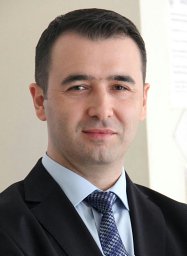 Kuyumcu Mehmet Emin合作论文数Division of Geriatric Medicine, Hacettepe University4Meltem Şimşek合作论文数4
 Meltem Halil合作论文数Medical Faculty, Hacettepe University4
 Burcu Balam Dogu Yavuz合作论文数4Mustafa Cankurtaran合作论文数4Ismail Tuna Geldigitti合作论文数3Gulay Tok合作论文数3Zeynep Sarıbaş合作论文数3
 Melda Turkoglu合作论文数3
 Taha Koray Sahin合作论文数3Ömrüm Uzun合作论文数3
 Banu Kilicaslan合作论文数Dept Anesthesiol & Intens Care, Hacettepe Univ3Gülseren Elay合作论文数3
 Metan Gökhan合作论文数Dept Infect Dis & Clin Microbiol, Erciyes Univ3Akbudak Ismail Hakki合作论文数3
 Sevtap Arikan Akdağli合作论文数Temel Tıp Bilimleri Bölümü, Tıp Fakültesi, Hacettepe Üniversitesi;Department of Microbiology and Clinical Microbiology, Hacettepe University Medical School3Altintas Neriman Defne合作论文数Intensive Care Unit, Ankara Atatürk Training and Research Hospital3
 Gulsen Hazirolan合作论文数Department of Medical Microbiology, Hacettepe University Medical School3
 Oskay Halacli Sevil合作论文数Department of Medical Oncology, Hacettepe University Cancer Institute3
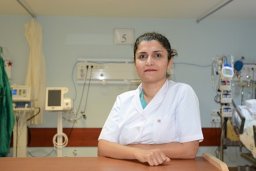 Türkay Akbaş合作论文数School of Medicine, Marmara University3
 Kutay Demirkan合作论文数3Mine Durusu Tanriover合作论文数3Yusuf Yesil合作论文数3Servet Ariogul合作论文数3
 Brijesh Patel合作论文数2Levent Kılınç合作论文数2G Kocak合作论文数2Nihal Deniz Bulut Yuksel合作论文数2Ali Ümit Esbah合作论文数2Avşar Zerman合作论文数2Derful Gülen合作论文数2Huiying Xu合作论文数2nilgun mendil合作论文数2




