To identify and contextualize the determinants of long-term employment, health, and financial outcomes among individuals affected by Long COVID. Sequential explanatory mixed-methods study design guided by the social–ecological model. Adults with Long COVID who were employed before infection and returned to work during the three-year follow-up were recruited through in-person and virtual outpatient venues: ResearchMatch, a Long COVID clinic, and a peer support group affiliated with a medical center. Participants completed validated surveys assessing factors influencing sustained employment. Stratified semi-structured interviews were then conducted to explore how these factors shaped sustained employment. Quantitative data were analyzed using descriptive and inferential statistical methods, while qualitative data were analyzed through content analysis. Among 79 participants who returned to work, 58
BACKGROUND:Adults recovering from hospitalization for acute or critical illnesses often face new or worsening physical and cognitive impairments, which can impact their driving abilities and safety. The purpose of this review is to synthesize evidence on driving behaviors and outcomes in the six months following hospitalization for acute or critical illness to guide patient care, provider recommendations, and future research. METHODS:A comprehensive search was conducted on PubMed, CINAHL, PsycINFO, and Cochrane databases from 1997 to October 20, 2023 with forward and backward searches. Primary empirical research involving vehicle drivers was included. Studies were excluded if they involved fewer than five participants, or if they focused on acute medical conditions with established driving rehabilitation programs. Two reviewers screened abstracts and full texts, resolving discrepancies through discussion. RESULTS:Nineteen studies met the inclusion criteria. Driving behavior and safety data from these studies were derived from simulators (n = 10), self-reports (n = 8) and administrative/regulatory datasets (n = 1). Simulation studies primarily focused on post-surgical populations, and brake reaction times. Self-report studies highlighted driving suspension, cessation, and perceived safety issues. The heterogeneity of study designs and populations limited formal meta-analyses. DISCUSSION:The evidence on driving safety and behavior post-hospitalization is heterogeneous and sparse, with some studies indicating no significant change in collision rates and others showing increased risks. Consequently, clinicians face challenges in recommendations on return to driving. There is a need for robust study designs and naturalistic driving studies to examine the specific impacts of hospitalization on driving safety and to develop evidence-based guidelines to address discharge planning to answer questions of "when should I return to driving?" REGISTRATION:PROSPERO identifier CRD42023464876.
Background Cardiac, pulmonary, and intensive care unit (ICU) rehabilitation/recovery programs are health promotion interventions designed to improve physical recovery, psychological well-being, and quality of life after acute illness while reducing the risk of adverse events. Objective Identify the difference in attendance rates for patients invited to a cardiac rehabilitation, pulmonary rehabilitation, or ICU recovery program and factors influencing attendance. Methods We conducted a systematic review and meta-analysis by searching PubMed, EMBASE, CINAHL, Web of Science, and manual reference lists from inception to June 3, 2024. We included studies reporting patient attendance rates in eligible programs following acute illness hospitalization. Two team members independently screened articles and extracted data, with a third member reviewing and achieving consensus when necessary. Our main outcomes focused on the proportion of attendance in eligible programs among patients referred. Results Of 3,446 studies screened, 179 studies (N = 4,779,012 patients) were included across cardiac rehabilitation (n = 153 studies), pulmonary rehabilitation (n = 11 studies), and ICU recovery (n = 15 studies) programs. Pooled attendance rates were 53 % (95 % CI: 48-57 %) for cardiac rehabilitation, 56 % (95 % CI: 42-70 %) for pulmonary rehabilitation, and 61 % (95 % CI: 51-70 %) for ICU recovery programs. Significant attendance heterogeneity was present (cardiac I2=100 %, p < 0.001; pulmonary I2=100 %, p < 0.001; ICU I2=94 %, p < 0.01). Barriers to attendance included transportation, distance, work conflicts, and patient factors (e.g., comorbidities, older age). Facilitators included male gender, younger age, higher education, income, provider recommendations, and flexible scheduling. Individual factors represented the primary domain affecting attendance. Conclusions The results indicate comparable attendance rates and factors shaping attendance across acute illness rehabilitation/recovery programs, with ICU recovery programs being the most well-attended on average. Registration PROSPERO CRD42022357261
This review explores the financial consequences that survivors of critical illness often face following hospitalization in an intensive care unit (ICU). As part of the "post-intensive care syndrome" (PICS), these survivors often experience, in addition to physical and emotional challenges of PICS, major financial burdens resulting from their prolonged ICU treatments. The escalating costs of ICU care, coupled with the potential long-term effects on survivors' ability to work and maintain financial stability, have brought financial toxicity to the forefront of health care discussions. The current review examines the causes and consequences of financial toxicity.
OBJECTIVE:To identify specific ways in which US health insurance triggered changes in care and interrupted the encounter between clinicians and patients in post-intensive care unit (ICU) clinics. STUDY SETTING AND DESIGN:This naturalistic qualitative study was nested within a randomized controlled trial that evaluated the feasibility and preliminary efficacy of a telemedicine ICU recovery clinic intervention. Adult participants were referred to a multidisciplinary ICU recovery clinic after septic shock or acute respiratory distress syndrome (ARDS) in a Southeastern US academic medical center. DATA SOURCES AND ANALYTIC SAMPLE:Data were collected from 2019 to 2021. Telemedicine ICU recovery visits within the intervention group were used in this analysis. ICU recovery visits at 3- and 12-week intervals after hospital discharge were recorded and analyzed based upon the constant comparative method. Responses were initially open coded and then consolidated with the Donabedian Model of assessing healthcare quality by two investigators to organize themes and subthemes, with discrepancies in coding resolved by consensus. PRINCIPAL FINDINGS:Thirty-three clinic visit transcripts from 19 patients revealed health insurance-related issues commonly elicited by clinicians. One in three patients raised health insurance-related issues during their clinical encounter. Structural barriers to ICU recovery included high out-of-pocket spending, the complexity of interfacing with health insurance companies, and health insurance literacy. Patients initiated modifications to intended care to overcome insurance-related barriers to recovery, including nonadherence to prescribed medications and treatments and crafting unsafe "workarounds" to recommended healthcare, with consequences to their recovery. CONCLUSIONS:We found that health insurance complexity and high out-of-pocket costs compromise the quality of care and recovery experienced by ICU survivors. These findings emphasize the need for solutions at the policy, payor, and healthcare system levels to mitigate barriers to ICU recovery created by health insurance, which can adversely influence affordable, timely, and appropriate critical illness survivor care. TRIAL REGISTRATION:NCT03926533.
Objectives We aimed to describe the content of patient-psychologist mental health related dialogues during a telemedicine intensive care unit recovery clinic visit. Research methodology/design Qualitative descriptive study nested within a randomized controlled pilot trial to assess a telemedicine intensive care unit recovery clinic feasibility and preliminary efficacy. Participants included adults hospitalized with sepsis and/or respiratory failure. Telemedicine visits occurred at 3- and 12-weeks post-discharge involving a critical care pharmacist, physician, and psychologist. The psychologist conducted cognitive and mental health screenings, providing tailored brief psychotherapy and education. Audio-recorded visits were transcribed verbatim and underwent inductive reflexive thematic analysis. Setting Intensive care unit recovery clinic at an academic medical center in the southeastern United States. Main outcome measures N/A. Findings 17 participants completed 31 telemedicine intensive care unit recovery clinic visits between December 2019 and March 2022. Caregivers participated in 13 visits. Participant experiences and psychologist responses were identified and separated into two overarching themes: 1) Patient-Identified Challenges and 2) Psychologist-Delivered Strategies. Patient subthemes included 1) mental health challenges (negative thoughts), 2) minimization of mental health impact, and 3) use of coping methods. Psychologist subthemes included 1) rapport building and validation 2) use of psychological assessments, and 3) psychological interventions. Conclusion The collaborative effort, including a psychologist, exemplifies the role of a mental health professional within the multidisciplinary intensive care unit recovery clinic team, contributing to a comprehensive approach in identifying and managing post-intensive care syndrome impairments. The focus extends to shaping compassionate care strategies for addressing mental health challenges associated with post-intensive care syndrome, fostering a holistic approach to whole-person recovery. Implications for clinical practice A mental health professional (e.g., psychologist, psychiatrist, psychiatric nurse practitioner) can contribute to shaping care strategies for the mental health symptoms associated with post-intensive care syndrome, fostering whole-person recovery after hospital discharge. Clinical trial registration number NCT03926533.
Millions of Americans endure post-COVID conditions (PCC), yet research often lacks pre-illness measurements, relying primarily on follow-up assessments for analysis. The study aims to examine the prevalence of PCC, including cognitive impairment, functional limitation, and depressive symptoms, along with relevant risk factors, while controlling for individuals' pre-illness status measured in 2018. A cross-sectional retrospective study utilized the 2018 and 2020 Health and Retirement Study surveys. Sample included individuals with COVID-19 (n = 409; average age 64) and individuals without COVID-19 (n = 8689; average age 59). COVID-19 positive: Individuals with positive tests, physician diagnoses, emergency room visits, or hospitalizations for COVID-19 between 2019-2020. Cognition was assessed using immediate and delayed word-recall tests, serial seven subtractions, and backward counting. Functional status was measured using limitations in activities of daily living (ADLs) and instrumental ADLs. Depressive symptoms were measured using the modified Center for Epidemiology Studies Depression scale. Participants' perception of experiencing PCC was collected. Logistic regression and propensity score matching were employed for these analyses. Among 409 COVID-19-positive respondents (14% hospitalized), 24% exhibited new impairments after COVID-19 infection. Noteworthy increases in functional limitation (OR [95% CI]: 2.18 [0.95, 0.97], p < 0.001) and a marginal rise in cognitive impairment (1.79 [0.99, 3.32], p = 0.053) following COVID-19 infection were observed in comparison to their pre-COVID-19 baseline. Compared to 8689 non-COVID-19 cases, the 409 COVID-19 positives showed increased functional decline (1.78 [1.26, 2.51], p = 0.001) and depressive symptoms (1.41 [1.04, 1.91], p = 0.03). Factors associated with PCC included pre-existing impairments, lower education, female gender, prior hospitalization, higher comorbidity, lower wealth, and mild COVID-19. A notable number of respondents, especially older individuals with fewer pre-existing health conditions, experienced PCC without awareness. Compared to an individual's pre-illness baseline and uninfected individuals, being positive for COVID-19 raised the risk of functional limitation, depressive symptoms, and cognitive impairment. Additionally, addressing PCC through both subjective and objective approaches is essential to alleviate individual and societal burdens.
Financial toxicity is common in individuals with COVID-19 and Long COVID. However, the extent of financial toxicity experienced, in comparison to other common comorbidities, is uncertain. Contributing factors exacerbating financial challenges in Long COVID are also unclear. These knowledge gaps are addressed via a cross-sectional analysis utilizing data from the 2022 National Health Interview Survey (NHIS), a representative sample drawn from the United States. COVID-19 cases were identified through self-reported positive testing or physician diagnoses. Long COVID was defined as experiencing COVID-19-related symptoms for more than three months. Comorbidity was assessed based on self-reported diagnoses of ten doctor-diagnosed conditions (Yes/No). Financial toxicity was defined as having difficulty paying medical bills, cost-related medication nonadherence, delaying healthcare due to cost, and/or not obtained healthcare due to cost. A total of 27,492 NHIS 2022 respondents were included in our analysis, representing 253 million U.S. adults. In multivariable logistic regression models, adults with Long COVID (excluding respondents with COVID-19 but not Long COVID), showed increased financial toxicity compared to those with other comorbidities, such as epilepsy (OR [95% CI]: 1.69 [1.22, 2.33]), dementia (1.51 [1.01, 2.25]), cancer (1.43 [1.19, 1.71]) or respiratory/cardiovascular conditions (1.18 [1.00, 1.40]/1.23 [1.02, 1.47]). Long COVID-related financial toxicity was associated with female sex, age <65 years, lack of medical insurance, current paid employment, residence region, food insecurity, fatigue, mild to severe depression symptoms experienced during the survey completion, visits to hospital emergency rooms, presence of arthritis, cardiovascular or respiratory conditions, and social activity limitations. In conclusion, American adults with Long COVID, but not those who had prior COVID-19 infection without Long COVID, exhibited a higher prevalence of financial toxicity compared to individuals with common comorbidities. Vulnerable populations were at greater risk for financial toxicity. These findings emphasize the importance of evaluating strategies to reduce economic burden and increase awareness of the effect of Long COVID-related financial toxicity on patient’s healthcare and health status.
Anxiety sensitivity is a fear of symptoms associated with anxiety (eg, rapid respiration and heart rate, perspiration), also known as "fear of fear." This fear is a misinterpretation of nonthreatening symptoms as threatening across 3 domains: physical ("When my heart rate increases, I'm afraid I may have a heart attack"), social ("If people see me perspire, I fear they will negatively evaluate me"), and cognitive ("When I feel these symptoms, I fear it means I'm going crazy or will lose control and do something dangerous like disconnect my IV"). These thoughts stimulate the sympathetic nervous system, resulting in stronger sensations and further catastrophic misinterpretations, which may spiral into a panic attack. Strategies to address anxiety sensitivity include pharmacologic and nonpharmacologic interventions. In intensive care unit settings, anxiety sensitivity may be related to common monitoring and interventional procedures (eg, oxygen therapy, repositioning, use of urine collection systems). Anxiety sensitivity can be a barrier to weaning from mechanical ventilation when patients are uncomfortable following instructions to perform awakening or breathing trials. Fortunately, anxiety sensitivity is a malleable trait with evidence-based intervention options. However, few health care providers are aware of this psychological construct and available treatment. This article describes the nature of anxiety sensitivity, its potential impact on intensive care, how to assess and interpret scores from validated instruments such as the Anxiety Sensitivity Index, and treatment approaches across the critical care trajectory, including long-term recovery. Implications for critical care practice and future directions are also addressed.
BACKGROUND:Driving a vehicle is a functional task requiring a threshold of physical, behavioral and cognitive skills. OBJECTIVE:To report patient-provider evaluations of driving status and driving safety assessments after critical illness. DESIGN:Qualitative secondary analysis of driving-related dialog drawn from a two-arm pilot study evaluating telemedicine delivery of Intensive Care Unit Recovery Clinic assessments. Multidisciplinary providers assessed physical, psychological, and cognitive recovery during one-hour telemedicine ICU-RC assessments. Qualitative secondary analysis of patient-provider dialog specific to driving practices after critical illness. SETTING AND PATIENTS:Multidisciplinary Intensive Care Unit Recovery clinic assessment dialog between 17 patients and their providers during 3-week and/or 12-week follow-up assessments at a tertiary academic medical center in the Southeastern United States. MAIN MEASURES AND KEY RESULTS:Thematic content analysis was performed to describe and classify driving safety discussion, driving status and driving practices after critical illness. Driving-related discussions occurred with 15 of 17 participants and were clinician-initiated. When assessed, driving status varied with participants reporting independent decisions to resume driving, delay driving and cease driving after critical illness. Patient-reported driving practices after critical illness included modifications to limit driving to medical appointments, self-assessments of trip durations, and inclusion of care partners as a safety measure for new onset fatigue while driving. CONCLUSION:We found that patients are largely self-navigating this stage of recovery, making subjective decisions on driving resumption and overall driving status. These results highlight that driving status changes are an often underrecognized yet salient social cost of critical illness. TRIAL REGISTRATION:Clinicaltrials.gov: NCT03926533.
Presently, ICU recovery care has appropriately focused on ICU survivor and caregiver outcomes. The provision of ICU recovery services through specialized post-ICU programs are one approach clinicians and researchers have focused their efforts on to improve outcomes.1Danesh V. Boehm L.M. Eaton T.L. et al.Characteristics of post-ICU and post-COVID recovery clinics in 29 U.S. health systems.Crit Care Explor. 2022; 4e0658Crossref PubMed Scopus (21) Google Scholar However, the impact of these ICU recovery programs on other parts of health care delivery, specifically workforce well-being, are unknown. Addressing clinician well-being and burnout has been a major priority of leading critical care societies, health care systems, and governments since 2014.2Nundy S. Cooper L.A. Mate K.S. The quintuple aim for health care improvement.JAMA. 2022; 327: 521Crossref PubMed Scopus (136) Google Scholar, 3Kleinpell R. Moss M. Good V.S. Gozal D. Sessler C.N. The critical nature of addressing burnout prevention: results from the critical care societies collaborative's national summit and survey on prevention and management of burnout in the ICU.Crit Care Med. 2020; 48: 249-253Crossref PubMed Scopus (48) Google Scholar, 4Murthy V.H. Confronting health worker burnout and well-being.N Engl J Med. 2022; 387: 577-579Crossref PubMed Scopus (65) Google Scholar Despite the negative impact of burnout on health care systems internationally, especially within critical care, there is limited evidence of feasible and sustainable interventions. Previous research has highlighted that reconnecting with the ICU team is valued by ICU survivors during recovery.5McPeake J. Boehm L.M. Hibbert E. et al.Key components of ICU recovery programs: what did patients report provided benefit?.Crit Care Explor. 2020; 2e0088Crossref Scopus (50) Google Scholar A reasonable next step is to examine this relationship from the perspective of the clinician. Therefore, using multisite international qualitative data, we sought to explore how ICU recovery programs may influence clinician well-being. The Consolidated Criteria for Reporting Qualitative Research checklist was used to report this study.6Tong A. Sainsbury P. Craig J. Consolidated criteria for reporting qualitative research (COREQ): a 32-item checklist for interviews and focus groups.Int J Qual Health Care. 2007; 19: 349-357Crossref PubMed Scopus (16940) Google Scholar We conducted a qualitative study using semi-structured interviews with international ICU recovery program clinicians involved with the Critical and Acute Illness Recovery Organization (CAIRO). CAIRO is a global learning collaborative of multidisciplinary clinicians (physicians, nurses, social workers, psychologists, pharmacists, and rehabilitation therapists).7Critical and Acute Illness Recovery Organization (CAIRO).https://criticalacuterecorg.wixsite.com/cairoDate accessed: June 10, 2023Google Scholar CAIRO aims to promote, support, and advance innovations in critical and acute illness recovery through outreach, education, and research.7Critical and Acute Illness Recovery Organization (CAIRO).https://criticalacuterecorg.wixsite.com/cairoDate accessed: June 10, 2023Google Scholar The University of Pittsburgh Institutional Review Board (#STUDY19090073) approved this study. Informed consent was obtained from participants. This analysis was nested within a study that sought to understand how the COVID-19 pandemic changed ICU recovery programs.8Eaton T.L. Sevin C.M. Hope A.A. et al.Evolution in care delivery within critical illness recovery programs during the COVID-19 pandemic: a qualitative study.Ann Am Thorac Soc. 2022; 19: 1900-1906Crossref PubMed Scopus (6) Google Scholar We included clinicians with experience in both ICU and ICU recovery program settings. We employed a stratified sampling strategy to consider diversity in age, sex, practice setting, and years of experience. All clinicians contacted completed the study. All interviews were conducted by phone or videoconference by a researcher (T. L. E.) with qualitative methodology and interviewer experience, who was known to some participants. Interview durations were 15 to 35 min and occurred between February and March 2021. All interviews were audio-recorded, transcribed verbatim, and de-identified. Interview guide content was created using previous literature in the field and iterative discussion across the research team.8Eaton T.L. Sevin C.M. Hope A.A. et al.Evolution in care delivery within critical illness recovery programs during the COVID-19 pandemic: a qualitative study.Ann Am Thorac Soc. 2022; 19: 1900-1906Crossref PubMed Scopus (6) Google Scholar The aim of the guide, which was reported in detail previously,8Eaton T.L. Sevin C.M. Hope A.A. et al.Evolution in care delivery within critical illness recovery programs during the COVID-19 pandemic: a qualitative study.Ann Am Thorac Soc. 2022; 19: 1900-1906Crossref PubMed Scopus (6) Google Scholar was to explore how the COVID-19 pandemic had influenced the delivery of care in the ICU recovery setting. This analysis delineates responses that were related to clinician well-being and the wider impact of care delivery. We analyzed data to explore how ICU recovery programs may influence clinician well-being. Analysis, based on the constant comparative method, was conducted by three experienced qualitative researchers (J. M., L. M. B., T. L. E.).9Olson J.D. McAllister C. Grinnell L.D. Gehrke Walters K. Appunn F. Applying constant comparative method with multiple investigators and inter-coder reliability.Qual Rep. 2016; 21: 26-42Google Scholar No analytic software was used. An initial coding frame was developed using open coding for a subset of interviews and then applied to subsequent interview transcripts. To guard against idiosyncratic coding, intermittent double-coding was performed on 20% of the transcripts. All discrepancies in coding were reviewed and resolved by consensus. After iterative discussions with the research team, data saturation was deemed to be achieved for the aims of the overarching study. Twenty-nine ICU recovery program clinician interviews, representing 15 international sites (Canada, United States, United Kingdom) (Table 1), yielded narratives of clinicians describing the wider impact of ICU recovery programs. Two themes were generated: reconnection between clinicians and ICU survivors, and the impact of this reconnection on clinicians. Table 2 details supporting quotes.Table 1Characteristics of CAIRO Clinicians InterviewedTotal ParticipantsN = 29Age, median (IQR), y42 (39-52)Sex Female21 (72.4) Male8 (27.6)Professional role Physician10 (34.5) Nurse5 (17.2) Pharmacist4 (13.8) Physical therapist3 (10.3) Social work2 (6.9) Psychologist2 (6.9) Respiratory therapist1 (3.4) Speech therapist1 (3.4) Occupational therapist1 (3.4)Practice setting Academic20 (69.0) Nonacademic4 (13.8) Both5 (17.2)Years in professional role, median (IQR)16 (7-21)Years working in post-ICU clinic, median (IQR)3 (1-4)Data are presented as No. (%) unless otherwise indicated. CAIRO = Critical and Acute Illness Recovery Organization; IQR = interquartile range. Open table in a new tab Table 2Themes and Exemplary QuotesThemeExemplary QuotesParticipantReconnection between clinicians and ICU survivors"I think even for the nurses and the staff, when they see the patients, it's huge. It gets really emotional on both ends." [in reference to survivor visits to the ICU]Participant 7 (nurse)". . . now I would say from burnout standpoint, I don't think there's a better way to treat that [than]. . . working in the post-ICU clinic. . . because you do get to see the good ones, because you tend to remember the bad ones, unfortunately."Participant 2 (pharmacist)"One of the happiest parts of my job is when I can bring back some success stories to the ICU. I get permission from the patients to get a photograph of them and share with our ICU nurses. . . . They really only see these patients when they're doing pretty badly."Participant 1 (physician)Impact of reconnection on clinicians". . . it's so rewarding [in reference to working in an ICU recovery program]. I think I always sort of selfishly talk about the impact the clinic has on me . . . just to see patients they cared for and how that impacts their [the ICU clinician's] joy—in work scores and things. . . . I just think it's helped me. It's nice to see some people getting better."Participant 9 (physician)"And I think all of us who do this type of practice with human beings in front of us know what the deliverable is. When somebody says, 'Thank you' and 'Oh my goodness, this means so much.' Why do we do this? This is why we do this." [in reference to ICU survivors]Participant 11 (physician) Open table in a new tab Data are presented as No. (%) unless otherwise indicated. CAIRO = Critical and Acute Illness Recovery Organization; IQR = interquartile range. Participants reported that authentic reconnection, interaction, and communication with ICU survivors allowed them to acknowledge and value the survivor's individual response to critical illness. Through a bidirectional compassionate relationship, clinicians shared that the act of feeling appreciated by the survivor during the clinic visit provided both the "stamina to keep going" and a positive feedback loop not accessible by any other mechanism. Participants described the positive impact of this reconnection on individual well-being (Table 2). Participants described feeling valued by ICU survivors and their families when interacting with them, contributing to role fulfilment and job satisfaction (Table 2). Participants also discussed the dissemination of ICU survivor recovery stories with the broader ICU clinical team through several methods, including secure staff newsletters and monthly e-mails, patient-consented photos and videos, written stories, and thank you letters from ICU survivors and families. Participants perceived a direct effect of these stories on balancing negativity bias with exposure to positive outcomes. This occurred through translating the benefits of ICU care during the pandemic into care successes seen in the ICU recovery program. In this study, conducted when COVID-19 made clinician well-being a more discernible problem, we describe the potential wider benefits of ICU recovery programs on clinician well-being via reconnection with ICU survivors after discharge. Improvements in ICU survivor and clinician well-being may be reinforcing of one another. In particular, ICU survivors endorse the importance of interpersonal interactions when reconnecting with the ICU team as they navigate recovery.5McPeake J. Boehm L.M. Hibbert E. et al.Key components of ICU recovery programs: what did patients report provided benefit?.Crit Care Explor. 2020; 2e0088Crossref Scopus (50) Google Scholar Our findings indicate that there also may be a link between ICU clinician well-being and reconnecting or feeling valued and appreciated by those we care for in the ICU. Although ICU recovery programs are not available in all health care systems, participants also described other potential low-cost mechanisms to accomplish reconnection, including small-scale changes such as written updates and visits to the ICU by survivors during recovery. Future work is required to understand how these strategies could be systematically operationalized and captured in a psychologically safe manner. A structured reconnection with the ICU survivor recovery journey appears, across multiple centers, to have the potential to improve ICU clinician well-being. These novel data provide a working hypothesis for clinician well-being research: does the reconnection with ICU survivors and their families support ICU clinician well-being? The study is limited because it was not designed to interrogate this research question; thus, other theories may have been missed. Because there is heterogeneity in geography and institutional culture among participants, not every provider of ICU recovery care may experience the benefits described. Finally, although rigorous qualitative methods were employed, other interpretations are possible. This analysis offers the hypothesis that ICU recovery programs as a mechanism to reconnect ICU clinicians with ICU survivors may provide wider benefits and positive well-being outcomes. The scalability of low-cost and potentially high-value ICU survivor-clinician feedback loops warrants future consideration.
 McPeake Joanne合作论文数Intensive Care Unit, Glasgow Royal Infirmary11
 Danesh Valerie合作论文数11
 Leanne Boehm合作论文数School of Nursing, Vanderbilt University;Division of Allergy, Pulmonary and Critical Care, Vanderbilt University10Tammy L Eaton合作论文数VA HSR&D Center for the Study of Healthcare Innovation, Implementation, and Policy, University of Michigan;Department of Systems, Populations and Leadership, University of Michigan School of Nursing9
 Kelly Potter合作论文数6
 Abigail Jones合作论文数3
 Anthony Mcdonald合作论文数3
 Rachel L Walden合作论文数Annette & Irwin Eskind Family Biomed Lib, Vanderbilt Univ2
 Theodore J. Iwashyna合作论文数Department of Internal Medicine, Medical School, University of Michigan;Survey Research Center, Institute for Social Research, University of Michigan;Division of Pulmonary and Critical Care Medicine, Department of Medicine, The Johns Hopkins Hospital;Division of Pulmonary and Respiratory, Department of Medicine, The Johns Hopkins Hospital2Shaw Martin合作论文数2Boethel Carl D合作论文数2
 Hosey Megan合作论文数2
 Thomas Valley合作论文数2
 Javed Butler合作论文数Baylor Scott and White Research Institute;Baylor Scott and White Health;Department of Medicine, University of Mississippi Medical Center2
 Hilaire Thompson合作论文数School of Nursing, University of Washington2
 Alejandro C. Arroliga合作论文数Department of Pulmonary, Allergy, and Critical Care Medicine, Cleveland Clinic2Carla M. Sevin合作论文数2Ana Lucia Fuentes合作论文数1Brittany Work合作论文数1
 Claire Bird合作论文数1
 Karl Cristie F. Figuracion合作论文数1Pei-Lin Yang合作论文数Sch Nursing, Natl Def Med Ctr1
 Yeonsu Song合作论文数School of Nursing, University of California, Los Angeles1
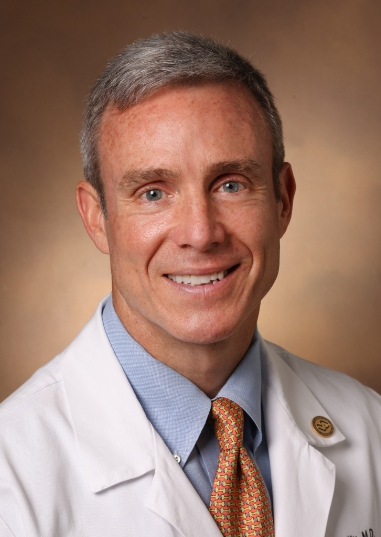 E. Wesley Ely合作论文数Vanderbilt Memory and Alzheimer's Center, Vanderbilt University Medical Center;Center for Critical Illness, Brain Dysfunction, and Survivorship, Division of Allergy, Pulmonary and Critical Care Medicine, Vanderbilt University Medical Center1
 Biren Bharat Kamdar合作论文数Div Pulm & Crit Care Med, Univ Calif Los Angeles1
 Dale Needham合作论文数School of Medicine, Johns Hopkins University1
 Kenneth M. Langa合作论文数Department of Internal Medicine, School of Public Health, University of Michigan Medical School;Institute of Gerontology, University of Michigan;Ambulatory Care Clinic, Ann Arbor VA Medical Center1
 Raeanne Moore合作论文数Department of Psychiatry, University of California San Diego;NeuroUX;KeyWise1
 Atul Malhotra合作论文数University of California San Diego1Kiehl Amy L合作论文数1
 Ann Marie Warren合作论文数Baylor University Medical Center1
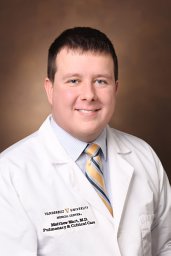 Mart Matthew合作论文数1
 Linda Gallo合作论文数Department of Psychology, College of Sciences, San Diego State University1
 Mark B Powers合作论文数University of Amsterdam1James C. Jackson合作论文数1




