Global population growth and increased food demand present challenges to enhancing the productivity and quality of agriculture systems in a sustainable manner. As the material foundation of agriculture, soil plays a decisive role in its capacity and sustainability. Centering on soil quality improvement, this review systematically summarizes the advanced strategies for sustainable agriculture driven by microalgae—an emerging bioresource—with an emphasis on mechanistic insights and feasibility analysis. In pervious researches, microalgae have demonstrated reliability in maintaining soil fertility, improving soil structure and ecological stability, and addressing soil-borne diseases and contamination; their strong adaptability was also proved favorable for restoring degraded soils and expanding arable land. However, the commercialization of microalgae-based soil improvement strategies still faces challenges in terms of high-quality germplasm, advanced technology, and guaranteed economic returns. Through an in-depth discussion of current obstacles and future breakthroughs, this article aims to provide informative insights for researchers and investors dedicated to the pursuit of agricultural sustainability.
Phycocyanin is a natural pigment with significant antioxidant properties, but its instability under heat and light limits its applications in the food industry. This study aims to enhance the thermal and light stability of phycocyanin by forming complexes with zein and resveratrol (PC-Zein-RES). PC-Zein-RES complexes (PZR-5:1, PZR-3:1, and PZR-1:1) were prepared using an antisolvent precipitation method with a fixed PC-to-Zein mass ratio of 1:1 and varying resveratrol concentrations (5:1, 3:1, and 1:1 w/w). The complexes were characterized by particle size and zeta potential analysis, fluorescence spectroscopy, Fourier-transform infrared spectroscopy, scanning electron microscopy, and X-ray diffraction. Our results show that the incorporation of resveratrol significantly reduced the average particle size to 86.94-93.75 nm by 23.7%-29.2% decrease and improved structural compactness. PZR-3:1 exhibited improved stability, with Delta E reduced by 28.4% after heating at 90 degrees C for 15 min and by 81.3% after 14 days of light exposure. Instrumental analysis showed that strong hydrogen bonding and hydrophobic interactions occurred among phycocyanin, zein, and resveratrol, leading to the formation of a protective matrix that preserved the chromophore structure. The PC-Zein-RES complex provides a more robust protective system for phycocyanin, making it suitable for applications in plant-based beverages and dairy alternatives, where pigment stability is essential. This study presents a novel approach to stabilizing natural pigments, which can enhance the shelf-life and sensory quality of clean-label food products.
Salt stress impacts crop and microalgae growth via osmotic stress, ion toxicity, and oxidative stress. Microalgae, with their efficient photosynthesis and diverse metabolism, offer promising solutions to resource scarcity and environmental challenges. The nitric oxide (NO)-cGMP-protein kinase G (PKG) signaling cascade is a conserved stress-response pathway that regulates ion homeostasis and antioxidant defense in eukaryotes. Although PKG has been shown to modulate stress adaptation through the GAMYB transcription factor in plants, its role in microalgae remains unknown. To elucidate the function of PKG in salt stress adaptation, this study focuses on a mutant strain of Chromochloris zofingiensis with inactivated cGMP-dependent protein kinase G (PKG) (Cz-pkg), and compares it to the wild-type strain (Chromochloris zofingiensis wild type, Cz-WT), analyzing their differential responses under varying salt concentrations in terms of growth, pigment metabolism, lipid accumulation, and gene expression. We found that PKG inactivation markedly reduced salt tolerance and led to a complete loss of astaxanthin accumulation, while significantly suppressing lipid biosynthesis. Transcriptomic analysis further revealed that PKG regulates key genes involved in the MEP pathway, carotenoid metabolism, and fatty acid synthesis, particularly enhancing antioxidant defense and carbon flux toward astaxanthin and lipid production. These results demonstrate that PKG acts as a central regulator in microalgal adaptation to salt stress by coordinating antioxidant responses and metabolic reprogramming. This study provides the first evidence of PKG's role in microalgal salt tolerance, offering insights for engineering stress-resilient strains and salt-tolerant crops.
Fucose-rich carbohydrates, such as 2'-fucosyllactose and fucoidan, are recognized as anti-infective components that protect the host from pathogens. In this study, the response of the common enteric pathogen Campylobacter jejuni to a specific fucose-containing trisaccharide (GuFGa, β-D-Glcp-(1 → 4)-[β-D-Galp-(1 → 3)]-α-ʟ-Fucp) fermented with human fecal microbiota was investigated using metabolomic and transcriptomic analyses. The protective effect of GuFGa-derived microbial metabolites against C. jejuni was assessed in vitro using a cell-based model. No directly inhibitory effect of GuFGa was observed with the growth of C. jejuni during single-strain cultivation. However, the supernatant of GuFGa fermented with human fecal microbiota (F-GuFGa) reduced the relative abundance of C. jejuni by tenfold within the microbial community. Transcriptome data showed that 128 differentially expressed genes of C. jejuni induced by F-GuFGa treatment were mainly enriched in oxidative phosphorylation and bacterial secretion systems (type IV). Fecal fermentation of GuFGa altered 452 differentially abundant metabolites, which were mainly enriched in phenylalanine and tryptophan metabolism. Correlation analysis indicated that the expression of type IV secretion system genes was significantly negatively correlated with the abundance of phenylacetic acid (PAA) and D-3-phenyllactic acid (D-PLA) (P < 0.05). Adhesion of C. jejuni to Caco-2 cells was reduced by treatment with F-GuFGa, PAA and D-PLA, with the highest inhibition rate observed for F-GuFGa (44.4
Microalgae, as efficient photosynthetic microorganisms, hold great potential for solar-driven carbon fixation and sustainable biomanufacturing. However, their performance is limited by spectral mismatch, inefficient electron transport, and diffusion-limited CO2 assimilation. Recent developments in microalgae-based semiartificial photosynthetic systems (SAPSs) combine living algal cells with engineered abiotic components to address these challenges without in vitro photosynthesis reconstruction. In SAPSs, microalgae provide carbon fixation, metabolic flexibility, and regulatory adaptability, while functional materials optimize photon utilization, electron transfer, CO2 concentration, and environmental robustness. This review critically examines the biological foundations of microalgae-material integration, strategies for optical enhancement, electron-transfer regulation, CO2 concentration, and stress mitigation. It discusses applications in solar fuel production, biomanufacturing, environmental remediation, and biohybrid microrobots. Despite advancements, key challenges remain, such as energy coupling at bio-abiotic interfaces, lack of standardized performance metrics, long-term stability, and sustainability concerns with nanomaterials. Future SAPS progress will require an integrated approach combining materials science, synthetic biology, and life-cycle assessment (LCA) to scale laboratory efficiencies into environmentally sustainable technologies for carbon-neutral energy conversion and biomanufacturing.
Light is a crucial regulatory factor for astaxanthin biosynthesis in microalgae under non-stress and abiotic stresses. However, its physiological impacts, molecular mechanisms and signaling pathway remain unclear. The present study showed that light could significantly promote the cell proliferation, nitrogen redistribution and astaxanthin accumulation via Target of Rapamycin (TOR) signaling pathway under nitrogen starvation condition. Compared with the dark condition, the cell density, protein content, astaxanthin content and TOR activity increased by 22 %, 100 %, 136 % and 335 % under 200 μmol m2 s-1 light intensity. But the above induction effects were significantly impaired by the inhibition of the TOR signaling pathway. Interestingly, the level of reactive oxygen species (ROS) was not positive regulator in light-induced astaxanthin accumulation, as it was decreased by light under nitrogen starvation condition. Comparative transcriptome analysis revealed that TOR-mediated light exposure upregulated the expression of key genes involved in energy production pathways, as well as carotenoid biosynthesis. Weighted gene co-expression network analysis identified genes such as MYB3R and bZIP as potential key regulatory genes downstream of TOR, contributing to high light-induced cell proliferation and carotenoid production. The whole-genome DNA methylation analysis suggested that TOR was involved in the suppression of global DNA methylation under high light, potentially facilitating gene expression. This study emphasized the regulatory mechanisms of TOR mediated light-induced astaxanthin accumulation, providing theoretical basis and induction strategy for astaxanthin production.
Background: Melanoma remains one of the most aggressive forms of skin cancer, with early detection being critical for patient outcomes. This study introduces a novel photoacoustic fingerprinting approach integrated with advanced machine learning for non-invasive melanoma detection and circulating tumor cell (CTC) identification. Methods: We developed a three-tiered photoacoustic fingerprinting system combining photoacoustic flow cytometry (PAFC) with machine learning algorithms. A uniform PAFC configuration employed a 532 nm laser for vascular localization followed by a 1064 nm laser targeting melanin-rich melanoma cells. The study included 50 melanoma patients and healthy controls, analyzing spectral features across multiple wavelengths. We compared self-supervised learning architectures (PAFCMamba vs. Transformer) and developed a hybrid CNN-Transformer model for simultaneous CTC identification, staging, and metastatic dissemination prediction. Results: The photoacoustic fingerprinting system achieved exceptional diagnostic discrimination between melanoma patients and healthy controls. Random Forest achieved area under curve (AUC) values up to 0.97. The PAFCMamba model outperformed the Transformer architecture (accuracy 0.75 vs. 0.62, AUC 0.785 vs. 0.730). The hybrid CNN-Transformer architecture achieved exceptional performance with AUCs up to 0.974 and precision > 94 % in simultaneous CTC detection, staging, and metastasis prediction. High-immunogenicity genes including MLANA, GPR89B/A, and PIGF were identified as potential immunotherapy targets, with photoacoustic signatures serving as non-invasive surrogate biomarkers for underlying molecular characteristics. Conclusions: This study establishes photoacoustic fingerprinting as a clinically viable, non-invasive approach for melanoma detection and CTC monitoring, achieving performance comparable to conventional methods. The integration of machine learning with photoacoustic biomarkers provides a scalable framework with interpretable features that facilitates clinical translation.
Renewable energy sources, particularly hydrogen, offer a promising solution to address global energy crisis and carbon emissions. Microalgae-driven hydrogen production has attracted immense interest in both scientific and industrial fields. However, challenges such as high oxygen sensitivity, substantial water demand, and low hydrogen production efficiency limit their potential. Here, we develop a core-shell symbiotic hydrogel system for enhanced hydrogen production via leveraging coaxial 3D bioprinting to spatially separate microalgae (i.e., core component) and bacteria (i.e., shell component). These networks optimize light and nutrient utilization while providing a localized anaerobic microenvironment to facilitate hydrogen production from microalgal photosynthesis. The symbiotic system enables a high hydrogen yield (1763 ± 98 mL L-1). The system not only provides a highly efficient, liquid-free strategy for biohydrogen generation, but also advances the understanding of symbiotic relationships and microorganism-material interactions for creating advanced living material systems.
Microalgae are emerging as next generation protein sources that couple carbon capture with nutrient production. They offer substantially higher protein yields per hectare than soybeans based on annual protein productivity (e.g., photoautotrophic Chlorella up to ∼20 t ha−1 yr−1 vs. soybean 0.6–1.2 t ha−1 yr−1 protein). Moving from the laboratory to industrial reality has been difficult for microalgae because of the persistent challenges in regulatory approval, consumer acceptance (e.g., flavor and color), and cost effective scale-up. This challenge arises from the longstanding fractionation paradigm, which requires energy intensive downstream processes to disassemble biomass into purified components. This review outlines a new synergistic framework that conceptually redefines microalgae as compositionally tunable, multifunctional biomass resources, rather than solely as extractive feedstocks. Cross-analysis of quantitative outcomes from strain engineering, mild processing, and functional assays reveals that the strain design, processing, and function form a continuous synergistic framework. For strain design, the metabolic and structural engineering enable tunable allocation of carbon and nitrogen and compositional control (e.g., light programming doubles lysine in Chlorella pyrenoidosa). During processing, the mild, cooperative, and fermentation methods preserve native assemblies of proteins, lipids and polysaccharides. Regarding function, the intact algal matrices deliver coordinated nutritional, physiological, and therapeutic effects. Together, these findings support the future development of microalgal foods and health applications through integrated design, processing, and evaluation.
Latent heat storage technology has been demonstrated an efficient approach to address the energy supply-demand imbalance under the "dual carbon" target. To tackle the challenge of achieving a balanced, synergistic enhancement of thermal storage density and thermal conductivity during the development of shape-stabilized composite phase change materials (PCMs), this study cleverly employs the natural waste eggshell to derive a porous skeleton material-hydrothermal eggshell (HES) for encapsulating organic polyethylene glycol (PEG) PCMs. For the first time, the capacity of PEG/HES composite PCMs in thermal management for electronic devices has been investigated. Moreover, this work breaks through the limitations of nanoparticles as "blending-type" materials by introducing "encapsulate + heat transfer" dual-functional nanoparticles-carbon nanotubes (CNTs) into HES. This structure (HES@CNT) forms a "bridge" similar to the layout of human capillaries, enabling a simultaneous enhancement of both thermal storage density and thermal conductivity. The experimental results indicate that the thermal conductivity of PEG/HES composite PCM attains 1.308 W/(m·K), which is one order of magnitude higher than that of pure PEG. Furthermore, compared to the sample without CNTs, the PEG/HES@CNT composite PCM exhibits a 3.7-fold increase in latent heat of melting, while both crystallinity and thermal storage capacity exceed 80 %. Additionally, its thermal conductivity is further enhanced by 40 %, reaching 1.690 W/(m·K). Moreover, applying both PEG/HES and PEG/HES@CNT composite PCMs to electronic components could help lower the peak surface temperature and delay the time required to reach it, thereby helping to reduce thermal-mechanical cycle fatigue in practical electronic devices use and ensuring stable operation.
Nannochloropsis is an industrially relevant marine microalga with exceptional potential as a chassis for sunlight-driven CO2 valorization. However, its broad application in synthetic biology has been constrained by the lack of a standardized and modular genetic toolbox. Here, we report the development of a comprehensive Modular Cloning (MoClo) toolkit for Nannochloropsis, based on Golden Gate assembly and a standard syntax. The toolkit comprises 91 domesticated genetic parts spanning promoters, signal peptides, selectable markers, reporter genes, tags and terminators. A large subset of these parts, including several not previously evaluated in Nannochloropsis, was functionally validated, enabling convenient and reliable transformant selection, immunodetection, and subcellular localization. To demonstrate the utility of the toolkit for multi-gene pathway engineering, modularly assembled keto-carotenoid biosynthetic pathways were introduced into Nannochloropsis, leading to substantial accumulation of canthaxanthin (4.5 mg g−1) or astaxanthin (2.8 mg g−1). Collectively, this flexible and expandable MoClo toolkit establishes a standardized foundation for synthetic biology in Nannochloropsis, enables rapid design-build-test cycles for multi-gene constructs, and advances the use of industrial microalga for sustainable, CO2-based production of value-added biochemicals.
This study investigates the photoinduction techniques for the maximization of astaxanthin production in Chromochloris zofingiensis following heterotrophic growth. Leveraging blue light, this study enhanced carbon allocation by suppressing the tricarboxylic acid cycle and activating the methylerythritol phosphate and pentose phosphate pathways to facilitate astaxanthin accumulation. Under blue light, an astaxanthin content of 5.14 +/- 0.40 mg g-1 was achieved in flasks for 5 day, while in larger 3-L plate photobioreactors, the content was 5.76 +/- 0.55 mg g-1 in only 3 days by the increased light intensity and diluted biomass concentration. Moreover, higher astaxanthin level of 6.26 +/- 0.53 mg g-1 in peaks at 36 h was also realized by exogenous inducer (gibberellin A3, 2 mg L-1 and H2O2, 5 mL L-1) with productivity of 39 mg L-1 d-1. These outcomes are promising for scaling up sustainable astaxanthin production with useful commercial applications in the pharmaceuticals, cosmetics, and nutraceutical industries.
Microalgae are widely recognized as a promising source of lutein. However, the potential of lutein production by different microalgae varies greatly. This study aims to optimize lutein production by screening high-yield microalgae strains and refining cultivation conditions. Four microalgae strains—Selenastraceae sp. B10, Pectinodesmus sp. F13, Parachlorella kessleri HH2, and Chlorella protothecoides CS-41—were evaluated under autotrophic, heterotrophic, and mixotrophic cultivations. The result indicated that biomass concentration and lutein content were higher in P. kessleri HH2 and C. protothecoides CS-41. The modified Basal medium facilitated the specific growth rate of 1.99 day−1 of P. kessleri HH2, and the maximum biomass concentration of 33.3 g L−1 was achieved by fed-batch cultivation, which was four times higher than batch cultivation. Under autotrophic cultivation, P. kessleri HH2 exhibited robust growth with a maximum biomass of 12.05 g L−1 in high-light and narrow-diameter tubes, while the maximum lutein yield of C. protothecoides CS-41 was 27.77
Large-scale production of microalgal lutein faces challenges due to limited biomass and lutein content. In this work, we developed an exponential fed-batch model to achieve heterotrophic high-density growth of Chlorella protothecoides CS-41. Then, indole-3-acetic acid (IAA) and high nitrogen were combined to promote lutein accumulation in situ. Fed-batch culture enhanced the TCA cycle of C. protothecoides CS-41 to benefit cell growth while increasing carotenoid flux to facilitate lutein accumulation through redirecting carbon flux towards lutein biosynthesis, improved by IAA. Also, high nitrogen increased lutein content through modulation of CMS (carotenoid methyltransferase synthase), CRTISO (carotenoid isomerase), LCYB (lycopene β-cyclase), ZEP (zeaxanthin epoxidase), and VDE (violaxanthin de-epoxidase). Finally, under heterotrophic conditions, combining 200 mM IAA with 3.6 g/L urea improved pyruvate and 3-phosphoglyceric acid and then boosted lutein content and productivity to 3.27 mg/g and 20.38 mg/L/d, respectively, by increases of 58 % and 56.7 %. Addressing issues including density dilution, container transfer, and in-situ lutein accumulation under heterotrophic high-density conditions offers a cost-effective solution.
Nannochloropsis oceanica is an emerging chassis for industrial eicosapentaenoic acid (EPA) production, yet its biosynthesis pathway remains incompletely defined. Here, we delineate the pathway by characterizing three key enzymes: N. oceanica Δ12 fatty acid desaturase (NoΔ12FAD), N. oceanica Δ6 fatty acid desaturase (NoΔ6FAD), and N. oceanica Δ5 fatty acid desaturase (NoΔ5FAD). Functional validation in yeast confirmed their specific desaturation activities, and localization experiments showed they reside outside the plastid of N. oceanica. Genetic manipulation of individual NoFAD genes (knockdown/overexpression) reshaped fatty acid profiles, particularly EPA, while having a minimal effect on the transcription of other EPA biosynthesis genes. Moreover, impairing EPA biosynthesis via NoFAD knockdown diminished the alga's resilience to temperature and light stress, underscoring the role of EPA in stress adaptation. Collectively, our findings offer new insights into EPA biosynthesis in N. oceanica, highlighting its production through the ω6 pathway via sequential desaturation and elongation steps outside of the chloroplast.
Nannochloropsis oceanica, a promising industrially relevant microalga, produces the w3-polyunsaturated fatty acid (PUFA) eicosapentaenoic acid (EPA, 20:5 Delta 5, 8, 11, 14, 17). Here we disclosed the function of a chloroplast endoplasmic reticulum-localized w3-fatty acid desaturase (Now3-FAD) from N. oceanica. Functional validation of Now3-FAD in yeast confirmed its function in desaturating w6-PUFAs to their corresponding w3-PUFAs. Now3-FAD knockdown impaired EPA and resulted in overall decreases of lipids in N. oceanica. By contrast, Now3-FAD overexpression caused opposite phenotypes. C18:2 Delta 9, 12, C18:3 Delta 6, 9, 12, or C20:3 Delta 8, 11, 14 feeding didn't produce the corresponding w3-PUFA, but instead enhanced EPA synthesis, similar to C20:4 Delta 5, 8, 11, 14 feeding in N. oceanica. Enhanced EPA production by the overexpression strain was demonstrated via culture modulation, reaching 292 mg L-1 within ten days. Our results reveal the role of Now3-FAD as the final enzyme acting specifically on C20:4 Delta 5, 8, 11, 14 for EPA biosynthesis in N. oceanica, and highlight the potential of manipulating Now3-FAD for improved EPA production.
Astaxanthin, a high-value keto-carotenoid with potent antioxidant and health-promoting properties, has gained global attention as a sustainable nutraceutical and biotechnological product. The green microalgae Haematococcus pluvialis and Chromochloris zofingiensis represent two promising natural producers, yet they differ markedly in physiology, productivity, and industrial scalability. This review provides a focused comparative analysis of these two species, emphasizing their quantitative performance differences. H. pluvialis can accumulate astaxanthin up to ~3–5% of dry biomass but typically reaches biomass densities of only 5–10 g L−1, whereas C. zofingiensis achieves ultrahigh biomass concentrations of 100–220 g L−1 under heterotrophic fed-batch fermentation, although its astaxanthin content is much lower (~0.1–0.5% DW). While H. pluvialis remains the benchmark for natural astaxanthin due to its exceptionally high cellular content, its thick cell wall, slow growth, and strict phototrophic requirements impose major cost and operational barriers. In contrast, C. zofingiensis exhibits rapid and flexible growth under heterotrophic, mixotrophic, or phototrophic conditions and can achieve ultrahigh biomass in fermentation, though its ketocarotenoid flux and astaxanthin accumulation remain comparatively limited. Meanwhile, a rapidly growing patent landscape demonstrates global technological competition, with major portfolios emerging in China, the United States, and Europe, spanning chemical synthesis, microbial fermentation, algal metabolic engineering, and high-density cultivation methods. These patents reveal clear innovation trends—ranging from solvent-free green synthesis routes to engineered microalgae and yeast chassis for enhanced astaxanthin production—which increasingly shape industrial development strategies. By synthesizing recent advances in metabolic engineering, two-stage cultivation, and green extraction technologies, this review identifies key knowledge gaps and outlines a practical roadmap for developing next-generation astaxanthin biorefineries, with an emphasis on scalable production and future integration into broader biorefinery frameworks. The findings aim to guide future research and provide actionable insights for scaling sustainable, cost-effective production of natural astaxanthin.
 Feng Chen (陈峰)合作论文数Institute for Advanced Study, Shenzhen University;Institute for Food & Bioresource Engineering, College of Engineering, Peking University31
 Haijin Mou (牟海津)合作论文数College of Food Science and Engineering, Ocean University of China30
 Shufang Yang合作论文数23
 Qing Kong (孔青)合作论文数College Of Food Science And Engineering, Ocean University of China19
 Jin Liu (刘进)合作论文数School of Resources & Environment, Nanchang University19
 Jia Wang (王佳)合作论文数College of Chemistry and Chemical Engineering, Ocean University of China18Yongjin He (何勇锦)合作论文数16
 Xuemei Mao合作论文数Lab Algae Biotechnol & Innovat, Peking Univ12
 Changliang Zhu (朱常亮)合作论文数College Of Food Science And Engineering, Ocean University of China12Weiyang Zhao合作论文数11Yuxin Wang合作论文数11Yuanyuan Ren合作论文数10Xiaodan Fu合作论文数10Tao Wu合作论文数9Xue Lu合作论文数9
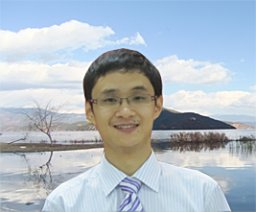 Bin Liu (刘宾)合作论文数Institute for Innovative Development of Food Industry, Shenzhen University9Zhaoyan Geng合作论文数8Yuelian Li合作论文数8Xiaojie Li合作论文数8Bin Guan (管斌)合作论文数中国海洋大学食品科学与工程学院8Yongmin Lao (劳永民)合作论文数7Liangfei Duan合作论文数6Ni Wang合作论文数6
 Ka Wing Cheng (郑家荣)合作论文数College of Chemistry and Environmental Engineering, Shenzhen University6
 Junchao Huang (黄俊潮)合作论文数University of Chinese Academy of Sciences;Kunming Institute of Botany, Chinese Academy of Sciences5Qingping Liang (梁青平)合作论文数5Mengshi Xiao合作论文数5
 Yifeng Zhang (张意锋)合作论文数School of Advanced Agricultural Sciences, Peking University5Liu Zhemin合作论文数5Yuwei Fan合作论文数4Ying Yu合作论文数4Yunlei Fu合作论文数4Xinmiao Ren合作论文数4ZiQiang Gu (顾自强)合作论文数4
 Weiqiang Qian (钱伟强)合作论文数School of Advanced Agricultural Sciences, Peking University4Yannan Liu合作论文数3Youcai Zhou合作论文数3Jianfeng Yu合作论文数3
 Peipei Sun (孙佩佩)合作论文数3
 Wenguang Zhou (周文广)合作论文数School of Resources & Environment, Nanchang University3
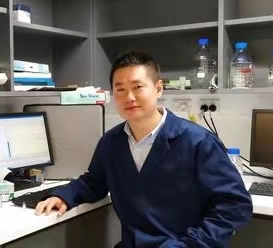 Zheng Sun (孙诤)合作论文数College of Fisheries and Life Science, Shanghai Ocean University3Ying Wang合作论文数2Yawen Chu合作论文数2Lanbo Yi合作论文数2Yinan Wang合作论文数2
 Jinquan deng合作论文数2Stephenie Hiu Yuet Chen合作论文数2Yuming Zhan合作论文数2Min Yang合作论文数2




