BACKGROUND:Frequent or severe migraine attacks are an indication for drug and nondrug prophylaxis. METHODS:In this narrative review, we summarize the guideline of the International Headache Society concerning the treatment and prophylaxis of migraine with drugs, with additional consideration of meta-analyses on monoclonal antibodies and gepants. RESULTS:In episodic migraine with an average of 8 migraine or headache days/month at baseline, oral prophylactic drugs lowered the number of migraine days per month by 1.27 (beta-blockers), 0.44 (flunarizine), 1.2 (amitriptyline), and 1.4 (topiramate) compared to placebo. Monoclonal antibodies against calcitonin gene-related peptide (CGRP) or the CGRP receptor are effective against both episodic and chronic migraine: Eptinezumab lowered the number of migraine days per month by 0.7-3.2, fremanezumab by 1.3-3.8, galcanezumab by 1.1-3.7, and erenumab by 1.0-2.5. High-level evidence also supports the efficacy of the CGRP receptor antagonist atogepant (0.7-2.4 fewer migraine days per month) in both episodic and chronic migraine. The monoclonal antibodies, atogepant, and onabotulinum toxin A are well-tolerated and have been found effective even in patients for whom previous oral migraine prophylactic drugs were ineffective, as well as in chronic migraine both with and without acute drug overuse. CONCLUSION:The new prophylactic drugs against migraine are effective, well-tolerated, and especially useful for patients for whom traditional oral migraine prophylactic drugs and onabotulinum toxin A are ineffective, not tolerated, or contraindicated.
Chronische Rückenschmerzen gehören zu den häufigsten Erkrankungen in Deutschland. Vielfach findet sich keine morphologisch fassbare Veränderung, sodass die Genese bei über 90% der Patienten unspezifisch bleibt. Der vorliegende Artikel soll eine Übersicht über die medikamentöse Therapie wie auch die nicht-medikamentösen Maßnahmen geben und fasst die entsprechenden Leitlinienempfehlungen zusammen.
Cabergoline, a dopamine receptor agonist, has shown beneficial effects as a preventive treatment for migraine, with no serious adverse events reported. This study aims to evaluate whether cabergoline is superior to placebo in reducing monthly migraine days (MMD), while assessing safety and tolerability. In a randomized, parallel-group, placebo-controlled, double-blind superiority phase II trial, 150 adults with 4–14 MMD will be included. Participants are randomized (1:1:1) to cabergoline 0.5 mg, cabergoline 1.0 mg or placebo once weekly as add-on treatment for 12 weeks. In a 12-week open-label extension, all participants, including those initially assigned to placebo, will be re-randomized (1:1) to cabergoline 0.5 mg or 1.0 mg once weekly to assess sustained effects and safety. The primary outcome is change in MMD from baseline to the final four weeks of the double-blind phase. Key secondary outcomes include ≥50% responder rate, change in the number of moderate-to-severe headache days, acute medication use and patient-reported outcomes (PGIC, HIT-6, MIDAS, WPAI). Exploratory analyses include biomarkers, pharmacogenetics and cost-effectiveness. Analyses will follow the intention-to-treat principle.
 Charly Gaul合作论文数60
 Mark Obermann合作论文数Department of Neurology, University of Duisburg-Essen60
 Zaza Katsarava合作论文数59
 Christian Weimar合作论文数Klinik für Neurologie, Universitätsklinikum Essen59
 Gregory YH Lip合作论文数Institute of Applied Health Research, University of Birmingham;Aalborg University;National Institute for Health Research58
 Werner Hacke合作论文数Department of Neurology, University of Heidelberg46
 Dagny Holle合作论文数Department of Neurology, University of Duisburg-Essen44
 Steffen Naegel合作论文数Martin Luther Univ Halle Wittenberg, Univ Hosp Halle41
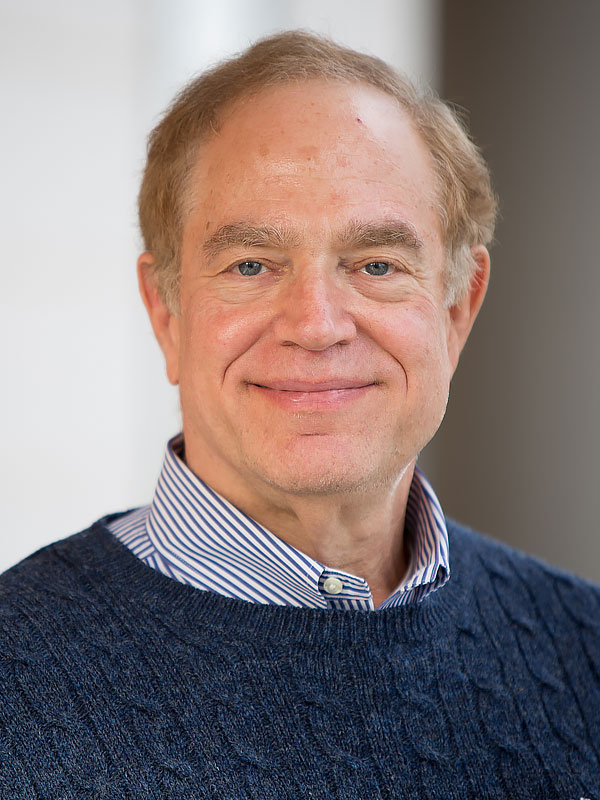 Richard B. Lipton合作论文数Department of Neurology, Albert Einstein College of Medicine;Department of Psychiatry and Behavioral Sciences, Albert Einstein College of Medicine40Volker Limmroth合作论文数39
 Jonathan L. Halperin合作论文数Icahn School of Medicine at Mount Sinai;Zena and Michael A. Wiener Cardiovascular Institute, The Mount Sinai Medical Center;The Mount Sinai Hospital38
 Menno Huisman合作论文数Leiden University37
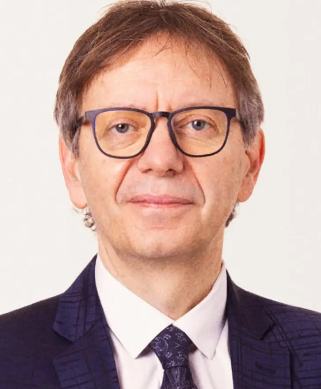 David W. Dodick合作论文数Mayo Clinic;Atria37
 Christine Teutsch合作论文数36
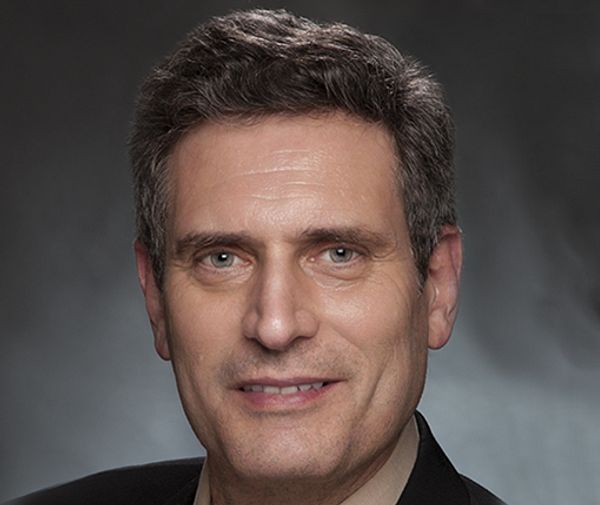 Kenneth J Rothman合作论文数RTI Health Solutions;Department of Epidemiology, School of Public Health, Boston University33
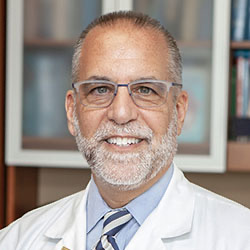 Ralph L. Sacco合作论文数Miller School of Medicine, University of Miami33
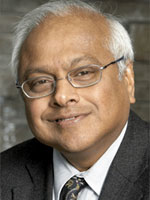 Salim Yusuf合作论文数Medical School, McMaster University;Population Health Research Institute, Hamilton Health Sciences31
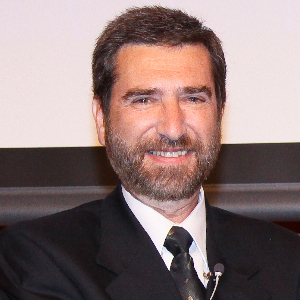 Sergio Dubner合作论文数Department of Internal Medicine, Clínica y Maternidad Suizo Argentina;De Los Arcos Sanatorio in Buenos Aires31
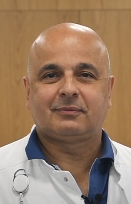 Messoud Ashina合作论文数Human Migraine Research Unit, Danish Headache Center;Department of Neurology, Faculty of Medical and Health Sciences, University of Copenhagen30Cristina Tassorelli合作论文数29
 Kennedy Lees合作论文数School of Medicine, Dentistry & Nursing, The University of Glasgow29
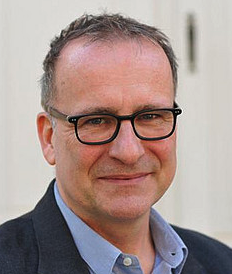 Tobias Kurth合作论文数Institut für Public Health, Charité – Universitätsmedizin Berlin;Berlin School of Public Health, Charité – Universitätsmedizin Berlin29
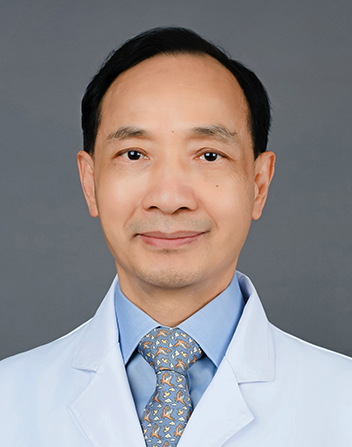 Changsheng Ma (马长生)合作论文数Beijing Anzhen Hospital, Capital Medical University;Graduate School of Capital Medical University29
 Stephen Silberstein合作论文数Jefferson Headache Center, Sidney Kimmel Medical College, Thomas Jefferson University;Methodist Hospital Division, Thomas Jefferson University Hospital28
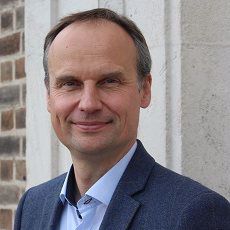 Paulus Kirchhof合作论文数Institute of Cardiovascular Sciences, College of Medical and Dental Sciences, University of Birmingham;Department of Cardiology, University Heart and Vascular Center Hamburg27
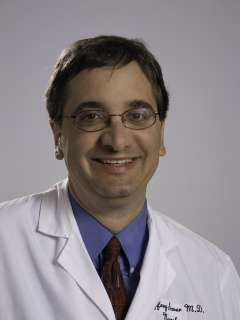 Jeffrey L. Saver合作论文数Department of Neurology, University of California, Los Angeles25Dagny Holle-Lee合作论文数24
 Christian Gerloff合作论文数Facharzt für Neurologie, Universitätsklinikum Hamburg-Eppendorf24Pozo-Rosich Patricia合作论文数23Kristina Zint合作论文数Boehringer Ingelheim, International GmbH23
 Ralph Weber合作论文数23Thorsten Steiner合作论文数22
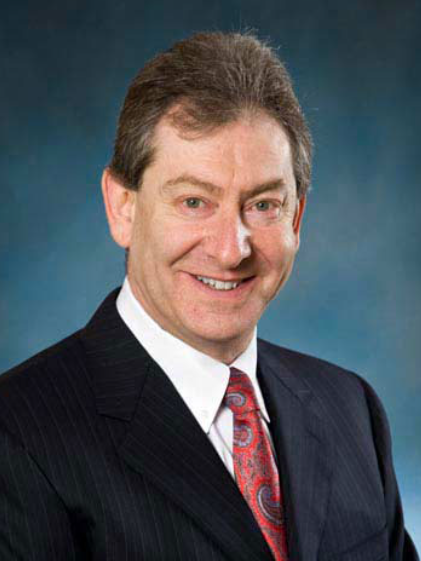 Stephen N. Davis合作论文数Department of Medicine, School of Medicine, University of Maryland;University of Maryland Medical Center22
 John Camm合作论文数Imperial College London;St George's, University of London;St George's Healthcare NHS Trust22Miney Paquette合作论文数22Martin Grond合作论文数20
 Philip Bath合作论文数Division of Clinical Neuroscience, School of Medicine, Faculty of Medicine & Health Sciences, University of Nottingham20
 Andreas Straube合作论文数Dept. of Neurology, Ludwig Maximilians University Munich19Arne May合作论文数19
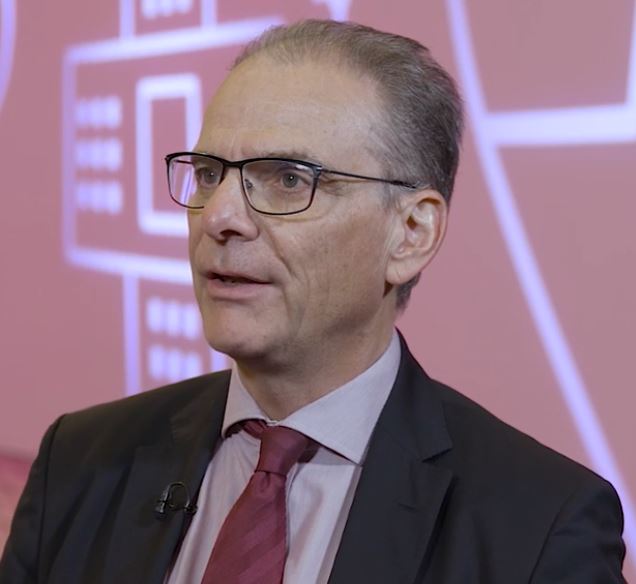 Stefan H Hohnloser合作论文数Department of Electrophysiology, Johann Wolfgang Goethe University19Uwe Reuter合作论文数18Shihai Lu合作论文数18
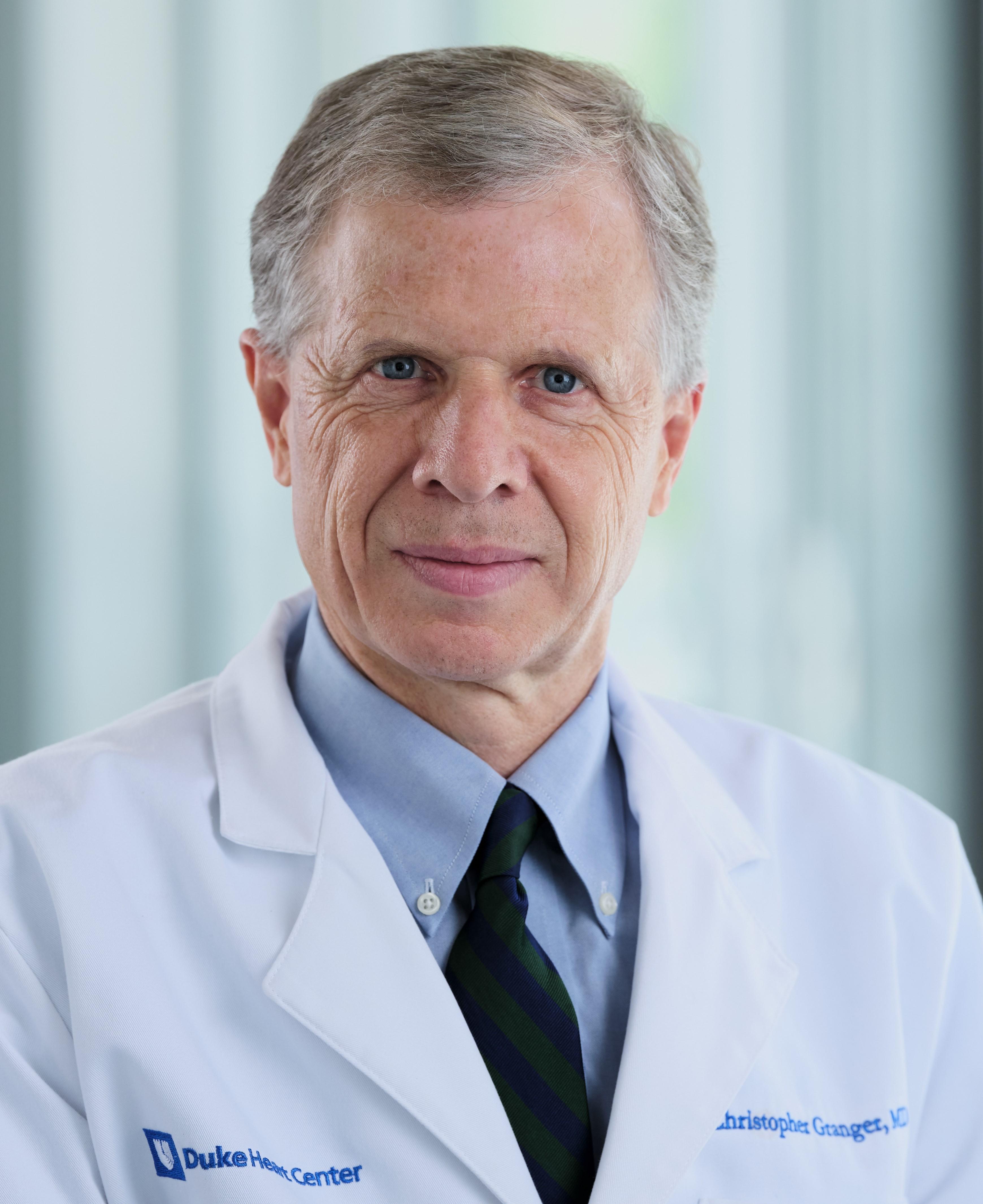 Christopher Bull Granger合作论文数Department of Medicine, School of Medicine, Duke University;School of Nursing, Duke University18
 Kauko Antti Markku Kaste合作论文数Deparment of Neurosciences, University of Helsinki;Department of Neurology, Helsinki University Central Hospital18
 Mayank Goyal合作论文数Department of Radiology, University of Calgary18Bartels Dorothee B合作论文数17
 John Eikelboom合作论文数Population Health Research Institute;Department of Medicine, Faculty of Health Sciences, McMaster University;Hamilton General Hospital17
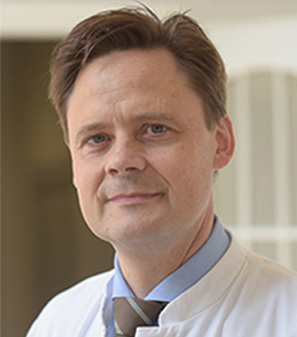 Matthias Endres合作论文数Department of Neurology with Experimental Neurology, Charite-Universitatsmedizin Berlin17
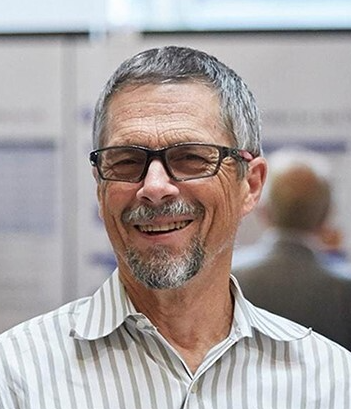 Stuart J. Connolly合作论文数Population Health Research Institute, McMaster University;Faculty of Health Sciences, McMaster University17




