BACKGROUND:In sub-Saharan Africa (SSA), people with HIV continue to present with advanced HIV disease (AHD), putting them at high risk of life-threatening opportunistic diseases. We aimed to estimate mortality among this population. METHODS:We conducted a systematic review and meta-analysis of studies reporting one-year mortality among adults living with HIV and presenting to care with CD4 + cell count ≤200 cells/mm 3 in SSA. MEDLINE, EMBASE, and the Cochrane Central Register of Controlled Trials were searched for studies (comprising >500 participants) published between January 1, 2016 and March 21, 2025. Screening and data extraction were done in duplicate. Pooled mortality proportions across CD4 + cell count and time strata were calculated using a generalized linear mixed model. Risk of bias was assessed using a modified Newcastle-Ottawa scale. The protocol is registered with PROSPERO, CRD42023451498. RESULTS:Thirty-six studies with 313 362 participants were included. The weighted median age was 35 years, 64% were female, and 98.9% were antiretroviral therapy-naive. One-year mortality was 12% (95% CI 8-16) among people with CD4 + cell count ≤200 cells/mm 3 and increased with lower CD4 + cell count (≤100 cells/mm 3 , 15% (95% CI 11-19); ≤50 cells/mm 3 , 20% (95% CI 12-31)). Most deaths occurred within the first 3 months after AHD presentation. Heterogeneity was substantial. Risk of bias was high in 18 (50%) of 36 included studies. DISCUSSION:There is high 1-year mortality among people presenting with AHD in SSA. It is a priority to identify AHD with CD4 + testing, improve retention in care, and evaluate additional interventions to reduce mortality in this population.
BACKGROUND:Extracranial bleeding is the most common complication of oral anticoagulant (OAC) therapy for atrial fibrillation (AF), but its clinical importance for patients may be underrecognized. We sought to characterize extracranial bleeding events according to standardized severity definitions, identify baseline risk factors for bleeding, and quantify their population attributable fraction in patients with AF receiving OACs. METHODS:We analyzed patients receiving OACs from 5 pivotal randomized trials testing a direct OAC or warfarin in patients with AF (COMBINE-AF [A Collaboration Between Multiple Institutions to Better Investigate Non-Vitamin K Antagonist Oral Anticoagulant Use in Atrial Fibrillation]). The primary outcome was extracranial clinically relevant bleeding, defined as a first episode of extracranial major or clinically relevant nonmajor bleeding according to International Society on Thrombosis and Haemostasis criteria. The Kaplan-Meier method was used to calculate the cumulative incidence of bleeding by category. Multivariable Cox regression models were used to estimate adjusted hazard ratios (HRs) with 95% CI. Logistic regression models were used to calculate average population attributable fraction with 95% CI. RESULTS:Of 73 737 patients treated with OACs, 10 634 experienced clinically relevant extracranial bleeding over a mean follow-up of 705 days (cumulative incidence, 26% [95% CI, 18%-35%]; 7.6 per 100 person-years). This included 3188 major bleeds (cumulative incidence, 7% [95% CI, 6%-7%]; 2.1 per 100 person-years) and 7446 clinically relevant nonmajor bleeds (cumulative incidence, 19% [95% CI, 12%-28%]; 5.2 per 100 person-years). The distribution of bleeding sites differed by severity, with gastrointestinal bleeds comprising 26% of clinically relevant bleeds, 49% of major bleeds, and 15% of clinically relevant nonmajor bleeds. Risk factors for extracranial bleeding were consistent across severity bleeding categories, and baseline covariates in our multivariable models accounted for 66% to 69% of the population attributable bleeding risk. CONCLUSIONS:Extracranial clinically relevant bleeding is common among patients with AF treated with OACs and may more accurately reflect the overall burden of bleeding than major bleeding alone. Our models explained about two-thirds of the average population attributable risk, suggesting that additional unmeasured or unknown factors contribute to bleeding risk.
BACKGROUND:The direct acting oral anticoagulant (DOAC) score is a bleeding risk score that incorporates 10 common clinical variables to risk stratify major bleeding in patients with atrial fibrillation and demonstrated improved risk stratification compared with HAS-BLED in patients receiving DOACs. This study evaluates the discriminative performance of the DOAC score among patients taking vitamin K antagonists (VKAs). METHODS:Data were obtained from COMBINE-AF and GARFIELD-AF. COMBINE-AF included patients with atrial fibrillation randomized to warfarin from 4 clinical trials: RE-LY, ARISTOTLE, ROCKET-AF, and ENGAGE AF-TIMI 48. GARFIELD-AF included patients with atrial fibrillation prescribed VKAs in a registry. The DOAC score of each patient was determined, based on commonly obtained clinical variables. Patients were then stratified by DOAC score clinical risk categories (very low [score: 0-3], low [score: 4-5], moderate [score: 6-7], high [score: 8-9], and very high [score: 10]), and the rate of major bleeding at 1 year was compared between groups. Discrimination was assessed using C-statistics and compared with HAS-BLED using DeLong's test. RESULTS:A total of 28,818 patients in COMBINE-AF and 20,183 patients in GARFIELD-AF receiving vitamin K antagonists were included. Of these individuals, 994 (3.4%) in COMBINE-AF and 313 (1.6%) in GARFIELD-AF experienced a major bleeding event at 1 year. Patients in higher DOAC score risk categories experienced greater 1-year major bleeding rates in COMBINE-AF, including very low (1.8 events per 100 person-years [events/100p-y]), low (3.0 events/100 p-y), moderate (4.6 events/100 p-y), high (5.6 events/100 p-y), and very high (7.9 events/100 p-y). Discrimination in COMBINE-AF was moderate and higher than HAS-BLED at 1 year (C-statistic: 0.62 vs 0.59, P < .001). In GARFIELD-AF, higher risk categories also had higher 1-year major bleeding rates: very low (0.8 events per 100 person-years [events/100 p-y]), low (1.5 events/100 p-y), moderate (2.2 events/100 p-y), high (3.2 events/100 p-y), and very high (7.6 events/100 p-y). Discrimination in GARFIELD-AF was moderate and higher than the HAS-BLED score at 1 year (C-statistic: 0.65 vs 0.62, P < .001). CONCLUSION:In patients with atrial fibrillation taking VKAs, the DOAC score was able to risk stratify patients based on bleeding risk, had moderate discrimination, and out-performed the HAS-BLED score in both a pooled clinical trials cohort and a usual care registry.
Background Recent analyses and commentaries on the major colchicine trials have treated COLCOT and LoDoCo2 as defining the expected benefit of colchicine for cardiovascular prevention, with CLEAR SYNERGY viewed as the discordant or outlying study because of its neutral result. We performed a descriptive analysis to examine how the trial that is least readily reconciled with an assumed true treatment effect changes depending on different assumed effects. Methods We used the published hazard ratios (HRs) and 95% confidence intervals from COLCOT, LoDoCo2, and CLEAR SYNERGY. For each assumed true treatment effect, we calculated the probability that a hypothetical repeat of each trial, with the same standard error as that study and centered on the assumed treatment effect, would yield a 95% confidence interval containing the estimate observed in that trial. The main analysis used the published primary composite outcome from each trial and additional exploratory analyses separately examined cardiovascular death, myocardial infarction, and stroke. Results For the primary composite outcomes, the observed HRs were 0.77 for COLCOT, 0.69 for LoDoCo2, and 0.99 for CLEAR SYNERGY. Across assumed HRs from 0.65 to 1.00, the trial least readily reconciled changed from CLEAR SYNERGY under larger assumed benefits to LoDoCo2 under smaller assumed benefits. Exploratory component analyses showed different patterns by outcome: cardiovascular death estimates were relatively similar across the 3 trials (HRs 0.84, 0.80, and 1.03); myocardial infarction estimates were broadly comparable in COLCOT and CLEAR SYNERGY but more favourable in LoDoCo2 (HRs 0.91, 0.88, and 0.70); and stroke estimates were divergent across all 3 trials (HRs 0.26, 0.66, and 1.15). Conclusions When outlier status is assigned based only on observed trial results, the trial least readily reconciled with the evidence depends on the assumed true treatment effect. Although differences in design, conduct, population, or inflammatory context may explain the apparently divergent results of the 3 large colchicine trials, CLEAR SYNERGY cannot be designated the outlier on the basis of its neutral result.
Abstract Introduction: Guidelines for thromboprophylaxis after hip fracture surgery suggest parenteral anticoagulants, based on low-certainty evidence. Emerging data suggest that direct oral anticoagulants (DOACs) or acetylsalicylic acid (ASA) might be safe and effective alternatives. We conducted a survey to inform the design of a randomized controlled trial (RCT) in this setting. Methods: We recruited a convenience sample of physicians who could prescribe thromboprophylaxis after hip fracture surgery. The survey was disseminated in Aug–Dec 2023. Participants answered 14 questions on demographics, current practices for thromboprophylaxis after hip fracture surgery, the need for an RCT on this topic, and acceptable interventions for a future RCT. Results: 204 participants from 28 countries completed the survey. Of these, 172 (84%, 95% CI 79%;89%) indicated the need for an RCT. Respondents reported using the following regimens: low-molecular-weight heparin (LMWH) alone (59%, 95% CI: 52%;66%), LMWH followed by rivaroxaban/apixaban (27%, 95% CI: 21%;33%), and rivaroxaban/apixaban without LMWH (25%, 95% CI: 19%;31%). LMWH or LMWH followed by rivaroxaban/apixaban were ranked highest among interventions to be tested in an RCT. Only 64 participants (31%, 95% CI: 25%;37%) were comfortable with ASA alone, and 82 (40%, 95% CI: 33%;47%) with ASA after a short course of anticoagulation. Conclusions: Among respondents, LMWH and DOACs were the most prescribed agents for thromboprophylaxis after hip fracture surgery. For an RCT, respondents were most comfortable with comparing LMWH with LMWH followed by rivaroxaban/apixaban.
BACKGROUND:Systemic embolic events (SEEs) are a serious but underrecognized complication of atrial fibrillation. Although non-vitamin K antagonist oral anticoagulants prevent ischemic stroke (IS), their efficacy in SEE and the clinical characteristics of patients who experience SEE remain poorly understood. METHODS:We analyzed individual patient data from 4 pivotal randomized trials enrolling patients between 2005 and 2010 comparing non-vitamin K antagonist oral anticoagulants versus warfarin in atrial fibrillation. We characterized the incidence, clinical features, management, and outcomes of clinically overt SEE and compared results in these patients with patients who had an IS. RESULTS:Among 71 683 patients, 188 experienced SEE (26 with concurrent IS), yielding an annualized event rate of 0.13% per patient-year, compared with 1.25% per patient-year for IS (n=1797). Among 171 patients with SEE as their first event, median age was 75 years (interquartile range, 68-80), 49.7% were female, and mean±SD CHA2DS2-VASc score was 4.7±1.5. Compared with IS, patients with SEE had higher rates of peripheral arterial disease (PAD, 16.5% versus 5.4%; P<0.001), previous myocardial infarction (24% versus 17%; P=0.02), previous vitamin K antagonist exposure (57% versus 46%; P=0.007), worse renal function (median creatinine clearance 58 versus 62 mL/min; P=0.02), and higher incidence of nonparoxysmal atrial fibrillation (86% versus 80%; P=0.047). Interventions (surgical or percutaneous) were performed in 62 patients (31%) with SEE. Standard-dose non-vitamin K antagonist oral anticoagulants reduced the risk of SEE by 29% compared with warfarin over a median follow-up of 25.2 months (interquartile range, 17.5-32.0; hazard ratio, 0.71 [95% CI, 0.51-0.99]; P=0.04). Thirty-day mortality after SEE was similar to IS (18% versus 17%), and SEE was associated with a nearly 3-fold increased risk of long-term mortality compared with patients without SEE or IS (hazard ratio, 2.85 [95% CI, 2.11-3.85]). Independent predictors of SEE included peripheral artery disease, smoking, nonparoxysmal atrial fibrillation, female sex, previous myocardial infarction, previous stroke or transient ischemic attack, vitamin K antagonist experience, and renal dysfunction. CONCLUSIONS:In this large individual patient data meta-analysis, non-vitamin K antagonist oral anticoagulants significantly reduced the risk of SEE compared with warfarin. Although SEEs were approximately one-tenth as frequent as IS, they were associated with comparable mortality and substantial morbidity.
BACKGROUND:We performed an individual patient data analysis of COMBINE AF to assess differences in 14 clinically relevant outcomes between patients with paroxysmal (PAF) vs. non-PAF. METHODS:Cox-proportional-hazards models stratified by trial and adjusted for CHA2DS2-VASc elements were constructed. Sensitivity analyses were performed across subgroups. RESULTS:Among 71,466 patients with AF, 16,609 (23 %) had PAF. The overall follow-up period was 157,225 patient-years (median 2.2 years). Compared with non-PAF patients, PAF patients were more likely to be women (43 % vs 35 %), have prior coronary artery disease (35 % vs 31 %), and use aspirin (41 % vs 32 %), but were less likely to be Asian (12 % vs 15 %) or have CHA₂DS₂-VASc ≥4 (59 % vs 60 %) (all p<0.01). In adjusted analyses, PAF was associated with a lower risk of stroke/systemic embolic event (HR, 0.81; 95 % CI, 0.73-0.90; p<0.001) and all-cause death (HR, 0.81; 95 % CI, 0.75-0.86; p<0.001), but higher risk of major or clinically relevant non-major bleeding (HR, 1.07; 95 % CI, 1.02-1.13; p=0.005). Risk of myocardial infarction was numerically higher in PAF (HR, 1.15; 95 % CI, 1.00-1.32; p=0.057). Major bleeding risk was similar between groups (HR, 1.04; 95 % CI, 0.96-1.12; p=0.36). Findings were consistent across subgroups, trials, anticoagulant types, and sensitivity analyses. CONCLUSIONS:Compared to non-PAF, adjusted risks in PAF patients were lower for stroke/systemic embolic event and all-cause death, and higher for major or clinically relevant non-major bleeding and myocardial infarction.These findings highlight clinically important differences in outcomes by AF type that may have clinical applications for AF patients.
BACKGROUND:Composite outcomes in cardiovascular trials often group events of unequal clinical importance, and conventional analyses may obscure treatment trade-offs. Generalised pairwise comparisons (GPC), expressed as a win ratio (WR), allow for hierarchical ranking of events and incorporation of recurrent outcomes, providing a potentially more intuitive assessment of benefit-risk. METHODS:In a prespecified exploratory analysis of the 2×2 factorial, randomised CLEAR (Colchicine and Spironolactone in Patients with Myocardial Infarction) trial (7062 patients within 72 hours of acute myocardial infarction (MI) and percutaneous coronary intervention), we applied both time-to-first and recurrent-event GPC to reassess low-dose colchicine (0.5 mg daily) and spironolactone (25 mg daily) versus placebo. For the colchicine comparison, the hierarchical benefit-risk outcome included all-cause death, stroke, recurrent MI, unplanned ischaemia-driven revascularisation, serious infection or diarrhoea. For the spironolactone comparison, the outcome included all-cause death, stroke, MI, new or worsening heart failure, significant ventricular arrhythmia, hyperkalaemia or gynaecomastia/gynaecodynia. GPC results were compared with Cox, logistic and Andersen-Gill models. RESULTS:For colchicine, the time-to-first event GPC showed a 12% lower proportional win rate compared with placebo (WR 0.88, 95% CI 0.79 to 0.98; win difference -2.10%, 95% CI -3.84 to -0.37), driven largely by excess diarrhoea. For spironolactone, patients experienced a 14% lower win rate (WR 0.86, 95% CI 0.75 to 0.99; win difference -1.46%, 95% CI -2.84% to -0.08%), largely attributable to gynaecomastia and hyperkalaemia. Conventional statistical approaches yielded concordant results. Across both interventions, higher-order efficacy outcomes (death, MI, stroke, heart failure) showed no benefit. CONCLUSIONS:In patients with post-MI, both low-dose colchicine and spironolactone demonstrated disadvantageous benefit-risk profiles, reinforcing that neither agent should be used routinely. This prespecified application of GPC provided results consistent with traditional methods but offered a clinically intuitive framework for interpreting composite outcomes.
BACKGROUND:Prior analyses of trials comparing direct oral anticoagulants (DOACs) to warfarin in atrial fibrillation (AF) have not routinely incorporated patient preferences, despite substantial variation in how patients value the trade-off between outcomes such as stroke and bleeding. By applying patient-centered approaches, we aimed to provide intuitive metrics to inform shared decision-making, particularly for frail older adults for whom DOAC benefit remains controversial. METHODS:Individual-level data from 58,634 participants in four randomized controlled trials (RCTs) comparing DOACs to warfarin (A Collaboration Between Multiple Institutions to Better Investigate Non-Vitamin K Antagonist Oral Anticoagulant Use in Atrial Fibrillation; COMBINE-AF) were analyzed using two patient-centered methods. Seven clinical outcomes (death, disabling stroke, major bleeding, moderate-severity stroke, systemic embolism, clinically relevant non-major bleeding, and minor stroke) were weighted based on a prior 1028-patient preference study with all values scaled relative to death. For the weighted composite endpoint (WCE), a survival-based approach incorporated weights of initial and recurrent events to estimate event-free survival. For win statistics, outcomes were hierarchically ranked for pairwise comparisons. The primary estimand was the 2-year difference in weighted death-equivalent events per 100 patients for the WCE. The win ratio was a secondary estimand. A prespecified subgroup analysis was conducted in frail, older patients. RESULTS:In the overall cohort, compared to warfarin, DOACs were associated with a more favorable outcome (WCE: 11.74 vs. 12.85 events per 100 patients; difference, -1.11 [95% confidence interval (CI): -1.61 to -0.61]; P<0.001; win ratio 1.11 [95% CI: 1.07 to 1.15]). In the prespecified subgroup of 5913 frail participants, the difference in the WCE was +0.50 events [95% CI: -1.39 to 2.40]) with a win ratio of 0.99 [95% CI: 0.90 to 1.08]) in individuals treated with DOAC versus warfarin. CONCLUSIONS:In individuals with atrial fibrillation pooled from four RCTs, DOACs were associated with a favorable net clinical benefit compared to warfarin when evaluated using a patient-weighted composite clinical outcome. (Funded by a Fellows Supplemental Funding grant from the Duke Clinical Research Institute's Executive Director Pathway Committee.).
Background Whether frail, elderly patients with atrial fibrillation (AF) on a vitamin K antagonist (VKA) should switch to a direct-acting oral anticoagulant (DOAC) was studied in the FRAIL-AF trial and remains controversial. Objectives The purpose of this study was to evaluate, in the COMBINE-AF data set, the impact on clinical outcomes of switching frail, elderly AF patients from VKA to DOAC. Methods COMBINE-AF consists of individual patient-level data from 71,683 patients with AF in 4 randomized clinical trials comparing DOAC vs warfarin. Frailty was evaluated using a frailty index derived from a modified Rockwood’s Accumulation Model including 18 age-related conditions. Patients with a frailty index score above the median were considered frail. Prespecified outcomes were stroke or systemic embolic events, bleeding events, death, and a net clinical outcome combining these events. Results We identified 5,913 patients who were frail, elderly (age ≥75 years), and VKA-experienced and 52,721 patients who did not meet all 3 of these criteria. Patients were randomized to a standard-dose (SD) DOAC or warfarin. After 27 months median follow-up, there was no heterogeneity in treatment effect with SD-DOAC vs warfarin among those who met all 3 criteria vs those who did not for the endpoints of stroke or systemic embolic events (HR: 0.83 vs 0.81; Pint = 0.75) or for death (HR: 0.95 vs 0.91; Pint = 0.54). Major bleeding was similar with SD-DOAC vs warfarin in frail, elderly, VKA-experienced patients (HR: 1.06 [95% CI: 0.90-1.25]), while it was significantly reduced with SD-DOAC in patients without all 3 criteria (HR: 0.82 [95% CI: 0.76-0.89]; Pint = 0.007). Likewise, the net clinical outcome was similar in the frail, elderly, VKA-experienced patients with SD-DOAC vs warfarin (HR: 1.01 [95% CI: 0.91-1.13]), while significantly reduced with SD-DOAC patients without all 3 criteria (HR: 0.89 [95% CI: 0.85-0.93]; Pint = 0.028). Fatal and intracranial bleeding were significantly reduced with SD-DOAC in both subgroups to a similar degree (both Pint > 0.05), while gastrointestinal bleeding with SD-DOAC was increased to a greater degree in frail, elderly, VKA-experienced patients (HR: 1.83 [95% CI: 1.42-2.36]) compared with those without all 3 criteria (HR: 1.23 [95% CI: 1.09-1.39]; Pint = 0.006). Conclusions Frail, elderly, VKA-experienced patients with AF switched to SD-DOAC experienced significant reductions in stroke or systemic embolism, fatal and intracranial bleeding, and death. Gastrointestinal bleeding was increased with SD-DOAC, while major bleeding and the primary net clinical outcome were similar. Based on these findings, SD-DOAC is a reasonable choice for frail, elderly, VKA-experienced patients to reduce stroke and systemic embolism, death, and the most serious types of bleeding.
Background Cardiac biomarkers improve risk prediction in patients with atrial fibrillation (AF). We recently demonstrated that the NFL (neuron‐specific protein neurofilament light chain) was associated with ischemic stroke in patients with AF not receiving oral anticoagulation. The association of other neuroglial biomarkers reflecting brain injury (ie, GFAP [glial fibrillary acidic protein], total tau [tau], and UCHL1 [ubiquitin carboxy‐terminal hydrolase L1]) with the risk of stroke and other cardiovascular outcomes in AF is unknown. Methods and Results Baseline plasma samples were available from 967 patients with AF not receiving oral anticoagulation treatment. Concentrations of NFL, GFAP, tau, and UCHL1 were determined with a Single Molecule Array kit (Simoa). Associations between baseline biomarker level, clinical characteristics, and outcomes (ischemic stroke, hospitalization for heart failure, and all‐cause death) were analyzed with multivariable Cox regression adjusted for clinical characteristics and other biomarkers. Higher levels of all 4 neuroglial biomarkers were correlated with increasing age and female sex. During a median follow‐up of 3.6 years, NFL was associated with increased risk of ischemic stroke (for a doubling in NFL, hazard ratio [HR], 1.27 [95% CI, 1.03–1.56]) and death (HR, 1.46 [95% CI, 1.25–1.70]). In adjusted analyses, GFAP, tau, and UCHL1were not associated with stroke or death. NFL, tau, and UCHL1 were significantly associated with hospitalization for heart failure. Conclusions In patients with AF not receiving oral anticoagulation, NFL was the only neuroglial biomarker significantly and independently associated with the risk of ischemic stroke and death. Further studies evaluating NFL for stroke risk assessment in patients with AF and the impact of contemporary oral anticoagulation treatment are warranted.
Randomized trials reported no benefit from transfusion of red blood cell (RBC) units stored for shorter durations compared to standard care. However, there was insufficient evidence to exclude harms at extremes of storage age or explore subgroup differences. We therefore performed an individual patient data meta-analysis to determine the effect of fresher vs. older RBC transfusion on 28-day mortality in hospitalized adults. Individual patient data was sought from clinical trials that randomized more than 1000 adult patients. For the meta-analysis, we used a logistic regression model with a trial-specific fixed effect. Four studies provided individual data from 33,549 patients enrolled from March 2009 through December 2016 from 12 countries. After exclusions, 32,959 (98.2%) patients were included in the analysis. Patients received a median (IQR) of 2 (1 – 4) RBC units with a storage duration of 10 (7 – 15) days in the fresh and 23 (16 – 30) days in the older group. Death occurred in 1,446 of 12,236 patients (11.8%) in the fresher and 1,984 of 20,572 patients (9.6%) in the older group (odds ratio 1.06; 95% CI 0.98 to 1.14; p=0.124). No significant subgroup differences were identified. We found an association between receiving one and two or more RBCs ≤7 days and higher mortality (odds ratio 1.18, 95%CI 1.02 to 1.35; p=0.024 and 1.17, 95% CI 1.04 to 1.32; p=0.015, respectively), but not with any RBC ≥35 days. Adjusted analyses confirmed these findings. Our findings support current blood inventory management policies and are applicable to most hospitalized adults.ClinicalTrials.gov: NCT05482737
Background The LoDoCo2 (Low‐Dose Colchicine 2) trial showed that colchicine reduced the risk for cardiovascular events in patients with chronic coronary syndrome. Current guidelines recommend colchicine use in selected high‐risk patients. The aim of this secondary analysis was to explore the relative and absolute benefits of colchicine according to baseline risk. Methods The LoDoCo2 trial randomized 5522 patients to colchicine 0.5 mg or placebo. The primary end point was a composite of cardiovascular death, spontaneous myocardial infarction, ischemic stroke, or ischemia‐driven coronary revascularization. First, a LoDoCo2 risk score was developed by Cox regression to identify high‐risk features for the primary end point. Second, the Thrombolysis in Myocardial Infarction Risk Score for Secondary Prevention was applied to explore robustness of findings. Results In the LoDoCo2 risk score, high‐risk features were age ≥75, diabetes, and current smoker. In high‐risk (≥1 high‐risk feature), compared with low‐risk (0 high‐risk features) patients, colchicine was associated with consistent relative (high risk: hazard ratio [HR], 0.72 [95% CI, 0.56–0.94] versus low risk: HR, 0.67 [95% CI, 0.52–0.88]; P for interaction=0.73) and absolute benefits (high risk: HR, −1.33 [95% CI, −2.38 to −0.27] versus low risk: HR, −0.93 [95% CI −1.57 to −0.30] events per 100 person‐years). Using the Thrombolysis in Myocardial Infarction Risk Score for Secondary Prevention, consistent relative and absolute benefits were found in high‐, intermediate‐, and low‐risk patients. Conclusions In patients with chronic coronary syndrome, the relative and absolute benefits of colchicine were consistent in those at high, intermediate, and low risk for cardiovascular events. These findings support the use of colchicine across the spectrum of baseline risk. Registration URL: https://www.anzctr.org.au; Unique identifier: 12614000093684.
BACKGROUND:The Cardiovascular Outcomes for People Using Anticoagulation Strategies (COMPASS) trial enrolled patients with vascular disease but excluded patients requiring oral anticoagulation. OBJECTIVE:We aimed to explore the clinical significance of a new diagnosis of atrial fibrillation (AF) during follow-up. METHODS:New AF was identified from hospitalization, study drug discontinuation, and adverse event reports. Multivariable Cox regression was used to determine risk factors for new AF. Time-updated covariate analysis was used to study the association of new AF with outcomes. RESULTS:During a mean follow-up of 23 months, 655 of 27,395 participants (2.4%) were diagnosed with AF (incidence, 1.3 per 100 patient-years). In adjusted analyses, advanced age, male sex, White ethnicity, higher body mass index, higher systolic blood pressure, heart failure, and prior myocardial infarction were associated with new AF. Compared with participants without a new diagnosis of AF during follow-up or before receiving a diagnosis of new AF, participants were at increased risk of a composite outcome of cardiovascular death, stroke, or myocardial infarction after a new diagnosis of AF (8.8 vs 2.4 per 100 patient-years; hazard ratio [HR], 3.66; 95% confidence interval [CI], 2.81-4.75). Risk increases with new AF were also observed for hospitalization for heart failure (6.8 vs 0.8 per 100 patient-years; HR, 8.64; 95% CI, 6.31-11.83) and major bleeding (3.9 vs 1.3 per 100 patient-years; HR, 3.18; 95% CI, 2.15-4.69). CONCLUSION:In patients with vascular disease, a new diagnosis of AF was associated with a marked increase in risk of adverse outcomes, especially hospitalization for heart failure.
BACKGROUND Inflammation is associated with adverse cardiovascular events. Data from recent trials suggest that colchicine reduces the risk of cardiovascular events. METHODS In this multicenter trial with a 2-by-2 factorial design, we randomly assigned patients who had myocardial infarction to receive either colchicine or placebo and either spironolactone or placebo. The results of the colchicine trial are reported here. The primary efficacy outcome was a composite of death from cardiovascular causes, recurrent myocardial infarction, stroke, or unplanned ischemia-driven coronary revascularization, evaluated in a time-to-event analysis. C-reactive protein was measured at 3 months in a subgroup of patients, and safety was also assessed. RESULTS A total of 7062 patients at 104 centers in 14 countries underwent randomization; at the time of analysis, the vital status was unknown for 45 patients (0.6%), and this information was most likely missing at random. A primary-outcome event occurred in 322 of 3528 patients (9.1%) in the colchicine group and 327 of 3534 patients (9.3%) in the placebo group over a median follow-up period of 3 years (hazard ratio, 0.99; 95% confidence interval [CI], 0.85 to 1.16; P=0.93). The incidence of individual components of the primary outcome appeared to be similar in the two groups. The least-squares mean difference in C-reactive protein levels between the colchicine group and the placebo group at 3 months, adjusted according to the baseline values, was -1.28 mg per liter (95% CI, -1.81 to -0.75). Diarrhea occurred in a higher percentage of patients with colchicine than with placebo (10.2% vs. 6.6%; P<0.001), but the incidence of serious infections did not differ between groups. CONCLUSIONS Among patients who had myocardial infarction, treatment with colchicine, when started soon after myocardial infarction and continued for a median of 3 years, did not reduce the incidence of the composite primary outcome (death from cardiovascular causes, recurrent myocardial infarction, stroke, or unplanned ischemia-driven coronary revascularization).
The World Health Organization (WHO) has published guidelines for the management of patients with advanced HIV disease (AHD) but mortality remains high. Adoption of WHO recommendations by national guidelines is poorly documented. We aimed to extend our prior review of six national management guidelines by including additional countries from sub-Saharan Africa. We identified guidelines of eight additional countries participating in a multicountry trial of azithromycin prophylaxis for AHD. Data was extracted in five domains including definition of AHD (1 item), screening (6 items), prophylaxis (6 items), supportive care (1 items), and HIV treatment (4 items) and scored agreement of each national guideline with the WHO guidelines. Six of the eight national guidelines had a designated section for AHD. Compared with the WHO guideline, the agreement score for national guidelines was between 7 and 17 out of 18, whereby disagreement is mainly driven by missing information. None of the national guidelines had more than three items not in agreement with the WHO guidelines, and the maximum number of items not addressed by any one guideline was eight. Main areas of disagreement were the targeted population for start of ART in presence of tuberculosis meningitis (1/8 in agreement) and urine lipoarabinomannan screening (2/8 in agreement). The targeted population group for cotrimoxazole prophylaxis and its discontinuation was in line with the WHO recommendations in 3/8 national guidelines. Except one guideline, all documents showed similar overall agreement, irrespectively of publication date. National guidelines for the management of people with AHD are broadly in agreement with WHO guidelines. Main areas of disagreement are recommendations regarding urine lipoarabinomannan screening, cotrimoxazole prophylaxis and start of antiretroviral therapy in presence of tuberculosis.
The OPTIMA-5 study demonstrated that a single bolus of half-dose recombinant staphylokinase (r-SAK) before primary percutaneous coronary intervention (PCI) significantly improved the patency of infarct related artery in patients with ST-elevation myocardial infarction (STEMI) expected to undergo PCI within 120 minutes. This study aimed to investigate the 1-year clinical outcome and the effect of the r-SAK antibody on a second r-SAK thrombolysis in OPTIMA-5 patients. The clinical outcome was major adverse cardiovascular events (MACE) within 360 days. Patients' r-SAK antibodies were determined on days 90 ± 7, 180 ± 7, and 360 ± 14 after thrombolysis, and in-vitro r-SAK antibody neutralization experiments were performed to explore an optimal interval for a second r-SAK thrombolysis. Results showed that the MACE incidence was numerically lower in r-SAK group compared with normal saline (NS) group (14.0% vs. 20.0%, HR 0.67, 95% CI: 0.34-1.32; log-rank P=0.245). The r-SAK antibody levels in r-SAK group decreased by time, but kept significantly higher than those in NS group on days 90 ± 7 (2.96 ± 0.68 vs. 0.22 ± 0.53, P<0.001), 180 ± 7 (2.19 ± 0.74 vs. 0.44 ± 0.65, P<0.001) and 360 ± 14 (1.73 ± 0.97 vs. 0.37 ± 0.71, P<0.001). The in-vitro r-SAK antibody neutralization experiments illustrated that the thrombolysis rate decreased exponentially as the antibody titer increased from 1.90 to 2.20 (67.80 ± 14.19% vs. 44.32 ± 21.54%, P< 0.0001). Therefore, for STEMI patients expected to undergo PCI within 120 minutes, a single bolus of half-dose r-SAK before primary PCI may reduce 1-year MACE risk. The r-SAK antibody lasts over 1 year, and a second r-SAK thrombolysis may not be indicated until 1 year after the first r-SAK thrombolysis if necessary.
Background Individuals with frailty are at higher risk of adverse cardiovascular outcomes and bleeding. The objective of this study was to determine whether the effects of rivaroxaban 2.5mg twice daily in addition to low-dose aspirin are similar among frail compared with non-frail patients with chronic atherosclerotic vascular disease. Methods In the COMPASS trial (ClinicalTrials.gov number NCT01776424), patients with chronic atherosclerotic vascular disease were randomized to receive aspirin 100mg daily, aspirin 100mg daily and rivaroxaban 2.5mg twice daily or rivaroxaban 5mg twice daily. In this post hoc analysis, frailty was evaluated by constructing a cumulative deficit index from 37 diseases, signs, and symptoms. The frailty index for each participant was calculated as the proportion of the 37 deficits exhibited, with values >0.2 considered frail. The primary outcome was the composite of cardiovascular death, myocardial infarction, or stroke. Hazard ratios (HR) and 95% confidence intervals (CI) are reported. Results Frailty was present in 13% of the trial population. In non-frail individuals, adding rivaroxaban 2.5mg twice daily to aspirin reduced the primary outcome (HR, 95% CI: 0.69, 0.59-0.80) and mortality (0.75, 0.63-0.90) but increased major bleeding (1.87, 1.51-2.31); however, its effects on the primary outcome (1.06, 0.79-1.42), mortality (1.08, 0.80-1.46) and major bleeding (1.10, 0.71-1.70) were not evident among participants with frailty (respective interaction p-values 0.011, 0.049 and 0.032). Conclusions In adults with chronic atherosclerotic vascular disease, the benefit of adding rivaroxaban 2.5mg twice daily to aspirin was not evident in patients with frailty.
 Salim Yusuf合作论文数Medical School, McMaster University;Population Health Research Institute, Hamilton Health Sciences224
 Stuart J. Connolly合作论文数Population Health Research Institute, McMaster University;Faculty of Health Sciences, McMaster University208
 Jeffrey Weitz合作论文数McMaster School of Biomedical Engineering, McMaster University;Department of Medicine, Biochemistry and Biomedical Sciences, McMaster University100
 Lars Wallentin合作论文数Uppsala Clinical Research Center, Uppsala University Hospital;Department of Medical Sciences, Uppsala University100
 Graeme J Hankey合作论文数Perron Institute for Neurological and Translational Science;Centre for Neuromuscular and Neurological Disorders, The University of Western Australia Medical School96
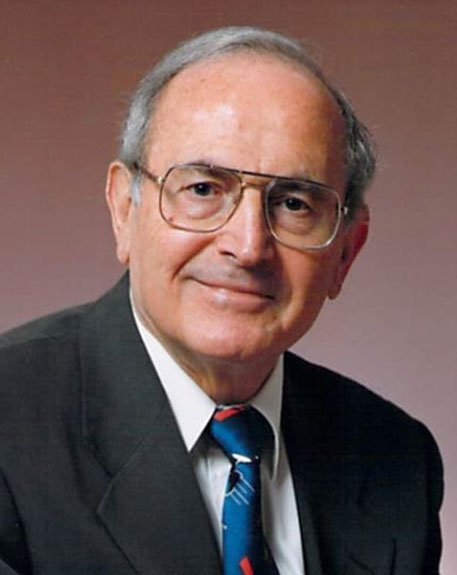 Jack Hirsh合作论文数Faculty of Health Sciences, McMaster University87
 Jonas Oldgren合作论文数Department of Medical Sciences, Cardiology, University Hospital Uppsala65
 Deepak L. Bhatt合作论文数Icahn School of Medicine, Mount Sinai;Mount Sinai Fuster Heart Hospital64
 Michael D. Ezekowitz合作论文数Sidney Kimmell Medical School, Thomas Jefferson University;Paoli Hospitals57
 Christopher Bull Granger合作论文数Department of Medicine, School of Medicine, Duke University;School of Nursing, Duke University56
 Sonia Anand合作论文数Department of Medicine, Faculty of Health Sciences, McMaster University;Chanchlani Research Centre, Faculty of Health Sciences, McMaster University;Centre for Metabolism, Obesity, and Diabetes Research, Faculty of Health Sciences, McMaster University;Population Health Research Institute, Hamilton Health Sciences54
 Jackie Bosch合作论文数Population Health Research Institute,;Faculty of Health Sciences, McMaster University;McMaster Institute for Research on Aging, McMaster University53
 Keith A A Fox合作论文数Centre for Cardiovascular Science, University of Edinburgh52
 Richard Whitlock合作论文数Faculty of Health Sciences, McMaster University51
 Noel C.Y. Chan合作论文数Population Health Research Institute49
 Robert Hart合作论文数Swedish Medical Center44
 Mark Crowther合作论文数Department of Medicine, Faculty of Health Sciences, McMaster University;Department of Pathology & Molecular Medicine, Faculty of Health Sciences, McMaster University43
 Shamir Mehta合作论文数Faculty of Health Sciences, McMaster University;Hamilton Health Sciences;Population Health Research Institute in Hamilton40
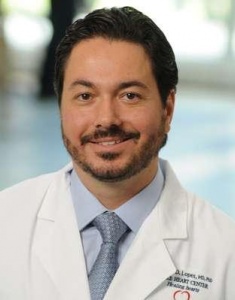 Renato Delascio Lopes合作论文数Department of Medicine, School of Medicine, Duke University;Duke Clinical Research Institute, School of Medicine, Duke University39
 Paul Reilly合作论文数School of Social & Political Sciences, University of Glasgow38
 Jeffrey Ginsberg合作论文数Division of Hematology & Thromboembolism, Department of Medicine, Faculty of Health Sciences, McMaster University37
 Alvaro Avezum合作论文数Research Division, Dante Pazzanese Institute of Cardiology;São Paulo University37
 Jeffrey Sean Healey合作论文数Department of Health Research Methods, Evidence, and Impact, Faculty of Health Sciences, McMaster University;Department of Medicine, Faculty of Health Sciences, McMaster University;Population Health Research Institute36
 Peter Verhamme合作论文数Centre for Molecular and Vascular Biology, Department of Cardiovascular Sciences, Faculty of Medicine, KU Leuven;University Hospitals Leuven35
 Philip Devereaux合作论文数Michael G. DeGroote Institute for Pain Research and Care, Faculty of Health Sciences, McMaster University;Division of Cardiology, McMaster University33
 Shestakovska Olga合作论文数33
 Martin J. O'Donnell合作论文数School of Science, IUPUI32
 Agneta Siegbahn合作论文数Department of Medical Sciences, Uppsala University32Qilong Yi合作论文数Department of Epidemiology and Community Medicine, University of Ottawa;Canadian Blood Services32Alexander P Benz合作论文数31
 Sam Schulman合作论文数Faculty of Health Sciences, McMaster University31Hijazi Ziad合作论文数31
 James Demetrios Douketis合作论文数Faculty of Health Sciences, McMaster University;St. Joseph’s Healthcare Hamilton30
 Vinai Bhagirath合作论文数Department of Medicine, Faculty of Health Sciences, McMaster University30
 Stefan H Hohnloser合作论文数Department of Electrophysiology, Johann Wolfgang Goethe University28
 Daniel J Quinlan合作论文数26
 Gregory YH Lip合作论文数Institute of Applied Health Research, University of Birmingham;Aalborg University;National Institute for Health Research26
 Gordon Guyatt合作论文数Departments of Medicine, Faculty of Health Sciences, McMaster University26
 Janice Pogue合作论文数Population Health Research Institute;McMaster University26
 Emilie Belley-Cote合作论文数Faculty of Health Sciences, McMaster University;Hamilton General Hospital;Population Health Research Institute25
 Peter Thompson合作论文数Harry Perkins Institute of Medical Research;University of Western Australia;Sir Charles Gairdner Hospital25
 Marco Alings合作论文数Büsgen-Institute, Georg-August-University Göttingen25
 Arend Mosterd合作论文数Meander Medisch Centrum25
 Elaine M. Hylek合作论文数Department of General Internal Medicine, Chobanian and Avedisian School of Medicine, Boston University;Evans Center for Interdisciplinary Biomedical Research, Boston University;Boston Medical Center24
 Jan Hein Cornel合作论文数Department of Cardiology, NorthWest Clinics24
 C. Michael Gibson合作论文数Beth Israel Deaconess Medical Center, Harvard Medical School;Baim Institute for Clinical Research;CMichael Gibson Social Media;Clinical Trial Results24
 Johan Lindback合作论文数Uppsala Clinical Research Center24
 Nancy Heddle合作论文数McMaster Centre for Transfusion Research, Faculty of Health Sciences, McMaster University24Aernoud T L Fiolet合作论文数23




