Recently, the acute ischemic stroke (AIS) therapy including nanoprodrug mainly focuses on dredging thrombus. However, these therapeutic strategies can't prevent the permanent damage resulted from the rapid accumulation of reactive oxygen species (ROS) during blood flow reperfusion. In order to effectively address this urgent issue, we have fabricated a ROS-triggered charge-reversal preferential targeted neurons carrier-free nanoprodrug by self-assembly of curcumin (Cur)-thioketal-Cur (abbreviated as CTC) dimer and metformin (Met). Our new findings reveal that the skillful compatibility of Met and CTC endow nanodrug with the suitable diameter (ca. 100 nm), structural stability, and the positive charge (30 mV), therefore enhancing its brain-targeted effect, blood-brain barrier (BBB) permeability, and neuronal internalization. Once internalized into the ischemic neurons through positive charge-dominated transcytosis, nanoprodrug can enhance the lysosomal escape of neurons through Met and inhibit the neuronal death. Afterward, under trigger of the AIS-endogenous ROS, nanoprodrug can achieve the simultaneous spatiotemporal on-demand burst release of Cur and Met to scavenge ROS and remodeling the redox balance in the brain while reducing the toxic effect of Cur through Met introduction, thus reaching the ultimate purpose of reducing undesirable side effect and enhancing the therapeutic effect in AIS. Taken together, both nanoprodrug development and some molecular mechanism findings of Cur or Met from nanoprodrug provide new perspectives for the therapy and research of the clinical AIS.
The interaction between infiltrating immune cells and brain-resident cells is critical for inducing an inflammatory response to ischemic stroke. However, the direct effects of CD11b+CD45int microglia in the brain on infiltrating CD11b+CD45highLy6G- monocytes/macrophages (Mos/MΦs) and the precise molecular mechanisms underlying these effects after acute ischemic stroke (AIS) remain unknown. Here, ischemia-induced microglial peroxisome proliferator-activated receptor-alpha (PPARα) downregulation was found to be critical for enhancing the inflammatory response and exacerbating ischemic brain injury by priming peripheral pro-inflammatory Mo/MΦ infiltration. The targeted microglial PPARα signal exerted neuroprotective effects on ischemic stroke by protecting blood-brain barrier (BBB) integrity and inhibiting the infiltration of innate immune cells. Furthermore, overexpression of microglia-specific PPARα exerted neuroprotective effects by enhancing the interleukin (IL)-4 signal-mediated crosstalk of microglia-MΦs. Therefore, our study reveals that ischemia-induced microglial PPARα deficiency expands the inflammatory response and exacerbates ischemic brain injury by enhancing the interaction with infiltrating peripheral Mos/MΦs and suggests that targeting microglial PPARα is a potential therapeutic strategy for improving acute cerebral ischemic injury.
Highly nonlinear current-voltage (I I-V ) characteristics in single-molecule junctions based on destructive quantum interference (DQI) effects are key to realizing bias-controlled molecular switches. Using first-principles quantum transport calculations, we investigated the charge transport properties of 1,4-diphenyl-2,3-dioxa-7-tellurabicyclo (DPDT) coupled to gold electrodes via cyanide (-CN), isocyanide (-NC) and pyridyl (-PY) anchoring groups, respectively. We demonstrated that there are DQI effects between LUMO and LUMO+1 +1 of the opposite phase in the three junctions. It was revealed that thep p orbital of the tellurium atom can localize HOMO orbitals on central units of molecular systems, and weaken the amplitude of LUMO relative to LUMO+1. +1. This eliminates the constructive quantum interference (CQI) between HOMO and LUMO, but enhances the DQI between LUMO and LUMO+1 +1 near the Fermi energy level of gold electrodes (EF). E F ). As a result, the three molecular junctions dominated by two LUMOs exhibit extremely high nonlinear I-V characteristics, contributing to a current at a high bias (+/- 0.8 +/- 0.8 V) >170 times larger than that at a low bias (+/- 0.2 +/- 0.2 V). Our findings provide a potentially stable and low- loss bias switching in single-molecule junctions.
Although nanodrugs have shown striking potential toward Parkinson's Disease (PD) therapy, lack of brain targeting and on-demand drug release, as well as low drug payload seriously impede various nanodrugs further applied in PD. Here, motivated via the fact that the smart self-targeting nanodrugs can enhance blood-brain barrier (BBB) penetration, brain-targeting efficency, and cellular delivery, we have constructed a reactive oxygen species (ROS)-responsive hierarchical targeting vehicle-free nanodrugs for spatiotemporally selective PD therapy. Such nanodrugs are constructed via self-assembly of rasagiline mesylate (RM) and dopamine (DA)-thioketalDA dimer. The obtained nanodrugs with high drug payload, excellent physiological stability, and suitable diamter can specifically cross BBB and then internalize into endothelial and neuronal cells through DA receptormediated transcytosis. After that, nanodrugs can be disassembled under stimuli of the PD-endogenous ROS, thereby resulting in simultaneous spatiotemporal on-demand burst release of DA and RM. Moreover, our new findings show that DA and RM released from nanodrugs possess an outstanding three-pronged therapeutic effect on PD by inhibiting alpha-synuclein (alpha-syn) aggregation and neuroinflammation and enhancing DA neurons survival. In a word, we propose a central nervous system disease microenvironment-responsive vehicle-free hierarchical targeting therapeutic strategy for PD therapy.
Here, inspired by the concept of supramolecular inclusion complex, we successfully fabricate metformin (Met)-based supramolecular nanodrugs with the Aβ-responsive on-demand drug release for synergistic Alzheimer's disease (AD) therapy via enhancing microglial Aβ clearance. Interestingly, the introduction of low-dosage Met (1.1 mg/kg) can not only significantly improve the structural stability of nanodrugs but also exert a synergistic anti-dementia effect with donepezil (Don). Besides, such nanodrugs with outstanding physiological stability can selectively penetrate the blood-brain barrier (BBB), target brain, increase efficient uptake of microglia and neurons, and then achieve simultaneous spatiotemporal on-demand drug release under stimuli of the overexpressed amyloid-beta (Aβ). Furthermore, Met and Don released from nanodrugs exhibit a superior synergistic anti-dementia effect by enhancing microglial phagocytosis and Aβ clearance through the lysosomal pathway. Taken together, we report a synergistic strategy based on Aβ-responsive supramolecular nanodrugs for AD therapy, which can be expected to provide a novel clinical therapeutic idea for ameliorating central nervous system disease.
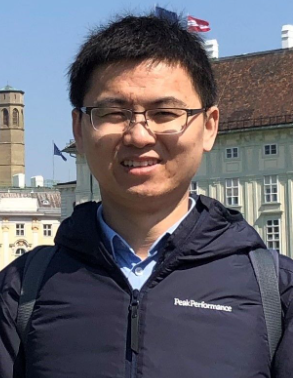 Lichao Yang (杨立朝)合作论文数School of Medicine, Xiamen University4
 Zhongxiong Fan合作论文数3
 Li Wenjun合作论文数3
 Xin Jin (金鑫)合作论文数School of Medicine, Xiamen University;Institute of Neuroscience, Xiamen University3Xiaofeng Tan (谭晓锋)合作论文数2Dao Shi合作论文数2Tong Ren合作论文数2Ying Li合作论文数2Peng Lu合作论文数2
 Yun Zhao (赵云)合作论文数School of Medicine, Xiamen University2
 Zhenqing Hou (侯振清)合作论文数College of Materials, Xiamen University;Research Institute for Soft Matter and Biomimetics, Xiamen University2
 Caixia Chen合作论文数School of Earth and Space Sciences, University of Science and Technology of China2Jiahao Meng合作论文数1Zhuan-Yun Cai合作论文数1Zi-Wei Ma合作论文数1Qiuli Wang合作论文数1Tai-Rui Wu合作论文数1Maoshu Zhu合作论文数1Jiazheng Wang合作论文数1Jingwen Li合作论文数1Lanxi Xu合作论文数1
 Jun Hai (海军)合作论文数兰州大学化学化工学院1
 Zhongqun Tian (田中群)合作论文数College of Chemistry and Chemical Engineering, Xiamen University;State Key Laboratory of Physical Chemistry of Solid Surfaces, Xiamen University;Department of Chemistry, Xiamen University1
 Yu Zhou (周宇)合作论文数School of Medicine, Xiamen University1
 Deyin Wu (吴德印)合作论文数College of Chemistry and Chemical Engineering, Xiamen University;State Key Laboratory of Physical Chemistry of Solid Surfaces, Xiamen University1
 Jianzhang Zhou (周剑章)合作论文数College of Chemistry and Chemical Engineering, Xiamen University;State Key Laboratory of Physical Chemistry of Solid Surfaces, Xiamen University1
 Jinyao Li (李金耀)合作论文数新疆大学生命科学与技术学院1
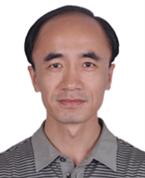 Dongtao Ge (葛东涛)合作论文数College of Materials, Xiamen University1




