Atherosclerosis (AS) is a chronic inflammatory disease driven by hypercholesterolemia and characterized by the accumulation of lipid-rich plaques within arterial walls. Although the nuclear receptor peroxisome proliferator-activated receptor alpha (PPARα) is known to regulate lipid metabolism and inflammation, the precise immunological mechanisms underlying its anti-atherosclerotic effects remain elusive. Here, we investigated the role of PPARα in atherosclerosis using both human and murine models, focusing on its regulation of pathogenic Th17 (pTh17) cell differentiation. Clinical data revealed that PPARα expression in CD4+ T cells significantly decreased with the progression of atherosclerosis. Functionally, PPARα deficiency accelerated plaque formation and instability by selectively promoting pTh17 differentiation, which subsequently impaired macrophage efferocytosis via paracrine crosstalk. Mechanistically, PPARα loss disrupted mitochondrial homeostasis, triggering mitochondrial DNA (mtDNA) leakage and activating the cyclic GMP-AMP synthase (cGAS)-stimulator of interferon genes (STING)-ERK cascade to intrinsically drive pTh17 commitment. Critically, either genetic ablation of STING or pharmacological activation of PPARα reversed these detrimental effects, suppressing pTh17 expansion and restoring macrophage efferocytosis. These findings establish PPARα as a vital metabolic-immune checkpoint, providing a mechanistic rationale for targeting the PPARα-cGAS-STING axis to concurrently attenuate pathogenic T cell inflammation and stabilize atherosclerotic plaques.
Rare ginsenosides, which exhibit higher bioavailability than major ginsenosides, have gained increasing interest in the functional food industry. However, their natural content in Panax ginseng C.A. Meyer, particularly in cultivated plants, is extremely low. Genomic analysis of Aspergillus cristatus identified candidate glycoside hydrolase (GH) families, including GH1 and GH3, which are commonly involved in ginsenoside deglycosylation in Aspergillus species. These insights indicate that A. cristatus possesses intrinsic biotransformation potential, providing a rational for optimizing fermentation parameters that enhance enzyme activity and stability. Furthermore, no annotated virulence factors or biogenic amine biosynthesis pathways were detected, supporting its suitability for food fermentation applications. Based on these findings, we developed a fermentation strategy using A. cristatus to convert major ginsenosides into rare ginsenosides in ginseng cultivated for less than five years. Fermentation conditions were systematically optimized using single-factor experiments and response surface methodology, identifying fermentation time, temperature, inoculum ratio, and water content as key determinants. Under optimal conditions, 14 days fermentation at 35 degrees C with 3% inoculum and 40% moisture content, the seven quantified rare ginsenosides (Rg2(S), Rg2(R), Rg3(S), Rg3(R), Rg5, Rg6, and Rk1) reached 3.8908 +/- 0.0797 mg/g, representing an approximately 10-fold increase over the unprocessed control.
This study investigated the binding mechanism between soybean isoflavones (SIF) and yeast protein (YP), subject to high-pressure homogenization (60 MPa, YP60). SIF at varying concentrations ranging from 2.1 to 3.0 mg/mL interacted non-covalently with both YP and YP60, as confirmed by total phenol content analysis. UV-Vis, FTIR and fluorescence spectroscopy indicated that SIF binding induced slight conformational changes in the protein structure. Fluorescence quenching analysis revealed a static quenching mechanism, with hydrogen bonding and van der Waals forces as the primary stabilizing interactions. High-pressure homogenization effectively altered the structure of YP by partially unfolding the protein, thereby exposing additional hydrophobic sites and enhancing its binding affinity for SIF. Molecular docking and dynamics simulations further demonstrated that stable YP-SIF complexes are formed through multiple hydrogen bonds, as well as electrostatic, and van der Waals interactions at specific amino acid residues, leading to increased structural stability and compactness of the protein.
To deepen the understanding of peach aroma, we investigated the changes of volatile organic compound (VOC) profiles during fruit development in three fresh peach cultivars: 'Jiucui (JC)', 'Zhongyoupan No. 9 (ZYP9)' and 'Zhongyou No. 8 (ZY8)'. The classes and contents of VOCs changed significantly during fruit ripening. The representative VOC changes were categorized into three developmental stages, with the lowest volatile content observed during the middle stage. At maturity, ester-related volatiles increased significantly, dominating the VOC profiles and accounting for 78 %, 82 % and 88 % in JC, ZYP9 and ZY8, respectively, while alcohols decreased dramatically. Multivariate analysis identified 23, 21 and 20 potential volatile markers in JC, ZYP9 and ZY8, respectively, with 9 shared markers distinguishing the different developmental stages. Odor activity values (OAVs) and olfactometry analysis highlighted 36, 29, and 26 aroma-active compounds (OAV > 1) across the cultivars, with key contributors to the mature peach aroma including hexyl acetate (OAV 860-2896), (E)-2-hexenyl acetate, (Z)-3-hexenyl acetate, (E)-3-hexenyl acetate, linalool, and gamma-decalactone. The fruity aroma intensified as ripening progressed, with ZY8, a cultivar with a longer maturation cycle, exhibiting the highest odor intensity. This study offers insights into the dynamic changes in VOC profiles during peach development, highlighting key aroma-active compounds and their stage-specific variations.
The interaction between infiltrating immune cells and brain-resident cells is critical for inducing an inflammatory response to ischemic stroke. However, the direct effects of CD11b+CD45int microglia in the brain on infiltrating CD11b+CD45highLy6G- monocytes/macrophages (Mos/MΦs) and the precise molecular mechanisms underlying these effects after acute ischemic stroke (AIS) remain unknown. Here, ischemia-induced microglial peroxisome proliferator-activated receptor-alpha (PPARα) downregulation was found to be critical for enhancing the inflammatory response and exacerbating ischemic brain injury by priming peripheral pro-inflammatory Mo/MΦ infiltration. The targeted microglial PPARα signal exerted neuroprotective effects on ischemic stroke by protecting blood-brain barrier (BBB) integrity and inhibiting the infiltration of innate immune cells. Furthermore, overexpression of microglia-specific PPARα exerted neuroprotective effects by enhancing the interleukin (IL)-4 signal-mediated crosstalk of microglia-MΦs. Therefore, our study reveals that ischemia-induced microglial PPARα deficiency expands the inflammatory response and exacerbates ischemic brain injury by enhancing the interaction with infiltrating peripheral Mos/MΦs and suggests that targeting microglial PPARα is a potential therapeutic strategy for improving acute cerebral ischemic injury.
Background : Scopolamine, a muscarinic antagonist, induces cognitive impairment but remains pharmacologically challenging to address. While current therapies (eg., donepezil) target single pathways (eg., cholinergic), Pterostilbene (Pte), a natural compound from blueberries and traditional medicine offers unexplored potential for multi-target intervention. Purpose : To investigate Pte’s effects on scopolamine-induced memory deficits and explore its mechanisms on the cholinergic regulation and NLRP3-mediated pyroptosis inhibition. Methods : Cognitive impairment was induced by scopolamine (4 mg/kg, ip.) in mice. Behavioral tests, hippocampal analyses (acetylcholine levels, ChAT/AChE activities, neuroinflammation markers), network pharmacology (identifying NLRP3 as the pivotal hub), and molecular docking (validating Pte-NLRP3 binding) were combined with in vivo/in vitro NLRP3/Caspase-1/GSDMD pathway assays. Results : Pte dose-dependently ameliorated scopolamine-induced cognitive impairment, restored hippocampal acetylcholine levels and ChAT activity, while mitigating neuroinflammatory. Network pharmacology indentified 35 potential targets with NLRP3’s active site. In vivo studies confirmed that Pte inhibited NLRP3 inflammasome activation. Notably, in vitro experiments revealed Pte functionally competes with MCC950, demonstrating NLRP3-dependent neuroprotection and specific attenuation of scopolamine-induced Caspase-1/GSDMD cleavage. Conclusion : Our findings establish Pte as a novel dual-target therapeutic agent that simultaneously modulates cholinergic function and directly inhibits NLRP3-mediated pyroptosis. The MCC950 competition assay provides evidence of Pte’s NLRP3-targeting specificity, offering a promising multi-target alternative to conventional single-pathway treatments for cognitive impairment.
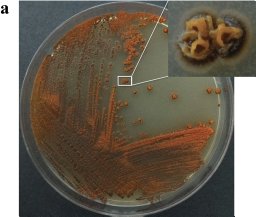
A new dimeric C-glycoside polyketide chrysomycin F (1), along with four new monomeric compounds, chrysomycins G (2), H (3), I (4), J (5), as well as three known analogues, chrysomycins A (6), B (7), and C (8), were isolated and characterised from a strain of Streptomyces sp. obtained from a sediment sample collected from the South China Sea. Their structures were determined by detailed spectroscopic analysis. Chrysomycin F contains two diastereomers, whose structures were further elucidated by a biomimetic [2 + 2] photodimerisation of chrysomycin A. Chrysomycins B and C showed potent anti-tuberculosis activity against both wild-type Mycobacterium tuberculosis and a number of clinically isolated MDR M. tuberculosis strains.
To recognize the key ester-related volatile compounds, 5 types of peaches including 54 late-ripening peach materials were examined by headspace solid-phase microextraction coupled with gas chromatography-mass spectrometry and E-nose. Here, a large number of esters were identified to be released by ripe peach fruits and were mainly characterized by fruity, green, and fatty notes. The variety and content of esters had greatly changed within or between cultivars, indicating that the fruit volatiles were highly differentiated depending on the specific genotypes and cultivation conditions. The ester types showed that fatty acid-derived C6 alcohols and methyl-/ethyl- short-chain alcohol were the main ester precursors, which were more likely to be utilized and well selected by alcohol acyltransferases, whereas the preference of acyl donors was not observed. The common peach type, which exhibited a unique volatile profile, displayed broader diversity and more abundant characteristics in ester-related volatiles than the other four types. A total of 19 key esters were identified as the main components and the content of most esters showed no significant difference among different peach types. Some key esters had even been enriched in nectarines. Moreover, the multiple discriminant analysis revealed a possible relationship between peach types and the domestication of the peach evolution. This study investigated ester-related volatiles released by different types of peach fruits and can be further used to evaluate the peach qualities, providing an important reference for peach breeding and processing.
Moringa oleifera Lam. (M. oleifera) has been used as a remedy for diabetes clinically. To discover the underlying mechanism, we investigated its hypoglycemic compounds and shed light on its regulatory targets and pathways using network pharmacology. A total of 13 active compounds of stem were shot, and they may relieve diabetes through 122 core intersecting targets, mainly regulating the biological processes of inflammatory response and apoptosis. Molecular docking showed binding advantages of the active compounds with proteins in apoptosis process. In experiments conducted on MIN6 cells, an islet β-cell line, the extract of M. oleifera stem was validated to protect cells from apoptosis through reducing cellular ROS and endoplasmic reticulum stress. And consistently with its protective effect on islet β-cells, M. oleifera stem alleviated hyperglycemia in Type 2 diabetes mellitus (T2DM) mice. These results offer novel evidence for the development of functional foods to treat T2DM with M. oleifera stem.
Although nanodrugs have shown striking potential toward Parkinson's Disease (PD) therapy, lack of brain targeting and on-demand drug release, as well as low drug payload seriously impede various nanodrugs further applied in PD. Here, motivated via the fact that the smart self-targeting nanodrugs can enhance blood-brain barrier (BBB) penetration, brain-targeting efficency, and cellular delivery, we have constructed a reactive oxygen species (ROS)-responsive hierarchical targeting vehicle-free nanodrugs for spatiotemporally selective PD therapy. Such nanodrugs are constructed via self-assembly of rasagiline mesylate (RM) and dopamine (DA)-thioketalDA dimer. The obtained nanodrugs with high drug payload, excellent physiological stability, and suitable diamter can specifically cross BBB and then internalize into endothelial and neuronal cells through DA receptormediated transcytosis. After that, nanodrugs can be disassembled under stimuli of the PD-endogenous ROS, thereby resulting in simultaneous spatiotemporal on-demand burst release of DA and RM. Moreover, our new findings show that DA and RM released from nanodrugs possess an outstanding three-pronged therapeutic effect on PD by inhibiting alpha-synuclein (alpha-syn) aggregation and neuroinflammation and enhancing DA neurons survival. In a word, we propose a central nervous system disease microenvironment-responsive vehicle-free hierarchical targeting therapeutic strategy for PD therapy.
Astrocyte inflammation activation is an important cause that hinders the recovery of motor function after cerebral ischemia. However, its molecular mechanism has not yet been clearly clarified. The peroxisome proliferator-activated receptor α (PPARα) is a ligand-activated nuclear transcriptional factor. This study aims to further clarify the role of PPARα in astrocyte inflammation activation after cerebral ischemia and to explore the underlying mechanism. Astrocyte activation was induced in an in vivo model by transient middle cerebral artery occlusion (tMCAO) in mice. The in vitro model was induced by an oxygen-glucose deprivation/reoxygenation (OGD/R) in a primary culture of mouse astrocyte. PPARα-deficient mice were used to observe the effects of PPARα on astrocyte activation and autophagic flux. Our results showed that PPARα was mainly expressed in activated astrocytes during the chronic phase of brain ischemia and PPARα dysfunction promoted astrocyte inflammatory activation. After cerebral ischemia, the expressions of LC3-II/I and p62 both increased. Autophagic vesicle accumulation was observed by electron microscopy in astrocytes, and the block of autophagic flux was indicated by an mRFP-GFP-LC3 adenovirus infection assay. A PPARα deficit aggravated the autophagic flux block, while PPARα activation preserved the lysosome function and restored autophagic flux in astrocytes after OGD/R. The autophagic flux blocker bafilomycin A1 and chloroquine antagonized the effect of the PPARα agonist on astrocyte activation inhibition. This study identifies a potentially novel function of PPARα in astrocyte autophagic flux and suggests a therapeutic target for the prevention and treatment of chronic brain ischemic injury.
Fuzhuan brick tea (FBT), a distinctive Chinese dark tea with the predominant fungus of Eurotium cristatum, offered significant health benefits to Chinese people. In the current study, the in vivo bioactivities of E. cristatum (SXHBTBU1934) fermented green tea and spores of E. cristatum fermented on wheat were investigated, respectively. The methanol extract of fermented green tea and spore of E. cristatum both showed potent lipid-lowering activity in the blood of a high-fat diet induced hyperlipidemia model in golden hamsters and significantly reduced the accumulation of fat granules in the liver. These results indicated that the key active components were produced by E. cristatum. Chemical investigations suggested similar components in the two extracts and led to the identification of a new alkaloid, namely variecolorin P (1), along with four known structurally related compounds, (-)-neoechinulin A (2), neoechinulin D (3), variecolorin G (4), and echinulin (5). The structure of the new alkaloid was elucidated by HRESIMS, 1H, 13C, and 2D NMR analysis. The lipid-lowering activity of these compounds was evaluated using an oleic acid-induced HepG2 cell line model. Compound 1 significantly reduced the lipid accumulation in the HepG2 cell line with an IC50 value of 0.127 μM.
: Two new trienoic acid derivatives, namely penioxa acids A ( 1 ) and B ( 2 ), have been isolated from the marine-derived fungus strain Penicillium oxalicum BTBU20213011. Their structures were determined by extensive analysis of spectroscopic data, including 1D and 2D NMR, and HRESIMS
Summary Peach is a highly significant economic fruit renowned for its juicy flesh, delectable taste, and pleasant aroma, which has made it a consumer favourite. Improving fruit quality often involves enhancing its aroma, as it is widely acknowledged that the aroma of a fruit plays a crucial role. However, the formation of aroma volatiles is dynamic and varies with fruit development and ripening and is closely linked to genetic background, cultivation management, and post‐harvest treatment. In recent years, many studies have been conducted to investigate the biosynthetic pathways involved in generating fruit aroma. However, the understanding of the underlying regulatory mechanisms remains limited. With the advancement in molecular biology and multi‐omics techniques, researchers have gained fresh insights into the molecular functions of peach genes, which holds significant implications for enhancing fruit flavour and advancing modern breeding programs. This review aims to summarise the most recent findings pertaining to aroma volatile compounds, shed light on the underlying regulatory mechanisms, and dissect the primary fields of peach fruit aroma research. Its purpose is to provide critical information that will facilitate a profound investigation into the specific components responsible for peach aroma and the mechanisms by which they are regulated.
Background: Obesity is the cause of multiple metabolic disorders, and its incidence has been rapidly increasing worldwide. It develops when energy intake exceeds energy expenditure (EE). Wedelolactone (WDL) is a naturally isolated compound from Eclipta prostrata L. and possesses many pharmacological activities. However, little is known about the effect of WDL on obesity and EE. Purpose: The present study aimed to investigate the effect of WDL on obesity and EE in diet-induced obese (DIO) mice and its underlying mechanism. Methods: Obese mice were induced by high fat diet. The effects of WDL on obese mice were assessed by examining body weight, fat mass, EE, glucose tolerance, and hepatic and kidney injury. 3T3-L1 cells were differentiated into mature adipocytes and incubated with WDL in vitro. Immunohistochemistry, western blotting, and real-time PCR were used to assess adipose browning. The inhibitory efficiency of WDL on nicotinamide Nmethyltransferase (NNMT) was evaluated using a fluorescence assay. Results: WDL reduced fat mass, suppressed body weight gain, and improved obesity-related metabolic disorders in DIO mice. WDL treatment promoted adipose browning and enhanced EE in both DIO mice and 3T3-L1 cells. These effects were eliminated in AMPK antagonized or PPAR alpha knockdown cells and in PPAR alpha(-/-) mice. Furthermore, we identified the target of WDL to be NNMT, an appealing target for regulating energy metabolism. WDL inhibited NNMT with an extremely low IC50 of 0.03 mu M. Inhibition of NNMT and activation of SIRT1/ AMPK/PPAR alpha explains how WDL reverses obesity by prompting adipose browning. Conclusion: Our findings demonstrate the novel effects of WDL in promoting adipose browning, enhancing EE and attenuating obesity and uncover the underlying mechanism, which includes inhibition of NNMT and subsequently activation of SIRT1/AMPK/PPAR alpha in response to WDL. WDL could be further developed as a therapeutic agent for treating obesity and related metabolic diseases.
 Fuhang Song合作论文数21
 Lixin Zhang (张立新)合作论文数School of Bioengineering, East China University of Science and Technology;State Key Laboratory of Bioreactor Engineering, East China University of Science and Technology18
 Huanqin Dai (代焕琴)合作论文数中国科学院微生物研究所17
 Xueting Liu (刘雪婷)合作论文数School of Bioengineering, East China University of Science and Technology13
 Guohong Zhuang (庄国洪)合作论文数School of Medicine, Xiamen University12
 Hui Guo合作论文数Institute of Microbiology Chinese Academy of Sciences, Chinese Academy of Sciences11
 Xin Jin (金鑫)合作论文数School of Medicine, Xiamen University;Institute of Neuroscience, Xiamen University11
 Biao Ren合作论文数Institute of Microbiology Chinese Academy of Sciences, Chinese Academy of Sciences10
 Peng Lu合作论文数9Annette Wilson合作论文数The MITRE Corporation9
 Wenzhu li (李文珠)合作论文数8DongMei Hu (胡冬梅)合作论文数8
 Mei Liu (刘梅)合作论文数Key Laboratory of Experimental Marine Biology, Institute of Oceanology, Chinese Academy of Sciences8
 Lichao Yang (杨立朝)合作论文数School of Medicine, Xiamen University8Li Wenjun合作论文数7
 Yu Zhou (周宇)合作论文数School of Medicine, Xiamen University7Stephen J. O'Keefe合作论文数7
 Wael M. Abdel-Mageed合作论文数Marine Biodiscovery Centre, University of Aberdeen7Ke Yu合作论文数6
 Xianjun Shen (沈显君)合作论文数School of Computer Science, Central China Normal University5
 Na Yang (杨娜)合作论文数College of Pharmacy, Nankai University5
 Yun Zhao (赵云)合作论文数School of Medicine, Xiamen University5
 Matsepo Ramaboli合作论文数4
 Qian Wang (王谦)合作论文数Department of Biomedical Sciences, Texas A&M University College of Dentistry4
 Lucky Nesengani合作论文数4
 Xiuli Xu (徐秀丽)合作论文数School of Ocean Sciences, China University of Geosciences, Beijing4
 Jincai Yang (杨进才)合作论文数School of Computer Science, Central China Normal University4
 Rengong Zhuo (卓仁恭)合作论文数School of Medicine, Xiamen University4
 B. Loye Eberhart合作论文数3Zhifeng Chi合作论文数3
 Pei Huang (黄佩)合作论文数Department of Pediatrics, Guizhou Children's Hospital3Xinru Liu合作论文数3Ying Li合作论文数3
 Shengyu Wang合作论文数3Ruizhen Liu合作论文数3GenXiu Zhou (周根秀)合作论文数3WeiYuan Hou (侯威远)合作论文数3HongLiang Chen (陈洪亮)合作论文数3
 Kiat Seng Yeo (杨杰圣)合作论文数School of Microelectronics, Tianjin University3He Wenni合作论文数3Xiangyang Liu合作论文数3Ocvirk Soeren合作论文数3
 Zhongchen Liu (刘忠臣)合作论文数School of Medicine, Tongji University;Shanghai Tenth People's Hospital3Jiakai Zhang (张佳锴)合作论文数3
 Manh Anh Do合作论文数3
 Fanghong Luo (罗芳洪)合作论文数Cancer Research Center, School of Medicine, Xiamen University3
 Feng Xie (谢锋)合作论文数Chengdu Institute of Biology, Chinese Academy of Sciences3
 Boon Chirn Chye合作论文数School of Electrical and Electronic Engineering, College of Engineering, Nanyang Technological University3Jinhua Su合作论文数3




