Global medium-range weather forecasting requires modeling structured yet state-dependent interactions among heterogeneous atmospheric fields. Existing data-driven models largely learn these interactions implicitly, whereas equation-level physical constraints may inherit approximation and model-form biases. We present VeinCast, a physics-guided dynamic field graph and graph-conditioned fusion framework that jointly forecasts 69 surface and upper-air fields. Within each local window, its Physics-Guided Dynamic Field Graph combines predefined atmospheric relations with state-dependent Top-K residual edges and adapts Earth-window attention using the resulting graph context. Graph-Conditioned Latent Fusion further employs graph context and source-node centrality to guide field-to-latent aggregation, while bounded feedback preserves field-specific information. On the 1.5^∘ ERA5 benchmark, VeinCast demonstrates competitive forecasting performance across all 69 meteorological fields at lead times of up to 14 days, compared with representative global weather forecasting models including FuXi, Pangu-Weather, GraphCast, FengWu, and ARROW. Ablations confirm that the two modules provide complementary gains, demonstrating the effectiveness of relational-level physical guidance for data-driven weather forecasting.
Existing robot video world models are typically trained with low-level objectives such as reconstruction and perceptual similarity, which are poorly aligned with the capabilities that matter most for robot decision making, including instruction following, manipulation success, and physical plausibility. They also suffer from error accumulation in long-horizon autoregressive prediction. We present RoboAlign-R1, a framework that combines reward-aligned post-training with stabilized long-horizon inference for robot video world models. We construct RobotWorldBench, a benchmark of 10,000 annotated video-instruction pairs collected from four robot data sources, and train a multimodal teacher judge, RoboAlign-Judge, to provide fine-grained six-dimensional evaluation of generated videos. We then distill the teacher into a lightweight student reward model for efficient reinforcement-learning-based post-training. To reduce long-horizon rollout drift, we further introduce Sliding Window Re-encoding (SWR), a training-free inference strategy that periodically refreshes the generation context. Under our in-domain evaluation protocol, RoboAlign-R1 improves the aggregate six-dimension score by 10.1
Multimodal sarcasm detection (MSD) aims to identify sarcasm polarity from diverse modalities (i.e., image–text pairs), a task that has received increasing attention. While significant progress has been made, existing approaches still face two major issues: lack of explainability and weak generalizability. In this paper, we introduce a new large vision–language model (LVLM) dubbed S³-MSD for explainable and generalizable MSD through three key components. For explainability, we develop (1) a self-training paradigm that automatically bootstraps answers with explanations, and (2) a self-calibrating mechanism that rectifies flawed explanations. For generalizability, we design (3) a self-focusing module that amplifies visual semantic entities through preference optimization, thereby mitigating textual over-reliance. Experimental results on both in-distribution and out-of-distribution (OOD) benchmarks demonstrate that S³-MSD consistently outperforms state-of-the-art methods in detection performance. Furthermore, the proposed S³-MSD provides persuasive explanations, as verified by both quantitative metrics and human evaluations.
Long-term, high-fidelity simulation of slow-changing physical systems, such as the ocean and climate, presents a fundamental challenge in scientific computing. Traditional autoregressive machine learning models often fail in these tasks as minor errors accumulate and lead to rapid forecast degradation. To address this problem, we propose NeuralOM, a general neural operator framework designed for simulating complex, slow-changing dynamics. NeuralOM's core consists of two key innovations: (1) a Progressive Residual Correction Framework that decomposes the forecasting task into a series of fine-grained refinement steps, effectively suppressing long-term error accumulation; and (2) a Physics-Guided Graph Network whose built-in adaptive messaging mechanism explicitly models multi-scale physical interactions, such as gradient-driven flows and multiplicative couplings, thereby enhancing physical consistency while maintaining computational efficiency. We validate NeuralOM on the challenging task of global Subseasonal-to-Seasonal (S2S) ocean simulation. Extensive experiments demonstrate that NeuralOM not only surpasses state-of-the-art models in forecast accuracy and long-term stability, but also excels in simulating extreme events. For instance, at a 60-day lead time, NeuralOM achieves a 13.3% lower RMSE compared to the best-performing baseline, offering a stable, efficient, and physically-aware paradigm for data-driven scientific computing.
Search is undergoing a structural shift from ranked retrieval and static retrieval-augmented generation (RAG) to agentic information seeking. Large language models (LLMs) now plan queries, browse pages, inspect evidence, maintain state, and synthesize answers or reports whose credibility depends on traceable external support. The resulting literature is fast-growing but difficult to compare. Web agents, search agents, agentic RAG systems, deep research agents, and multimodal browsing agents often reuse similar planners, retrievers, memories, verifiers, and writers, yet operate under different task regimes, evidence environments, output artifacts, tool budgets, and judging protocols. This survey argues that LLM-based search agents should be compared through a Search-Agent Comparison Contract that jointly specifies the task regime, evidence environment, evidence unit, control policy, output artifact, and evaluation contract. Using this lens, we delimit the field against traditional information retrieval, static RAG, generic LLM agents, and graphical user interface (GUI) agents. We then organize representative systems through comparison fields and executable workflow components, synthesize learning recipes from prompting and trajectory distillation to reinforcement learning, process rewards, verifier-guided search, test-time scaling, and multimodal orchestration, and consolidate benchmarks spanning BrowseComp-style browsing, GAIA/HLE-style assistant and frontier-reasoning tasks, long-form deep research, multimodal evidence-grounded search, and domain-specific settings. The central thesis is that progress should be measured not only by final-answer accuracy, but also by evidence quality, citation faithfulness, live-versus-frozen reproducibility, leakage control, cost, and artifact reporting. By synthesizing more than 400 works, this survey provides a reference map and a methodological foundation for building trustworthy search agents as accountable evidence-acquisition infrastructure.
Large Language Models (LLMs) are undergoing a fundamental transformation from conversational generators into integrated AI systems capable of reasoning, action, memory, and self-improvement. We conceptualize this transition as a shift from Chatbot to Digital Colleague: from conversational answers to persistent work. We organize this transition along two tightly coupled dimensions. First, at the cognitive core level, LLMs are advancing from Chatbot-era "fast thinking" systems driven by next-token prediction toward Thinking LLMs that leverage inference-time computation, Chain-of-Thought reasoning, reflection, process supervision, and reinforcement learning to support more deliberate and reliable cognition. Second, at the tool-augmented task execution level, LLMs are progressing from tool-calling Agents that invoke external resources in an ad hoc manner toward OpenClaw-style workstation systems (OpenClaw) equipped with persistent Workspaces, skills, verification loops, and governance. The "Workspace + Skill" paradigm makes episodic tool use colleague-like via state persistence, reusable procedures, task closure, and experience reuse. We examine data construction shifts from instruction-response pairs to State-Action-Observation trajectories and evaluation from static benchmarks to sandboxed, auditable, self-evolving AI ecosystems.
Tunnel fires pose significant threats to public safety and urban infrastructure. Prompt responses and the implementation of effective firefighting measures are crucial for reducing losses from tunnel fires. However, current approaches lack high-precision and long-term prediction methods for various physical fields in tunnel fires. To address this issue, this paper proposes a deep learning model capable of predicting the development of multiple physical parameters in tunnel fires, such as temperature and visibility: Multi-Granularity Spatiotemporal Buffer Network (MUST-BN). MUST-BN simplifies the integration of multiple physical fields by using multi-scale wavelet convolution modules and global Fourier transform modules. It effectively captures the inherent spatiotemporal relationships in fire dynamics. Additionally, the model employs a spatiotemporal attention mechanism to seamlessly merge information from the two modules. It also introduces a buffer mechanism that connects the neural network with data streams to improve long-term prediction accuracy. This paper constructs a FIT dataset by simulating various tunnel fire scenarios, providing learning data for the model. Deep learning numerical results show that MUST-BN exhibits small prediction errors in forecasting tunnel fire-related parameters, with prediction errors for temperature and visibility below 5%. Furthermore, comparative analyses with other state-of-the-art models reveal that MUST-BN significantly outperforms them in temperature prediction, achieving a mean squared error of 0.0342 and a structural similarity index measure of 0.9117. These results indicate that MUST-BN effectively models the interactions of multiple physical fields and provides reliable long-term predictions, thereby offering valuable support for fire safety planning and emergency response in tunnel environments. We provide our complete code and dataset at the following URL: https://github.com/Fire-pre/MUST-BN/tree/main.
Generative Adversarial Networks (GANs) have proven to be effective in generating synthesized data. However, their use often requires large amounts of data and sufficient computing power for model training. This presents significant challenges for GAN training in edge devices, which typically lack the necessary resources for GAN training. Additionally, the data collected by these devices often contain sensitive information that requires privacy preservation. The data volume may also be insufficient for GAN training, and the data collected by individual edge devices may have both common and unique features across the network. To address these challenges, we propose TSGAN, a lightweight GAN framework for Edge-Cloud computing. Coordinated by a Cloud server, TSGAN allows a network of resource-limited edge devices to train GAN models for privacy-preserving data generation. We propose a teacher-student model to enable edge devices to generate high-quality data. We also propose a novel deployment mechanism that facilitates effective distributed learning across edge devices and the Cloud server, while preventing the Cloud server generating the synthetic data from accessing the data collected by edge devices. Finally, we introduce a joint restraint learning function that enhances the effectiveness of learning unique features from data on individual edge devices. We conducted extensive experiments. The results have verified the effectiveness of TSGAN.
Reconstructing subsurface ocean dynamics, such as vertical velocity fields, from incomplete surface observations poses a critical challenge in Earth science, a field long hampered by the lack of standardized, analysis-ready benchmarks. To systematically address this issue and catalyze research, we first build and release KD48, a high-resolution ocean dynamics benchmark derived from petascale simulations and curated with expert-driven denoising. Building on this benchmark, we introduce VISION, a novel reconstruction paradigm based on Dynamic Prompting designed to tackle the core problem of missing data in real-world observations. The essence of VISION lies in its ability to generate a visual prompt on-the-fly from any available subset of observations, which encodes both data availability and the ocean's physical state. More importantly, we design a State-conditioned Prompting module that efficiently injects this prompt into a universal backbone, endowed with geometry- and scale-aware operators, to guide its adaptive adjustment of computational strategies. This mechanism enables VISION to precisely handle the challenges posed by varying input combinations. Extensive experiments on the KD48 benchmark demonstrate that VISION not only substantially outperforms state-of-the-art models but also exhibits strong generalization under extreme data missing scenarios. By providing a high-quality benchmark and a robust model, our work establishes a solid infrastructure for ocean science research under data uncertainty. Our codes are available at: https://github.com/YuanGao-YG/VISION.
In this paper, we use the Fire Dynamics Simulator (FDS) combined with the {\fontfamily{lmtt}\selectfont \textit{supercomputer}} support to create a \textbf{C}ombustion \textbf{K}inetics (CK) dataset for machine learning and scientific research. This dataset captures the development of fires in industrial parks with high-precision Computational Fluid Dynamics (CFD) simulations. It includes various physical fields such as temperature and pressure, and covers multiple environmental combinations for exploring \underline{multi-physics} field coupling phenomena. Additionally, we evaluate several advanced machine learning architectures across our {\fontfamily{lmtt}\selectfont {Open-CK}} benchmark using a substantial computational setup of 64 NVIDIA A100 GPUs: \ding{182} vision backbone; \ding{183} spatio-temporal predictive models; \ding{184} operator learning frameworks. These architectures uniquely excel at handling complex physical field data. We also introduce three benchmarks to demonstrate their potential in enhancing the exploration of downstream tasks: (a) capturing continuous changes in combustion kinetics; (b) a neural partial differential equation solver for learning temperature fields and turbulence; (c) reconstruction of sparse physical observations. The Open-CK dataset and benchmarks aim to advance research in combustion kinetics driven by machine learning, providing a reliable baseline for developing and comparing cutting-edge technologies and models. We hope to further promote the application of deep learning in earth sciences. Our project is available at \url{https://github.com/whscience/Open-CK}.
Accurate and efficient global ocean state estimation remains a grand challenge for Earth system science, hindered by the dual bottlenecks of computational scalability and degraded data fidelity in traditional data assimilation (DA) and deep learning (DL) approaches. Here we present an AI-driven Data Assimilation Framework for Ocean (ADAF-Ocean) that directly assimilates multi-source and multi-scale observations, ranging from sparse in-situ measurements to 4 km satellite swaths, without any interpolation or data thinning. Inspired by Neural Processes, ADAF-Ocean learns a continuous mapping from heterogeneous inputs to ocean states, preserving native data fidelity. Through AI-driven super-resolution, it reconstructs 0.25^∘ mesoscale dynamics from coarse 1^∘ fields, which ensures both efficiency and scalability, with just 3.7% more parameters than the 1^∘ configuration. When coupled with a DL forecasting system, ADAF-Ocean extends global forecast skill by up to 20 days compared to baselines without assimilation. This framework establishes a computationally viable and scientifically rigorous pathway toward real-time, high-resolution Earth system monitoring.
Multimodal Large Reasoning Models (MLRMs) demonstrate impressive cross-modal reasoning but often amplify safety risks under adversarial or unsafe prompts, a phenomenon we call the \textit{Reasoning Tax}. Existing defenses mainly act at the output level and do not constrain the reasoning process, leaving models exposed to implicit risks. In this paper, we propose SaFeR-VLM, a safety-aligned reinforcement learning framework that embeds safety directly into multimodal reasoning. The framework integrates four components: (I) QI-Safe-10K, a curated dataset emphasizing safety-critical and reasoning-sensitive cases; (II) safety-aware rollout, where unsafe generations undergo reflection and correction instead of being discarded; (III) structured reward modeling with multi-dimensional weighted criteria and explicit penalties for hallucinations and contradictions; and (IV) GRPO optimization, which reinforces both safe and corrected trajectories. This unified design shifts safety from a passive safeguard to an active driver of reasoning, enabling scalable and generalizable safety-aware reasoning. SaFeR-VLM further demonstrates robustness against both explicit and implicit risks, supporting dynamic and interpretable safety decisions beyond surface-level filtering. SaFeR-VLM-3B achieves average performance $70.13$ and $78.97$ on safety and helpfulness across six benchmarks, surpassing both same-scale and $>10\times$ larger models such as Skywork-R1V3-38B, Qwen2.5VL-72B, and GLM4.5V-106B. Remarkably, SaFeR-VLM-7B benefits from its increased scale to surpass GPT-5-mini and Gemini-2.5-Flash by \num{6.47} and \num{16.76} points respectively on safety metrics, achieving this improvement without any degradation in helpfulness performance. Our codes are available at https://github.com/HarveyYi/SaFeR-VLM.
In dynamical system modeling, traditional numerical methods are limited by high computational costs, while modern data-driven approaches struggle with data scarcity and distribution shifts. To address these fundamental limitations, we first propose SPARK, a physics-guided quantitative augmentation plugin. Specifically, SPARK utilizes a reconstruction autoencoder to integrate physical parameters into a physics-rich discrete state dictionary. This state dictionary then acts as a structured dictionary of physical states, enabling the creation of new, physically-plausible training samples via principled interpolation in the latent space. Further, for downstream prediction, these augmented representations are seamlessly integrated with a Fourier-enhanced Graph ODE, a combination designed to robustly model the enriched data distribution while capturing long-term temporal dependencies. Extensive experiments on diverse benchmarks demonstrate that SPARK significantly outperforms state-of-the-art baselines, particularly in challenging out-of-distribution scenarios and data-scarce regimes, proving the efficacy of our physics-guided augmentation paradigm.
This paper proposes a two-stage framework named ST-PAD for spatio-temporal continuum field modeling in the field of earth sciences, aiming to achieve high-precision simulation and prediction of fluid dynamics through spatio-temporal physics awareness and parameter diffusion guidance. In the upstream stage, we design a vector quantization reconstruction module with temporal evolution characteristics, ensuring balanced and resilient parameter distribution by introducing general physical constraints. In the downstream stage, a diffusion probability network involving parameters is utilized to generate high-quality future states of fluids, while enhancing the model's generalization ability by perceiving parameters in various physical setups. Extensive experiments on multiple benchmark datasets have verified the effectiveness and robustness of the ST-PAD framework, which showcase that ST-PAD outperforms current mainstream models in fluid dynamics modeling and prediction, especially in effectively capturing local representations and maintaining significant advantages in OOD generations.
Accurate weather forecasts are important for disaster prevention, agricultural planning, etc. Traditional numerical weather prediction (NWP) methods offer physically interpretable high-accuracy predictions but are computationally expensive and fail to fully leverage rapidly growing historical data. In recent years, deep learning models have made significant progress in weather forecasting, but challenges remain, such as balancing global and regional high-resolution forecasts, excessive smoothing in extreme event predictions, and insufficient dynamic system modeling. To address these issues, this paper proposes a global-regional nested weather forecasting framework (OneForecast) based on graph neural networks. By combining a dynamic system perspective with multi-grid theory, we construct a multi-scale graph structure and densify the target region to capture local high-frequency features. We introduce an adaptive messaging mechanism, using dynamic gating units to deeply integrate node and edge features for more accurate extreme event forecasting. For high-resolution regional forecasts, we propose a neural nested grid method to mitigate boundary information loss. Experimental results show that OneForecast performs excellently across global to regional scales and short-term to long-term forecasts, especially in extreme event predictions. Codes link https://github.com/YuanGao-YG/OneForecast.
The remarkable success of Large Language Models (LLMs) has illuminated a promising pathway toward achieving Artificial General Intelligence for both academic and industrial communities, owing to their unprecedented performance across various applications. As LLMs continue to gain prominence in both research and commercial domains, their security and safety implications have become a growing concern, not only for researchers and corporations but also for every nation. Currently, existing surveys on LLM safety primarily focus on specific stages of the LLM lifecycle, e.g., deployment phase or fine-tuning phase, lacking a comprehensive understanding of the entire "lifechain" of LLMs. To address this gap, this paper introduces, for the first time, the concept of "full-stack" safety to systematically consider safety issues throughout the entire process of LLM training, deployment, and eventual commercialization. Compared to the off-the-shelf LLM safety surveys, our work demonstrates several distinctive advantages: (I) Comprehensive Perspective. We define the complete LLM lifecycle as encompassing data preparation, pre-training, post-training, deployment and final commercialization. To our knowledge, this represents the first safety survey to encompass the entire lifecycle of LLMs. (II) Extensive Literature Support. Our research is grounded in an exhaustive review of over 800+ papers, ensuring comprehensive coverage and systematic organization of security issues within a more holistic understanding. (III) Unique Insights. Through systematic literature analysis, we have developed reliable roadmaps and perspectives for each chapter. Our work identifies promising research directions, including safety in data generation, alignment techniques, model editing, and LLM-based agent systems. These insights provide valuable guidance for researchers pursuing future work in this field.
Accurately predicting the long-term evolution of turbulence is crucial for advancing scientific understanding and optimizing engineering applications. However, existing deep learning methods face significant bottlenecks in long-term autoregressive prediction, which exhibit excessive smoothing and fail to accurately track complex fluid dynamics. Our extensive experimental and spectral analysis of prevailing methods provides an interpretable explanation for this shortcoming, identifying Spectral Bias as the core obstacle. Concretely, spectral bias is the inherent tendency of models to favor low-frequency, smooth features while overlooking critical high-frequency details during training, thus reducing fidelity and causing physical distortions in long-term predictions. Building on this insight, we propose Turb-L1, an innovative turbulence prediction method, which utilizes a Hierarchical Dynamics Synthesis mechanism within a multi-grid architecture to explicitly overcome spectral bias. It accurately captures cross-scale interactions and preserves the fidelity of high-frequency dynamics, enabling reliable long-term tracking of turbulence evolution. Extensive experiments on the 2D turbulence benchmark show that Turb-L1 demonstrates excellent performance: (I) In long-term predictions, it reduces Mean Squared Error (MSE) by 80.3% and increases Structural Similarity (SSIM) by over 9× compared to the SOTA baseline, significantly improving prediction fidelity. (II) It effectively overcomes spectral bias, accurately reproducing the full enstrophy spectrum and maintaining physical realism in high-wavenumber regions, thus avoiding the spectral distortions or spurious energy accumulation seen in other methods.
This paper investigates the problem of modeling long-term dynamical systems, which are essential for comprehending fluid dynamics and astrophysics. Recently, a variety of spatio-temporal forecasting approaches have been proposed, which usually employ complicated architectures (e.g., Transformer) to learn spatial and temporal relationships. However, these approaches typically perform poorly for long-term forecasting due to information loss during exploration and iterative rollouts. To tackle this, we propose a new framework named Spatio-temporal Twins with A Cache (STAC) for long-term system dynamics modeling. To investigate spatio-temporal relationships from complementary perspectives, STAC contains a frequency-enhanced spatial module and an ODE-enhanced temporal module. Then, we fuse the information between twin modules with channel attention for discriminative feature maps. To capture long-term dynamics, we introduce a cache-based recursive propagator, which stores the previous feature maps in the cache memory during recursive updating. Moreover, we involve both teacher forcing with Mixup and semi-supervised adversarial learning to enhance the optimization process. Extensive experiments show that the proposed STAC can achieve superior performance to existing state-of-the-art methods.
This work studies the problem of out-of-distribution fluid dynamics modeling. Previous works usually design effective neural operators to learn from mesh-based data structures. However, in real-world applications, they would suffer from distribution shifts from the variance of system parameters and temporal evolution of the dynamical system. In this paper, we propose a novel approach named \underline{P}rompt Evol\underline{u}tion with G\underline{r}aph OD\underline{E} (\method{}) for out-of-distribution fluid dynamics modeling. The core of our \method{} is to learn time-evolving prompts using a graph ODE to adapt spatio-temporal forecasting models to different scenarios. In particular, our \method{} first learns from historical observations and system parameters in the frequency domain to explore multi-view context information, which could effectively initialize prompt embeddings. More importantly, we incorporate the interpolation of observation sequences into a graph ODE, which can capture the temporal evolution of prompt embeddings for model adaptation. These time-evolving prompt embeddings are then incorporated into basic forecasting models to overcome temporal distribution shifts. We also minimize the mutual information between prompt embeddings and observation embeddings to enhance the robustness of our model to different distributions. Extensive experiments on various benchmark datasets validate the superiority of the proposed \method{} in comparison to various baselines.
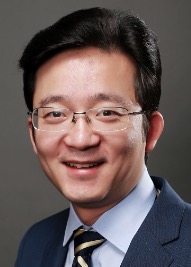 Xiaomeng Huang (黄小猛)合作论文数Department of Earth System Science, Tsinghua University9
 Qingsong Wen (文青松)合作论文数Squirrel Ai Learning6
 Yuxuan Liang (梁宇轩)合作论文数Hong Kong University of Science and Technology (Guangzhou)5
 Xiao Luo合作论文数Department of Statistics, University of Wisconsin–Madison5
 Yifan Duan合作论文数Univ Sci & Technol China, Sch Comp Sci & Technol, Hefei 230026, Anhui, Peoples R China4
 Xian Wu合作论文数Pinterest4
 Kun Wang合作论文数Center for Bioinfo and Comp Bio, University of Maryland4
 Yang Wang (汪炀)合作论文数School of Computer Science and Technology, University of Science and Technology of China;School of Software Engineering of University of Science and Technology of China4
 Xiong Wei合作论文数3
 Fan Zhang (张帆)合作论文数Institute of Remote Sensing and Geographic Information System, Peking University3Yuan Gao (高原)合作论文数Department of Computer Science and Technology, Tsinghua University3
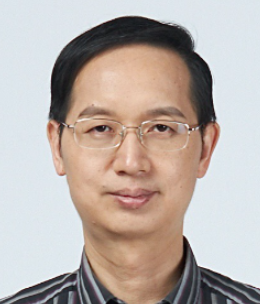 Xiansheng Hua (华先胜)合作论文数School of Mechanical Engineering, Tongji University;Institute of AI for Engineering, Tongji University3
 Philip S. Yu (俞士綸)合作论文数Department of Computer Science, College of Engineering, University of Illinois Chicago;Big Data and Social Computing Lab, University of Illinois Chicago3
 Xuming Hu (胡旭明)合作论文数The Hong Kong University of Science and Technology (Guangzhou)3Jinbao Xue合作论文数2Yibo Yan合作论文数The Hong Kong University of Science and Technology;Alibaba2Fan Xu合作论文数2Yangyu Tao合作论文数2
 Shuyi Zhou合作论文数2PengHao Zhao (赵鹏昊)合作论文数2
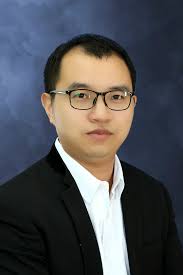 Xiaojiang Peng (彭小江)合作论文数College of Big Data and Internet, Shenzhen Technology University2
 Haixin Wang (汪海昕)合作论文数Henry Samueli School of Engineering and Applied Science, University of California, Los Angeles;Amazon2
 Qiu-Feng Wang (王秋锋)合作论文数PAttern Learning and Mining Lab, School of Computer Science and Engineering, Southeast University2
 Liu Yang (杨柳)合作论文数School of Artificial Intelligence, College of Intelligence and Computing, Tianjin University2
 Guibin Zhang合作论文数School of Computing, National University of Singapore2
 Hui Xiong (熊辉)合作论文数The Hong Kong University of Science and Technology (Guangzhou)2
 Qing Li (李青)合作论文数Department of Computing, Faculty of Engineering, Hong Kong Polytechnic University2
 Kai Wang (王锴)合作论文数School of Computing, National University of Singapore;High Performance Computing for Artificial Intelligence Lab, National University of Singapore2
 Shirui Pan (潘世瑞)合作论文数School of Information and Communication Technology, Griffith University2Kangyu Weng合作论文数1Jiahao Wu合作论文数1huanshuo dong合作论文数1Miao Yu合作论文数1Junyuan Mao合作论文数1Chong Chen合作论文数1Weiyan Wang合作论文数1
 Yanwei Yue (岳彦伟)合作论文数School of Computer Science, Tongji University;Department of Computer Science and Technology, Tongji University1Ruiqi Shu合作论文数1Zaige Fei合作论文数University of Science and Technology of China1
 Cong Wu (吴聪)合作论文数School of Cyber Science and Engineering, Wuhan University1Shilong Wang合作论文数1




