The majority of thyroid cancers present as localized disease that is treated with surgery or radioactive iodine. Despite the effectiveness of radioactive iodine, 5-10% of thyroid cancers are radioiodine-resistant and are termed radioiodine-refractory (RAIR) thyroid cancers. RAIR tumors that spread distantly exhibit high mortality. Phase III trials, in the early 2010s, for tyrosine kinase inhibitors (TKIs) such as lenvatinib, sorafenib, and cabozantinib have shown promise in extending progression-free survival (PFS) in patients with RAIR, but it remains unclear whether these advances have improved disease-specific survival (DSS). We conducted a survival analysis of metastatic thyroid cancers using the Surveillance, Epidemiology, and End Results (SEER) national database to assess changes in DSS from 1992 to 2022. Patients were divided into three cohorts based on the year of diagnosis: 1992-2001, 2002-2011, and 2012-2022. Kaplan-Meier and Cox regression analyses were used to assess survival trends and effects of demographic and treatment variables. Our results suggest a modest but significant improvement in DSS for those diagnosed with distant metastasis of anaplastic, follicular, medullary, and oncocytic thyroid carcinoma in the most recent decade (2012-2022) compared to earlier periods. Limited information on detailed treatment data, imposed by the use of SEER, ought to be considered. Future studies with more detailed treatment data would be beneficial for confirming our findings and better characterizing RAIR thyroid cancer survival.
Background: Desmoid tumors can cause morbidity due to local invasion, potentially being fatal when fast growth compromises vital structures. In this context, a timely treatment response is required. This study aims to compare the activity of sorafenib and anthracycline-containing regimens during the first year of treatment. Methods: The authors conducted a multi-institutional retrospective analysis of desmoid tumor patients treated with either sorafenib or an anthracycline-containing regimen over 1 year. The primary end point was the overall response rate (ORR). The secondary end points were time to response (TTR), progression-free survival (PFS), and adverse events. Results: From 2005 to 2022, 80 patients received sorafenib and 51 received an anthracycline-containing regimen with similar baseline characteristics. The 1-year ORR was 37% for anthracycline and 13% for sorafenib (p = .016). Median best response was -9% (range, -73 to 51) for anthracycline and -4% (range, -69 to 126) for sorafenib. Median TTR was 5.6 months (95% confidence interval [CI], 3.4-7.8) for anthracycline and 8.7 months (95% CI, 6.3-11.1) for sorafenib (p = .2). One-year PFS was 73% (95% CI, 60-86) for anthracycline and 59% (95% CI, 47-71) for sorafenib (p = .3). Common grade 1-2 adverse events for sorafenib were hand-foot syndrome (40%), diarrhea (25%), and fatigue (22%); for anthracycline, they were nausea (31%), fatigue (16%), and rash (14%). Grade 3 events were higher in the anthracycline group, 27% versus 14% (p < .05). Conclusion: Anthracycline-based therapy provided a greater 1-year response rate than sorafenib but was associated with a higher rate of serious adverse events. Higher-risk desmoid tumors, which need a more timely response, might benefit from anthracycline-based therapies, whereas average-risk tumors could benefit from sorafenib.
CONTEXT.—:The characteristic molecular signature for both atypical lipomatous tumor/well-differentiated liposarcoma and dedifferentiated liposarcoma is amplified sequences derived from chromosome 12q13-15, including MDM2 proto-oncogene (MDM2). As the progression of atypical lipomatous tumor/well-differentiated liposarcoma to the more aggressive dedifferentiated liposarcoma has the potential to adversely affect patient outcomes, the extent of the latter component might be important to evaluate. OBJECTIVE.—:To investigate the correlation between clinicopathologic characteristics, including tumor size, modified Fédération Nationale des Centres de Lutte Contre le Cancer (FNCLCC) grade, molecular data, and outcomes in 123 surgically resected MDM2-amplified liposarcomas. DESIGN.—:Pathology reports and clinical records were reviewed. A log-rank test was used to compare the survival trends, and univariate logistic regression was performed to identify variables associated with adverse events (distant metastasis and/or death), from which the P value was derived to construct a multivariate regression model. RESULTS.—:In univariate analysis, the largest single dimension of the dedifferentiated component, the percentage of cells with gain of chromosome 12, mitotic count, and the presence of modified FNCLLC grade 3 were associated with adverse events. In multivariate analysis, the largest single dimension of the dedifferentiated component (odds ratio: 1.169; 95% CI: 1.053, 1.299; P = .003), and a higher mitotic count (odds ratio: 1.133; 95% CI: 1.037, 1.237; P = .006) were correlated with adverse events. There was no statistically significant association between current local recurrence status, overall largest tumor dimension, overall tumor volume, MDM2 copy number, or MDM2 to chromosome 12 centromere probe ratio and adverse outcomes. CONCLUSIONS.—:Staging dedifferentiated liposarcoma based on the size of the dedifferentiated component better predicts the outcome.
Over the past decade, remarkable improvements have been seen in oncology. The survival rate for breast cancer has more than doubled since 1975. Even diseases previously known for having poor prognoses, such as lung cancer, saw an improvement in survival over this period. To that end, the aim of this commentary is to evaluate how patients with soft tissue sarcoma (STS) fared during this period. By analyzing data from 21,948 patients with STS (excluding gastrointestinal stromal tumor [GIST]) from the Surveillance, Epidemiology, and End Results 9 registries, this study determined that the median survival has remained stagnant from 1999 to 2019 (66–68 months); even when stratified by localized or distant disease, no significant difference was seen. However, when looking specifically at GIST ( n = 3716), there was a steady improvement in survival during the same period, with the median survival increasing from 105 months in 1999–2004 to 122 months in 2005–2011. These survival improvements were seen in both localized and distant settings. Multiple factors can be attributed to the stagnation of STS in comparison with other cancers, including the lack of understanding of its biological mechanisms, difficulties in conducting research in rare diseases, and lack of commercial interest in positioning drugs in this disease. The contrasting progress in GIST highlights that this reality can be changed; by understanding the biological drivers, actionable targets can be found and novel drugs can be positioned to improve survival.
Purpose: Epithelioid hemangioendothelioma (EHE) is a rare vascular cancer with pathogenic TAZ-CAMTA1 (calmodulinbinding transcription activator 1) operating as an oncogenic driver through activation of the MAPK pathway. Trametinib is an inhibitor of MEK, a critical kinase in the MAPK pathway. We sought to evaluate the effect of trametinib in patients with EHE.Patients and Methods: A phase 2 trial of trametinib was conducted in patients with locally advanced or metastatic EHE. Eligibility requirements included evidence of tumor progression or presence of EHE-related pain requiring opiates for management before enrollment. The primary endpoint was objective response rate (ORR) as per RECIST1.1 in cases with TAZ- CAMTA1 confirmed by fusion-FISH. Secondary objectives were to estimate ORR for all patients, median progression-free survival (PFS), 2-year overall survival (OS) rate, patient safety, and change in patient-reported global health and pain scores per PROMIS questionnaires.Results: 44 patients enrolled and 42 started trametinib. TAZ- CAMTA1 was detected in 27 tumor samples. TheORRwas 3.7%[95% confidence interval (CI), 0.094-19.0], median PFS was 10.4 months (95%CI, 7.1-NA), and 2-year OS rate was 33.3%(95%CI, 19.1-58.2) in the target population. Median pain intensity and interference scores improved significantly after 4 weeks of trametinib in patients using opiates. Common adverse events related to trametinib were rash, fatigue, nausea/vomiting, diarrhea/constipation, alopecia, and edema; one grade 5 ARDS/pneumonitis was related to trametinib.Conclusions: Trametinib was associated with reduction in EHE-related pain and median PFS of more than 6 months, providing palliative benefit in patients with advanced EHE, but the trial did not meet the ORR goal. See related commentary by Van Tine and Haarberg, p. 4552Conclusions: Trametinib was associated with reduction in EHE-related pain and median PFS of more than 6 months, providing palliative benefit in patients with advanced EHE, but the trial did not meet the ORR goal. See related commentary by Van Tine and Haarberg, p. 4552
11585 Background: Desmoid tumors are soft-tissue neoplasms, which, although unable to metastasize, can cause significant morbidity due to local invasion. Currently, the first-line approach is active surveillance. For tumors that progress during surveillance, systemic therapies can be used, including nirogacestat, sorafenib, pazopanib, and cytotoxic chemotherapy. However, their optimal duration is unknown. Here, we aim to assess the risk of treatment failure after discontinuing sorafenib before one year. Methods: We analyzed all patients with desmoid tumors treated with sorafenib at three academic centers from 01/01/2000-12/01/2021. We included patients who discontinued sorafenib not due to radiological or clinical progression and had documented no intention to start the next line of therapy at the time of discontinuation. The primary endpoint was 2-year treatment-free survival between patients who stopped sorafenib before and after 1 year. The secondary endpoint was the rate of toxic effects recorded according to the Common Terminology Criteria for Adverse Events during treatment. We calculated treatment-free survival using the Kaplan-Meier method with the Log-Rank Test to estimate the 95% confidence interval. All patients were censored at the 2-year mark. Fischer’s Exact T-test was performed to assess between-group differences. Results: 40 patients received sorafenib and discontinued it with no intention to start a next line of therapy. The main reasons for discontinuation were side effects (n=21, 52%) and physician-patient preference (n=10, 25%). 27 (67%)were women, and median age at diagnosis was 36.Regarding race and ethnicity,27 (47%)were White, 8 (20%)were Black, and 16 (40%) were Latino. The tumor was in the lower extremity in 10 (25%) cases, trunk in 3 (7%) cases, abdominal wall in 10 (25%), intra-abdominal in 5 (12%), upper extremity in 5 (12%) head-neck in 1 and breast in 1. 20 patients stopped treatment before one year and 20 after one year, with 7 and 3 patients requiring a next line of therapy in each group, respectively. The 2-year treatment-free survival was 60% (95% confidence interval [CI], 0.35 to 0.85) in the prior to 1-year group and 87.5% (95% CI, 0.71 to 1.0) in the post-1-year group (P = 0.046). The most frequently reported adverse events while on sorafenib were grade 1 or 2 events of palmar-plantar erythrodysesthesia (40%) and diarrhea (40%), with no difference between groups on therapy discontinuation due to side effects (p=0.1). Conclusions: Discontinuing sorafenib prior to 1 year was associated with a higher risk of requiring further therapy within the following two years. Still, most patients did not require additional therapy. This finding underscores the complexity of determining the optimal duration for sorafenib therapy, and multiple features should be considered, including side effects, symptom improvement, fertility planning, tumor cellularity (evaluated by T2 MRI signal), and physician-patient shared decision.
321 Background: Hospitalization is a time of crisis for patients and caregivers. Subspeciality oncologists may bring more timely, effective support compared to a general oncologists. Attendings, fellows and advance practice providers (APPs) may benefit from focused expertise for consultative care and education. Methods: Subspeciality oncology consults launched July 2023, with consults staffed by 4 oncologists from: 1) breast 2) head and neck/thoracic 3) gastrointestinal and 4) genitourinary/melanoma. Previously, 3 oncologists staffed all patients, regardless of primary malignancy. Throughout the study period, oncologists were supported by at least 1 fellow or 1 APP. Using Epic and Tableau, we collected LOS, time to consult (TTC), ICU rate, hospice referral rate, 30-day readmission, 30-day emergency department (ED) visit data. Using Qualtrics, we collected fellow, attending, and APP satisfaction feedback pre- and post-intervention. Data was analyzed using R-4.40. Oncologists, fellows, and APPs completed Qualtrics surveys pre- and post-intervention regarding their experience. Results: Subspeciality oncology consults were associated with a significant decrease in LOS, TTC, and ICU rate. Median LOS decreased by 2.0 days (P<0.001), with median TTC decreasing by 1.0 hour (P=0.003). ICU rate decreased from 27.5% to 16.4% (P<0.001). There was no difference in hospice referrals or 30-day ED visits. A significant increase in 30-day readmission during post-intervention was observed (Table). Oncologists reported a high level of satisfaction with the program. Oncologist, fellow, and APP overall experience and educational rankings increased after the introduction of subspeciality consults. Inpatient productivity measured by wRVU increased by 30% following the intervention, without associated changes to outpatient productivity. Conclusions: Transition to a subspeciality oncology consult model improved inpatient quality of care, as well as clinician experience. Additionally, inpatient productivity increased without decrease in outpatient metrics. Subspeciality medical oncology consultation can improve inpatient quality of care, education, clinician satisfaction and productivity. Subspeciality oncology consult outcomes. General Consults (Baseline)* Subspeciality Consults (Intervention) P-value Median TTC (Hours) 4.0 (1.5-6.0)** 3.0 (0-5.0)** P=0.003 Median LOS (Days) 7.0 (4.0-13.0)** 5.0 (3.0-10.0)** P<0.001 ICU Rate 148 (27.5%) 161 (16.4%) P<0.001 Hospice Referral Rate 56 (10.4%) 95 (9.7%) 0.655 30-Day Readmission Rate 136 (25.3%) 301 (30.7%) 0.028 30-Day ED Rate 157 (29.2%) 315 (32.1%) 0.247 *Baseline data reflects outcomes for general oncology consult staffing, prior to initiation of subspeciality consult model (pre-intervention). **Interquartile Range (IQR).
e23528 Background: In the last 25 years, new therapies have been developed for gastrointestinal stromal tumors (GISTs), while treatments for many soft tissue sarcomas (STSs) have remained relatively stagnant with 90% of phase I/II trials focusing on repurposing existing drugs. This study compares survival changes over time in patients with STSs and GISTs. Methods: Data from the Surveillance, Epidemiology, and End Results (SEER)-9 registry were analyzed for patients aged 20+ diagnosed with GISTs and STSs from 1995 to 2019. Patients were categorized into time periods: 1995-2004, 2005-2014, 2015-2019. The primary outcomes were the 5-year overall survival (OS) difference between GISTs and STSs and survival variations across the periods. Survival was calculated using the Kaplan–Meier method, and differences were assessed with log-rank tests. Results: 26,633 STS and 3,818 GIST patients were identified. The 5-year OS rate was 53.0% (95% CI: 52.4-53.7) for STSs and 68.7% (95% CI: 67.1-70.3) for GISTs (p < 0.001), with a respective median OS of 72 (95% CI: 69-75) and 121 (95% CI: 113-128) months. For STS, the 5-year OS rate was 53.3% (95% CI: 52.3-54.4), 52.8% (95% CI: 51.9-53.8), and 54.2% (95% CI: 52.2-56.3) (p = 0.66) for groups 1995-2004, 2005-2014, and 2015-2019, respectively. For GIST, the 5-year OS rate was 60.7% (95% CI: 57.3-64.2), 70.6% (95% CI: 68.5-72.7), and 71.0% (64.5-78.3) (p < 0.001). In the locoregional setting (L), the GIST median 5-year OS was 70.5% (95% CI: 66.9-74.3), 78.1% (95% CI: 75.9-80.3), and 79.0% (95% CI: 71.4-87.4) (p < 0.001). In the metastatic setting (M) for GIST, the 5-year OS rate was 30.7% (95% CI: 24.8-37.9), 45.7% (95% CI: 41.1-50.7), and 46.3% (95% CI: 35.8-59.8) (p < 0.001). However, no significant difference was seen for STSs in either setting (L1995-2004 61.6% 95% CI: 60.5–62.8, M1995-2004 11.2, 95% CI: 9.7–12.9, L2005-2014 61.5%, 95% CI: 60.5–62.5, M2005-2014 10.2, 95% CI: 8.9–11.7, L2015-2019 63.4%, 95% CI: 61.2–65.7, M2015-2019 12.1, 95% CI: 9.4–15.6, p(L) = 0.71 and p(M) = 0.74). Conclusions: While GIST survival rates significantly improved, those for other STSs remain unchanged, highlighting an urgent need for novel STS therapies. [Table: see text]
Background:Primary cardiac soft tissue sarcomas (CSTS) affect young adults, with dismal outcomes. Objectives:The aim of this study was to investigate the clinical outcomes of patients with CSTS receiving immune checkpoint inhibitors (ICIs). Methods:A retrospective, multi-institutional cohort study was conducted among patients with CSTS between 2015 and 2022. The patients were treated with ICI-based regimens. The Kaplan-Meier method was used to estimate overall survival (OS) and progression-free survival (PFS). Objective response rates were determined according to Response Evaluation Criteria in Solid Tumors version 1.1. Treatment-related adverse events were graded per the Common Terminology Criteria for Adverse Events version 5.0. Results:Among 24 patients with CSTS, 17 (70.8%) were White, and 13 (54.2%) were male. Eight patients (33.3%) had angiosarcoma. At the time of ICI treatment, 18 patients (75.0%) had metastatic CSTS, and 4 (16.7%) had locally advanced disease. ICIs were administered as the first-line therapy in 6 patients (25.0%) and as the second-line therapy or beyond in 18 patients (75.0%). For the 18 patients with available response data, objective response rate was 11.1% (n = 2 of 18). The median PFS and median OS in advanced and metastatic CSTS (n = 22) were 5.7 months (95% CI: 2.8-13.3 months) and 14.9 months (95% CI: 5.7-23.7 months), respectively. The median PFS and OS were significantly shorter in patients with cardiac angiosarcomas than in those with nonangiosarcoma CSTS: median PFS was 1.7 vs 11 months, respectively (P < 0.0001), and median OS was 3.0 vs 24.0 months, respectively (P = 0.008). Any grade treatment-related adverse events occurred exclusively in the 15 patients with nonangiosarcoma CSTS (n = 7 [46.7%]), of which 6 (40.0%) were grade ≥3. Conclusions:Although ICIs demonstrate modest activity in CSTS, durable benefit was observed in a subset of patients with nonangiosarcoma, albeit with higher toxicity.
To assess epidemiology, clinical presentation, treatment and overall survival of adult patients with renal sarcomas, the 2004–2016 SEER and NCDB databases were queried for adult patients diagnosed with renal sarcoma, calculating average annual age-adjusted incidence rates (AAIR) and average annual percentage change (AAPC) as well as overall survival (OS). In n = 1279 included renal sarcoma patients, AAIR remained constant over the study period (average 0.53 cases/1million; AAPC = 0.7, p = 0.6). Leiomyosarcoma (AAIR 0.14 cases/1 million) and malignant rhabdoid tumors (0.06 cases/1 million) were most common. Sarcoma histiotypes demonstrated considerable heterogeneity regarding demographic and cancer-related variables. Patients presented with advanced local extent (T3 33.3%; T4 14.2%) or distant metastases (29.1%) and commonly underwent surgical resection (81.6%). Longer OS was independently associated with younger age, female sex, lower comorbidity index, low T stage, negative surgical margins, absence of tumor necrosis or distant metastases and leiomyosarcoma histiotype (multivariable p < 0.05 each). Treatment efficacy varied according to sarcoma histiotype (interaction p < 0.001). Accounting for 0.25% of renal malignancies, renal sarcomas include 43 histiotypes with distinct epidemiology, clinical presentation, outcomes and sensitivity to systemic therapy, thereby reflecting soft-tissue sarcoma behavior. Renal sarcoma treatment patterns follow recommendations by renal cancer guidelines with surgical resection as the cornerstone of therapy.
BACKGROUND Desmoid tumors are rare, locally aggressive, highly recurrent soft-tissue tumors without approved treatments. METHODS We conducted a phase 3, international, double-blind, randomized, placebo-controlled trial of nirogacestat in adults with progressing desmoid tumors according to the Response Evaluation Criteria in Solid Tumors, version 1.1. Patients were assigned in a 1:1 ratio to receive the oral γ-secretase inhibitor nirogacestat (150 mg) or placebo twice daily. The primary end point was progression-free survival. RESULTS From May 2019 through August 2020, a total of 70 patients were assigned to receive nirogacestat and 72 to receive placebo. Nirogacestat had a significant progression-free survival benefit over placebo (hazard ratio for disease progression or death, 0.29; 95% confidence interval, 0.15 to 0.55; P<0.001); the likelihood of being event-free at 2 years was 76% with nirogacestat and 44% with placebo. Between-group differences in progression-free survival were consistent across prespecified subgroups. The percentage of patients who had an objective response was significantly higher with nirogacestat than with placebo (41% vs. 8%; P<0.001), with a median time to response of 5.6 months and 11.1 months, respectively; the percentage of patients with a complete response was 7% and 0%, respectively. Significant between-group differences in secondary patient-reported outcomes, including pain, symptom burden, physical or role functioning, and health-related quality of life, were observed (P≤0.01). Frequent adverse events with nirogacestat included diarrhea (in 84% of the patients), nausea (in 54%), fatigue (in 51%), hypophosphatemia (in 42%), and maculopapular rash (in 32%); 95% of adverse events were of grade 1 or 2. Among women of childbearing potential receiving nirogacestat, 27 of 36 (75%) had adverse events consistent with ovarian dysfunction, which resolved in 20 women (74%). CONCLUSIONS Nirogacestat was associated with significant benefits with respect to progression-free survival, objective response, pain, symptom burden, physical functioning, role functioning, and health-related quality of life in adults with progressing desmoid tumors. Adverse events with nirogacestat were frequent but mostly low grade. (Funded by SpringWorks Therapeutics; DeFi ClinicalTrials.gov number, NCT03785964.).
Fold change in the expression of HPV genes in SCC090 cells after 5-aza treatment, as determined by qRT-PCR
BACKGROUND:Alveolar soft part sarcoma (ASPS) is a rare soft-tissue sarcoma with a poor prognosis and no established therapy. Recently, encouraging responses to immune checkpoint inhibitors have been reported. METHODS:We conducted an investigator-initiated, multicenter, single-group, phase 2 study of the anti-programmed death ligand 1 (PD-L1) agent atezolizumab in adult and pediatric patients with advanced ASPS. Atezolizumab was administered intravenously at a dose of 1200 mg (in patients ≥18 years of age) or 15 mg per kilogram of body weight with a 1200-mg cap (in patients <18 years of age) once every 21 days. Study end points included objective response, duration of response, and progression-free survival according to Response Evaluation Criteria in Solid Tumors (RECIST), version 1.1, as well as pharmacodynamic biomarkers of multistep drug action. RESULTS:A total of 52 patients were evaluated. An objective response was observed in 19 of 52 patients (37%), with 1 complete response and 18 partial responses. The median time to response was 3.6 months (range, 2.1 to 19.1), the median duration of response was 24.7 months (range, 4.1 to 55.8), and the median progression-free survival was 20.8 months. Seven patients took a treatment break after 2 years of treatment, and their responses were maintained through the data-cutoff date. No treatment-related grade 4 or 5 adverse events were recorded. Responses were noted despite variable baseline expression of programmed death 1 and PD-L1. CONCLUSIONS:Atezolizumab was effective at inducing sustained responses in approximately one third of patients with advanced ASPS. (Funded by the National Cancer Institute and others; ClinicalTrials.gov number, NCT03141684.).
Immune checkpoint inhibitors are an emerging therapy for metastatic sarcomas that have failed conventional therapies such as methotrexate, doxorubicin, and cisplatin. Much is still not known about the toxicities that these treatments would cause in sarcoma patients. We report a case of a patient with metastatic pelvic osteosarcoma, who had been started on ipilimumab and nivolumab after failing treatment with doxorubicin, cisplatin, and regorafenib. He subsequently developed coffee-ground emesis 18 days after receiving ipilimumab and nivolumab and was found to have thrombocytopenia, anemia, elevated triglycerides, elevated ferritin, decreased soluble IL-2 receptor (IL2 R) levels, and decreased Natural Killer (NK) cell activity. Based on these criteria, a diagnosis of HLH secondary to immune checkpoint inhibitor use was made and the patient was discharged on a solumedrol taper while his cancer treatment was held. Unfortunately, the patient passed away approximately a month later due to progression of his disease.
PURPOSE Antitumor activity in preclinical models and a phase I study of patients with dedifferentiated liposarcoma (DD-LPS) was observed with selinexor. We evaluated the clinical benefit of selinexor in patients with previously treated DD-LPS whose sarcoma progressed on approved agents. METHODS SEAL was a phase II-III, multicenter, randomized, double-blind, placebo-controlled study. Patients age 12 years or older with advanced DD-LPS who had received two-five lines of therapy were randomly assigned (2:1) to selinexor (60 mg) or placebo twice weekly in 6-week cycles (crossover permitted). The primary end point was progression-free survival (PFS). Patients who received at least one dose of study treatment were included for safety analysis (ClinicalTrials.gov identifier: NCT02606461 ). RESULTS Two hundred eighty-five patients were enrolled (selinexor, n = 188; placebo, n = 97). PFS was significantly longer with selinexor versus placebo: hazard ratio (HR) 0.70 (95% CI, 0.52 to 0.95; one-sided P = .011; medians 2.8 v 2.1 months), as was time to next treatment: HR 0.50 (95% CI, 0.37 to 0.66; one-sided P < .0001; medians 5.8 v 3.2 months). With crossover, no difference was observed in overall survival. The most common treatment-emergent adverse events of any grade versus grade 3 or 4 with selinexor were nausea (151 [80.7%] v 11 [5.9]), decreased appetite (113 [60.4%] v 14 [7.5%]), and fatigue (96 [51.3%] v 12 [6.4%]). Four (2.1%) and three (3.1%) patients died in the selinexor and placebo arms, respectively. Exploratory RNA sequencing analysis identified that the absence of CALB1 expression was associated with longer PFS with selinexor compared with placebo (median 6.9 v 2.2 months; HR, 0.19; P = .001). CONCLUSION Patients with advanced, refractory DD-LPS showed improved PFS and time to next treatment with selinexor compared with placebo. Supportive care and dose reductions mitigated side effects of selinexor. Prospective validation of CALB1 expression as a predictive biomarker for selinexor in DD-LPS is warranted.
A man in his 70s with a history of fatigue, abdominal pain, and a palpable abdominal mass was found to have a peritoneal desmoid tumour. One year after diagnosis, he was prescribed sorafenib to limit tumour growth. Two months later, he developed dyspnoea on exertion and lower extremity weakness and was reported to have supine hypertension and orthostatic hypotension. On formal autonomic testing, he was noted to have severely impaired sympathetic responses and marked orthostatic hypotension without appropriate chronotropic response. A decision to hold sorafenib was made, and treatment was started with graduated compression stockings, liberal fluid and sodium intake, and midodrine. The patient had a modest and gradual improvement in his symptoms. To our knowledge, this is the first reported case of orthostatic hypotension related to sorafenib or any vascular endothelial growth factor inhibitors.
6042 Background: Standard of care treatments for locally advanced and metastatic head and neck squamous cell carcinoma (HNSCC) are not well tolerated, particularly in elderly or frail patients. One combination that has been studied in recent years is paclitaxel, carboplatin and cetuximab (PCC). Studies have shown this regimen yields promising results when used as an induction chemotherapy for locally advanced disease. PCC has also been studied in patients with metastatic or recurrent incurable disease, and has shown good response with tolerable toxicity rates, but there is a relative dearth of evidence surrounding its use. Methods: This retrospective observational study utilized EMR data analysis software to generate the cohort of adult patients that received PCC for HNSCC in 2014-2019 as well as demographic data. Chart review was used to gather details about the patients’ tumors and clinical course. Modified RECIST response rates (MRRR), progression free survival (PFS) and overall survival (OS) were the primary end points calculated for the metastatic/recurrent group, and percentage of successful inductions (e.g., patients went on to definitive treatment, avoided surgery) and MRRR were used for the induction group. Results: There were 80 patients in the cohort. The average age was 65 (range 33-84) and the patients were 81% male. The most common tumor site was the tongue (25 patients), followed by tonsil (15), oropharynx (9), and larynx (7). 13 patients had p16 positive disease. Most patients had Stage IVA (36 patients), followed by IVB (20), and IVC (15); the remainder had stage III or below or unknown stage. The most common reasons patients did not receive cisplatin were performance status (13 patients), hearing loss (11), concern for nephrotoxicity (6) and age (5). 97.5% of patients experienced at least one adverse effect. The most common adverse effect was dermatologic (69%), followed by hematologic (51%), fatigue (41%) and gastrointestinal symptoms (41%). 53 patients (66%) experienced at least one dose interruption due to adverse effects. 11 patients (14%) stopped treatment due to toxicities. 58 patients received PCC for metastatic or recurrent disease. They had received a median of 1 line of systemic treatment prior; 72% had prior radiation, and 26% had prior salvage surgery. The MRRR was 22% (5 patients with complete response, 8 partial response, 15 stable, 27 progression). There was a 7.0 month mean PFS, and 17.3 month mean OS. Of the 22 patients who received PCC as induction, 86% (19) successfully reached their induction endpoint. The MRRR was 64% (8 patients with complete response, 6 partial response). Conclusions: PCC is a relatively well-tolerated combination with a very good induction success rate. More research is needed around alternate options for frail and elderly patients with HNSCC.
11503 Background: EHE is a rare vascular cancer arising in liver, lung, soft tissue and bone. The natural history of metastatic disease varies considerably from indolent growth over years to rapid growth with fatal outcome in months. Treatment of patients (pts) with metastatic EHE with antiangiogenic therapy induces tumor response in a minority of pts, and median PFS is 6-12 months. TAZ-CAMTA1 translocation results in activation of MAPK pathway and is an oncogenic driver in EHE. We sought to evaluate the effect of MEK inhibition using trametinib in pts with unresectable EHE. Methods: A phase 2 trial of trametinib 2 mg daily was conducted in pts with EHE though the Experimental Therapeutics Clinical Trials Network supported by NCI in collaboration with SARC. Additional support was provided by the EHE Rare Cancer Charity and the EHE Foundation. Pts had to have evidence of objective tumor progression or EHE-related pain requiring narcotics for relief prior to enrollment. Presence of TAZ-CAMTA1 translocation was analyzed by fusion-FISH after enrollment. Primary trial endpoint was objective response rate (ORR) per RECIST1.1 with at least 1 objective response required in the 1st 13 pts to expand enrollment to 27. The trial was amended after stage 1 to continue enrollment to 27 pts with TAZ-CAMTA1 detected by FISH with goal of >4 objective responses in this group. Secondary objectives were PFS and OS rates, safety and change in pt-reported global health and pain scores per PROMIS questionnaires. Results: 43 pts were enrolled between 6/2017 – 9/2020 across 10 sites and 41 started therapy. TAZ-CAMTA1 fusion was detected in 26, not detected in 7, test failed in 5 and was not performed due to insufficient tumor in 5. Median pt age was 54 (range 22-81 yrs) and 11 were >65 yrs; 25 were female; ECOG was 0 in 23, 1 in 16 and 2 in 3 pts. Most pts experienced reduction in tumor size. ORR per RECIST was 7% (3/41); in pts with TAZ-CAMTA1 detected, the ORR was 0% (0/26). Mean pain intensity and interference scores had a statistically significant improvement and global quality of life scores did not statistically change after 4 weeks of therapy. 17 pts remained on treatment > 6 months and 7 > 12 months. 25 pts stopped trametinib due to EHE progression, 6 died during treatment, 6 withdrew from treatment, 3 stopped drug due to adverse event and 1 is on treatment. The most common AEs related to trametinib were rash, fatigue, nausea/vomiting, diarrhea, alopecia and edema; Grade >3 AEs included anemia, dyspnea, hypoxia, hypotension, syncope and dermatitis. Conclusions: To our knowledge, this is the largest prospective clinical study focused on pts with EHE. Although the trial did not meet the ORR goal, stable disease > 6 months was seen in 40% of pts, and EHE-related pain improved on treatment. Trametinib was associated with expected cutaneous and GI adverse effects. Additional pt-reported outcomes and biomarkers of inflammation are undergoing analysis. Clinical trial information: NCT03148275.
 Benjamin L. Judson合作论文数Yale Department of Surgery, Yale School of Medicine, Yale University8
 Scott Gettinger合作论文数Yale School of Medicine7
 Richard Francis Riedel合作论文数Department of Medicine, School of Medicine, Duke University6
 Michael Hurwitz合作论文数Medical Oncology, Internal Medicine, Yale School of Medicine, Yale University6
 Gary Schwartz合作论文数Case Comprehensive Cancer Center, Case Western Reserve University;School of Medicine, Case Western Reserve University6
 Julie Ann Sosa合作论文数Department of Surgery, University of California, San Francisco6
 Attia Steven合作论文数6
 Brian A. Van Tine合作论文数Division of Oncology, John T. Milliken Department of Medicine, Washington University School of Medicine in St.Louis6
 Barbara Burtness合作论文数Department of Internal Medicine,Yale School of Medicine, Yale University;Yale Cancer Center, Yale School of Medicine, Yale University5
 Aarti Bhatia合作论文数Medical Oncology, Internal Medicine, Yale School of Medicine, Yale University5
 Melissa Burgess合作论文数5
 Kelly Olino合作论文数4
 Roy H. Decker合作论文数School of Medicine, Yale University4
 Saral Mehra合作论文数Yale Department of Surgery, Yale School of Medicine, Yale University4
 Daniel P. Petrylak合作论文数Section of Medical Oncology, Department of Internal Medicine, Yale School of Medicine;Department of Urology, Yale School of Medicine4
 Mrinal M. Gounder合作论文数Memorial Sloan Kettering Cancer Center4
 Elizabeth Davis合作论文数4
 Wendell G. Yarbrough合作论文数Department of Otolaryngology/Head and Neck Surgery, School of Medicine, University of North Carolina at Chapel Hill4
 Daniel Morgensztern合作论文数Section of Medical Oncology, Division of Medical Oncology, John T. Milliken Department of Medicine, Washington University School of Medicine in St. Louis;Barnes-Jewish Hospital4Carlos Rodrigo Acevedo-Gadea合作论文数3
 Philippos Apolinario Costa合作论文数Div Internal Med, Univ Miami3
 Elizabeth Holt合作论文数Endocrinology, Internal Medicine, Yale School of Medicine, Yale University3
 Sanziana Roman合作论文数School of Medicine, University of California, San Francisco3
 Vinod Ravi合作论文数Department of Sarcoma Medical Oncology, Division of Cancer Medicine, The University of Texas MD Anderson Cancer Center;Department of Genomic Medicine, Division of Cancer Medicine, The University of Texas MD Anderson Cancer Center3
 D'Amato Gina Z合作论文数3
 Tinoco Gabriel合作论文数Division of Hospital Medicine, University of Miami Miller School of Medicine3
 Scott Michael Schuetze合作论文数University of Michigan3
 Jonathan C Trent合作论文数Sylvester Comprehensive Cancer Center, University of Miami;Division of Hematology, Department of Medicine, Miller School of Medicine, University of Miami3
 Kristen N Ganjoo合作论文数Division of Oncology, Department of Medicine, School of Medicine, Stanford University3
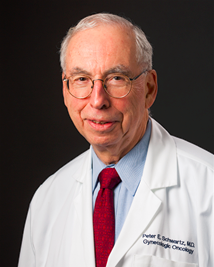 Peter E. Schwartz合作论文数Yale School of Medicine3
 Maysa Abu Khalaf合作论文数Sidney Kimmel Cancer Center, Jefferson Health;Department of Medical Oncology, Thomas Jefferson University3
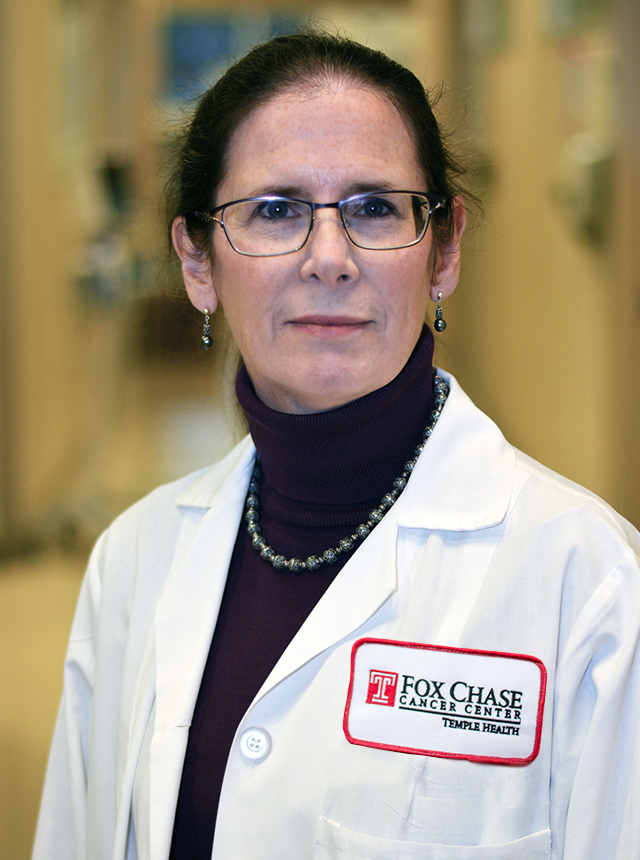 Margaret Von Mehren合作论文数Department of Hematology and Oncology, Lewis Katz School of Medicine, Fox Chase Cancer Center3
 Zain A. Husain合作论文数Radiation Oncology, University of Maryland3Arshia Arora合作论文数2Brittany L. Siontis合作论文数2Cyril Gary合作论文数2Tarek Sabagh合作论文数2Ami P. Jhaveri合作论文数2Megan Ann Baumgart合作论文数2Michelle R Mahoney合作论文数2
 Amylou C. Dueck合作论文数Division of Health Sciences Research, Mayo Clinic;Division of Clinical Trials and Biostatistics, Department of Quantitative Health Sciences, Mayo Clinic2Erin E. Kozlowski合作论文数2Irvin Yi合作论文数2Steven Bialick合作论文数2Filomena Mazzeo合作论文数2Sujana Movva合作论文数2N. Mitsiades合作论文数2Tony Philip合作论文数and Weill Cornell Medical College, Northwell Health Cancer Institute;the Department of Sarcoma Medical Oncology, University of Texas M.D. Anderson Cancer Center;the Department of Oncology, McGill University;Cliniques Universitaires Saint-Luc, Catholic University of Louvain;Netherlands Cancer Institute, Leiden University Medical Center;the Department of Medicine, University of Colorado Cancer Center;Duke Cancer Institute, Duke University Medical Center (R.F.R.),;Yale School of Medicine, Yale University;Sylvester Comprehensive Cancer Center, University of Miami Health System;Stanford Cancer Institute, University of California, Los Angeles;Massachusetts General Hospital Cancer Center (G.M.C.), Dana-Farber Cancer Institute and Harvard Medical School (P.M.),;Washington University in St. Louis;Fondazione Policlinico Universitario Campus Bio-Medico, Università Campus Bio-Medico di Roma;Department of Medical Oncology, University College London Hospital Foundation Trust;Rogel Cancer Center, the University of Michigan;the Cancer and Blood Diseases Institute, the Ohio State University Comprehensive Cancer Center;Medical College of Wisconsin, University of Wisconsin Carbone Cancer Center;University of Pennsylvania, Philadelphia, University of Pittsburgh Medical Center;the University of Heidelberg, Mannheim University Medical Center;the Knight Cancer Institute, Oregon Health and Science University;Fred Hutchinson Cancer Research Center, University of Washington2
 Johannes Uhlig合作论文数2




