Background Graft failure (GF) remains one of the most serious complications following pediatric allogeneic hematopoietic cell transplantation (HCT) for non-malignant disorders (NMD), compromising both survival and cure. Understanding the predictors and outcomes of GF is essential for improving transplant success and guiding future strategies. Methods A retrospective analysis was conducted of all pediatric allogeneic HCTs performed for NMD at King Hussein Cancer Center between January 2002 and June 2014. Recipient, donor, and transplant-related variables were analyzed to identify predictors of GF. Patients who developed GF were compared with those achieving sustained engraftment. Results Of 1,246 total pediatric HCTs, 529 were performed for NMD (median age 8 years, range 0.26–20.3; 55% male). Diagnoses included hemoglobinopathies (45%), bone marrow failure (29%), immune deficiencies (21%), and inherited metabolic disorders (5%). Donor types included HLA-matched (78%), haploidentical (19%), and unrelated cord blood (2.6%), with stem cell sources of PBSC (56%), BM (41%), and CB (3%). Most donors were related (97%) and male (55%). Conditioning was myeloablative in 49%, reduced-intensity in 45%, and absent in 5%.Engraftment occurred in 91% (n=483), while 8.7% (n=46) experienced primary GF. At a median follow-up of 7.5 years (0.3–20), 26% (n=139) developed GF (primary or secondary). GF was significantly associated with female recipients (p=0.049), gender-mismatched pairs (p=0.035), reduced-intensity or no conditioning (p<0.001), peripheral blood stem cell source (p<0.001), and unrelated donors (p<0.001). GF correlated with longer hospitalizations (48 vs 35 days), higher disease persistence (81% vs 13%, p<0.001), and increased mortality (24% vs 9%, p<0.001). No significant association was observed with age, donor gender, CMV mismatch, disease category, or GVHD. Conclusions This large single-center cohort highlights key predictors and adverse outcomes of graft failure in pediatric HCT for non-malignant diseases. Female and gender-mismatched recipients, unrelated donors, PBSC use, and reduced-intensity or absent conditioning were independently associated with higher GF risk. These findings underscore the importance of optimal donor selection, conditioning intensity, and graft source choice to improve engraftment and long-term survival in children undergoing transplantation for non-malignant disorders.
Advances in graft-versus-host disease (GVHD) prevention and treatment have resulted in expanded donor options and improvement in treatment-related mortality (TRM). This analysis aimed to compare the incidence of acute and chronic GVHD (aGVHD and cGVHD) in pediatric patients by recipient age and to evaluate the impact of GVHD on overall survival (OS) and TRM. We included 14,099 patients ≤21 years who received their first allogeneic hematopoietic cell transplantation from 2002-2020, categorizing recipient age as: 0-2y (infants/toddlers), 3-12y (school-aged), and 13-21y (adolescent/young adult). There was no difference in grade II-IV and III-IV aGVHD by Day 100 among age groups, except in patients with nonmalignant disease, where there was a small increase in incidence of severe aGVHD in older patients. Incidence of moderate/severe cGVHD by 1y was higher with age. A similar impact of age was observed after adjusting for patient, donor and transplant characteristics. Risk of severe aGVHD was higher in older children with NMD. Severe aGVHD and moderate/severe cGVHD were independently associated with inferior OS. In patients with malignant disease, both severe aGVHD and moderate/severe cGVHD were associated with increased risk of TRM. In conclusion, risk of moderate/severe cGVHD increases with recipient age, and risk of severe aGVHD is increased among older patients with nonmalignant conditions. Despite the low overall incidence of aGVHD and cGVHD in children, both are associated with significantly worse survival. These data highlight the need to consider GVHD outcomes at time of consultation and for improved prevention and treatment approaches.
Haploidentical hematopoietic stem cell transplant (Haplo-HSCT) has emerged as an alternative for patients lacking matched human leukocyte antigen (HLA) donors. The scarcity of stem cell donor registries and cord banks across the Eastern Mediterranean (EM) region has led to increased need of Haplo-HSCT as a mean to overcome this limitation. In this study, we aimed to assess trends in Haplo-HSCT utilization within the Eastern Mediterranean Blood and Marrow Transplantation (EMBMT) registry from 2012 to 2024, and describe key clinical and transplant-related factors associated with patient outcomes. We conducted a retrospective, multicenter registry-based analysis of patients who had their first un-manipulated Haplo-HSCT in ten EMBMT centers across six countries, who responded and accepted to participate in the study. Due to the variability in time-to-event reporting across different centers, survival and relapse-related outcomes were analyzed descriptively. Continuous variables were summarized using medians and ranges, and categorical variables were described by counts and percentages. The association between individual baseline variables and patient survival, was conducted using a univariate analysis utilizing the chi-square test. Categorical variables such as patient and transplant characteristics were compared against survival status at last follow-up. All variables were further evaluated in the multivariate analysis. Overall survival (OS) and progression-free survival (PFS) were estimated using Kaplan-Meier survival analysis. Between 2012 and 2024, a total of 673 patients received haplo-HSCT across ten centers, in six EMBMT-registered countries. Median age was 25 years, and the predominant indication for haplo-HSCT was leukemia (64.3%). Transplant was done using stem cells collected from peripheral blood in majority of cases (65.7%), and Total Body Irradiation (TBI) was utilized in 37.6% of all patient. 76.5% had malignant hematological disorders, while 23.5% had non-malignant disorders. Relapse was reported in 232 patients (34.5%) and death in 220 patients (32.7%). Of these, 88 deaths (12.8%) were attributed to disease progression. Haplo-HSCT activity increased steadily over the study period, with a marked increase in the last few years, reflecting broader regional adoption. PFS was 66% and 60% at 1- and 2- years after transplantation. Also, the 1-year and 2-year post-transplant OS was 71% and 65%, respectively. Multivariate analysis identified disease type and chronic GVHD as factors associated with improved outcomes. Despite variability across centers, outcomes were consistent with international benchmarks, underscoring the growing feasibility and therapeutic value of haplo-HSCT in the EMRO region. Haplo-HSCT is increasingly adopted across the EMRO region as the primary alternative donor HSCT modality. Our findings confirm its clinical efficacy, with outcomes comparable to international benchmarks. These results underscore the importance of continued regional collaboration and the development of personalized strategies to address challenges such as graft-versus-host disease (GVHD), disease relapse, and disparities in access to transplantation services.
Background Allogeneic hematopoietic cell transplantation (HCT) is a curative treatment for various non-malignant disorders in children. We evaluate the features and long-term outcomes of pediatric patients who received allogeneic HCT for non-malignant disorders. Methods A retrospective analysis of data on HCTs performed between Jan2003 and Jun2024 for children with malignant disorders at KHCC was conducted. Results Out of 1,246 pediatric HCTs, 42% (n=529) underwent allogeneic HCTs for non-malignant disorders. The majority (70%, n=370) of patients were Jordanians. Males accounted for 55% (n=289). The median age at HCT was 8 years (0.26-20.3), with 54% (n=288) of patients younger than 7 years. CMV positivity was present in 60.6% (n=321). The underlying diagnoses were hemoglobinopathies (45%), bone marrow failure syndromes (29%), immune deficiencies (21%), and inherited disorders (5%).At a median follow-up of 1,251 days (range: 32-3,060), full HLA-matched HCTs accounted for 78% (n=414), haploidenticalfor 19% (n=101), and umbilical cord blood (UCB) for 2.6% (n=14). Stem cell sources were peripheral blood stem cells (PBSCs) in 297 (56%), bone marrow (BM) in 216 (40.9%), and UCB in 16 (3.1%). Myeloablative conditioning (MAC) was used in 259 (49.4%) patients, reduced-intensity conditioning (RIC) in 242 (45.4%), and no conditioning in 28 (5.3%). The median donor age was 15 years (range: 9-28), with the majority (29%, n=147) of donors over the age of 25 years. Most donors were males (64%) and related (97.4%) with 93% of donor CMV positivity (n=315).The median times for neutrophil and platelet engraftment were 15 days (range: 13-18) and 18 days (range: 16-25), respectively. Acute graft-versus-host disease (GVHD) occurred in 27% (n=35) patients and chronic GVHD in 18% (n=94). Thirteen percent (n=54) of patients required PICU admission in the first 100 days. Disease remission was maintained in 73% of patients (n=386). A total of 456 (87%) patients are alive, while 68 (13%) died, with 43 (84%) of those deaths due to transplant-related causes. The median relapse-free survival (RFS) was 1,703 days (range: 408-3,644), with 12- and 60-month overall survival rates of 93% and 91%, and disease-free survival rates of 82% and 72%, respectively. Conclusions Favorable long-term outcomes for pediatric patients undergoing allogeneic HCT for non-malignant disorders are observed, with high survival rates and effective disease remission. Continued follow-up is essential to monitor chronic GVHD and other late effects
ABSTRACT:The hallmark of ERCC6L2 disease (ED) is a highly penetrant progression from bone marrow failure to erythroid-predominant, TP53-mutated myeloid malignancy with a dismal prognosis. Allogeneic hematopoietic stem cell transplant (HSCT) remains the only potentially curative option, but concerns exist regarding transplant-related toxicities (TRT) due to the underlying DNA repair defect. To the best of our knowledge, this is the first study to report a systematic analysis of HSCT in ED. We conducted a retrospective multicenter study involving 45 patients with ED who underwent HSCT in 2004-2024. The primary outcomes were overall survival (OS), TRT, and nonrelapse mortality (NRM). The 1-year and 3-year OS were 79% (95% confidence interval [CI], 66-91) and 54% (95% CI, 35-73), respectively. Previous history of excess blasts significantly predicted inferior survival (hazard ratio [HR], 6.8; 95% CI, 2.2-20.3; P< .001), with a median survival of 12 months (95% CI, 0-24). Grade 3 to 5 endothelial toxicities occurred in 27% of patients and were associated with higher NRM (HR, 7.7; 95% CI, 1.5-38.8; P = .016). The use of nontreosulfan-based myeloablative conditioning (MAC) regimens increased the risk of endothelial complications compared with reduced-intensity conditioning (RIC; HR, 4.9; 95% CI, 1.1-22.0; P = .040), whereas outcomes with treosulfan-based MAC were comparable to RIC. In summary, allogeneic HSCT is a viable curative strategy for ED when performed before transformation to an aggressive malignancy, for example myelodysplasia with excess blasts or acute myeloid leukemia. However, the elevated incidence of endothelial toxicity highlights the importance of optimizing conditioning intensity and enhancing peritransplant monitoring in this population.
Wouters et al. review the clinical and genetic landscape of DADA2, a multisystem inborn error of immunity. It examines expanding phenotypes, emerging pathophysiological mechanisms, treatment strategies, and newly described dominant-negative variants that challenge classical recessive inheritance—suggesting DADA2 is considerably more prevalent than previously recognized.
Deficiency of adenosine deaminase type 2 (DADA2) is an inborn error of immunity caused by biallelic pathogenic variants in the ADA2 gene. DADA2 is characterized by a broad spectrum of clinical features, including inflammatory/vasculitic, hematological, and immunodeficient manifestations. Related to this complex clinical phenotype, which overlaps with other diseases, underdiagnosis of DADA2 can be suspected. Several pathophysiological mechanisms causing DADA2 have been described in recent years; however, a unifying pathomechanism explaining all DADA2 disease manifestations is still lacking. Although DADA2 is considered an autosomal recessive disorder, recently several variants in the ADA2 gene were described to cause DADA2 disease in a heterozygous state, via negative dominance. Data from PheWAS studies in large public databases support this observation. Based on these findings, the prevalence of ADA2-associated phenotypes might be much higher than the estimated 1 in 222,146 individuals. As a result, patients with these phenotypes are likely to be encountered by multiple medical disciplines.
Background Graft versus host disease (GvHD) is a life-threatening complication following allogeneic hematopoietic cell transplantation (HCT). While corticosteroids are the first-line therapy, only 50% of the patients respond. Steroid-refractory GvHD (SR-GvHD) poses a high mortality risk, underscoring the importance of immunomodulatory therapies such as extracorporeal photopheresis (ECP). However, data on its use in pediatric patients are limited. Methods This retrospective observational study was conducted at King Hussein Cancer Center, Jordan (2017 to 2024), and included pediatric patients (<18 years) who received ECP and methoxsalen using the Therakos CellEx device, for acute and chronic SR-GvHD following HCT, identified through medical record review. Results The study included 42 patients: 21 with acute SR-GvHD (SR-aGvHD, 50%) and 21 with chronic SR-GvHD (SR-cGvHD, 50%). Median age was 9 years in SR-aGvHD, (52·4% male) and 14 years in SR-cGvHD (66·7% male). Most had malignant conditions (76·2% SR-aGvHD, 66·7% SR-cGvHD), predominantly leukemia, and received haploidentical HCT (57·1% SR-aGvHD, 38·1% SR-cGvHD). Severe GvHD occurred in most cases– grade III (28·6%) and IV (57·1%) aGvHD, and severe cGvHD (76·2%). All patients <30 kg required blood priming (median body weight 19.4 kg in SR-aGvHD, 17.5 kg in SR-cGvHD), except for one in the SR-cGvHD group; none >30 kg did. Median ECP cycles were 24 over 65 days in SR-aGvHD, and 27 over 4 months in SR-cGvHD. Complete response rates in SR-aGvHD were 66·7% at one month and 81% at three months; in SR-cGvHD, 23·8% and 42·9%, respectively. Steroid tapering occurred in all SR-aGvHD and 85·7% of SR-cGvHD patients; full discontinuation was achieved in 19% and 23.8%, respectively. Conclusion ECP with the Therakos CellEx Photopheresis System is effective and safe in pediatric SR-GvHD, mainly as a second-line therapy, demonstrating significant clinical response rates and a steroid-sparing effect.
Introduction Hematopoietic cell transplantation (HCT) is the only curative treatment currently available for thalassemia major (TM).A risk-adaptive treatment approach using reduced-intensity conditioning (RIC) prior to HCT in high-risk TM patients results in fewer complications compared to myeloablative conditioning (MAC) regimens. Methods Retrospective review of HCTs for hemoglobinopathies between Jan2003 and June 2024, which describes patients’ and HSCT characteristics and outcomes. Results Out of 1,246 HCTs, HCTs from HLA-identical related donors for hemoglobinopathies accounted for 19% (n=237). Of these, 196 (16%) patients received HCT for thalassemia major, and 14 (1%) for sickle cell disease (SCD), with a median follow-up of 7.39 months. The median age at HCT was 11 years (range: 1–31 years). Females comprised 52% (n=110) of the patients. Reduced-intensity HCTs (RICs) constituted 64% of the transplants (n=125 for thalassemia major and n=10 for SCD). High-risk thalassemia major accounted for the majority of RIC transplants (63%, n=124), with 45% (n=69) classified as Pesaro class II and 35% (n=55) as class III.The RIC regimen included busulfan, fludarabine, TLI (500 cGy), and ATG, followed by PBSCTs. GVHD prophylaxis consisted of MMF and CSA. The median infused CD34+ cell dose was 7.7 × 10⁶/kg. All patients achieved neutrophil and platelet engraftment, with a median time of 15 days (range: 13–18 days) for neutrophils and 19 days (range: 16–28 days) for platelets.Persistent mixed donor and full donor chimerism were observed in 50% of HCTs each. Immune-suppressive therapy for GVHD treatment was required in 21% of patients. Sinusoidal occlusive syndrome occurred in 12% (n=24) of HCTs, with all cases recovering completely. Secondary graft failure was observed in 16% (n=32) of HCTs. The 5-year overall survival rate was 98%, while the 5-year probability of disease-free survival was 82%. Conclusion Employing risk adaptive approach using RIC conditioning regimens HCT for high risk hemoglobinopathies demonstrates safety and efficacy and are associated with excellent engraftment and sustained donor chimerism; and leads to excellent disease- free and overall survival rates.
ABSTRACT:Chronic granulomatous disease (CGD) is an inborn error of immunity characterized by defective NAD phosphate oxidase function, leading to impaired microbial killing, recurrent infections, and granulomatous inflammation. Allogeneic hematopoietic stem cell transplantation (HSCT) is a curative treatment for CGD, particularly effective when a fully HLA-matched donor is available. However, the place of HLA-haploidentical HSCT remains less established. This retrospective multicenter study analyzed outcomes of 64 patients with CGD (53 males; 46 with X-linked CGD) who underwent a first HSCT with HLA-haploidentical family donors, with either in vitro T-cell receptor (TCR)αβ/CD19 depletion or in vivo depletion using posttransplant cyclophosphamide (PTCY). The mean age at transplant was 5.8 years (range, 0-33). Patients exhibited a high disease burden before HSCT, with 45% experiencing infections in the 6 months before HSCT and 67% exhibiting inflammation. Outcomes in the entire cohort showed a 3-year overall survival, event-free survival (EFS), and grade 3 to 4 graft-versus-host disease (GVHD)-free EFS of 75.9%, 70.2%, and 56.1%, respectively, and were not affected by the type of depletion or age. The cumulative incidence (CI) of primary graft failure (PGF) was 20.6%. The CI of grade 2 to 4 acute GVHD was higher in the PTCY group (P = .04), whereas the CI of grade 3 to 4 GVHD was not. These results indicate that HLA-haploidentical HSCT is a feasible transplant option for patients with CGD lacking HLA-matched donors. Further refinement of transplant protocols is necessary to mitigate graft failure and acute GVHD, ultimately improving access and outcomes for this life-saving therapy.
Introduction: Allogeneic HCT is the only curative option for children with high-risk, relapsed, or refractory acute lymphoblastic leukemia (ALL), but relapse and transplant complications remain common. Pre-transplant MRD negativity is strongly associated with better outcomes. A composite endpoint such as GVHD-free/relapse-free survival (GRFS) better captures transplant success than OS or EFS. Methods: We retrospectively analyzed outcomes in 210 pediatric ALL patients who underwent allogeneic HCT at our center (2003–2025). The primary endpoint was GVHD-free/relapse-free survival (GRFS), defined as survival without grade 3–4 acute GVHD, moderate-to-severe chronic GVHD, relapse, or death. Conditioning regimens, donor type, graft source, and pre-transplant MRD status were recorded. One-year and five-year overall survival (OS), event-free survival (EFS), and GRFS were estimated by Kaplan–Meier analysis. Cox regression was used for univariable and multivariable analyses of predictors, including age, donor type, conditioning, and MRD status. Results: Among 210 pediatric ALL transplant recipients (median age 10, range 2–19 years), median follow-up was 28 months (range 3–247). Most patients (97%) received myeloablative conditioning and 81% received peripheral blood stem cell grafts. Donor sources were matched related donors (138 patients, 66%), unrelated cord blood (13, 6%), and haploidentical donors with post-transplant cyclophosphamide (59, 28%). Remission status at HCT was CR1 in 77 patients (37%) and second or later CR in 133 (63%). Median neutrophil and platelet engraftment were day 16 and 21, respectively. One-year OS, EFS, and GRFS were 83%, 76%, and 50%, respectively. At five years, OS, EFS, and GRFS were 65%, 63%, and 43%, respectively. On univariable analysis, pre-transplant MRD negativity (HR 2.80, p<0.001), age <12 years (HR 1.57, p=0.019), and a matched related donor (HR 1.51, p=0.036) were associated with superior GRFS. In multivariable analysis, MRD negativity independently predicted improved OS (HR 8.53, p<0.001), EFS (HR 7.21, p<0.001), and GRFS (HR 2.77, p<0.001). Younger age showed a trend toward better GRFS (HR 1.40, p=0.091), and total body irradiation (TBI)-based conditioning was associated with better OS (HR 0.19, p=0.002). Conclusion: Pre-transplant MRD negativity strongly predicts better OS, EFS, and GRFS after allogeneic HCT in pediatric ALL. GRFS provides a meaningful composite endpoint capturing both relapse and transplant-related morbidity. These findings support incorporating MRD status and GRFS into transplant decision-making and outcome evaluation for high-risk pediatric leukemia.
Inborn errors of immunity (IEI) are a heterogenous group of rare monogenic disorders that affect innate or adaptive immunity, resulting in susceptibility to life-threatening infections and autoimmunity. Allogeneic hematopoietic cell transplantation (HCT) is a valuable curative option for children with IEI. We conducted a retrospective single-center study on the outcome of HCT in children with IEI. Primary outcome was overall survival (OS). We gathered data from 55 patients underwent HCT in the period 2014 to 2023. The indications for HCT were CGD (n = 14), HLH (n = 12), SCID (n = 10), and others (n = 19). Median age at HCT was 3 years (range 0.1–17). Donors were HLA-matched related (n = 27), haploidentical (n = 24), and cord (n = 4). The conditioning regimens were myeloablative (n = 34), reduced intensity (n = 18), or no conditioning (n = 3). After a median follow-up of 43 months (range 13–120), 2-year OS was 93
Objective Detection and tracing of acute kidney injury (AKI) in children with cancer in Jordan and the developing world are very limited. The objective of this paper is to report the incidence, the outcome, risk factors, as well as some clinical parameters associated with AKI in children with cancer. Methodology This study is based on an analysis of a registry that was established for children with cancer who develop AKI. The aim of the registry was to detect, trace, define risk factors, and maintain follow-up for children who develop AKI at King Hussein Cancer Center (KHCC). A flag system was established for all children who develop AKI. The pediatric department at KHCC is composed of four locations. These include the pediatric ward, bone marrow transplant (BMT) unit, pediatric intensive care unit (PICU), and the emergency room (E/R). Analysis was done in all locations. AKI was defined and staged according to the Kidney Disease: Improving Global Outcomes (KDIGO) criteria. Results During the study period, there were 16,273 total hospital admissions, and the cancer registry included 4,482 unique patients. A total of 473 AKI attacks occurred, representing 2.9% of all admissions. These attacks occurred in 374 patients, indicating that 8.3% of cancer patients experienced at least one AKI episode. The mean follow-up duration was 2.27 ± 1.28 years. In the pediatric ward, 134 attacks of AKI were recorded (1.1% of admissions; 5.7% of patients). In the BMT unit, 117 attacks of AKI were recorded (4.3% of admissions; 6.9% of patients). In the PICU, 74 attacks of AKI were recorded (4.4% of admissions; 10.8% of patients). The most common place of developing AKI for patients at KHCC was in the home setting (community acquired) as 148 (31.3%) of patients who had AKI presented to the E/R with AKI, 134 (28.3%) had AKI while in the ward, 117 (24.7%) patients while in the BMT unit, and 74 (15.6%) patients while in the ICU. Fifty-four (14.4%) patients had two attacks, 15 (4.0%) had three attacks, and five (1.3%) had more than three attacks of AKI. The maximum stage of AKI reached was stage 1 in 204 (43.1%) patients, stage 2 in 167 (35.3%) patients, and stage 3 in 102 (21.6%) patients. In the PICU stage, three was the most common maximum stage reached. The main cause of AKI at KHCC was nephrotoxic medications in 204 (43.1%) of patients. High-dose methotrexate (MTx) was the most common single drug to cause AKI in 34 (16.7%) patients. The most common cause for home-acquired AKI was pre-renal in 47 (32%) patients. The most common malignancy in children who developed AKI was hematological in 230 (48.6%) patients. Residual renal damage was detected following 66 (14%) patients. Another 38 (8%) patients passed away, suggesting a higher mortality in children who developed AKI than in children without AKI. Renal replacement therapy (RRT) was done for 15 patients (3.2%), whereas 458 patients (96.8%) did not need RRT. Conclusion AKI in children with cancer shares many features with AKI in the general pediatric population, with multiple similar clinical manifestations. However, oncology patients have unique risk factors - most notably nephrotoxic chemotherapy, tumor lysis syndrome, sepsis, and obstructive uropathy - which distinguish their AKI profile. Variations between units within the same center can also influence AKI patterns. An in-center registry is therefore essential for early detection and ongoing monitoring of AKI cases.
Introduction: Severe Aplastic Anemia (SAA) is a life-threatening hematopoietic stem cell disorder; Allogeneic hematopoietic stem cell transplantation (HSCT) offers potential cure for severe aplastic anemia (SAA). Long-term outcomes are significantly impacted by graft failure and graft-versus-host disease (GVHD). We analyzed a single-center cohort of SAA patients undergoing HSCT, focusing on the composite outcome of GVHD and relapse/rejection-free survival (GRFS) to evaluate patient outcomes beyond overall survival (OS). Methods: We reported a novel composite endpoint of GVHD-free/relapse -free survival (GRFS) in patients with refractory and treatment naïve SAA who underwent HSCT at our center between Nov 2004 to October 2024. GRFS is defined as being alive without aplastic anemia , acute GvHD (aGvHD) grades III/ IV, extensive chronic GvHD (cGvHD), and graft loss in patients with SAA. We compared outcomes by donor type (matched related donor [MRD] vs Haplo identical donor). Results: Total of 118 patients with SAA; the median time from diagnosis to transplant (Dx-Tx) was 3.6 months (range, 0.7-129) and the median follow-up was 48 months (range, 2.1-212). Of these, 25 had failed front-line IST and 93 patients were treatment-naïve (TN). The median age at Tx was 17 years (range, 1.1-61). Donor type was HLA matched related (MRD, n=94), haploidentical (n= 24). One hundred five patients received myeloablative conditioning (MAC); 82 patients received BM as a stem cell source. The median time for neutrophil recovery was 16 days (range 9–40) and platelet recovery was 21 days (range 10–106). The estimated 1-yr OS, EFS, and GRFS were 87.9%, 81%, and 74%, respectively, and the estimated 5-yrs OS, EFS, and GRFS were 85.7%, 69.8%, and 62.7 %, respectively. In univariable analysis factors associated with better outcomes if GRFS used as an endpoint: MRD, BM as stem cell source, no prior ATG based IST. In multivariable analysis, the strongest positive predictor of OS (HR: 2.81; p=0.031, EFS (HR: 3.81; p<0.001), and GRFS (HR: 2.58; p=0.004) was bone marrow as a stem cell source.Conclusion: In severe aplastic anemia, allogeneic HCT produces high long-term survival, but significant post-transplant morbidity persists. At our center, 5-year OS and GRFS were 86% and 63%, respectively. Bone marrow grafts and upfront transplant with no prior ATG based ISI were associated with superior GRFS. These data support continued optimization of donor selection, graft choice as well as timing of Allo-HCT in patients who are lacking MRD to maximize GVHD/relapse-free survival in SAA.
The platform for haploidentical hematopoietic stem cell transplantation (haplo-HSCT) is evolving. Early immunosuppression initiation in peripheral blood haplo-HSCT with post-transplant cyclophosphamide was retrospectively assessed in 51 patients, showing high engraftment rates, low-grade CRS (35.3%), and favorable 3-year survival outcomes. Prospective studies are required to validate these results and optimize immunosuppression timing. Introduction: Peripheral blood (PB) grafts are increasingly used in haploidentical hematopoietic stem cell transplantation (haplo-HSCT) with post-transplant cyclophosphamide (PT-Cy). The optimal timing for initiation of immunosuppression (IS) with calcineurin inhibitors (CNI) and mycophenolate mofetil (MMF) in PB haplo-HSCT is unclear. This study evaluates the outcomes of early initiation of IS prior to PT-Cy. Methods: Medical records of adult patients with hematologic malignancies who received PB haplo-HSCT with PT-Cy between 2017 and 2022 were retrospectively reviewed. IS with CNI and MMF were started on day 0 and 1 postinfusion. Statistical analyses for survival outcomes were performed using the Kaplan-Meier method, and cumulative incidence (CI) models were used to account for competing risks for relapse, and nonrelapse mortality (NRM). Results: A total of 51 patients were included, with a median age of 37 years (range: 19-63) and a median follow-up of 44 months (range: 37.8-53 months). Neutrophil and platelet engraftment were achieved in 98% and 96% of patients, respectively. CRS occurred in 35.3% of patients, predominantly grade I, with only 1 patient developing grade II CRS. At 3 years, overall survival (OS) and progression free survival (PFS) were 51.8% and 50.2%, respectively, and GVHD-relapse free survival (GFRS) was 43.1%. The CI of relapse and NRM at 3 years were 28.2% and 21.6%, respectively. Conclusion: Early initiation of IS in PB haplo-HSCT was associated with high rates of engraftment, low rates of CRS, and favorable long-term survival outcomes. Prospective studies are needed to validate these findings and refine IS timing.
 Rawad Rihani合作论文数54
 Mayada Abu Shanap合作论文数47
 Iyad Sultan合作论文数Department of Pediatrics, King Hussein Cancer Center38Khattab Eman合作论文数32
 Abdelghani Tbakhi合作论文数Department of Cell Therapy & Applied Genomics, King Hussein Cancer Center26R. Rihani合作论文数14
 Khalid Halahleh合作论文数14
 Sherif M Badawy合作论文数Hematology, Oncology and Stem Cell Transplantation, Department of Pediatrics, Feinberg School of Medicine, Northwestern University12Najjar Rula合作论文数12
 Hillard M. Lazarus合作论文数Department of Medicine, School of Medicine, Case Western Reserve University12M. Abu Shanap合作论文数11E. Khattab合作论文数11
 Akshay Sharma合作论文数Department of Cardiothoracic and Vascular Surgery, GB Pant Hospital11
 Mahmoud Aljurf合作论文数King Faisal Specialist Hospital and Research Centre11
 Shahrukh K. Hashmi合作论文数Department of Health Abu Dhabi;Department of Hematology, Mayo Clinic10
 Jignesh Dalal合作论文数Department of Hematology/Oncology, The Children's Mercy Hospital10
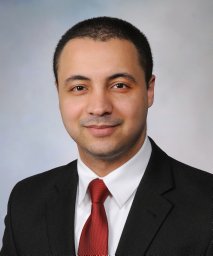 Zaid Abdel-Rahman合作论文数Division of Hematology-Oncology and Blood and Marrow Transplantation and Cellular Therapy Program, Mayo Clinic9
 Hemalatha G. Rangarajan合作论文数Division of Pediatric Hematology, Oncology, Blood and Marrow Transplant, Nationwide Children's Hospital9
 Jeffery Auletta合作论文数9
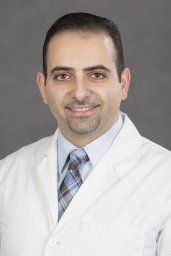 Amer Beitinjaneh合作论文数9Baldeep Wirk合作论文数Bone Marrow Transplant Program, Penn State Cancer Institute8
 Isabelle Meyts合作论文数Department of Pediatrics, University Hospital Leuven8
 Miguel A. Diaz合作论文数Department of Pediatrics, Division of Pediatric Hematology-Oncology and Hematopoietic Stem Cell Transplantation and Cell Therapy Unit, Hospital Infantil Universitario Niño Jesus7
 Neel Bhatt合作论文数Cardiology Division, University of Texas Health Science Center and Memorial Hermann Heart and Vascular Institute7Nilly Hussein合作论文数6Mohammad Ma'koseh合作论文数6Larisa Broglie合作论文数CIBMTR® (Center for International Blood and Marrow Transplant Research),, Medical College of Wisconsin;Department of Pediatrics, Medical College of Wisconsin6Nosha Farhadfar合作论文数Department of Medicine, University of Florida6Anant Vatsayan合作论文数Department of Pediatrics, University of Pennsylvania6Saber Wael合作论文数6Gergis Usama合作论文数6
 Jean Yared合作论文数6Rotz Seth合作论文数6Miguel Angel Diaz Perez合作论文数5Sachiko Seo合作论文数5Shanta Sharma合作论文数5
 Salwa Saadeh合作论文数5
 Ruta Brazauskas合作论文数5
 William Woo合作论文数Division of Hematology, Department of Medicine, School of Medicine, University of North Carolina at Chapel Hill5Saurabh Chhabra合作论文数5
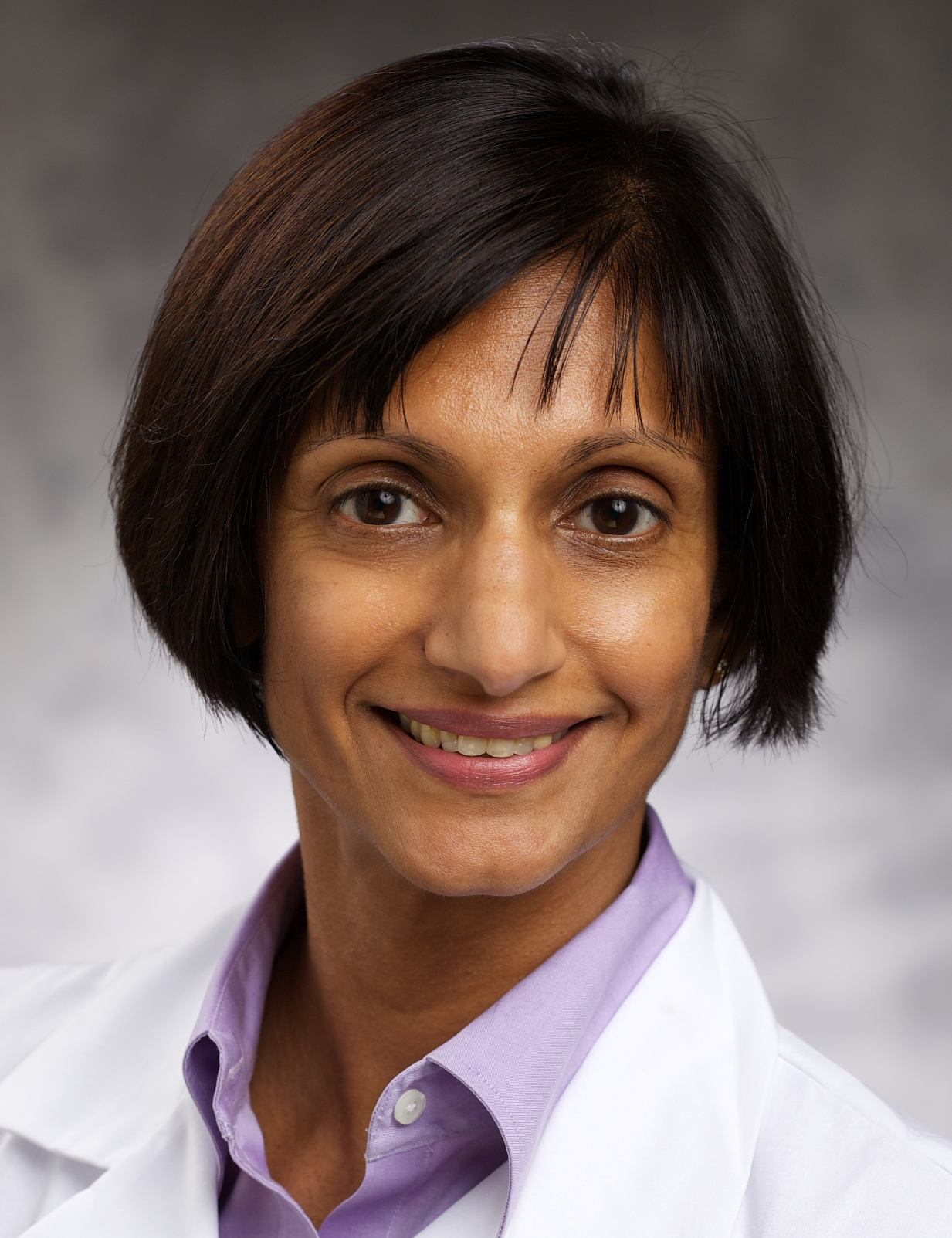 Mary Eapen合作论文数Medical College of Wisconsin/Center for International Blood and Marrow Transplant Research5
 Robert Peter Gale合作论文数Centre for Haematology, Department of Immunology and Inflammation, Imperial College London;Division of Experimental Medicine, Imperial College London5
 Rolla Abuarja合作论文数Pediatric Bone Marrow Transplant, Nationwide Children's Hospital5Bipin N. Savani合作论文数5Michael S. Hershfield合作论文数5
 Joris Van Montfrans合作论文数Division of Pediatrics, University Medical Center Utrecht5Cesar O Freytes合作论文数Department of Medicine, University of Texas Health Science Center San Antonio5Amal Abu Ghosh合作论文数4
 Faris Madanat合作论文数4




